
When you’re facing parathyroid surgery, knowing how long it takes is key. Understanding each aspect of hyperparathyroidism surgery is essential. At Liv Hospital, our skilled surgeons use the newest methods to make sure parathyroidectomy is done quickly.
The time it takes for parathyroid surgery can change based on a few things. This includes how complex the case is and if it’s a traditional or minimally invasive parathyroidectomy procedure. Our team is all about giving you the care you need. We make sure you’re ready for your surgery and recovery.
Key Takeaways
- Parathyroid surgery duration varies based on the complexity of the case.
- Minimally invasive techniques can reduce surgery time.
- Liv Hospital offers expert parathyroidectomy services.
- Understanding the procedure’s duration helps patients prepare.
- Personalized care is key for a successful surgery and recovery.
Understanding Parathyroid Glands and Their Function

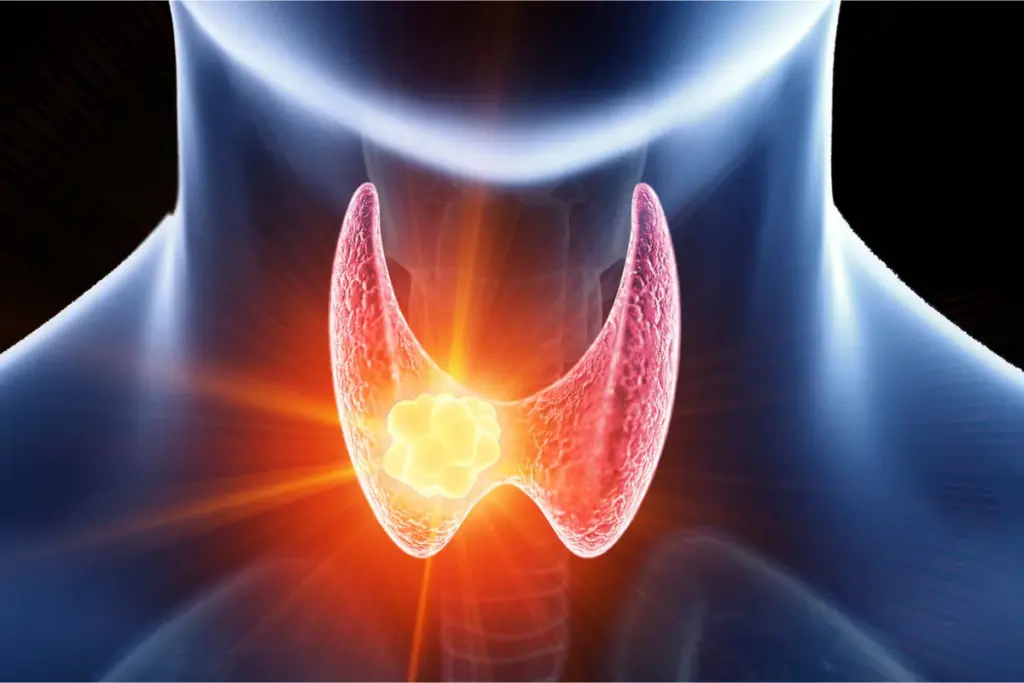
The parathyroid glands are key to keeping our calcium levels in check. They are small glands in the neck, near the thyroid gland. They help control calcium levels by making parathyroid hormone (PTH).
Location and Anatomy of Parathyroid Glands
There are usually four parathyroid glands, two on each side of the thyroid gland. They sit on the back of the thyroid gland. But, their exact spot can differ from person to person. Knowing where these glands are is important for diagnosing and treating problems.
Role in Calcium Regulation
The parathyroid glands make PTH, which helps keep calcium levels right. When calcium levels go down, the glands release PTH. This hormone helps by making more calcium available from bones, improving its absorption, and reducing its loss in urine.
This process is vital for strong bones, nerve health, and muscle function. If the glands don’t work right, like in hyperparathyroidism, calcium levels can get out of balance. Treatment for this might include surgery to remove the affected gland(s).
For example, someone with hypoparathyroidism, where the glands don’t make enough PTH, might struggle to keep calcium levels up. This shows how important the parathyroid glands are for our health. They need to work right for us to stay healthy.
What is Hyperparathyroidism?
Hyperparathyroidism is when the parathyroid hormone is made too much. This can mess with calcium levels in the body. The parathyroid glands help keep calcium balanced.
There are three main types of hyperparathyroidism. Each has its own causes and health effects. Knowing these differences helps doctors diagnose and treat it right.
Primary Hyperparathyroidism
Primary hyperparathyroidism happens when parathyroid glands grow too big and make too much hormone. This leads to hypercalcemia, or too much calcium in the blood. Symptoms include bone pain, kidney stones, and brain problems.
The main reason for this is a benign tumor on a gland. Sometimes, it’s because many glands are too big.
Secondary Hyperparathyroidism
Secondary hyperparathyroidism happens when there’s not enough calcium. This is often because of kidney disease or not enough vitamin D. The glands make more hormone to try to fix the calcium problem.
This isn’t because of a gland problem itself. It’s a response to a bigger issue. Treatment aims to fix the root cause to balance calcium and hormone levels.
Tertiary Hyperparathyroidism
Tertiary hyperparathyroidism comes from long-term secondary hyperparathyroidism, often in kidney disease patients. Over time, glands start making too much hormone on their own, even after the main problem is fixed.
Surgery is often needed to remove these glands. It’s important to understand how it moves from secondary to tertiary to manage it well.
When is Parathyroidectomy Necessary?
Deciding on parathyroidectomy depends on how severe the symptoms and test results are. We carefully check each patient to see if surgery is needed.
Symptoms Requiring Surgical Intervention
Certain symptoms mean you might need parathyroidectomy. These include severe osteoporosis, kidney stones, and very high calcium levels. Patients with these symptoms may find surgery helps a lot. Experts say surgery is often a good choice for these cases.
Other signs that might mean surgery include feeling very tired, being depressed, or having trouble thinking clearly. We think about how these symptoms affect your life when we decide if surgery is right for you.
Diagnostic Tests Before Surgery
Before surgery, patients get tested to confirm the diagnosis and find the problem gland. Tests include blood tests for hormone and calcium levels, ultrasound or sestamibi scans, and sometimes fine-needle aspiration.
A cardiovascular specialist says, “Getting the diagnosis right is key to good treatment.” We use many tests to make sure our patients get the best care.
These tests help us understand how bad the condition is and plan the best surgery. This way, we make sure each patient gets the best results from their surgery.
Types of Parathyroidectomy Procedures
Parathyroidectomy is a surgery for hyperparathyroidism. It comes in different types, each with its own benefits. The choice depends on the patient’s condition, the surgeon’s skill, and how severe the hyperparathyroidism is.
Minimally Invasive Parathyroidectomy
Minimally invasive parathyroidectomy uses a smaller cut than traditional surgery. It’s often chosen when the gland’s location is known before surgery. This method has less tissue damage, less pain after surgery, and a quicker recovery. We use advanced imaging to find the gland accurately, making the surgery more successful.
Traditional Four-Gland Exploration
Traditional four-gland exploration checks all four parathyroid glands. It’s suggested when there’s a chance of disease in more than one gland or when finding the gland’s location is hard. It needs a bigger cut and might take longer to heal, but it lets us thoroughly treat the disease. Our team is skilled in this method, ensuring top care for our patients.
Endoscopic Parathyroidectomy
Endoscopic parathyroidectomy uses an endoscope to see the glands. It’s a minimally invasive way that lets us examine closely with little damage. It results in smaller scars, less pain, and a quicker return to daily activities. We’ve added this modern technique to our options, giving patients the latest treatments.
In conclusion, choosing the right parathyroidectomy depends on many factors. These include the patient’s health, how severe the hyperparathyroidism is, and the surgeon’s opinion. We team up with our patients to pick the best surgery, aiming for the best results.
Duration of a Standard Parathyroidectomy
The time it takes for a parathyroidectomy can change a lot. This depends on how complex the case is, the surgeon’s skill, and the type of surgery.
Knowing how long a parathyroid surgery takes is key. It helps set expectations and get ready for recovery. We’ll look at what affects surgery time and the usual length of different parathyroid surgeries.
Factors Affecting Operation Time
Several things can change how long a parathyroidectomy takes. These include:
- The surgeon’s level of experience and expertise
- The complexity of the patient’s condition, including any extra health issues
- The type of parathyroidectomy procedure (minimally invasive, traditional four-gland exploration, or endoscopic)
- Any anatomical variations that might make the surgery harder
Surgeon experience is very important. More experienced surgeons usually do the surgery faster. They have done many surgeries before.
Average Timeframes by Procedure Type
The time it takes for a parathyroidectomy can differ a lot. This depends on the surgery type.
|
Procedure Type |
Average Duration |
|---|---|
|
Minimally Invasive Parathyroidectomy |
30-60 minutes |
|
Traditional Four-Gland Exploration |
60-120 minutes |
|
Endoscopic Parathyroidectomy |
45-90 minutes |
These times are just estimates. They can change based on the patient and the surgeon’s team.
Pre-Surgery Preparation Timeline
The journey to a successful parathyroidectomy starts with thorough pre-surgery prep. It’s key to follow these steps carefully for a smooth surgery.
Medical Evaluations
Before surgery, patients must go through detailed medical checks. These tests help spot any risks and make sure you’re ready for surgery.
- Complete blood count (CBC) to check overall health
- Electrocardiogram (ECG) to look at heart function
- Imaging tests to find the parathyroid glands
Medication Adjustments
Some meds might need to be changed or stopped before surgery. We’ll look at your meds and tell you what to do.
Medications to be adjusted may include:
- Blood thinners
- Certain supplements that may affect bleeding
Fasting Requirements
Fasting is a big part of getting ready for surgery. We’ll tell you when to stop eating and drinking.
By following these pre-surgery steps, we can lower risks and get the best results for your surgery.
The Day of Your Parathyroidectomy: What to Expect
Getting ready for your parathyroidectomy surgery? Knowing what to expect can ease your worries. We’re here to walk you through each step, making sure you’re well-informed and supported.
Arrival and Pre-Op Procedures
When you get to the hospital or surgical center, our friendly staff will help you with the registration. Then, you’ll go to a pre-operative area for surgery prep. This includes:
- Changing into a hospital gown
- Having an IV line placed for medication and fluids
- Undergoing a brief medical examination to confirm your overall health
- Meeting with your anesthesiologist to discuss anesthesia options
Our team will make sure you’re comfortable and relaxed. We know this can be scary, and we’re here to support you.
Anesthesia Administration
An experienced anesthesiologist will give you anesthesia for your parathyroidectomy. The type of anesthesia depends on your procedure and health. Usually, general anesthesia is used to keep you comfortable and pain-free.
Your anesthesiologist will talk to you about the anesthesia before it’s given. Once you’re under, our surgical team will start the procedure.
We promise to give you the best care and compassion during your surgery. Knowing what to expect can make you feel more confident and ready for a good outcome.
Step-by-Step Breakdown of a Parathyroidectomy Procedure
At Liv Hospital, our skilled surgeons do parathyroidectomies with great care. They make sure the results are the best. The steps are designed to safely remove the bad parathyroid gland(s).
Incision and Access
The first step is making a precise incision in the neck. Our surgeons use advanced techniques to make the incision small. This helps the patient heal faster and lowers the chance of problems. The size and place of the incision depend on the patient’s body and the surgery’s needs.
Localization and Removal
After getting to the glands, the next step is to find the bad gland(s). They use imaging and gamma probe or ultrasound to locate them. This precise finding lets them remove only the bad gland(s). This way, they keep the healthy glands working right.
Closure and Immediate Post-Op
After removing the bad gland(s), the incision is closed. The area is dressed to help it heal. Our team is careful to close the incision to reduce scarring. Right after, patients are watched in the recovery area. They check for any problems and help with pain.
The whole parathyroidectomy process is done with care and precision. It shows our dedication to top-notch healthcare at Liv Hospital.
Specialized Parathyroidectomy Services at Liv Hospital
Liv Hospital is known for its top-notch parathyroidectomy services. We use the latest technology and have a team of experts. Our goal is to provide the best medical care possible.
Advanced Surgical Techniques
At Liv Hospital, we use the newest surgical methods. Our advanced surgical techniques include:
- Minimally invasive parathyroidectomy, reducing recovery time and scarring
- Intraoperative parathyroid hormone monitoring to ensure complete removal of affected glands
- Endoscopic parathyroidectomy for a less invasive approach
These methods help our patients get the best results and recover faster.
Expert Surgical Team
Our surgical team is made up of experienced professionals. They specialize in parathyroid surgery and keep up with the latest knowledge. The expert surgical team at Liv Hospital focuses on each patient’s needs.
Choosing Liv Hospital for parathyroidectomy means you get:
- A team that works together for your care
- Treatment plans made just for you
- Full support after surgery
By picking Liv Hospital, you know you’re in good hands. Our team is dedicated to giving you the best care.
Recovery Time in the Hospital After Parathyroidectomy
The recovery time in the hospital after parathyroidectomy is very important. It needs careful attention from doctors and nurses. We know this time can worry patients and their families. So, we’re here to help you understand what to expect.
Immediate Post-Op Monitoring
Right after surgery, we watch patients closely in the recovery room. We look for any signs of bleeding, infection, or problems with anesthesia. Our team checks vital signs and calcium levels to help with recovery.
Some important things we do right away include:
- Checking vital signs like blood pressure and heart rate
- Watching for low calcium levels
- Looking for bleeding or swelling at the surgical site
- Managing pain to keep patients comfortable
Typical Hospital Stay Duration
The time you stay in the hospital after parathyroidectomy can vary. It depends on your case and the surgery type. Usually, for a standard parathyroidectomy, the stay is short.
Here’s what you might expect:
- For a minimally invasive surgery, you might go home the same day or within 24 hours.
- If a traditional four-gland exploration is done, you might stay longer, up to 48 hours.
We focus on your safety and comfort. The decision to leave the hospital is based on how well you’re recovering and medical advice.
During your stay, our team works hard to give you the best care. We answer any questions you have and make sure you’re ready to go home safely.
Complete Recovery Timeline After Parathyroid Surgery
Knowing how long it takes to recover from parathyroid surgery is key. It helps patients plan and heal smoothly. We’ll cover the recovery stages, from the first week to long-term recovery.
First Week After Surgery
The first week after surgery is vital for a good recovery. Patients might feel pain, swelling, and bruising. Resting and avoiding hard work are important during this time.
Most can start with light activities a few days later. But, always follow your doctor’s post-op instructions carefully.
Key activities to focus on during the first week include:
- Resting and avoiding heavy lifting or bending
- Managing pain with prescribed medication
- Monitoring the surgical site for signs of infection
- Attending follow-up appointments as scheduled
Weeks 2-4 Recovery Milestones
By the second to fourth week, patients often feel much better. Swelling and bruising should lessen, and normal activities can resume. But, it’s important to avoid heavy lifting and hard exercises.
During weeks 2-4, patients can expect:
- Improved energy levels
- Reduced discomfort at the surgical site
- Gradual return to normal dietary habits
- Increased mobility and reduced stiffness
Long-Term Recovery Expectations
Recovery time after parathyroid surgery varies, but most take 4-6 weeks to fully recover. It’s important to keep up with follow-up care to check calcium levels and overall health. A healthy lifestyle, including a balanced diet and exercise, also supports long-term well-being.
Long-term benefits of parathyroidectomy may include:
- Normalization of calcium levels
- Improvement in symptoms associated with hyperparathyroidism
- Enhanced overall quality of life
Potential Complications and Their Impact on Recovery Time
Complications after parathyroidectomy are rare but can slow down recovery. The surgery is usually safe. But knowing the risks helps patients plan better for their recovery.
Common Minor Complications
Minor issues can happen after surgery. But they usually don’t slow down recovery much. These might include:
- Mild pain or discomfort at the surgical site
- Temporary changes in voice or hoarseness
- Slight swelling or bruising around the neck
These symptoms often go away within a few days to weeks.
Serious Complications
Though rare, serious problems can affect recovery more. These might include:
- Persistent hypocalcemia (low calcium levels)
- Nerve injury
- Infection
- Bleeding or hematoma
These serious issues need quick medical help to avoid lasting problems.
When to Contact Your Doctor
Knowing when to call the doctor is key after surgery. Reach out if you notice:
- Severe pain not helped by medicine
- Difficulty breathing or swallowing
- Signs of infection, like fever or redness at the incision
- Symptoms of low calcium, such as numbness or tingling
Talking to your doctor quickly can help manage any issues.
|
Complication Type |
Symptoms |
Action Required |
|---|---|---|
|
Minor |
Mild pain, temporary voice changes, slight swelling |
Monitor, may resolve on its own |
|
Serious |
Low calcium levels, nerve injury, infection, bleeding |
Immediate medical attention |
Follow-Up Care and Monitoring After Parathyroidectomy
After a parathyroidectomy, it’s key to know about follow-up care. This care is not just a routine check-up. It’s a detailed plan to watch your recovery, handle any issues, and make sure your surgery works well in the long run.
Post-Operative Appointments
Post-operative appointments are very important. They let us check how you’re healing, remove any stitches or staples, and talk about any worries or questions. Usually, the first check-up is within one to two weeks after surgery.
At these visits, we look at your health, check for any problems, and change your meds if needed. For example, people who had the surgery might need to adjust their calcium and vitamin D supplements.
Key aspects checked during post-operative appointments include:
- Wound healing and checking for any signs of infection
- Monitoring calcium levels to prevent hypocalcemia or hypercalcemia
- Assessing for any symptoms of parathyroid hormone (PTH) imbalance
- Adjusting medications as needed
Long-Term Calcium Monitoring
It’s important to keep an eye on calcium levels after a parathyroidectomy. The parathyroid glands help control calcium in the body. After surgery, it’s key to make sure these levels stay healthy.
We suggest regular blood tests to check calcium and PTH levels. How often you need these tests depends on your situation and the surgery details. Usually, patients are told to get their calcium levels checked often for a few months after surgery, and then once a year.
It’s also important for patients to be aware of the symptoms of abnormal calcium levels, such as muscle cramps, tingling, or weakness, and to report these to their healthcare provider promptly.
By sticking to the follow-up care plan, patients can lower the risk of problems and make sure their surgery is a success. We’re dedicated to giving you the best care during your recovery.
Life Expectancy and Quality of Life After Parathyroid Surgery
Parathyroidectomy greatly improves life expectancy and quality of life for those with hyperparathyroidism. This surgery relieves symptoms and fixes the hormonal imbalance. This can prevent many health problems.
Improvement in Symptoms
Patients often see a big improvement in symptoms like fatigue, bone pain, and brain fog after surgery. The surgery fixes the overactive parathyroid gland. This brings calcium levels back to normal, easing these symptoms.
One patient said, “The difference was like night and day; I felt like myself again after the surgery.” Many studies agree, showing how parathyroidectomy boosts patients’ quality of life.
Long-Term Health Benefits
Parathyroid surgery offers many long-term health benefits. It fixes the hormonal imbalance caused by hyperparathyroidism. This can prevent osteoporosis, kidney stones, and heart disease.
A study in a top medical journal found, “
Successful parathyroid surgery significantly reduces the risk of long-term cardiovascular and renal complications in patients with primary hyperparathyroidism.
” This shows why parathyroidectomy is a good option for some patients.
Conclusion: Making an Informed Decision About Parathyroid Surgery
Knowing how long parathyroid surgery takes is key for those thinking about it. We’ve looked at many parts of parathyroid surgery in this article. This includes what parathyroid glands do and how long it takes to recover after surgery.
When deciding on parathyroid surgery, it’s important to think about the good and bad sides. Talking to a doctor is a must to see if surgery is right for you. You should think about the type of surgery, possible problems, and what to do after surgery.
At Liv Hospital, our skilled team is here to help you fully. By learning about parathyroid surgery, you can make a smart choice. This choice can lead to better health and happiness.
FAQ
What is parathyroidectomy surgery?
Parathyroidectomy surgery is a procedure to remove one or more parathyroid glands. These glands are overactive and cause hyperparathyroidism.
How long does a parathyroidectomy operation typically take?
The time for a parathyroidectomy operation varies. It usually takes 1 to 3 hours. This depends on the case’s complexity and the surgeon’s experience.
What are the different types of parathyroidectomy procedures?
There are several types of parathyroidectomy procedures. These include minimally invasive parathyroidectomy, traditional four-gland exploration, and endoscopic parathyroidectomy.
What is the recovery time after parathyroid surgery?
Recovery time after parathyroid surgery varies. Most patients stay in the hospital for a few hours to days. Full recovery takes several weeks.
What are the possible complications of parathyroidectomy?
Minor complications include pain, swelling, and bruising. Serious complications are infection, bleeding, and damage to surrounding tissues.
How is hyperparathyroidism diagnosed before parathyroidectomy?
Hyperparathyroidism is diagnosed with blood tests, imaging studies, and physical examination.
What are the benefits of choosing a specialized hospital for parathyroid surgery?
Choosing a specialized hospital like Liv Hospital offers advanced techniques and expert teams. It provides complete care.
How is calcium monitored after parathyroidectomy?
Calcium levels are monitored with regular blood tests. This ensures levels return to normal and stay stable.
Can parathyroidectomy improve symptoms and quality of life?
Yes, parathyroidectomy can improve symptoms and quality of life. It corrects hormonal imbalances and alleviates related symptoms.
What is the life expectancy after parathyroid surgery?
Life expectancy after parathyroid surgery is generally not affected. Most patients return to normal activities and enjoy improved health.
How long does it take to recover from parathyroid surgery?
Recovery time from parathyroid surgery varies. Most patients take a few weeks to fully recover.
What are the risks associated with parathyroidectomy?
Risks include infection, bleeding, and damage to surrounding tissues. These are common with any surgery.
Reference
National Center for Biotechnology Information. Evidence-Based Medical Insight. Retrieved from https://pubmed.ncbi.nlm.nih.gov/15256392/