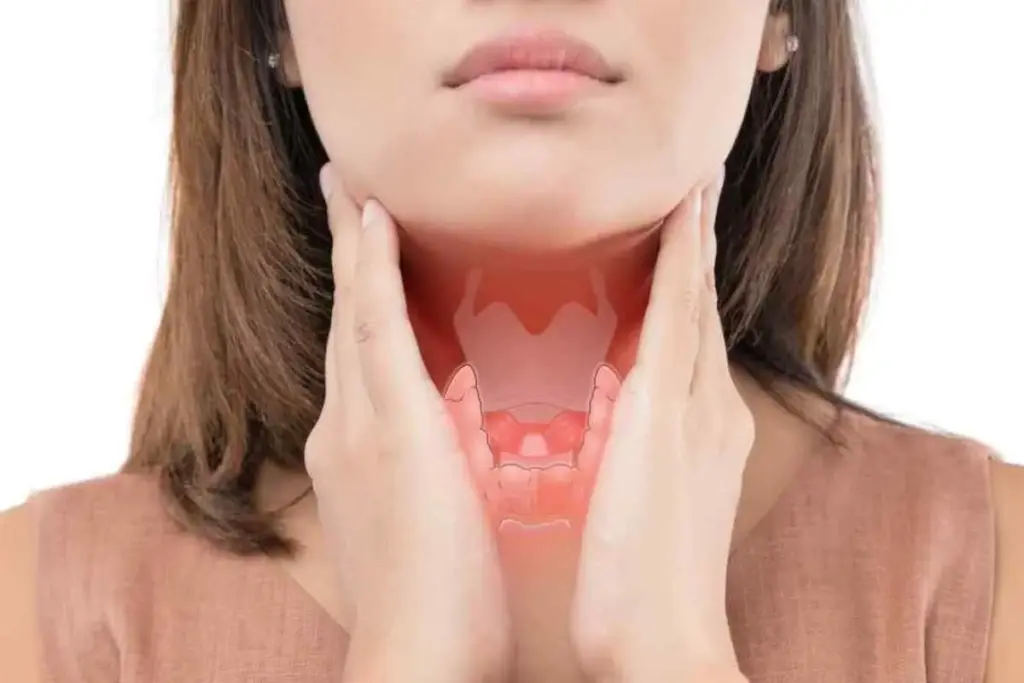
For those fighting hyperparathyroidism, is a new start. We know surgery is a big deal, and recovery time is key.
Usually, people can get back to normal in a few days. Most are fully healed in about a week. The surgery, called parathyroidectomy, removes one or more parathyroid glands. It’s a big step in treating hyperparathyroidism.
Knowing what to expect during recovery is important. We’ll help you understand what’s ahead. This way, you can have a smooth and effective recovery.
Key Takeaways
- Parathyroid surgery recovery time typically allows patients to resume normal activities within a few days.
- Most patients fully recover in about a week after the surgery.
- The success of parathyroidectomy is key in treating hyperparathyroidism.
- Understanding the recovery process is vital for the best results.
- Good recovery advice makes the process easier.
Understanding Parathyroid Glands and Their Function
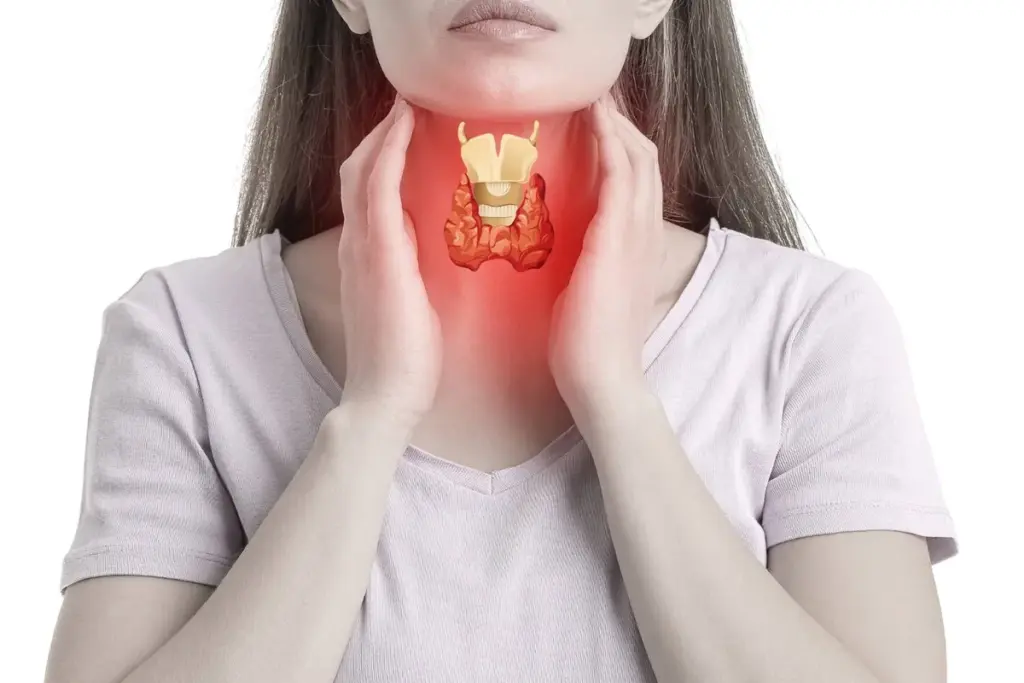
It’s important to know about the parathyroid glands to understand how our body controls calcium. These glands are near the thyroid gland in the neck. They are key to our health.
Anatomy and Location of Parathyroid Glands
The parathyroid glands usually come in four and are behind the thyroid gland. They are small, like peas, and hard to find because of their size and position.
Role in Calcium Regulation
The main job of the parathyroid glands is to make parathyroid hormone (PTH). This hormone helps keep calcium levels in the blood right. Calcium is important for muscles, nerves, and bones.
Calcium regulation is a delicate task. The parathyroid glands are key to keeping the balance needed for our bodies to work right.
Impact of Parathyroid Disorders on Health
Problems with the parathyroid glands, like hyperparathyroidism, can harm our health. Hyperparathyroidism happens when the glands make too much PTH. This causes too much calcium in the blood.
Understanding how the parathyroid glands work and the effects of their disorders helps us see their importance. They are vital for our health and well-being.
Common Conditions Requiring Parathyroid Surgery

Many parathyroid gland disorders need surgery to work right again. These issues can really affect a person’s life, causing symptoms from mild to severe. Knowing about these conditions helps figure out the best treatment.
Primary Hyperparathyroidism
Primary hyperparathyroidism happens when one or more parathyroid glands make too much hormone. This hormone imbalance can cause high calcium levels in the blood. Symptoms include bone pain, kidney stones, and neurological problems.
Secondary Hyperparathyroidism
Secondary hyperparathyroidism is caused by another condition, like chronic kidney disease. It makes the parathyroid glands work too much. It often happens in people with vitamin D deficiency or those on long-term dialysis.
Parathyroid Adenomas and Cancer
Parathyroid adenomas are non-cancerous tumors on the glands that can lead to primary hyperparathyroidism. Parathyroid cancer is rare but can also cause too much hormone. Both can be treated with surgery.
|
Condition |
Description |
Common Symptoms |
|---|---|---|
|
Primary Hyperparathyroidism |
Overproduction of PTH by one or more parathyroid glands |
Bone pain, kidney stones, neurological symptoms |
|
Secondary Hyperparathyroidism |
Overactive parathyroid glands due to underlying conditions like CKD |
Similar to primary hyperparathyroidism, with additional symptoms related to the underlying cause |
|
Parathyroid Adenomas |
Benign tumors causing excessive PTH production |
Hypercalcemia symptoms, bone disease |
|
Parathyroid Cancer |
Malignant tumor leading to excessive PTH production |
Severe hypercalcemia, neck mass, vocal cord paralysis |
It’s key for both patients and doctors to understand these common conditions. Each one has its own traits and treatment options.
Types of Parathyroidectomy Procedures
Parathyroid surgery comes in different forms, from minimally invasive parathyroidectomy to traditional open surgery. The choice of procedure depends on the patient’s health, the parathyroid condition, and the surgeon’s expertise.
Minimally Invasive Parathyroidectomy
Minimally invasive parathyroidectomy uses smaller incisions and less tissue disruption. It’s often chosen when the parathyroid adenoma is known before surgery. This method leads to less pain, quicker recovery, and better looks.
Traditional Open Parathyroidectomy
Traditional open parathyroidectomy uses a bigger incision to explore the parathyroid glands directly. It’s needed for complex cases or when the adenoma can’t be found before surgery. Though it takes longer to recover, it offers a detailed view of the glands.
Focused Parathyroidectomy
Focused parathyroidectomy is a mix of the minimally invasive approach, targeting a specific gland or area. It relies on precise pre-operative studies to limit surgery. This method results in a smaller incision and potentially faster healing.
|
Procedure |
Incision Size |
Recovery Time |
Cosmetic Outcome |
|---|---|---|---|
|
Minimally Invasive Parathyroidectomy |
Small |
Shorter |
Better |
|
Traditional Open Parathyroidectomy |
Larger |
Longer |
Less favorable |
|
Focused Parathyroidectomy |
Small |
Shorter |
Better |
In conclusion, the right parathyroidectomy procedure depends on the patient’s condition and the surgeon’s skill. Knowing the differences between minimally invasive parathyroidectomy, traditional open parathyroidectomy, and focused parathyroidectomy helps patients make better choices.
Preparing for Parathyroid Surgery
Parathyroid surgery needs careful planning. This includes tests and lifestyle changes to lower risks and speed up recovery. Understanding the importance of preparation is key for a good surgical result.
Pre-operative Testing and Evaluation
Before surgery, several tests are done to check your health and parathyroid glands. These might include blood tests for calcium and hormone levels. Imaging like ultrasound or sestamibi scans also help find the affected glands.
Medication Adjustments Before Surgery
Some medicines can affect your surgery or recovery. It’s important to talk about your medicines with your doctor. You might need to stop or change some medicines, like blood thinners, to avoid bleeding. Your doctor might also give you new medicines to get ready for surgery.
- Tell your doctor about all medicines, including supplements and vitamins.
- Follow any instructions for changing or stopping medicines.
- Ask any questions or share concerns about your medicines.
Lifestyle Preparations to Improve Recovery
Changing your lifestyle before surgery can help your recovery. Eating a diet full of calcium and vitamin D is important. Drinking lots of water and avoiding smoking and too much alcohol are also key. Doing some exercise can also boost your health and strength.
Key Lifestyle Adjustments:
- Eat a balanced diet to support your health.
- Drink plenty of water to stay hydrated.
- Avoid smoking and limit alcohol.
- Do regular, moderate exercise.
By preparing well for parathyroid surgery, you can make your recovery better. Our team is here to help you every step of the way. We want to make sure you’re ready and supported for the surgery.
Immediate Post-Operative Recovery Timeline
After parathyroid surgery, knowing the recovery process is key. The first days after surgery are very important. They help set the stage for a good recovery.
First 24-48 Hours After Surgery
The first 24-48 hours are very important. Patients might feel some pain, swelling, and trouble swallowing. It’s important to watch these signs and talk to doctors if you notice anything different.
Resting is very important during this time. Avoid hard activities and focus on getting better. Taking pain medicine as your doctor says is also important.
Hospital Stay Duration Expectations
Most people have parathyroid surgery as an outpatient. This means they can go home the same day. But, some might need to stay in the hospital for a bit. This is usually if there are any problems or if doctors want to keep an eye on you.
|
Type of Surgery |
Typical Hospital Stay |
|---|---|
|
Outpatient Parathyroidectomy |
Same-day discharge |
|
Inpatient Parathyroidectomy |
1-2 days |
Managing Pain and Discomfort
Managing pain is a big part of getting better. We use medicine and other ways to help with pain.
“Effective pain management is key to a comfortable recovery. Our team works closely with patients to ensure that their pain is well-controlled throughout the recovery process.”
Managing pain is not just about medicine. Rest and avoiding hard activities also help. We tell patients to take their medicine as directed and to talk to us if they have any pain or concerns.
First Week Recovery After Parathyroidectomy
Recovering from parathyroid surgery is a journey with important steps. The first week is key for a smooth recovery. Patients must follow guidelines to avoid complications.
Physical limitations during early recovery
In the first week, it’s important to listen to your body. Don’t lift heavy, bend, or do strenuous activities that could harm your healing. Instead, take short walks and move gently to keep blood flowing.
Wound care and incision healing
Keeping the wound clean is essential to avoid infection and aid healing. Make sure the incision is clean and dry, and follow your surgeon’s advice on dressing changes. Watch for signs of infection like redness, swelling, or discharge.
Typical symptoms during the first week
During the first week, you might feel mild pain, swelling, or numbness near the incision. You could also notice changes in calcium levels, causing tingling or muscle cramps.
“It’s not uncommon for patients to feel a bit fatigued or experience some discomfort, but these symptoms typically subside as the body heals.”
Knowing these symptoms helps patients manage their recovery better. This ensures a smoother and more comfortable healing process.
Returning to Normal Activities: Weeks 1-4
After parathyroid surgery, knowing when to start normal activities is key. The first four weeks are critical for a good recovery and getting back to daily life.
Gradual Resumption of Daily Activities
In the first week, rest and avoid hard activities. Weeks 2-4 let you slowly get back to daily tasks. Start with easy things like reading, watching TV, or short walks.
Key activities to resume gradually:
- Light housekeeping
- Cooking simple meals
- Short walks or light stretching exercises
- Gradually increasing daily tasks
Guidelines for Physical Exercise
Exercise is important in recovery, but be careful. Avoid heavy lifting, bending, or hard exercises for 2-3 weeks after surgery.
Recommended exercises during weeks 1-4:
- Short walks (5-10 minutes, 2-3 times a day)
- Light stretching exercises (avoiding heavy strain on the neck)
- Gradually increasing the duration and intensity of exercises
Driving and Travel Restrictions
Driving and travel rules are important for your safety and recovery. Avoid driving for 1-2 weeks after surgery, or until you stop taking narcotic pain meds.
Travel considerations:
- Avoid long-distance travel for at least 2-3 weeks
- Ensure you have access to medical care at your destination
- Consider the mode of transport and its impact on your recovery
By following these guidelines, you can have a smooth recovery after parathyroid surgery. Always talk to your healthcare provider for specific advice and guidance.
Dietary Requirements During Parathyroid Surgery Recovery
Proper nutrition is key after parathyroid surgery. A balanced diet aids in healing and reduces complications. We’ll guide you on what to eat for a smooth recovery.
Calcium and Vitamin D Supplementation
Patients often need calcium supplementation after surgery. Your healthcare provider will tell you how much. Vitamin D is also important for calcium absorption.
Dairy, leafy greens, and fortified foods are good for calcium. But, supplements might be needed. Always follow your doctor’s advice on these supplements.
Foods to Eat and Avoid
Eat foods rich in nutrients like fruits, vegetables, and lean proteins. Avoid foods high in sugar, salt, and unhealthy fats. They can slow healing.
Be careful with foods that affect calcium levels. Foods high in oxalates, like spinach, should be limited. Knowing your dietary needs helps you make better choices.
Hydration Importance
Hydration is vital after surgery. Water helps flush out meds and aids healing. Aim for eight glasses a day, unless your doctor says different.
Clear broths and electrolyte-rich drinks are also good. They help if you can’t eat solids. Check your urine color to see if you’re drinking enough.
Medication Management After Parathyroid Surgery
Managing medications well after parathyroid surgery is key for a smooth recovery. We’ll cover how to handle medications post-surgery. This includes calcium supplements, pain relief, and hormone replacement.
Calcium Supplement Protocols
After parathyroid surgery, taking calcium supplements is often needed. Calcium supplements help keep calcium levels in the blood normal. The right dose and type of supplement depend on the patient and the surgeon’s advice.
Patients usually take calcium with vitamin D to help the body absorb it better. Monitoring calcium levels through blood tests is important. This helps adjust the supplement dose as needed.
Pain Management Options
Managing pain is a big part of caring for yourself after parathyroid surgery. Pain relief medications are given to help with discomfort and pain. The choice and amount of medication depend on the patient’s pain level and medical history.
Options for pain relief include over-the-counter and prescription drugs. It’s important to follow the surgeon’s advice on pain meds. This helps avoid side effects or complications.
Hormone Replacement Considerations
In some cases, hormone replacement therapy is needed after parathyroid surgery. Hormone replacement is required when the parathyroid glands don’t work right. This leads to hormonal imbalances.
Starting hormone replacement therapy is decided based on the patient’s health and surgery extent. Regular check-ups with the healthcare provider are needed. This is to see if the therapy is working and to make any needed changes.
Potential Complications That May Extend Recovery Time
Parathyroid surgery is usually safe, but there are risks that can slow down recovery. It’s important for patients to know these risks to help manage their healing.
Hypocalcemia: Symptoms and Management
Hypocalcemia, or low calcium, is a common issue after parathyroid surgery. Symptoms include numbness or tingling in fingers, toes, or around the mouth. In severe cases, muscle cramps or spasms can happen. Treatment usually involves calcium supplements and checking calcium levels regularly.
- Symptoms to watch for: numbness, tingling, muscle cramps
- Management strategies: calcium supplements, regular blood tests
Vocal Cord Issues and Recovery
Vocal cord problems can happen due to nerve injury during surgery. Symptoms include hoarseness or changes in voice. Most of these issues get better within a few months. Voice therapy might be suggested to help with recovery.
Infection and Bleeding Risks
Like any surgery, there’s a chance of infection and bleeding after parathyroid surgery. Signs of infection include redness, swelling, or fever at the surgical site. Bleeding might show as swelling or bruising around the neck. If these symptoms appear, seek medical help right away.
- Monitor for signs of infection: redness, swelling, fever
- Watch for bleeding: swelling, bruising around the neck
Knowing about these complications and how to manage them can greatly improve recovery for patients having parathyroid surgery.
Factors Influencing Parathyroidectomy Recovery Duration
Recovering from parathyroidectomy is a complex process. It depends on many individual factors. The time it takes to recover can vary a lot from person to person.
Age and Overall Health Considerations
Age is a big factor in recovery. Younger people usually recover faster than older adults. Your overall health also matters.
Having chronic conditions like diabetes or heart disease can slow down recovery. Patients with fewer health issues tend to recover faster and smoother.
Extent of the Surgical Procedure
The type of surgery also affects recovery time. Minimally invasive parathyroidectomy often means a shorter recovery compared to open surgery. The surgeon’s skill and techniques used also play a role.
Pre-existing Medical Conditions
Pre-existing medical conditions can make recovery harder. Conditions like thyroid disease, kidney disease, or osteoporosis can slow down recovery. It’s important to manage these conditions well before and after surgery.
Knowing these factors helps tailor post-operative care to each person. This can help reduce recovery time and improve results.
Long-Term Recovery and Parathyroid Function Restoration
The journey to recovery after parathyroid surgery is as important as the surgery itself. Several key factors help restore parathyroid function and improve overall health during the post-operative period.
Normalization of Calcium Levels Timeline
One main goal of parathyroid surgery is to balance calcium levels in the body. Calcium normalization shows the surgery was successful and is vital for long-term health. It usually takes a few weeks to a few months for calcium levels to stabilize after surgery.
It’s important to follow a calcium and vitamin D supplementation plan as advised by your doctor. Regular blood tests will check calcium levels and adjust the supplement as needed.
Bone Health Improvement Expectations
Parathyroid surgery can also improve bone health. By fixing hyperparathyroidism, bones can stop losing density and start gaining it back. Bone health improvement takes time, often several months to a few years.
- Increased bone density
- Reduced risk of osteoporosis
- Lower risk of fractures
To help bones, patients should eat foods rich in calcium and vitamin D. They should also exercise regularly and avoid smoking and too much alcohol.
Monitoring Parathyroid Hormone Levels
After surgery, monitoring parathyroid hormone (PTH) levels is key to check if the remaining glands work right. Regular PTH tests show if the surgery was successful and if treatment needs to be adjusted.
PTH levels are usually checked at follow-up visits. These tests help catch any problems early, so they can be fixed quickly.
Recovering from parathyroid surgery involves balancing calcium levels, improving bone health, and watching PTH levels. Understanding these steps and working with healthcare providers can lead to the best outcomes and a better life.
Follow-Up Care After Parathyroid Surgery
Parathyroid surgery is just the beginning. Ongoing care is key to getting back to full health. After surgery, you’ll need to see your doctor for follow-ups and tests to check on your recovery.
Post-Operative Appointment Schedule
Your doctor will set up a schedule for follow-up visits after surgery. The first visit is usually within one to two weeks to check the wound and recovery. Later visits may be spaced out over weeks or months, based on your health and the doctor’s advice.
At these visits, your doctor will:
- Check the surgical site for healing.
- Look for signs of complications like infection or bleeding.
- Check your overall health and address any concerns or symptoms.
Laboratory Tests During Recovery Period
Laboratory tests are important during recovery. They check your calcium and parathyroid hormone (PTH) levels. These tests show how well your body is adjusting after surgery.
Some common tests include:
- Blood tests for calcium levels.
- PTH level tests to check gland function.
- Complete blood counts (CBC) for infection signs.
Periodically Contacting Your Healthcare Provider
It’s important to stay in touch with your doctor during recovery. If you have severe pain, trouble swallowing, or signs of infection, call your doctor right away.
Keep a log of your symptoms, medication, and concerns. This helps your doctor understand your recovery better. It ensures any problems are quickly addressed, helping your recovery go smoothly.
Recovery Differences: Minimally Invasive vs. Traditional Parathyroidectomy
How you recover from parathyroid surgery depends on the method used. Minimally invasive and traditional surgeries have different impacts on recovery. The choice of surgery can greatly affect how quickly and comfortably you heal.
Benefits of Minimally Invasive Techniques
Minimally invasive parathyroidectomy is popular for its benefits. It uses smaller cuts, causes less damage, and leads to less pain after surgery. This method often means a faster recovery and less scarring, appealing to many.
Key advantages of minimally invasive techniques include:
- Smaller incisions, leading to less visible scarring
- Reduced risk of complications, such as infection or bleeding
- Less post-operative pain, reducing the need for pain medication
- Shorter hospital stays and quicker return to normal activities
Comparative Recovery Timelines
Minimally invasive surgery usually means a quicker recovery. Patients often get back to their usual activities in a week or two. Traditional surgery, on the other hand, can take several weeks to fully recover.
The comparative recovery timelines can be summarized as follows:
|
Recovery Aspect |
Minimally Invasive |
Traditional |
|---|---|---|
|
Hospital Stay |
Often outpatient or 1 day |
1-2 days or more |
|
Return to Normal Activities |
1-2 weeks |
2-4 weeks or more |
|
Full Recovery |
2-3 weeks |
4-6 weeks or more |
Scarring and Cosmetic Outcomes
Scarring is a big concern for many patients. Minimally invasive surgery leaves less noticeable scars because of its smaller cuts. Traditional surgery, with its larger incision, can result in more visible scarring.
Scarring is a key factor in choosing a surgery. Our surgeons aim to minimize scarring and ensure the best cosmetic outcome, regardless of the method used.
Patient Experiences and Real-World Recovery Stories
Listening to patients who had parathyroid surgery can help others get ready for their own recovery. They share what to expect during the healing process.
Typical Recovery Timelines from Patient Perspectives
Recovery times after parathyroid surgery vary. A study on the website shows some recover quickly, while others take longer.
“I was back to normal in three weeks,” one patient says. “But it took me a few months to feel fully strong again.”
Common Challenges Reported by Patients
Patients face common challenges during recovery. These include managing pain, dealing with calcium levels, and emotional changes.
- Managing pain and discomfort
- Dealing with calcium and vitamin D supplementation
- Coping with emotional changes and stress
“The first few days were tough,” a patient says. “But with the right support and meds, I managed my symptoms well.”
Quality of Life Improvements After Recovery
Many patients see big improvements in their quality of life after surgery. They report less hyperparathyroidism symptoms, more energy, and better overall health.
“I feel like a new person after the surgery,” a patient says. “My energy is up, and I’m free from the bad symptoms I had before.”
Patients’ stories inspire and support others facing parathyroid surgery. They help others feel confident in their own recovery journey.
Conclusion: Keys to Successful Parathyroid Surgery Recovery
Recovering well from parathyroid surgery needs good care and support. We talked about what parathyroid glands do and why surgery is needed. We also looked at the different types of surgery.
Patients must stick to a recovery plan. This includes taking care of themselves right after surgery, eating right, and managing medicines. How fast you recover can depend on your age, health, and any other health issues you have.
Following the advice in this article and receiving appropriate care can help avoid complications and achieve optimal results. Keeping an eye on your parathyroid hormone levels is key to a full recovery.
A good recovery from parathyroid surgery depends on several things. These include the surgery itself, how well you’re cared for after it, and ongoing support. By focusing on these, you can make your recovery smooth and successful.
FAQ
What is parathyroid surgery?
Parathyroid surgery, also known as parathyroidectomy, is a procedure. It removes one or more parathyroid glands or tumors affecting them.
What is the typical recovery time for parathyroid surgery?
Recovery time for parathyroid surgery varies. Most people can get back to normal activities in a few weeks. This is usually between 1-4 weeks.
What are the benefits of minimally invasive parathyroidectomy?
Minimally invasive parathyroidectomy has many benefits. It includes smaller incisions, less pain, shorter recovery times, and less scarring.
How long does it take to normalize calcium levels after parathyroid surgery?
Calcium levels usually normalize within a few days to weeks after surgery. This depends on the individual’s condition and the surgery’s extent.
What are the possible complications of parathyroid surgery?
Possible complications include hypocalcemia, vocal cord issues, infection, and bleeding. These are rare, though.
How is pain managed after parathyroid surgery?
Pain management involves medications like pain relievers. Calcium supplements may also be used to ease discomfort.
What dietary changes are recommended after parathyroid surgery?
Patients are advised to eat a diet rich in calcium and vitamin D. Staying hydrated is also important for bone health.
Can I drive after parathyroid surgery?
Driving is restricted for a period after surgery. It’s until you’re no longer on narcotic pain medication and can drive safely.
How often are follow-up appointments needed after parathyroid surgery?
Follow-up appointments are scheduled regularly. They are often within a few days, a week, and then at intervals of weeks or months. This is to monitor recovery and adjust medications as needed.
What is the role of parathyroid hormone level monitoring after surgery?
Monitoring parathyroid hormone levels after surgery is important. It checks the procedure’s success, ensures calcium levels are normal, and guides medication adjustments.
Are there any long-term effects of parathyroid surgery?
In most cases, parathyroid surgery is curative. Patients can expect significant improvement. Some may need ongoing monitoring and management of related health issues.
References
National Center for Biotechnology Information. Evidence-Based Medical Insight. Retrieved from https://pmc.ncbi.nlm.nih.gov/articles/PMC8090861/



 Departments
 Related Videos
 Our Doctors
 News
News