
Making a decision about chemotherapy for a child is often challenging and emotionally difficult for families. Many families struggle with the treatment’s benefits and harsh side effects. Explaining differences in recovery and discussing the legal precedents for a Parent refusing chemotherapy for child.
Choosing to refuse or accept cancer treatment for a child is more than just a medical choice. It also involves legal and ethical aspects. We’ll look into the complex sides of this decision, helping families understand the challenges they face.
Key Takeaways
- The decision to refuse or accept cancer treatment for a child is complex and multifaceted.
- Legal, medical, and ethical considerations play a significant role in this decision-making process.
- Families must weigh the treatment’s benefits against its challenges.
- Understanding parental rights in medical decisions is key.
- The effects of refusing cancer treatment for a child are significant.
The Legal Framework of Medical Decisions for Minors

It’s important to know the laws about medical decisions for kids. These laws affect how parents make choices for their children. Different states have different rules, making it hard for parents and doctors to know what to do.
Parental Rights in Healthcare Decisions
Parents usually have the right to decide on medical care for their kids. This is because parents are thought to act in their children’s best interests. Parental rights in medical decisions mean parents can agree to or refuse treatments, like chemotherapy, for their kids.
But, this right isn’t without limits. Courts and laws step in to protect kids if a parent’s choice could harm them. This ensures kids are safe and healthy.
Legal Limitations on Parental Authority
There are limits to how much parents can decide on medical care. For example, child protective services can get involved if a child’s health is at risk. Courts can also make decisions if they think a parent’s choice isn’t best for the child.
The table below shows some key limits on parental authority in medical decisions:
| Legal Limitation | Description |
| Child Protective Services Intervention | State agencies can intervene if a child’s health is at risk due to parental decisions. |
| Court Override | Courts can override parental decisions deemed not in the child’s best interest. |
| State Laws on Medical Neglect | Laws defining and addressing medical neglect vary by state but provide a framework for intervention. |
State Variations in Medical Consent Laws
Medical consent laws for minors differ a lot from state to state. Some states let minors make their own decisions for certain treatments, like for sexually transmitted infections. Other states have rules about refusing treatments, like chemotherapy, for minors.
For example, some states have laws about medical neglect. This includes not getting necessary treatments like chemotherapy. Knowing these laws is key for parents and doctors to make the right choices for kids.
Understanding Childhood Cancer and Chemotherapy
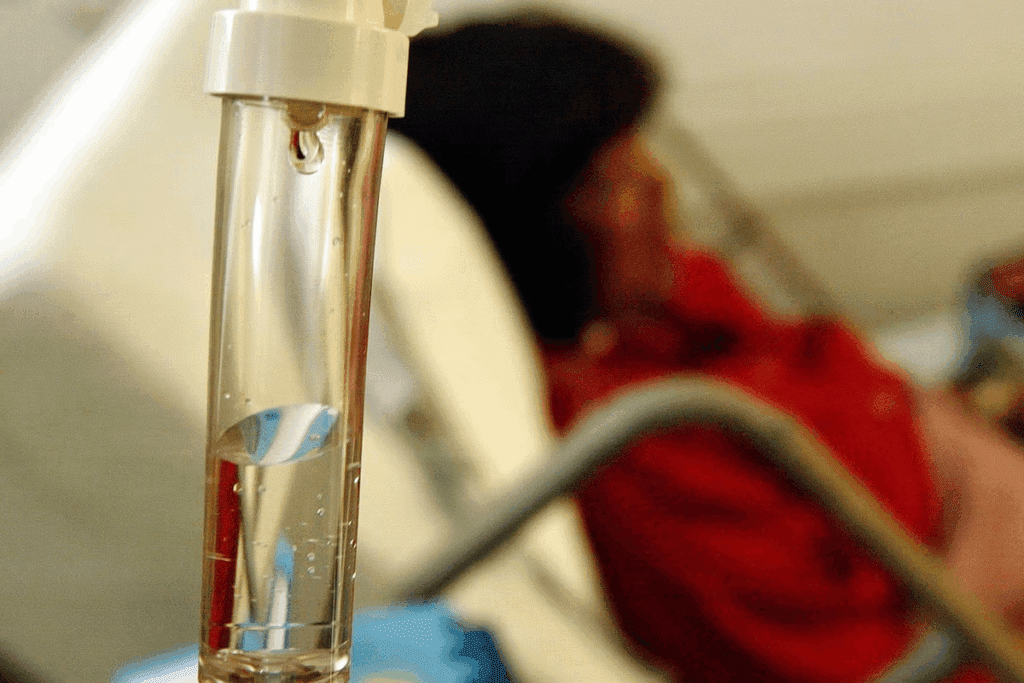
It’s important for parents and caregivers to understand childhood cancer and its treatment, like chemotherapy. Childhood cancer includes many types, with leukemia, lymphoma, and brain tumors being common. Knowing this helps in the journey of treatment.
Common Childhood Cancers and Their Prognosis
Childhood cancers differ in type, aggressiveness, and treatment response. Leukemia is the most common, involving abnormal white blood cells. Thanks to better treatments, the outlook for leukemia and other cancers has greatly improved.
Other cancers like lymphoma and neuroblastoma also affect kids. The chance of recovery depends on several factors, including the cancer’s stage and the child’s age.
How Chemotherapy Works in Pediatric Patients
Chemotherapy uses drugs to kill cancer cells. In kids, it’s often combined with surgery and radiation for the best results. The treatment plan varies based on the cancer type and the child’s health.
Chemotherapy drugs can be taken by mouth or given through an IV. The treatment is given in cycles to let the body recover. Targeted therapy is a newer approach that aims to harm cancer cells less.
Success Rates and Survival Statistics
Survival rates for childhood cancer have risen a lot in recent years. Now, over 85% of kids with cancer live for at least five years. This progress comes from better treatments and more research.
But, survival chances differ by cancer type. More research is needed to keep improving these numbers. This will help kids get the best treatments with fewer side effects.
Why Parents Refuse Chemotherapy for Their Child
Deciding not to give chemotherapy to a child is a tough choice. Parents have to make big decisions for their kids. They might choose not to use chemotherapy for many reasons.
Religious and Spiritual Beliefs
For some families, their faith is a big part of their decision. They might believe in prayer or faith healing more than medical treatments. These beliefs can deeply affect parents’ choices for their child’s treatment. It’s important to respect these beliefs and make sure parents know the possible outcomes of their decisions.
Fear of Side Effects and Long-term Complications
Another reason is fear of chemotherapy’s side effects and long-term problems. Chemotherapy can cause nausea, hair loss, and even damage to organs or increase the risk of new cancers. Parents might think these risks outweigh the benefits of treatment and look for other options.
Distrust in Medical Establishments
Some parents don’t trust medical places or doubt the success of traditional treatments. This distrust could come from bad experiences, wrong information, or worries about medical profits. Talking openly and honestly can help build trust between families and doctors.
Financial Concerns and Treatment Burden
Financial worries and the cost of treatment also play a big role. Cancer treatment can be very expensive. Families might look for cheaper options because they can’t afford the full treatment. Help with costs and financial advice can make it easier for families to choose the best treatment.
The Medical Perspective on Parent Refusing Chemotherapy for Child
Oncologists face tough choices when parents say no to chemotherapy for their kids. We aim to give the best care while respecting parents’ rights. But, refusing a treatment like chemotherapy is a big challenge that needs careful thought.
Oncologists’ Ethical Obligations
Oncologists have two main jobs: to care for patients and respect parents’ choices. We must tell parents about their child’s condition, the outlook, and treatment options. This includes talking about chemotherapy’s benefits and risks, and other choices.
Our role goes beyond treating the disease. We also support families during tough times. We aim to build trust and encourage open talks, making sure parents feel understood and supported.
Hospital Protocols for Treatment Refusal
Hospitals have rules for when parents don’t want a treatment for their child. These rules involve a team of doctors, social workers, ethicists, and sometimes lawyers. The goal is to listen to parents while keeping the child’s best interests in mind.
If a parent says no to chemotherapy, we start talking to understand why. We look at other options and work with the family to find a care plan that fits their values and keeps the child healthy.
Physician Reporting Requirements
Doctors must report cases where a child’s health is at risk because of parental decisions. If refusing chemotherapy could harm or kill the child, doctors might need to call child protective services or get legal help. This ensures the child gets the treatment they need.
These rules vary by place, but they all aim to protect the child. As doctors, we must know these laws and handle them with care while supporting the family.
Legal Consequences of Refusing Cancer Treatment
Refusing cancer treatment for a minor can lead to serious legal issues for parents. If a parent chooses not to follow a doctor’s advice for their child’s cancer, it can start a chain of legal steps. These steps are designed to protect the child’s well-being.
Child Protective Services Involvement
Child Protective Services (CPS) might get involved right away. CPS steps in if they think a child is being medically neglected. Medical neglect happens when a parent doesn’t get their child the medical care they need.
If CPS finds that a child is at risk because of lack of treatment, they’ll take action. This could mean:
- Requiring parents to follow medical advice
- Putting the child in foster care temporarily
- Going to court to order treatment
Court-Ordered Treatment Procedures
Courts might order treatment if parents refuse. Court-ordered treatment lets the state step in to make sure a child gets the medical care they need. This decision is made after doctors give their opinions and consider the risks of not treating the cancer.
The steps are:
- A petition is filed by CPS or doctors
- A court hearing where evidence is presented
- A judge decides based on what’s best for the child
Potential Loss of Custody and Parental Rights
In extreme cases, parents might lose custody and rights. If a court finds that not treating a child’s cancer is neglect or danger, they might take the child away. This is a last resort but it’s an option to protect the child’s health.
Parents facing these situations need to know the law and its consequences. It’s important for them to understand their rights and the legal protections they have. They should also know what could happen if they refuse treatment for their child.
Landmark Court Cases on Chemotherapy Refusal
Landmark court cases have shaped the legal landscape on refusing chemotherapy for kids. These cases have decided the fate of many children. They have also set important legal precedents that guide today’s medical and legal practices.
Notable US Cases and Their Outcomes
Several US court cases have shown the complexity of refusing chemotherapy. For example, In re L.S. (2014) involved parents who refused treatment for their child due to religious beliefs. The court decided in favor of the doctors, ordering the treatment to start. This case, and others like it, show how the legal system balances parental rights with a child’s medical needs.
In People v. Ehler (2004), parents were charged with felony child abuse for not treating their child. The child died. The conviction was later overturned, but the case showed the legal risks of refusing chemotherapy.
Legal Precedents Established
These landmark cases have set key legal precedents. Courts have ruled that the state’s interest in protecting children can take precedence over parental rights in life-saving treatments. As the court said in Prince v. Massachusetts (1944), “Parents may be free to become martyrs themselves, but it does not follow that they are free to make martyrs of their children.”
The legal precedents from these cases are very important. They affect both parents and healthcare providers. They show the need to understand the legal framework for medical decisions for minors. They also highlight the risks of refusing chemotherapy.
“The state’s interest in protecting the welfare of children can override parental rights when it comes to life-saving medical treatment.” –
Legal Precedent
As we deal with the complex issues of refusing chemotherapy, it’s key to know these landmark cases. Understanding them helps us make better decisions.
The Concept of Medical Neglect in Chemotherapy Refusal
When parents refuse chemotherapy for their child, it can lead to serious legal issues. Medical neglect happens when a child’s health needs are ignored, leading to harm or even death. It’s important to understand this concept, mainly in cases of chemotherapy refusal.
Legal Definition of Medical Neglect
Medical neglect means not giving a child the medical care they need. This includes not treating serious conditions like cancer. The laws about this vary by state, but they all focus on protecting the child’s health.
The legal system tries to balance the rights of parents with the need to protect children. In cases of refusing chemotherapy, courts look at if this is neglect.
How Courts Determine Medical Neglect in Cancer Cases
Courts use several factors to decide if medical neglect has occurred in cancer cases. These include:
- The severity of the child’s condition
- The benefits and risks of the treatment
- The reasons for refusing treatment
- Other treatment options
It’s important to see if the parents’ decision is informed and safe for the child.
| Criteria | Description | Considerations |
| Severity of Condition | The seriousness of the child’s cancer | Prognosis with and without treatment |
| Treatment Benefits and Risks | Potential outcomes of chemotherapy | Success rates, side effects, long-term effects |
| Parents’ Reasons for Refusal | Motivations behind the parents’ decision | Religious beliefs, fear of side effects, distrust of medical system |
Differentiating Between Neglect and Informed Decision-Making
It’s hard to tell if it’s neglect or an informed choice. We need to see if parents have all the information about their child’s health and treatment.
Informed decision-making means understanding the diagnosis, treatment options, outcomes, and risks. Courts and healthcare providers must ensure parents are well-informed. They should respect their decisions when possible.
It’s important to be sensitive in each case. Parents may have good reasons for their choices, even if they don’t match medical advice.
Religious Exemptions and Medical Treatment Laws
The mix of religious freedom and medical laws is tricky, mainly when it involves kids. We need to get the details on religious exemptions in medical care. It’s key to know how laws differ from state to state.
State-by-State Variations in Religious Exemptions
Medical treatment laws and religious exemptions don’t match everywhere in the U.S. Some places give wide religious exemptions, while others are stricter. For example, California and New York have strict rules against medical neglect. This can make it harder to use religious exemptions for serious health issues.
| State | Religious Exemption Law | Limitations in Life-Threatening Situations |
| California | Limited exemption for religious beliefs | High |
| New York | Strict laws against medical neglect | Very High |
| Texas | Broad religious exemptions | Low |
Limitations of Religious Freedom in Life-Threatening Situations
Religious freedom is important, but it’s not everything, not when kids’ lives are at risk. Courts have said that keeping kids safe is more important than religious beliefs about medical care.
Case Law Example: In Prince v. Massachusetts (1944), the U.S. Supreme Court said the state can protect kids from harm. This includes harm from decisions made by parents based on their beliefs.
Recent Legislative Changes Affecting Religious Exemptions
Lawmakers are always tweaking laws about religious exemptions in medical care. Some want to make laws stronger to protect kids, while others want to give more freedom to make healthcare choices based on religion.
It’s vital to keep up with these changes. They affect doctors, parents, and most of all, kids. We must understand how these laws shape healthcare for everyone.
Alternative Treatments for Childhood Cancer
When a child is diagnosed with cancer, families look into different treatment options. They might choose alternative therapies alongside traditional treatments like chemotherapy and radiation. This is because some families hope to find more healing options or lessen side effects.
Complementary Therapies with Scientific Support
Complementary therapies are used with traditional treatments to help manage symptoms and improve life quality. Some of these therapies have scientific backing. For instance, acupuncture has been proven to help with nausea and pain caused by chemotherapy.
Massage therapy can also help by reducing anxiety and improving sleep in kids going through cancer treatment. Other therapies include mind-body therapies like meditation and yoga. These can help both children and their families deal with the stress of treatment.
Unproven Alternative Treatments and Their Risks
Alternative treatments often replace traditional ones, but they lack scientific proof. Many can be harmful. It’s important for families to talk about any alternative treatments with their healthcare team.
Unproven treatments can slow down or even harm effective treatment. This can make the child’s situation worse.
Integrative Approaches to Cancer Care
Integrative cancer care combines traditional treatments with proven complementary therapies. It aims to treat the whole child, covering physical, emotional, and spiritual needs.
Working with a team of healthcare professionals, families can create a treatment plan. This plan includes the best of both traditional and complementary therapies.
Risks of Delaying or Refusing Conventional Cancer Treatment
Delaying or refusing cancer treatment can have serious effects. It can harm both short-term and long-term health outcomes. Children with cancer who don’t get timely treatment often face worse outcomes.
Statistical Outcomes of Untreated Childhood Cancers
Untreated or delayed childhood cancers have poor outcomes. For example, kids with acute lymphoblastic leukemia (ALL) have better survival rates with conventional chemotherapy. Those who delay or refuse treatment face lower survival rates.
| Cancer Type | Conventional Treatment Survival Rate | Delayed/Refused Treatment Survival Rate |
| Acute Lymphoblastic Leukemia (ALL) | 90% | |
| Neuroblastoma | 80% | 30% |
| Wilms Tumor | 85% | 40% |
The table shows that conventional treatment improves survival rates for children with cancer. Delaying or refusing treatment lowers these rates significantly.
Case Studies of Delayed Treatment
Case studies have shown the dangers of delaying cancer treatment. For instance, a child with ALL had a severe relapse after refusing chemotherapy for months. This relapse needed more intense treatment and reduced the child’s survival chances.
“Delaying cancer treatment can lead to a more aggressive disease course and reduced treatment options.”
These cases highlight the need for timely and proper cancer treatment. Delaying treatment harms the child’s health now and in the future.
Long-term Consequences of Treatment Refusal
Refusing conventional cancer treatment can have lasting effects. Children who survive without standard treatment may face more severe long-term side effects. This is because the disease progresses.
Also, refusing treatment can affect the child’s quality of life and the family’s well-being. It’s important for families to know these risks when deciding on cancer treatment.
The Child’s Voice in Treatment Decisions
Children’s roles in their medical care are becoming more important. As we deal with the challenges of caring for kids, it’s key to think about their part in treatment choices.
Mature Minor Doctrine in US Law
The mature minor doctrine lets kids make some medical decisions on their own. This is if they’re seen as mature enough to grasp the meaning of their choices. But, this rule changes from state to state.
It’s important to remember that this doctrine isn’t the same everywhere in the US. Each state has its own rules, so healthcare workers need to know the laws in their area.
Age Considerations in Medical Decision-Making
Age plays a big role in whether kids can help decide their medical care. There’s no single age when kids can make these decisions. But, studies show many teens can make smart choices about their health.
| Age Range | Typical Cognitive Abilities | Decision-Making Capacity |
| 0-6 years | Limited understanding of health concepts | Generally unable to make informed decisions |
| 7-12 years | Developing understanding of health and illness | May begin to participate in simple decisions |
| 13+ years | Increasingly sophisticated understanding of complex health issues | Often capable of making informed decisions with guidance |
Assessing a Child’s Capacity to Participate
To see if a child can help decide their medical care, we look at their brain and emotional growth. Doctors use different tools to check if kids can understand their health, the good and bad of treatments, and what happens if they say no.
Key factors in assessing capacity include:
- The child’s ability to understand relevant information
- Their capacity to appreciate the situation and its consequences
- Their ability to reason about treatment choices
- Their ability to express a clear preference
By looking at these points and letting kids help decide, we respect their freedom while keeping their best interests safe.
Ethical Dilemmas for Healthcare Providers
When parents say no to chemotherapy for their child, healthcare providers face a tough choice. They must balance respecting parents’ rights with making sure the child is safe. This situation needs a deep understanding of the medical side and a careful approach to the ethics.
Balancing Parental Rights and Child Welfare
Healthcare providers have to deal with a mix of parental rights and the child’s well-being. Parents have the right to decide for their kids, but the state also looks out for minors. Balancing these interests is key, more so when it’s about treatments that could save a life.
Parents might say no to chemotherapy for many reasons, like religious beliefs or worries about side effects. It’s our job as healthcare providers to listen and understand these reasons. We should talk openly and with empathy.
Communication Strategies with Resistant Parents
Talking well is essential when parents refuse chemotherapy. Empathetic understanding and explaining the treatment’s benefits and risks can build trust. We also need to be ready to correct any wrong ideas and offer support, making sure parents feel valued.
Some ways to do this include:
- Sharing clear, simple info about the treatment and its effects.
- Listening well to parents’ worries and tackling them head-on.
- Getting other healthcare pros, like social workers or counselors, to help.
When to Escalate to Legal Intervention
Even with our best efforts in talking and understanding, sometimes parents won’t agree to treatment. In these cases, going to legal action might be needed to protect the child. This choice is made with great care, thinking about the law and the impact on the child and parents.
We need to team up with legal and child protective services to make sure any legal step is right. This teamwork helps us handle the legal and ethical challenges, making sure the child gets the care they need.
Support Resources for Parents Facing Difficult Treatment Decisions
When a child is diagnosed with cancer, parents face tough choices. Luckily, there are many support resources to help them. These resources offer emotional support, information, and practical help to families.
Counseling and Psychological Support Services
Counseling and psychological support are key for parents. They help deal with the emotional side of a child’s cancer diagnosis and treatment. Services include individual counseling, family therapy, and support groups. These aim to give parents a safe place to share their feelings and worries.
Many cancer treatment centers have counseling services. For example, some hospitals have dedicated departments for pediatric oncology. These teams include mental health professionals who support families during treatment.
Patient Advocacy Organizations
Patient advocacy groups are also very important. They ensure families get the support and care they need. They advocate for patient rights and help navigate the healthcare system.
Groups like the Children’s Cancer and Blood Foundation and the National Children’s Cancer Society are examples. They offer financial help, emotional support, and more. These organizations are invaluable to families.
Second Opinion Options and Specialized Centers
Getting a second opinion is a big decision for parents. Specialized cancer centers and top oncologists can offer new perspectives and treatments. These might not be available elsewhere.
Many families seek advice from places like St. Jude Children’s Research Hospital or the Dana-Farber Cancer Institute. These places are leaders in pediatric oncology research and treatment. They offer innovative therapies and clinical trials.
| Resource Type | Description | Examples |
| Counseling Services | Individual and family counseling, support groups | Hospital-based counseling programs, online therapy platforms |
| Patient Advocacy | Advocacy for patient rights, guidance on healthcare navigation | Children’s Cancer and Blood Foundation, National Children’s Cancer Society |
| Second Opinion and Specialized Centers | Access to alternative treatment options and clinical trials | St. Jude Children’s Research Hospital, Dana-Farber Cancer Institute |
By using these resources, parents can make better decisions for their child’s care. They feel supported and empowered throughout the treatment journey.
International Perspectives on Parental Treatment Refusal
Different countries have their own laws and ethics when it comes to parents refusing treatment for their kids. This shows how culture, religion, and society shape medical choices.
Comparison of US Policies with Other Countries
In the US, laws about parents and kids’ medical care are complex. The UK, on the other hand, has clear rules that sometimes go against parents’ wishes for the child’s good.
In the UK, courts can step in if parents won’t let their kids have life-saving treatment. Looking at how different countries handle this issue can help find the best way to make decisions.
| Country | Legal Framework | Notable Cases |
| United States | Varied by state; significant parental rights | Cases involving Jehovah’s Witnesses and blood transfusions |
| United Kingdom | Centralized guidelines; courts can override parental decisions | High-profile cases involving refusal of chemotherapy |
| Australia | State-based laws; emphasis on child welfare | Cases involving Aboriginal cultural practices and medical treatment |
Global Ethical Standards in Pediatric Oncology
Worldwide, there’s a focus on finding a balance between parents’ rights and what’s best for the child. Groups like the International Society of Pediatric Oncology (SIOP) set guidelines. These guidelines aim for consistent care while respecting local laws and customs.
They suggest involving many people in making decisions. This includes parents, doctors, ethicists, and sometimes the kids themselves, based on their age and understanding.
Notable International Cases and Outcomes
Many famous cases around the world show how tricky it can be when parents refuse treatment. For example, in Italy, a court allowed a child to get chemotherapy even though the parents didn’t want it because of their beliefs.
Looking at these cases helps us see how laws and ethics affect kids with cancer. It also shows we need to keep talking to make global standards clearer.
Navigating the Healthcare System When Seeking Alternatives
When parents look for alternative treatments for their child with cancer, it gets tricky. Knowing how to move through the healthcare system is key. It helps make informed choices.
Working Collaboratively with Medical Teams
Talking well with healthcare providers is important when looking at alternative treatments. Parents should:
- Share their interest in alternative therapies
- Ask about the good and bad sides of these treatments
- Talk about how these treatments can work with standard care
Documentation and Legal Protections for Parents
Parents need to know their legal rights and what papers they need for alternative treatments. This includes:
| Documentation Type | Purpose | Notes |
| Informed Consent Forms | Legal proof of understanding treatment risks and benefits | Must be signed before treatment begins |
| Medical Records | Detailed history of patient’s diagnosis, treatment, and progress | Essential for continuity of care |
| Insurance Claims | Documentation for reimbursement purposes | May require pre-approval for certain treatments |
Creating Compromise Treatment Plans
At times, a mix of standard and alternative treatments works best. This might mean:
- Adding alternative therapies to standard care
- Changing standard treatment to fit in alternative methods
- Watching how the child does with both kinds of treatments
By teaming up with healthcare providers, parents can make a treatment plan that meets their needs. It focuses on the child’s health first.
Conclusion: Balancing Rights, Ethics, and a Child’s Best Interests
Deciding not to give a child chemotherapy is a tough choice. It mixes up parental rights, ethics, and what’s best for the child. We’ve looked at the laws around medical choices for kids, the views of doctors on refusing chemotherapy, and what might happen next.
Parents don’t always get to decide on medical treatments for their kids. The law steps in if a child’s health is at risk. If parents refuse chemotherapy, they could face serious legal actions. This might include court-ordered treatment or even losing custody of their child.
It’s important to weigh everything carefully in these cases. This includes the child’s health, the parents’ worries, and what doctors suggest. Doctors need to be understanding and professional. They must make sure the child’s needs are met while respecting the parents’ rights.
In the end, we aim to make choices that help the child’s health and happiness. We must also understand the hard parts of these decisions.
FAQ
Can parents legally refuse chemotherapy for their child?
Whether parents can legally refuse chemotherapy for their child depends on where they live. It also depends on the child’s age, how serious their condition is, and local laws about medical neglect and parental rights.
What are the legal consequences of refusing cancer treatment for a child?
Refusing cancer treatment for a child can lead to serious legal issues. This might include child protective services getting involved, court-ordered treatment, and even losing custody and parental rights in extreme cases.
How do courts determine medical neglect in cases of chemotherapy refusal?
Courts look at whether refusing chemotherapy puts the child’s health at risk. They also check if the parents are making an informed choice or neglecting their child’s medical needs.
Are there religious exemptions for refusing medical treatment for children?
Some places offer religious exemptions for refusing medical treatment. But these exemptions are usually limited to non-life-threatening situations and vary a lot from state to state.
What are the risks of delaying or refusing conventional cancer treatment for children?
Delaying or refusing conventional cancer treatment can have serious consequences. It can lead to lower survival rates and more health problems in the long run.
Can children have a say in their own cancer treatment decisions?
Depending on their age and maturity, children might have some say in their treatment. This is based on the mature minor doctrine, which lets mature minors make some medical decisions.
What support resources are available to parents facing difficult treatment decisions?
Parents facing tough treatment decisions can find support. They can get counseling, psychological support, help from patient advocacy groups, and second opinions from specialized centers.
How can parents navigate the healthcare system when seeking alternative treatments?
Parents can work with their child’s medical team to navigate the healthcare system. They should understand their legal rights, document everything, and look into compromise treatment plans.
What are the global ethical standards regarding parental treatment refusal in pediatric oncology?
Globally, the focus is on the best interests of the child. This means balancing parental rights with ensuring children get the right medical care. There’s a growing agreement on using evidence-based treatments in pediatric oncology.
Are there alternative treatments for childhood cancer that have scientific support?
Some complementary therapies are supported by science and can be used with conventional treatments. But unproven alternative treatments can be very risky for children’s health.
References
National Center for Biotechnology Information. Chemotherapy refusal legal ethical considerations in pediatric cancer. Retrieved from https://pubmed.ncbi.nlm.nih.gov/17135648/
National Center for Biotechnology Information. Chemotherapy refusal for children Legal and ethical considerations. Retrieved from https://pubmed.ncbi.nlm.nih.gov/17135648/
National Center for Biotechnology Information. Chemotherapy refusal parental rights legal ethical considerations. Retrieved from https://pubmed.ncbi.nlm.nih.gov/17135648/