

Knowing the ear’s complex anatomy is key for doctors and patients. The ear is essential for hearing and balance. Its detailed structures help us hear and stay balanced.
Explore the intricate parts of the ear labeled with our comprehensive anatomy guide. Learn the key structures like the helix, tragus, and concha that make up the outer ear.
The outer ear, or pinna, is made of elastic cartilage and skin. It’s connected by muscles and ligaments. We’ll look at why knowing the ear’s anatomy is important.
Key Takeaways
- The ear is divided into three main sections: the outer ear, middle ear, and inner ear.
- The outer ear collects sound and directs it into the ear canal.
- Understanding ear anatomy is essential for diagnosing hearing problems.
- Accurate diagnosis is key for effective treatments.
- Liv Hospital brings international medical expertise to ear health.
The Three Main Sections of the Ear
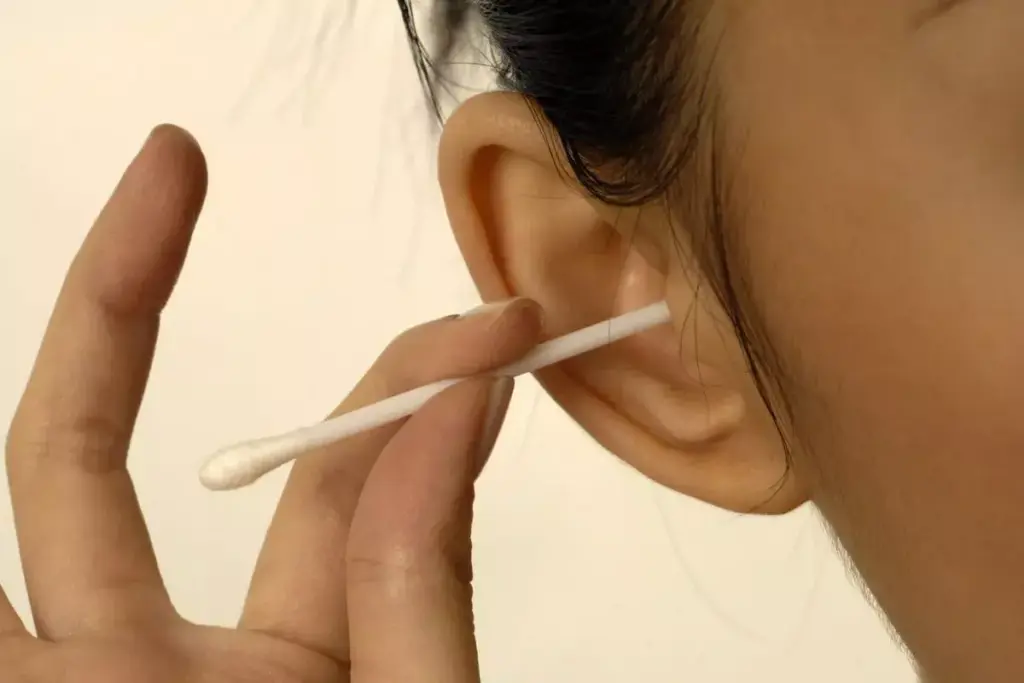
The human ear is divided into three main parts: the outer ear, the middle ear, and the inner ear. Each part is vital for hearing. They work together to catch sound waves and turn them into signals for the brain.
Outer, Middle, and Inner Ear Overview
The outer ear, or pinna, catches sound waves and sends them into the ear canal. The ear canal is shaped like an S and is about 25mm long. It’s lined with cartilage and bone, ending at the eardrum.
The middle ear is filled with air and has three bones called ossicles. These bones help move vibrations from the eardrum to the inner ear. The middle ear also connects to the throat by the Eustachian tube, balancing air pressure.
The inner ear is made up of the cochlea and the vestibular system. The cochlea turns sound vibrations into electrical signals for the brain. The vestibular system helps with balance and keeping steady.
| Ear Section | Main Components | Function |
| Outer Ear | Pinna/Auricle, Ear Canal | Collects sound waves |
| Middle Ear | Ossicles (Malleus, Incus, Stapes), Tympanic Membrane | Transmits vibrations |
| Inner Ear | Cochlea, Vestibular System | Converts vibrations to electrical signals |
How Sound Travels Through the Ear
Sound waves are caught by the outer ear and go into the ear canal. As they move, they hit the eardrum, making it vibrate. These vibrations then go through the ossicles in the middle ear to the cochlea in the inner ear.
The cochlea changes these vibrations into electrical signals. These signals are sent to the brain through the auditory nerve. The brain then understands these signals as sound, helping us hear and understand our surroundings.
Parts of the Ear Labeled: The Outer Ear Anatomy

The outer ear is key for hearing and has many parts working together. We’ll look at each part, their roles, and how they help us hear.
The Pinna/Auricle Structure
The pinna, or auricle, is the outer ear we see. It’s made of cartilage and skin. It catches sound waves and sends them into the ear canal.
The pinna has a single piece of cartilage. This gives the ear its shape and makes its surface look the way it does.
Ear Cartilage Composition and Structure
The cartilage in the pinna is strong yet flexible. It’s made of chondrocytes, collagen, and elastic fibers. This mix lets the ear bend and stay strong.
The Concha and External Auditory Canal
The concha is the shell-like part of the auricle. It catches sound and sends it to the external auditory canal. This canal leads to the eardrum, carrying sound waves.
The Earlobe
The earlobe, or lobule, is the soft part at the bottom of the ear. It’s made of skin and fatty tissue. It doesn’t have cartilage and is often pierced.
| Part | Description | Function |
| Pinna/Auricle | Outer visible part of the ear, made of cartilage and skin | Collects sound waves |
| Concha | Shell-shaped cavity of the auricle | Directs sound into the ear canal |
| External Auditory Canal | Passage leading to the eardrum | Transmits sound waves to the eardrum |
| Earlobe | Lower, fleshy part of the ear | No specific auditory function |
Middle and Inner Ear Anatomy
The middle and inner ear have complex structures. These are key for hearing and balance. The middle ear is filled with air and has three tiny bones called ossicles. They help make sound vibrations louder.
Middle Ear Components
The middle ear has the ossicles (malleus, incus, and stapes), the tympanic membrane, and the Eustachian tube. The ossicles carry sound vibrations from the tympanic membrane to the inner ear. For more details, check Ear Health Page.
The Eustachian tube links the middle ear to the back of the nose and throat. It helps balance air pressure on both sides of the eardrum. This is key for the eardrum to vibrate properly.
Inner Ear Structures
The inner ear has the cochlea and the vestibular system. The cochlea turns sound vibrations into electrical signals. These signals go to the brain, where we hear them.
The vestibular system includes the otolith organs (utricle and saccule) and semicircular canals. It’s vital for balance and knowing our position in space. It helps us stay balanced.
Knowing about the middle and inner ear’s structures is important. It helps us understand how we hear and balance. The way these parts work together is essential for our hearing and balance health.
Conclusion
We’ve looked at the ear’s structure, from the outside to the inside. We see how sound moves through it. The ear’s anatomy is complex, showing how it works.
The ear’s structure is key for balance and hearing. Knowing how it’s put together helps us understand how we hear and stay balanced. For more details, check out Kenhub.
In summary, the ear’s detailed anatomy is vital for its function. It’s important for both doctors and people who want to know more about their health.
FAQ
What is the main function of the outer ear?
The outer ear collects sound waves from the environment and directs them into the ear canal toward the eardrum for hearing.
What is the pinna made of?
The pinna is made mostly of elastic cartilage covered by skin, which helps it maintain shape while capturing sound.
What is the role of the concha in the ear?
The concha helps funnel sound waves from the pinna into the ear canal, enhancing sound transmission.
What is the external auditory canal?
The external auditory canal is a tube that carries sound waves from the outer ear to the eardrum and helps protect the ear with earwax and tiny hairs.
What are the ossicles in the middle ear?
The ossicles are three small bones called the malleus, incus, and stapes that amplify and transmit sound vibrations to the inner ear.
What is the function of the cochlea in the inner ear?
The cochlea converts sound vibrations into electrical signals that are sent to the brain through the auditory nerve.
What is the vestibular system responsible for?
The vestibular system helps control balance, spatial orientation, and coordination of head and eye movements.
Why is understanding ear anatomy important?
Understanding ear anatomy helps explain how hearing and balance work and aids in recognizing and treating ear-related disorders.
References:
National Center for Biotechnology Information. Evidence-Based Medical Insight. Retrieved from https://www.ncbi.nlm.nih.gov/books/NBK470359/[6