Polycystic ovary syndrome (PCOS) is a common reproductive hormonal disorder. It affects about 1 in 10 women of childbearing age. Many women remain undiagnosed, experiencing symptoms that can significantly impact their quality of life. PCOS pain usually feels like dull aches or sharp pains in the pelvis and lower back. This ultimate guide exploresPCOS and painful ovaries. Discover the alarming, critical causes of pelvic pain and the best, powerful fixes for relief.
It’s important to understand what PCOS pain feels like to get the right medical help. Symptoms can differ among women but often include period pain, pelvic discomfort, cramps, or lower back pain. These symptoms are caused by hormonal irregularities, ovarian cysts, or chronic inflammation. Spotting these early signs can help get a diagnosis and start treatment sooner.
Key Takeaways
- PCOS is a common hormonal disorder affecting women of childbearing age.
- Symptoms include pelvic pain, irregular periods, and lower back pain.
- Early recognition of symptoms is key for timely diagnosis.
- Effective management of PCOS requires thorough medical care.
- Liv Hospital offers a patient-centered approach to diagnosing and managing PCOS.
Understanding Polycystic Ovary Syndrome (PCOS)
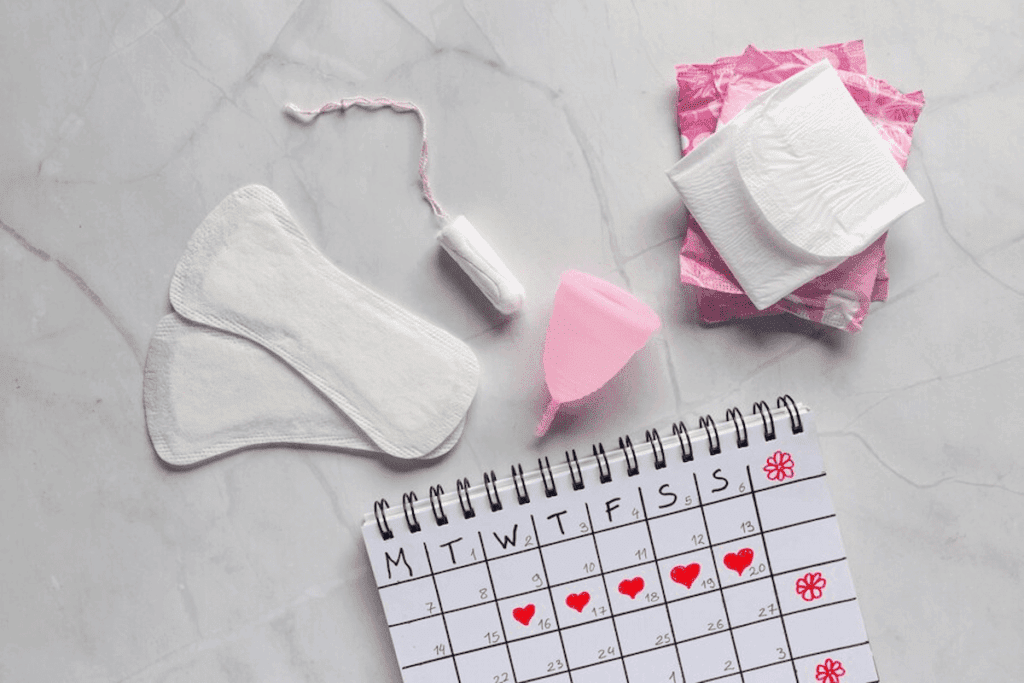
PCOS, or Polycystic Ovary Syndrome, is a hormonal disorder common among women of reproductive age. It affects menstrual cycles, ovulation, and overall well-being. High androgen hormone levels cause irregular periods, unpredictable ovulation, and small fluid-filled ovarian cysts.
Definition and Prevalence
Polycystic Ovary Syndrome (PCOS) is a complex endocrine disorder affecting the ovaries and adrenal glands. It’s one of the most common hormonal disorders among women of reproductive age. The prevalence varies between 5% to 10% depending on the population and diagnostic criteria.
PCOS is not just a reproductive issue; it’s a metabolic disorder. It can lead to insulin resistance, type 2 diabetes, and cardiovascular diseases. The exact cause of PCOS is unknown, but genetics and environment play a role.
Hormonal Imbalance and Its Effects
A key feature of PCOS is hormonal imbalance, with high levels of androgens (male hormones) in women. This disrupts ovulation and menstrual cycles, causing irregular periods. High androgen levels also lead to acne, excess hair growth, and male-pattern baldness.
The hormonal imbalance in PCOS affects a woman’s health in many ways. It can lead to infertility, mood swings, depression, sleep apnea, and an increased risk of miscarriage.
Why PCOS Often Goes Undiagnosed
Despite its prevalence, PCOS often goes undiagnosed or misdiagnosed. The variability of symptoms and lack of a single definitive test make diagnosis challenging. Many women with PCOS may not show all the classic symptoms, making diagnosis harder for healthcare providers.
Awareness and education about PCOS are key for early detection and management. Understanding PCOS complexities helps in providing the right care and support to those affected.
Symptoms | Effects on Women’s Health |
Irregular Menstrual Cycles | Difficulty conceiving, increased risk of miscarriage |
High Androgen Levels | Acne, hirsutism, male-pattern baldness |
Ovarian Cysts | Pelvic pain, discomfort during sex |
The Connection Between PCOS and Painful Ovaries
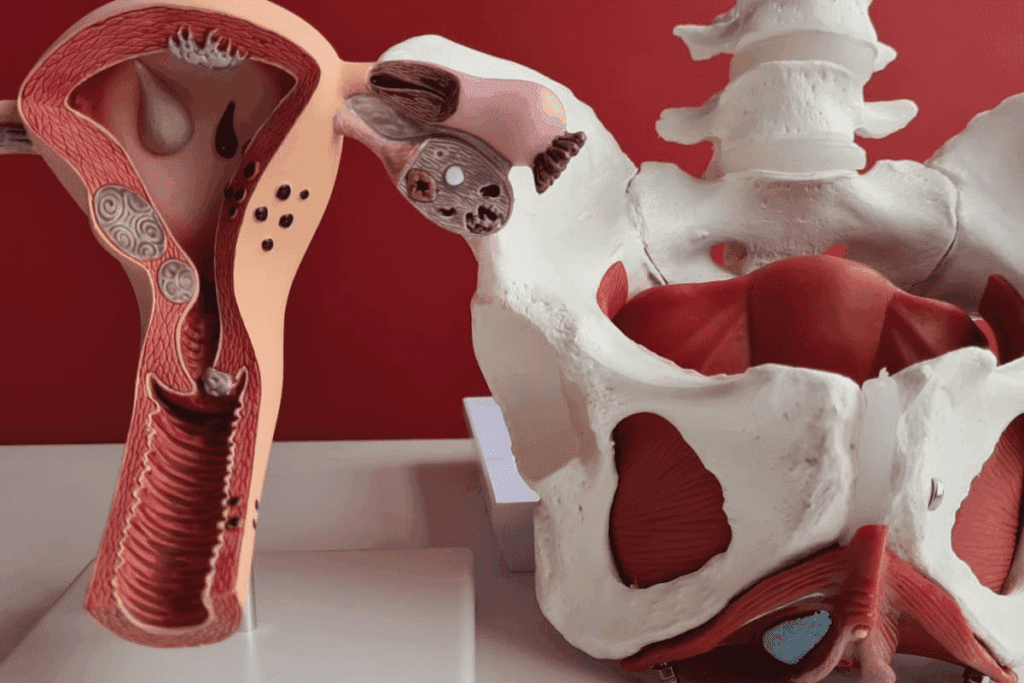
PCOS and painful ovaries are linked in a complex way. PCOS is a hormonal disorder that affects women of childbearing age. It often leads to ovarian cysts, which can cause pain.
Development of Ovarian Cysts
Ovarian cysts are fluid-filled sacs on the ovaries. Women with PCOS often get these cysts because of hormonal imbalances. These cysts can cause bloating, swelling, and pain in the pelvis and lower abdomen.
Key factors contributing to ovarian cyst development in PCOS include:
- Hormonal imbalance
- Insulin resistance
- Genetic predisposition
Pain Statistics in PCOS Patients
Pain is a big problem for many women with PCOS. Research shows that pain is a major symptom for PCOS patients. 27.6% of all symptoms reported by PCOS patients are pain-related. Also, 19.21% of women with PCOS have documented pain conditions.
Symptom | Percentage of PCOS Patients |
Pain Complaints | 27.6% |
Documented Pain Conditions | 19.21% |
Differentiating PCOS Pain from Other Conditions
It’s important to tell PCOS pain from other conditions for proper diagnosis and treatment. PCOS pain usually shows up as pelvic or lower abdominal pain. This can be mistaken for other gynecological or gastrointestinal problems. A detailed medical check-up is needed to find the pain’s cause and plan the right treatment.
Healthcare providers must look at the patient’s full medical history and symptoms to figure out the pain’s cause.
What Does PCOS Pain Actually Feel Like?
It’s important for women to know what PCOS pain feels like. PCOS pain can show up in many ways. So, it’s key to learn about its different types.
Pelvic and Lower Abdominal Pain
Many women with PCOS describe a dull or sharp pain in their pelvis. The pain in the lower abdomen can feel like a bruise or sharp stabs. One woman said,
“The pain feels like a constant pressure in my lower abdomen, sometimes it’s sharp and stabbing.”
This pain can be constant or come and go. It often gets worse during menstruation or ovulation.
Back Pain and Radiating Discomfort
Back pain is common in women with PCOS. This pain can be in the lower back or spread to the hips or thighs. It might feel like a dull ache or sharp pains that come and go. Back pain is a big part of PCOS symptoms, often with pelvic pain.
PCOS pain can spread, making it hard to find where it hurts. But knowing it can cause both pelvic and back pain helps identify the issue.
Pain During Menstruation vs. Mid-Cycle Pain
Women with PCOS often have more severe menstrual pain. This pain is caused by hormonal changes and cysts. Menstrual pain from PCOS can really interfere with daily life.
Mid-cycle pain, linked to ovulation, is also common. This pain can happen when a cyst bursts or during ovulation. Knowing the difference between these pains helps women manage their symptoms better.
In summary, PCOS pain is complex and varies among women. By understanding the different types of pain, women can better identify their symptoms and get the right care.
Early Warning Signs of PCOS
It’s important to know the early signs of PCOS. PCOS, or Polycystic Ovary Syndrome, affects women of childbearing age. Its symptoms can differ from person to person. Spotting these signs early can help manage the condition better.
Menstrual Irregularities
Menstrual irregularity is a common sign of PCOS. Women with PCOS might have irregular or long periods, or no periods at all. This is mainly because of ovulation problems, a key feature of PCOS.
Keeping track of your menstrual cycle is key. If your cycle changes a lot, see a doctor.
Ovulation Problems
Ovulation issues are a big part of PCOS. Women with PCOS might find it hard to ovulate. This can lead to irregular periods or no periods at all. It’s a common reason women see doctors.
Understanding how ovulation relates to PCOS is important. It helps in diagnosing and managing the condition.
Unexplained Weight Changes
Women with PCOS often gain weight, mainly around the belly. This weight gain is hard to lose with diet and exercise alone. Insulin resistance, common in PCOS, adds to weight gain and metabolic problems.
Changing your lifestyle and getting medical help can help with weight issues related to PCOS.
Knowing these early signs helps women get medical help sooner. This can lead to better outcomes. It’s vital to talk to healthcare professionals if you’re worried about your symptoms.
Hair and Skin Changes as PCOS Symptoms
PCOS can affect hair and skin in ways that are hard to deal with. These changes come from hormonal imbalances, mainly high androgen levels.
Hair Loss Patterns
Hair loss in PCOS can be upsetting. It often shows as thinning hair on the scalp, mainly at the crown. This is because hair follicles are sensitive to androgens.
If you notice a lot of hair falling out or thinning, see a healthcare provider. They can suggest treatments to slow or stop hair loss.
Hirsutism (Excess Hair Growth)
Some women with PCOS have hirsutism. This means too much hair in places men usually have it, like the face, chest, and back. It’s caused by high androgen levels.
Dealing with hirsutism can be tough. Treatments might include hormonal therapies and hair removal methods.
Skin Manifestations
Skin problems are common in PCOS. Acne is common because of high androgens, which make the skin oilier. This can clog pores and cause acne.
Some women also get skin tags or dark patches, called acanthosis nigricans. These usually appear in folds and creases.
Skin Condition | Description | Common Areas Affected |
Acne | Inflammatory skin condition causing pimples | Face, chest, back |
Oily Skin | Excessive oil production leading to shiny skin | Face, T-zone |
Acanthosis Nigricans | Dark, velvety skin patches | Neck, armpits, groin |
It’s important to understand these hair and skin changes to manage PCOS well. Recognizing symptoms early helps women get the right treatment and make lifestyle changes to lessen their effects.
Can PCOS Develop Later in Life?
It’s important to know that PCOS can start later in life. This is key for getting the right treatment early. PCOS is not just for young women. It can happen at any age, and symptoms can change over time.
Age-Related PCOS Onset
PCOS isn’t just for young women. It can start at any age, from when you’re a teenager to after menopause. Many things can influence when PCOS starts, like your genes, hormones, and environment.
Factors Influencing Age-Related PCOS Onset:
- Genetic predisposition
- Hormonal changes
- Environmental factors
- Weight changes
Triggering Factors
Many things can make PCOS symptoms start later in life. These include big weight changes, stress, and some health issues that mess with hormones. Knowing what can trigger PCOS is key to catching it early.
Common Triggering Factors for PCOS:
Triggering Factor | Description |
Significant Weight Changes | Big weight changes can mess with insulin and hormones, leading to PCOS symptoms. |
Stress | Long-term stress can upset hormone balance, possibly causing PCOS. |
Medical Conditions | Some health issues, like thyroid problems, can affect hormones and trigger PCOS symptoms. |
How Symptoms May Differ with Age
PCOS symptoms can change a lot with age. Young women might see more irregular periods and acne. Older women might notice weight changes, hair growth, or signs of metabolic syndrome.
As women get older, their PCOS symptoms can change. This means they might need different treatments. Doctors should think about a woman’s age and health when treating PCOS.
When to Seek Medical Attention for PCOS Symptoms
Knowing when to see a doctor is key to managing PCOS well. PCOS, or Polycystic Ovary Syndrome, affects women of childbearing age. It causes symptoms that can change your daily life. It’s important to know when to get medical help.
Red Flag Symptoms
Some PCOS symptoms need quick medical attention. These red flag symptoms include:
- Severe pelvic pain that doesn’t subside
- Heavy or prolonged menstrual bleeding
- Significant changes in menstrual cycles or overall health
- Symptoms of hyperandrogenism, such as excessive hair growth or acne
If you have any of these symptoms, see a doctor right away. They can check your condition and guide you next.
Preparing for Your Doctor’s Appointment
Before your doctor visit, gather info on your symptoms and health history. Keeping a symptom journal is helpful. Track:
- The frequency and severity of your symptoms
- Any changes in your menstrual cycle
- Any medications or supplements you’re currently taking
Being ready will help your doctor understand your situation better. They can make more accurate assessments.
Diagnostic Process and Tests
Diagnosing PCOS involves medical history, physical exam, and tests. Here’s what you might expect:
Diagnostic Approach | Description |
Medical History | Reviewing your medical history to identify patterns or symptoms associated with PCOS |
Physical Examination | Conducting a physical exam to look for signs of hyperandrogenism or other related symptoms |
Pelvic Ultrasound | Using ultrasound to examine the ovaries for cysts or other abnormalities |
Blood Tests | Measuring hormone levels, glucose, and other relevant biomarkers |
Knowing about the diagnostic process can ease your worries. It prepares you for what’s ahead.
By knowing the red flag symptoms, preparing for your doctor’s visit, and understanding the diagnostic process, you can manage your PCOS better. This improves your overall health.
Managing PCOS Pain and Symptoms
Women with PCOS face a big challenge in managing pain and symptoms. It’s key to improve their quality of life. A multi-faceted approach can greatly reduce discomfort and complications.
Medical Interventions
Medical treatments are vital for managing PCOS symptoms. Hormonal contraceptives help regulate menstrual cycles and lower androgen levels. This can reduce symptoms like hirsutism and acne. Pain relief medications like NSAIDs can also help with pelvic pain.
For those trying to conceive, fertility medications might be needed. It’s important to work with a healthcare provider to find the right treatment.
Lifestyle Modifications
Making lifestyle changes is also key. Regular physical activity improves insulin sensitivity and overall health. Dietary changes, like a low-carb diet, can also help.
Stress management, like yoga and meditation, can reduce stress. This can help manage PCOS symptoms. Getting enough sleep and maintaining a healthy weight are also important.
Nutritional Approaches
Nutrition plays a big role in managing PCOS. A balanced diet with fruits, vegetables, whole grains, and lean proteins helps regulate blood sugar. Omega-3 fatty acids in fish and nuts can also reduce inflammation.
It’s best to avoid processed foods and foods high in sugar and saturated fats. Consulting a nutritionist for a personalized diet plan can be helpful.
Combining medical treatments, lifestyle changes, and nutritional approaches can help women with PCOS manage their symptoms. It’s about finding the right balance and making lasting changes.
Conclusion: Living Well with PCOS
Women with PCOS can live healthy and fulfilling lives with the right care and support. It’s important to manage PCOS in many ways, including medical care, lifestyle changes, and ongoing support. Understanding PCOS and its effects helps women take charge of their health and improve their well-being.
Managing PCOS well means using medical treatments, good nutrition, and lifestyle changes. Eating well, staying active, and managing stress can help reduce symptoms and improve life quality. These steps are key to managing PCOS effectively.
Being aware and catching PCOS early is critical. Recognizing early signs and getting medical help early can lead to better health outcomes. Early action is essential for managing PCOS successfully.
FAQ
What are the symptoms of PCOS in women?
PCOS symptoms include irregular periods and ovulation problems. You might also notice unexplained weight changes, hair loss, and hirsutism. Skin issues like acne and oily skin are common too.
Can PCOS develop later in life?
Yes, PCOS can start later in life. It’s not just a young woman’s issue. Symptoms can change over time due to many factors.
How do you know you have polycystic ovary syndrome?
Doctors diagnose PCOS by looking at your medical history and doing tests. They check for irregular periods, ovarian cysts, and hormonal imbalances.
Do PCOS cause hair loss?
Yes, PCOS can lead to hair loss. Hormonal imbalances cause hair thinning or loss, mainly on the scalp.
What does polycystic ovary pain feel like?
PCOS pain can be dull or sharp in the pelvic area, lower back, and abdomen. It can vary and happen during menstruation or other times.
Can you develop PCOS later in life?
Yes, PCOS can start later in life. Weight gain, lifestyle changes, or other health issues can trigger symptoms at any age.
What are the early symptoms of PCOS?
Early signs include irregular periods, ovulation problems, and weight changes. You might also notice acne, excess hair growth, and male pattern baldness.
With PCOS, do you ovulate?
Women with PCOS often have ovulation problems. This can cause irregular periods and make it hard to get pregnant. But, some women may ovulate, but not regularly.
How can PCOS pain be managed?
Managing PCOS pain involves medical treatments, lifestyle changes, and nutrition. Hormonal therapies, pain relief meds, and diet and exercise are key.
When should you seek medical attention for PCOS symptoms?
See a doctor if you have severe pelvic pain, heavy bleeding, or irregular periods with other symptoms. Look out for significant weight changes or excessive hair growth.
References
National Center for Biotechnology Information. Evidence-Based Medical Guidance. Retrieved from https://pmc.ncbi.nlm.nih.gov/articles/PMC5542050/