Polycystic ovarian syndrome (PCOS) is a complex hormonal condition that affects millions of women worldwide. It often goes undiagnosed in up to 70% of cases. Irregular periods, unexplained weight gain, and excessive hair growth are just a few signs that may indicate PCOS. This is the ultimate guide to PCOS pain location. Discover the critical, surprising places you may feel pain, from your pelvis to your back.
Living with PCOS can be tough, but with the right knowledge and support, it’s manageable. In this detailed checklist, we’ll look at the 12 most common PCOS symptoms. We aim to empower you to take charge of your health.
Key Takeaways
- PCOS is a common endocrine disorder affecting women of reproductive age globally.
- Common symptoms include irregular menstrual cycles, hirsutism, acne, and male-pattern baldness.
- Understanding PCOS symptoms is key for effective management and treatment.
- A detailed checklist can help identify PCOS and its symptoms.
- Living with PCOS requires the right knowledge and support for effective management.
What is Polycystic Ovary Syndrome?
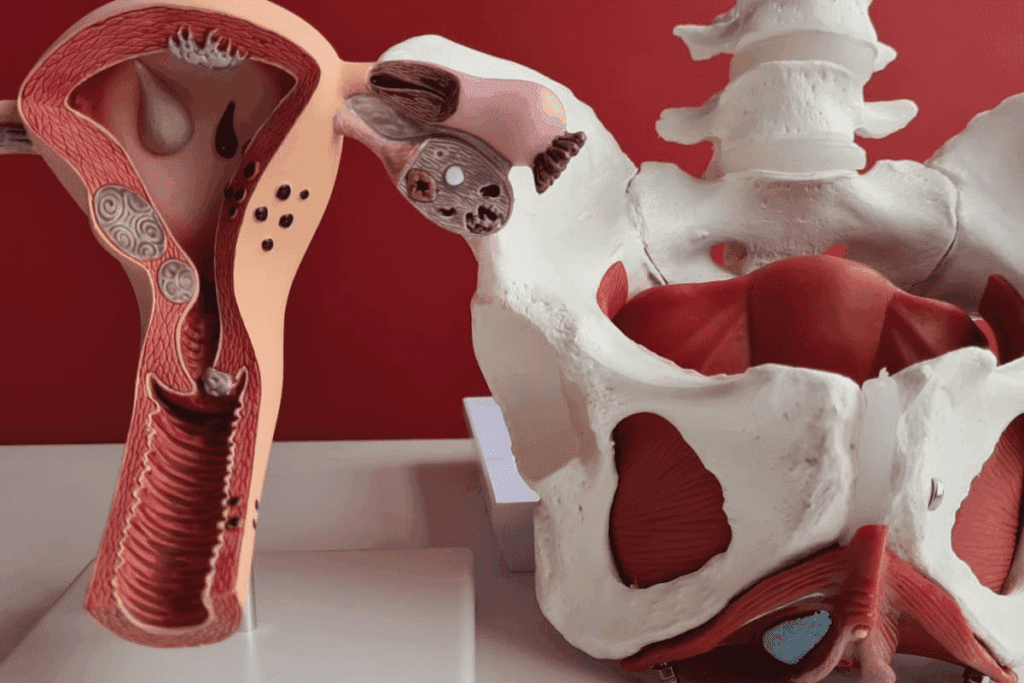
Polycystic Ovary Syndrome (PCOS) is a complex endocrine disorder that affects women of reproductive age. It is characterized by a group of symptoms related to hormonal imbalance, ovulation problems, and cysts on the ovaries.
Definition and Prevalence Statistics
PCOS is a multifaceted condition that affects various aspects of a woman’s health, including reproductive and metabolic systems. The exact cause of PCOS remains unknown, but it is believed to involve a combination of genetic and environmental factors. Studies suggest that PCOS affects an estimated 6 to 13 percent of women of reproductive age, making it one of the most common endocrine disorders in this demographic.
The prevalence of PCOS varies across different populations, and it is often associated with other health issues such as insulin resistance, obesity, and cardiovascular disease. Understanding the definition and prevalence of PCOS is key for early diagnosis and effective management.
Why PCOS Often Goes Undiagnosed
Despite its high prevalence, up to 70 percent of PCOS cases remain undiagnosed or misdiagnosed. Several factors contribute to this underdiagnosis, including the variability of symptoms among affected women and the lack of a single definitive test for PCOS. Healthcare providers often rely on a combination of clinical evaluation, medical history, and diagnostic criteria to diagnose PCOS.
The complexity of PCOS symptoms, which can include irregular menstrual cycles, hirsutism, acne, and fertility issues, makes it challenging to diagnose. Some women may not exhibit all the typical symptoms, further complicating the diagnosis process. Raising awareness about PCOS and its symptoms is essential for improving diagnosis rates and providing timely treatment to those affected.
Irregular Menstrual Cycles: The Hallmark Symptom

PCOS often leads to irregular menstrual cycles, affecting a woman’s life quality. These irregular periods are a key feature of PCOS, impacting many women.
Women with PCOS may have cycles that are too long or too short. Cycles over 35 days or under eight per year are common.
Unpredictable Periods and Amenorrhea
Unpredictable periods are a big challenge for women with PCOS. Some may even stop getting their periods altogether.
Hormonal imbalances in PCOS cause these irregular cycles. These imbalances mess with the normal cycle, leading to irregular or missing periods.
Key features of irregular menstrual cycles in PCOS include:
- Infrequent periods (oligomenorrhea)
- Absent periods (amenorrhea)
- Prolonged or irregular menstrual bleeding
How Hormonal Imbalances Affect Your Cycle
Hormonal imbalances are key in causing irregular cycles in PCOS. The condition has high male hormone levels and insulin resistance. These disrupt normal ovulation and menstrual regularity.
The hormonal changes in PCOS can lead to:
- Disrupted ovulation, making it hard to predict fertile windows
- Altered feedback mechanisms, affecting the hypothalamic-pituitary-ovarian axis
- Increased androgen levels, causing symptoms like hirsutism and acne
Understanding the link between hormonal imbalances and irregular cycles is key to managing PCOS. By tackling these hormonal issues, healthcare providers can help women with PCOS regulate their cycles and improve reproductive health.
PCOS Pain Location: Understanding Pelvic Discomfort
Knowing where and how PCOS pain feels is key to managing it well. PCOS, or Polycystic Ovary Syndrome, is a hormonal disorder that affects women. It often causes pelvic pain among other symptoms.
Pelvic pain from PCOS comes from the ovaries and hormonal imbalances. The pain can be different for everyone, in how it feels and where it is.
Common Areas Where PCOS Pain Occurs
PCOS pain usually happens in the lower belly or pelvic area. Enlarged ovaries with cysts can cause pain. Common spots for PCOS pain include:
- The lower abdomen, just below the belly button
- The pelvic region, potentially radiating to the lower back
- The sides of the abdomen, where the ovaries are located
It’s essential to note that pain from PCOS can be different for everyone. Some might feel mild pain, while others might have severe pain that makes daily tasks hard.
Distinguishing PCOS Pain from Other Conditions
Telling PCOS pain apart from other conditions can be tough. Conditions like endometriosis, ovarian cysts, and irritable bowel syndrome (IBS) can have similar symptoms. So, a detailed medical check-up is needed to find out the cause of pelvic pain.
Key factors to consider when figuring out PCOS pain include:
- The presence of other PCOS symptoms, such as irregular menstrual cycles and hirsutism
- The timing and nature of the pain (e.g., cyclic or constant)
- Ultrasound findings showing enlarged ovaries with multiple follicles
By knowing what PCOS pain feels like and where it is, doctors can better diagnose and treat it. This helps improve the lives of women with PCOS.
Hirsutism: Excessive Hair Growth in Unwanted Places
Hirsutism is when you grow too much hair in places you don’t want it. It’s a big problem for many women with Polycystic Ovary Syndrome (PCOS). This happens because of too many androgens, male hormones that women usually have in small amounts.
It’s important to understand hirsutism to manage PCOS symptoms well. We’ll look at why too many androgens cause unwanted hair growth. We’ll also see which body areas are most affected.
The Role of Androgen Excess in Hirsutism
Too much androgen is a big part of PCOS. It makes hair follicles grow coarse, dark hair. This hair grows in places men usually have it.
The hormonal imbalance in PCOS messes up the hair growth cycle. This leads to too much hair in places you don’t want it. It can really hurt a woman’s self-esteem and quality of life.
Areas Commonly Affected by Hirsutism
Hirsutism in PCOS can show up in different parts of the body. These include:
- The face, like the chin and upper lip
- The chest
- The back
- The buttocks
- The lower abdomen
These spots are where men usually grow hair. Too much hair here can really upset women with PCOS.
Body Area | Commonality of Hair Growth |
Face (chin, upper lip) | High |
Chest | Moderate |
Back | Moderate |
Buttocks | Low to Moderate |
Lower Abdomen | Moderate |
Dealing with hirsutism needs a full plan. This might include hormone treatments, changes in lifestyle, and other steps. The goal is to lower androgen levels and lessen the symptoms of too much hair.
Acne and Oily Skin Problems
PCOS often affects the skin, causing acne and oily skin in many women. These issues can be upsetting and hard to handle. Yet, they are important signs that should not be ignored.
Adult-Onset Acne as a PCOS Warning Sign
Acne in adults can signal PCOS. Adult acne is usually worse and lasts longer, showing up on the lower face, jawline, and neck. This type of acne is often tied to hormonal imbalances, a key sign of PCOS.
Hormonal changes can cause more oil, clogged pores, and acne. Knowing this link helps women watch their skin more closely. They should see a doctor if their acne doesn’t go away or gets worse.
Other Skin Manifestations
Women with PCOS may also have oily skin and acanthosis nigricans, dark, velvety patches on the skin. These problems are often linked to insulin resistance, common in PCOS.
Managing these skin issues requires tackling the hormonal and metabolic problems behind them. This might mean changing your diet and exercising more. It also involves medical treatments to balance hormones and improve insulin sensitivity.
By tackling PCOS symptoms like acne and oily skin, women can improve their skin and overall health.
Hair Thinning and Male-Pattern Baldness
PCOS often leads to hair loss, similar to male-pattern baldness. This can be very upsetting for women. It affects their looks and how they feel. Hair thinning and male-pattern baldness in PCOS are mainly due to hormonal imbalances, like too much androgen.
PCOS and hair loss are linked by many factors, including hormones and metabolism. Knowing how PCOS affects hair and the timeline of hair loss helps women deal with it better.
How PCOS Affects Your Scalp
Women with PCOS have too many androgens, which makes hair follicles smaller. This leads to thinner, shorter hair. This is called androgenetic alopecia and can turn into male-pattern baldness if not treated. The scalp’s sensitivity to androgens differs from person to person, affecting how much hair is lost.
Insulin resistance, common in PCOS, makes hormonal imbalances worse. This can make hair loss symptoms worse. Controlling insulin resistance through lifestyle changes and medicine can help lessen these effects.
Timeline and Progression of Hair Loss
Hair loss in PCOS can start at different times and progress at different rates. Some women see hair thinning slowly over years. Others lose hair more quickly.
“The onset of androgenetic alopecia can occur at any time after puberty, and its progression is influenced by the degree of androgen excess and individual susceptibility.”
- Hair loss can start as early as the late teens or early twenties in some women with PCOS.
- The rate of progression can be influenced by factors such as genetics, the severity of hormonal imbalances, and the presence of other metabolic syndrome components.
- Early intervention and treatment can help slow down or even halt the progression of hair loss.
Understanding why hair thinning and male-pattern baldness happen in PCOS is key to managing it. By tackling hormonal imbalances and metabolic issues, women with PCOS can handle this tough symptom better.
Weight Gain and Abdominal Fat Distribution
Women with PCOS often gain weight, mainly around their belly. This is due to hormonal imbalances and insulin resistance. Managing this weight gain is hard and linked to many metabolic problems.
The “PCOS Belly” Phenomenon
The term “PCOS belly” describes fat buildup around the belly. It’s common in women with PCOS. This issue is not just about looks; it also raises the risk of metabolic syndrome, diabetes, and heart disease.
The “PCOS belly” mainly comes from insulin resistance. This is when the body’s cells don’t respond well to insulin. It leads to high blood sugar and more belly fat.
Why Weight Loss Becomes More Difficult
Weight loss for women with PCOS is tough. Insulin resistance not only causes weight gain but also makes losing weight hard. Hormonal imbalances, like high androgens, also affect metabolism and body shape.
To lose weight, women with PCOS need a full plan. This includes eating right, exercising regularly, and sometimes taking medicine to help insulin. Eating less sugar and carbs and staying active can help with PCOS’s metabolic issues.
Key strategies for managing weight gain in PCOS include:
- Adopting a healthy, balanced diet
- Engaging in regular physical activity
- Considering professional guidance on nutrition and exercise
- In some cases, using medication to improve insulin sensitivity
Insulin Resistance and Blood Sugar Fluctuations
It’s important to know how insulin resistance and PCOS are linked. About 50 to 70 percent of women with PCOS have insulin resistance. This raises their risk of getting type 2 diabetes and metabolic syndrome.
The Link Between Insulin and PCOS
Insulin is a hormone made by the pancreas. It helps cells in the body use glucose for energy. Women with PCOS often have insulin resistance, where their cells don’t respond well to insulin.
This makes the pancreas work harder to make more insulin. This can lead to many metabolic problems.
The relationship between PCOS and insulin resistance is complex. Insulin resistance can make PCOS symptoms worse. At the same time, PCOS can make insulin resistance worse. This cycle can cause serious health issues if not managed well.
Warning Signs of Insulin Resistance
Knowing the signs of insulin resistance is key to acting early. Some common signs include:
- Weight gain, mainly around the belly
- Fatigue and feeling tired
- Difficulty focusing
- Feeling very hungry and craving carbs
- High blood pressure
These symptoms can be hard to notice. Many women with PCOS don’t know they have insulin resistance until they get tested.
To understand how insulin resistance affects PCOS, let’s look at some data:
Condition | Prevalence in PCOS Patients | Associated Risks |
Insulin Resistance | 50-70% | Type 2 Diabetes, Metabolic Syndrome |
Type 2 Diabetes | Higher than general population | Cardiovascular Disease, Kidney Damage |
Metabolic Syndrome | Increased risk | Hypertension, Cardiovascular Disease |
Managing insulin resistance is key in treating PCOS. Knowing the link between insulin resistance and PCOS helps doctors create better treatment plans. These plans address both the hormonal and metabolic issues of the condition.
Fertility Challenges and Ovulation Problems
Ovulation disorders are a big problem for women with PCOS. Dealing with fertility issues can be very hard. It’s important to tackle these challenges head-on.
PCOS makes it hard to ovulate, which makes it tough to get pregnant. Anovulation, or not ovulating, is a big symptom that affects fertility. Without regular ovulation, getting pregnant is harder.
Anovulation and Its Impact on Conception
Anovulation is common in women with PCOS, making it hard to get pregnant. The hormonal imbalance in PCOS messes with ovulation. This leads to irregular or missing periods, making it tough to know when to try to conceive.
- Hormonal imbalances, like too much androgen
- Insulin resistance, common in PCOS patients
- Being overweight, which makes hormonal and metabolic problems worse
PCOS as a Leading Cause of Female Infertility
PCOS is a top reason for female infertility. It affects many women of childbearing age. The mix of hormonal, metabolic, and reproductive issues in PCOS makes managing fertility hard.
By tackling ovulation problems and other related issues, women with PCOS can boost their chances of getting pregnant. It’s key to work with healthcare providers to create a treatment plan that fits.
Psychological Symptoms: Mood Swings, Anxiety and Depression
Women with Polycystic Ovary Syndrome (PCOS) face many psychological challenges. These issues affect their life quality deeply. They are closely linked to the hormonal and metabolic problems of PCOS.
The Hormonal Basis of Mood Disorders
PCOS’s hormonal imbalances, like too much androgen, greatly impact mood and mental health. Studies show these hormonal shifts can cause mood swings. This makes it hard for women to control their emotions.
The connection between hormones and mood is complex. For example, more androgens can mess with brain chemicals like serotonin. This affects mood, leading to anxiety and depression.
Prevalence of Mental Health Issues in PCOS Patients
Women with PCOS are more likely to face mental health problems. The rates of depression and anxiety disorders are higher in them.
- Depression: Women with PCOS often have depressive episodes.
- Anxiety: Their anxiety is often higher because of the uncertainty of their symptoms.
- Mood Swings: Hormonal changes cause big mood swings.
It’s key to understand PCOS’s psychological effects for better care. Healthcare providers should treat both physical and mental health. This way, they can offer more complete care plans.
“The psychological burden of PCOS should not be underestimated. It’s essential to address both the physical and mental health aspects to improve the quality of life for women with PCOS.”
By seeing how PCOS symptoms and mental health are connected, we can find better ways to manage them. This will help improve overall well-being.
Conclusion: Managing Your PCOS Symptoms Effectively
Managing PCOS symptoms needs a mix of lifestyle changes, medical treatments, and support. Knowing the symptoms like irregular periods, excess hair, and insulin issues helps us find good ways to manage them.
A good treatment plan is key. It includes healthy eating, regular exercise, and medical help. These steps help control PCOS symptoms.
Women with PCOS can feel better by managing their condition. It’s important to work with doctors to create a plan that fits each person’s needs.
Good management of PCOS not only eases symptoms but also prevents serious problems later. With the right care and support, women with PCOS can live healthier, more balanced lives.
FAQ
What are the common symptoms of PCOS in women?
Symptoms of PCOS include irregular periods, pelvic pain, and hirsutism. Women may also experience acne, oily skin, and hair loss. Weight gain and belly fat are common too.
How does PCOS affect menstrual cycles?
PCOS often disrupts menstrual cycles. Women may have unpredictable periods or no periods at all. This is due to hormonal imbalances.
What is hirsutism in PCOS, and how is it caused?
Hirsutism is when women grow too much hair in unwanted places. It’s caused by too much androgen hormone in women with PCOS.
Can PCOS cause hair loss?
Yes, PCOS can lead to thinning hair and male-pattern baldness. This is because of hormonal imbalances affecting the scalp.
Why is weight loss more difficult for women with PCOS?
Losing weight is hard for women with PCOS. This is because of insulin resistance and metabolic changes.
What is the connection between PCOS and insulin resistance?
Insulin resistance is common in PCOS. It affects blood sugar levels and increases the risk of metabolic problems.
Can PCOS cause fertility problems?
Yes, PCOS is a major cause of female infertility. It makes it hard for women to conceive because of ovulation issues.
How does PCOS affect mental health?
PCOS can lead to mood swings, anxiety, and depression. This is due to hormonal imbalances and the emotional impact of its symptoms.
What is the “PCOS belly” phenomenon?
The “PCOS belly” is the typical belly fat seen in women with PCOS. It’s hard to manage.
Are there effective treatments for PCOS symptoms?
Yes, there are treatments for PCOS symptoms. A good plan includes lifestyle changes and medical help. This can improve quality of life.
How can women with PCOS manage their symptoms effectively?
Women with PCOS can manage their symptoms by understanding them. Working with healthcare providers and adopting a good management plan helps them take control.
References
National Center for Biotechnology Information. Evidence-Based Medical Guidance. Retrieved from https://pmc.ncbi.nlm.nih.gov/articles/PMC5542050/