
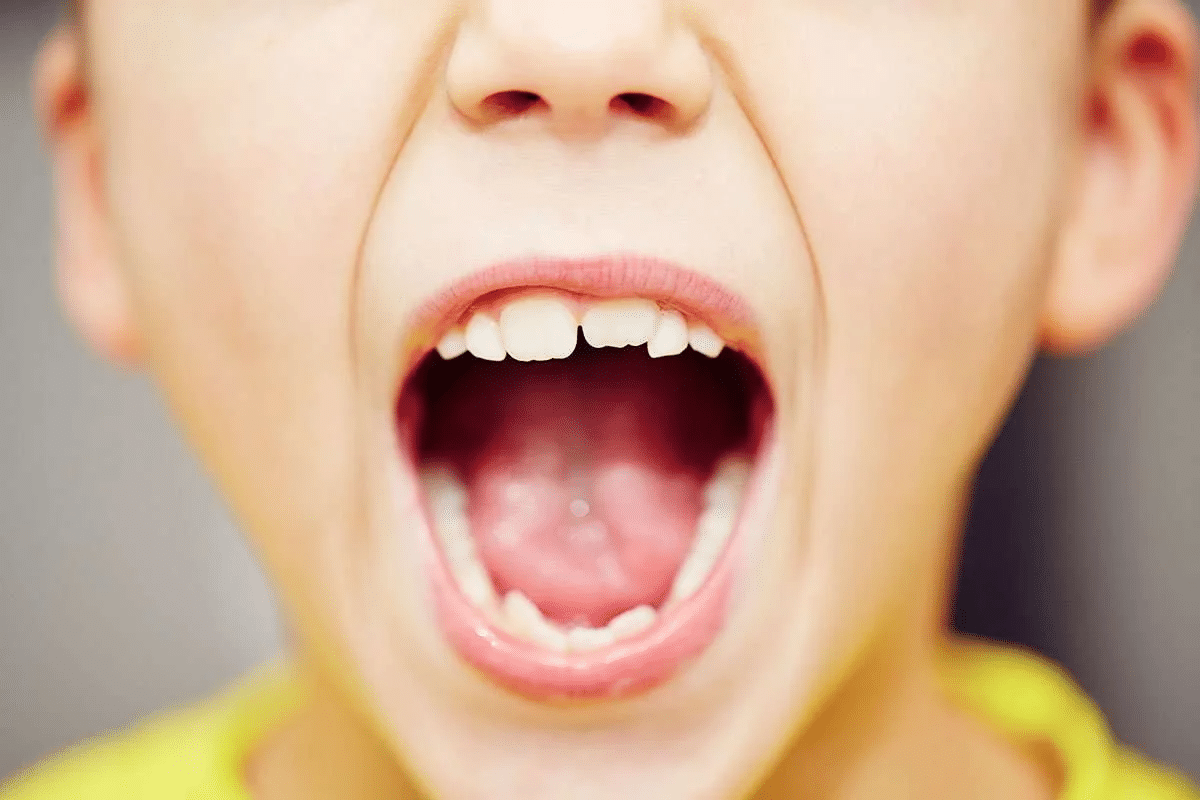
Managing pediatric adenoidectomy pain is key. Learn the honest truth about the discomfort level and how to soothe your child effectively.
Most children experience throat discomfort for several days following adenoid removal surgery. As a parent, it’s normal to worry about your child’s recovery. You want them to feel comfortable during this time.
We get your concerns and are here to help. We’ll guide you on what to expect and how to ease your child’s pain. Our aim is to give you a full understanding of the recovery. This way, you can support your child through it.
Key Takeaways
- Children often experience throat discomfort after adenoid removal.
- Effective management strategies can help alleviate your child’s discomfort.
- Understanding the recovery process can help you better support your child.
Understanding Pediatric Adenoidectomy

Pediatric adenoidectomy is a surgery for kids with recurring infections and breathing problems. The adenoids are tissues at the back of the throat. Removing them can greatly improve a child’s life. We will explore what this surgery involves and why it’s done.
What is an Adenoidectomy?
An adenoidectomy removes the adenoids, small tissues at the back of the nose and throat. It’s done under general anesthesia, so the child won’t feel pain. The surgery takes about 30 minutes to an hour. After, the child is watched for any immediate problems.
The adenoids help the immune system in young children. But when they grow too big or get infected, they can cause breathing trouble, ear infections, and sleep issues. Taking them out can help solve these problems and improve the child’s health.
Why Do Children Need This Procedure?
Children might need an adenoidectomy for several reasons. These include recurring infections and breathing problems. When adenoids get too big or keep getting infected, they can block breathing, cause sleep apnea, or lead to ear infections. Removing them can lessen these issues.
Doctors decide on adenoidectomy after other treatments fail. It’s a choice made together by parents, the child, and doctors. They consider the child’s health and the surgery’s benefits.
|
Aspect |
Description |
|---|---|
|
Procedure |
Surgical removal of the adenoids under general anesthesia. |
|
Duration |
Approximately 30 minutes to an hour. |
|
Reasons for Surgery |
Recurrent infections, breathing difficulties, sleep apnea, and persistent ear infections. |
|
Benefits |
Reduces frequency and severity of infections, improves breathing, and enhances quality of life. |
Common Reasons for Adenoid Removal

Children may need adenoidectomy for several reasons. These include chronic infections, sleep problems, and breathing issues. Adenoids are lymphoid tissues at the back of the throat. They help the immune system, but can cause health problems if they grow too big or get infected.
Chronic Infections and Sleep Apnea
Recurring infections are a big reason for adenoid removal. When adenoids get infected, they swell. This can cause sleep apnea, where a child stops breathing for short times during sleep. Sleep apnea can harm health and make sleep poor.
Removing adenoids can help with recurrent ear infections and improve sleep. It can greatly improve a child’s life quality.
Allergies and Breathing Difficulties
Allergies are another reason for adenoid removal. Allergies can make adenoids big, causing breathing problems. Big adenoids can block the airway, making breathing hard, even at night.
In some cases, removing adenoids is suggested when other allergy treatments fail. It can help with breathing and lower the risk of other problems. This decision is made after thinking about the child’s health and symptoms.
Knowing why adenoid removal is needed is key for parents. If your child has ongoing health issues with their adenoids, talking to a doctor is the first step to finding a solution.
The Pain Factor: What to Expect
Parents often wonder about the level of discomfort their child may experience after adenoid surgery. Understanding the pain associated with adenoidectomy is key for preparing children for the recovery process. We will explore what to expect immediately after surgery and in the long term.
Immediate Post-Operative Pain
Most children experience throat pain for a few days after the surgery. This discomfort is usually managed with pain medication prescribed by the doctor. It’s important for parents to follow the medication schedule to ensure their child’s comfort during the initial recovery phase.
The level of pain can vary among children, but it’s usually most intense in the first 48 hours. We recommend that parents keep a close eye on their child’s pain levels. Adjust the medication as directed by their healthcare provider.
|
Day Post-Surgery |
Typical Pain Level |
Recommended Care |
|---|---|---|
|
1-2 |
High |
Follow prescribed pain medication schedule |
|
3-5 |
Moderate |
Continue pain medication as needed |
|
5+ |
Mild to None |
Gradually reduce pain medication |
Long-Term Pain Expectations
In the long term, most children do not experience significant pain after the initial recovery period. Some may have mild discomfort, but this usually goes away on its own. It’s important for parents to monitor their child’s recovery and report any concerns to their healthcare provider.
We advise parents to be patient and give their child time to heal fully. The benefits of adenoid removal often outweigh the temporary discomfort. This leads to improved health and well-being for their child.
Pain Management Techniques
Managing pain is key for kids to feel better after adenoidectomy. Every child is unique, so we need a mix of medical help and home remedies. This approach helps ensure comfort and recovery.
Medications Prescribed for Relief
Doctors often prescribe acetaminophen or ibuprofen for pain after surgery. It’s important to follow the dosage to keep your child safe and comfortable.
A study in the “Journal of Pediatric Surgery” found that these medicines work well together. But, always talk to a doctor before giving any medicine.
“The use of multimodal analgesia, including acetaminophen and NSAIDs, has been shown to be effective in managing post-operative pain in children undergoing adenoidectomy.”
– Journal of Pediatric Surgery
|
Medication |
Dosage |
Frequency |
|---|---|---|
|
Acetaminophen |
15 mg/kg |
Every 4-6 hours |
|
Ibuprofen |
10 mg/kg |
Every 6-8 hours |
Home Remedies to Alleviate Discomfort
There are also home remedies to ease pain after adenoidectomy. Cold drinks and ice cream can soothe the throat and help with pain.
- Encourage your child to drink plenty of fluids to stay hydrated.
- Offer soft, cool foods like ice cream or popsicles to help ease throat pain.
- Use a humidifier to add moisture to the air, which can help reduce throat irritation.
Creating a cozy space for your child to rest is also vital. Make sure they get enough sleep and keep the atmosphere calm. This can greatly help their recovery.
Signs of Complications After Surgery
Knowing the signs of complications after adenoid surgery is important for parents. Adenoidectomy is usually safe, but knowing about possible issues helps. We’ll show you how to spot complications and when to get medical help.
When to Contact a Healthcare Provider
It’s key to know when to call a doctor after adenoidectomy. If your child shows any of these signs, contact a healthcare provider:
- Severe pain that doesn’t go away with medicine
- Hard time breathing or swallowing
- Fever over 102°F (39°C)
- Bleeding that won’t stop with gentle pressure
- Severe headache or stiff neck
If you’re not sure about your child’s health, it’s better to be safe and talk to a doctor.
Recognizing Signs of Infection
Infection is a possible issue after adenoidectomy. Spotting it early is key for quick treatment. Look out for these signs:
- Increased redness or swelling around the surgery area
- Pus or discharge from the nose or throat
- A persistent fever
- Feeling generally unwell
As one medical source says, “Watching for infection signs is vital after surgery.”
“It’s important to watch for signs of infection or complications, like delayed bleeding.”
Your Child’s Recovery
If you think your child has an infection, call your healthcare provider right away. They might give antibiotics or other treatments.
In summary, knowing the signs of complications after adenoidectomy is vital for your child’s recovery. By knowing when to call a doctor and recognizing infection signs, you can get your child the care they need quickly.
Factors Influencing Pain Levels
Many things can affect how much pain a child feels after an adenoidectomy. Knowing these can help parents and caregivers manage their child’s recovery and pain better.
Age and Size of the Adenoids
The child’s age and adenoid size can greatly impact pain after surgery. Younger children might feel pain differently than older ones. This is because they understand pain less and can’t always tell us how they feel.
Also, bigger adenoids might need more surgery. This could mean more pain after the operation. We think about these things when planning how to manage pain.
Individual Pain Tolerance Factors
Children, like adults, have different pain thresholds. Genetic factors, psychological state, and past pain experiences can affect how they feel pain after adenoidectomy.
Parents should work with their doctor to understand their child’s pain situation. This might mean using medicine and other ways to help the child feel better.
By knowing and dealing with these factors, we can offer better support and care. This helps children recover more smoothly after adenoidectomy.
Nutrition and Recovery
Nutrition and hydration are key for a smooth recovery after adenoid removal. A balanced diet aids in healing. Adequate hydration keeps the throat comfortable and prevents dehydration.
Dietary Recommendations Post-Surgery
After adenoid surgery, a gentle diet is important. Start with soft, cool foods like yogurt, scrambled eggs, and mashed potatoes. These foods are easy to swallow and provide needed nutrients.
As your child feels better, you can add more variety to their diet. But avoid spicy, acidic, or sharp foods that can irritate the throat. Stay away from citrus fruits, tomatoes, and crunchy snacks for a while.
Recommended Foods:
- Soft fruits like bananas and avocados
- Cooked pasta and rice
- Soft-cooked vegetables
- Protein-rich foods like chicken and fish (when comfortable to swallow)
Hydration Importance During Recovery
Hydration is vital during recovery. Drinking enough fluids prevents dehydration and makes the throat more comfortable. Adequate hydration is key for healing and reduces the risk of complications.
Offer plenty of fluids like water, clear broths, or electrolyte-rich drinks. For young children, staying hydrated is very important as they can dehydrate quickly.
Tips for Hydration:
- Offer fluids frequently, even if it’s in small amounts
- Monitor urine output to ensure it’s not too concentrated
- Avoid caffeinated or carbonated drinks that can irritate the throat
By focusing on a balanced diet and ensuring enough hydration, you can support your child’s recovery. If you have concerns, always consult with your healthcare provider.
Emotional Support for Children
Preparing children emotionally for adenoidectomy is just as vital as the surgery itself. We know that a child’s emotional state greatly affects their recovery from adenoid removal surgery.
Preparing Kids for the Surgery
Explaining surgery to kids in a way they can grasp is key. Be honest and reassuring, giving them a sense of control and safety. Use simple, clear language to explain what will happen during and after surgery.
For instance, tell them the surgery helps them breathe better and feel healthier. Let them know they’ll be asleep during the surgery and you’ll be there when they wake up.
Key steps in preparing your child include:
- Explaining the surgery in simple terms
- Reassuring them of your presence throughout the process
- Discussing what to expect post-surgery
Dealing with Anxiety Related to Pain
Children often worry about pain after surgery. Talk to your healthcare provider about pain management options. Knowing there are ways to manage pain can help reduce their anxiety.
Open communication is essential. Encourage your child to share their fears and concerns. Listen carefully and reassure them. Explain that some discomfort is normal but will be managed with medication.
Some ways to manage anxiety related to pain include:
- Using distraction techniques like reading or watching a favorite movie
- Providing emotional support and reassurance
- Following the healthcare provider’s guidance on pain management
By emotionally preparing your child for surgery and addressing their anxiety, you can greatly improve their recovery. We’re here to support you and your child, ensuring you have the resources and guidance you need.
Guidelines for Post-Operative Care
After your child has an adenoidectomy, it’s important to follow the right care steps. This helps them heal well and feel better. As a parent, knowing these steps can make your child’s recovery smoother and safer.
Activities to Avoid After Surgery
It’s key to avoid some activities after adenoidectomy to prevent problems and help healing. Here are some activities to skip:
- Avoid strenuous activities, such as running or playing contact sports, for at least a week.
- Refrain from heavy lifting or bending.
- Children should rest when feeling tired.
- Avoid crowds or people with colds or flu to minimize the risk of infection.
Importance of Follow-Up Appointments
Going to follow-up appointments with your healthcare provider is very important. These visits help check on your child’s healing and solve any issues. Your healthcare provider can:
- Assess the healing progress.
- Remove any packing or sutures if necessary.
- Provide guidance on ongoing care and when to resume normal activities.
By sticking to these guidelines and going to all follow-up appointments, you can help your child recover well after adenoidectomy.
Debunking Myths About Adenoid Surgery
Adenoidectomy, or adenoid surgery, is often misunderstood. This leads to unnecessary fears and questions. As medical professionals, we aim to clear up common misconceptions and provide accurate information to ease concerns.
Common Misconceptions
Many myths surround adenoid surgery. One is that it’s a painful procedure with long recovery times. But, thanks to medical advancements and better pain management, the experience has improved for patients.
- Myth: Adenoid surgery is extremely painful. Fact: Most patients find the discomfort manageable, and pain is well-controlled with medication.
- Myth: Recovery takes a long time. Fact: Many children can return to their normal activities within a few days to a week after surgery.
- Myth: Adenoidectomy affects speech. Fact: In most cases, adenoid surgery does not negatively impact speech development.
Facts vs. Fiction
It’s important to know the difference between facts and fiction when considering adenoid surgery. Let’s look at some common myths and the real facts about this procedure.
- Adenoid surgery is only for children with severe infections. Reality: While chronic infections are a common reason, other conditions like sleep apnea and breathing difficulties also require the procedure.
- The surgery is outdated and risky. Reality: Modern adenoidectomy techniques are safe and effective, with minimal risks.
- Pain after surgery is unbearable. Reality: With proper pain management, most children experience only mild to moderate discomfort.
By understanding the facts about adenoid surgery, parents can make informed decisions. They can feel more confident in their choice to proceed with the procedure if recommended by a healthcare professional.
The Importance of Professional Guidance
Professional guidance is key for a smooth recovery after adenoidectomy. It’s important to follow the healthcare provider’s instructions. This ensures the best outcome for children having their adenoids removed.
Expert Care for Adenoid Surgery
Choosing the right specialist for adenoidectomy is vital. Look for someone experienced in pediatric adenoidectomy. This ensures your child gets the best care.
Talking to healthcare providers can ease worries about pain and the surgery. It helps to understand what to expect.
Effective Communication with Healthcare Providers
Parents should talk openly with healthcare providers. Ask about pain control and medication for adenoidectomy. This helps understand the options available.
Professional guidance makes a big difference in recovery. By choosing the right specialist and staying in touch with healthcare providers, parents can ensure their child gets the best care. This support is key for a smooth recovery and addressing any concerns.
FAQ
What is an adenoidectomy, and why is it performed on children?
An adenoidectomy is a surgery to remove the adenoids. These are gland-like tissues at the back of the throat. It’s done on kids who keep getting infections, have trouble breathing, or have sleep apnea because of big adenoids.
How painful is adenoid removal for children?
Kids might feel some pain and discomfort after the surgery. But, we help manage it with pain meds and home remedies. The pain level can vary based on the child’s age and how they handle pain.
What are the common reasons for adenoid removal in children?
We remove adenoids in kids for chronic infections, sleep apnea, allergies, and breathing problems. Big adenoids can cause these issues. Taking them out can help and improve the child’s health.
How can I manage my child’s pain after adenoidectomy?
Use the pain meds your doctor gave you and try home remedies. Offer soft foods, make sure they drink enough water, and use a humidifier to help with pain.
What are the signs of complications after adenoidectomy?
Watch for signs of infection like fever, more pain, or trouble swallowing. If you see any unusual symptoms or worries, call your doctor right away.
How can I prepare my child emotionally for adenoid surgery?
Explain the surgery in a way your child can understand. Let them know you’ll be there to support them. It’s also important to help them manage their anxiety about pain.
What are the dietary recommendations after adenoidectomy?
Eat soft foods for a few days after surgery to avoid discomfort. Make sure your child drinks lots of water or other fluids to stay hydrated.
Are there any activities my child should avoid after adenoidectomy?
Yes, they should avoid hard activities like heavy lifting or bending for a few days. Also, keep them away from crowds and people with infections to prevent complications.
How long does it take for my child to recover from adenoidectomy?
Recovery times can vary, but most kids can get back to normal in a week or two. It’s important to have follow-up appointments with your doctor to check on the healing and address any concerns.
Can I give my child over-the-counter pain medications after adenoidectomy?
Always talk to your doctor before giving your child any medicine, including over-the-counter pain relievers. They will help find the best way to manage your child’s pain.
How do I choose the right specialist for my child’s adenoidectomy?
Look for a specialist with lots of experience in pediatric ENT surgery. You can ask your primary care doctor for recommendations or check professional associations for suggestions.
What should I discuss with my healthcare provider before adenoidectomy?
Share your concerns and ask questions about the procedure and pain management. Knowing what to expect and having a plan will help you support your child better.