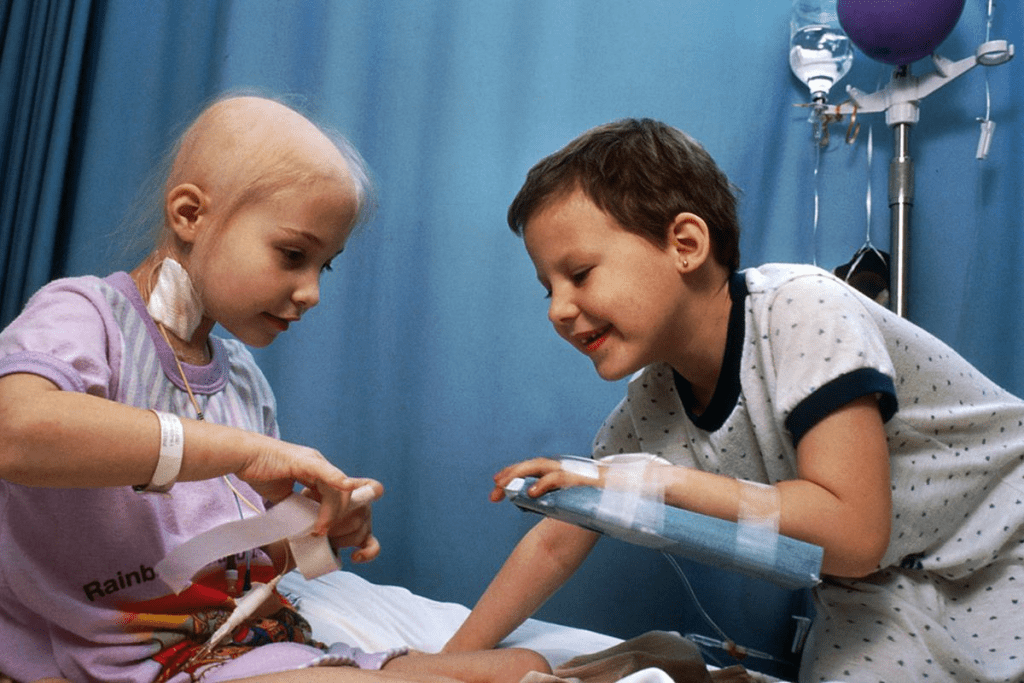
As a parent, worrying about Pediatric Cancer in kids is a big concern. Many childhood cancers don’t have a known cause. But there are steps to lower the risk.
We can help our kids avoid cancer by choosing a healthy lifestyle. This means protecting them from harmful things in the environment. It also means getting them vaccinated against HPV and encouraging healthy choices.
By learning about pediatric cancer and taking action, parents can protect their kids’ health. This is a big responsibility, but it’s doable.
Key Takeaways
- Making healthy lifestyle choices can reduce the risk of childhood cancer.
- Getting vaccinated against HPV can lower cancer risk.
- Protecting children from environmental hazards is critical.
- Parents can play a significant role in reducing their child’s cancer risk.
- Understanding cancer facts and statistics is essential.
Understanding Pediatric Cancer: Facts and Statistics
Pediatric cancer is a serious issue that affects many children worldwide. It’s important to understand its global impact. We will look at how common it is, survival rates, and the types of cancers children get.
Global Prevalence of Childhood Cancer
Every year, over 400,000 kids and teens get cancer. In the U.S., about 9,550 kids will be diagnosed in 2025. This shows why we need to know more about children’s cancers and their effects on families.
Survival Rates Across Different Regions
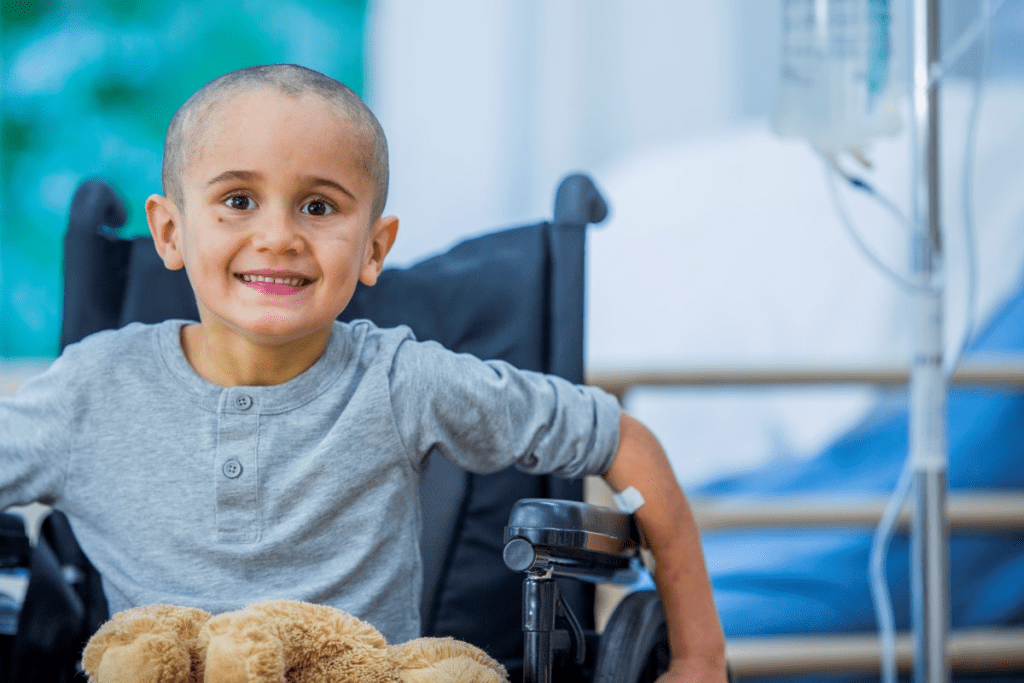
Survival rates for childhood cancer vary a lot. In rich countries, over 80% of kids survive. But in poor areas, it’s less than 30%. This difference shows we need to work together to help kids with cancer.
- In high-income countries, survival rates for childhood cancer have improved dramatically.
- Low-income regions face challenges in providing adequate care, leading to lower survival rates.
- Global initiatives are key to closing the gap in childhood cancer treatment.
Common Types of Childhood Cancers
The most common childhood cancers are:
- Leukemia
- Brain and spinal cord tumors
- Neuroblastoma
- Wilms tumor
- Lymphoma
- Rhabdomyosarcoma
- Retinoblastoma
- Osteosarcoma
- Ewing sarcoma
Knowing these types helps parents spot signs early. This can lead to quicker treatment. The reasons why cancer happens in kids are complex, involving genes, environment, and lifestyle.
By understanding pediatric cancer, we can better support families. We aim to improve outcomes for kids with cancer everywhere.
The Truth About Childhood Cancer Causes
The exact causes of childhood cancer are not fully understood. But research has given us some clues. Most childhood cancers start from DNA changes that happen early in life, sometimes before birth.
Genetic Factors vs. Environmental Influences
Both genetics and the environment play a part in childhood cancer. Some cancers are linked to genetic mutations. Others might be caused by environmental factors.
Genetic predisposition is a big factor in some cases. Certain genetic conditions can raise the risk of specific cancers. But most childhood cancers are not passed down from parents.
Environmental exposures to chemicals, radiation, or infections also play a role. We’ll dive deeper into these factors as we go on.
Debunking Common MythsMany myths about childhood cancer need to be cleared up. Let’s look at some of these myths and the facts:
- Myth: Childhood cancer is always caused by genetics. Fact: While genetics is involved, it’s not the only reason.
- Myth: Environmental factors have no impact on childhood cancer. Fact: Exposure to certain environmental factors can increase the risk.
- Myth: There’s nothing parents can do to prevent childhood cancer. Fact: While many cases are unavoidable, a healthy lifestyle and avoiding harmful substances can help reduce the risk.
What Current Research Tells Us
Research into childhood cancer is ongoing. We don’t know the exact causes of most cases yet. But studies have given us some insights. For example, most childhood cancers are caused by DNA mutations that happen early in life.
Understanding these causes helps us prevent and treat childhood cancer better. We’re making slow progress in finding out what causes this disease.
By staying informed and supporting research, we can work towards reducing childhood cancer. This will help improve outcomes for those affected.
Creating a Smoke-Free Environment for Your Child
Creating a smoke-free environment is key to protecting your child’s health. It lowers their risk of getting cancer. Being around tobacco smoke, even indirectly, can harm kids a lot.
The Impact of Secondhand and Thirdhand Smoke
Secondhand smoke comes from smokers or burning tobacco. It can cause serious breathing problems in kids, like asthma and lung infections. It also raises the risk oflung cancer and other serious health. conditions
Thirdhand smoke is left on surfaces and in dust after smoking. It can mix with other pollutants to form harmful substances. This is a big concern in homes and cars where smoking has happened.
Strategies for Maintaining a Smoke-Free Home
To keep your child safe from tobacco smoke, make your home smoke-free. Here are some ways to do it:
- Quit Smoking: Quitting is the best thing you can do for your health and your child’s.
- Set Clear Rules: Make a rule that no smoking is allowed inside your home and car.
- Educate Others: Tell family and visitors about your smoke-free policy.
- Avoid Smoking Areas: Stay away from places where people smoke to reduce secondhand smoke exposure.
Addressing Exposure in Public Spaces and Other Homes
Keeping your home smoke-free is important, but also think about public spaces and other homes. You can push for smoke-free policies in places like parks, restaurants, and schools. This can help reduce secondhand smoke exposure.
When you visit other homes, ask about their smoking rules. If they smoke, ask them to stay in smoke-free areas or limit your visit if needed.
By doing these things, we can greatly reduce our child’s exposure to harmful tobacco smoke. This lowers their risk of cancer and other serious health problems.
Nutrition Strategies to Reduce Pediatric Cancer Risk
A well-balanced diet is key to lowering childhood cancer risk. We know that some diets can greatly affect cancer risk. By choosing wisely, parents can safeguard their kids’ health.
Nourishing Your Child for a Healthier Tomorrow
The Mediterranean diet is great for reducing cancer risk. It’s full of fruits, veggies, whole grains, and healthy fats. These foods offer strong protection.
Cancer-Fighting Foods to Include in Children’s Diets
Adding certain foods to your child’s diet can lower their cancer risk. Some top foods include:
- Fruits and Vegetables: They’re packed with antioxidants, vitamins, and minerals. These help protect cells.
- Whole Grains: They’re rich in fiber and nutrients. Whole grains boost overall health.
- Legumes: Beans, lentils, and peas are great for protein and fiber. They support a healthy diet.
A healthy diet is fundamental in preventing diseases, including certain types of cancer.
Limiting Processed Foods, Added Sugars, and Nitrates
It’s also key to limit unhealthy foods. Processed foods, added sugars, and nitrates can harm health. They may even increase cancer risk.
- Check food labels to avoid added sugars and nitrates.
- Pick whole foods over processed ones whenever you can.
- Cook meals at home with fresh ingredients to control what your child eats.
Establishing Healthy Eating Habits Early
Starting healthy eating habits early is vital. Introduce many foods and make mealtime fun. This encourages lasting healthy eating habits.
“
The early years of a child’s life are critical for setting dietary patterns that affect their health for years.
” This shows how vital early dietary habits are.
By focusing on nutrition and making smart food choices, we can lower childhood cancer risk. This promotes our children’s overall health and well-being.
Physical Activity and Weight Management
Exploring ways to prevent childhood cancer, we find that physical activity and weight management are key. Regular exercise can lower some cancer risks. It’s vital for a child’s health.
Obesity and Cancer Risk in Children
Childhood obesity raises the risk of certain cancers later. Keeping a healthy weight is essential. Obesity can cause chronic inflammation and insulin resistance, which may lead to cancer.
Recommended Physical Activity for Children
The right amount of physical activity changes with age. Kids aged 3 to 5 should be active all day. Older kids and teens need at least an hour of moderate to vigorous activity daily.
- For children under 5, encourage active play.
- For children and adolescents aged 6-17, aim for at least 60 minutes of moderate to vigorous intensity activity daily.
- Include a mix of aerobic activity, muscle-strengthening, and bone-strengthening exercises.
Making Exercise a Family Affair
Make physical activity fun for the whole family. It helps kids develop healthy habits for life. Doing activities together boosts health and family bonds.
“Exercise is a celebration of what your body can do, not a punishment for what you ate.” – Unknown
By adding fun activities to your family’s routine, kids will see exercise as positive.
- Plan outdoor activities like hiking or biking.
- Engage in sports or dance together as a family.
- Limit screen time and encourage active play instead.
Understanding the link between physical activity, weight, and cancer risk helps us act. We can reduce our children’s cancer risk by promoting a healthy lifestyle. This includes regular exercise, a balanced diet, and maintaining a healthy weight.
Essential Vaccinations for Cancer Prevention
Keeping your child’s vaccinations up-to-date is key to lowering their cancer risk. Vaccines help fight off infections that could lead to cancer. Knowing how important these shots are helps parents protect their kids’ health.
HPV Vaccination: Timing and Long-term Benefits
The Human Papillomavirus (HPV) vaccine is a major cancer fighter. Given to preteens at 11 or 12, it guards against HPV types that cause many cancers, like cervical and anal cancers. The HPV vaccine is very effective in stopping infections and cutting cancer risks. Vaccinating your child against HPV can greatly reduce their cancer risk later on.
Hepatitis B and Liver Cancer Risk Reduction
Hepatitis B vaccination is also vital for cancer prevention. Hepatitis B can lead to liver cancer, and the vaccine can lower this risk. The Hepatitis B vaccine is given at birth and more doses in infancy. Making sure your child gets this vaccine is key to protecting them from liver cancer.
Staying Up-to-Date with Recommended Immunization Schedules
It’s important to keep up with vaccination schedules. Following the schedule ensures your child gets the right doses at the right time, giving them the best protection against preventable cancers. Talk to your pediatrician to make sure your child is on schedule and to answer any questions.
By focusing on vaccinations and staying current with recommendations, parents can help lower their child’s cancer risk. This is a vital step in keeping their health and well-being safe.
Environmental Protection Strategies
We can protect our children’s health by understanding and reducing environmental risks. This includes several key strategies for environmental protection.
Reducing Exposure to Harmful Chemicals
Reducing exposure to harmful chemicals is a critical step. Household products like cleaning supplies and pesticides can increase cancer risk. We can lower this risk by choosing eco-friendly products and following safety guidelines.
Simple Measures for a Safer Environment:
- Choose products with natural ingredients
- Avoid mixing cleaning products
- Dispose of hazardous waste properly
Sun Safety Practices
Protecting our children’s skin from the sun is key to preventing skin cancer. Serious sunburns can increase skin cancer risk later. We can protect them by using sunscreen, dressing them in protective clothing, and keeping them in the shade.
Every small action counts when it comes to protecting our children from the harmful effects of the sun.
Minimizing Unnecessary Radiation Exposure
Medical imaging is sometimes needed, but we should be aware of radiation risks. We can reduce unnecessary radiation by only getting tests when necessary and discussing alternatives with doctors.
Tips for Minimizing Radiation Exposure:
- Ask about the necessity of the test
- Discuss alternative imaging methods
- Ensure proper shielding during procedures
By using these strategies, we can greatly reduce our children’s exposure to cancer risks. This helps them live healthier lives.
Conclusion: Balancing Prevention Without Fear
Many childhood cancers have no known cause. But we can take steps to lower the risk. Keeping kids healthy, avoiding harmful environments, and getting them vaccinated are key.
At LivHospital, we aim for the best health outcomes. We follow proven methods and lead in care. We know preventing childhood cancers needs a full approach.
Parents can make a difference by taking steps to prevent cancer. This way, they can create a safer space for their kids. We urge parents to stay updated and work with doctors for the best care. Together, we can lower cancer risks and ensure a healthy future for children.
FAQ
Why does cancer happen in children?
The exact causes of childhood cancer are often unknown. Research suggests that genetic factors and environmental influences play a role.
Why is childhood cancer increasing?
The exact reasons for the increase in childhood cancer are not fully understood. It’s believed that a combination of genetic and environmental factors contributes to the risk.
Can you be born with cancer?
Yes, some children are born with cancer. It’s often related to genetic mutations.
What are the most common types of childhood cancers?
The most common types of childhood cancers include leukemia and brain tumors. Other types are neuroblastoma, Wilms tumor, and lymphoma. Rhabdomyosarcoma, retinoblastoma, osteosarcoma, and Ewing sarcoma are also common.
What causes childhood cancer?
While the exact causes are often unknown, research suggests that genetic factors and environmental influences play a role.
How do children get cancer?
Children can get cancer due to a combination of genetic and environmental factors. The exact mechanisms are not fully understood.
Why do children get cancer?
Children can get cancer due to various factors. These include genetic mutations and environmental exposures.
What is the main cause of cancer?
The main cause of cancer is not a single factor. It’s a complex interplay of genetic and environmental influences.
How can a child be born with cancer?
Some children are born with cancer due to genetic mutations. These occur during fetal development.
How to prevent childhood cancer?
While it’s impossible to eliminate all risks, parents can take proactive steps. They can maintain a healthy lifestyle and protect their child from environmental hazards. Ensuring they receive recommended vaccinations is also important.
What is causing childhood cancer?
Childhood cancer is caused by a combination of genetic and environmental factors. The exact mechanisms are not fully understood.
How do kids get cancer?
Kids can get cancer due to a combination of genetic and environmental factors. The exact mechanisms are not fully understood.
Why do kids get cancer?
Kids can get cancer due to various factors. These include genetic mutations and environmental exposures.
References
- World Health Organization. (2023). Cancer in children. Retrieved fromhttps://www.who.int/news-room/fact-sheets/detail/cancer-in-children
- Mai, P. L., Best, A. F., Peters, J. A., DeCastro, R., Lynch, C. F., & Andrew, A. S. (2016). Risks of childhood cancer in individuals with Li-Fraumeni syndrome. Journal of Clinical Oncology, 34(31), 3293“3299.https://pubmed.ncbi.nlm.nih.gov/27458316/
- Turner, M. C., Wigle, D. T., & Krewski, D. (2010). Residential pesticides and childhood leukemia: A systematic review and meta-analysis. Environmental Health Perspectives, 118(1), 72“79.https://www.ncbi.nlm.nih.gov/pmc/articles/PMC2790515/
- Holman, D. M., Freeman, M. T., & Heins, M. (2016). Opportunities during early life for cancer prevention. Cancer, 122(22), 3467-3478.https://www.ncbi.nlm.nih.gov/pmc/articles/PMC5890502/