Interested in pediatric cardiology? Discover top career facts and schooling requirements. Learn how long it takes to become a heart expert today.
Becoming a pediatric cardiologist is a big commitment. It takes a lot of education and training. The journey starts in high school and goes through many levels of education and training.
Did you know it takes over a decade after high school to become a pediatric cardiologist? This long education is key. It prepares specialists to give the best care for children’s heart health.
We’ll explain the detailed education needed for this field. You’ll learn about the years of schooling and training. From college to medical school, residency, and fellowship, each step is important. It prepares future pediatric cardiologists for their important roles.
Key Takeaways
- Becoming a pediatric cardiologist requires over a decade of education and training after high school.
- The educational journey includes undergraduate studies, medical school, residency, and fellowship training.
- Each stage of education and training is vital for developing the necessary skills and knowledge.
- Pediatric cardiologists must undergo extensive clinical training to specialize in children’s heart care.
- The thorough training allows pediatric cardiologists to provide top-quality care for heart conditions in children.
The Educational Journey to Pediatric Cardiology: Timeline Overview

Pediatric cardiology requires a long educational journey. It starts with undergraduate studies and ends with fellowship programs. Becoming a pediatric cardiologist takes a lot of time and effort. There’s a clear timeline with different stages of education and training.
Understanding the Scope of Training Required
To become a pediatric cardiologist, you need many years of education and training after high school. The journey starts with undergraduate studies, then medical school, residency, and fellowship in pediatric cardiology. Each step has its own challenges and requirements, needing a lot of dedication and hard work.
It’s important for those wanting to be pediatric cardiologists to understand the training scope. This preparation not only gets them ready for the job but also helps them through the complex educational path.
Year-by-Year Breakdown of the Educational Path
The path to becoming a pediatric cardiologist can be divided into several key stages:
- Undergraduate Studies (4 years): The journey starts with a bachelor’s degree in a science field. Students do pre-med coursework here.
- Medical School (4 years): After undergrad, they go to medical school to get an MD or DO degree.
- Pediatric Residency (3 years): Then, they do residency training in pediatrics.
- Pediatric Cardiology Fellowship (3 years): Lastly, they complete a fellowship in pediatric cardiology.
This timeline, about 11–12 years after high school, prepares future pediatric cardiologists. It gives them the knowledge, skills, and expertise needed to succeed in their field.
High School Preparation for Future Cardiologists
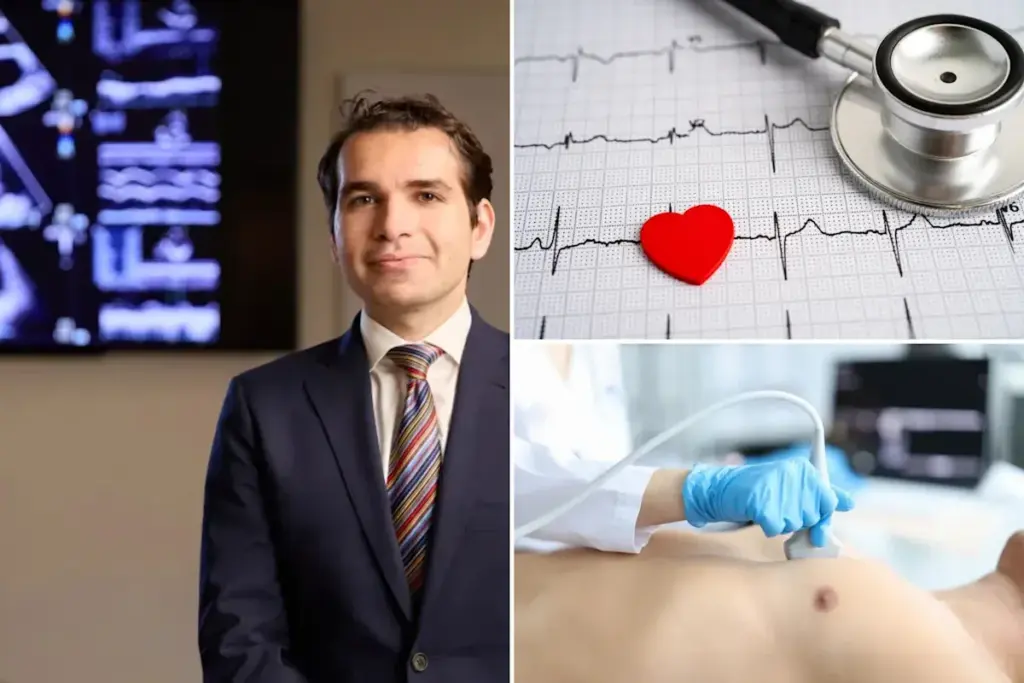
High school is a critical time for those who want to be pediatric cardiologists. It’s not just a learning period; it’s a starting point for success. The skills and knowledge gained here can greatly help in a future career in pediatric cardiology.
Essential Science and Math Coursework
Science and math are key subjects for students aiming to be pediatric cardiologists. They should take advanced classes like AP Biology and AP Chemistry. These subjects help understand life processes and chemical reactions needed for medical school.
Math, like calculus and statistics, is also important. It improves problem-solving and analytical skills. These skills are essential for dealing with complex medical data and research in cardiology.
Strategic Extracurricular Activities for Pre-Med Success
Extracurricular activities are also important for medical school applications. Volunteering at hospitals, joining health-related clubs, or working on research projects show dedication to the medical field. They offer valuable experience.
Being in leadership roles in these activities can boost a student’s profile. It shows they can handle responsibilities, lead teams, and contribute to their community. These experiences help in college applications and personal growth.
By focusing on tough academic courses and meaningful extracurricular activities, high school students can prepare for a career in pediatric cardiology. Early preparation is essential for facing future challenges and opportunities.
Undergraduate Education: The First Four Years
The first four years of college are key for those aiming to be pediatric cardiologists. It’s a time to prepare for medical school. Students need to meet both pre-med major requirements and medical school prerequisites.
Selecting the Optimal Pre-Med Major
There’s no one “right” major for pre-med students. But, some majors can help prepare for the Medical College Admission Test (MCAT) and medical school. Biology, chemistry, and biochemistry are common choices because they match medical school’s needed courses.
Students should pick a major that fits their strengths and interests. A major that excites you can lead to better grades and a stronger medical school application.
Critical Pre-Med Coursework and Requirements
Pre-med students must take specific courses, no matter their major. These include:
- Biology: 2 semesters
- Chemistry: 2 semesters
- Organic Chemistry: 2 semesters
- Physics: 2 semesters
- Biochemistry: 1 semester
- Mathematics: 2 semesters
Students also need to prepare for and pass the MCAT. It tests their knowledge in biology, chemistry, physics, and critical thinking.
|
Course |
Semesters Required |
|---|---|
|
Biology |
2 |
|
Chemistry |
2 |
|
Organic Chemistry |
2 |
|
Physics |
2 |
|
Biochemistry |
1 |
|
Mathematics |
2 |
Building a Competitive Medical School Application
A strong medical school application is more than grades. It includes extracurriculars, research, and clinical experience. Students should volunteer, do research, and get clinical experience through internships or shadowing.
A good personal statement and letters from mentors can also boost your application.
By focusing on these areas, students can build a strong application. It shows their dedication to becoming a pediatric cardiologist.
Medical School Admission: Competitive Requirements
To become a pediatric cardiologist, you must first get into medical school. This path needs a solid academic base, good preparation, and a strong application.
MCAT Preparation and Target Scores
The Medical College Admission Test (MCAT) is key for medical school. A competitive MCAT score boosts your chances. Prepare well with study time and maybe prep courses or tutoring. Aim for a score over 508, as it’s competitive.
Application Components and Timeline
A good medical school application has several parts. These include a personal statement, letters of recommendation, and transcripts. Start working on these early because the process is long and complex. The application services open in May or June, so plan ahead.
- May/June: Primary application services open
- June-August: Submit primary applications
- July-September: Secondary applications are submitted
- August-February: Interviews take place
Interview Process and School Selection Strategies
The medical school interview is very important. It lets the committee see if you’re a good fit. Preparation is key. Research the school, practice interview questions, and prepare questions for the interviewers. When choosing a school, think about curriculum, location, and reputation to match your career goals in pediatric cardiology.
By understanding the competitive requirements for medical school and preparing well, aspiring pediatric cardiologists can succeed in this challenging field.
Medical School Curriculum: Years 1-4
Starting your journey to become a pediatric cardiologist means diving into a detailed medical school curriculum. This curriculum is key, setting the stage for your future specialization. It offers both the theory and hands-on experience needed for this role.
Pre-Clinical Years: Building Medical Foundations
The first two years focus on pre-clinical studies. Here, students dive into the sciences that are the backbone of medicine. Subjects like anatomy, biochemistry, physiology, and pharmacology are covered. These subjects give a deep understanding of the human body and its workings, essential for clinical training ahead.
Students also start learning basic clinical skills early on. This includes how to interview patients and perform physical exams. This knowledge is vital for the next part of their education.
Clinical Rotations: Exploring Medical Specialties
Clinical rotations are a big change, moving from classroom to real-world experience. Specialties like pediatrics, internal medicine, and surgery are key for those aiming for pediatric cardiology. They offer a close look at patient care and the complexities of various health issues.
Students work closely with seasoned doctors during these rotations. They learn by doing, honing their practical skills and decision-making. This is a critical time for developing their clinical expertise.
Preparing for Pediatric Residency Applications
As students near the end of their rotations, they start preparing for pediatric residency. They need to craft a strong application that showcases their clinical skills, academic success, and dedication to pediatrics.
They must also prepare for standardized exams and seek advice from seasoned pediatricians. A well-thought-out application strategy is key to securing a spot in a top pediatric residency program.
Pediatric Residency Training: Years 5-7
The path to becoming a pediatric cardiologist starts with pediatric residency training. After medical school, aspiring cardiologists enter a residency program. This hands-on experience is key in pediatric care.
The Residency Application and Matching Process
The first step is applying and matching. This means sending applications through ERAS and interviewing at different programs. The National Resident Matching Program (NRMP) then matches you with a program based on your choices and skills.
To boost your chances, focus on:
- Keeping a strong academic record
- Getting relevant clinical experience
- Securing good letters of recommendation
- Preparing well for interviews
Structure of the Three-Year Pediatric Residency
The residency lasts three years. Residents learn by rotating through various pediatric specialties. The program is structured as follows:
- First year: Basic pediatric care and emergency medicine
- Second year: Specialized pediatric rotations, like neonatology and pediatric surgery
- Third year: Advanced care, including electives in pediatric cardiology
Residents are guided by experienced pediatricians. They also improve their clinical and communication skills.
Preparing for Pediatric Cardiology Fellowship
During residency, start preparing for fellowship. Focus on:
- Getting more training and experience in pediatric cardiology
- Doing research in pediatric cardiology
- Building a professional network in the field
- Keeping up with the latest in pediatric cardiology
By the end of residency, you’ll be ready to apply for a pediatric cardiology fellowship. This is the next step in your career.
Pediatric Cardiology Fellowship: Years 8-10
The pediatric cardiology fellowship is a key step for those aiming to specialize in children’s heart health. It’s a training program that prepares fellows to handle the complexities of this field.
Fellowship Application and Selection Process
Getting into a pediatric cardiology fellowship is tough. You need to apply through ERAS, sharing your medical school records, letters of recommendation, and a personal statement. This statement should talk about your career goals and any research you’ve done.
The selection team looks at your grades, clinical skills, and research background. A good application has strong letters of recommendation, a clear personal statement, and proof of your research work.
Core Clinical Training Components
During the fellowship, you’ll get practical experience in pediatric cardiology. This includes learning about echocardiography, cardiac catheterization, and electrophysiology. You’ll work with top cardiologists to improve your skills.
- Comprehensive training in non-invasive and invasive diagnostic techniques
- Participation in multidisciplinary team meetings to discuss patient care plans
- Opportunities to perform procedures under supervision
Research Requirements and Scholarly Activities
Fellows are expected to do research and scholarly work in pediatric cardiology. This could be clinical research, basic science, or educational projects. It’s to help you think critically and contribute to the field.
Research opportunities might include working with other departments or on multi-center studies. You’re encouraged to share your research at conferences and publish in journals.
Subspecialty Training Within Pediatric Cardiology
Pediatric cardiology has many subspecialties that need special training. As technology improves and patient needs change, these areas become more important.
Interventional Cardiology: Additional 1-2 Years
Interventional cardiology uses small procedures to treat heart issues. It takes 1-2 years of extra training to learn these techniques.
These doctors use new imaging tools for complex treatments. This helps patients get better faster.
Electrophysiology: Additional 1-2 Years
Electrophysiology deals with heart rhythm problems. It needs 1-2 years of extra training after pediatric cardiology.
Electrophysiologists study the heart’s electrical system. They use special tools to treat rhythm issues.
Advanced Imaging: Additional 1 Year
Advanced imaging uses MRI and CT scans to see the heart. It requires an extra year of training to understand these images well.
These experts help find and plan treatments for complex heart problems.
Heart Failure and Transplantation: Additional 1 Year
Heart failure and transplantation deal with severe heart issues. It needs an extra year of focused training.
These specialists work with teams to improve patient care and outcomes.
Board Certification in Pediatric Cardiology
Getting board certified in pediatric cardiology is a big achievement for doctors. It shows they are experts and care deeply about their patients.
To get certified, doctors must meet certain requirements. They need to pass a tough exam and keep learning and growing in their field.
Eligibility Requirements and Timeline
To be eligible, doctors must finish their pediatric residency and then do a fellowship in pediatric cardiology. This fellowship must be approved by the Accreditation Council for Graduate Medical Education (ACGME).
The path to eligibility is:
- Finish medical school
- Do three years of pediatric residency
- Do three years of pediatric cardiology fellowship
Doctors also need to meet the American Board of Pediatrics (ABP) requirements. This includes passing a certifying exam in pediatric cardiology.
Examination Process and Preparation
The exam for pediatric cardiology certification is tough. It tests a doctor’s knowledge, skills, and judgment in treating heart problems in kids.
To prepare, doctors:
- Study the core curriculum in pediatric cardiology
- Join board review courses and study groups
- Practice with sample questions and case studies
Examination Format: The exam is multiple-choice and may have case-based questions.
Maintenance of Certification Requirements
To keep their certification, doctors must keep learning and following the ABP’s Maintenance of Certification (MOC) program.
The MOC program includes:
|
MOC Component |
Description |
|---|---|
|
Professional Standing |
Keep a valid medical license and professional standing |
|
Lifelong Learning |
Do continuing medical education (CME) in pediatric cardiology |
|
Self-Assessment |
Do self-assessment activities to check knowledge and practice |
|
Practice Improvement |
Do quality improvement activities to better patient care |
By meeting these requirements, certified pediatric cardiologists show they are up-to-date with the latest in their field. They provide the best care to their patients.
Advanced Fellowship Options: Years 11-12
Becoming a top pediatric cardiologist takes more than just the basics. You need advanced fellowship options. These programs are for those who have already finished their initial training and want to get better.
Fourth-Year Advanced Training Programs
Fourth-year programs focus on specific areas of pediatric cardiology. They let you dive deeper into things like interventional cardiology or advanced imaging. This way, you can become an expert in your chosen field.
These programs offer:
- Advanced clinical training
- Research opportunities
- Collaboration with leading experts
- Development of advanced procedural skills
Combined Research and Clinical Fellowships
Some fellowships mix clinical work with research. They’re perfect for those who want to do research and stay sharp clinically. This way, you can make a difference in the field while keeping your skills up to date.
Key aspects of these fellowships include:
- Conducting original research under the guidance of experienced mentors
- Developing grant writing and research funding skills
- Participating in clinical trials and studies
- Publishing research findings in peer-reviewed journals
International Training Opportunities
International training lets you see how healthcare works in different places. It’s a chance to work with people from all over and learn from their experiences. This broadens your view and helps you understand how to care for children’s hearts worldwide.
|
Program Type |
Duration |
Key Features |
|---|---|---|
|
Fourth-Year Advanced Training |
1-2 years |
Specialized clinical training, research opportunities |
|
Combined Research and Clinical |
1-3 years |
Research projects, clinical practice, grant writing |
|
International Training |
Varies |
Global health exposure, diverse clinical practices |
By choosing advanced fellowship options, pediatric cardiologists can improve their skills. They can also contribute to research and gain a global view of heart health in children.
Financial Timeline of Pediatric Cardiology Training
Understanding the financial side of pediatric cardiology training is key for future cardiologists. The path includes big educational costs, followed by years of residency and fellowship. Each step has its own financial aspects.
Medical School Debt Accumulation
Medical school is a big financial challenge. Tuition, living costs, and study materials can lead to a lot of debt. Medical students often graduate with debts from $200,000 to over $300,000. This debt is a big factor for those thinking about pediatric cardiology.
Residency and Fellowship Compensation Progression
During residency and fellowship, pay goes up slowly. Residents start with a small stipend to cover basic needs. As they move up, their pay might increase. Fellows, like those in pediatric cardiology, might earn a bit more, showing their advanced skills and complex work.
Long-Term Financial Outlook and Return on Investment
The training period is tough financially, but the future looks good for pediatric cardiologists. After training, cardiologists see a big pay boost. The years of education and training pay off well, with salaries competitive in the medical field.
Those thinking about pediatric cardiology need to consider the financial costs and long-term gains. Knowing the financial timeline helps make better career choices.
Balancing Life During the Long Training Period
The long training for pediatric cardiologists needs good strategies for work-life balance. It’s important to mix personal and professional life well during these demanding years.
Work-Life Integration Strategies
Keeping work and personal life in balance is key to staying well during training. We suggest setting clear boundaries between work and personal time. This means having time for family, hobbies, and self-care.
Managing tasks and time well is another strategy. Focus on important tasks during work hours and keep personal time free from work. This helps avoid burnout.
Using support systems is also vital. This includes family, friends, and colleagues who offer emotional support and help with tasks.
|
Strategy |
Description |
Benefits |
|---|---|---|
|
Time Management |
Prioritizing tasks and managing work hours effectively |
Reduces stress, increases productivity |
|
Boundary Setting |
Establishing clear boundaries between work and personal life |
Improves work-life balance, reduces burnout |
|
Support Systems |
Leveraging family, friends, and colleagues for emotional support |
Enhances emotional well-being, provides practical help |
Mental Health and Burnout Prevention
Mental health is very important, even more so during the intense training for pediatric cardiologists. We need to focus on mental health and take steps to avoid burnout.
Knowing the signs of burnout is the first step. Symptoms include feeling very tired, being cynical about work, and doing poorly. Spotting these signs early helps us act fast.
Preventing burnout involves a healthy lifestyle, mindfulness, and getting help when needed. Eating well, exercising, and sleeping enough are key for mental health.
Key Takeaways:
- Prioritize mental health and recognize signs of burnout
- Maintain a healthy lifestyle through regular exercise and balanced nutrition
- Practice mindfulness and seek professional help when needed
By using these strategies, we can handle the challenges of training to be a pediatric cardiologist while keeping our well-being.
Conclusion
Becoming a pediatric cardiologist is a big challenge. It takes a lot of time, effort, and dedication. We’ve looked at the long educational journey needed to succeed in this field.
The path to becoming a pediatric cardiologist is long. It takes 11-12 years after high school. This includes four years of college, four years of medical school, three years of pediatric residency, and more years of fellowship training in pediatric cardiology.
We’ve talked about the training needed to be a pediatric cardiologist. It’s complex and requires a lot of knowledge. We also discussed the importance of balancing work and life, taking care of mental health, and preventing burnout during training.
In summary, becoming a pediatric cardiologist is tough. But, the chance to help children with heart conditions makes it worth it. The dedication and hard work of these professionals have a huge impact on their patients’ lives.
FAQ
How many years of education and training are required to become a pediatric cardiologist?
To become a pediatric cardiologist, you need 11-12 years of education and training after high school. This includes four years of college, four years of medical school, and three years of pediatric residency. You also need additional years for fellowship training.
What are the essential high school courses for a future pediatric cardiologist?
High school students aiming to be pediatric cardiologists should focus on advanced biology, chemistry, math, and physics. These subjects are the foundation for future medical studies.
What is the typical duration of medical school, and what does it entail?
Medical school lasts four years. The first two years cover pre-clinical studies. The last two years involve clinical rotations in various medical specialties.
What is the difference between a pediatric residency and a pediatric cardiology fellowship?
A pediatric residency trains you in general pediatric care. A pediatric cardiology fellowship trains you in heart conditions in children. It’s specialized training.
Are there subspecialties within pediatric cardiology that require additional training?
Yes, pediatric cardiology has subspecialties like interventional cardiology and electrophysiology. Each requires more training.
What is the significance of board certification in pediatric cardiology?
Board certification shows a specialist’s expertise and commitment to quality care. It’s usually needed to practice as a pediatric cardiologist.
Can you explain the financial implications of pursuing a career in pediatric cardiology?
Pursuing pediatric cardiology comes with significant medical school debt. Early years have modest pay. But, long-term, the financial outlook improves.
How can aspiring pediatric cardiologists maintain a work-life balance during their long training period?
To balance work and life, manage your time well, build support systems, and prioritize self-care. This prevents burnout.
What are the advanced fellowship options available for pediatric cardiologists?
Advanced fellowships include fourth-year training and combined research and clinical programs. They offer more expertise and exposure to new practices.
How does one become eligible for board certification in pediatric cardiology?
To be eligible for board certification, you need to complete the required education and training. Then, pass a certification exam.
What is the role of research in pediatric cardiology training?
Research is key in pediatric cardiology training, mainly during fellowship. Fellows must engage in scholarly activities and contribute to the field’s advancement.
What are the key components of a pediatric cardiology fellowship program?
A pediatric cardiology fellowship includes core clinical training, research, and scholarly activities. These prepare fellows with advanced knowledge and skills.
How do CABG and stenting compare in treating coronary artery disease?
CABG and stenting treat coronary artery disease differently. CABG bypasses blocked arteries surgically. Stenting keeps the artery open with a stent. The choice depends on the blockage’s severity and location.
What is the difference between angioplasty and PCI?
Angioplasty and PCI are often used together. PCI is a broader term for procedures like angioplasty and stenting to open blocked arteries.
When is atherectomy recommended over angioplasty?
Atherectomy removes plaque from arteries and is recommended for heavily calcified lesions where angioplasty is not suitable.
What percentage of blockage requires a stent?
Stent placement depends on symptoms, blockage severity, and patient health. Significant blockages (above 70%) often require stenting.
Are stents or bypass surgery more effective for treating blocked arteries?
Stents and bypass surgery both have their uses. The choice depends on the blockage’s extent, location, and patient health.
Do stents have to be replaced?
Stents are meant to be permanent. But, they can become blocked or cause restenosis, requiring further intervention.
What are the alternatives to CABG surgery?
Alternatives to CABG include PCI (angioplasty and stenting) and sometimes medical therapy or lifestyle changes.
Can heart blockage be treated without surgery?
Yes, heart blockage can be treated without surgery. Procedures like angioplasty and stenting, or medical management, can be used.
National Center for Biotechnology Information. Evidence-Based Medical Insight. Retrieved from https://www.ncbi.nlm.nih.gov/pmc/articles/PMC/