 As a parent, you might worry about your child’s health, including hormonal issues. Hormonal imbalances can really affect a child’s growth and how they feel overall.
It’s very important to spot the signs of pediatric hormone disorder early. Endocrine imbalance in kids can lead to big problems if not treated.
This guide will explain why kids get hormone imbalances, what symptoms to look for, and how to treat them. We aim to give you the info you need to care for your child’s health.
Key Takeaways
- Learn how hormones play a key role in your child’s growth and health.
- Know the signs and symptoms of pediatric hormone disorder.
- Find out what causes endocrine imbalance in kids and how to treat it.
- Discover ways to manage hormone imbalance in children well.
- Understand why catching and treating problems early is so important.
Understanding Hormone Imbalances in Children
It’s important to know about hormone imbalances in kids early on. Hormones help control growth, metabolism, and more. They are key to a child’s health.
What Are Hormones?
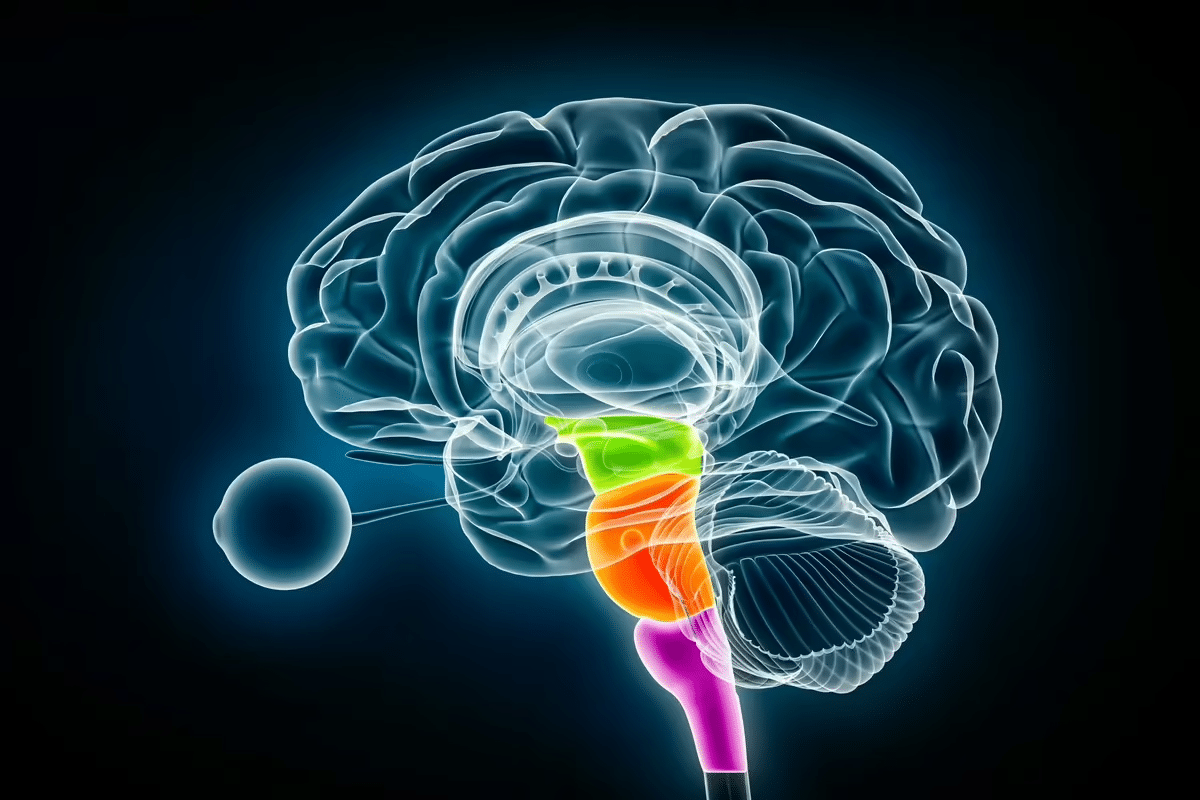 Hormones are special chemicals made by the endocrine system. This system includes glands like the hypothalamus and thyroid. These hormones travel through the blood to reach their targets, affecting many body functions.
For example, thyroid hormones help with metabolism. And growth hormone from the pituitary gland aids in growth.
Common Hormones Affected
In kids, certain hormones are vital for growth. These include:
- Growth Hormone: Controls growth and development.
- Thyroid Hormones: Important for metabolism and growth.
- Insulin: Helps manage blood sugar levels.
- Sex Hormones: Like estrogen and testosterone, which affect puberty and reproductive health.
When these hormones are out of balance, kids can face health problems. These can range from growth issues to metabolic disorders.
Signs and Symptoms of Imbalances
Spotting the signs of hormone imbalances is key. Look out for:
- Unexplained weight changes
- Growth abnormalities
- Fatigue or hyperactivity
- Changes in appetite or thirst
- Early or delayed puberty
Parents should watch for these signs. Early action can make a big difference. If you think a hormone imbalance might be present, see a doctor for help.
Causes of Hormonal Imbalances in Kids
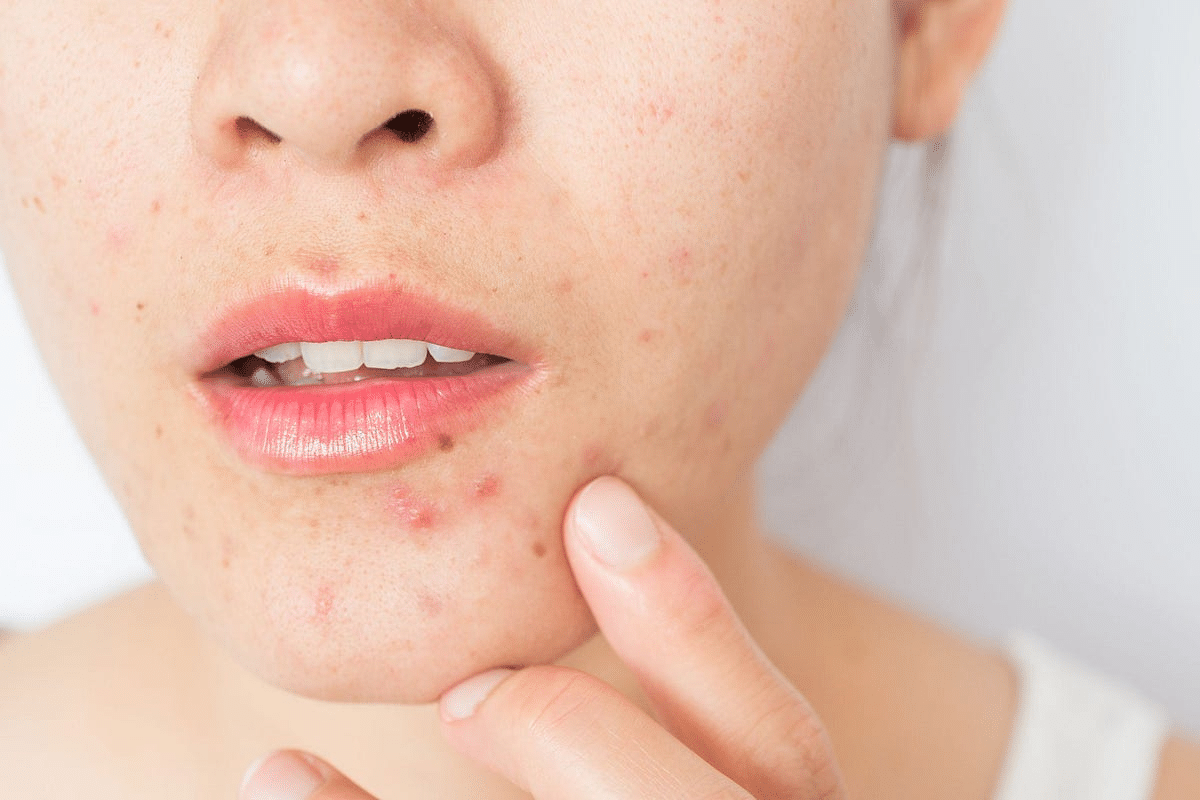 Hormones in kids are very delicate and can be upset by many things. Hormonal imbalances can really affect a child’s growth and health. We’ll look at why this happens, like genetics, the environment, and how we live.
Genetic Factors
Genetics are a big deal in hormonal imbalances in kids. Some genetic conditions can mess with hormone-making glands. For example, congenital hypothyroidism or congenital adrenal hyperplasia can mess with hormone levels. Knowing your family’s health history is key.
Environmental Influences
Our surroundings also matter a lot. Things like endocrine-disrupting chemicals (EDCs) can mess with hormones. These chemicals are in plastics, pesticides, and some personal care items. We need to watch what we’re around to keep our kids’ hormones safe.
Lifestyle Choices
How we live affects our hormones too. What we eat, how active we are, and how much we sleep all matter. Eating whole foods and staying active helps. But not enough sleep and too little activity can mess with hormones. Teaching kids healthy habits early on is important.
In short, hormonal imbalances in kids come from genetics, the environment, and lifestyle. Knowing this helps us help our kids stay healthy and balanced.
How Hormonal Imbalances Affect Growth
Hormones are key in kids’ growth. Any imbalance can cause problems. Hormones control growth, puberty, and health.
Impact on Physical Development
Hormonal issues can really affect a child’s growth. For example, too little growth hormone can make them shorter. Too much adrenal hormone can make them grow too fast.
These problems need quick medical help. This can stop long-term growth issues.
The table below shows how hormonal imbalances affect growth:
|
Hormonal Imbalance |
Effects on Physical Development |
|---|---|
|
Growth Hormone Deficiency |
Short stature, delayed growth |
|
Adrenal Hormone Excess |
Premature puberty, virilization |
|
Puberty Hormone Delay |
Delayed pubertal development |
Psychological and Emotional Effects
Hormonal imbalances also affect kids’ minds and feelings. They might feel moody, anxious, or depressed. For instance, thyroid hormone changes can mess with mood and energy.
Parents and caregivers should know these effects. They can offer support to help kids deal with these challenges.
Diagnosing Hormonal Imbalances in Children
Diagnosing hormonal imbalances in kids is a detailed process. It includes watching for signs and using medical tests. Parents should know the early signs of hormonal problems. Pediatric endocrinologists are key in finding and treating these issues, helping families understand what’s happening.
Signs Parents Should Monitor
Parents often spot changes in their child first. Look out for signs like:
- Unusual growth patterns, such as rapid or slowed growth
- Early or delayed puberty
- Unexplained weight changes
- Fatigue or mood swings
- Changes in appetite or sleep patterns
Watching for these signs can lead to early action. If you see any, it’s time to talk to a doctor.
Medical Tests and Procedures
Doctors use a mix of history, physical checks, and tests to find hormonal imbalances. Some tests include:
|
Test/Procedure |
Description |
Purpose |
|---|---|---|
|
Hormone Level Tests |
Blood tests to measure hormone levels |
To check if hormone levels are normal |
|
Imaging Tests (e.g., X-rays, MRI) |
Tests to see inside the body |
To find problems in glands or organs |
|
Thyroid Function Tests |
Blood tests for thyroid hormone levels |
To find thyroid-related hormonal issues |
These tests help doctors find the cause of the imbalance. They then plan the best treatment.
Common Hormonal Disorders in Children
As a parent, knowing about hormonal disorders in kids is key. These imbalances can affect a child’s health and growth. We’ll look at three main disorders: precocious puberty, hypothyroidism, and PCOS.
Precocious Puberty
Precocious puberty is when kids start puberty too early. It usually happens before 8 in girls and 9 in boys. It can be due to genetics, medical issues, or environmental factors.
Signs and Symptoms: Girls might start to develop breasts early, and boys might see genital growth. They also grow faster and have bones that age quicker.
Hypothyroidism
Hypothyroidism happens when the thyroid gland doesn’t make enough hormones. These hormones are vital for growth and brain development. It can be present at birth or develop later due to diseases like autoimmune thyroiditis.
Symptoms to Watch For: Look for fatigue, dry skin, feeling cold, constipation, and slow growth or puberty.
Polycystic Ovary Syndrome (PCOS)
PCOS is a hormonal disorder that affects girls and women. It’s marked by irregular periods, cysts on the ovaries, and high male hormone levels.
Common Symptoms: You might see irregular periods, too much hair, acne, and obesity.
|
Hormonal Disorder |
Common Symptoms |
Potential Complications |
|---|---|---|
|
Precocious Puberty |
Early breast development, accelerated growth |
Short stature as adults, emotional challenges |
|
Hypothyroidism |
Fatigue, dry skin, cold intolerance |
Delayed growth, cognitive impairments |
|
PCOS |
Irregular periods, excess hair growth, acne |
Infertility, metabolic syndrome, mental health issues |
Knowing about these hormonal disorders is the first step in helping kids. Early diagnosis and treatment can greatly improve their lives.
Treatment Options for Hormone Imbalance
Children with hormone imbalances can get help from many treatments. These include hormone replacement therapy and making lifestyle changes. We’ll look at how to manage hormone imbalances in kids, making sure our info is clear and easy to understand.
Medical Interventions
Medical treatments are key in handling hormone imbalances. Hormone replacement therapy (HRT) is a common treatment. It gives hormones to replace those missing in the body.
Other treatments might include:
- Medicines to help make more hormones
- Dealing with the problems that cause the imbalance
Lifestyle Changes
Lifestyle changes also help manage hormone imbalances. Dietary adjustments and more physical activity are important.
Eating right and staying active are key. A balanced diet with all the needed nutrients helps hormonal health. For example:
|
Nutrient |
Food Sources |
Benefit |
|---|---|---|
|
Protein |
Lean meats, fish, eggs, dairy |
Helps with growth and hormone making |
|
Omega-3 Fatty Acids |
Fatty fish, nuts, seeds |
Lessens inflammation |
|
Fiber |
Fruits, vegetables, whole grains |
Helps with digestion and hormone balance |
By mixing medical treatments with lifestyle changes, we can manage hormone imbalances in kids. This helps them stay healthy and feel good.
The Role of Diet in Hormonal Balance
A balanced diet is key for hormonal balance in kids. The food they eat helps make and control hormones. It’s important for their growth and health.
Nutritional Needs for Growing Children
Kids need certain nutrients for their hormones. They need protein, healthy fats, and complex carbs for hormone balance. Also, vitamin D, calcium, and iron are vital for hormone regulation.
It’s important to eat a variety of foods. This ensures kids get all the nutrients they need. Not getting enough nutrients can lead to hormone problems, like insulin imbalance in children or cortisol imbalance in kids.
Foods to Promote Hormonal Health
Some foods help balance hormones in kids. Fatty fish like salmon is good for health and hormones. Leafy greens like spinach and kale are full of antioxidants and nutrients. Nuts and seeds, like almonds and chia seeds, offer healthy fats and protein.
|
Food Group |
Examples |
Benefits for Hormonal Health |
|---|---|---|
|
Protein-rich foods |
Chicken, eggs, beans |
Supports hormone production |
|
Fatty fish |
Salmon, sardines |
Rich in omega-3 fatty acids for overall health |
|
Leafy greens |
Spinach, kale |
Rich in antioxidants and essential nutrients |
|
Nuts and seeds |
Almonds, chia seeds |
Provides healthy fats and protein |
Eating these foods can help balance hormones and support health. It’s best to talk to a healthcare provider or dietitian for a personalized diet plan.
The Importance of Regular Check-Ups
Regular health check-ups are key for kids’ well-being. As a parent, your child’s health is your main concern. Visits to the pediatrician can spot health problems early, like hormonal imbalances.
Pediatricians: The First Line of Defense
Pediatricians are vital for watching over a child’s health and growth. They know how to spot hormonal imbalances and other issues early. At check-ups, they check growth, do screenings, and offer advice on diet and lifestyle.
Key aspects pediatricians monitor include:
- Growth and development milestones
- Signs of puberty
- Overall health and nutrition
When to Seek Specialist Help
While pediatricians can handle many health issues, sometimes specialist help is needed. If your child shows signs of hormonal imbalance, like unusual growth, early or delayed puberty, or constant tiredness, see a specialist.
Specialists, like pediatric endocrinologists, can diagnose and treat hormonal disorders. They offer detailed assessments and create treatment plans that fit your child’s needs.
In summary, regular check-ups with pediatricians are vital for your child’s health. Being proactive and seeking specialist help when needed ensures your child gets the best care.
Psychological Support for Affected Children
Children’s mental health is key when they face hormonal issues. Hormonal problems can cause emotional and psychological challenges. It’s vital for parents and caregivers to create supportive environments.
Importance of Mental Health
Mental health is essential for kids with hormonal imbalances. They might feel anxious, depressed, or have mood swings. It’s important to address these issues quickly to keep their mental health stable.
Signs like mood swings, irritability, and changes in behavior or appetite are common. Recognizing these signs helps parents get the right help for their kids.
Therapies and Support Systems
There are many therapies and support systems for kids with hormonal imbalances. Options include counseling, cognitive-behavioral therapy (CBT), and family therapy. Parents should look for the best support for their child.
Family and friends’ support is also vital. Parents should teach their family about their child’s condition. This helps create a supportive environment.
|
Therapy Type |
Description |
Benefits |
|---|---|---|
|
Counseling |
One-on-one or group sessions to discuss feelings and challenges. |
Helps children express themselves and manage emotions. |
|
Cognitive-Behavioral Therapy (CBT) |
A type of therapy that helps change negative thought patterns. |
Assists in developing coping strategies and improving mental health. |
|
Family Therapy |
Involves the entire family in the therapeutic process. |
Enhances family understanding and support for the child. |
By giving psychological support and using therapies and support systems, we can greatly improve the lives of children with hormonal imbalances.
Preventing Hormone Imbalance in Children
We can lower the risk of hormone imbalance in kids by living healthy and being aware of our surroundings. It’s important for parents, caregivers, and doctors to work together. This helps keep children’s hormones in balance.
Healthy Lifestyle Habits
Healthy habits are key to avoiding hormone problems in kids. A balanced diet is essential. It should include lots of nutrients, vitamins, and minerals. Avoid foods high in processed sugars, unhealthy fats, and sodium.
Regular physical activity is also important. Exercise helps with physical health and hormone balance. Encourage kids to try different sports and activities to stay healthy.
Getting enough sleep is also critical. Sleep helps regulate hormones. Lack of sleep can cause problems with insulin and growth hormone.
Reducing Environmental Toxins
It’s also vital to reduce exposure to harmful chemicals. These chemicals, found in plastics, pesticides, and personal care items, can mess with our hormones.
To lower exposure, we can:
- Use non-toxic household cleaners and personal care products.
- Avoid plastic containers for food and drinks; instead, opt for glass or stainless steel.
- Choose organic produce when possible to reduce exposure to pesticides.
- Limit the use of chemical-based cosmetics and personal care products.
|
Action |
Benefit |
|---|---|
|
Use non-toxic household cleaners |
Reduces exposure to endocrine disruptors |
|
Avoid plastic containers for food and drinks |
Minimizes chemical leaching into food |
|
Choose organic produce |
Lowers pesticide exposure |
|
Limit chemical-based cosmetics and personal care products |
Decreases exposure to hormone-disrupting chemicals |
By following these steps, we can help prevent hormone imbalances in kids. This supports their health and well-being.
Myths and Misconceptions About Hormonal Imbalance
Hormonal imbalances in kids are often misunderstood. This can make it hard to find and treat the problem. It’s key to know the truth to help kids get the care they need.
Debunking Common Myths
Many myths exist about hormonal issues in kids. Some think these problems are rare, but precocious puberty and hypothyroidism are more common than people think.
Another myth is that hormonal problems always show clear signs. But, the signs can be small and different, making it hard to diagnose without a detailed check-up.
Understanding the Facts
To tackle hormonal imbalances, we need to know the facts. These issues can come from genes and the environment.
“Early diagnosis and treatment can significantly improve outcomes for children with hormonal imbalances,” says a leading pediatric endocrinologist. This shows why knowing and teaching about this is so important.
- Genetic factors can make kids more likely to have hormonal imbalances.
- Environmental toxins can disrupt hormones in kids.
- How kids eat and exercise affects their hormones too.
By clearing up myths and knowing the truth, we can help kids with hormonal issues. It’s vital for parents to stay informed and for doctors to give full care. This care should meet both physical and emotional needs of these kids.
Resources for Parents
Being a parent can be tough, but it gets even harder when kids face hormonal issues. Luckily, there are many resources to help. These resources offer guidance and support, which is key.
Educational Resources
Learning about the endocrine system in kids is important. Organizations like the American Academy of Pediatrics and the Endocrine Society have lots of info. They cover symptoms, how to diagnose, and treatment options.
Support Networks
Support groups and organizations are a big help. They offer emotional support and connect families with others facing similar issues. You can find them at local hospitals, online forums, and national organizations focused on hormonal health. We suggest checking them out for the support you need.
FAQ
What are the common signs of hormone imbalance in children?
Signs include growth issues, early or late puberty, and feeling tired. Mood swings and changes in appetite are also common. We look for thyroid problems, too much adrenal hormone, and insulin issues.
How are hormone imbalances diagnosed in children?
Doctors use physical checks, medical history, and lab tests. These tests check hormone levels and use imaging. We team up with pediatricians to find the cause.
What causes hormonal imbalances in kids?
Causes include genetics and environmental factors. Lifestyle choices and pituitary issues also play a part. We consider how these affect hormone balance.
Can diet affect hormone balance in children?
Yes, diet is very important. Eating well helps hormones stay balanced. A diet lacking nutrients can cause problems. We suggest a diet that supports health and balance.
What treatment options are available for hormone imbalances in children?
Treatment varies based on the cause. It might include hormone therapy, lifestyle changes, or managing health issues. We create a plan that meets the child’s needs.
How can parents support a child with a hormonal imbalance?
Emotional support and sticking to treatment plans are key. A healthy lifestyle is also important. Connecting with support groups and learning more can help too.
Are there any long-term effects of hormonal imbalances in children?
Untreated imbalances can cause lasting health issues. These include growth problems, metabolic disorders, and mental health challenges. Early treatment helps avoid these problems.
How often should children with hormonal imbalances have check-ups?
Regular visits with a doctor are vital. The visit frequency depends on the condition and treatment response. It’s important to monitor and adjust as needed.
Can hormone imbalances in children be prevented?
While prevention isn’t always possible, a healthy lifestyle helps. Avoiding toxins and regular check-ups reduce risk. Being aware of symptoms helps catch problems early.
Where can parents find resources and support for children with hormonal imbalances?
We offer educational materials, support groups, and specialist care. Connecting with others facing similar challenges is very helpful for families.