
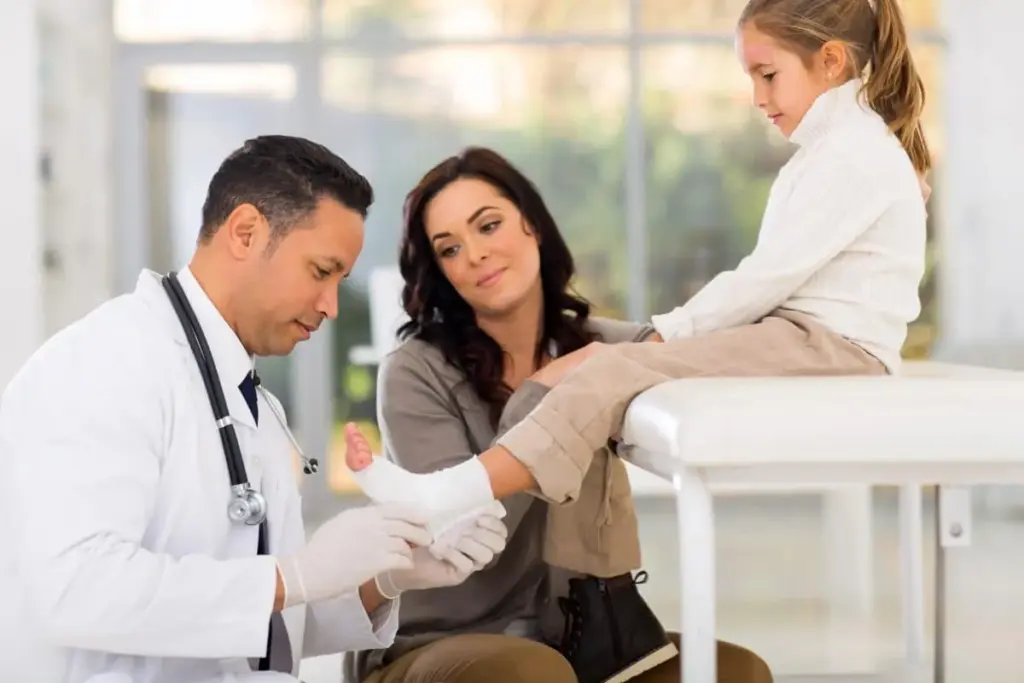
Pediatric fractures require essential and expert care. Learn how to manage pediatric fractures for a healthy, powerful, and fast recovery.
Did you know that nearly 1 in 3 children will experience a broken bone by the age of 18? Broken bones, or fractures, are a common injury in children. It’s important for parents to understand how they are treated.
Pediatricians are key in diagnosing and treating children’s fractures. While some cases need a pediatric orthopedist, pediatricians are often the first to see a child’s injury.
This article will look at the role of pediatricians in treating broken bones in children. We’ll cover when to seek medical help and what treatment involves.
Key Takeaways
- Understanding the commonality of broken bones in children.
- The role of pediatricians in diagnosing and treating children’s fractures.
- When to seek medical attention for a child’s injury.
- What to expect during the treatment process for a childhood fracture.
- The possible need for pediatric orthopedists in complex cases.
The Role of Pediatricians in Fracture Care
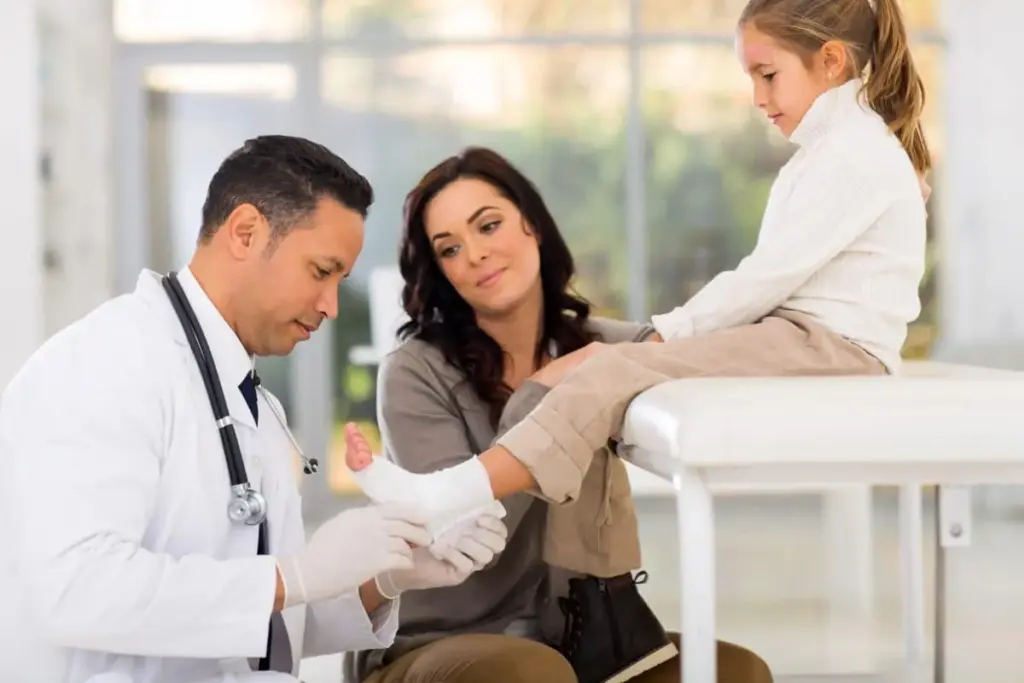
Pediatricians are key in managing children’s bone fractures. They help from the start to the treatment. Their knowledge is vital in choosing the right pediatric fracture care.
Initial Assessment and Diagnosis
Diagnosing a child’s fracture is the first step. Pediatricians are trained to check the injury and decide if more tests are needed. They use physical exams and imaging studies to spot fractures in children.
During the first check, pediatricians look for swelling, bruising, or deformity. They also check the child’s movement and for any nerve problems.
When Pediatricians Handle Fractures
Pediatricians can handle some fractures, like simple ones that don’t need surgery. They give pediatric primary care for common fractures, like buckle fractures or non-displaced ones.
If a fracture is complex or needs special care, pediatricians refer the child to a pediatric orthopedic specialist. This ensures the child gets the right care for their condition.
Limitations of Pediatric Primary Care
While pediatricians are great at many health issues, they can’t handle all fractures. For complex cases, working with pediatric orthopedics specialists is key for full care.
Pediatricians know their place in the care process. They work with specialists to make sure children get the best care for their children broken bones.
Understanding Pediatric Fractures and Their Unique Characteristics
Children’s bones are not just smaller versions of adult bones. They have unique features that affect how they heal from fractures. Knowing these differences is key for diagnosing and treating fractures in kids.
Common Types of Fractures in Children
Pediatric fractures come in different forms. There are greenstick fractures, where the bone bends and partially breaks. And buckle fractures, where the bone bulges due to compression. Other common types include complete fractures, where the bone breaks entirely, and stress fractures, which are small cracks in the bone.
Children’s bones are more flexible and porous than adult bones. This makes certain fractures, like greenstick fractures, more common in kids.
How Children’s Bones Differ from Adults
Children’s bones are different from adult bones in several ways. They are more flexible and porous, which can affect how they fracture. They also have growth plates, areas of cartilage that allow for bone growth, unlike adult bones.
This difference in bone structure means fractures in children can heal faster. They might also need different treatments than adults.
Growth Plate Considerations
The growth plate is a critical area in children’s bones. It’s responsible for bone growth and development. Injuries to the growth plate can have significant implications, potentially affecting the future growth and shape of the bone.
It’s essential to carefully assess and manage fractures involving the growth plate. This helps minimize the risk of long-term complications, such as deformities or limb length discrepancies.
Signs and Symptoms of Broken Bones in Children
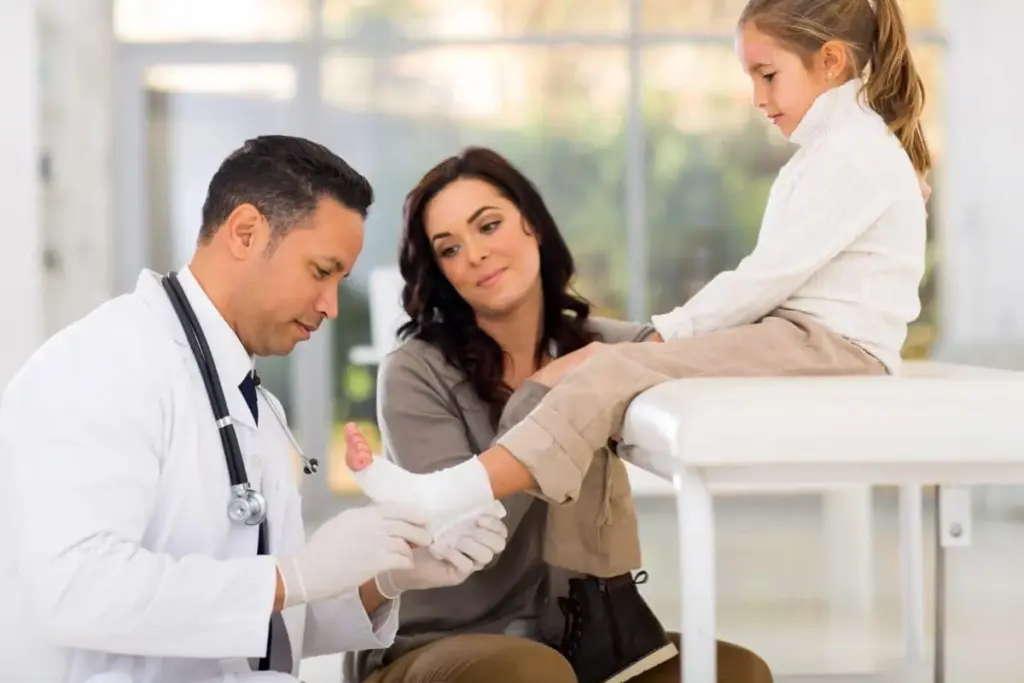
It’s important to know the signs of broken bones in kids. Their bones are growing, and they can break for many reasons. This includes falls, accidents, or injuries from sports.
Obvious vs. Subtle Fracture Indicators
Fractures in kids can show up in different ways. You might see a lot of pain, swelling, or a change in how the bone looks. They might also have trouble moving the hurt limb or putting weight on it.
But some signs are not so easy to spot. These include a little pain or swelling that doesn’t look too bad at first. It’s key for parents and caregivers to watch closely.
Children might not say their bone hurts. But they might limp or not want to do certain things. This is because they can’t always tell us how they feel.
When to Seek Immediate Medical Attention
Some situations need help right away. If a child is in a lot of pain, has a clear deformity, or can’t move a limb, get medical help fast. Also, if there’s a lot of swelling, bruising, or if the child is very young, they need to see a doctor.
Other signs to watch for include cold or pale skin around the injury. This could mean blood flow is cut off. Or if the child has a fever after getting hurt, it might mean they have an infection.
Differentiating Sprains from Fractures
Telling sprains from fractures can be hard because they share some symptoms. But fractures usually hurt more, even when the child is just sitting. They might also make a snapping or cracking sound when they happen.
Both sprains and fractures can cause swelling and bruising. But fractures usually have more of these signs. A doctor can do a check-up and might take X-rays to figure out what’s wrong. Knowing if it’s a sprain or a fracture helps get the right treatment and avoid more harm.
Diagnostic Procedures for Suspected Fractures
Diagnosing fractures in children is a careful process. It balances accuracy with safety. Pediatric healthcare providers use different methods to confirm a fracture, check its severity, and decide on treatment.
Physical Examination Techniques
A thorough physical exam is the first step. Healthcare providers look for swelling, bruising, deformity, and tenderness. They check the child’s range of motion and perform specific tests to find pain or instability.
Imaging Options for Children
Imaging studies are key in confirming a fracture diagnosis. X-rays are the main tool. But sometimes, more images are needed, like:
- Computed Tomography (CT) scans for complex fractures or internal injuries
- Magnetic Resonance Imaging (MRI) for soft tissue injuries or growth plate issues
- Ultrasound for infants or to check for hidden fractures
Minimizing Radiation Exposure
Reducing radiation in kids is a big deal. Their growing bodies are more sensitive to radiation. They also have more years ahead, which raises concerns about long-term effects. Ways to lower radiation include:
|
Strategy |
Description |
|---|---|
|
Using lowest effective dose |
Adjusting X-ray and CT protocols to use the minimum radiation necessary for diagnostic image quality |
|
Limiting CT scans |
Reserving CT scans for cases where the benefits outweigh the risks, and considering alternative imaging when possible |
|
Shielding |
Using protective shielding to reduce radiation exposure to sensitive areas not being imaged |
By choosing and optimizing imaging wisely, healthcare providers can make accurate diagnoses. They do this while keeping radiation risks low for kids.
The Pediatric Fracture Care Team
Pediatric fracture care is a team effort. It needs many healthcare professionals working together. This ensures kids get care that fits their needs.
Collaboration Between Specialists
The team includes pediatricians, orthopedic specialists, and emergency medicine doctors. Working together is key for the best care. A pediatrician might first check the child and then send them to an orthopedic specialist.
Good communication among the team is vital. It helps make sure the child gets the right care from start to finish. This teamwork leads to better treatment plans.
When Referral to Orthopedics Is Necessary
Not all fractures are handled by pediatricians. Some, like those near growth plates or complex ones, need an orthopedic specialist. Referral to orthopedics is needed for complex or growth-related fractures.
|
Fracture Type |
Typical Management |
When to Refer to Orthopedics |
|---|---|---|
|
Simple fractures |
Pediatrician-managed |
If there’s displacement or complications |
|
Complex fractures |
Orthopedic specialist |
Immediately upon diagnosis |
|
Growth plate fractures |
Orthopedic specialist |
Due to possible growth issues |
The Role of Pediatric Emergency Medicine
Pediatric emergency medicine doctors are key in the first steps of treating fractures. They handle emergencies and start care, like pain management and stabilizing the fracture.
In summary, the team behind pediatric fracture care is diverse and works together for the best results. Knowing the roles of each specialist helps parents and caregivers get the right care for their child.
Pediatric Orthopedic Specialists: When and Why
Pediatric orthopedic specialists are key in managing complex fractures in kids. They have deep training in treating musculoskeletal issues in children. Their skills are vital for handling complex fractures that need special care.
Specialized Training and Expertise
Pediatric orthopedic surgeons get a lot of training. They spend years in residency and sometimes more in fellowship training. This prepares them to deal with complex fractures and other musculoskeletal problems in kids.
|
Training Component |
Description |
Duration |
|---|---|---|
|
Residency |
Hands-on training in orthopedic surgery |
Several years |
|
Fellowship |
Specialized training in pediatric orthopedics |
1-2 years |
Complex Fracture Management
Complex fractures need special care, often a mix of surgery and non-surgery. Pediatric orthopedic surgeons are ready for these tough cases. They give critical care and support to kids and their families.
Finding the Right Specialist
Looking for a specialist for a child’s complex fracture is important. Parents should ask their pediatrician for advice or look for specialists through professional groups.
Treatment Approaches for Pediatric Fractures
Dealing with pediatric fractures needs a careful plan. This plan includes both non-surgical and surgical steps. The right choice depends on the fracture’s type, the child’s age, and their health.
Conservative Management Options
Many fractures in kids can be treated without surgery. This method uses immobilization to help the bone heal. Doctors might use casts, splints, or braces, based on the fracture’s details.
It’s important to keep up with follow-up visits. These visits help check on the healing and adjust the treatment if needed. Watching for complications like nerve damage is also key.
Immobilization Techniques
Keeping the bone in place is vital for healing. There are different ways to do this, like:
- Casting: Using plaster or fiberglass casts to keep the limb steady.
- Splinting: Applying splints for support and protection.
- Bracing: Using braces for stability and to help with movement.
The right method depends on the fracture’s type, where it is, and the child’s needs.
When Surgery Is Necessary
Not all fractures need surgery. But, some complex ones do. Surgery is needed for fractures that are badly out of place or affect the growth plate. The surgery options include:
- Closed reduction: Moving the bone pieces into place without cutting.
- Open reduction and internal fixation (ORIF): Realigning the bone and holding it with hardware like plates and screws.
Surgery aims to fix the bone’s alignment, help it heal, and prevent future problems.
Unique Aspects of Bone Healing in Children
Children’s bones heal fast and well, unlike adult bones. This is because of growth plates, thick periosteum, and the child’s overall health.
Accelerated Healing Processes
Children’s bones heal quickly. This is because they have a faster bone turnover and more growth factors. These factors help bones heal fast.
This fast healing is key to avoiding problems and getting kids back to normal quickly. For example, kids under 10 can heal fractures in 4-6 weeks. Adults might take 12-16 weeks or more.
“The younger the child, the more rapidly the bone heals, and the greater the remodeling capabilities,” notes a leading orthopedic specialist.
Remodeling Capabilities
Children’s bones can change shape as they grow. This is called remodeling. It helps fix deformities from fractures.
|
Age Group |
Remodeling Capability |
Healing Time |
|---|---|---|
|
0-5 years |
High |
4-6 weeks |
|
6-12 years |
Moderate to High |
6-8 weeks |
|
13+ years |
Moderate |
8-12 weeks |
Age-Related Healing Differences
The age of a child affects how fast they heal from fractures. Younger kids heal faster and can change their bone shape more than older kids.
Doctors need to know these differences to give the best care. This helps kids heal well and avoid long-term problems.
Common Locations and Management of Pediatric Fractures
Children can get fractures in many parts of their body. This includes the upper and lower limbs, and even the skull and face. Knowing where these fractures happen and how to manage them is key for good care.
Upper Extremity Fractures
Upper limb fractures are common in kids. They often happen when kids fall onto their hands. These fractures can be in different areas, like the wrist or elbow.
- Distal radius: This is a very common fracture in kids. It usually needs a cast to heal.
- Supracondylar humerus: A fracture near the elbow that needs careful treatment to avoid problems.
- Clavicle: Fractures of the collarbone are often treated with pain medicine and a sling.
Lower Extremity Fractures
Lower limb fractures in kids can be tricky. They can affect how the bone grows. Common areas include the ankle and thigh.
- Distal tibia: Fractures near the ankle that need careful alignment to avoid growth problems.
- Femur: Fractures of the thigh bone. Treatment depends on the child’s age and the fracture.
- Tibial shaft: Fractures of the lower leg. They often need to be immobilized and watched for complications.
Skull and Facial Fractures
Skull and facial fractures in kids need special care. They can have serious injuries and long-term effects. Important things to consider include:
- Skull fractures: May have injuries inside the skull. They need close watch on the brain.
- Nasal fractures: Can be treated without surgery, but might need it if they’re badly off-set.
- Mandible fractures: Fractures of the jawbone. They might need a cast and help with eating.
Managing fractures in kids well means getting the right diagnosis and treatment. It also means following up to make sure they heal right.
Growth Plate Injuries and Possible Deformities in Pediatric Fractures
The growth plate is a key area in children’s bones. It’s prone to injuries that can affect bone growth. These injuries, or physeal fractures, happen when the growth plate cracks or breaks.
Classification of Growth Plate Fractures
Growth plate fractures are sorted using the Salter-Harris system. This helps doctors understand how serious the injury is. The system breaks fractures into five types based on where and how deep the break is.
- Type I: A slip or separation of the growth plate.
- Type II: A fracture through the growth plate and metaphysis (the wider part of the bone).
- Type III: A fracture through the growth plate and epiphysis (the end part of the bone).
- Type IV: A fracture that goes through the metaphysis, growth plate, and epiphysis.
- Type V: A compression injury to the growth plate.
Knowing the type of fracture is key to picking the right treatment and predicting how well the child will recover.
Long-term Growth Implications
Growth plate injuries can lead to growth problems and deformities. The severity and type of fracture, plus the child’s age, affect the risk of these issues.
|
Salter-Harris Type |
Risk of Growth Arrest |
Potential Complications |
|---|---|---|
|
Type I |
Low |
Minimal, unless there’s significant displacement. |
|
Type II |
Moderate |
Possible growth disturbance if not properly aligned. |
|
Type III |
Moderate to High |
Risk of growth arrest and deformity. |
|
Type IV |
High |
Significant risk of growth arrest and deformity if not accurately reduced. |
|
Type V |
High |
High risk of growth arrest due to compression damage. |
Monitoring and Follow-up Care
Children with growth plate injuries need close monitoring and follow-up care. Regular visits to a pediatric orthopedic specialist are vital. This helps catch any complications early.
Early intervention can significantly improve outcomes in cases of growth plate injuries. It can help avoid long-term deformities and growth problems.
Pain Management for Pediatric Fracture Patients
Pain management for kids with fractures needs a mix of medicines and non-medical ways. It’s key to keep kids comfortable and help them heal faster.
Age-Appropriate Pain Assessment
It’s hard to measure pain in kids because they grow and change. Doctors use special tools to figure out how much pain a child feels. Young kids might use a Faces Pain Scale, while older ones can rate their pain like adults do.
It’s important to listen to both the child and their family when checking pain. This way, we can make a plan that really works for them.
Medication Options and Considerations
Medicine is a big part of treating pain in kids with fractures. The right medicine depends on how bad the pain is, the child’s age, and their health history. Acetaminophen and ibuprofen are often used for mild to moderate pain. For more severe pain, doctors might use opioids, but with caution.
It’s vital to watch how the child reacts to the medicine and change it if needed. Family members should know how to give the medicine, what side effects to watch for, and what to do if there’s too much.
“Pain is a complex phenomenon that is influenced by biological, psychological, and social factors. A complete pain management plan must cover all these areas to work well.”
Non-Pharmacological Pain Relief Strategies
There are also non-medical ways to help with pain in kids with fractures. These include keeping the hurt area steady, raising it to lessen swelling, and using ice to cut down pain and swelling.
|
Strategy |
Description |
Benefits |
|---|---|---|
|
Immobilization |
Using casts, splints, or slings to stabilize the fractured area |
Reduces pain by preventing movement of the fracture |
|
Elevation |
Raising the affected limb above the level of the heart |
Decreases swelling by improving venous return |
|
Cryotherapy |
Applying ice to the affected area |
Reduces pain and inflammation |
Other ways to help with pain include distracting kids with TV or games, and teaching them to relax with deep breathing. These methods work best when used with medicine.
Rehabilitation and Recovery After Pediatric Fractures
After a pediatric fracture, a good rehabilitation plan is key for a full recovery. This program helps kids regain strength, mobility, and function. It’s vital for their healing.
Physical Therapy Approaches
Physical therapy is a big part of healing from a pediatric fracture. Therapists use many methods to help kids get better. These include:
- Range of motion exercises to keep flexibility
- Strengthening exercises to boost muscle power
- Balance and coordination training for better mobility
- Pain management techniques, like gentle mobilization and modalities
Tailored physical therapy programs are made for each child. They consider the fracture type, severity, age, and developmental stage.
Return to Activities Guidelines
Going back to normal activities after a fracture should be slow and guided by a healthcare professional. The steps usually are:
- Initial immobilization and rest
- Gradual introduction of range of motion and strengthening exercises
- Progressive weight-bearing activities
- Functional activities and sports-specific training
Following a step-by-step return to activities plan is key. It helps avoid re-injury and ensures healing.
Monitoring for Complications
It’s important to watch for complications during rehabilitation. These can include:
- Nerve or vascular damage
- Infection
- Malunion or nonunion of the fracture
- Growth disturbances in children with fractures involving the growth plates
Regular check-ups with a pediatric orthopedic specialist are needed. They help catch and treat any issues early.
Preventing Pediatric Fractures in Daily Life and Sports
Preventing fractures in kids needs safety steps, training, and keeping bones strong. Knowing how kids’ bones work helps parents and caregivers lower fracture risks.
Safety Measures for Different Age Groups
Children of different ages need different safety steps. Babies and toddlers need a safe space with padded corners and watchful eyes. Older kids and teens need to learn safe play and wear protective gear.
- For infants and toddlers: Padding sharp corners, securing furniture, and constant supervision.
- For older children: Education on safe play, use of protective gear, and supervision during high-risk activities.
- For adolescents: Emphasizing the importance of proper equipment use and safe training practices in sports.
Sports-Related Injury Prevention
Fractures from sports are common in kids. Preventing them means good training, right gear, and not pushing too hard. Coaches and parents should watch for signs of tiredness in young athletes.
Key strategies for sports-related injury prevention include:
- Proper warm-up and cool-down exercises.
- Use of protective gear such as helmets, knee pads, and elbow pads.
- Adherence to safe playing techniques and rules.
- Regular monitoring of children’s health and fitness levels.
Bone Health Optimization
Keeping bones strong is key to avoiding fractures. This means enough calcium and vitamin D, exercises that make bones stronger, and a healthy diet. Avoiding smoking and not too much caffeine also helps.
Nutritional elements critical for bone health include:
- Calcium-rich foods like dairy and leafy greens.
- Vitamin D-rich foods such as fatty fish and fortified cereals.
- A balanced diet with fruits, veggies, and whole grains.
By using these methods, parents and caregivers can help prevent fractures and keep kids’ bones healthy.
Special Populations: Considerations in Pediatric Fracture Care
Pediatric fracture care is not a one-size-fits-all approach. Different groups of children have unique needs. These must be addressed to provide the best care for fractures.
Infants and Toddlers
Infants and toddlers face special challenges in fracture care. Their bones are developing, and they can’t communicate well. Non-accidental trauma is a concern, so a detailed investigation into injury causes is needed.
- Careful physical exams are key because they can’t report symptoms.
- Choosing the right imaging to avoid too much radiation is important.
- Immobilization techniques must fit their small size and developmental stage.
Adolescents Near Skeletal Maturity
Adolescents close to skeletal maturity have different needs than younger kids. Their bones are almost as dense as adults, but growth plates may be open. This presents unique challenges.
- Fractures in this age group may need treatments similar to adults.
- It’s vital to consider growth remaining to manage possible deformities.
- Surgery might be needed more often due to fracture complexity.
Children with Underlying Bone Disorders
Children with bone disorders, like osteogenesis imperfecta, need special fracture care. Their bone issues affect how fractures heal and are managed.
- Fracture care must be customized for the child’s condition, often needing a team approach.
- It’s important to watch for complications from both the fracture and the condition.
- Rehab plans may need to be adjusted for the child’s bone health and physical abilities.
It’s essential to understand the unique needs of these special populations for effective pediatric fracture care. Tailoring care to each child’s condition and stage can improve outcomes and reduce long-term issues.
The Role of Primary Care Pediatricians Like Dr. Lentz in Fracture Management
Primary care pediatricians, like Dr. Lentz, are key in managing fractures in kids. They make sure children get the best care for their bone injuries.
Coordination of Care
Primary care pediatricians coordinate care for kids with fractures. They work with specialists and physical therapists to create a treatment plan. This plan is made just for the child’s needs.
Good care coordination looks at all parts of the child’s health. Primary care pediatricians like Dr. Lentz make sure the care is smooth and complete.
- Collaborating with specialists to develop a treatment plan
- Monitoring the child’s progress and adjusting the plan as needed
- Providing guidance to parents on caring for their child at home
Long-term Monitoring
Long-term monitoring is key in managing fractures in kids. Primary care pediatricians keep track of the child’s healing. They check for any complications and make sure the fracture heals right.
Regular follow-up appointments are important. They help track healing and solve any problems early. Dr. Lentz and others can spot issues like growth plate injuries and act fast.
“Regular follow-up care is key to making sure pediatric fractures heal right. It also helps catch any problems early.”
A Pediatrician
When to Consult Your Pediatrician About Fracture Concerns
If you’re worried about your child’s fracture, talk to your pediatrician. They can help with pain management and when it’s okay to start activities again.
Primary care pediatricians offer great advice. They help parents make the best choices for their child’s care. Being proactive and getting medical advice can lead to the best results for your child.
- If the child experiences increasing pain or swelling
- If there are signs of infection, such as redness or fever
- If the child has difficulty moving the affected limb
Conclusion: Navigating Pediatric Fracture Care
Effective care for kids’ fractures needs a full plan. It’s about knowing how kids’ bones work, spotting fracture signs, and when to get expert help.
Working together, doctors, specialists, and healthcare teams help kids get the best care. Knowing about different fractures, how to diagnose them, and treatment choices helps parents make smart decisions.
To manage kids’ fractures well, we must prevent problems, help them heal, and keep them healthy. Following the advice in this article helps families handle pediatric fracture care confidently.
FAQ
What is the role of pediatricians in treating broken bones in children?
Pediatricians are key in diagnosing fractures in kids. They can handle simple cases. But, for complex ones, they might send the child to a specialist.
How do children’s bones differ from adult bones in terms of fracture risk and healing?
Kids’ bones are more flexible and can heal faster. They also have growth plates, which add complexity to treating fractures.
What are the signs and symptoms of a broken bone in a child?
Look for deformity, swelling, and pain. Also, watch for refusal to move a limb. Severe pain or numbness means get medical help fast.
How are pediatric fractures diagnosed, and what imaging options are available?
Doctors use X-rays, CT scans, or MRI to diagnose. They try to use less radiation for young kids.
When is referral to a pediatric orthopedic specialist necessary?
You need a specialist for complex fractures or growth plate injuries. They have the skills to handle these cases.
What are the treatment options for pediatric fractures, and when is surgery necessary?
Treatment can be conservative or involve surgery. Surgery is for complex cases that can’t be treated without it.
How do pediatric fractures heal, and what are the age-related differences?
Kids’ fractures heal faster than adults’. Their bones can remodel more easily. Healing time varies with age and growth status.
What are the common locations of pediatric fractures, and how are they managed?
Fractures often happen in the arms, legs, and face. Treatment depends on the fracture’s location, severity, and the child’s age and health.
How are growth plate injuries classified, and what are the long-term implications?
Growth plate injuries are classified by the Salter-Harris system. The long-term effects depend on the injury’s severity and treatment success. Some injuries might cause growth problems or deformities.
What are the pain management options for pediatric fracture patients?
Pain relief includes assessing pain, using medication, and non-medical methods. The goal is to manage pain without harming the child.
How can pediatric fractures be prevented, and what safety measures can be taken?
Prevent fractures by using safety gear, teaching kids to move safely, and promoting healthy habits. Parents and caregivers play a big role in prevention.
What are the special considerations for specific populations, such as infants and toddlers or children with underlying bone disorders?
Special care is needed for infants, toddlers, and kids with bone disorders. They might need more careful treatment and monitoring.
What is the role of primary care pediatricians in fracture management, and when should they be consulted?
Pediatricians coordinate care, monitor outcomes, and offer advice on prevention and treatment. They should be consulted for any concerns about fracture care or prevention.
Reference
National Center for Biotechnology Information. Evidence-Based Medical Insight. Retrieved from https://pmc.ncbi.nlm.nih.gov/articles/PMC9987461/