
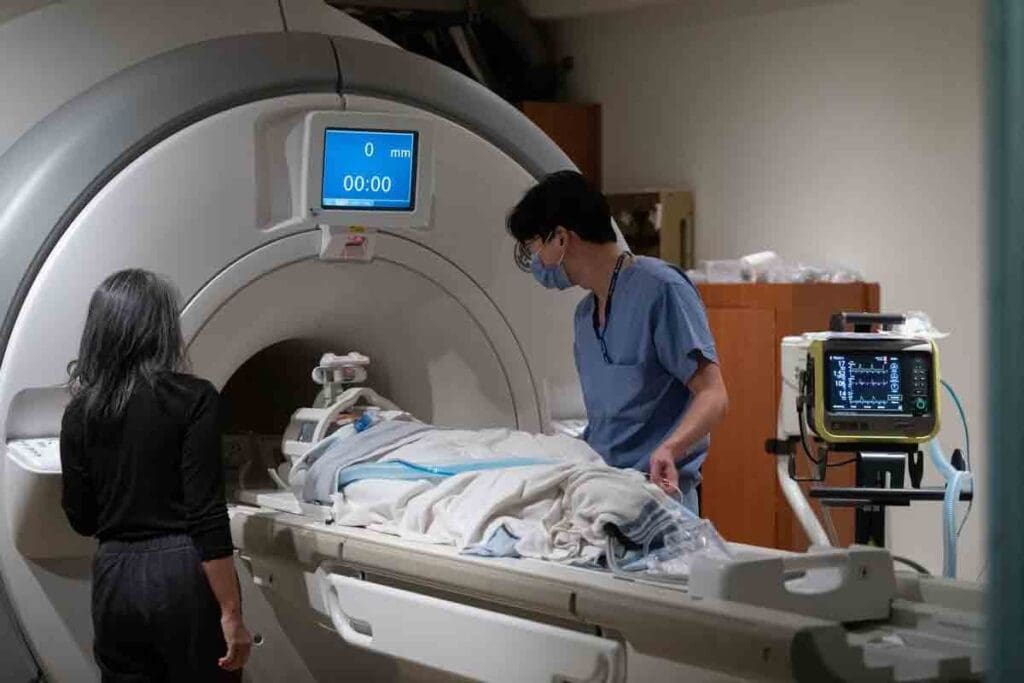
Glioblastoma multiforme is a rare and aggressive brain cancer in kids. It’s a small part of pediatric brain tumors, but it is very deadly. Brain tumors are the most common type of solid childhood cancer. Glioblastoma is one of the toughest to diagnose.
At Liv Hospital, we understand the importance of caring for kids with this diagnosis. Our approach focuses on the patient. We use new treatments and supportive services to help improve life quality and outcomes.
Key Takeaways
- Glioblastoma multiforme is a highly aggressive brain tumor in children.
- Pediatric brain tumors are the most common solid cancers in children.
- Understanding symptoms and types is key to effective treatment.
- Liv Hospital offers patient-centered and innovative care protocols.
- Comprehensive support services are available for international patients.
- Early diagnosis and treatment significantly impact outcomes.
What Makes Pediatric GBM Different from Adult Glioblastoma
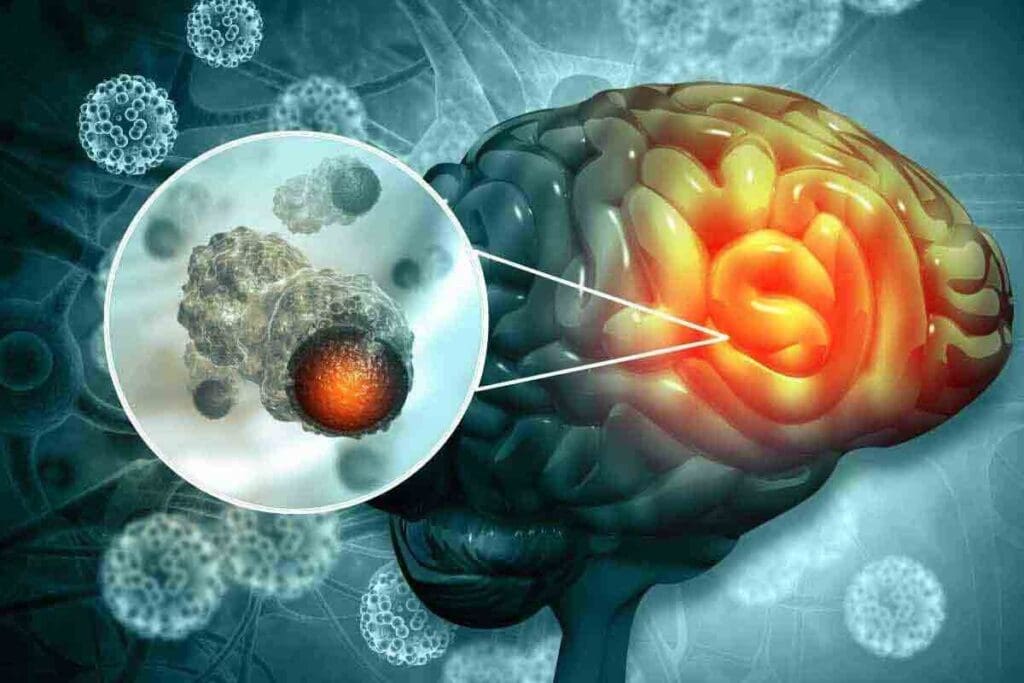
Pediatric glioblastoma multiforme (GBM) is a rare and aggressive brain tumor. It is different from adult GBM. Knowing these differences is key to finding effective treatments.
Definition and Classification of Pediatric Glioblastoma Multiforme
Pediatric GBM is a high-grade glioma that affects children and teens. The World Health Organization (WHO) classifies it as a grade IV astrocytoma. It grows fast and is hard to treat. Research shows that pediatric GBM can be divided into different molecular subtypes. This could help in finding better treatmentsand targeted therapies.
Classifying pediatric GBM involves looking at both its appearance and molecular makeup. It has a lot of cells and can look very different. Genetically, it has unique changes that are not seen in adult GBM.
Unique Characteristics in Children vs. Adults
Studies have found many differences between pediatric and adult GBM. One big difference is in the genetic mutations. For example, pediatric GBM often has a mutation in the H3F3A gene, known as the K27M mutation. This is less common in adults and is linked to a specific type of GBM.
Another difference is where the tumor grows and how it behaves. Pediatric GBM often grows in the brainstem and other central areas. Adult GBM usually grows in the brain’s outer parts. This affects how it’s treated and the outcome.
“The genetic and molecular characteristics of pediatric GBM are distinct from those of adult GBM, underscoring the need for age-specific treatment approaches.”
| Characteristics | Pediatric GBM | Adult GBM |
| Common Genetic Mutations | H3F3A K27M, IDH1/2 wild-type | IDH1/2 mutations, TERT promoter mutations |
| Tumor Location | Brainstem, midline structures | Cerebral hemispheres |
| Molecular Subtypes | More proneural subtype | Varied subtypes, including classical and mesenchymal |
It’s important to understand these differences to improve treatments for children with GBM. By recognizing what makes pediatric GBM unique, doctors can create more effective treatment plans for kids.
Fact 1: The Rarity and Aggressiveness of Pediatric GBM

Pediatric glioblastoma multiforme (GBM) is rare and very aggressive. It’s a tough brain cancer to diagnose and treat.
Incidence Rate of 0.57 per 100,000 Children
Every year, about 0.57 per 100,000 kids get pediatric glioblastoma. This shows how rare it is in kids.
| Age Group | Incidence Rate per 100,000 |
| 0-14 years | 0.57 |
| 15-19 years | 0.62 |
Why Pediatric GBM Is Considered Highly Aggressive
Pediatric GBM grows fast and spreads into the brain. This makes it hard to remove surgically. It needs a detailed treatment plan.
Key characteristics contributing to its aggressiveness include:
- Rapid tumor growth
- Infiltration into the surrounding brain tissue
- High recurrence rate
Fact 2: Survival Statistics and Prognostic Factors
Knowing the survival stats for kids with GBM is key for families. The outlook for kids with glioblastoma depends on a few important things. These include how much of the tumor was removed, the child’s age, and the tumor’s genetic makeup.
Understanding the 19.5% Five-Year Survival Rate
The five-year survival rate for kids with glioblastoma is about 19.5 percent. This means that about 19.5 percent of kids with GBM are alive five years after being diagnosed. This rate is compared to kids of the same age without GBM.
Many things affect survival rates, like how well the first treatment works and how the tumor reacts to it. Better surgery, radiation, and chemotherapy have helped more kids survive longer.
Factors That Influence Prognosis in Children
Several things can change a child’s outlook with GBM. These include:
- Extent of Surgical Resection: How much of the tumor is removed greatly affects survival.
- Age at Diagnosis: Young kids face unique challenges compared to older kids because of their development.
- Molecular Characteristics: Certain genetic traits can affect how the tumor grows and reacts to treatment.
| Prognostic Factor | Impact on Survival |
| Extent of Resection | Gross total resection improves survival rates compared to subtotal resection. |
| Age at Diagnosis | Younger children may have different outcomes due to tumor biology and treatment tolerance. |
| Molecular Characteristics | Certain genetic markers can predict treatment response and influence prognosis. |
Understanding these factors helps doctors create better treatment plans for each child. This can lead to better results.
Fact 3: Recognizing the Warning Signs and Symptoms
It’s important to know the warning signs of pediatric GBM early. We’ll talk about common neurological symptoms. We’ll also explain how they can differ by age and when to get medical help right away.
Common Neurological Symptoms
Pediatric GBM often shows up with neurological symptoms. This is because the tumor is in the brain. Common symptoms include:
- Headaches: Often persistent and severe, these can be an early sign.
- Nausea and Vomiting: Frequently accompanying headaches, these symptoms can indicate increased intracranial pressure.
- Vision Changes: Blurred vision, double vision, or loss of peripheral vision can occur.
- Seizures: New-onset seizures in children can be a presenting symptom of GBM.
Age-Specific Symptom Presentation
Symptoms can change a lot with the child’s age. In infants and younger children, symptoms may include:
- Irritability and changes in feeding patterns.
- Developmental delays or regression.
- Macrocephaly: An abnormally large head size due to increased intracranial pressure.
In older children, symptoms are more similar to those in adults. They may include:
- Headaches and vomiting, often in the morning.
- Weakness or numbness in the limbs.
- Changes in personality or behavior.
When Parents Should Seek Immediate Medical Attention
Parents should watch for symptoms that get worse or are very concerning. You should get medical help right away if your child has:
- Severe headache or vomiting that doesn’t get better or gets worse.
- Seizures or convulsions.
- Sudden weakness or numbness in any part of the body.
- Changes in vision or speech difficulties.
Early action is key in managing pediatric GBM. If you think something’s off, get medical help without delay.
Fact 4: The Four Major Types of Pediatric GBM
Pediatric GBM is divided into four main types: classical, mesenchymal, proneural, and neural glioblastoma. Knowing these types is key to creating better treatments and improving care.
Classical Glioblastoma: Characteristics and Behavior
Classical glioblastoma has a unique molecular makeup, often with amplification of the epidermal growth factor receptor (EGFR). It grows fast and is hard to treat. We’ll look into how its molecular traits affect treatment and chances of recovery.
Mesenchymal Glioblastoma: Features and Prognosis
Mesenchymal glioblastoma shows mesenchymal differentiation and usually has a bad outlook. It has genetic changes in NF1 and PTEN. Knowing its genetics is vital for finding good treatments.
Proneural Glioblastoma: Molecular Profile and Outcomes
Proneural glioblastoma has a proneural gene expression signature, linked to neural development. It often has changes in IDH1 and PDGFRA. We’ll examine how its molecular makeup affects treatment and results.
Neural Glioblastoma: Distinguishing Features
Neural glioblastoma is rare and marked by expression of neural markers. It has a unique genetic mix. Understanding its traits is essential for better treatments and outcomes.
By studying the different types of pediatric GBM, we can make treatments more effective. More research into their molecular makeup is needed to advance pediatric neuro-oncology.
Diagnostic Journey for Children with Pediatric GBM
Getting a correct diagnosis for pediatric GBM is key to a good treatment plan. We’ll walk you through the steps to diagnose this complex condition.
Initial Assessment and Imaging Studies
The first step is a detailed check-up and a look at the child’s medical history. Imaging studies are vital for diagnosing GBM. Magnetic Resonance Imaging (MRI) is mainly used, giving clear brain tumor images.
We use different MRI types like T1-weighted, T2-weighted, and FLAIR images. Sometimes, Computed Tomography (CT) scans or Positron Emission Tomography (PET) scans are needed for more details.
The Role of Biopsy and Pathological Examination
A biopsy is key to confirming GBM. It involves taking a tumor sample for a pathologist to examine. They look at the tumor’s structure and how it grows.
A study onPMC shows how important this examination is. It helps tell GBM apart from other brain tumors.
| Diagnostic Tool | Purpose |
| MRI | Primary imaging modality for assessing tumor characteristics |
| Biopsy | Confirms GBM diagnosis through histological examination |
| CT/PET scans | Additional imaging for supplementary information |
Advanced Molecular and Genetic Testing
Modern molecular and genetic tests are now part of diagnosing pediatric GBM. These tests find specific genetic changes in the tumor. This info helps decide on treatments.
We use next-generation sequencing (NGS) to check the tumor’s genes. Knowing this helps tailor treatments to each child.
Fact 5: Standard Treatment Protocol for Pediatric Glioblastoma
Pediatric glioblastoma multiforme (GBM) treatment is a team effort. It combines surgery, chemotherapy, and radiation therapy. This approach aims to remove as much tumor as possible, lower recurrence risk, and boost survival chances.
Surgical Approaches and Considerations
Surgery is the main treatment for pediatric GBM. The goal is to remove as much tumor as safely possible. The amount of tumor removed is key to survival and quality of life. Neurosurgeons use high-tech imaging and monitoring during surgery.
When planning surgery, several factors are important:
- Tumor location and size
- How close the tumor is to important brain areas
- The child’s overall health and brain function
Radiation Therapy Guidelines for Children
Radiation therapy is vital after surgery for pediatric GBM. It aims to kill any leftover tumor cells while protecting healthy brain tissue. Techniques like intensity-modulated radiation therapy (IMRT) and proton therapy help achieve this goal.
Guidelines for radiation therapy in children with GBM include:
- Using MRI and CT scans to plan treatment
- Breaking the dose into smaller parts to lessen side effects
- Regular checks to see how the treatment is working and watch for side effects
Chemotherapy Regimens and Challenges
Chemotherapy is a big part of treating pediatric GBM. Temozolomide is a common drug that helps when used with radiation. It has been shown to improve survival rates.
Challenges in using chemotherapy for pediatric GBM include:
- Getting the drug past the blood-brain barrier
- Managing side effects
- Dealing with tumor resistance to treatment
New chemotherapy options and targeted therapies are being researched. They aim to better outcomes for kids with GBM.
Fact 6: Genomic Advances Driving New Treatment Approaches
Our understanding of pediatric GBM’s genetics is growing. This growth helps us tailor treatments to each patient. New genomic analysis methods are opening doors to treating this aggressive brain cancer.
How Genomic Analysis Is Changing Treatment
Genomic analysis lets us find specific genetic mutations in pediatric GBM. Knowing these mutations, we can create targeted therapies. These therapies are more effective and have fewer side effects than old treatments.
Precision medicine is key in treating pediatric GBM. By looking at a child’s tumor genetics, we find the best treatments. This way, we avoid treatments that won’t work.
Molecularly Targeted Therapies for Children
Molecularly targeted therapies aim at specific genetic mutations in pediatric GBM. These therapies are showing great promise in trials. They are becoming a common treatment for this disease.
- Targeted therapies are often more effective than traditional treatments.
- They usually have fewer side effects, making treatment better for kids.
- Research is ongoing to find new targets and improve these therapies.
Personalized Medicine in Pediatric Neuro-Oncology
Personalized medicine is changing pediatric neuro-oncology. Tailoring treatment to a child’s tumor genetics can improve outcomes. It also reduces the risk of long-term side effects.
Personalized treatment plans are made for each patient’s unique tumor. This approach leads to more effective treatment and better side effect management.
Genomic advances are leading to new treatments for pediatric GBM. The use of genomic analysis, targeted therapies, and personalized medicine is changing how we treat this disease. We are hopeful for the future of children with pediatric GBM.
Fact 7: Emerging and Experimental Therapies
We are seeing big changes in treating pediatric GBM thanks to new therapies and trials. Researchers and doctors are working hard to find better ways to help patients.
Immunotherapy Approaches
Immunotherapy is showing promise for treating pediatric brain tumors, including GBM. It uses the body’s immune system to fight cancer. Different immunotherapy methods are being tested, like:
- CAR T-cell therapy, which changes T-cells to target cancer cells
- Cancer vaccines to boost the immune response against tumor antigens
- Checkpoint inhibitors to help the immune system attack cancer cells better
These methods are showing promise in early trials, giving hope for better treatment results.
Promising Clinical Trials
Many clinical trials are looking into new treatments for pediatric GBM. Some focus on:
- Targeted therapies that target specific genetic mutations in GBM tumors
- Combination regimens that mix different treatments, like chemotherapy and radiation therapy, with new agents
- Novel delivery methods, such as convection-enhanced delivery, to get drugs into brain tumors better
These trials are key to finding effective treatments for pediatric GBM.
Combination Therapy Strategies
Researchers are exploring combining different therapies to improve treatment results. They aim to get better results by mixing different approaches. Some examples include:
| Therapy Combination | Rationale | Potential Benefits |
| Immunotherapy + Chemotherapy | Boost the immune response and kill cancer cells directly | Better tumor control, longer survival |
| Targeted Therapy + Radiation | Target cancer cells precisely while radiation kills the rest | Less toxicity, better local control |
| Gene Therapy + Immunotherapy | Change genes to make cancer cells easier for the immune system to attack | Stronger immune response, chance for long-term remission |
As we keep exploring new therapies for pediatric GBM, we’re dedicated to better treatment results and quality of life for our patients.
Supportive Care and Quality of Life Management
Supportive care is key in treating pediatric GBM. It focuses on managing symptoms and improving quality of life. It’s not just extra help, but a vital part of the treatment.
Good supportive care can really help kids with pediatric GBM. It helps manage side effects, offers psychological support, and helps with school and social life.
Managing Treatment Side Effects in Children
Handling side effects is a big part of supportive care. Kids with pediatric GBM face many side effects. Corticosteroids help reduce swelling and ease symptoms, making them feel better.
We use other medicines to control seizures, nausea, and pain. We make care plans with families to meet their specific needs.
Psychological Support for Patients and Families
Psychological support is also very important. A GBM diagnosis is hard on families, causing a lot of emotional pain. We offer counseling and support groups to help them deal with these feelings.
We work with families to meet their emotional and psychological needs. This helps them through this tough time.
Educational and Social Reintegration
As treatment goes on, we help kids with GBM go back to school and social activities. We work with schools to make special education plans. We also provide resources for social reintegration.
We want these kids to have as normal a life as possible. By supporting their education and social life, we help improve their quality of life.
The Role of Specialized Centers in Treating Pediatric GBM
Pediatric GBM treatment works best in specialized centers. These places offer a team approach to care. They have the newest technology and skilled staff for complex brain tumors in kids.
Benefits of Multidisciplinary Care Teams
A team of specialists is key for pediatric GBM care. This team includes neurosurgeons, neuro-oncologists, and radiologists. They work together to create a treatment plan for each child.
Having many specialists helps cover all parts of the disease. This approach improves patient results and quality of life for kids with GBM. A study showed better survival rates and fewer problems for those treated by teams.
Access to Clinical Trials and Advanced Treatments
Specialized centers also offer clinical trials and new treatments. These options give hope for better outcomes and longer lives for kids with GBM.
Clinical trials are vital for neuro-oncology progress. They help test new treatments and gather important data for future care.
| Aspect of Care | Specialized Centers | General Hospitals |
| Multidisciplinary Teams | Present | Limited |
| Access to Clinical Trials | Yes | No |
| Advanced Treatments | Available | Limited Availability |
“The care provided by specialized centers is unparalleled. For children with GBM, having access to a team of experts and cutting-edge treatments can make a significant difference in their outcomes.” – Medical Expert, Pediatric Neuro-Oncologist
Conclusion
Understanding pediatric GBM is key for early detection and effective treatment. This rare and aggressive brain tumor needs special care. We’ve looked at glioblastoma in children, its symptoms, types, and treatment options.
Pediatric GBM needs a team effort from diagnosis to treatment and support. New research in genomic analysis and targeted therapies gives hope. We must keep supporting research and helping families with this tough condition.
Together, we can improve life for kids with pediatric GBM and find better treatments. Our goal is to provide top-notch healthcare and support. We aim to make a big difference in the lives of these young patients and their families.
FAQ
What is pediatric glioblastoma multiforme (GBM)?
Pediatric glioblastoma multiforme, or pedi-glioblastoma, is a rare and aggressive brain cancer in kids. It’s a type of glioblastoma found in children.
How common is pediatric GBM?
Pediatric GBM is rare, happening in about 0.57 per 100,000 kids. It’s a small part of all childhood brain tumors.
What are the symptoms of pediatric GBM?
Symptoms vary by age and tumor location. Common signs include headaches, seizures, and changes in behavior.
What are the different types of pediatric GBM?
There are four main types: classical, mesenchymal, proneural, and neural glioblastoma. Each has unique features and outcomes.
How is pediatric GBM diagnosed?
Diagnosis involves a detailed process. It includes initial checks, MRI scans, a biopsy, and genetic tests.
What are the treatment options for pediatric GBM?
Treatment often combines surgery, radiation, and chemotherapy. The plan depends on the child’s health and tumor details.
What is the prognosis for children with pediatric GBM?
Prognosis depends on several factors. The five-year survival rate is about 19.5%.
What are the benefits of treating pediatric GBM at a specialized center?
Specialized centers offer many benefits. They have expert teams, advanced treatments, and clinical trials. This provides better care and support.
What is the role of genomic advances in treating pediatric GBM?
Genomic advances lead to new treatments. They help find specific genetic targets for therapy.
What emerging therapies are being explored for pediatric GBM?
New therapies include immunotherapy and combination treatments. Clinical trials are testing their safety and effectiveness.
References
- Wyss, J., Frank, N. A., Soleman, J., & Scheinemann, K. (2022). Novel pharmacological treatment options in pediatric glioblastoma—A systematic review. Cancers (Basel), 14(11), 2814. https://www.ncbi.nlm.nih.gov/pmc/articles/PMC9179254/



 Departments
 Related Videos
 Our Doctors
 News
News