

Pediatric Hematology and Oncology: Conditions, Diagnosis, and Care
Pediatric hematology and oncology care helps diagnose and treat blood disorders and cancers in children. Families usually connect with these specialists if their child has symptoms like unexplained bruising, frequent infections, ongoing fevers, pale skin, swollen lymph nodes, or tiredness. Getting checked early can lead to better results, fewer problems, and a clear plan for what comes next.

What this field covers:
Hematology includes anemia (iron deficiency, hemolytic anemia), platelet and bleeding disorders (ITP, von Willebrand disease), clotting problems (thrombosis), sickle cell disease, hemophilia, thalassemia, and neutropenia.
Oncology includes leukemia, lymphoma, brain and spinal tumors, neuroblastoma, Wilms tumor, sarcomas, and other solid tumors.
Goals of care:
- Accurate diagnosis with the least invasive methods possible.
- A personalized treatment plan that balances effectiveness and quality of life.
- Ongoing support for nutrition, growth, mental health, and everyday routines.
Families should expect clear communication and the option to seek a second opinion if they wish. Child focused centers such as Liv Hospital offer care from a team of specialists who work together for your child.
Diagnostic steps:
Detailed history and physical examination tailored to symptoms and family history.
Blood tests: complete blood count (CBC), blood smear, reticulocyte count, iron studies, inflammatory markers, and coagulation profile.
Imaging: ultrasound, X ray, CT, or MRI, depending on the clinical question.
Specialized testing: bone marrow evaluation in suspected leukemia or marrow failure; flow cytometry and genetic tests for precise classification; coagulation factor assays for bleeding disorders.
Treatment approaches:
Hematology: iron therapy and diet optimization for iron deficiency; factor replacement for hemophilia; immunotherapy or steroids for immune thrombocytopenia; antibiotics and support for neutropenia; hydroxyurea and comprehensive care in sickle cell disease.
Oncology: chemotherapy protocols tailored to tumor type and stage; surgery for tumor removal when appropriate; targeted therapies and immunotherapies in selected cases; carefully planned radiation when benefits outweigh risks in children; Extensive supportive care to prevent infections, manage pain, and maintain nutrition.
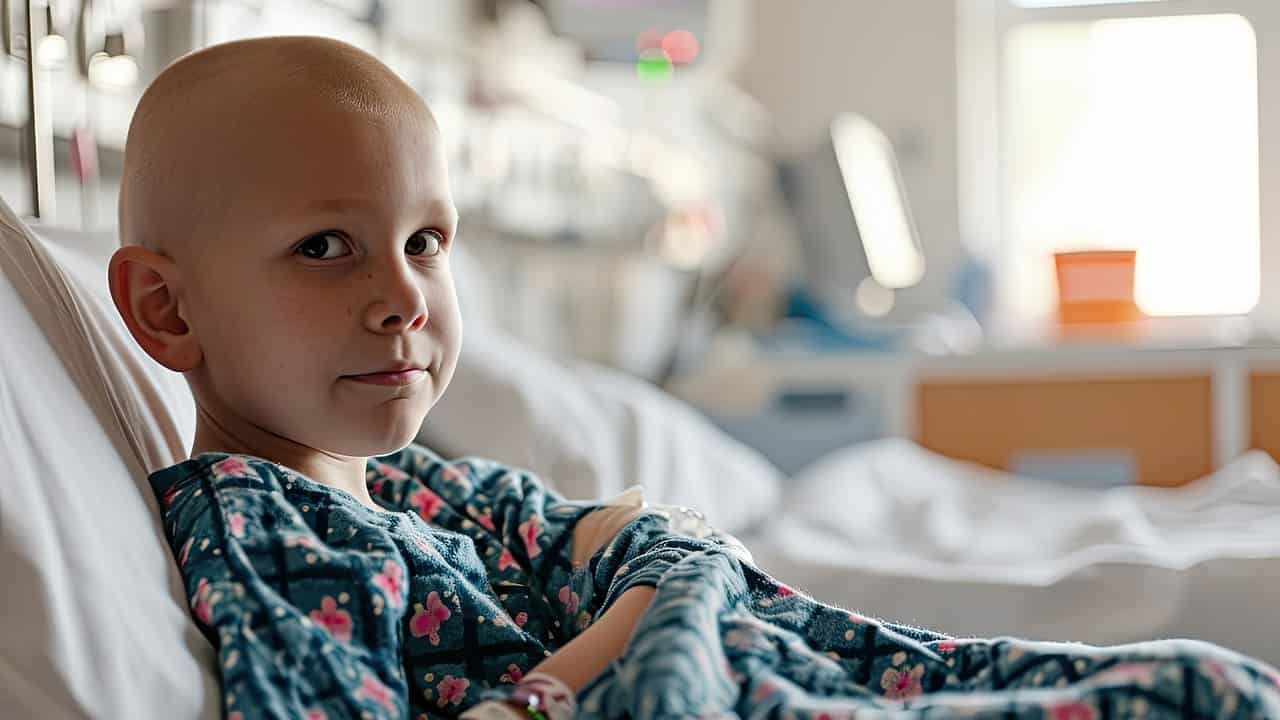
Pediatric Hematology and Oncology Near Me: How to Choose the Right Clinic
Many families start by searching for pediatric hematology and oncology clinics nearby. When you do, keep these factors in mind:
- Pediatric expertise with child friendly services.
- A multidisciplinary team of hematologists, oncologists, surgeons, radiologists, pathologists, psychologists, nutritionists, and child life specialists.
- Access to diagnostics, infusion/day hospital services, emergency pathways, and intensive care when needed.
- Clear, compassionate communication, family education, and language support.
Look for clinics that offer coordinated follow up, survivorship programs, and support as your child grows into adolescence. Many cities have child focused centers with complete pediatric hematology and oncology services. Places like Liv Hospital are recognized for guiding families through every stage with a team approach.
Pediatric Oncology and Hematology: What Families Should Know
- Many blood disorders and childhood cancers are treatable; outcomes continue to improve.
- Children respond differently from adults; pediatric protocols aim to maximize cure while minimizing long-term effects.
- Vaccinations, infection prevention, and nutrition are essential during therapy.
- Side effects like nausea, hair loss, tiredness, low blood counts, and mouth sores are common, but many can be managed ahead of time with the right medicines and support.
- Emotional well-being matters. Child-friendly spaces, play therapy, and psychological support help children and parents cope.
Keep a care notebook with medications, doses, appointments, lab results, symptoms, and questions for visits.
Pediatric Hematology Oncology and Bone Marrow Transplant: When Is It Needed?
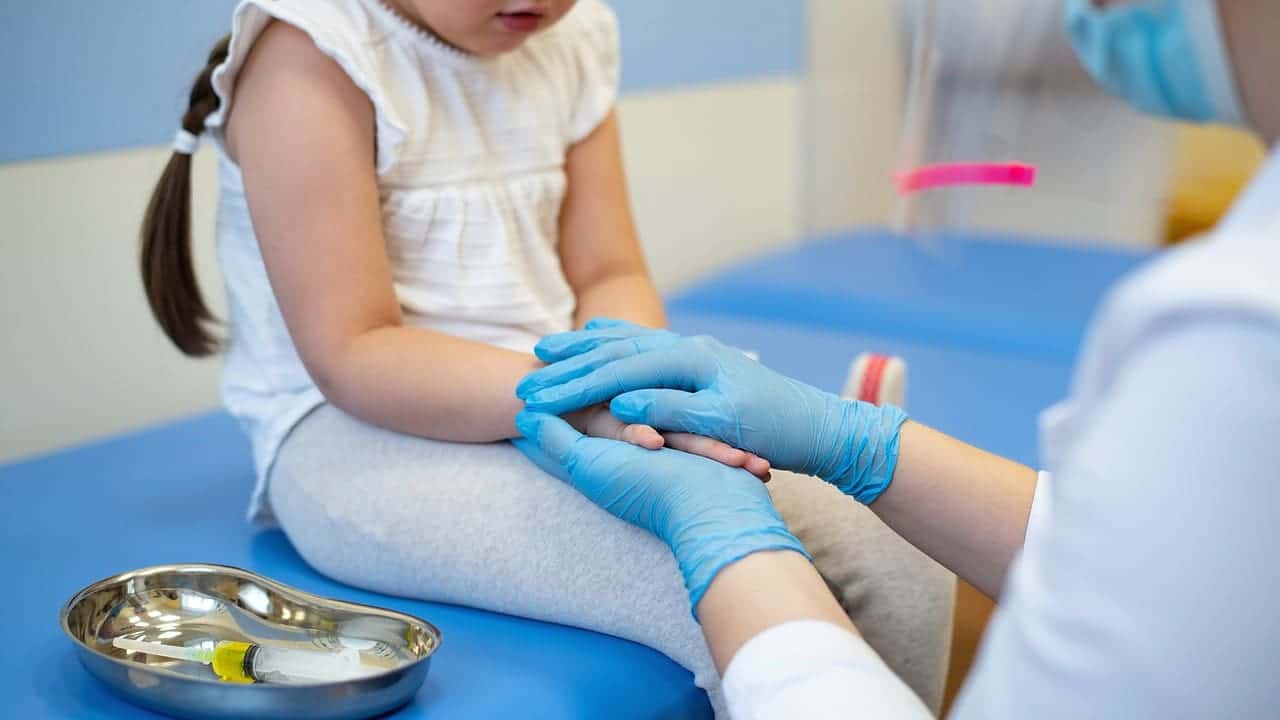
Bone marrow transplant (stem cell transplant) may be considered for:
- High risk or relapsed leukemias and lymphomas.
- Bone marrow failure syndromes (such as aplastic anemia).
- Inherited blood disorders such as thalassemia major or severe sickle cell disease may also require a transplant.
Here’s a brief overview of the process:
- Pre-transplant evaluation checks organ function and infection status.
- Conditioning therapy (chemotherapy ± radiation) prepares the body to accept new stem cells.
- Stem cells can come from a matched sibling, matched unrelated donor, or haploidentical (half matched) donor; some cases use the child’s own cells (autologous transplant).
- After infusion, the team monitors for infections, graft versus host disease (in allogeneic transplants), and engraftment.
- Long term follow up focuses on immune recovery, growth, vaccination catch up, and prevention of late effects.
Pediatric Hematology and Oncology Terms: A Simple Glossary for Families
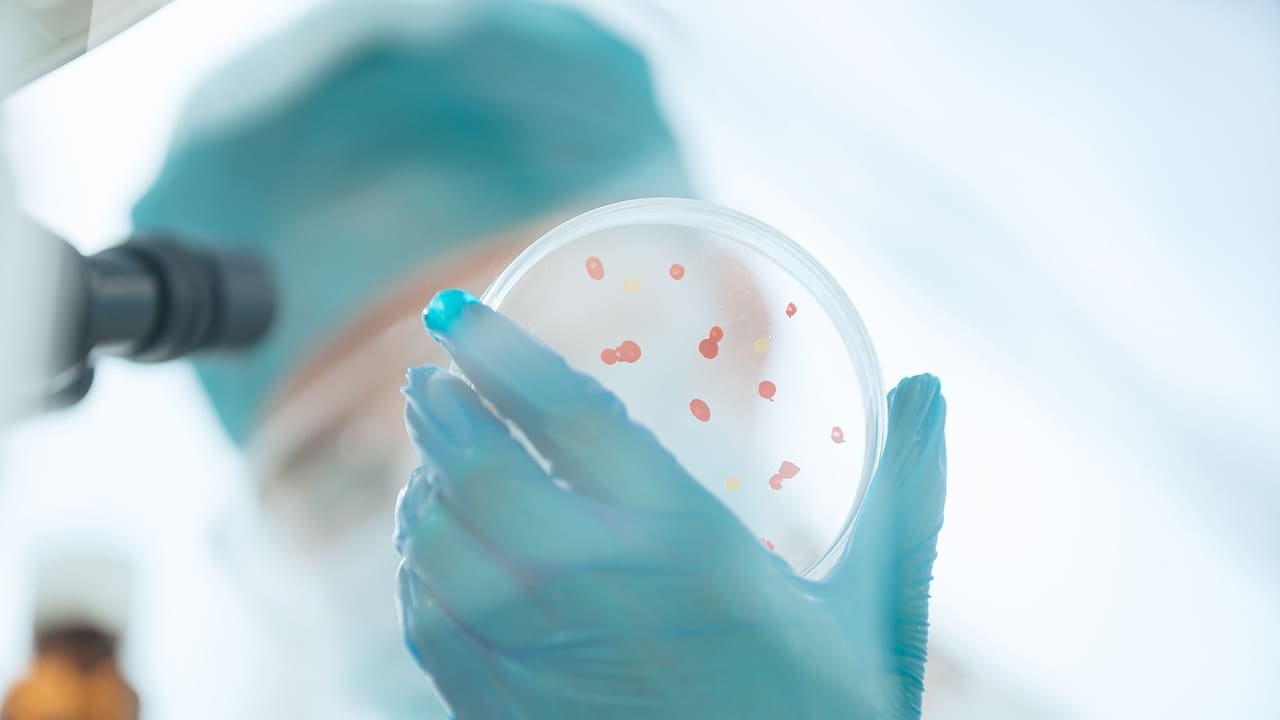
- Anemia: Low red blood cell count causes pallor and fatigue.
- Neutropenia: Low neutrophils, increasing infection risk.
- Thrombocytopenia: Low platelets, leading to easy bruising or bleeding.
- Coagulation: Blood clotting process; disorders can cause excessive bleeding or clotting.
- Leukemia: Cancer of blood forming tissues; symptoms may include fever, bruising, and bone pain.
- Lymphoma: Cancer of the lymphatic tissues; can present with swollen nodes, fevers, and weight loss.
- Solid tumor: A mass in organs or bones; care often includes surgery plus medicine based treatments.
- Remission: No evidence of active disease after treatment.
- Central line/port: A device placed under the skin for safe treatments and blood draws.
- Supportive care: Treatments that reduce side effects and complications to keep therapy on track.
Pediatric Hematology and Oncology Clinic: What to Expect at Your Visit
Before the visit:
Bring medical records, vaccination card, recent labs, and a list of medications and allergies.
Note symptoms, when they started, and any triggers or patterns.
During the visit:
- A child friendly exam and discussion that fits your child’s age.
- Blood tests and imaging as needed; many centers offer same day labs to speed decisions.
- Clear explanations of findings, options, and written summaries with emergency contact guidance.
After the visit:
- A coordinated plan for treatment, monitoring, home care instructions, and guidance for activity and school attendance.
- Access to a nurse line for questions about fever, new symptoms, or medications.
- Social work and psychological services to support family needs.
Pediatric Hematology Oncology and Immunopathology: Understanding the Immune Link
The immune system is closely connected to blood disorders and cancers:
• Some anemias and thrombocytopenias are immune mediated, where the body mistakenly targets its own cells.
• Immunodeficiency can raise infection risks and influence treatment choices.
• Immunotherapies (for example, monoclonal antibodies and CAR T in selected cases) harness the immune system to target cancer cells.
• Vaccination schedules are individualized; live vaccines are avoided during immunosuppression, while inactivated vaccines may be recommended on a specific timeline.
• Infection prevention includes hand hygiene, food safety, careful dental care, and prompt evaluation of fevers or new symptoms.
Practical Algorithms in Pediatric Hematology and Oncology: How Care Pathways Help Your Child
Care pathways (practical algorithms) standardize safe, evidence based steps:
Fever and neutropenia pathway: rapid triage, blood cultures, early antibiotics, and risk based decisions for inpatient vs. outpatient care.
Suspected leukemia algorithm: immediate labs, flow cytometry, supportive measures (tumor lysis prevention), and expedited referral.
Bleeding disorder evaluation: structured history and targeted labs with timely factor replacement. Anemia workup involves step by step tests to find out if iron deficiency, cell breakdown, or bone marrow issues are causing the problem. These care pathways help lower risks, improve communication, and make the process clearer for families. or families.
Pediatric Hematology and Oncology Review: Symptoms, Tests, and Treatments
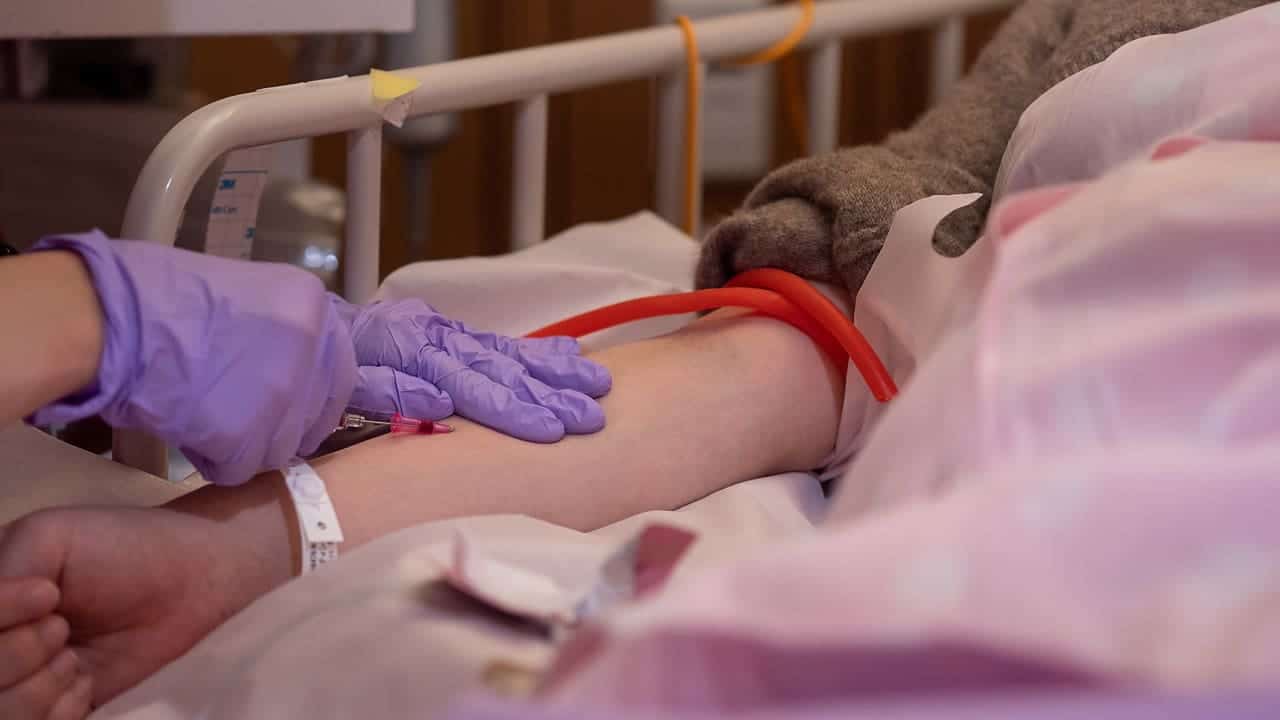
Symptoms to watch:
- Persistent fatigue, pallor, frequent infections, or unexplained fevers.
- Easy bruising, nosebleeds, bleeding gums, or pinpoint red spots on the skin.
- Bone or joint pain, swollen abdomen, headaches, or neurological changes.
- Lumps or lymph nodes that remain enlarged for weeks.
Evaluation:
- CBC and smear to check red cells, white cells, and platelets.
- Iron studies, vitamin levels, and hemolysis labs for anemia causes.
- Coagulation testing for bleeding or clotting concerns.
- Imaging and, when needed, biopsies for suspected tumors.
Treatment overview:
- Personalized medication plans that may include chemotherapy, targeted therapy, or immune based treatments.
- Procedures such as lumbar puncture (for certain cancers), central line placement, and tumor surgeries, when appropriate.
- Nutrition and rehabilitation to support growth and recovery.
- Survivorship care to monitor late effects, guide vaccinations, and support return to daily life.
Pediatric Hematological and Oncological Illness List: Common Conditions in Children
Hematology:
- Iron deficiency anemia
- Hemolytic anemias (including hereditary spherocytosis, G6PD deficiency)
- Sickle cell disease
- Thalassemia
- Aplastic anemia and marrow failure syndromes
- Neutropenia (congenital or acquired)
- Immune thrombocytopenia (ITP)
- von Willebrand disease and hemophilia
- Thrombosis in children (clots) Oncology
- Acute lymphoblastic leukemia (ALL)
- Acute myeloid leukemia (AML)
- Hodgkin and non-Hodgkin lymphoma
- Brain and spinal tumors (e.g., medulloblastoma, gliomas)
- Neuroblastoma
- Wilms tumor (kidney)
- Bone and soft tissue sarcomas (like osteosarcoma, Ewing sarcoma, and rhabdomyosarcoma) are also seen in children. Each illness has its own signs, tests, and treatments. Personalized care is important, focusing on your child’s growth, development, and family needs. The care team works with you both in the hospital and at home, offering advice on infection prevention, nutrition, and emotional support, and helping with fertility questions if needed.
Family Support and Day to Day Tips

Fever management: If your child has a central line or is on chemotherapy, report fevers promptly as directed. Avoid ibuprofen without medical advice when platelet counts are low.
Nutrition: Provide balanced meals rich in proteins, fruits, and vegetables; consult a dietitian if taste changes or appetite loss occur.
Activity and school: Encourage gentle activity to maintain strength; discuss school attendance timing with your care team based on blood counts and infection risk.
Oral care: Use a soft toothbrush; keep flossing gently if platelets allow; avoid alcohol based mouthwashes during mouth sores.
Medication safety: Keep a medication schedule, use reminders, and store medicines securely out of reach of siblings.
Mental health: Psychological support helps manage anxiety and mood changes; ask about child life services and counseling.
Follow up: Keep preventive care and vaccinations on schedule as Child focused centers bring together pediatric blood and cancer specialists, imaging, surgery, intensive care, and family support services. These centers are designed to help children feel comfortable and safe, with spaces for play and learning. Teams work closely to plan care, watch your child’s growth, and look out for any long term effects. Many families appreciate places like Liv Hospital for their complete services, quick testing, and ongoing support during and after treatment.
Looking Ahead: Survivorship and Long Term Health
As more children become long term survivors, follow up care focuses on:
- Monitoring heart, lung, endocrine, and growth health, depending on prior therapies.
- Supporting learning and attention needs when returning to school.
- Healthy lifestyle habits: balanced diet, physical activity, sleep routines, and sun protection.
- Vaccinations and infection prevention according to post treatment schedules.
- Emotional resilience and family well being, with access to counseling as needed.

Your Role as a Parent or Caregiver
Be an advocate: ask questions, take notes, and participate in decisions.
Build routines: consistent meal, sleep, and medication times reduce stress.
Prepare for visits: bring your care notebook and a list of questions.
Reach out for help: social work, psychology, and support groups can make a difference.
Celebrate progress: every step counts, from finishing a treatment cycle to returning to daily activities.
Conclusion
Pediatric hematology and oncology care is about finding the right diagnosis, giving the best treatment, and supporting your whole family. With early checks, proven care plans, and caring support, many children do very well. If you’re looking for pediatric hematology and oncology services nearby, choose a child focused center that offers complete care and clear communication. Clinics like Liv Hospital are here to help you at every stage, from diagnosis to recovery, with safety and kindness.
For more information about our academic and training initiatives, visit Liv Hospital Academy
Frequently Asked Questions for Pediatric Hematology and Oncology
What Should Families Expect at a Pediatric Hematology and Oncology Clinic Visit?
Expect a child friendly assessment, clear explanations, and a written plan. Many visits include same day labs and imaging when necessary. You’ll receive instructions on medications, warning signs, and how to reach the team. Follow up addresses scheduling, home care, activity, school guidance, and survivorship planning after treatment.
How Do Practical Algorithms in Pediatric Hematology and Oncology Improve Care?
Care pathways guide timely, evidence based steps for common scenarios such as fever with neutropenia, suspected leukemia, bleeding disorders, and anemia evaluation. These practical algorithms in pediatric hematology and oncology streamline decisions, speed critical treatments, reduce complications, and improve predictability for families.
What Do Pediatric Hematology and Oncology Terms Mean for Families?
Key terms include anemia (low red cells), neutropenia (low infection‑fighting cells), thrombocytopenia (low platelets), coagulation (blood clotting), leukemia and lymphoma (blood and lymph cancers), remission (no signs of active disease), and central line/port (a device used for treatment). Understanding these pediatric hematology and oncology terms helps families follow care plans.
What Supportive Care Helps During Pediatric Hematology and Oncology Treatment?
Support includes infection prevention (hand hygiene, safe food practices, prompt fever checks), individualized vaccination plans, nutrition guidance, gentle oral care, and strategies for managing nausea and fatigue. Psychological support, child life services, and social work help families maintain routines and cope with stress.
How to Choose Pediatric Hematology and Oncology Near Me?
Choose a child focused center with experienced pediatric specialists, comprehensive diagnostics, infusion/day services, emergency pathways, and access to surgery and intensive care when needed. Look for clear communication, family education, and well coordinated follow up. Centers like Liv Hospital offer multidisciplinary, family‑friendly care.
When Is Pediatric Hematology Oncology and Bone Marrow Transplant Considered?
A transplant may be recommended for high risk or relapsed leukemias and lymphomas, severe bone marrow failure (such as aplastic anemia), and inherited disorders like thalassemia major or severe sickle cell disease. Steps include pre‑transplant evaluation, conditioning therapy, stem cell infusion from a matched donor or the child’s own cells, and close monitoring, followed by long‑term follow‑up.

