Infectious diseases are a big worry for kids’ health all over the world. Nearly 1 in 5 pediatric hospitalizations are due to infectious diseases. This makes it a top reason for kids to get sick.
Pediatric infectious disease is a special part of pediatrics. It deals with finding, treating, and stopping diseases that spread in kids. Specialized care ensures children receive the most effective treatment for infectious diseases.
It’s very important to know about diseases that affect kids. We are experts in treating kids with different infectious conditions. We make sure they get the best care possible.
Key Takeaways
Infectious diseases are a major cause of illness in children worldwide.
Pediatric infectious disease specialists focus on diagnosing and treating transmissible diseases in children.
Comprehensive care is essential for children suffering from infectious diseases.
Our team is dedicated to providing the best possible treatment options for children.
Understanding infectious diseases is key for effective treatment and prevention.
Understanding Pediatric Infectious Diseases
The world of pediatric infectious diseases is vast and varied, needing specialized care. At our pediatric infectious disease clinic, we see many infections in children. These range from common to rare and complex cases.
Pediatric infectious diseases are conditions that affect children, caused by pathogens like bacteria, viruses, fungi, or parasites. These diseases can show up in different parts of the body. This includes the respiratory tract, gastrointestinal system, and skin.
Definition of Pediatric Infectious Disease
A pediatric infectious disease is an illness caused by a pathogen that affects children. These diseases can be acute or chronic and vary in severity. Our team of pediatric ID specialists is trained to diagnose and treat these conditions effectively. We provide childhood infection treatment tailored to each child’s needs.
Prevalence in Children
Pediatric infectious diseases are common among children, often in places where kids are close together. This includes schools and daycare centers. The prevalence of these diseases shows the importance of preventive measures and timely treatment.
Recent data shows that infectious diseases are a leading cause of illness in children worldwide. Exposure to infected individuals, poor hygiene practices, and environmental factors contribute to their spread.
Common Symptoms to Look For
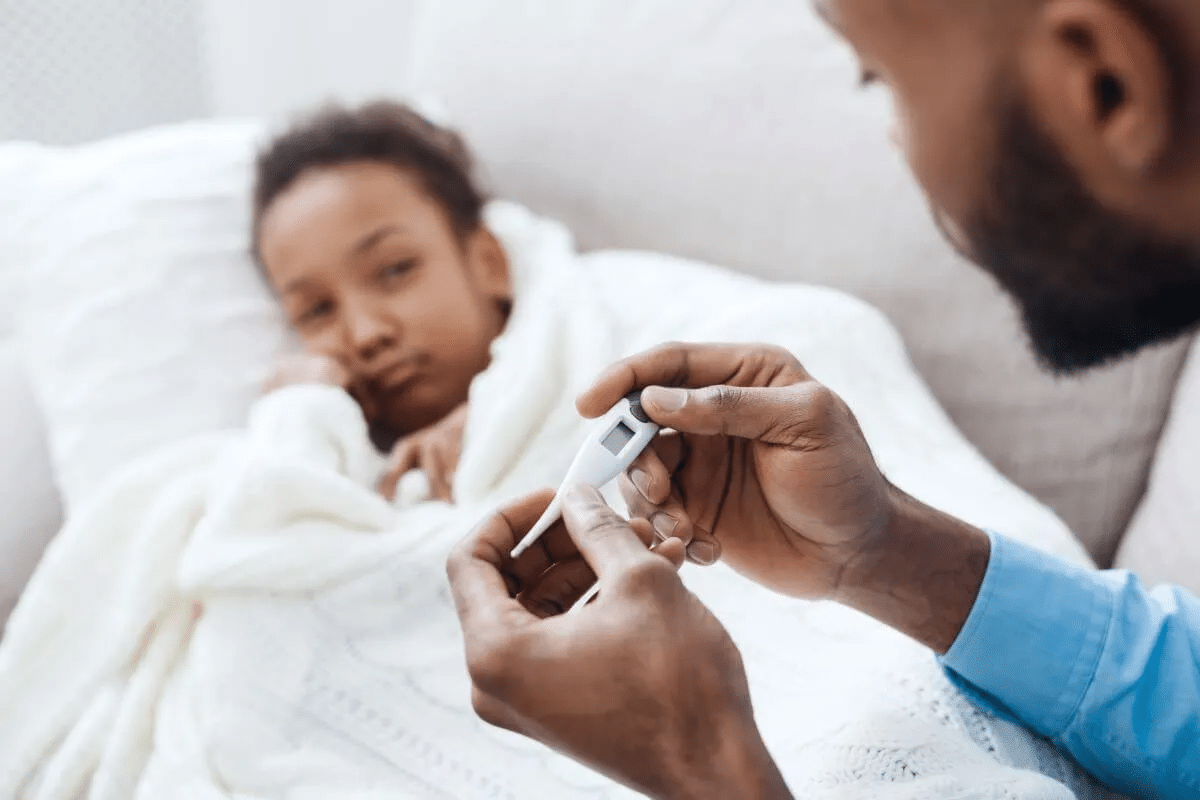
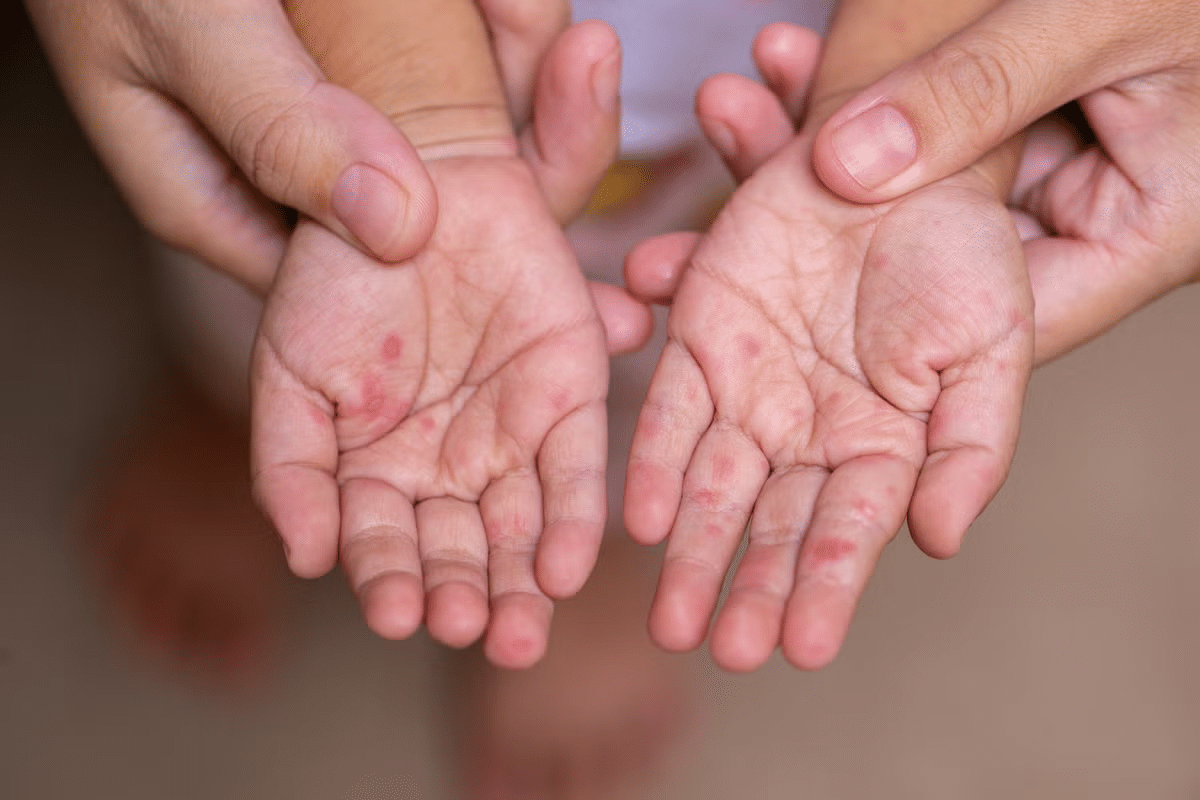
Recognizing the symptoms of pediatric infectious diseases is key for early diagnosis and treatment. Common symptoms include fever, cough, sore throat, diarrhea, and rash. In some cases, children may have more severe symptoms, like difficulty breathing or severe abdominal pain. These require immediate medical attention.
Parents should watch for unusual or persistent symptoms in their child. If they notice anything, they should consult a kids infection specialist. Early detection and treatment can greatly improve outcomes and reduce the risk of complications.
Types of Pediatric Infectious Diseases
It’s important to know about the different kinds of infections in kids. These can be caused by bacteria, viruses, fungi, and parasites. We’ll look at each type to help you understand better.
Bacterial Infections
Bacteria like Streptococcus pneumoniae and Haemophilus influenzae cause infections in children. These can lead to serious problems like pneumonia, meningitis, and ear infections. It’s vital to catch these infections early and treat them with antibiotics to avoid worse outcomes.
Pneumonia: Inflammation of the lung caused by bacteria or viruses.
Meningitis: An infection of the brain and spinal cord’s protective membranes.
Otitis Media: An infection of the middle ear.
Viral Infections
Viral infections are common in kids and can cause a range of illnesses. The common cold, flu, and stomach flu are examples. For some viral infections, antiviral meds are used, but mostly, we focus on supporting the body’s recovery.
Influenza: A seasonal flu that can be very serious for kids.
Viral Gastroenteritis: Known as the stomach flu, it causes diarrhea and vomiting.
Respiratory Syncytial Virus (RSV): A big cause of breathing problems in young kids.
Fungal Infections
Fungal infections are less common but can be serious, mainly in kids with weak immune systems. Candida species often cause these infections, leading to issues like oral thrush and diaper rash.
Parasitic Infections
Parasitic infections are caused by organisms like protozoa and helminths. Giardiasis and pinworm infections are examples. Keeping clean is essential to stop parasitic infections.
Giardiasis: An infection by the Giardia parasite, causing stomach problems.
Pinworm Infection: A common infection that causes itching around the anus.
Causes of Infectious Diseases in Children
It’s important to know why kids get sick. We’ll look at common reasons like being around sick people, not washing hands, and environmental factors.
Exposure to Infected Individuals
Kids are often around many people in school, daycare, and at home. This makes them more likely to catch diseases. Being close to someone who’s sick can spread illnesses like the flu, chickenpox, and strep throat.
Flu and common colds spread through respiratory droplets.
Touching an infected person’s skin or mucous membranes can spread diseases like impetigo.
Contaminated surfaces and objects can also spread infections.
Poor Hygiene Practices
Poor hygiene is a big reason kids get sick. Washing hands often is a key way to stop infections. We suggest that kids and adults:
Wash hands with soap and water often.
Use hand sanitizer when soap and water aren’t available.
Avoid touching their eyes, nose, and mouth.
Environmental Factors
Environmental factors also spread diseases. Kids can get sick from contaminated water, food, or air. Keeping things clean and safe can help prevent infections.
Some important environmental factors include:
Contaminated water sources.
Poor air quality.
Presence of vectors like mosquitoes and ticks that can transmit diseases.
By knowing these causes, we can take steps to keep kids healthy. This includes good hygiene, avoiding sick people, and keeping the environment safe.
Diagnosing Pediatric Infectious Diseases
Diagnosing pediatric infectious diseases takes a few steps. These include clinical checks, lab tests, and sometimes, imaging. We’ll talk about why early diagnosis matters. We’ll also cover the tests used and the role of pediatricians.
Importance of Early Diagnosis
Early diagnosis is key in treating pediatric infectious diseases. It lets doctors start treatment fast. This can prevent serious problems and help kids get better sooner. It’s important to notice symptoms early and see a doctor.
Common Diagnostic Tests Used
Many tests help find the cause of infections in kids. These include:
Laboratory tests like blood cultures, PCR (Polymerase Chain Reaction), and serology tests to find pathogens.
Imaging studies like X-rays and ultrasounds to see how far the disease has spread.
Role of Pediatricians in Diagnosis
Pediatricians are essential in diagnosing infections. They do detailed checks, understand test results, and decide on treatment. Their knowledge helps figure out what’s causing the infection and how to treat it.
Treatment Options for Pediatric Infectious Diseases
Our pediatric infection specialists use many treatments to fight infections in kids. Each treatment plan is made just for the child, based on the infection type and how bad it is.
Antibiotic Treatments
For bacterial infections, antibiotic treatments are often the first choice. We pick antibiotics carefully, based on the bacteria and the child’s health history. It’s important to finish all antibiotics to clear the infection and avoid resistance.
Our pediatric ID physicians teach families how to give antibiotics right. They also watch for side effects. This teamwork helps kids get better from bacterial infections.
Antiviral Medications
Viral infections need a different treatment, often antiviral medications. These can make viral infections less severe and shorter. Our specialists use the newest antiviral treatments wisely.
For childhood infectious diseases from viruses, we also focus on supportive care. This helps manage symptoms and helps the child get better.
Supportive Care Approaches
Supportive care is key in treating pediatric infectious diseases. It helps ease symptoms and helps the body heal. This includes staying hydrated, managing fever, and getting enough nutrients. We teach parents how to support their child’s recovery.
For serious infections or kids with weak immune systems, we create detailed care plans. This might include staying in the hospital for close watch and treatment. We make sure families are involved in their child’s care every step of the way.
We aim to get the best results for kids with infectious diseases by using the latest treatments and care. Our goal is to support families through treatment, giving them the knowledge and help they need to care for their child.
Preventive Measures for Families
Families are key in stopping infectious diseases in kids. By taking certain steps, families can lower the chance of their kids getting sick. We’ll look at the role of vaccines, good hygiene, and teaching kids about health to stop diseases.
Importance of Vaccinations
Vaccines are a big help in fighting off diseases. They not only keep the child safe but also help protect others. It’s important to stick to the vaccination schedule your doctor gives. Talking to a kids infectious disease doctor or a pediatric ID specialist can help with vaccine choices.
Vaccination Benefits:
Protection against serious diseases
Contribution to herd immunity
Prevention of outbreaks
Hygiene Practices to Follow
Keeping clean is key in stopping diseases. Washing hands often, covering your mouth when you cough, and staying away from sick people can help a lot. Good childhood infection treatment starts with staying clean.
Key Hygiene Practices:
Wash hands frequently with soap and water
Cover the mouth and nose with a tissue when coughing or sneezing
Avoid touching eyes, nose, and mouth
Clean and disinfect surfaces regularly
Educating Children about Health
Teaching kids about health and hygiene is very important. By teaching them about staying clean, we help them stay healthy. A pediatric ID specialist can give great advice on teaching kids about health.
Age Group
Health Education Topics
Preschoolers
Basic hygiene practices, importance of handwashing
School-age children
Understanding germs, preventing the spread of illnesses
Teenagers
Healthy habits, managing stress, and preventing infections
Complications Associated with Pediatric Infectious Diseases
Infectious diseases in kids can lead to serious problems. This shows why specialized treatment is key. At our pediatric infectious disease clinic, we’ve seen how these issues affect a child’s health and happiness.
When a child gets an infectious disease, parents worry about complications. These can be mild or severe and affect a child’s health for a short or long time.
Short-term vs. Long-term Effects
Children can face different effects from infectious diseases. Short-term symptoms include fever, rash, or breathing problems. If not treated right, these can turn into bigger issues.
Long-term effects might harm organs like the heart, kidneys, or lungs. Some infections can cause chronic conditions that need constant care.
Short-term Effects
Long-term Effects
Fever and rash
Chronic organ damage
Respiratory distress
Ongoing health issues
Dehydration
Increased susceptibility to infections
Risks for Immunocompromised Children
Children with weak immune systems face higher risks from infections. Their bodies struggle to fight off diseases.
“Immunocompromised children need special care to avoid and manage infections. Our team at the pediatric ID consultation is dedicated to providing the highest level of care to these vulnerable patients.”
We know the dangers of infections in kids with weak immune systems. We take a detailed approach to their care. This includes prevention, early detection, and effective treatments.
Importance of Follow-Up Care
Follow-up care is key for managing complications from pediatric infectious diseases. Regular visits with a kids infection specialist help us track a child’s progress and tackle any issues quickly.
By providing ongoing care and support, we aim to reduce the risk of long-term problems. This ensures children fully recover from their illnesses.
At our clinic, we’re committed to the best outcomes for our patients. We do this through expert care, advanced treatments, and a caring approach to supporting families during treatment.
The Role of Pediatric Infectious Disease Specialists
Seeking help from a pediatric infectious disease specialist is very important for kids with infections. They need advanced medical knowledge and a caring approach.
When to See a Specialist
Pediatric infectious disease specialists are experts in handling tough infections. You should see one if your child keeps getting sick, has a weak immune system, or isn’t getting better with usual treatments.
What to Expect During a Consultation
At a consultation, we carefully check your child’s health. We look at their medical history, do tests if needed, and talk about treatment with you. Our aim is to find out what’s wrong and create a treatment plan that works for your child.
Coordinating Care with Family Physicians
We team up with family doctors to help your child’s health. This teamwork is key to managing your child’s health well. It makes sure all parts of their care are covered and you get the same advice and support.
Aspect of Care
Description
Benefits
Advanced Diagnosis
Using the newest ways to find out what’s causing infections.
This makes sure the right treatment is given, lowering the chance of problems.
Personalized Treatment Plans
Creating treatment plans that fit the child’s specific needs and situation.
This makes treatment more effective and improves the child’s life quality.
Coordination with Other Healthcare Providers
Working well with family doctors and other specialists for full care.
This makes sure all parts of the child’s health are looked after, giving them complete care.
Knowing the role of pediatric infectious disease specialists and when to ask for their help is key. It ensures your child gets the best care for their infection.
Resources and Support for Parents
Being a parent can be tough, and dealing with pediatric infectious diseases is even harder. We know how important it is to help families manage their child’s health. That’s why we provide the support and resources they need.
Reliable Online Information
Looking for trustworthy info on childhood infections? Check out reputable online sources. Our team keeps up with the latest in pediatric infectious medicine. This ensures your child gets the best care.
Support for Families
Support groups are key for families facing pediatric infectious diseases. They offer a place to connect with others who understand. This builds a community of support and understanding.
Educational Opportunities
We offer workshops and seminars on pediatric ID fellowship topics. These events give parents valuable insights and knowledge. By attending, families can better understand their child’s condition and treatment options.
FAQ
What is a pediatric infectious disease specialist, and when should I consult one?
A pediatric infectious disease specialist is a doctor who specializes in treating infections in kids. You should see one if your child has a hard-to-treat infection or if you’re worried about their symptoms.
What are the common symptoms of pediatric infectious diseases that I should look out for?
Look out for fever, rash, cough, sore throat, and diarrhea in your child. If they show any of these signs, it’s important to talk to a pediatrician or a specialist.
How are pediatric infectious diseases diagnosed, and what diagnostic tests are used?
Diagnosis includes a physical check-up, medical history, and tests like blood tests and cultures. Our specialists work with pediatricians to make sure your child gets the right diagnosis quickly.
What are the different types of pediatric infectious diseases, and how are they treated?
Pediatric infectious diseases can be caused by many things, like bacteria or viruses. Treatment varies based on the cause and may include medicines or supportive care. Our team is skilled in handling complex cases.
How can I minimize the risk of my child contracting infectious diseases?
To lower the risk, practice good hygiene like washing hands often. Make sure your child gets all their vaccinations and teach them about staying healthy.
What are the possible complications from pediatric infectious diseases?
Complications can be short-term or long-term, like organ damage. Kids with weakened immune systems are at higher risk. It’s key to work closely with a specialist.
What is the role of vaccinations in preventing pediatric infectious diseases?
Vaccines are very important in preventing many diseases. Our team helps guide you on vaccination schedules and recommendations.
How do pediatric infectious disease specialists coordinate care with family physicians?
Our specialists team up with family doctors for complete care. We keep in touch to make sure your child gets the best treatment.
What resources and support are available to parents of children with infectious diseases?
We offer online resources, support groups, and workshops for families. We’re here to help you through your child’s care journey.
How can I access pediatric infectious disease care for my child?
To get care, contact our clinic to set up a visit with a specialist. We’re dedicated to top-notch care for kids with infectious diseases.






 Departments
 Related Videos
 Our Doctors
 News
News