Kidney problems can happen to anyone, no matter their age. Chronic health conditions can significantly impact life expectancy. For example, people with severe mental illness often die 15–20 years early.pediatric kidney disease early symptomsDo Pediatric Oncologists Perform Surgery? Pediatric Oncology Roles
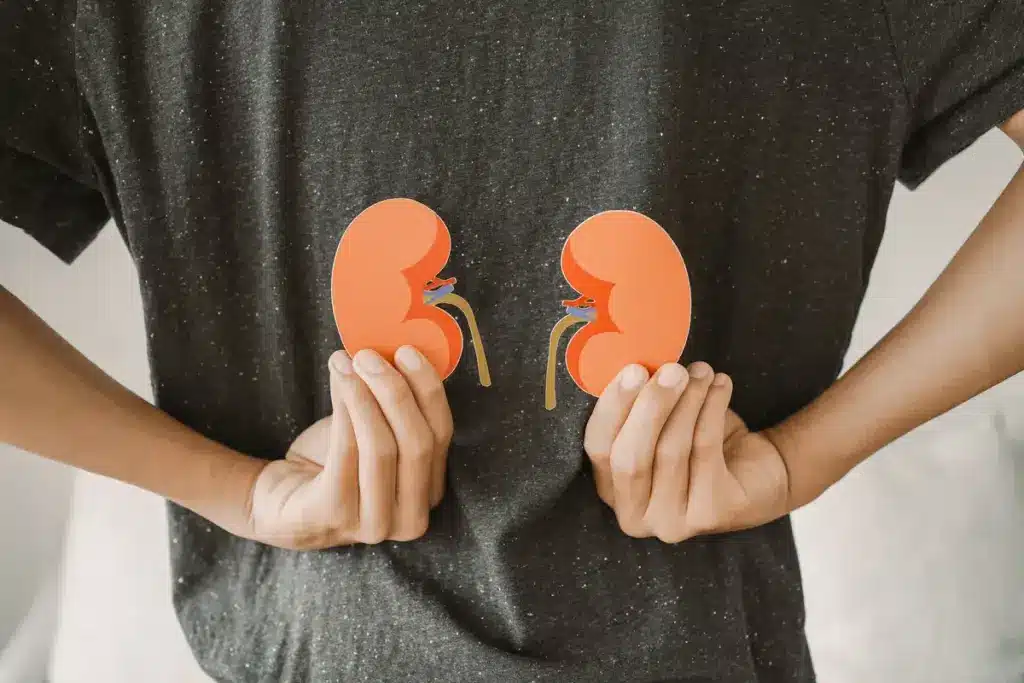
When it comes to kidney disease in children, early detection is key. We will look at the common signs and symptoms. This will help parents and caregivers spot kidney issues early.
It’s important to recognize these signs to manage and treat the disease effectively. Our aim is to shed light on the initial indicators of kidney disease in kids.
Key Takeaways
- Kidney disease can affect children of all ages.
- Early detection is vital for effective management.
- Common signs include changes in urination and swelling.
- Other symptoms may involve fatigue and abdominal pain.
- Recognizing these signs early can improve treatment outcomes.
- Parents and caregivers play a vital role in identifying possible kidney issues.
Understanding Pediatric Kidney Disease

It’s key to understand pediatric kidney disease early for better treatment. This can greatly improve a child’s quality of life. Kidney diseases in kids can affect their health and growth a lot.
Definition and Importance
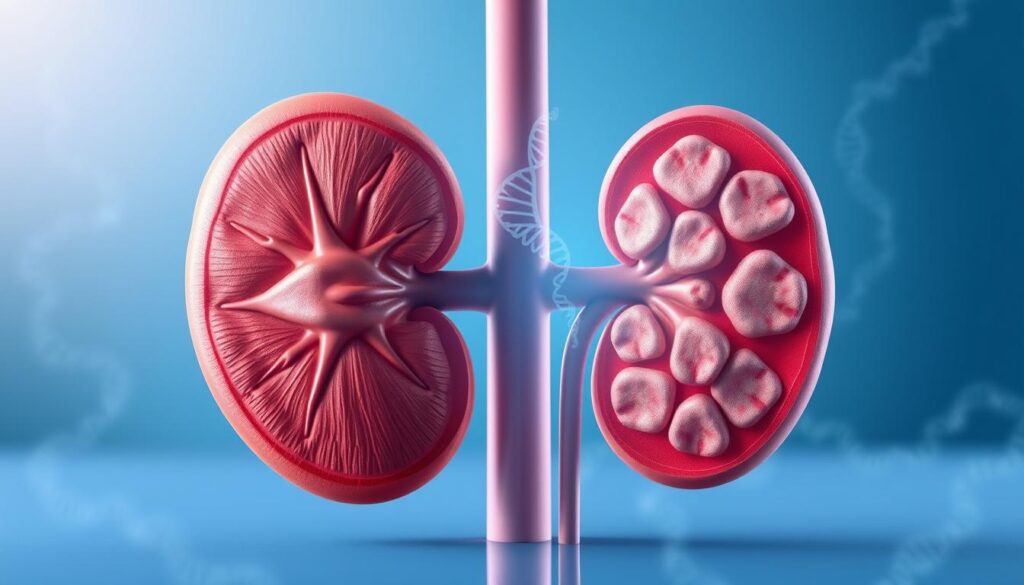
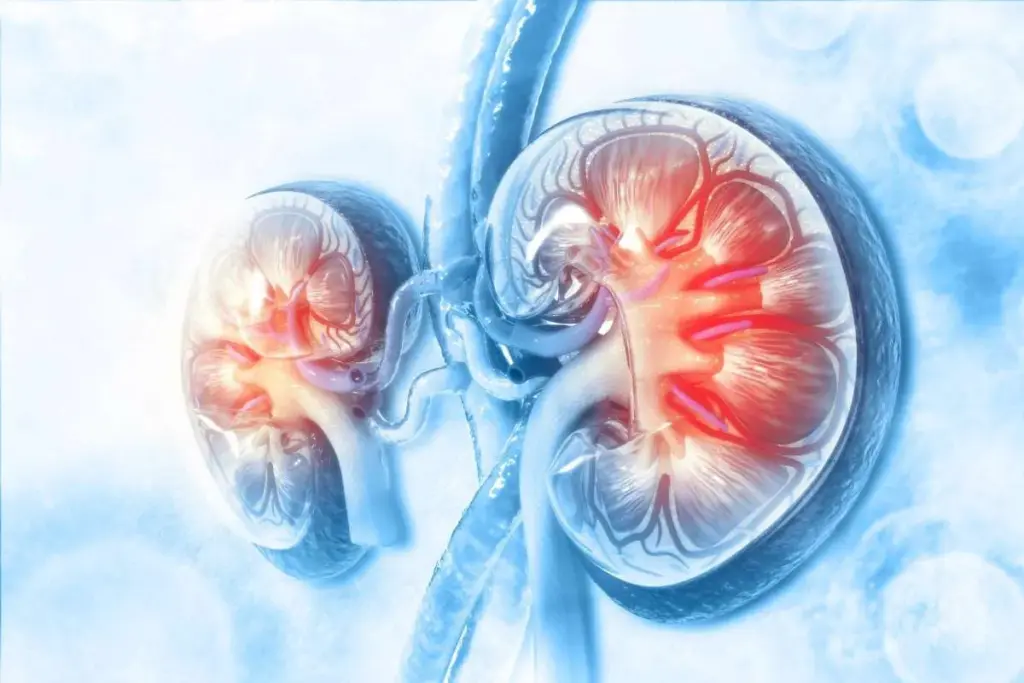
Pediatric kidney disease means any kidney issue in children. These issues can be short-term or long-lasting, harming kidney function. The kidneys are vital for removing waste, controlling blood pressure, and balancing electrolytes.
Studies have found over 50 genetic links to kidney function. This shows how complex kidney disease is. Knowing the genetic side helps in creating better treatments.
Why Early Detection Matters
Finding kidney disease early is vital to avoid lasting harm. Early detection lets doctors start treatments sooner. This can slow disease growth, manage symptoms, and lower complication risks.
Early detection offers many benefits:
- Improved treatment results
- Less chance of serious problems
- Better symptom control
- Higher quality of life
Common Symptoms to Watch For
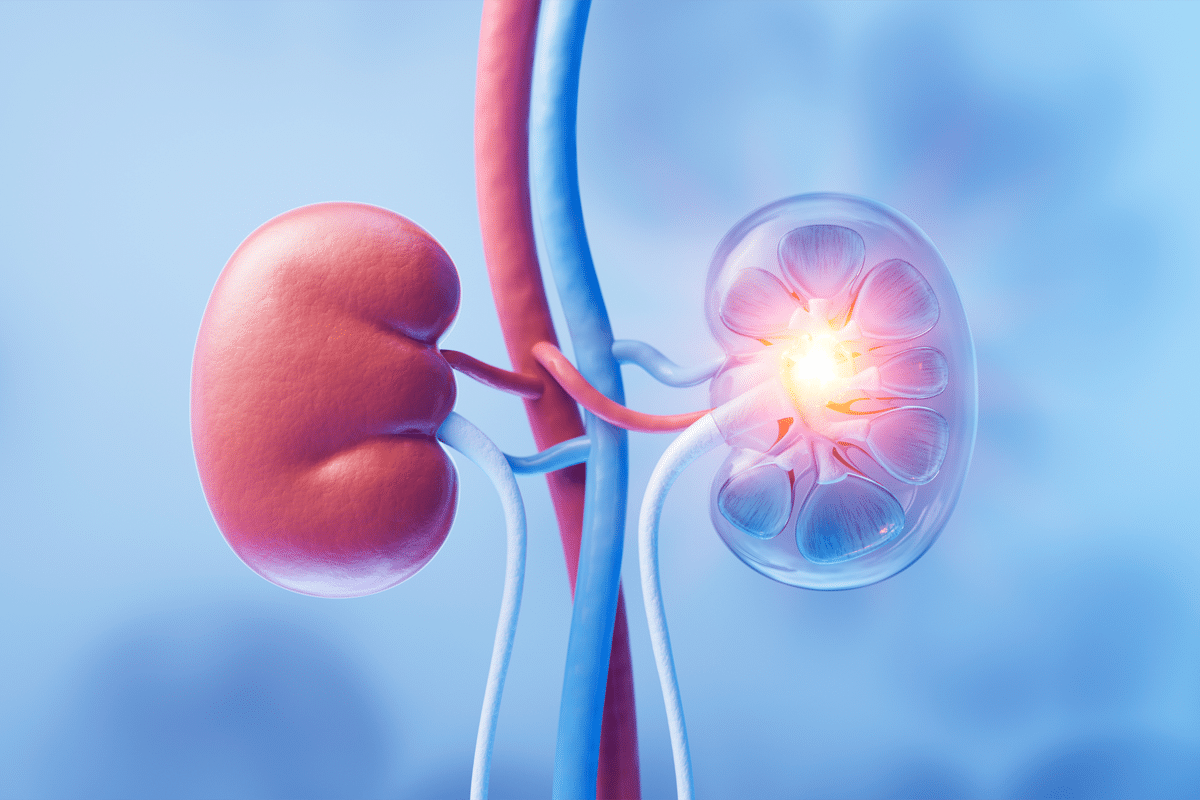
Kidney disease in children can be hard to spot. It’s key to keep an eye on their health. We’ll talk about the signs parents and caregivers should watch for. This way, they can get help quickly.
Fatigue and Weakness
Fatigue and weakness are signs of kidney disease in kids. Kidney disease can cause anemia, which means not enough red blood cells. This can make kids feel tired, look pale, or have trouble focusing at school.
Swelling or Edema
Swelling or edema can point to kidney problems. Kidney disease can make the body hold onto too much fluid. This can cause swelling in the face, legs, or belly. It can also make kids feel heavy because of the extra fluid.
Changes in Urine Output
Changes in how much urine a child makes can be a sign of kidney trouble. Kids with kidney disease might make more or less urine. Their urine might also look foamy or have blood in it. It’s important to watch how much urine they make and what it looks like.
|
Symptom |
Description |
|---|---|
|
Fatigue and Weakness |
Due to anemia caused by kidney disease, leading to lack of energy and pale appearance. |
|
Swelling or Edema |
Fluid retention causes swelling in the face, legs, or abdomen. |
|
Changes in Urine Output |
Increased or decreased urine production, or presence of blood or foam in the urine. |
Specific Early Symptoms in Infants
Infants with kidney disease show unique early signs. It’s important to watch for these symptoms to catch the disease early.
Feeding Difficulties
Feeding troubles are an early sign of kidney disease in babies. They might not want to eat or have trouble because they’re tired or uncomfortable.
Feeding issues can mean many things, but other signs can point to kidney problems. Watching how your baby eats and any changes is key.
|
Feeding Difficulty Symptoms |
Possible Indications |
|---|---|
|
Less interest in feeding |
Fatigue or discomfort related to kidney issues |
|
Trouble feeding |
Potential kidney disease or related complications |
|
Regurgitation or vomiting after feeding |
Possible buildup of toxins due to kidney dysfunction |
Excessive Fussiness
Infants with kidney disease might be more fussy or irritable. This could be because they’re in pain or uncomfortable.
While fussiness is normal, persistent or severe irritability needs checking. It’s important to tell the difference between normal baby behavior and signs of health problems.
Key Points to Watch For:
- Unusual fussiness or irritability
- Changes in feeding patterns or difficulties
- Other signs of discomfort or pain
By watching for these early signs, parents and caregivers can help spot kidney disease in infants. If you see any of these signs, see a doctor right away.
Signs of Kidney Disease in Older Children
It’s important to spot kidney disease signs in older kids early. As they grow, the signs can change, making diagnosis harder. Knowing the signs helps get them the care they need fast.
Growth Delays
Growth issues are a big worry for kids with kidney disease. Kidney problems can mess with growth hormone and bone health. This can cause them to be shorter or experience puberty later. Keeping an eye on growth charts is key to catching any problems early.
High Blood Pressure
High blood pressure is both a cause and effect of kidney disease. In older kids, high blood pressure can signal kidney issues. It’s vital to check blood pressure often. High blood pressure can hurt the kidneys more if not treated.
Other signs of kidney disease in older kids include:
- Changes in appetite or dietary habits
- Fatigue or weakness
- Swelling or edema
These symptoms can be vague, so it’s important to look at them with other signs and medical history in mind.
Knowing the signs of kidney disease in older kids helps us find those at risk. This way, we can get them diagnosed and treated early.
Urinary Symptoms as Indicators
Changes in how your child urinates can mean they have kidney problems. Kidney disease in kids shows up in different ways. Knowing the signs is key to catching it early.
Blood in Urine
Blood in the urine, or hematuria, is a serious sign that needs quick doctor’s care. The ICD-10 codes list different symptoms, including hematuria. It can be caused by many issues, like kidney stones or injuries.
Blood in urine can be tiny or big enough to see. Either kind needs a doctor’s check-up to find out why.
Potential Causes of Hematuria:
- Kidney or urinary tract infections
- Kidney stones or other obstructions
- Trauma to the kidneys or urinary tract
- Glomerulonephritis or other kidney diseases
Foamy Urine
Foamy urine can also mean kidney trouble. It happens when there’s too much protein in the urine, called proteinuria. Healthy kidneys keep proteins out of urine, so seeing foam is a sign of damage.
|
Urinary Symptom |
Possible Indication |
Recommended Action |
|---|---|---|
|
Blood in Urine |
Kidney disease, infection, or trauma |
Seek immediate medical evaluation |
|
Foamy Urine |
Kidney damage or disease |
Consult a healthcare provider for urine analysis |
If your child has blood or foamy urine, see a doctor right away. Catching kidney disease early can help a lot.
Gastrointestinal Symptoms
Gastrointestinal problems can signal kidney disease in kids. Children with kidney issues may face various symptoms that affect their health and happiness.
Nausea and Vomiting
Nausea and vomiting are common in kids with kidney disease. These symptoms come from toxins in the blood irritating the stomach. Parents should watch their child’s symptoms closely and get help if they don’t get better.
Nausea and vomiting can cause dehydration, making kidney problems worse. Keeping kids hydrated is key. In serious cases, doctors may need to step in to manage these symptoms.
Loss of Appetite
Loss of appetite is another symptom linked to kidney disease in kids. It can cause nutritional deficiencies and affect growth. A balanced diet is essential for kids with kidney disease. Parents should work with their child’s doctor to create a good nutrition plan.
Loss of appetite can sometimes be helped by changing what and when kids eat. Addressing any underlying issues like nausea or vomiting is also important.
Diagnosing Pediatric Kidney Disease
Diagnosing kidney disease in kids is complex. It involves advanced tests and the skills of pediatric nephrologists. Getting the diagnosis right is key for good treatment.
Medical Tests and Imaging
Many tests and scans are used to find kidney disease in children. These include:
- Urinalysis: Checks urine for blood, protein, or infection signs.
- Blood Tests: Looks at waste levels to see how well the kidneys work.
- Imaging Tests: Ultrasound, CT scans, or MRI scans show the kidneys and urinary tract.
- Kidney Biopsy: Takes a kidney tissue sample for study.
These tools help doctors find the cause of kidney disease. They also decide the best treatment.
Importance of Pediatric Nephrologists
Pediatric nephrologists are essential in treating kidney disease in kids. They have the training and experience to:
- Understand test results well.
- Make treatment plans that fit each child.
- Keep up with the child’s care and check-ups.
With the help of pediatric nephrologists, families can get the best care for their child’s kidney disease.
Risk Factors for Kidney Disease in Children
Knowing the risk factors for kidney disease in kids helps prevent and treat it. We’ll look at the main factors that lead to kidney disease in children.
Genetic Conditions
Genetic conditions are a big part of kidney disease in kids. Some genetic disorders can harm kidney function and raise the risk of disease.
Genetic conditions that can cause kidney disease include:
- Polycystic Kidney Disease (PKD)
- Alport Syndrome
- Focal Segmental Glomerulosclerosis (FSGS)
Studies have found genetic links to kidney disease. This shows how important genetics are.
“The identification of genetic variants associated with kidney disease has significant implications for the diagnosis and treatment of kidney disease in children.”
Environmental Factors
Environmental factors also play a role in kidney disease in kids. Exposure to certain toxins and conditions can harm kidney health.
|
Environmental Factor |
Impact on Kidney Health |
|---|---|
|
Exposure to heavy metals (e.g., lead, mercury) |
Can damage kidney cells and reduce function |
|
Certain infections and illnesses |
Can increase the risk of kidney disease |
|
Lifestyle factors (e.g., diet, hydration) |
Can affect kidney health and function |
Understanding these risk factors is key to preventing and catching kidney disease early in kids.
When to Seek Medical Attention
It’s important to know the signs of kidney disease in kids. Look out for symptoms like constant tiredness, swelling, changes in how much urine they make, or high blood pressure. If you see these signs, it’s time to get medical help.
Urgent Care Situations
Some symptoms need quick action. Look out for severe swelling, blood in the urine, or trouble peeing. If your child has severe pain or signs of infection, get urgent care right away.
Importance of Regular Check-ups
Regular health checks are key to catching kidney disease early. Doctors use ICD-10 codes to diagnose and treat many health issues, including kidney disease. Regular visits to the doctor help spot problems early, making treatment more effective.
Being proactive about your child’s health is very important. Knowing when to get medical help and keeping up with regular check-ups can make a big difference. It helps ensure your child gets the care they need.
FAQ
What are the common signs and symptoms of kidney disease in children?
Signs include fatigue and swelling. You might also see changes in urine output and blood in it. Foamy urine, nausea, and vomiting are other signs.Loss of appetite and growth delays are seen in older kids. Infants might have feeding issues and be very fussy.
How is pediatric kidney disease diagnosed?
Doctors use tests like ultrasound and blood tests to find kidney disease in kids. A pediatric nephrologist is key in diagnosing and managing it.
What are the risk factors for kidney disease in children?
Genetic conditions like polycystic kidney disease are risks. So are environmental factors. Knowing these helps spot kids at risk.
Can kidney disease in children be treated?
Yes, it can be treated. Early action can prevent damage. Treatment plans include medicine and lifestyle changes, made with a pediatric nephrologist.
What are the early symptoms of kidney disease in infants?
Infants might have trouble feeding and be very fussy. These signs could mean kidney problems and need a doctor’s check.
How can parents and caregivers identify potentially kidney problems in children?
Watch for changes in behavior, appetite, and physical signs like swelling. Regular doctor visits can catch issues early.
Are there any genetic factors that contribute to kidney disease in children?
Yes, genetic conditions like polycystic kidney disease raise the risk. These can lead to kidney disease in kids.
What should I do if I suspect my child has kidney disease?
If you think your child has kidney disease, see a doctor. They’ll check symptoms and do tests to find out what’s wrong.
How often should children with a family history of kidney disease be checked?
Kids with a family history need regular doctor visits. How often depends on their risk factors and medical history.
Can lifestyle changes help manage kidney disease in children?
Yes, healthy habits can help manage kidney disease. A good diet, exercise, and avoiding harmful meds can slow disease and improve health.
References
JAMA Network. Evidence-Based Medical Insight. Retrieved from https://jamanetwork.com/journals/jama/fullarticle/2749045