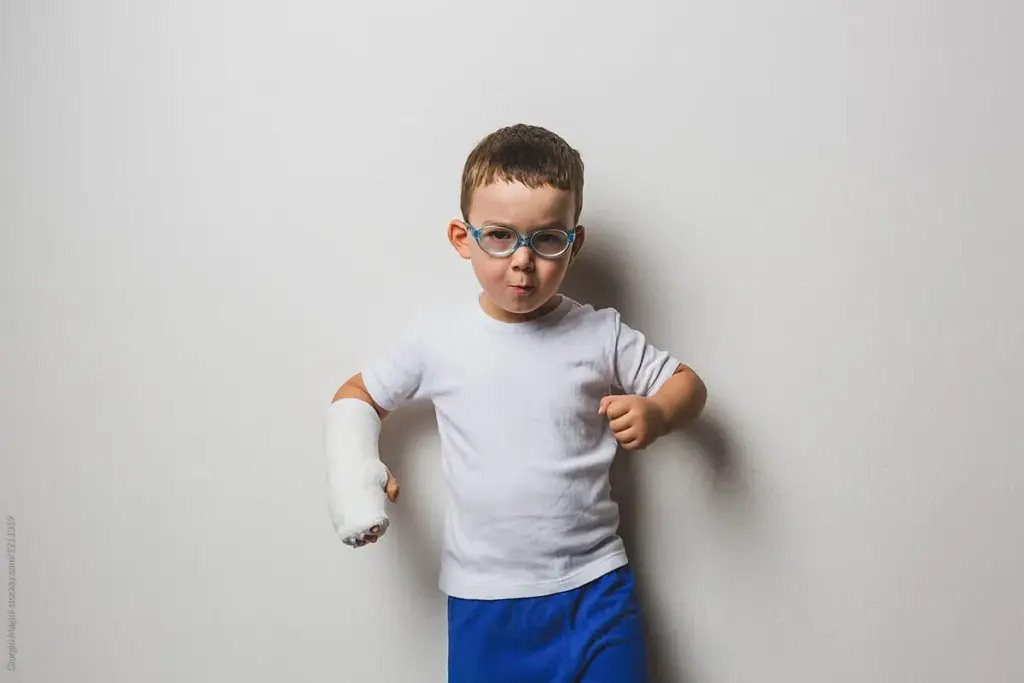
Did you know that musculoskeletal conditions affect millions of children worldwide? These issues can really impact their quality of life and how well they can move. We know how important it is to have the right medical care for these problems.
A pediatric orthopedic doctor, or pediatric orthopedist, is a specialist for kids. They deal with musculoskeletal issues like birth defects, injuries, and growth problems. These doctors are key in helping kids move better and live more active lives.
Key Takeaways
- A pediatric orthopedic doctor specializes in treating musculoskeletal conditions in children.
- These conditions can include congenital deformities, injuries, and growth disorders.
- Pediatric orthopedists provide complete care to help children regain mobility.
- Early treatment is very important for effective care.
- Pediatric orthopedic care is vital for a child’s health and happiness.
Understanding Pediatric Orthopedic Specialists
Knowing about pediatric orthopedic specialists is key for parents. These doctors focus on treating bone and joint issues in kids. They handle everything from birth defects to injuries from sports.
Official Terminology and Titles
The term “pediatric orthopedic specialist” means a doctor who specializes in kids’ bone and joint problems. The word “orthopedic” comes from Greek words for “straight” and “child.” So, orthopedics definition is about fixing or preventing these issues in young patients.
These specialists are also called pediatric orthopedic surgeons. But, not all of them do surgery. Some use non-surgical methods instead.
Difference Between Various Titles Used
The names used in pediatric orthopedics can be confusing. A pediatric orthopedic specialist and a pediatric orthopedic surgeon are often the same. But, not all specialists are surgeons. Some might focus on diagnosis and treatments that don’t involve surgery.
You might also see “pediatric orthopedist.” This term is almost the same as pediatric orthopedic specialist. The main difference is in the words used, but both refer to a doctor for kids’ bone and joint health.
It’s important for parents to understand these differences. This helps them find the right doctor for their child’s needs.
The Role of a Pediatric Orthopedic Surgeon
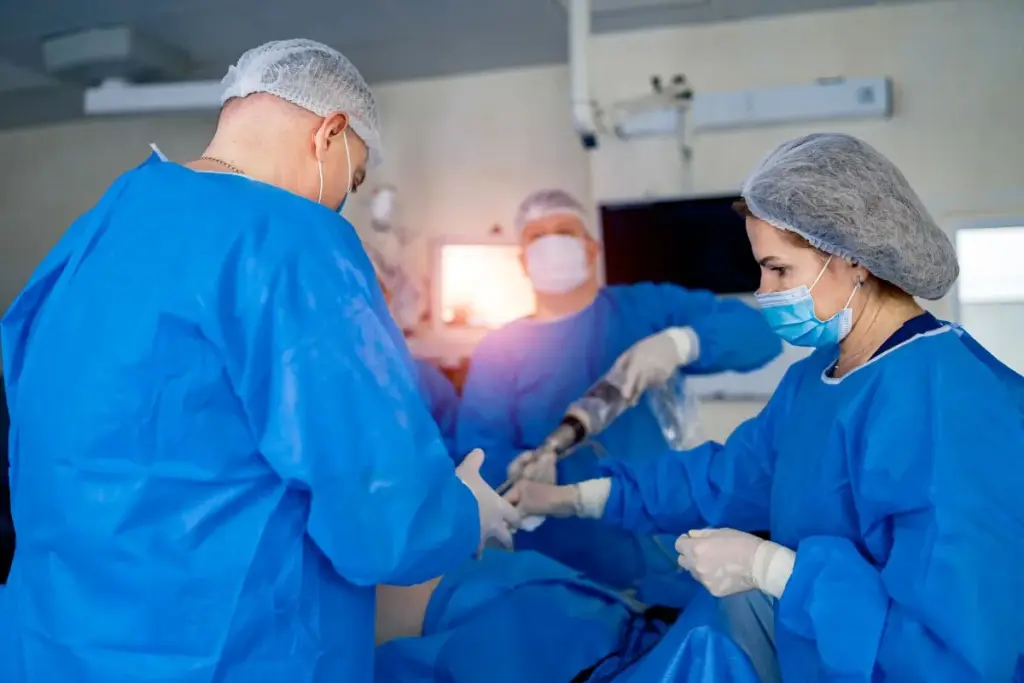
Pediatric orthopedic surgeons are key in treating musculoskeletal disorders in kids. They have the skills needed to handle the special challenges of growing bones and muscles in children.
Primary Responsibilities
These surgeons diagnose and treat many musculoskeletal conditions in kids. Their main tasks include:
- Conducting thorough examinations and diagnoses
- Developing treatment plans tailored to each child’s needs
- Performing surgical procedures when necessary
- Monitoring patient progress and adjusting treatment plans as needed
Scope of Practice
The work of pediatric orthopedic surgeons covers a wide range. They deal with congenital disorders, growth-related issues, and sports injuries. They work with other healthcare teams to provide full care.
|
Condition |
Description |
Typical Treatment |
|---|---|---|
|
Congenital Clubfoot |
A condition where a child’s foot is twisted out of shape |
Serial casting, bracing, or surgery |
|
Scoliosis |
Abnormal curvature of the spine |
Bracing, physical therapy, or surgery |
|
Fractures |
Broken bones |
Casting, splinting, or surgery |
How They Differ from General Orthopedists
Pediatric orthopedic surgeons get extra training for kids’ musculoskeletal care. This training helps them understand and treat children’s growing bones and joints better than general orthopedists.
Education and Training Requirements
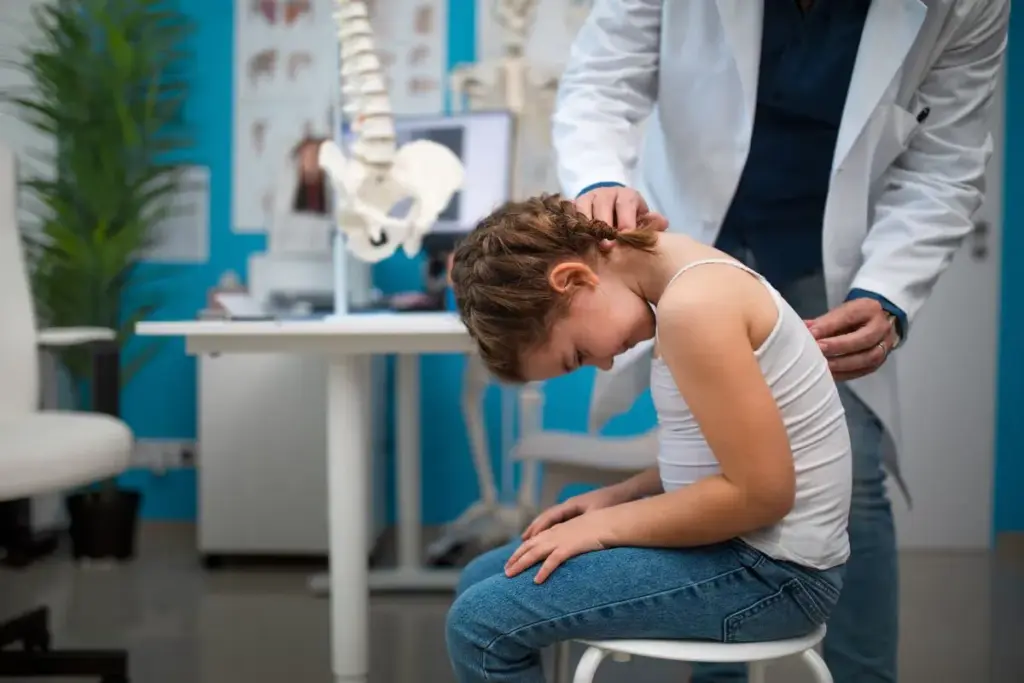
To become a pediatric orthopedic specialist, one must go through a detailed program. This includes study and clinical training. The path is long and challenging, with many stages of education and training.
Medical School and Residency
The journey starts with medical school. Here, future specialists earn a Doctor of Medicine (M.D.) or Doctor of Osteopathic Medicine (D.O.) degree. This takes four years after a bachelor’s degree.
After medical school, they enter a residency in orthopedic surgery. This lasts five to six years. They learn to diagnose and treat many orthopedic conditions by doing hands-on work.
Fellowship Training in Pediatric Orthopedics
After residency, they pursue fellowship training in pediatric orthopedics. This specialized training lasts one to two years. It focuses on children’s musculoskeletal health.
Fellowship programs give deep experience in treating complex conditions in children.
Board Certification Process
To become board-certified in orthopedic surgery, specialists must pass a tough exam .This shows their expertise and dedication to quality care.
Continuing Education Requirements
The field of pediatric orthopedics keeps changing with new methods and treatments. Specialists must take ongoing continuing education courses. This keeps them updated with the latest in their field.
It helps them give the best care to their patients.
Specializations Within Pediatric Orthopedics
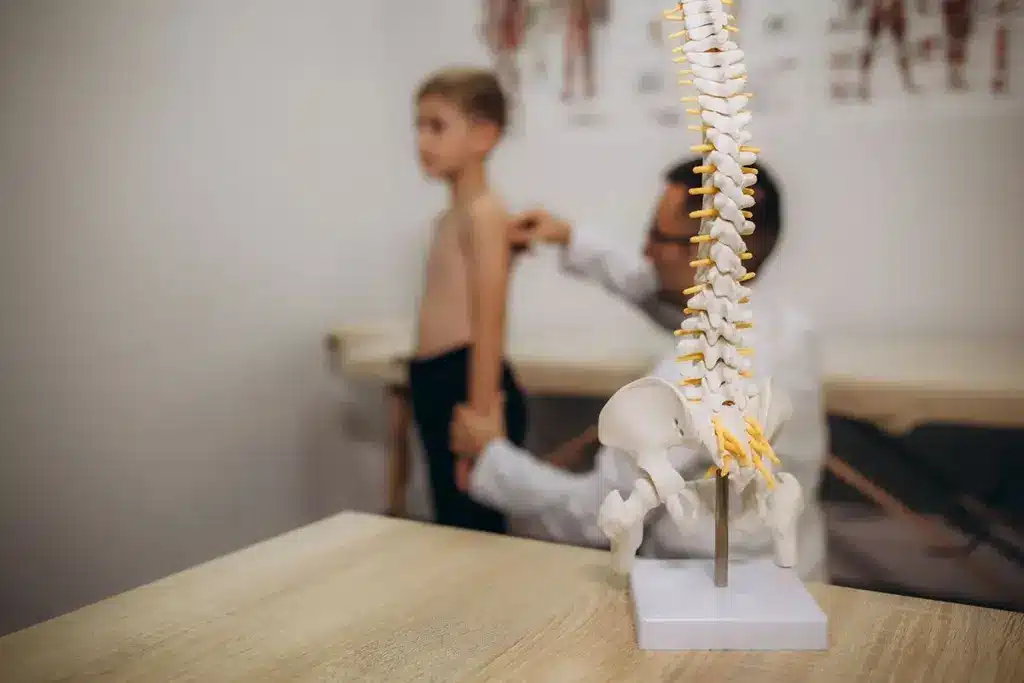
Pediatric orthopedics has many specializations for kids. These areas focus on specific needs, helping treat conditions better.
Pediatric Sports Medicine
Pediatric sports medicine deals with sports injuries in kids. They handle acute and chronic injuries in young athletes.
These experts work with coaches and other healthcare teams. They aim to give young athletes the best care.
Pediatric Spine Specialists
Pediatric spine specialists treat spine issues in kids, like scoliosis. They use bracing and surgery to fix spinal problems.
Limb Deformity Experts
Limb deformity experts treat limb shape and function issues in kids. This includes congenital and growth-related problems.
They use surgery and external fixators to fix limbs. This improves function and looks.
Neuromuscular Disorder Specialists
Neuromuscular disorder specialists treat muscle and nerve issues in kids. This includes cerebral palsy and muscular dystrophy.
They work with a team for full care. This includes orthopedic treatments and physical therapy.
Here’s a summary of these specializations and their areas of focus:
|
Specialization |
Primary Focus |
Common Conditions Treated |
|---|---|---|
|
Pediatric Sports Medicine |
Sports-related injuries |
Acute injuries, overuse injuries |
|
Pediatric Spine Specialists |
Spinal deformities |
Scoliosis, kyphosis |
|
Limb Deformity Experts |
Limb malformations |
Congenital deformities, growth-related issues |
|
Neuromuscular Disorder Specialists |
Muscle and nerve conditions |
Cerebral palsy, muscular dystrophy |
Common Conditions Treated by Pediatric Orthopedic Doctors
Pediatric orthopedic specialists help kids with many bone, joint, and muscle issues. These can be from birth or from injuries during sports or play.
Congenital Conditions
Certain conditions are present at birth and affect the musculoskeletal system. Examples include clubfoot, developmental dysplasia of the hip (DDH), and limb abnormalities. Early diagnosis and treatment are key for proper development and function.
We use different treatments like bracing, casting, and surgery to fix these issues. For example, clubfoot is often treated with the Ponseti method, which uses casts and braces.
Growth-Related Issues
As kids grow, they may face musculoskeletal issues. Conditions like scoliosis, knock knees, and bowlegs are common. Monitoring growth patterns helps spot issues early.
We use bracing for scoliosis and orthotics for knock knees or bowlegs. Sometimes, surgery is needed to correct big deformities.
Sports Injuries in Children
Sports injuries are common in kids due to more sports participation. Injuries can be from overuse, like Osgood-Schlatter disease, or from sudden injuries like fractures or sprains. Proper diagnosis and treatment are key to avoid long-term damage.
We treat injuries with physical therapy, bracing, and sometimes surgery. Teaching injury prevention and proper training is also important.
Fractures and Trauma
Fractures and other injuries are a big concern in pediatric orthopedics. Children’s bones are growing, and fractures can affect growth plates. Accurate diagnosis using X-rays is critical.
We treat fractures with casting, splinting, or surgery, based on the injury’s severity and location. Follow-up care is important to ensure healing and to watch for growth issues.
|
Condition |
Common Treatments |
|---|---|
|
Congenital Clubfoot |
Ponseti method, casting, bracing |
|
Scoliosis |
Bracing, surgery |
|
Sports Injuries |
Physical therapy, bracing, surgery |
|
Fractures |
Casting, splinting, surgery |
Diagnostic Approaches in Pediatric Orthopedics
Understanding children’s musculoskeletal development is key to effective diagnosis in pediatric orthopedics. Diagnosing musculoskeletal conditions in children is complex. It involves clinical evaluation, imaging studies, and growth assessment.
Physical Examination Techniques
A thorough physical examination is essential in pediatric orthopedics. We assess muscle strength, joint mobility, and musculoskeletal function. Techniques include observing gait, testing range of motion, and palpation to find tenderness or deformity.
For example, in suspected clubfoot or congenital deformities, a detailed physical examination is vital. It helps understand the condition’s severity and guides further steps.
Imaging Studies for Children
Imaging studies are critical for confirming diagnoses and treatment planning. We use X-rays, ultrasound, CT scans, and MRI, based on the condition and the child’s age and size.
X-rays are often used to check bone alignment and detect fractures. MRI is best for soft tissue injuries and complex joint conditions.
Growth Assessment Methods
Assessing growth patterns is vital in pediatric orthopedics. Many conditions are related to abnormal growth or development. We evaluate growth through limb length measurements, bone age X-rays, and developmental milestones.
Understanding a child’s growth helps predict conditions and plan interventions.
|
Diagnostic Approach |
Description |
Common Applications |
|---|---|---|
|
Physical Examination |
Assessment of muscle strength, joint mobility, and musculoskeletal function |
Congenital deformities, gait abnormalities, joint pain |
|
Imaging Studies |
Use of X-rays, ultrasound, CT scans, and MRI to visualize bones and soft tissues |
Fractures, soft tissue injuries, complex joint conditions |
|
Growth Assessment |
Evaluation of growth patterns through limb length measurements and bone age X-rays |
Growth-related disorders, limb length discrepancies |
By combining these diagnostic approaches, we can accurately diagnose and manage pediatric orthopedic conditions. This improves outcomes and quality of life for our young patients.
Treatment Methodologies in Pediatric Orthopedic Care
Pediatric orthopedic specialists use many treatment strategies for different conditions. They tailor each treatment to the child’s age, condition, and health.
Non-Surgical Interventions
Many pediatric orthopedic conditions start with non-surgical treatments. These include:
- Bracing and Casting: To correct or stabilize deformities or fractures.
- Physical Therapy: To improve mobility, strength, and function.
- Pain Management: Using medication or other methods to manage pain.
- Observation: Monitoring the condition to determine if it resolves on its own or requires further intervention.
Surgical Approaches for Children
When non-surgical treatments don’t work, surgery might be needed. Pediatric orthopedic surgery is getting better, being less invasive and more effective.
- Osteotomies: Cutting and realigning bones to correct deformities.
- Tendon Releases: Relieving tension in tendons to improve mobility.
- Spinal Fusion: Stabilizing the spine in cases of severe curvature or instability.
Rehabilitation Strategies
Rehabilitation is key in pediatric orthopedic care. It helps children regain strength, mobility, and function after illness or surgery.
|
Rehabilitation Method |
Description |
Benefits |
|---|---|---|
|
Physical Therapy |
Exercises and stretches to improve mobility and strength. |
Enhances recovery, improves function. |
|
Occupational Therapy |
Activities to improve daily functioning and independence. |
Promotes independence, improves quality of life. |
|
Orthotics and Prosthetics |
Devices to support or replace limbs. |
Improves mobility, supports healing. |
Long-Term Management Plans
Many pediatric orthopedic conditions need ongoing care for the best results. This includes regular check-ups, therapy, and adjusting treatment plans as the child grows.
By using a detailed and personalized approach, pediatric orthopedic specialists can greatly improve children’s lives with orthopedic conditions.
When to Consult a Pediatric Orthopedic Specialist
It’s important to know when to see a pediatric orthopedic specialist. As a parent, knowing the warning signs helps your child get the right care on time. This ensures they get the best treatment possible.
Warning Signs and Symptoms
There are several signs that might mean your child needs to see a specialist. These include:
- Limping or trouble walking
- Persistent pain in bones, joints, or muscles
- Deformities or odd shapes in limbs
- Swelling or redness around joints or bones
- Loss of function or reduced mobility in a limb
Found early treatment is key. “Early intervention is key to preventing long-term disability and ensuring proper growth and development.”
|
Signs and Symptoms |
Possible Indications |
|---|---|
|
Limping or difficulty walking |
Hip dysplasia, fractures, or neurological conditions |
|
Joint pain or swelling |
Juvenile idiopathic arthritis, infections, or injuries |
|
Deformities or abnormalities |
Congenital conditions, growth disorders, or trauma |
Referral Process from Primary Care
The first step is usually a visit to your child’s primary care doctor. If they think your child needs specialized care, they’ll send you to a pediatric orthopedic specialist. A thorough initial assessment is key to figuring out if specialized care is needed.
When getting a referral, remember to:
- Bring all medical records and test results
- Make a list of questions and concerns for the specialist
- Learn about the specialist’s treatment approach and what to expect
“A good pediatric orthopedic specialist will not only treat the condition but also support the child’s overall development and well-being.”
Emergency Situations
Some situations need immediate help. If your child has any of these, go to the emergency room right away:
- Severe pain or swelling after a fall or injury
- Deformity or inability to move a limb
- Fever with joint pain or swelling
- Signs of infection, such as redness, warmth, or pus around a wound or joint
In conclusion, knowing the warning signs, understanding the referral process, and knowing when to go to the emergency room are all important. They help ensure your child gets the right care from a pediatric orthopedic specialist when they need it.
Finding the Right Pediatric Orthopedic Doctor
Finding the right pediatric orthopedic specialist can seem hard. But, with the right help, it’s easier. When your child needs orthopedic care, look for a doctor who knows what they need.
Researching Credentials and Experience
Start by looking into the doctor’s credentials and experience. Board certification in pediatric orthopedics is key. Check with to verify this.
Also, think about their experience with conditions like your child’s. Years of practice and many cases handled show their skill.
- Look for extra training or certifications in pediatric orthopedics.
- Check their professional history for any disciplinary actions.
- Ask about their experience with your child’s specific condition.
Hospital Affiliations
The hospital where the doctor works is very important. Reputable hospitals have better facilities and teams for care.
When looking at hospital affiliations, consider:
- The hospital’s accreditation status.
- If they have services and equipment for kids.
- How close it is to your home for emergencies or visits.
Patient Reviews and Recommendations
Patient reviews give insights into a doctor’s style and care. Look at reviews on different sites for a full picture.
Also, ask for recommendations from:
- Your child’s primary care doctor.
- Family and friends with similar experiences.
- Support groups for your child’s condition.
Questions to Ask During Consultation
After narrowing your choices, prepare questions for the first visit. This is your chance to see how the doctor communicates and listens to your concerns.
Some important questions to ask:
- What treatment options do you suggest for my child?
- How will we track my child’s progress and change the plan if needed?
- How do you involve parents in making decisions?
By carefully looking into these areas, you can find a pediatric orthopedic doctor who will give your child the best care.
The Pediatric Orthopedic Healthcare Team
When treating children’s orthopedic conditions, a team is key. This team works together to give the best care for kids. They meet each child’s needs for the best results.
Nurses and Physician Assistants
Nurses and physician assistants are vital. They help families and guide treatment. Nurses focus on kids with orthopedic issues, watching their progress and giving treatments.
Physician assistants help under the surgeon’s watch. They do exams, diagnose, and plan treatments. Their skills are essential for full care.
Physical and Occupational Therapists
Physical and occupational therapists are key. Physical therapists help kids regain strength and function after injuries. Occupational therapists help kids do daily tasks and adapt to their world.
Orthotists and Prosthetists
Orthotists and prosthetists make devices for support or replacement. Orthotists create braces and splints for orthopedic issues. Prosthetists make limbs for kids who have lost theirs. They work with the team to ensure devices fit well and work right.
Child Life Specialists
Child life specialists focus on kids’ emotional and mental health. They use play and support to help kids deal with medical stress. By preparing kids, they help reduce anxiety and make the experience better.
What to Expect During a Pediatric Orthopedic Visit
Knowing what happens at a pediatric orthopedic visit can make you feel less worried. We’ll walk you through what happens, from the first meeting to follow-up visits. We’ll also share tips on how to get your child ready for these appointments.
Initial Consultation Process
The first visit is a detailed check of your child’s bones and muscles. When you arrive, you’ll fill out forms about your child’s health. It’s a good idea to bring any medical records or lists of medicines your child takes.
The specialist will then do a full check. They might watch how your child moves and check for any problems. They might also do tests to see how the bones, joints, and muscles are doing.
Key parts of the first visit include:
- Looking over your child’s health history
- A physical check
- Talking about symptoms and worries
- Maybe doing tests like X-rays or MRI
Follow-up Appointments
Follow-up visits are important to see how your child’s treatment is going. How often you’ll need to come back depends on your child’s condition and the treatment plan.
At these visits, the specialist will check how your child is doing. They might change the treatment plan if needed. They’ll also answer any questions you or your child have.
|
Appointment Type |
Purpose |
Typical Frequency |
|---|---|---|
|
Initial Consultation |
Comprehensive assessment and diagnosis |
Once |
|
Follow-up |
Monitor progress and adjust treatment |
Varies (e.g., every 4-6 weeks) |
|
Post-surgical Follow-up |
Monitor healing and remove casts or sutures |
As needed based on surgical recovery |
Preparing Your Child for Visits
Getting your child ready for a pediatric orthopedic visit can help them feel less scared. It’s a good idea to explain what will happen in a way they can understand.
For little kids, use simple and calm words. For older kids, tell them more about the visit and what to expect. This can help them feel more in charge.
Here are some tips to prepare your child:
- Explain why they’re going
- Tell them what will happen during the exam
- Let them know it’s okay to feel a little scared
- Bring something they like to the appointment
By knowing what to expect at a pediatric orthopedic visit, you can support your child better. Whether it’s the first time or a follow-up, being ready can really help your child’s experience.
Advancements in Pediatric Orthopedic Treatment
The field of pediatric orthopedics has seen big changes in recent years. These changes have made treating musculoskeletal conditions in kids better. They have also made the experience of getting treatment more positive.
Minimally Invasive Techniques
One big change is the use of minimally invasive techniques. These methods use smaller cuts, cause less damage, and have shorter recovery times. This is great for kids because it makes them heal faster and reduces risks.
These techniques are used for many things, like fixing fractures and some soft tissue surgeries. Advanced imaging, like fluoroscopy, helps guide these surgeries. This makes them safer and more accurate.
3D Printing Applications
3D printing technology is now used in pediatric orthopedics. It makes custom implants, prosthetics, and models for surgery. This technology lets surgeons plan complex surgeries with more precision.
Custom implants and prosthetics fit each child’s needs better. They also help in planning and teaching about surgeries. This can lower the chance of problems during surgery.
Growth-Friendly Implants
Growth-friendly implants support kids’ growth while treating musculoskeletal issues. They’re great for conditions like scoliosis. Traditional treatments might need many adjustments or surgeries as kids grow.
These implants reduce the need for many surgeries. They’re made to adjust as kids grow. This makes treatment more stable and effective.
Regenerative Medicine Approaches
Regenerative medicine is a new field with big hopes for pediatric orthopedics. It uses the body’s own cells and tissues to fix damaged areas.
Stem cell therapy and platelet-rich plasma (PRP) therapy are being looked at. They might help healing and grow new tissue. These methods are early but could change how we treat some conditions in kids.
Differences Between Adult and Pediatric Orthopedics
Pediatric orthopedics is very challenging because children’s bodies are always changing. It’s key to know the main differences between treating kids and adults.
Anatomical Considerations
Children’s bones, muscles, and joints grow and change a lot. Anatomical considerations are very important for diagnosing and treating kids’ musculoskeletal issues. For example, kids’ bones are more flexible and can change shape, which affects treatment choices.
Growth and Development Factors
Growth and development factors are very important in pediatric orthopedics. Kids’ bodies are not only growing but also developing. So, treatment plans must think about how they might affect future growth.
Treatment Philosophy Differences
The treatment philosophy in pediatric orthopedics is different from adult orthopedics. Adult orthopedics mainly aims to relieve symptoms and improve function. But, pediatric orthopedics must also think about how treatment will affect a child’s growth and development. This means choosing treatments that balance short-term and long-term benefits.
Long-Term Outcome Considerations
Long-term outcome considerations are very important in pediatric orthopedics. Kids have their whole lives ahead of them, so the success of orthopedic treatments is critical. It’s not just about treating the current problem but also preventing future issues and helping the child stay active and healthy.
|
Aspect |
Pediatric Orthopedics |
Adult Orthopedics |
|---|---|---|
|
Anatomical Considerations |
Growing bones, high remodeling capacity |
Fully developed bones, less remodeling capacity |
|
Growth and Development |
Significant impact on treatment plans |
Not applicable |
|
Treatment Philosophy |
Long-term growth and development considerations |
Focus on symptom alleviation and functional restoration |
|
Long-Term Outcomes |
High importance due to patient’s age |
Important but with less long-term impact |
Conclusion: The Vital Role of Pediatric Orthopedic Specialists
Pediatric orthopedic specialists are key in caring for children’s bones and joints. They handle many musculoskeletal issues that kids face. These experts get a lot of training to help kids with different problems.
It’s very important to see a pediatric orthopedic specialist for kids. They know how to handle children’s unique health needs. This ensures kids get the best care and live better lives.
We are dedicated to top-notch healthcare for kids. Pediatric orthopedic specialists are a big part of this. They offer detailed care and new treatments, helping kids and their families a lot.
FAQ
What is a pediatric orthopedic doctor?
A pediatric orthopedic doctor is a specialist for kids’ bones and muscles. They diagnose and treat injuries and conditions in children.
What conditions do pediatric orthopedic doctors treat?
They treat many conditions, like birth defects and growth issues. They also handle sports injuries, fractures, and other bone problems.
What is the difference between a pediatric orthopedic surgeon and a general orthopedist?
Pediatric orthopedic surgeons focus on kids. General orthopedists work with adults and kids.
How do I know if my child needs to see a pediatric orthopedic specialist?
If your child has ongoing pain or trouble moving, see your doctor. They might send you to a specialist.
What can I expect during a pediatric orthopedic visit?
The doctor will check your child’s body and ask about their health. They might take pictures or scans. Then, they’ll plan a treatment just for your child.
What are some common treatments used in pediatric orthopedics?
They use non-surgical methods like braces and therapy.
How do I find a qualified pediatric orthopedic doctor?
Look at their credentials and where they work. Read reviews and ask questions during a visit.
What is the role of other healthcare professionals in pediatric orthopedic care?
Nurses, therapists, and child life specialists help a lot. They support your child’s treatment and recovery.
What advancements have been made in pediatric orthopedic treatment?
New techniques include less invasive surgeries and 3D printing. There are also implants that grow with your child and regenerative medicine.
How does pediatric orthopedics differ from adult orthopedics?
It’s different because kids are growing. Treatment for kids must consider growth and development.
What is pediatric orthopedic surgery?
It’s surgery for kids’ bone and muscle problems. This includes fixing bones and correcting growth issues.
What is the importance of early intervention in pediatric orthopedic care?
Early treatment is key. It prevents damage and helps with growth and development.
Reference
National Center for Biotechnology Information. Evidence-Based Medical Insight. Retrieved from https://www.ncbi.nlm.nih.gov/books/NBK441911/