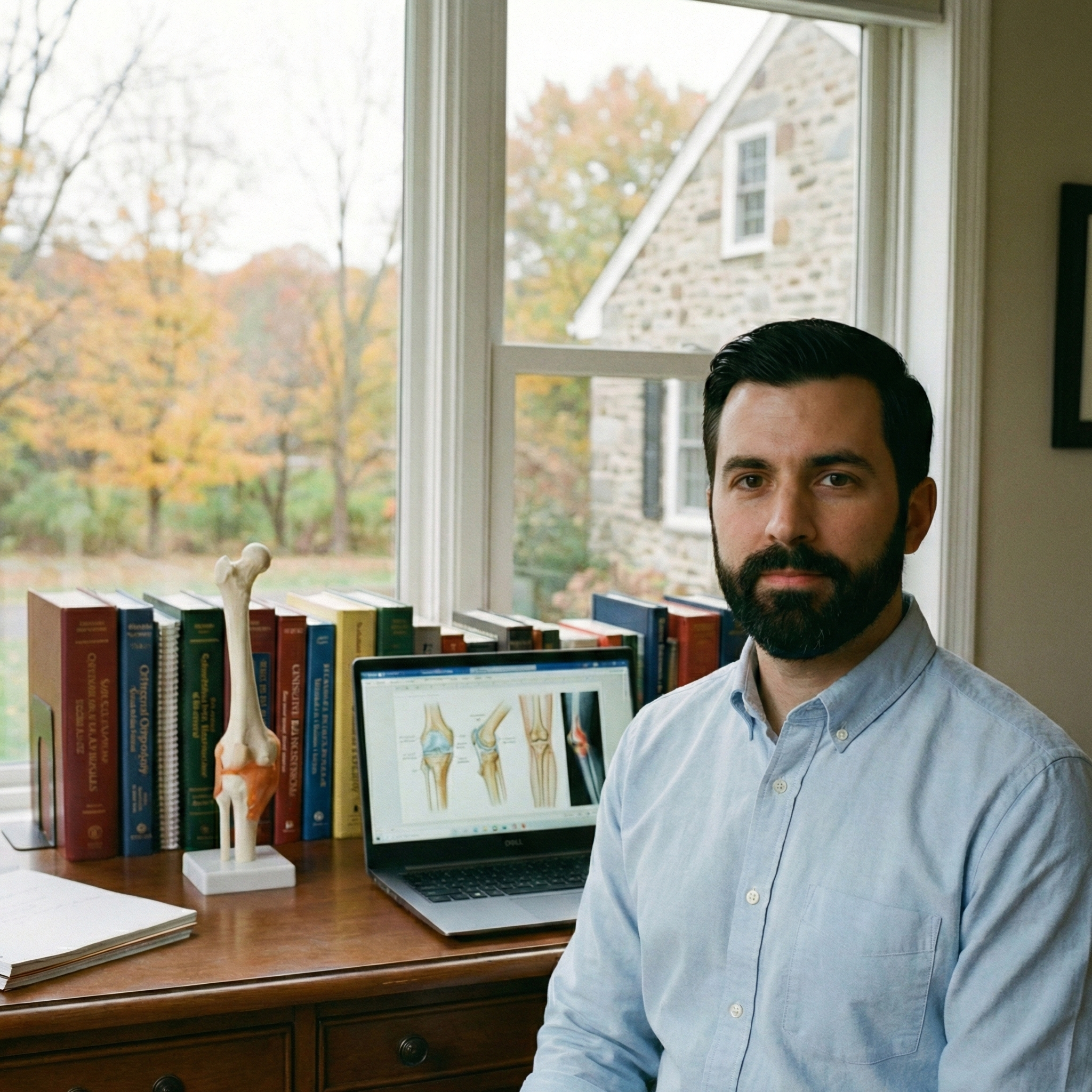
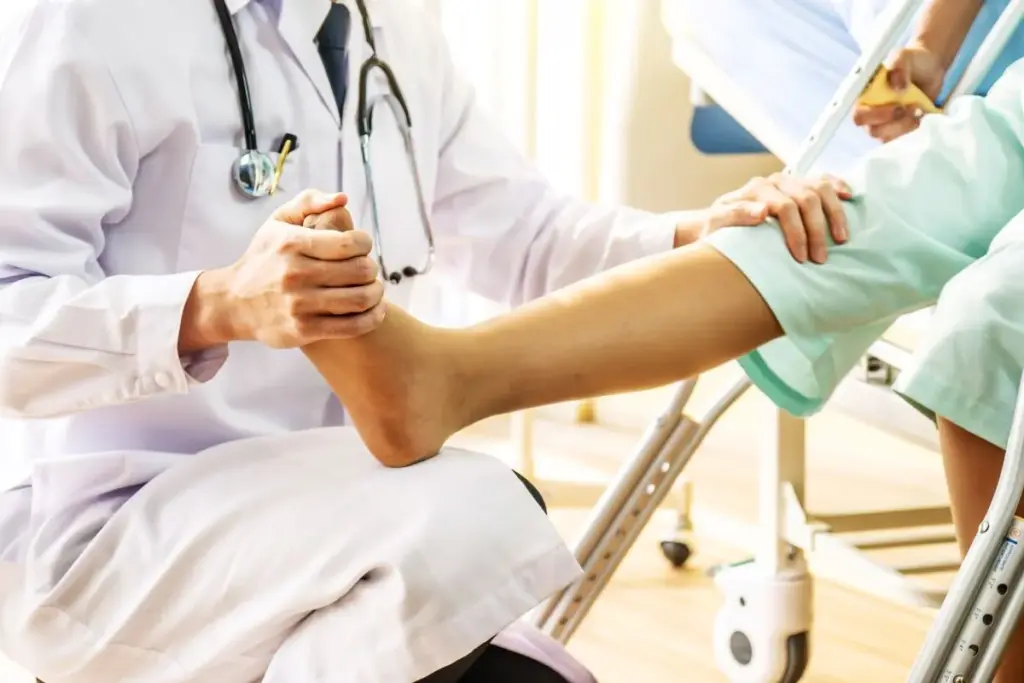
Becoming a pediatric orthopedic doctor is a big challenge. It takes a lot of education and training. This journey is long and hard, but it’s very rewarding.
First, you need to get a bachelor’s degree in a science field. Then, you must go to medical school for four years to get an M.D. or D.O. degree. After that, you have to do a residency in orthopedic surgery for five to six years.
Key Takeaways
- Completing a bachelor’s degree is the first step towards becoming a pediatric orthopedic doctor.
- Four years of medical school are required to earn an M.D. or D.O. degree.
- A residency program in orthopedic surgery typically lasts five to six years.
- Fellowship programs offer additional specialized training.
- The entire educational journey can take over a decade to complete.
The Complete Educational Timeline for Future Doctors
Becoming a pediatric orthopedic doctor is a big commitment. It takes a lot of education and training. This journey has many steps that prepare doctors to care for children’s bones and muscles.
Overview of the Medical Education Journey
The path to becoming a pediatric orthopedic doctor is long. It starts with undergraduate studies, then medical school, residency, and fellowship. Pediatric orthopedics deals with kids’ bone and muscle problems. To be a pediatric orthopedist, one needs many years of training.
First, students take pre-med courses in college. Then, they go to medical school to get an M.D. or D.O. degree. Next, they do a residency in orthopedic surgery. This gives them practical experience in surgery and patient care.
Total Years Required from Start to Practice
It takes a lot of time to become a pediatric orthopedic surgeon. Usually, it’s 11 years after high school. This includes four years of college, four years of medical school, and three years of residency. Some also do fellowship programs, adding one to two more years.
It’s important to know what it takes to be a pediatric orthopedist. The long training makes sure these doctors can give top-notch care to kids.
Undergraduate Preparation: The First Four Years
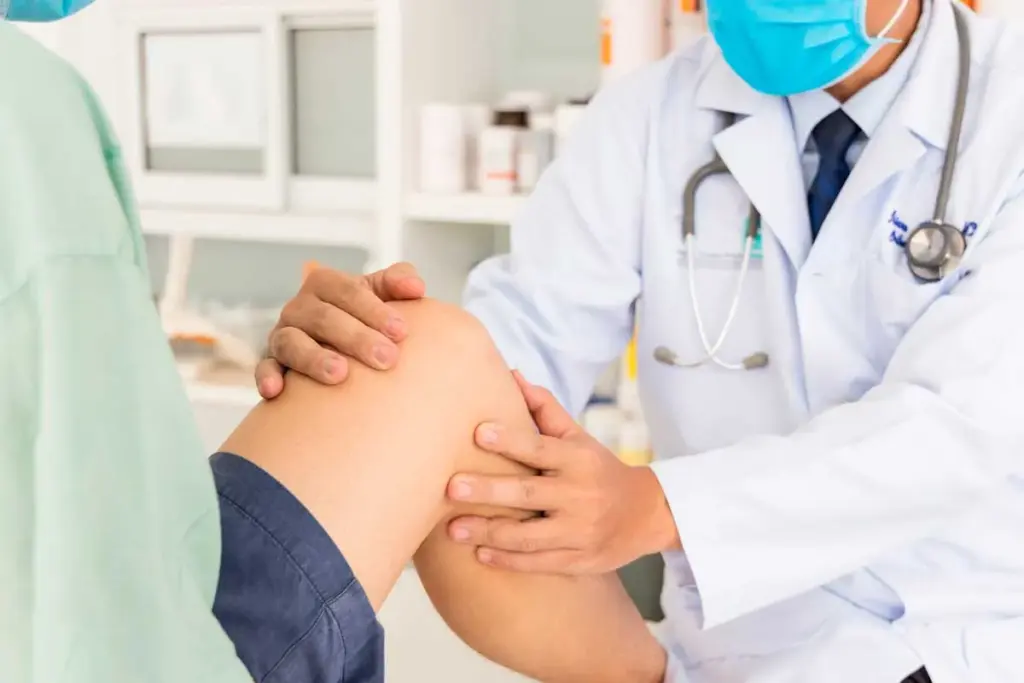
Starting your path to becoming a pediatric orthopedic specialist means laying a solid foundation in college. The early years are key for building a strong application to medical school.
Essential Pre-Medical Coursework
Students aiming for pediatric orthopedic surgery need to focus on key pre-med courses. These include:
- Biology
- Chemistry
- Organic Chemistry
- Physics
- Biochemistry
- Mathematics
These subjects are the building blocks for medical school. Doing well in them shows you can handle medical school’s tough curriculum.
Strategic Major Selection
While any major can lead to medical school, picking one that fits your interests and strengths is smart. Many choose Biology, Chemistry, or Biochemistry because they match pre-med needs. But, choosing a major you love can boost your grades and make your medical school application stand out.
|
Major |
Pre-Med Requirements Overlap |
Average GPA |
|---|---|---|
|
Biology |
High |
3.6 |
|
Chemistry |
High |
3.5 |
|
Biochemistry |
High |
3.7 |
|
Other Majors |
Variable |
Variable |
Extracurricular Activities That Strengthen Medical School Applications
Getting involved in meaningful activities outside class is key for a strong medical school application. Volunteering, research, and leadership roles in health groups show your dedication to healthcare. These experiences prepare you for medical school and a career in pediatric orthopedic surgery.
By focusing on these areas in college, students can set a strong foundation for their future careers as pediatric orthopedic specialists.
Medical School Admission: Navigating a Competitive Process
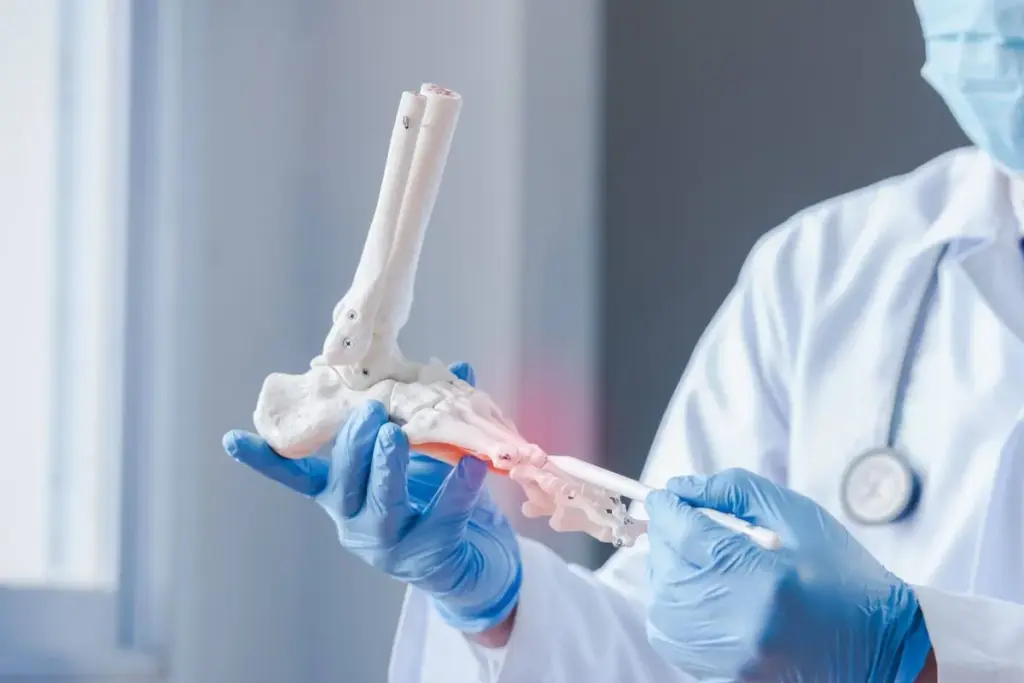
Getting into medical school is tough. Aspiring doctors need a good plan. Knowing how to get through this process is key for success in pediatric orthopedic care.
MCAT Preparation and Target Scores
The Medical College Admission Test (MCAT) is very important. It takes a lot of time and effort to prepare. Aim for a competitive score by improving weak areas and using top study materials.
What score you need varies by school. But, aiming for over 508 is good. Look up the average scores of students who got in at your dream schools to know what to aim for.
Application Components and Timeline
A good application has transcripts, letters of recommendation, and personal statements. Start early to get everything ready on time.
The application process starts in the spring or summer before you start school. It’s important to stay organized and keep track of all deadlines.
Interview Strategies and Success Factors
The medical school interview is a big chance to show what you’re made of. Prepare well by learning about the school, practicing questions, and thinking of questions to ask.
To do well in interviews, show you know a lot about medicine, care for patients, and fit with the school. Show enthusiasm and professionalism to make a good impression.
Medical School Curriculum: The Four-Year Journey
The medical school curriculum prepares students for a career in pediatric orthopedics. It spans four years, divided into two phases: pre-clinical sciences and clinical rotations.
Pre-Clinical Sciences: Building a Strong Foundation
The first two years focus on pre-clinical sciences. Students learn about human anatomy, biochemistry, pharmacology, and physiology. These subjects lay the groundwork for understanding orthopedic conditions in children.
Knowing how children’s bodies develop is key to diagnosing and treating orthopedic issues. An orthopedic surgeon notes, “Understanding a child’s growing bones and joints is essential.”
“Pediatric orthopedics is not just about treating smaller versions of adults; it’s about understanding the unique aspects of growing bones and joints.”
Clinical Rotations: Gaining Practical Experience
The final two years involve clinical rotations. Students get hands-on experience in specialties like orthopedic surgery. These rotations are vital for learning patient care and making clinical decisions.
|
Rotation |
Description |
Relevance to Pediatric Orthopedics |
|---|---|---|
|
Orthopedic Surgery |
Direct involvement in surgical procedures and patient care. |
Essential for understanding surgical techniques and patient management. |
|
Pediatrics |
Care of infants, children, and adolescents. |
Develops understanding of child development and pediatric care principles. |
|
Family Medicine |
Primary care for patients of all ages. |
Provides insight into the role of primary care in referring and managing orthopedic conditions. |
Strategic Electives in Orthopedic Surgery
Students can choose electives during clinical rotations, like orthopedic surgery. These electives provide deeper experience and help build a strong residency application.
For those aiming for pediatric orthopedic care, electives focused on children’s conditions are very helpful. This specialized knowledge is vital for quality care at a children’s orthopedic clinic.
Pursuing Orthopedic Surgery: Decision Points and Preparation
Choosing orthopedic surgery as a career is a big decision. It needs careful thought and preparation. Understanding the key points and preparation needed is essential for success.
When and How to Choose This Specialty
Deciding on orthopedic surgery involves many factors. Early exposure through experiences or mentorship is key. Medical students should take orthopedic-specific rotations to understand the job.
The right time to decide is important. Some students know early, while others decide later. But, strong basic sciences and excellent surgical skills are vital for this career.
Building a Competitive Residency Application
A strong orthopedic surgery residency application needs a few key things. These include:
- Academic Excellence: High grades and good scores on exams.
- Clinical Experience: Experience in orthopedic care or surgery.
- Research and Publications: Research and publishing in journals.
- Letters of Recommendation: Letters from respected orthopedic surgeons.
- Personal Statement: A personal statement that shows your passion and goals.
Research Experience and Mentorship
Research is key for orthopedic surgery careers. It shows your dedication to medical knowledge. Seeking mentorship from experienced surgeons is also important.
By focusing on these areas, aspiring surgeons can prepare for their careers. They will face challenges but also have many opportunities.
Orthopedic Surgery Residency: Five Critical Years
For those wanting to be orthopedic surgeons, the residency is a key time. It mixes learning with doing, preparing them for their future. This period is vital for medical professionals, giving them the skills to succeed.
The Match Process and Success Rates
The residency journey starts with the match process. It’s a tough system that matches applicants with programs. A strong application is key, with a good personal statement, letters of recommendation, and CV.
The competition for orthopedic surgery spots is fierce, with few spots each year. Applicants need to show they know orthopedics well and care about patients.
|
Year |
Number of Applicants |
Number of Positions Available |
Match Rate |
|---|---|---|---|
|
2022 |
850 |
650 |
76% |
|
2021 |
820 |
630 |
77% |
|
2020 |
800 |
620 |
78% |
Residency Structure and Progression
The residency is set up to teach everything, from basics to complex surgeries. Residents learn under experienced surgeons, getting better with time.
“The residency program is designed to challenge residents, pushing them to develop the technical skills and clinical judgment necessary for success in orthopedic surgery.”An Orthopedic Surgeon
Residents see different areas like trauma and sports medicine. This broadens their knowledge and prepares them for real-world challenges.
Surgical Case Requirements and Milestones
Getting enough surgical experience is key. Residents must do a certain number of cases to learn various techniques.
Key milestones include:
- Completing a specified number of surgical cases
- Demonstrating proficiency in complex procedures
- Showing improvement in patient care and outcomes
By the end, surgeons are ready to practice on their own. They know the technical and thinking parts of orthopedic surgery well.
Pediatric Orthopedic Fellowship: Specialized Training
If you’re passionate about treating musculoskeletal disorders in children, a pediatric orthopedic fellowship is for you. It offers advanced training essential for top-notch care. This field is complex, needing a deep understanding of orthopedics and pediatric care.
Why Pediatric Orthopedics Requires Additional Training
Pediatric orthopedics deals with musculoskeletal disorders in children. It needs more training than general orthopedic surgery. This is because children’s bones, muscles, and joints are developing.
Children’s growth and specific conditions require a different approach. Surgeons in this field learn about congenital deformities and developmental dysplasia of the hip. They also master advanced surgical techniques for kids.
Fellowship Application and Selection Process
Applying for a pediatric orthopedic fellowship is competitive. You’ll need to submit your CV, letters of recommendation, and a personal statement. The selection process is tough, with committees looking at your academic achievements and clinical skills.
To shine, show your dedication to pediatric orthopedics through research and clinical experience. Being involved in professional societies helps too.
Leading Pediatric Orthopedic Programs in the United States
The U.S. has top pediatric orthopedic fellowship programs. These are at major children’s hospitals and academic institutions. They offer fellows a wide range of cases and work with leading experts.
These programs are known for their excellence in care and research. They provide a rich learning environment for fellows.
Core Competencies Developed During Fellowship
During a pediatric orthopedic fellowship, surgeons gain key skills. They learn advanced surgical techniques and how to manage complex conditions. They also stay updated with the latest treatments.
Fellows develop strong communication skills for working with children and families. By the end, they’re ready to provide full care to kids with musculoskeletal disorders. This makes a big difference in their patients’ lives.
Board Certification in Orthopedic Surgery
Board certification in orthopedic surgery is the top achievement for surgeons in musculoskeletal health. It shows they are experts and dedicated to top-notch patient care. This is very important in areas like pediatric orthopedics.
American Board of Orthopedic Surgery Requirements
To get certified, surgeons must meet the American Board of Orthopedic Surgery (ABOS) standards. They need to finish an accredited orthopedic surgery residency and pass a tough exam. The ABOS makes sure surgeons are ready to give the best care.
The certification process has several steps:
- Complete the needed education and training
- Submit case lists and other documents
- Pass both written and oral exams
Written and Oral Examination Process
The ABOS exam is tough. It tests a surgeon’s knowledge and skills. The written part covers many orthopedic surgery topics. The oral part focuses on real cases and making decisions.
To prepare, surgeons need to:
- Study orthopedic surgery well
- Practice with sample questions and cases
- Keep up with new developments through education
Subspecialty Certification in Pediatric Orthopedics
Orthopedic surgeons can get a subspecialty certification in pediatric care. This shows they are experts in treating kids and teens. They need more training and pass a special exam.
The table below shows the main differences between general orthopedic surgery certification and pediatric orthopedics subspecialty:
|
Certification Aspect |
General Orthopedic Surgery |
Pediatric Orthopedics Subspecialty |
|---|---|---|
|
Focus |
General musculoskeletal conditions |
Musculoskeletal conditions in children and adolescents |
|
Training Requirements |
Accredited orthopedic surgery residency |
Additional fellowship training in pediatric orthopedics |
|
Examination |
Written and oral exams on general orthopedics |
Specialized examination on pediatric orthopedic treatment |
By getting board and subspecialty certifications, surgeons show they are fully committed to caring for young patients.
Continuing Medical Education Requirements
To give top-notch care, doctors must keep learning. They need to stay up-to-date with the latest in pediatric orthopedic treatments. This ensures they provide the best care for kids.
Continuing Medical Education (CME) is key for doctors. It helps them learn about new tech, surgery methods, and research in orthopedics for kids. It’s not just for keeping their license; it’s vital for their career.
Maintaining Board Certification
For surgeons, keeping their board certification is very important. Makes sure they keep learning. They need to get a certain number of CME credits over time.
Required CME Hours and Activities
The CME hours needed can change based on the board and state rules. Pediatric orthopedic surgeons must get a set number of CME hours each year. They can do this through:
- Going to conferences and workshops on pediatric orthopedic care
- Taking online CME courses
- Doing research and writing about pediatric orthopedic treatments
- Helping with peer review and quality projects
These steps help doctors get CME credits. They also improve care for kids with orthopedic issues.
Professional Society Memberships and Conferences
Going to these events helps doctors meet others, share ideas, and learn new things. It’s a great way to keep up and improve care for kids.
Financial Aspects of Pediatric Orthopedic Training
Pediatric orthopedic training is not just about hard work. It also requires a lot of money. Future children’s bone doctors face a long and expensive journey. They need to pay for tuition and living costs.
Tuition and Debt Across Educational Phases
The path to becoming a pediatric orthopedic specialist starts with four years of undergraduate studies. This is a big investment in tuition. Pre-medical coursework is key during this time, preparing for medical studies ahead.
Medical school adds another four years, with even higher tuition. The total debt can be over $100,000. Strategic financial planning is vital to handle these costs.
Resident and Fellow Salaries
During residency and fellowship, doctors start earning a salary. This helps pay off some of the earlier costs. Resident salaries differ by institution and location, but they are important.
Fellowship salaries are higher, showing the advanced training. Yet, they are often lower than what fully qualified surgeons earn.
Loan Repayment Strategies and Forgiveness Programs
Dealing with the debt from medical training is tough. But, there are loan repayment strategies and forgiveness programs for healthcare professionals. These can offer big help, like for those working in underserved areas.
It’s important to know about these financial aids. Public Service Loan Forgiveness and income-driven plans can ease the financial load of medical education.
Looking at the financial side of pediatric orthopedic training, it’s clear it’s a big challenge. But, there are ways to manage the costs. Aspiring children’s bone doctors can plan carefully and use available resources to navigate this financial landscape.
Work-Life Integration During the Training Years
Future pediatric orthopedic surgeons face a big challenge: balancing work and personal life. Medical school and residency are demanding, affecting their well-being. It’s vital to find a balance.
Medical School Challenges and Coping Strategies
Medical school is the first step to becoming a pediatric orthopedic specialist. It’s filled with tough academic demands. Students need to learn how to manage their time and prioritize well.
Many schools now focus on mental health, providing support for students. Joining clubs and having a strong support network can help too.
Residency Work Hours and Burnout Prevention
Residency is very demanding, with long hours and big decisions. Burnout is a big risk. It’s important for programs to help with work-life balance.
Creating a supportive environment is key. Programs that offer mentorship and wellness help residents stay strong and perform well.
Fellowship Balance and Family Considerations
Fellowship is the final stage of training, but it’s just as demanding. It’s a time when balancing work and family becomes even more important. Fellows handle complex cases and face a lot of pressure.
Family becomes a bigger part of their lives during fellowship. Having flexible schedules and supportive work environments helps. It’s also a time to think about how their career will affect their personal life.
In summary, finding a balance between training and personal life is tough but necessary. Understanding the challenges at each stage and using effective strategies can help future specialists.
Specialized Skills in Pediatric Orthopedic Medicine
Pediatric orthopedic medicine is a specialized field that needs a deep understanding and caring approach. It’s about treating musculoskeletal disorders in kids. This requires knowing orthopedic principles and adapting treatment to the child’s growth stage.
Developmental Anatomy and Growth Considerations
Pediatric orthopedic specialists must know a lot about how kids grow and develop. This knowledge helps them diagnose and treat musculoskeletal issues in children. It’s important for treating bones, joints, and muscles as kids grow.
Knowing about different growth stages helps us plan treatments better. For example, conditions like scoliosis or clubfoot need careful watching and sometimes treatment to avoid long-term problems.
Child-Specific Communication Techniques
Good communication is vital in pediatric orthopedic care. Specialists need to talk to kids in a way they can understand. We use special techniques to explain things in a way that’s reassuring and clear.
Talking to kids in a way they can relate to helps reduce their anxiety. It also makes them more cooperative during exams and procedures. We also teach parents and caregivers about the treatment plan and how to help their child recover.
Family-Centered Care Approaches
Pediatric orthopedic care is about more than just treating the child. It’s also about supporting the whole family. We involve parents and caregivers in making decisions. This way, treatment plans fit the family’s needs and wishes.
Working with families helps us provide better care. It addresses the child’s physical, emotional, and social needs. This approach is key to the best outcomes in pediatric orthopedic treatment.
Career Paths After Completing Pediatric Orthopedic Training
Pediatric orthopedic training opens doors to many career paths in the medical field. After finishing their training, pediatric orthopedic surgeons can find jobs that match their skills and interests.
Children’s Hospital Opportunities
Many pediatric orthopedic surgeons work in children’s hospitals. They provide specialized care to young patients. These jobs require working with teams to handle complex cases.
Surgeons in these roles must handle stress well and care for patients with kindness.
Academic Medicine and Research
Those interested in teaching and research can pursue careers in academic medicine. They work at medical schools or universities. Here, they teach future doctors and contribute to new research.
Private Practice Models
Pediatric orthopedic surgeons can also start their own clinics or join others. Private practice offers flexibility and a personal touch in patient care. Surgeons must manage their practice’s business side while providing top care.
Salary Expectations and Practice Locations
Salaries for pediatric orthopedic surgeons vary by location, practice type, and experience. They are often well-paid due to their advanced training. Jobs are found in cities and rural areas, each with its own challenges and opportunities.
Choosing a career path depends on personal preferences, skills, and goals. Pediatric orthopedic surgeons are vital in children’s care and in advancing orthopedic research.
International Perspectives on Pediatric Orthopedic Training
As healthcare around the world changes, it’s key to understand different views on training in pediatric orthopedics. This field is complex and needs a full training approach. We’ll look at various international views on training, including paths in different areas, fellowship chances abroad, and practicing with US credentials overseas.
Training Pathways in Europe, Asia, and Australia
Training paths for pediatric orthopedics vary a lot across regions. In Europe, training is more uniform thanks to the European Union’s efforts. For example, the European Board of Orthopaedics and Traumatology (EBOT) offers a certification recognized across many European countries.
In Asia, countries like Japan and South Korea have advanced training programs. They mix traditional methods with modern medicine. Australia, known for top-notch medical education, offers training programs that are highly respected worldwide.
|
Region |
Training Duration |
Certification |
|---|---|---|
|
Europe |
6-7 years |
EBOT Certification |
|
Asia |
5-6 years |
Varies by country |
|
Australia |
6 years |
Fellowship of the Royal Australian College of Surgeons |
International Fellowship Opportunities
International fellowships give pediatric orthopedic surgeons a chance to work in different healthcare systems. They can learn new techniques. Many groups offer fellowships for training abroad.
These allow surgeons from around the world to train in North America.
Practicing Internationally with US Credentials
Practicing abroad with US credentials needs a deep understanding of the host country’s rules. While US certification is valued, you might need more to work in other places.
Surgeons wanting to work abroad should check the specific needs of their destination. This could mean getting local licenses, registering with national medical councils, or getting extra certifications.
We encourage pediatric orthopedic surgeons to look into international chances. These opportunities not only improve their skills but also help advance pediatric orthopedic care globally.
Conclusion: The Rewards of a Lengthy Educational Journey
Becoming a pediatric orthopedic doctor is a big challenge. It needs dedication, hard work, and a love for helping kids. The long journey, lasting over 20 years, is tough but brings huge rewards.
The path to becoming a pediatric orthopedic surgeon is long. It starts with tough undergraduate studies, then four years of medical school. After that, there are years of residency and fellowship training. Each step is key to preparing these doctors to care for their young patients well.
The work of a pediatric orthopedic doctor is very important. They treat bone and muscle problems in kids. They also give emotional support and help families make tough healthcare choices. Their work greatly improves kids’ lives and is vital in healthcare.
In summary, the long journey to become a pediatric orthopedic doctor shows the dedication and care of these doctors. Their knowledge in pediatric orthopedic care is essential in healthcare. We thank them for their hard work in helping children all over the world.
FAQ
What is a pediatric orthopedic doctor?
A pediatric orthopedic doctor is a specialist who helps kids with bone and muscle problems. They work with children from birth to when they’re teenagers.
How long does it take to become a pediatric orthopedic doctor?
It takes at least 14 years of education and training after high school. This includes four years of college, four years of medical school, and five years of residency. Plus, one to two years of fellowship in pediatric orthopedics.
What kind of undergraduate degree is required for medical school?
You don’t need a specific major for medical school. But, most choose science subjects like biology or chemistry. They also take pre-med courses in biology, chemistry, physics, and math.
What is the role of the MCAT in medical school admission?
The MCAT is a test that checks your knowledge in biology, chemistry, physics, and thinking skills. It’s a key part of getting into medical school.
What kind of training do pediatric orthopedic doctors receive during residency?
During their five-year residency, doctors learn by doing. They get training in surgery, patient care, and bone and muscle medicine. They also learn about different specialties, including pediatric orthopedics.
What is the purpose of a pediatric orthopedic fellowship?
A fellowship gives doctors more training in treating kids’ bone and muscle problems. It helps them become experts in this area.
How do pediatric orthopedic doctors maintain their certification?
Doctors must keep up with continuing education and follow professional rules. They also need to pass exams to keep their certification in orthopedic surgery and pediatric orthopedics.
What are the different career paths available to pediatric orthopedic doctors?
Pediatric orthopedic doctors can work in children’s hospitals, teach, practice privately, or do research. Each path has different salaries and locations.
Can pediatric orthopedic doctors trained in the US practice internationally?
Yes, doctors from the US can work abroad. But, they might need to meet certain requirements or get extra certifications in other countries.
What are the key skills required for a successful career in pediatric orthopedic medicine?
Doctors need to know about kids’ bones and how to talk to them. They also need to care for families and be skilled in surgery.
What is the average salary for a pediatric orthopedic doctor?
Salaries vary based on where you work, your experience, and your type of practice. But, they usually range from $400,000 to over $600,000 a year.
How do pediatric orthopedic doctors balance work and personal life?
Doctors often work long hours but can find balance by taking care of themselves. They set limits and get support from friends, family, and colleagues.
Reference
National Center for Biotechnology Information. Evidence-Based Medical Insight. Retrieved from https://pubmed.ncbi.nlm.nih.gov/34174036/