For many women, Laparoscopic Ovarian Drilling (LOD) has been a game-changer. It offers a big chance at conception. Studies show that 61% of women who get LOD end up pregnant. This makes it a top choice for those with Polycystic Ovary Syndrome (PCOS).pediatric orthopedic surgeonWhat Orthopedic Surgeon Knee Specialist
Knowing when to try for a baby after laparoscopic surgery is key. The surgery boosts fertility and ups the chances of a successful conception. We’ll look into how soon you can start trying after the surgery.
Key Takeaways
- Laparoscopic Ovarian Drilling (LOD) is a highly effective treatment for infertility in women with PCOS.
- A significant 61% pregnancy rate is observed among women who undergo LOD.
- Understanding the optimal timing for conception after laparoscopy is important.
- The procedure enhances fertility and improves chances of successful conception.
- Factors influencing fertility after laparoscopic surgery will be discussed.
Understanding Laparoscopy in Relation to Pregnancy
Laparoscopy and pregnancy have a complex relationship. It’s used for both checking and fixing fertility problems. Doctors use it to closely look at the reproductive organs.
What is Laparoscopy?
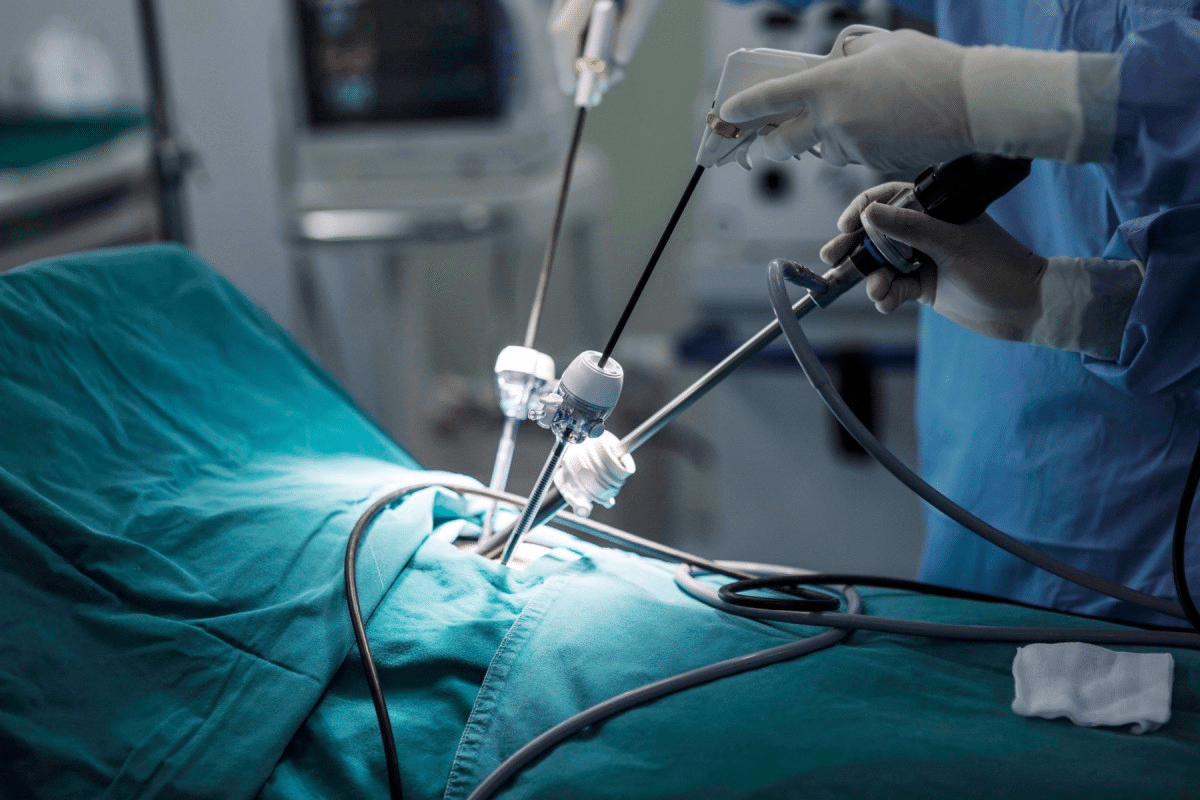
Laparoscopy is a minimally invasive surgical procedure. It lets doctors see the reproductive organs up close. They make small cuts in the belly to put in a laparoscope, a thin tube with a camera.
This method is key for finding and fixing issues like endometriosis, adhesions, and fibroids that can hurt fertility.
Common Reasons for Laparoscopy
Women get laparoscopy for many reasons linked to fertility and reproductive health. Some common reasons include:
- Diagnosing and treating endometriosis, a condition that can cause pelvic pain and infertility.
- Removing adhesions or scar tissue that may be affecting fertility.
- Treatments for ectopic pregnancy or conditions that increase its risk.
- Examining the fallopian tubes for blockages or damage.
These issues can really affect a woman’s ability to get pregnant. Laparoscopy helps find and often fix these problems at the same time.
How Laparoscopy Impacts Fertility
Laparoscopy can help fertility by treating problems that stop conception. For example, removing endometriotic lesions or adhesions can boost natural conception chances. It also helps find issues with the fallopian tubes or other organs that might cause infertility.
Many women see their fertility improve after laparoscopy. The procedure also gives important info for future fertility treatments, like in vitro fertilization (IVF). Knowing how laparoscopy affects fertility is key for women trying to conceive after it.
The Role of Recovery Time After Laparoscopy
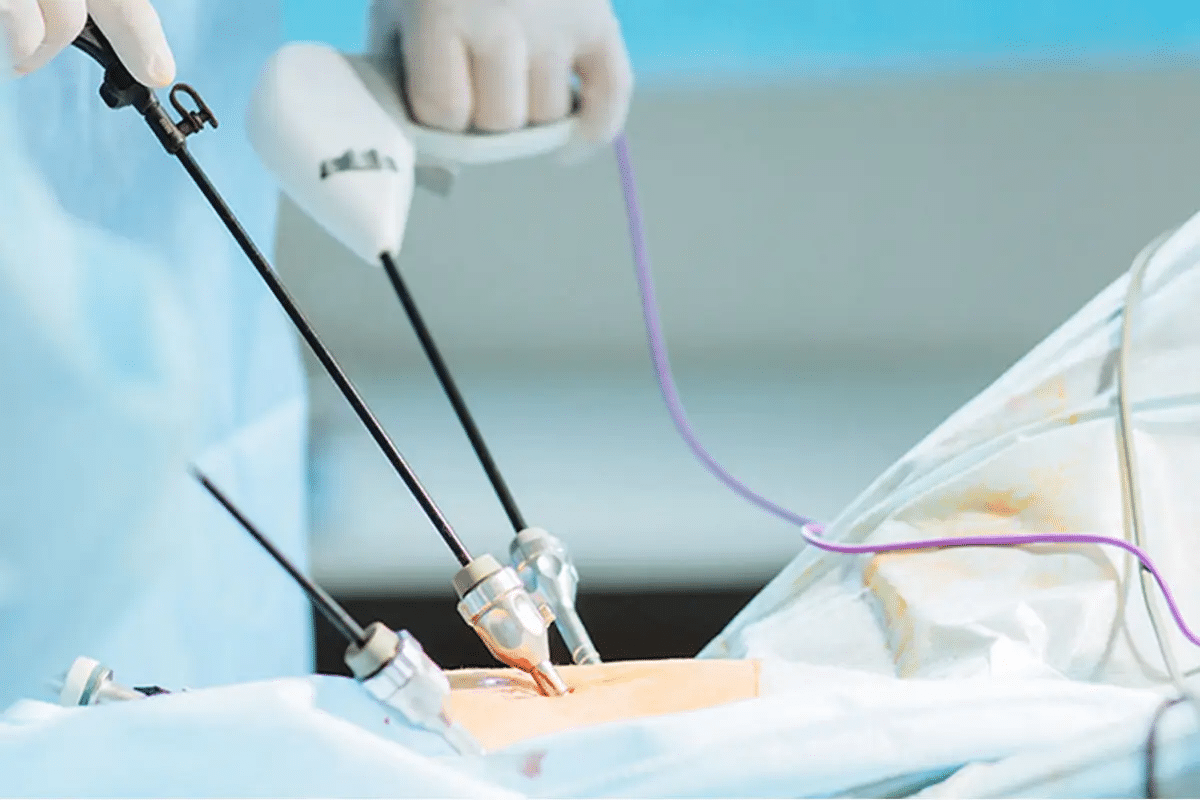
Recovery time after laparoscopy is key to when you can try to conceive again. Even though laparoscopic surgery is less invasive, your body needs time to heal. This is important for a healthy pregnancy.
Typical Recovery Duration
The time it takes to recover from laparoscopy varies. Most women recover in a few weeks. The median time to pregnancy after laparoscopic ovarian drilling (LOD) was 135 days. This shows how important recovery time is.
Feeling better usually starts a few days to a week after surgery. But, it takes longer for internal tissues to fully heal.
It’s vital to follow your healthcare provider’s advice on post-operative care. This helps your body heal right and lowers the risk of complications that could harm your fertility.
Factors Affecting Recovery
Several things can affect how long it takes to recover from laparoscopy. These include:
- The complexity of the procedure
- Your overall health and physical condition before and after surgery
- Following post-operative instructions
- Any pre-existing medical conditions
Listening to your body and not rushing back into strenuous activities, including trying to conceive, is key. Your healthcare provider can give you personalized advice based on your situation.
Signs You Are Ready to Try
So, how do you know when you’re ready to start trying to conceive after laparoscopy? Look for these signs:
- Return to regular menstrual cycles
- Resolution of any post-surgery discomfort or pain
- Improved overall physical and emotional well-being
- A clean bill of health from your healthcare provider
When you’ve fully recovered and your healthcare provider says it’s okay, you can start your journey towards getting pregnant post laparoscopy with confidence.
Understanding the importance of recovery time after laparoscopy is essential for conception post laparoscopic surgery. Giving your body enough time to heal sets the stage for a healthier pregnancy and a successful outcome.
Timing Considerations for Pregnancy After Laparoscopy
After a laparoscopy, knowing when to try for pregnancy is key. The time after surgery is important for healing and getting ready for a baby.
Recommended Waiting Periods
Doctors usually say to wait a bit before trying to get pregnant again. This wait helps the body heal and lowers the chance of problems. The waiting time can be a few days to weeks, depending on your health and the surgery.
Waiting a bit after surgery can lead to better outcomes. The exact time depends on the surgery type and your health.
Risks of Trying Too Soon
Trying to get pregnant too soon after surgery can be risky. It might lead to infections, adhesions, or other issues that could harm your fertility or pregnancy. It’s important to wait long enough to recover fully.
- Infection risk due to incomplete healing
- Potential for adhesion formation
- Increased risk of ectopic pregnancy in cases where laparoscopy was performed for conditions like endometriosis
Professional Guidelines
Guidelines say to talk to a doctor before trying to get pregnant after surgery. They can give advice based on your situation and medical history.
Listening to your doctor is key to avoiding risks and having a healthy pregnancy. They might check on your recovery and when you’re ready for pregnancy.
Signs of Ovulation After Laparoscopy
Women who have had a laparoscopy can boost their chances of getting pregnant by understanding ovulation. Knowing when ovulation happens is key to timing sex for conception.
Understanding Your Cycle
Your menstrual cycle has two main parts: the follicular and luteal phases. Ovulation happens at the end of the follicular phase. Knowing your cycle’s length and regularity helps guess when ovulation will occur.
- Track your cycle: Keeping a record of your periods can show patterns and predict ovulation.
- Observe physical changes: Many women feel mittelschmerz (mid-cycle pain) or notice more cervical mucus during ovulation.
- Use ovulation predictor kits (OPKs): These kits detect the LH surge before ovulation.
Testing for Ovulation
There are many ways to check for ovulation. Ovulation predictor kits are popular because they’re easy to use and show when ovulation is near.
- Basal body temperature (BBT) charting: BBT confirms ovulation has happened but doesn’t predict it.
- Fertility apps: Many apps track cycles and predict ovulation based on your data.
- Ultrasound: Healthcare providers might use ultrasound to check follicle growth and confirm ovulation.
Optimal Timing for Conception
Timing sex around ovulation is key for getting pregnant. The best time for conception is the five days before ovulation and the day of ovulation.
To increase chances of getting pregnant after laparoscopy, have regular, unprotected sex during the fertile window. Knowing the signs of ovulation can greatly improve your chances of getting pregnant.
Emotional and Physical Readiness for Pregnancy
Starting a pregnancy journey after a laparoscopy needs a full approach. This includes both emotional and physical readiness. It’s key to check our overall health for a healthy pregnancy.
Assessing Emotional Well-Being
Being emotionally ready is as important as being physically healthy when trying to conceive after a laparoscopy. We need to think about our mental state and how it might affect our pregnancy.
- Stress Levels: High stress can harm fertility. Doing things like meditation or yoga can help.
- Emotional Support: Having a good support system, like a partner, family, or friends, is very important for our emotional health.
- Mental Health: If we have mental health issues, we should get help from a healthcare provider to ensure a healthy pregnancy.
Physical Health Considerations
Getting physically ready and healthy is key when preparing for pregnancy after a laparoscopy. We should aim to improve our physical health.
|
Aspect |
Considerations |
Actions |
|---|---|---|
|
Nutrition |
A balanced diet rich in essential nutrients |
Consult a nutritionist for a personalized diet plan |
|
Exercise |
Regular, moderate exercise |
Engage in activities like walking, swimming, or prenatal yoga |
|
Health Checks |
Regular monitoring of health indicators |
Schedule regular check-ups with a healthcare provider |
Support Systems
Having a strong support system is vital for both emotional and physical readiness. This includes healthcare providers, family, and support groups.
“A strong support system can make a significant difference in your journey to pregnancy,” says a fertility specialist. “It’s not just about medical support; emotional backing from loved ones is equally important.”
We should not overlook the importance of community and professional guidance as we prepare for pregnancy after a laparoscopy.
Importance of Follow-Up Appointments
Follow-up appointments are key to your recovery and future fertility after a laparoscopy. They’re not just routine visits. They help check your healing, address concerns, and guide you on trying to conceive.
Role of Your Healthcare Provider
Your healthcare provider is vital in your care after a laparoscopy. They watch your physical recovery and advise on when to start trying to conceive again. It’s essential to maintain open communication with your provider, sharing any symptoms, concerns, or questions you may have.
Questions to Ask During Follow-Ups
Being ready for your follow-up appointments is important. Ask questions like: “What are the signs of complications I should watch out for?” “How soon can I resume normal activities, including trying to conceive?” and “Are there any specific fertility treatments or support you recommend?” Writing down your questions beforehand can ensure you don’t forget anything important.
Monitoring Recovery
Monitoring your recovery is a key part of follow-up care. Your healthcare provider will check your healing, look for signs of infection or complications, and guide you on managing discomfort. This is also an opportunity to discuss any emotional or psychological aspects of your recovery, ensuring you receive complete care.
By focusing on follow-up appointments, you’re taking proactive steps towards a healthy recovery and preparing for the journey to conception after laparoscopy. We know this journey can be filled with questions and concerns. But with the right support and guidance, you can navigate it with confidence.
Lifestyle Adjustments for Pregnancy Readiness
To get ready for pregnancy after a laparoscopy, focus on nutrition, exercise, and managing stress. These changes can boost your fertility and health.
Nourishing Your Body for Fertility
Eating a balanced diet is key when trying to conceive. Eat foods rich in antioxidants like berries and leafy greens to improve egg quality. Omega-3 fatty acids in fish and nuts also support hormones.
Keeping a healthy weight is important too. Being too thin or heavy can mess with ovulation and fertility. Eat whole grains, lean proteins, and lots of veggies to help your reproductive system.
Exercise for Fertility and Overall Health
Regular exercise is vital for getting your body ready for pregnancy. It helps regulate your cycle, improves insulin sensitivity, and lowers stress. Good exercises include brisk walking, swimming, and yoga.
- Try to exercise for at least 30 minutes a day.
- Do activities that help with flexibility and calmness, like Pilates or tai chi.
- Stay away from too much high-impact exercise that can stress your body too much.
Strategies for Reducing Stress
Too much stress can hurt your fertility by messing with hormone levels. Try stress-reducing activities like meditation, deep breathing, or journaling.
Also, get enough sleep and keep a good balance between work and life to manage stress. Look into mindfulness or talk to a mental health expert if you need help.
By making these lifestyle changes, you can help your body get ready for conception and a healthy pregnancy after a laparoscopy.
Understanding Possible Complications
It’s important to know about possible issues after a laparoscopy, if you’re trying to get pregnant. Laparoscopy is a small procedure, but it can affect pregnancy.
Laparoscopy and Ectopic Pregnancy
One big risk after a laparoscopy is ectopic pregnancy. This happens when a fertilized egg grows outside the uterus, often in a fallopian tube. Laparoscopy can sometimes treat ectopic pregnancies by removing the egg or fixing the tube.
Women who had a laparoscopy, like for endometriosis or damaged tubes, might face a higher ectopic pregnancy risk. Look out for symptoms like severe pain, bleeding, and feeling dizzy. If you notice these, get medical help right away.
Possible Scarring Effects
Laparoscopy can cause scarring, even though it’s less invasive than open surgery. Scarring in the pelvic area might block the fallopian tubes or change the pelvic shape. This could affect fertility.
But, skilled surgery and care can lower scarring risks. Talking to your healthcare provider about scarring can help you understand its impact on fertility.
Managing Pre-Existing Conditions
Women with conditions like endometriosis, PCOS, or other fertility issues need to manage them when trying to conceive after a laparoscopy. Working closely with your healthcare provider to control these conditions can boost your chances of getting pregnant.
This might mean making lifestyle changes, taking medication, or other treatments to improve fertility. By managing your conditions, you can reduce complications and increase your chances of conceiving.
Natural Family Planning Techniques
For those trying to conceive after a laparoscopy, natural family planning is helpful. It helps understand and improve fertility. These methods help track the best time for conception.
Tracking Menstrual Cycles
Tracking menstrual cycles is key in natural family planning. It helps predict when ovulation happens. This means recording when periods start and stop, noticing cervical mucus changes, and tracking basal body temperature.
To track cycles well, use a fertility calendar and a basal body thermometer. The calendar predicts the fertile window based on past data. The thermometer shows ovulation by a slight temperature rise after it.
Understanding Fertile Windows
The fertile window is when conception is most likely. It’s the five days before ovulation and the day of ovulation. Knowing this window is key for timing sex to increase conception chances.
Changes in cervical mucus and mittelschmerz pain can signal the fertile window. Cervical mucus becomes more fluid and sperm-friendly during this time. Some women also feel mild pain on one side of the abdomen during ovulation.
Utilizing Fertility Apps
Fertility apps are popular for tracking cycles and predicting fertile windows. They use data from many cycles to get more accurate predictions over time.
When choosing a fertility app, look for one that tracks basal body temperature, cervical mucus, and ovulation tests. Some apps also have community features and educational resources, which are very helpful.
|
Fertility App Features |
Description |
Benefits |
|---|---|---|
|
Cycle Tracking |
Monitoring menstrual cycle start and end dates |
Predicts fertile window |
|
Basal Body Temperature Tracking |
Recording daily temperature readings |
Confirms ovulation |
|
Cervical Mucus Observation |
Noting changes in cervical mucus |
Identifies fertile days |
By using these natural family planning techniques, people can better understand their fertility. This can improve their chances of getting pregnant after a laparoscopy.
Assisted Reproductive Technologies
After a laparoscopy, many people turn to assisted reproductive technologies for help. These technologies are designed to meet individual needs. They offer hope to those struggling to conceive.
When to Consider IVF
If you’re having trouble conceiving after a laparoscopy, IVF (In Vitro Fertilization) might be suggested. IVF means fertilizing an egg outside the body and then implanting it in the uterus. The choice to try IVF depends on several things, like the cause of infertility, age, and other fertility issues.
Several factors can lead to choosing IVF. These include how long you’ve been trying to conceive, your age, past fertility treatments, and specific issues like blocked fallopian tubes or severe male infertility.
- Duration of infertility: If you’ve been trying to conceive for a long time without success.
- Age: Age can greatly affect fertility, more so in women.
- Previous fertility treatments: If other treatments haven’t worked.
- Specific fertility issues: Like blocked fallopian tubes or severe male factor infertility.
Impact on Timing for Natural Conception
Choosing IVF can affect when you try to conceive naturally. While IVF is a good option for many, it doesn’t delay natural attempts. The process of preparing for IVF can also give insights into your fertility, helping with natural conception.
Success Rates of IVF Post-Laparoscopy
IVF success after laparoscopy depends on many factors. These include the reason for the laparoscopy, overall health, and specific fertility challenges. Thanks to technology and technique improvements, IVF success rates have increased over time.
Research shows that women who try IVF after laparoscopy can have high success rates. This is true if the laparoscopy was to address issues like endometriosis or adhesions.
Patient Testimonials on Pregnancy Post-Laparoscopy
Women who have become pregnant after laparoscopy share their stories. These stories are reassuring for those about to undergo the procedure. They talk about their experiences, challenges, and successes.
Stories of Success
Many women say laparoscopy was a key step in their journey to motherhood. For example, one patient said:
“After years of trying, I had laparoscopy for endometriosis. A few months later, I was pregnant. It was a game-changer for me.”
These stories show how laparoscopy can improve fertility.
Women often report several benefits after laparoscopy:
- Improved fertility: Laparoscopy can treat conditions like endometriosis and adhesions that block conception.
- Reduced symptoms: Many see a decrease in pelvic pain, which improves well-being and chances of a healthy pregnancy.
- Emotional relief: Knowing the cause of fertility issues and taking action can bring emotional comfort and reduce stress.
Common Concerns Addressed
Women often worry about the impact of laparoscopy on their fertility and its safety. They ask, “Will laparoscopy improve my chances of getting pregnant?” and “Are there risks to trying to conceive after laparoscopy?”
Our patients find talking to their healthcare providers about these worries very helpful. For instance, one patient mentioned:
“My doctor explained everything clearly, from risks to benefits. This made me feel more confident and ready for what’s ahead.”
Supportive Communities
Connecting with others who have gone through similar experiences is very helpful. Online and in-person communities offer a place to share stories, ask questions, and get encouragement.
Here are ways to find support:
- Join online forums and social media groups focused on fertility and pregnancy.
- Attend local support groups or workshops on women’s health and fertility.
- Work with healthcare providers who offer counseling and guidance throughout the fertility journey.
We hope these testimonials and the importance of supportive communities reassure and provide insights to women considering laparoscopy on their path to pregnancy.
Conclusion: Your Path Forward
As we wrap up our talk on trying for a baby after laparoscopy, let’s sum up the main points. Knowing how laparoscopy affects fertility and when to try can boost your chances of getting pregnant.
Key Considerations for Conception
Recovery time after laparoscopy is key to when you should try for a baby. Make sure your body is fully healed and know when you ovulate. Follow the recommended waiting period and listen to your healthcare team to avoid risks and aim for a healthy pregnancy.
Support and Guidance
Being emotionally and physically ready is essential for a healthy pregnancy. We suggest checking your well-being, adjusting your lifestyle, and getting support from doctors and family. This way, you can handle trying for a baby after laparoscopy better and improve your fertility.
Moving Forward
Getting pregnant after laparoscopy is possible with the right timing and care. Stay informed, be patient, and stay positive as you start this journey. Knowing when to try and being prepared can help you have a successful pregnancy after laparoscopy.
FAQ
How soon can I try to conceive after a laparoscopy?
The time to try to conceive after a laparoscopy varies. It depends on your recovery and the surgery’s reasons. We suggest waiting one to three menstrual cycles before trying.
What factors influence fertility after laparoscopic surgery?
Several factors affect fertility after laparoscopy. These include the treated condition, surgery extent, and your overall health.
Can laparoscopy improve my chances of getting pregnant?
Laparoscopy can help with fertility issues. It treats conditions like endometriosis and adhesions. This can improve your chances of getting pregnant.
How long does it take to recover from a laparoscopy before trying to conceive?
Recovery from a laparoscopy takes a few days to a week. Wait until you fully recover and get the green light from your doctor before trying to conceive.
Are there any risks associated with trying to conceive too soon after laparoscopy?
Yes, trying too soon can risk complications like infection. Always follow your doctor’s guidelines and wait the recommended time before trying to conceive.
How can I optimize my chances of conception after laparoscopy?
To improve your chances, understand your menstrual cycle and track ovulation. Also, maintain a healthy lifestyle with a balanced diet, exercise, and stress management.
Can laparoscopy affect my menstrual cycle or ovulation?
Laparoscopy might affect your menstrual cycle or ovulation, depending on the surgery. Most women return to normal after a short time.
What are the signs of ovulation after laparoscopy?
Signs of ovulation after laparoscopy are similar to before. Look for changes in cervical mucus, basal body temperature, and ovulation predictor kit results.
How can I track my fertility after laparoscopy?
Track your fertility by monitoring your menstrual cycle and using ovulation predictor kits. Keep a fertility journal to record your symptoms and experiences.
Are there any lifestyle adjustments I can make to enhance pregnancy readiness after laparoscopy?
Yes, healthy lifestyle changes can help. Maintain a balanced diet, exercise regularly, and manage stress to enhance pregnancy readiness.
What are the possible complications related to laparoscopy and pregnancy?
Complications include ectopic pregnancy, scarring, and adhesions. Discuss these risks with your doctor and follow their guidelines.
When should I consider IVF after laparoscopy?
The decision to consider IVF depends on several factors. These include the cause of infertility, surgery extent, and your health. Your doctor can help determine the best course.
How can I cope with the emotional aspects of trying to conceive after laparoscopy?
To cope emotionally, maintain a support system, manage stress, and stay positive. Prioritize your emotional well-being during this journey.
References
JAMA Network. Evidence-Based Medical Insight. Retrieved from https://jamanetwork.com/journals/jama/fullarticle/2749045