Pediatric orthopedics provides essential care for growing bones. Learn how pediatric orthopedics ensures an amazing and healthy future for children.
Did you know that musculoskeletal disorders affect millions of children worldwide? They can really impact their ability to move and their overall health. Children’s bone health is very important during their growing years. Any problems can lead to serious issues if not treated early.
Pediatric orthopedics is key in helping these children. It ensures they can grow and develop properly. By focusing on diagnosing, treating, and preventing musculoskeletal disorders, it helps kids stay mobile and healthy.
Key Takeaways
- Pediatric orthopedics is vital for keeping children’s bones healthy.
- Musculoskeletal disorders can have long-term effects on children’s mobility.
- Early diagnosis and treatment can prevent future complications.
- Pediatric orthopedics addresses a range of musculoskeletal issues.
- Optimal mobility and health are key benefits of pediatric orthopedics.
Understanding Pediatric Orthopedics
Pediatric orthopedics is a special field of medicine. It deals with musculoskeletal disorders in children. This field is important because children’s bones and muscles are always changing.
Definition and Scope
Pediatric orthopedics covers many conditions in children’s bones, joints, and muscles. It includes treating congenital deformities, developmental issues, and injuries. These can happen during childhood and adolescence.
Pediatric orthopedists are experts in treating these complex issues. They use both surgery and non-surgical methods. They tailor treatments to meet the needs of their young patients.
How It Differs from Adult Orthopedics
Pediatric orthopedics is different from adult orthopedics because of children’s growing bones. Children have growth plates that pose unique challenges and opportunities for treatment. This is not the case in adult care.
Children’s bones can also change shape more easily than adult bones. This affects how treatments are chosen and how well they work. It’s important to understand these differences for effective care.
The Unique Nature of Children’s Musculoskeletal Systems
Growth plates are special in kids’ bones, affecting their growth and injury risk. Kids’ bones change a lot as they grow.
Growth Plates and Their Significance
Growth plates, or epiphyseal plates, are cartilage at the ends of bones. They help bones grow and get stronger. Growth plate injuries can happen from accidents or too much stress, affecting bone growth.
These plates are key for bone length and shape. Damage can cause growth problems. So, finding and treating injuries early is very important.
Bone Remodeling in Children
Bone remodeling is when old bone is replaced with new. In kids, this happens fast, helping bones heal and grow. Bone remodeling in kids depends on age, diet, and hormones.
|
Age |
Bone Remodeling Rate |
Influencing Factors |
|---|---|---|
|
0-5 years |
Rapid |
Growth spurts, nutrition |
|
6-12 years |
High |
Hormonal changes, activity level |
|
13+ years |
Moderate to High |
Hormones, lifestyle factors |
Skeletal Maturation Timeline
Skeletal maturation is when bones become adult-like. This happens at set times for each bone. Knowing this timeline helps doctors treat kids’ bone issues.
This process is shaped by genes and hormones. Watching it helps doctors catch problems early. This way, they can act fast to help.
The Importance of Pediatric Orthopedic Care
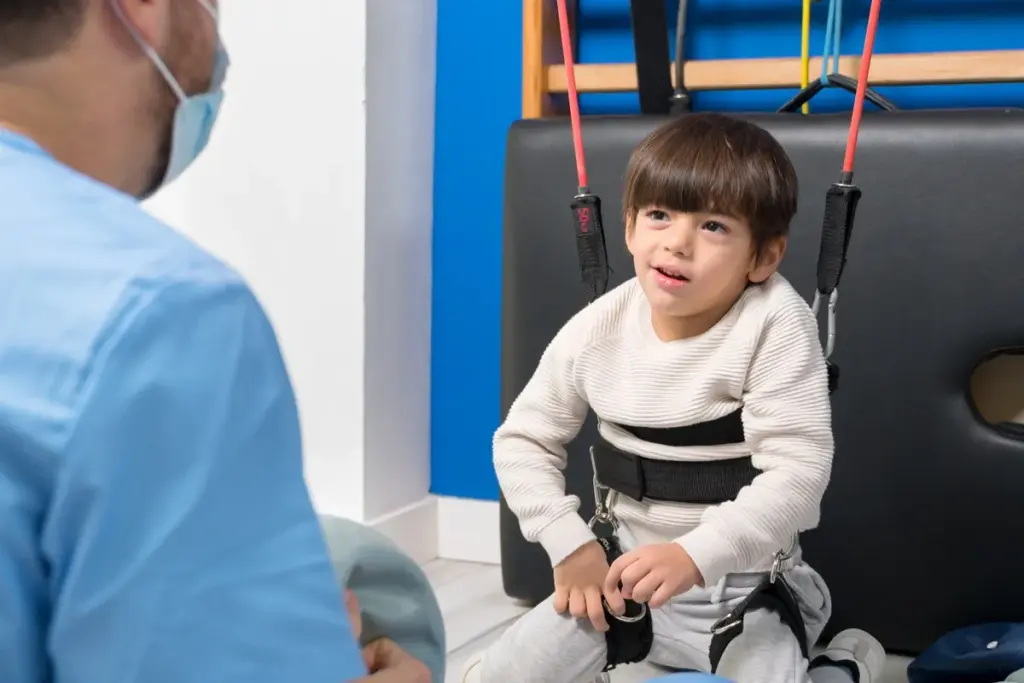
Pediatric orthopedic care is very important for a child’s life. Specialists in this field help diagnose and treat bone and muscle problems in kids. These issues can affect how a child grows, develops, and feels overall.
Early Detection of Musculoskeletal Issues
Finding musculoskeletal problems early is key in pediatric orthopedics. Catching these issues early can lead to better treatment and fewer long-term problems. Regular visits to a pediatric orthopedic specialist can spot problems like hip issues, clubfoot, and other birth defects early.
Benefits of Early Detection:
- Improved treatment outcomes
- Reduced risk of long-term complications
- Enhanced quality of life for children
Prevention of Long-term Complications
Preventing long-term problems is a big part of pediatric orthopedic care. By treating musculoskeletal issues early, specialists can stop them from getting worse. This can prevent permanent damage or big impacts on a child’s life.
|
Condition |
Potential Long-term Complication |
Preventive Measure |
|---|---|---|
|
Developmental Dysplasia of the Hip (DDH) |
Chronic hip pain, limited mobility |
Early screening and treatment |
|
Clubfoot |
Persistent deformity, gait abnormalities |
Early intervention with casting or surgery |
|
Scoliosis |
Severe spinal deformity, respiratory issues |
Regular monitoring, bracing, or surgery |
Impact on Quality of Life
Pediatric orthopedic care greatly affects a child’s life. By quickly and effectively treating musculoskeletal issues, kids can grow and develop normally. They can also enjoy activities and live healthy, active lives.
The role of pediatric orthopedic specialists is not just to treat musculoskeletal conditions but to improve the overall quality of life for children.
Common Congenital Orthopedic Conditions
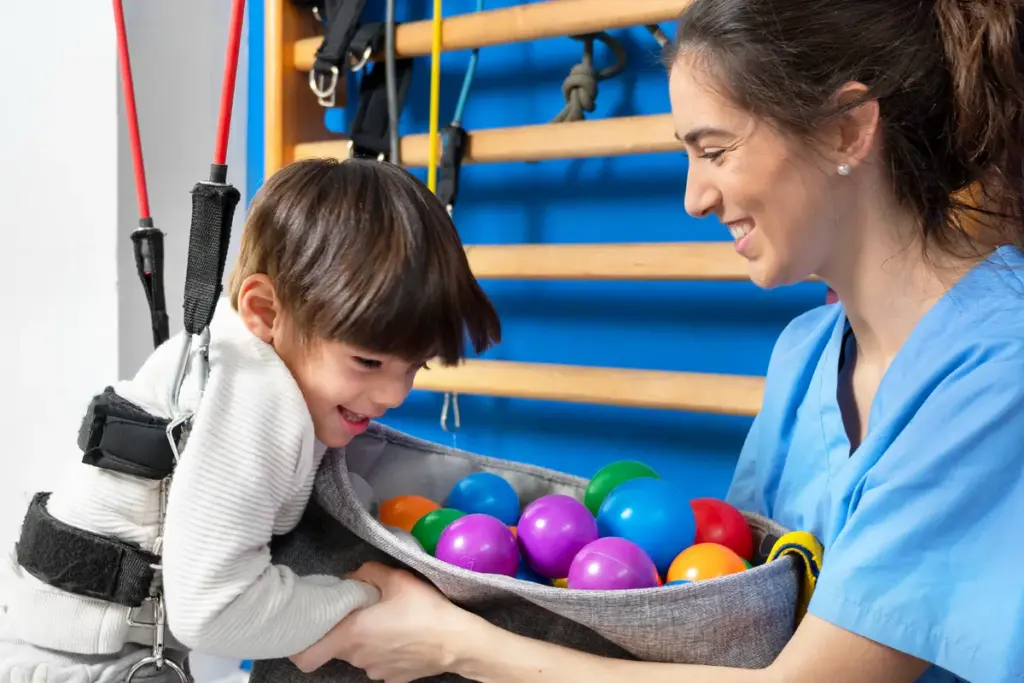
Congenital disorders like developmental dysplasia of the hip and clubfoot are common in pediatric orthopedics. They need early detection and treatment to avoid long-term problems.
Developmental Dysplasia of the Hip (DDH)
Developmental Dysplasia of the Hip (DDH) is when the hip joint doesn’t form right. This can lead to arthritis and mobility issues if not treated early. Early diagnosis through physical exam and ultrasound is key.
Key aspects of DDH include:
- Abnormal formation of the hip joint
- Increased risk if there’s a family history
- Importance of early detection through screening
Clubfoot
Clubfoot, or talipes equinovarus, is a foot deformity that needs quick treatment. This is to improve mobility and prevent future problems.
Treatment approaches for clubfoot include:
- Ponseti method of manipulation and casting
- Surgical intervention in some cases
- Physical therapy to maintain correction
Other Congenital Deformities
Other than DDH and clubfoot, there are limb abnormalities and skeletal dysplasias. These conditions need a team effort for treatment.
|
Condition |
Description |
Treatment Approach |
|---|---|---|
|
Developmental Dysplasia of the Hip (DDH) |
Abnormal hip joint formation |
Pavlik harness, bracing, or surgery |
|
Clubfoot |
Congenital foot deformity |
Ponseti method, surgery, physical therapy |
|
Limb Abnormalities |
Congenital limb defects |
Prosthetics, surgery, rehabilitation |
It’s important to catch and treat these conditions early. This helps ensure children’s long-term health and mobility.
Pediatric Spine Conditions and Their Management
Pediatric spine conditions like scoliosis, kyphosis, and lordosis are big challenges in kids’ orthopedic care. They can really affect a child’s life, so finding them early and treating them right is key.
Scoliosis in Children
Scoliosis is when the spine curves to one side, often found in teens. It can be mild or severe and might need watching, bracing, or surgery. Early detection is very important to stop it from getting worse and to avoid problems.
To find scoliosis, doctors do a physical check and X-rays. The treatment depends on how bad the curve is and the child’s health.
Kyphosis and Lordosis
Kyphosis makes the back curve too much, making it look rounded. Lordosis is when the lower back curves in too much. Both can happen for many reasons, like bad posture or birth defects.
How to manage kyphosis and lordosis depends on why they happen and how bad they are. Treatment might include physical therapy, bracing, or sometimes surgery.
Treatment Approaches for Spinal Deformities
Dealing with spinal deformities in kids involves watching them, trying non-surgical methods, and sometimes surgery. What treatment is best depends on the deformity, the child’s age, and their health.
- Watching and checking up on mild cases
- Bracing to stop it from getting worse
- Physical therapy to help posture and strength
- Surgery for very bad cases
Surgery is considered for severe or getting worse deformities. Thanks to new surgery techniques, kids with spinal problems are doing better than ever.
Growth-Related Orthopedic Issues
As kids grow, their bones and muscles change a lot. This can lead to orthopedic problems. These issues can affect how long their bones are and how they walk.
Leg Length Discrepancies
Leg length discrepancies are common in kids. It means one leg is longer than the other. This can cause uneven gait and back pain if not treated.
Treatment depends on how big the difference is. It might include orthotics, shoe lifts, or surgery.
Growing Pains: Myths and Facts
“Growing pains” is a term for recurring pain in children’s legs. It usually happens in the evening. The exact cause is not known, but it might be due to muscle fatigue or overuse.
It’s important to tell growing pains apart from other serious conditions. This ensures kids get the right treatment.
Gait Abnormalities in Developing Children
Gait abnormalities are another issue in kids. These can show as toe walking, intoeing, or outtoeing. Often, these problems go away as kids grow.
But, if they don’t, a pediatric orthopedic specialist should check them out. This can prevent long-term problems.
Spotting and treating these issues early can greatly improve a child’s life. It helps their bones and muscles stay healthy for the long run.
Pediatric Fractures and Trauma
It’s key to know about pediatric fractures to treat them right and avoid future problems. Kids’ bones are growing and are different from adult bones.
Unique Aspects of Children’s Fractures
Children’s fractures are special because of their bones. Growth plates, which are cartilage at the bone ends, are vital for bone growth. They make kids’ fractures different from adults’.
Because of growth plates, kids’ fractures can impact bone growth. This might cause limb length discrepancies or angular deformities if not treated right.
Growth Plate Injuries
Growth plate injuries, or physeal fractures, are unique to kids. These happen from trauma and can affect bone growth and development.
- The Salter-Harris classification system helps figure out how to treat these injuries.
- Getting the diagnosis and treatment right is key to avoid growth problems.
Healing Process in Children vs. Adults
How fractures heal in kids is different from adults. Kids’ bones heal quicker and better because of their osteogenic capacity and thicker periosteum.
|
Characteristics |
Children’s Fractures |
Adult Fractures |
|---|---|---|
|
Healing Speed |
Faster |
Slower |
|
Growth Plate Involvement |
Possible |
Not applicable |
|
Osteogenic Capacity |
Higher |
Lower |
This shows why it’s important to understand kids’ fractures to give the best care.
Sports Injuries in Children and Adolescents
More kids are playing sports, which means more injuries. It’s key for parents, coaches, and doctors to know about these injuries and how to stop them.
Common Athletic Injuries in Young Athletes
Young athletes face many injuries, from sudden trauma to long-term wear and tear. Some common ones are:
- Sprains and strains
- Fractures
- Overuse injuries like tendinitis
- Growth plate injuries
Growth plate injuries are serious because they can mess with bone growth. They happen at the ends of bones where growth occurs.
Prevention Strategies
To prevent injuries, we need to take several steps:
- Proper training and conditioning
- Wearing the right protective gear
- Getting enough rest and recovery
- Learning and following safe playing rules
Coaches and parents must make sure young athletes follow these steps.
Return-to-Play Considerations
Deciding when a young athlete can play again is very important. The decision should be based on:
|
Criteria |
Description |
|---|---|
|
Complete Healing |
The injury has fully healed, and there is no pain or discomfort. |
|
Full Strength and Mobility |
The athlete has regained full strength and range of motion compared to the uninjured side. |
|
Functional Testing |
The athlete can perform sport-specific movements without pain or difficulty. |
Doctors should check these things and give the okay to play again.
Knowing about injuries, preventing them, and making smart return-to-play decisions can help keep kids safe in sports.
Neuromuscular Conditions in Pediatric Orthopedics
Conditions like cerebral palsy, muscular dystrophy, and spina bifida are big challenges in pediatric orthopedics. They affect how children’s bones and muscles grow. This can really impact their quality of life.
Cerebral Palsy
Cerebral palsy affects how children move, balance, and stand. It often leads to orthopedic problems. Early intervention is key to managing these issues and helping kids move better.
- Spasticity management through physical therapy and medications
- Orthopedic surgeries to correct deformities and improve function
- Bracing and orthotics to support proper alignment and movement
Muscular Dystrophy
Muscular dystrophy is a group of genetic disorders that cause muscle weakness. Orthopedic care is important for managing the muscle problems.
Key management strategies include:
- Monitoring and addressing spinal deformities
- Maintaining mobility through physical therapy
- Using orthotic devices to support weakened muscles
Spina Bifida
Spina bifida is a birth defect where the spine and spinal cord don’t form right. Orthopedic care is key to managing the related bone and muscle issues.
Treatment approaches may include:
- Surgical interventions to correct spinal deformities
- Orthotic management to support mobility and prevent complications
- Physical therapy to enhance mobility and strength
Managing these conditions needs a team effort. Pediatric orthopedic specialists, physical therapists, and other healthcare professionals work together. This helps improve the lives of children with these conditions.
The Role of Pediatric Orthopedic Specialists
Pediatric orthopedic specialists are key to keeping kids’ bones and muscles healthy. They diagnose and treat many musculoskeletal issues in children.
Specialized Training and Expertise
These specialists get a lot of training. They learn how to care for children’s bones, muscles, and joints. This knowledge helps them give the right care for each child’s age.
They can handle many conditions, from birth defects to sports injuries. Their skills are important for preventing problems and helping kids stay healthy.
Multidisciplinary Approach to Care
Pediatric orthopedic care often involves a team effort. Specialists work with physical therapists, occupational therapists, and orthotists. This team approach makes sure all parts of a child’s health are covered.
The table below shows who’s on the team and what they do:
|
Professional |
Role |
|---|---|
|
Pediatric Orthopedic Specialist |
Diagnosis, treatment, and management of musculoskeletal conditions |
|
Physical Therapist |
Rehabilitation and improvement of mobility and strength |
|
Occupational Therapist |
Assistance with daily activities and adaptive techniques |
|
Orthotist |
Provision of orthotic devices for support and correction |
Together, these professionals give kids the best care for their bone and muscle issues. This improves their life quality and future health.
Diagnostic Approaches in Pediatric Orthopedics
Getting a correct diagnosis is key in pediatric orthopedics. It combines skilled physical exams and the right imaging. A top pediatric orthopedic expert says,
“A thorough diagnostic process is vital for spotting and treating orthopedic issues in kids. It leads to the best results.”
Physical Examination Techniques
The physical exam is a big part of checking a child’s orthopedic health. It needs to be gentle but detailed. The doctor looks at how the child walks, checks their joint movement, and feels for any pain or deformities.
For little kids, the exam might be different. The doctor might watch how they move and play. They need to know what’s normal and what’s not.
Imaging Considerations for Children
Imaging is also very important. It gives extra info that helps with the diagnosis. But, doctors have to think about the risks of too much X-ray and the need for sedation.
Common imaging tools include X-rays, ultrasound, and MRI. X-rays help see bone problems, while MRI shows soft tissue details. It’s great for complex cases.
Growth Monitoring and Assessment
Watching how a child grows is very important. It helps find problems early and see if treatments work. Doctors measure height, limb length, and more regularly.
Growth checks involve tracking growth patterns over time. They compare these to what’s normal. This helps doctors make the right treatment plans at the right time.
Treatment Modalities in Pediatric Orthopedics
Pediatric orthopedics uses many treatments for musculoskeletal issues in kids. The right treatment depends on the condition, how severe it is, and the child’s health.
Conservative Management Options
For many conditions, the first step is conservative management. This might include observation, bracing, and physical therapy. For example, mild scoliosis or clubfoot might be treated with casting or bracing.
Physical therapy is key in improving mobility and strength. It helps kids get back to normal after an injury or condition.
Surgical Interventions
When other treatments don’t work, surgery might be needed. Pediatric orthopedic surgeons do many surgeries, from small to big ones. These surgeries fix deformities, repair tissues, or handle growth issues.
For severe scoliosis, spinal fusion surgery might be needed to straighten the spine.
Rehabilitation and Physical Therapy
Rehabilitation is a big part of treatment for many conditions. Physical therapy helps kids get stronger, move better, and reach the best results. Programs are made just for each child, with exercises and stretches.
The goal is to get kids back to normal activities safely and quickly.
Benefits of Specialized Pediatric Orthopedic Care
Specialized pediatric orthopedic care has many benefits for a child’s bones and muscles. It meets the unique needs of kids, giving them the right treatment for their conditions.
Child-Centered Approach
A child-centered approach is key in pediatric orthopedic care. It focuses on the child’s comfort, safety, and growth stage when planning treatments. This way, treatments are not only effective but also gentle on the child.
This method involves tailoring treatments to the child’s age, size, and specific needs. It also looks at the child’s overall health and any other conditions they might have. This ensures a complete care plan.
Family-Focused Treatment Plans
Pediatric orthopedic care also focuses on family-focused treatment plans. It works closely with parents and caregivers. They learn about their child’s condition and help decide on treatments.
By involving families, healthcare providers make sure treatment plans are realistic and manageable for them. This teamwork helps in better treatment outcomes by improving family adherence to plans.
Long-term Outcomes
The main goal of pediatric orthopedic care is to get the best long-term outcomes for kids. It tackles musculoskeletal issues early to prevent long-term problems and improve quality of life.
Good pediatric orthopedic care can lead to improved mobility, reduced pain, and better overall well-being for kids. It focuses on the unique aspects of children’s bone and muscle development. This helps kids achieve their best health and function.
When to Seek Pediatric Orthopedic Evaluation
Knowing when to seek a pediatric orthopedic evaluation is key. Parents and caregivers must watch for signs that show a child might need special care.
Warning Signs and Symptoms
There are several warning signs that mean a child might need to see an orthopedic specialist. These include:
- Persistent pain in the bones, joints, or muscles
- Visible deformities or abnormalities in the limbs or spine
- Limping or difficulty walking
- Uneven leg length or other discrepancies in limb size
- Abnormal gait patterns
Developmental Milestones and Red Flags
It’s important to watch a child’s developmental milestones for signs of orthopedic issues. Some red flags include:
- Delayed or abnormal development of motor skills
- Failure to achieve certain physical milestones within the expected age range
- Asymmetrical movement or posture
Early detection of these issues can greatly improve treatment outcomes and the child’s future.
Referral Process
The referral process starts with a primary care physician or pediatrician. They may send a child to a pediatric orthopedic specialist if they think there’s an orthopedic problem. The specialist will do a detailed evaluation, including a physical exam and possibly imaging studies, to figure out the best treatment.
By knowing the warning signs, developmental milestones, and how to get a referral, parents can make sure their child gets the right care on time.
Conclusion: The Lasting Impact of Pediatric Orthopedic Care
Pediatric orthopedic care greatly improves children’s lives. It boosts their musculoskeletal health and overall well-being. Early treatment by specialists can make a big difference in a child’s quality of life.
This care is key because it prevents long-term problems. It helps kids with birth defects, growth issues, and sports injuries. This way, they can stay active and healthy.
Pediatric orthopedic specialists are essential for kids’ health. They understand children’s unique needs and provide the right care. This care has a lasting effect, leading to better health and happiness for kids.
FAQ
What is pediatric orthopedics, and how does it differ from adult orthopedics?
Pediatric orthopedics deals with musculoskeletal issues in kids. It’s different from adult orthopedics because it considers how children’s bones grow and develop. This includes growth plates and how bones mature.
What are some common congenital orthopedic conditions that affect children?
Conditions like Developmental Dysplasia of the Hip (DDH) and clubfoot are common. They can affect a child’s life a lot. Early treatment is key to avoiding long-term problems.
What are growing pains, and how are they managed?
Growing pains are common in kids and cause leg pain. The exact cause is unknown but is linked to bone growth. Treatment includes stretching, exercise, and pain relief.
How are pediatric fractures different from adult fractures?
Kids’ bones heal faster than adults’ because they’re growing. But, injuries to growth plates can be serious. Proper management is essential.
What are some common sports injuries in children and adolescents?
Kids often get fractures, sprains, and strains from sports. Preventing these injuries is important. Treatment plans should consider the child’s health and injury risk.
How are neuromuscular conditions managed in pediatric orthopedics?
Conditions like cerebral palsy need a team approach. This includes orthopedic care, physical therapy, and other support. The goal is to improve function and quality of life.
What is the role of pediatric orthopedic specialists in managing children’s musculoskeletal health?
Pediatric orthopedic specialists provide specialized care for kids. They have the training and expertise needed for children’s unique musculoskeletal needs.
What diagnostic approaches are used in pediatric orthopedics?
Pediatric orthopedics uses physical exams, X-rays, and MRI. They also monitor growth. These methods help diagnose and treat musculoskeletal issues.
What treatment modalities are available in pediatric orthopedics?
Treatment options include bracing, physical therapy, and surgery. Rehabilitation and physical therapy are key to recovery and improving outcomes.
When should I seek pediatric orthopedic evaluation for my child?
Seek evaluation if you notice signs like limping or pain. Delayed walking or uneven legs are also red flags. Early evaluation is important.
Reference
National Center for Biotechnology Information. Evidence-Based Medical Insight. Retrieved from https://pubmed.ncbi.nlm.nih.gov/37026789/