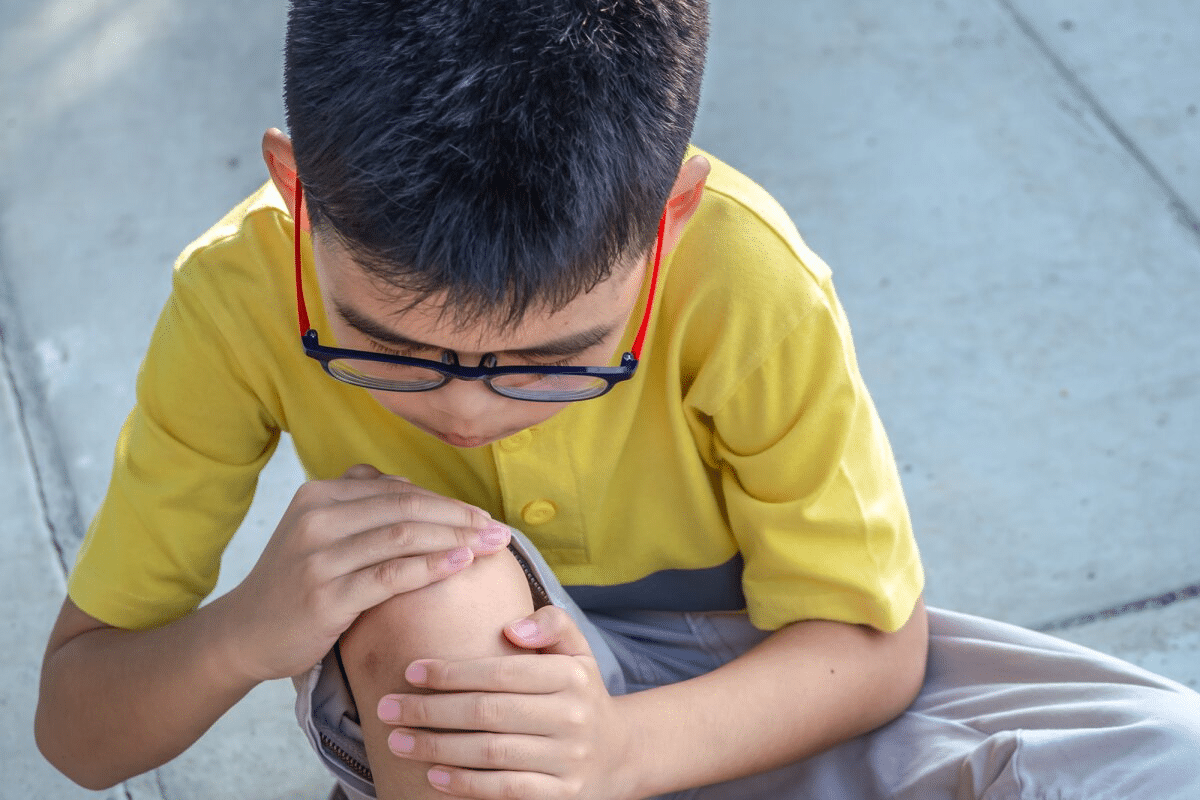
Did you know that millions of children worldwide undergo surgery every year? A lot of them face moderate to severe pain after surgery. This pain can really affect their recovery and overall health.
It’s very important to manage children’s pain after surgery well. This helps them recover smoothly and without too much stress. Ensuring children receive the necessary care is essential for their recovery.
We will explore effective strategies for improving pain management in children after surgery. We’ll see why a complete care plan is key for their recovery.
Managing pediatric postoperative pain is critical. Learn to spot distress signs and safe relief methods to comfort your child.
Key Takeaways
Postoperative pain in children is a significant concern that affects their recovery.
Effective pain management is key for a smooth recovery.
Knowing the causes and effects of postoperative pain is vital.
Comprehensive care strategies can help reduce children’s pain after surgery.
Addressing postoperative pain is essential for kids’ overall well-being.
Understanding Pediatric Postoperative Pain
Managing pain in kids after surgery is complex. It depends on the surgery type, the child’s age, and their pain tolerance. It’s key to prevent suffering and help them recover well.
Definition and Overview
Kids feel pain after surgery, which affects their recovery and well-being. It’s not just physical pain but also emotional and psychological distress. Healthcare providers need to understand this to manage pain effectively.
Importance of Pain Management
Pain management in kids is vital. Unmanaged pain can cause serious health issues. It also affects their long-term psychological and emotional development. We need to use both medicine and non-medical methods to manage pain well.
Common Causes of Pain in Children
Pain after surgery in kids comes from different sources. The surgery itself, the procedure, and post-op care are key factors. The type of surgery affects the pain level and type. Knowing these causes helps tailor pain management for each child.
Types of Surgery Frequently Undergoing in Children
Children have many types of surgeries, each needing special pain care. The surgery’s type and if it’s done as an outpatient or inpatient affects the pain after.
Outpatient vs. Inpatient Surgeries
Outpatient surgeries let kids go home the same day. These are usually less invasive and need less time to recover. Inpatient surgeries, on the other hand, require a hospital stay and often involve more complex procedures.
Inpatient surgeries might need more detailed pain plans because of their complexity. For example, some orthopedic or abdominal surgeries require a more careful approach to managing pain.
Common Pediatric Surgical Procedures
Children have many surgeries for various reasons. Some common ones include:
Tonsillectomies and adenoidectomies
Hernia repairs
Orthopedic surgeries for corrective purposes
Dental surgeries, including extractions and restorative procedures
Each surgery has its own pain experience. For instance, tonsillectomies can cause a lot of throat pain. Orthopedic surgeries might lead to pain at the surgical site and when moving.
Recovery Expectations
Recovery times differ based on the surgery. For outpatient surgeries, parents get tips on managing pain at home. This includes using pain meds and other non-medical ways to ease pain. Inpatient surgeries, though, need closer monitoring and management of children surgical pain by doctors.
Knowing what to expect helps plan better pain care. This ensures kids get the help they need to feel better and recover well. Good pain management is key to pediatric surgical pain care, affecting a child’s recovery and happiness.
Physiological Responses to Pain in Children
Pain in children causes unique responses compared to adults. This means we need special ways to manage their pain. Knowing these differences is key for good pediatric pain management.
The Nervous System’s Role
The nervous system is very important in how children feel pain. It has two parts: the peripheral system that finds pain, and the central system that understands it. In kids, this system is growing, which changes how they feel and handle pain.
How the nervous system grows in children affects their pain feeling. Young kids might feel pain more easily because their system is not fully grown. So, doctors need to watch closely and manage pain well in kids.
Pain Perception Differences Between Adults and Children
Children and adults feel pain differently. Kids’ pain feeling is shaped by their age, feelings, and past experiences. Unlike adults, kids might not be able to say how they feel, making it hard for others to know and help.
Aspect
Children
Adults
Pain Threshold
Variable, often lower due to nervous system immaturity
Generally more consistent, influenced by past experiences
Pain Expression
Often non-verbal, through crying, facial expressions
Typically verbal, with more descriptive language
Emotional Influence
Highly influenced by emotional state and environment
Influenced by emotional state, but often with more coping mechanisms
Behavioral Indicators of Pain
Because kids can’t always say they’re in pain, we need to look for other signs. These signs include changes in how much they eat, sleep, or play. Doctors and parents should know these signs to help kids feel better.
Changes in behavior or mood
Altered sleep or eating patterns
Vocalizations such as crying or groaning
Physical posturing or guarding the painful area
By understanding how kids respond to pain and the differences in pain feeling, we can better help them. This leads to better kids pain management and care.
Assessment of Pain in Pediatric Patients
It’s very important to accurately measure pain in kids after surgery. Children’s pain is often not taken seriously enough. This can cause a lot of distress and might harm them in the long run. So, we need to carefully check how much pain they are in.
Scales for Measuring Pain in Children
There are special tools to help doctors and nurses understand how much pain kids are in. These include:
The Faces Pain Scale (FPS), which uses facial expressions to gauge pain intensity.
The Visual Analog Scale (VAS), a continuous scale that measures pain intensity.
The Numeric Rating Scale (NRS), where children rate their pain from 0 to 10.
Each tool works best for different ages and levels of understanding. For example, the FPS is great for little kids who can’t say how they feel.
Pain Scale
Description
Age Suitability
Faces Pain Scale (FPS)
Uses facial expressions to gauge pain intensity
Children as young as 3 years old
Visual Analog Scale (VAS)
Continuous scale measuring pain intensity
Children aged 8 and above
Numeric Rating Scale (NRS)
Rates pain from 0 to 10
Children aged 7 and above
Importance of Accurate Pain Evaluation
Getting pain right is key to helping kids feel better. If we don’t get it right, kids might feel more scared, stressed, and even have long-term emotional problems. On the other hand, if we guess too high, we might give too much medicine and cause side effects.
We need to carefully consider each child’s age, how they’re growing, and how they feel pain. This helps us give the right treatment.
Involving Parents in Assessment
Parents are very important in figuring out if their child is in pain. They often notice changes in their child’s behavior or face that show pain. By working together, doctors and parents can really understand how much pain the child is in.
We want parents to talk openly with doctors about their child’s pain. Using the special tools we have can help make sure the pain is managed well.
Pain Management Strategies for Pediatric Patients
Pediatric pain relief is key in postoperative care for kids. We use many strategies to meet each child’s needs.
Medications and Anesthetics
Medicines are vital for managing pain after surgery in kids. We pick analgesics like acetaminophen and opioids based on the child’s age and surgery type. Regional anesthesia, like epidural blocks, also helps with pain.
Key considerations include watching for side effects and adjusting doses. This ensures the child is comfortable and safe.
Non-Pharmacological Approaches
Non-medical methods also help with pain relief. Techniques like deep breathing exercises, visualization, and distraction can lessen pain. Keeping the child comfortable, through positioning and warmth, also helps.
Deep breathing exercises to promote relaxation
Visualization techniques to distract from pain
Comfort measures such as repositioning or applying warmth
Role of Play Therapy in Pain Relief
Play therapy is a new way to manage pain in kids. It lets them express fears and anxieties. We use play to help them deal with pain.
Play can be drawing, storytelling, or using dolls to act out procedures. It helps demystify the experience and lowers anxiety.
By using these strategies, we offer complete care for kids. It meets their physical and emotional needs, making their recovery better.
The Role of Parents and Caregivers in Pain Management
Parents and caregivers are key in helping their child manage pain. They help both in the short and long term. Their role goes beyond just comforting; it includes many important tasks for managing pain well.
Supporting Emotional Well-being
Helping a child feel emotionally well is as vital as managing their physical pain. After surgery, kids might feel anxious, scared, or stressed. Creating a comforting space and being there can really help. Simple things like reading or just being there can give them emotional support.
It’s also important to notice when a child seems upset or withdrawn. These signs can mean they’re feeling emotional pain. By paying attention, parents can offer the right support to help their child through tough feelings.
Effective Communication with Healthcare Providers
Talking well with healthcare providers is key to managing pain. Parents should ask questions, share their child’s pain levels, and clarify any worries. Keeping an open conversation helps the healthcare team understand the child’s situation. This lets them adjust the pain plan as needed.
Keep a pain diary to track your child’s pain levels and any changes.
Ask about the pain management options available and their possible side effects.
Report any concerns or changes in your child’s condition quickly.
Advocating for Pain Relief
It’s important to push for your child’s pain relief. This means knowing about pain management options and working with the healthcare team. Being proactive in seeking pain relief can make your child more comfortable and help them recover faster.
Ignoring pain can lead to more stress and a longer recovery. By pushing for the right pain management, parents can help avoid these problems. This ensures their child gets the care they need.
In summary, parents and caregivers have a big role in managing their child’s pain. By supporting their emotional health, talking well with healthcare providers, and pushing for pain relief, parents can greatly impact their child’s recovery.
Potential Complications of Unmanaged Postoperative Pain
Unmanaged postoperative pain in children can cause many problems. It’s not just about feeling uncomfortable. It can seriously harm their health and well-being.
Short-term Effects
Unmanaged pain can make children’s bodies work harder. This can lead to high blood pressure, fast heart rate, and more oxygen use. These issues are very concerning for kids, as they can cause breathing or heart problems.
Pain can also make kids upset or quiet. It can stop them from coughing or breathing deeply. This might cause breathing problems like atelectasis or pneumonia.
Long-term Consequences
Long-term, unmanaged pain can be very serious. It can cause chronic pain syndromes that are hard to treat. This can really lower a child’s quality of life.
Also, pain at a young age can change how kids feel pain later. It can make them more sensitive to pain. Unmanaged pain can also make kids anxious or scared of medical procedures. This can make future doctor visits harder.
Importance of Early Intervention
It’s very important to start treating pain early. Early intervention can prevent many problems. Using the right medicines and non-medical ways to help, like play therapy, can make a big difference.
We need to make a pain plan that fits each child’s needs. This way, we can help them heal well and avoid complications.
Counseling for Parents on Pain Management
Counseling parents on pain management is key for kids to recover well after surgery. Knowing how to help your child manage pain can make a big difference in their recovery.
Education on Pain Management Techniques
We teach parents different ways to help their kids manage pain. This includes using medicines like acetaminophen or ibuprofen. We also cover non-medical methods like distraction therapy or relaxation techniques.
Medications: It’s important to know the right dose and when to give pain medicines. We give clear instructions on how to safely give these medicines.
Non-pharmacological approaches: Deep breathing, visualization, and play therapy can help with pain. We show parents how to use these methods to help their child feel better.
Pain Management Technique
Description
Age Appropriateness
Acetaminophen
Reduces pain and fever
Infants to adults
Ibuprofen
Reduces pain, fever, and inflammation
6 months and older
Distraction Therapy
Diverts child’s attention from pain
Toddlers and older
Relaxation Techniques
Helps in reducing stress and pain
Preschoolers and older
How to Monitor Recovery at Home
Watching your child at home is important to catch any issues early. We tell parents what to look for, like signs of pain, infection, or other problems.
Signs of proper recovery: Look for better appetite, more energy, and slowly getting back to normal activities.
Recognizing Warning Signs of Complications
Knowing the warning signs of complications is important. We teach parents to watch for red flags like more pain, fever, redness, or swelling at the surgical site.
Increased pain despite medication
Fever over 100.4°F (38°C)
Redness, swelling, or discharge from the surgical site
Vomiting or inability to keep down fluids
By staying informed and watchful, parents can greatly help their child’s recovery. This ensures a smoother and more comfortable healing process.
New Research and Advances in Pediatric Pain Management
New studies and tech advancements are changing how we care for kids’ pain. We now know more about how kids feel pain, helping us manage it better. Recent research has been key in improving how we treat pain in kids, showing us new ways to help.
Recent Studies in Pain Management Options
Studies have looked into different ways to help kids with pain. For example, multimodal analgesia has shown to cut down on opioid use and side effects. Also, non-pharmacological interventions like therapy have been shown to help kids feel less pain and anxiety.
We’re moving towards making pain plans that fit each child’s needs. This not only helps with pain but also makes recovery better for kids.
The Future of Pediatric Pain Management
The future of treating kids’ pain looks bright, with new research and tech on the horizon. Genomics and precision medicine will help create targeted pain treatments. Also, digital health technologies like wearables and apps will make tracking and managing pain easier for kids.
It’s important to keep investing in research to better care for kids’ pain. This way, we can make sure kids get the best pain care possible.
Innovations in Surgical Techniques
New surgical methods are also helping with kids’ pain management. Minimally invasive surgeries and robot-assisted surgeries cause less damage and help kids heal faster. These methods also reduce pain and the chance of complications after surgery.
The creation of enhanced recovery after surgery (ERAS) protocols has been a big help. These protocols bring together different fields to improve care and outcomes for kids having surgery. They focus on a team effort to make recovery better.
Case Studies: Successful Pain Management in Pediatric Patients
Pediatric pain management has made big strides thanks to case studies. These examples show us how to manage pain in kids after surgery.
Real-World Examples
Studies have shown that mixing pain medicines works well for kids. For example, a study found that acetaminophen and ibuprofen together helped more than either one alone in kids having orthopedic surgery.
Another study showed the benefits of regional anesthesia in kids. A child having abdominal surgery got better pain control with an epidural block.
Mixing different pain medicines
Using regional anesthesia like epidural blocks
Trying non-medical ways like distraction and guided imagery
Lessons Learned
Case studies teach us that every child is different. We must tailor pain management to their age, surgery type, and pain sensitivity.
Also, involving parents in pain care helps a lot. They can offer emotional support and keep an eye on their child’s pain, making sure to act fast when needed.
Best Practices Derived from Case Outcomes
From these studies, we’ve learned some key practices for managing pain in kids:
Make a pain plan that fits the child’s needs and surgery type.
Use both medicines and non-medical methods to relieve pain.
Teach parents how to spot and manage their child’s pain.
Use pain medicines on time to avoid pain getting worse.
By following these practices, healthcare teams can greatly improve care for kids having surgery. This helps kids recover better and feel better overall.
Resources for Further Information on Pediatric Pain Management
Managing pain in kids needs a full approach. We want to give parents and caregivers the best resources. Understanding how to help kids with pain is key for their health.
Recommended Reading and Organizations
Support Groups and Networks
Support groups and networks are very helpful. They offer emotional support and advice. The Pediatric Pain Management Support Group is a great place to start.
Online Resources for Parents and Caregivers
There are many online resources for parents and caregivers. Websites and forums focus on kids’ pain relief. They offer lots of info and a chance to connect with others.
FAQ
What is pediatric postoperative pain?
Pediatric postoperative pain is the pain kids feel after surgery. It’s key to manage it well for their recovery and happiness.
Why is pain management important in children after surgery?
Managing pain in kids after surgery is vital. It helps avoid short and long-term problems, aids in healing, and lowers the chance of chronic pain.
How is pain assessed in pediatric patients?
To check pain in kids, doctors use pain scales and watch for behavioral signs. They also ask parents for their input to get a clear picture of the pain.
What are the common pain management strategies for children after surgery?
Kids get relief from surgery pain through medicines and non-medical methods. Play therapy is also used to comfort them.
How can parents support their child’s emotional well-being during the recovery process?
Parents can help their child’s emotional health by being supportive and talking to doctors. They should also push for pain relief to help their child feel better.
What are the possible complications of unmanaged postoperative pain in children?
If pain isn’t managed, kids might feel more stressed and uncomfortable. They could also face long-term issues like chronic pain and emotional scars.
How can parents monitor their child’s recovery at home?
Parents should follow doctor’s orders and watch for signs of trouble. They need to keep an eye on their child’s pain and overall health.
What are some recent advances in pediatric pain management?
New medicines and non-medical methods are helping kids manage pain better. Advances in surgery are also making recovery less painful.
Where can parents find additional resources and support for managing their child’s pain?
Parents can find more help through books, support groups, and online resources. These offer tips and advice on managing a child’s pain.
How can healthcare providers tailor pain management to individual children’s needs?
Doctors tailor pain care by checking how much pain a child feels. They consider the child’s health history and use different methods to help manage pain effectively.