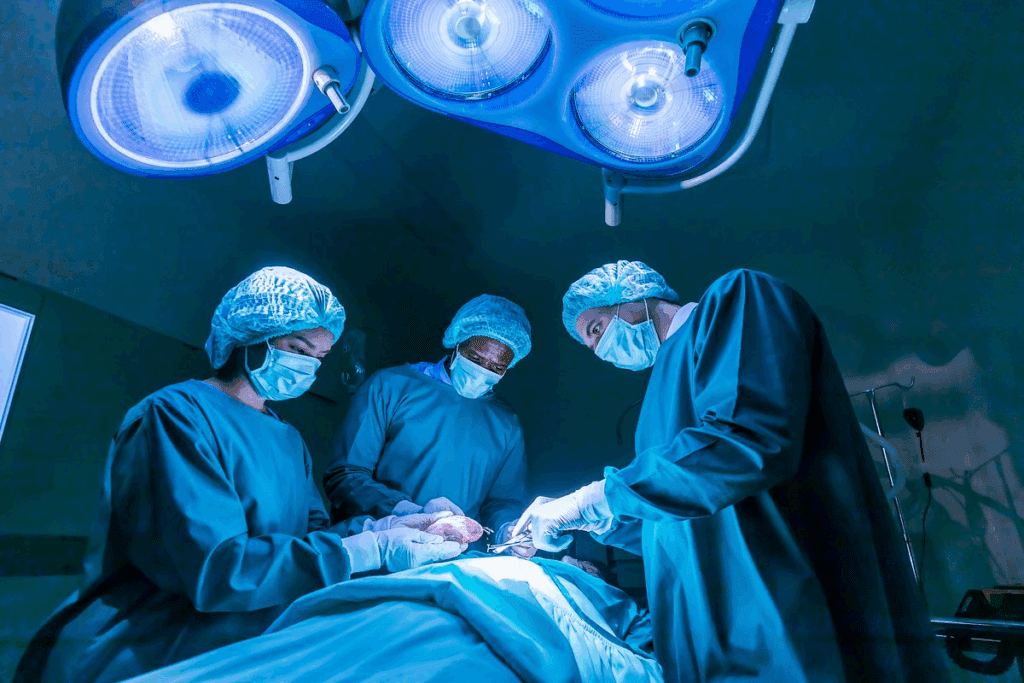
Some surgeries, like multi-organ transplants and complex oncology surgeries, are very risky. A study showed that some surgeries have a death rate of up to 20%. This is because of different complications. specific pediatric surgical procedures save lives. Safety first. Learn how doctors correct birth defects using advanced techniques.
It’s important to know the risks of different surgeries. This helps both patients and doctors. The surgery’s complexity, the patient’s health, and the surgeon’s experience all matter.
Key Takeaways
- Certain surgeries, like multi-organ transplants, are considered high-risk due to their complexity.
- The mortality rate for some surgeries can be as high as 20%.
- Patient health and surgical team experience are critical factors in surgical outcomes.
- Complex oncology surgeries require precise planning and execution.
- Understanding surgical risks is essential for informed decision-making.
Understanding High-Risk Surgery
High-risk surgeries are complex, involve a lot of blood loss, or affect patients with severe health issues. It’s key for doctors and patients to understand these surgeries.
Definition of High-Risk Surgery
A high-risk surgery is one that might lead to serious problems or death. These issues can come from the surgery’s complexity, the patient’s health, or other health problems.
These surgeries often mean a lot of blood loss, complex repairs, or operations on important organs. The team doing the surgery needs a lot of skill and experience.
Common Reasons for High-Risk Status
Several things can make a surgery high-risk. These include:
- Patient comorbidities, such as heart disease or diabetes
- Complexity of the surgical procedure
- Significant blood loss or need for prolonged anesthesia
- Emergency operations where preparation time is limited
Factors that Increase Surgical Risk

Many factors can make surgery riskier. These include:
- Age of the patient, with older patients generally being at higher risk
- Presence of comorbid conditions, such as hypertension or chronic obstructive pulmonary disease (COPD)
- Type of surgery, with some procedures inherently carrying more risk than others
Risk Factor | Description | Implication |
Age | Older patients are more likely to have comorbidities. | Increased risk of complications during and after surgery. |
Comorbidities | Presence of other health conditions, such as heart disease or diabetes. | Higher risk of surgical complications and prolonged recovery. |
Type of Surgery | Some surgeries are inherently more complex or risky. | Varied risk levels depending on the specific procedure. |
Types of High-Risk Surgeries
Some surgeries are considered high-risk because they can lead to serious complications. These include cardiac, neurosurgical, and organ transplant procedures. It’s important for patients and healthcare providers to know about these surgeries.
Cardiac Surgeries
Cardiac surgeries are very complex and risky. They include heart transplants, coronary artery bypass grafting (CABG), and valve repair or replacement. The heart is delicate and vital, making these surgeries challenging.
Type of Cardiac Surgery | Description | Risk Factors |
Heart Transplant | Replacing a diseased heart with a healthy donor heart. | Rejection, infection, organ availability. |
CABG | Bypass surgery to improve blood flow to the heart. | Bleeding, infection, stroke. |
Valve Repair/Replacement | Fixing or replacing heart valves to ensure proper blood flow. | Infection, bleeding, valve dysfunction. |
Neurosurgeries
Neurosurgeries involve operations on the brain and spinal cord. They include procedures for brain tumors, aneurysms, and spinal cord injuries. The risk is high because of the danger of damaging important brain or spinal cord structures.
Organ Transplant Surgeries
Organ transplant surgeries, like lung transplant and liver transplant, are risky. They require immunosuppression and can lead to organ rejection. These surgeries are lifesaving but need careful post-operative management.
Organ Transplant | Indications | Complications |
Lung Transplant | End-stage lung disease. | Rejection, infection, bronchiolitis obliterans. |
Liver Transplant | End-stage liver disease, acute liver failure. | Rejection, infection, recurrence of original disease. |
Major Trauma Surgeries
Major trauma surgeries are done in emergencies to treat severe injuries. They are high-risk due to the urgent situation and the risk of significant blood loss and other complications.
In conclusion, high-risk surgeries include many complex procedures. Knowing the risks and challenges of each type is key for patients and healthcare providers.
What Makes a Surgery “High-Risk”?
Knowing what makes a surgery high-risk is key for patients to make smart health choices. Several things can make a surgery risky, like the patient’s health, how complex the surgery is, and the anesthesia used.
Patient Health and Medical History
A patient’s health and past medical issues greatly affect surgery risk. Conditions like heart disease, diabetes, or lung disease can make surgery and recovery harder. For example, heart problems can increase the risk of heart issues during surgery.
Pre-existing Condition | Potential Surgical Risk |
Heart Disease | Cardiac Complications |
Diabetes | Infection, Delayed Healing |
Lung Disease | Respiratory Complications |
Complexity of the Procedure
The complexity of a surgery is a big factor in its risk level. More complex surgeries need longer to recover and have a higher chance of problems. For example, surgeries on major organs or complex reconstructions are high-risk because they are very detailed and can lead to serious issues.
- Surgeries involving vital organs
- Complex reconstructions
- Procedures requiring lengthy anesthesia
Type of Anesthesia Used
The anesthesia used in surgery also impacts its risk. General anesthesia, which makes the patient unconscious, is riskier than local or regional anesthesia. The choice of anesthesia depends on the surgery type, the patient’s health, and the anesthesiologist’s expertise.
Key Considerations for Anesthesia:
- Patient’s overall health and medical history
- Type of surgical procedure
- Potential for allergic reactions or complications
In conclusion, surgery risk comes from many factors, including the patient, the surgery’s complexity, and the anesthesia. Knowing these can help both patients and doctors make better choices and prepare for what might happen.
Pre-Operative Considerations
Before surgery, a detailed pre-operative evaluation is key for the best results. This important step includes many assessments and talks between the patient and healthcare team.
Thorough Evaluation of the Patient
A complete pre-operative check-up looks at the patient’s medical history and current health. It also considers any past surgeries or health issues. This helps spot risks and plan how to avoid them.
Tests like blood work and imaging studies are used to understand the patient’s health fully.
Importance of Pre-Surgery Tests
Pre-surgery tests are vital to check the patient’s health before surgery. They help find any issues that might make the surgery or recovery harder. These tests include:
- Blood Tests: To check for infections, blood type, and other factors.
- Imaging Studies: Such as X-rays, CT scans, or MRI scans to see inside the body.
- Electrocardiogram (ECG): To check the heart’s function.
These tests give important info for the surgeon and anesthesiologist to plan the surgery and prepare for any problems.
Discussing Risks and Benefits with a Surgeon
Talking openly with the surgeon about surgery risks and benefits is essential. This talk should cover:
- Potential Risks: Possible complications, side effects, and other bad outcomes.
- Expected Benefits: The hoped-for health or quality of life improvements.
- Alternative Options: Other treatments that might be available.
Knowing the risks and benefits helps patients make informed choices. It makes them more confident in their treatment plan.
The Role of Surgeons in High-Risk Procedures
Surgeons in high-risk procedures need a mix of skill, experience, and precision. These surgeries are complex, requiring a deep understanding of human anatomy. They also need to make quick, critical decisions under pressure.
Expertise and Experience Required
Surgeons in high-risk procedures need a lot of training and experience. Their expertise comes from years of practice, facing many different cases. This experience helps them handle unexpected problems during surgery.
The value of surgical expertise is huge. It’s the base for successful surgeries, where mistakes can be deadly. Surgeons must keep up with new techniques and tools to give the best care.
Team Involvement in High-Risk Cases
Team involvement is key in high-risk surgeries. A team including anesthesiologists, nurses, and others works together. This teamwork helps manage risks and improve patient results.
In these surgeries, the team must be ready for emergencies. They need technical skills, good communication, and a strong team spirit. The team’s ability to work well under pressure is vital for success.
Continuous Learning and Adaptation
The field of surgery keeps changing, with new methods and tools coming out. For surgeons in high-risk procedures, continuous learning is a must. This keeps them updated and ready for new challenges.
Surgeons also need to learn from their experiences, both good and bad. This reflective practice helps them improve their skills and patient care. By always looking to get better, surgical teams can do better in high-risk surgeries.
Anesthesia and Its Risks
Anesthesia is key in surgery, needing skill to keep patients safe. It uses medicines to make patients sleep or numb them, so they don’t feel pain during surgery.
Types of Anesthesia Used in High-Risk Surgery
In risky surgeries, the anesthesia type matters a lot. There are:
- General anesthesia, which makes you sleep
- Regional anesthesia, which numbs a part of your body
- Local anesthesia, which numbs a small area
- Monitored anesthesia care, which combines sedation and pain relief
The right anesthesia depends on the patient’s health, the surgery’s complexity, and the anesthesiologist’s skills.
Potential Complications from Anesthesia
Anesthesia is mostly safe, but some risks exist. These include:
Complication | Description | Risk Factors |
Respiratory depression | Slowed or stopped breathing | Pre-existing respiratory conditions, opioid use |
Cardiac complications | Changes in heart rate or blood pressure | Pre-existing heart conditions, hypertension |
Anaphylaxis | Severe allergic reaction | History of allergies, certain medications |
Importance of Anesthesiologist Expertise
An anesthesiologist’s skill is vital to avoid anesthesia risks. A skilled anesthesiologist can:
- Look at the patient’s health history and plan the anesthesia
- Watch the patient’s vital signs during surgery
- Act fast if any problems come up
Choosing a good anesthesiologist can lower risks and help ensure a safe surgery.
Post-Operative Risks and Care
Good care after surgery is key to avoiding problems and a smooth recovery. The time after surgery is very important. Patients can face many issues that affect their health and recovery.
Common Complications After High-Risk Surgery
Patients after high-risk surgery face risks like infection, bleeding, and heart or lung problems. Infection is a big worry, as it can cause longer hospital stays and more treatments. It’s important to watch for signs of infection, like fever, redness, or swelling.
- Infection
- Bleeding or hemorrhage
- Respiratory complications
- Cardiac issues
- Deep vein thrombosis (DVT)
Importance of Monitoring and Follow-Up
Keeping an eye on the patient and regular check-ups are key to post-operative care. These visits help catch problems early and treat them quickly. Follow-up appointments are set by the healthcare team to track the patient’s healing.
Monitoring Aspect | Description | Frequency |
Vital Signs | Monitoring temperature, blood pressure, heart rate, and oxygen saturation. | Continuous or as directed |
Wound Care | Inspecting the surgical site for signs of infection or complications. | Daily or at each follow-up |
Pain Management | Assessing pain levels and adjusting medication as necessary. | Ongoing |
Recovery Tips for High-Risk Surgery Patients
To help with recovery, patients should stick to their medication, eat well, and do the right exercises. Drinking enough water and resting well are also important for healing.
- Follow the post-operative instructions provided by your healthcare team.
- Attend all scheduled follow-up appointments.
- Monitor your condition and report any concerns to your healthcare provider.
- Maintain a balanced diet to support healing.
- Stay hydrated and get plenty of rest.
The Emotional Impact of High-Risk Surgery
High-risk surgeries are tough on patients, both physically and emotionally. Going through these surgeries is a complex journey. It brings out a mix of emotions that affect patients and their loved ones deeply.
Patients’ Anxiety and Fear
The wait and uncertainty before high-risk surgeries can cause a lot of anxiety and fear. These feelings come from not knowing what will happen, fears of complications, or worries about life after surgery.
Healthcare providers need to recognize these feelings and offer emotional support. This support can make the journey less scary for patients.
Support Systems During Recovery
A strong support system is key during recovery. Family, friends, and support groups give the emotional support needed. They help patients face the challenges of getting better.
Also, professional counseling can help with the emotional side of recovering from high-risk surgeries. Counselors teach ways to handle anxiety, fear, and other feelings. This helps patients recover more smoothly.
Long-Term Psychological Effects
The long-term psychological effects of high-risk surgeries can be big. Patients might feel relieved, grateful, or even depressed and anxious. It’s important to understand these effects to give better care.
By recognizing the emotional and psychological impact of these surgeries, healthcare providers can offer more complete care. This care addresses both physical and emotional needs. It can lead to better results and a better life for those going through these surgeries.
Innovations in High-Risk Surgery
The world of high-risk surgery is changing fast. New technologies and methods are making operations safer and more effective. This is great news for patients facing complex surgeries.
Advances in Surgical Techniques
New surgical methods are making high-risk surgeries easier. Microsurgery and endoscopic surgery are becoming more common. They allow for more precise work with less damage to tissues.
Thanks to better training and simulated surgical environments, surgeons can do detailed work better. This leads to better care for patients.
Robotics and Minimally Invasive Options
Robotics in surgery is a big leap forward, mainly for risky operations. It brings better control, precision, and views, making tough surgeries possible.
- Improved precision and flexibility
- Reduced blood loss and trauma
- Shorter recovery times
Minimally invasive surgeries, like laparoscopic ones, are getting better too. They need smaller cuts, which means fewer complications after surgery.
Future Trends in High-Risk Surgery
The future of high-risk surgery looks bright. Artificial intelligence (AI) and machine learning will likely play big roles. They could help predict problems and improve results.
Trend | Description | Potential Impact |
AI in Surgical Planning | Using AI algorithms to analyze patient data and plan surgeries | Improved accuracy and reduced risk |
Personalized Medicine | Tailoring surgical approaches to individual patient needs | Better patient outcomes and satisfaction |
Advanced Biomaterials | Developing new materials for surgical implants and repairs | Enhanced durability and compatibility |
These new ideas will change high-risk surgery for the better. As tech keeps getting better, we can expect even more progress in surgical care.
Patient Stories and Case Studies
Patient stories from high-risk surgeries give us a peek into the challenges and victories of modern medicine. These stories show the tough times and the triumphs. They also show how patients and doctors work together.
Inspirational Recovery Journeys
Many patients have amazing stories of recovery after high-risk surgeries. For example, a heart transplant patient said their journey was more than just the surgery. It was about the care they got before and after.
“The care I received was beyond my expectations. From the nurses to the surgeons, everyone played a key role in my recovery.” –
A Heart Transplant Patient
These stories show how important teamwork is in high-risk surgeries. A team of healthcare workers work together to help patients get better.
How Challenges Were Overcome
High-risk surgeries face big challenges, like problems during or after the surgery. But, new medical tech and methods have made things better. For example, robotic surgery has cut down recovery times for many.
- Advanced surgical techniques
- Improved post-operative care
- Enhanced patient monitoring
New tech has been key in helping patients beat the challenges of high-risk surgeries.
Lessons Learned from High-Risk Surgeries
Case studies from high-risk surgeries teach us a lot. They show that good preparation, clear communication, and care after surgery are key. A review of several studies found these to be important.
Key Factors | Impact on Outcome |
Pre-operative evaluation | Helps spot risks early, preparing better |
Team communication | Makes sure everyone is on the same page, lowering complication risk |
Post-operative care | Helps with recovery, cuts down on problems |
These lessons are very important for doctors and patients. They show the value of a complete approach to high-risk surgeries.
Resources for Patients Considering High-Risk Surgery
High-risk surgery can be complex. Patients and their families need reliable information and support. There are many resources to help them make informed decisions and face the challenges of these surgeries.
Where to Find Support Groups
Support groups offer emotional support and practical advice. They are key for patients facing high-risk surgery. You can find them through:
- Local hospitals and healthcare organizations
- National health organizations, like the American Heart Association or the American Cancer Society
- Online forums and social media for specific health conditions
Being part of a support group can make patients feel less alone. It helps reduce anxiety and isolation.
Helpful Information from Medical Associations
Medical associations are great resources for patients. They offer:
Association | Resources Offered |
American Medical Association (AMA) | Guidelines for patient care, surgeon directories |
Society of Thoracic Surgeons (STS) | Information on thoracic surgery, surgeon qualifications |
American College of Surgeons (ACS) | Surgical outcome data, patient education materials |
These resources help patients understand their options and their surgeon’s qualifications.
Connecting with Medical Professionals
Building a strong relationship with medical professionals is key. Patients should:
- Get a second opinion to confirm their diagnosis and treatment plan
- Ask about their condition, the surgery, and post-operative care
- Talk about their concerns and fears with their healthcare team
By doing these things, patients can feel more confident and ready for their surgery.
Conclusion: Making Informed Decisions
When thinking about high-risk surgery, making smart choices is key. Patients need to think carefully about the risks and benefits. They should know that every situation is different.
Risks and Benefits
It’s important to understand the risks and benefits. This means looking at the surgery’s complexity, the patient’s health, and the surgeon’s skills.
Trust in Your Healthcare Team
Trust is essential. Patients should trust their surgeons and the team. They should believe they can handle any problems that might come up.
Open Communication
Good communication with your surgeon is vital. Patients should feel free to ask questions and share their worries. This helps them understand what to expect.
By making informed choices, trusting their healthcare team, and talking openly, patients can face high-risk surgery with more confidence and clarity.
FAQ
What is considered a high-risk surgery?
High-risk surgeries are complex and carry a higher risk of complications or death. Examples include heart surgeries, brain surgeries, organ transplants, and major trauma surgeries like aortic repair and complex cancer surgeries.
What factors contribute to a surgery being classified as high-risk?
Several factors make a surgery high-risk. These include the patient’s health and medical history, the surgery’s complexity, the type of anesthesia, and the need for complex procedures like pancreatic or esophageal surgery.
How important is pre-operative evaluation for high-risk surgeries?
Pre-operative evaluation is very important for high-risk surgeries. It helps identify risks and complications. This includes reviewing the patient’s medical history, conducting tests, and discussing risks and benefits with the surgeon.
What role do surgeons play in managing high-risk surgeries?
Surgeons are key in managing high-risk surgeries. They need expertise and experience in the procedure. They work with a team, including anesthesiologists and other specialists, to ensure the best outcome.
What are the possible complications of anesthesia in high-risk surgeries?
Anesthesia complications in high-risk surgeries can include respiratory and cardiac issues. The type of anesthesia and the anesthesiologist’s expertise are critical. This is true for complex procedures like open heart bypass and advanced neurosurgery.
How can patients prepare for the emotional impact of high-risk surgery?
Patients can prepare emotionally by understanding the risks and benefits. Having a support system and discussing concerns with the healthcare team helps. This can reduce anxiety and fear, important for procedures like liver resection or spinal surgery.
What are some common complications after high-risk surgery?
Common complications include infection, bleeding, and organ failure. Monitoring and follow-up care are key to manage these complications. This is critical for patients who have had vascular surgery or abdominal aortic repair.
How are innovations in surgical techniques improving high-risk surgery outcomes?
New surgical techniques, like robotics and minimally invasive options, are improving outcomes. They reduce recovery time and minimize complications. These advancements are very beneficial for complex procedures like pelvic exenteration or thoracic procedures.
Where can patients find resources and support for high-risk surgery?
Patients can find support through medical associations, support groups, and their healthcare team. These resources offer valuable information and guidance. They are helpful for those undergoing emergency operations or trauma surgery.
References
New England Journal of Medicine. Evidence-Based Medical Insight. Retrieved from https://www.nejm.org/doi/full/10.1056/NEJMsa0810119