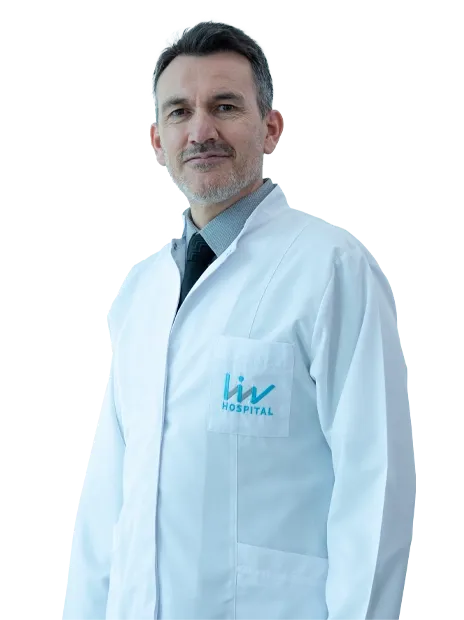

Pediatric cardiac surgery is a special field. It focuses on finding and fixing heart problems in kids.
This field has made big strides, leading to better results and more lives saved. Places like Kaiser Permanente are known for their top-notch care. They have caring nurses and doctors who give families hope and the best medical help.
Pediatric thoracic surgeons play a key role in treating heart defects in children. They need to be very skilled and understand the heart’s complex workings.
Key Takeaways
- Understanding the importance of pediatric cardiac surgery in treating congenital heart defects.
- Recognizing the role of pediatric thoracic surgeons in correcting heart defects.
- Acknowledging the advancements in pediatric cardiac surgery.
- Appreciating the high-quality care provided by institutions like Kaiser Permanente.
- Understanding the complexities and challenges in pediatric cardiac surgery.
The Field of Pediatric Cardiac Surgery

Medical technology and surgery have made big strides in pediatric cardiac surgery. This field deals with surgeries for heart defects in kids.
Definition and Specialized Focus
Pediatric cardiac surgery is a complex area. Pediatric cardiothoracic surgeons get a lot of training for these surgeries. They work with other doctors to care for kids.
This field focuses on fixing heart defects in kids. These can be simple or very complex. A pediatric heart surgeon must be very skilled and make quick decisions.
Historical Development and Milestones
The history of pediatric cardiac surgery is filled with important moments. The first successful repair of a heart defect was in 1953. Thanks to new tech and care, kids are living longer and healthier after surgery.
|
Year |
Milestone |
Significance |
|---|---|---|
|
1953 |
First successful closure of an atrial septal defect |
Marked the beginning of modern pediatric cardiac surgery |
|
1960s |
Introduction of cardiopulmonary bypass technology |
Enabled more complex surgeries to be performed |
|
1980s |
Advances in neonatal care and surgical techniques |
Improved survival rates for neonates with complex heart defects |
The growth of pediatric cardiac surgery shows the hard work of pediatric cardiothoracic surgeons and new tech. As it keeps getting better, kids with heart defects have more hope.
The Role and Expertise of Pediatric Thoracic Surgeons

Pediatric cardiac surgeons are experts in operating on children’s hearts. They do more than just surgery. They also take care of patients before and after surgery. This makes sure kids get the best care possible.
Education and Training Requirements
Becoming a pediatric thoracic surgeon takes a lot of time and effort. It starts with medical school, then a general surgery residency. After that, they get specialized training in cardiothoracic surgery.
They also spend extra years in fellowship training in pediatric cardiac surgery. This training helps them deal with complex heart defects in kids.
These surgeons also get to keep learning through continuous education. This keeps them up-to-date with new techniques and discoveries in their field.
Specialized Skills and Technical Expertise
Pediatric thoracic surgeons need both technical skills and the ability to make quick decisions. They perform many surgeries, from simple to complex. They also know a lot about kids’ heart anatomy and how it works.
They must work well under pressure and make fast, smart choices. They also need to talk well with families and other doctors to give the best care.
Collaboration with Pediatric Cardiologists
Children with heart problems need a team approach. Pediatric thoracic surgeons and cardiologists work together. They diagnose heart issues, plan surgeries, and care for patients after surgery. Together, they make a team focused on the best results for kids.
This teamwork makes sure treatment plans fit each child’s needs. It’s key to successful care for kids with heart problems.
Common Congenital Heart Defects in Children
It’s important to know about common congenital heart defects in kids. These defects are problems in the heart that kids are born with. They can affect how blood flows through the heart.
Atrial and Ventricular Septal Defects
Atrial septal defects (ASD) and ventricular septal defects (VSD) are common. ASD has a hole in the upper heart chambers, while VSD has a hole in the lower chambers. Both can make the heart work harder.
Symptoms include breathing problems, feeling tired, and not growing well. Diagnosis is usually done with an echocardiogram. Treatment might be surgery or a catheter procedure to fix the hole.
Tetralogy of Fallot
Tetralogy of Fallot (TOF) is a serious heart defect. It has four main parts: VSD, pulmonary stenosis, right ventricular hypertrophy, and an overriding aorta. This makes it hard for blood to get to the lungs.
Treatment for TOF often involves surgery. This can include fixing the VSD, easing pulmonary stenosis, and improving lung blood flow.
Transposition of the Great Arteries
Transposition of the great arteries (TGA) is a heart defect where the main arteries are reversed. The aorta comes from the right ventricle, and the pulmonary artery comes from the left. This creates two separate blood paths.
Surgical intervention is needed to fix TGA. The arterial switch operation is a common surgery. It switches the arteries back to their normal positions.
Hypoplastic Left Heart Syndrome
Hypoplastic left heart syndrome (HLHS) is a serious heart defect. The left side of the heart is not fully developed. It needs major surgery to survive.
Treatment for HLHS includes a series of surgeries. The Norwood procedure is used to create a new circulation system.
Diagnostic Approaches in Pediatric Cardiac Care
Diagnostic methods in pediatric cardiac care have improved a lot. They now offer more accurate and timely diagnoses for heart conditions in kids. Thanks to new technologies, doctors can diagnose heart issues before and after birth better. This helps them plan and start treatment sooner.
Prenatal Diagnosis and Planning
Prenatal diagnosis is key in finding heart defects early in pregnancy. It helps parents prepare for their baby’s arrival. This way, the baby gets the medical care they need right away.
Benefits of Prenatal Diagnosis:
- Early spotting of complex heart defects
- Chance for genetic counseling
- Preparation for delivery at a specialized center
Postnatal Evaluation Techniques
After a baby is born, doctors use different methods to check the heart. These include echocardiography, electrocardiography, and cardiac catheterization.
Echocardiography is a non-invasive tool. It gives detailed pictures of the heart. This helps doctors find out if there are any structural problems.
Advanced Imaging Technologies
Technologies like MRI and CT scans give clear images of the heart. They help doctors diagnose complex heart defects better.
The table below shows the main diagnostic methods used in pediatric cardiac care:
|
Diagnostic Approach |
Description |
Benefits |
|---|---|---|
|
Prenatal Ultrasound |
Early detection of congenital heart defects |
Allows for planning and preparation |
|
Echocardiography |
Non-invasive imaging of the heart |
Detailed structural and functional assessment |
|
MRI/CT Scans |
High-resolution imaging of the heart |
Aids in diagnosing complex defects |
Using these diagnostic methods has greatly improved care for kids with heart defects. It has led to better outcomes and a better quality of life for them.
Types of Pediatric Cardiac Surgical Procedures
Pediatric cardiac surgery fixes heart defects in kids. The right surgery depends on the defect and the child’s health.
Palliative Procedures
Palliative surgeries help kids with heart defects live better lives. They don’t fix the defect but help the heart work better until a more lasting fix can be done.
The Blalock-Taussig shunt is one example. It makes a new path for blood to the lungs in kids with Tetralogy of Fallot.
Corrective Surgeries
Corrective surgeries aim to fix the heart defect. They try to make the heart work like normal. These surgeries are done when the child is strong enough.
For example, the arterial switch operation fixes Transposition of the Great Arteries. Closing holes in the heart is another type of corrective surgery.
The Norwood Procedure and Staged Surgeries
The Norwood procedure is for Hypoplastic Left Heart Syndrome (HLHS). It’s a series of surgeries to make the heart pump better.
“The Norwood procedure is a critical first step in the treatment of HLHS, significantly improving survival rates for these children.”
Later surgeries, like the Glenn procedure and Fontan completion, help the heart work even better.
DKS Surgery (Damus-Kaye-Stansel Procedure)
The Damus-Kaye-Stansel (DKS) procedure is for complex heart defects. It connects the pulmonary artery to the aorta, bypassing a blocked aortic valve.
This surgery is often paired with others to boost blood flow.
Complex Interventions in Pediatric Cardiac Surgery
Pediatric cardiac surgery has grown to include complex treatments. These treatments greatly improve the chances of survival for kids with severe heart issues. Advances in surgery and care after surgery have been key to this progress.
Pediatric Heart Transplantation
Pediatric heart transplantation is a lifesaving option for kids with failing hearts. It replaces a sick heart with a healthy one from a donor. Pediatric cardiovascular surgeons are vital in this complex process. They work with a team to ensure the best results.
Transplantation is needed for kids with heart failure, complex heart defects, and other heart issues. It can greatly improve their survival and quality of life. But, finding a donor heart, managing rejection, and long-term medication are big challenges.
Mechanical Circulatory Support
Mechanical circulatory support (MCS) devices help kids with heart failure or waiting for a transplant. These devices can be lifesaving by supporting the heart until a transplant or recovery.
Pediatric heart surgeons are key in placing and managing MCS devices. MCS has helped more kids survive while waiting for a transplant. It also offers an option for those not ready for transplant right away.
Hybrid Procedures
Hybrid procedures in pediatric cardiac surgery combine surgery and catheter-based interventions. Pediatric cardiovascular surgeons and interventional cardiologists work together. This approach treats complex heart defects.
Hybrid procedures have many benefits. They reduce risks, are less invasive, and can treat complex defects. But, they require a well-coordinated team and specialized facilities.
|
Procedure |
Indications |
Benefits |
Challenges |
|---|---|---|---|
|
Pediatric Heart Transplantation |
End-stage heart failure, cardiomyopathy |
Improved survival, quality of life |
Organ availability, rejection, immunosuppression |
|
Mechanical Circulatory Support |
Heart failure, awaiting transplantation |
Life-saving, bridge to transplantation |
Device-related complications, management |
|
Hybrid Procedures |
Complex congenital heart defects |
Less invasive, combined approach |
Coordination, specialized facilities |
Minimally Invasive Approaches by Pediatric Cardiothoracic Surgeons
Medical technology has improved a lot. Now, we have minimally invasive surgeries for kids with heart problems. This change is making a big difference in how we treat these conditions.
Benefits of Minimally Invasive Techniques
Minimally invasive surgeries are great for kids. They have smaller incisions that cause less damage. This means less pain and a faster recovery.
These surgeries also lead to less scarring. This is good news for families who worry about their child’s appearance. Plus, kids can go home sooner, which is safer and better for their health.
Technological Advancements Enabling Less Invasive Approaches
New technology has made these surgeries better. High-definition imaging systems and advanced surgical instruments help surgeons work more precisely. This makes the surgery safer and more effective.
Robotic-assisted surgery systems are also a big help. They let surgeons do complex tasks with more control. This means they can do more with less harm to the child.
Patient Selection Criteria
Not every child can have minimally invasive heart surgery. Doctors look at the type and complexity of the congenital heart defect. They also check the child’s health and anatomical characteristics.
A pediatric cardiothoracic surgeon must carefully choose the right surgery for each child. They use advanced imaging to find the best option for each case.
Survival Rates and Outcomes in Pediatric Cardiac Surgery
Pediatric cardiac surgery has made huge strides, boosting survival rates for kids with heart defects. Thanks to these advances, high-volume centers now see survival rates over 98% for some surgeries.
Current Survival Statistics
Recent studies show a big jump in survival rates for kids having heart surgery. High-volume centers lead this trend, with survival rates hitting 98% or more for complex surgeries.
|
Procedure Type |
Survival Rate (%) |
Complication Rate (%) |
|---|---|---|
|
Simple Congenital Heart Defect Repairs |
99 |
5 |
|
Complex Congenital Heart Defect Repairs |
95 |
10 |
|
Palliative Surgeries |
90 |
15 |
Factors Affecting Surgical Outcomes
Many things can change how well a child does after heart surgery. These include how complex the heart defect is, the child’s age and health, and the skill of the surgical team.
- Complexity of the Defect: More complex defects need more detailed surgeries, which can raise the risk of problems.
- Age and Health of the Child: Younger kids or those with other health issues might face higher risks during and after surgery.
- Surgical Team Expertise: The experience and skill of the surgical team are key to good outcomes.
Long-term Quality of Life Considerations
Looking at long-term outcomes for kids who’ve had heart surgery is very important. Many kids live active, healthy lives, but some need ongoing medical care or treatments.
The quality of life for these kids can be affected by things like any remaining heart defects, the need for more surgeries, and the emotional impact of their condition and treatment.
The Multidisciplinary Approach to Pediatric Cardiac Care
Working together is key in pediatric cardiac care. This means a team effort with many medical experts. They all work together for the best results for young patients.
The Cardiac Care Team Composition
The team includes pediatric heart surgeons, pediatric cardiac surgeons, cardiologists, anesthesiologists, nurses, and more. Each one is important for diagnosing and treating heart defects in kids.
- Pediatric cardiologists manage heart conditions
- Pediatric cardiac surgeons do surgeries
- Cardiac anesthesiologists handle anesthesia during surgeries
- Nurses and support staff provide ongoing care
Collaboration Between Specialties
Teamwork is essential for multidisciplinary care. Team members talk and work together to create care plans for each child. This ensures the best treatment for each patient.
- Team meetings to plan patient care
- Coordination between cardiologists and surgeons for surgeries
- Working with other specialties like neonatology and radiology
Family-Centered Care Models
Family-centered care is a big part of multidisciplinary care. It means involving families in their child’s care. This includes giving them support, education, and resources to make informed decisions.
Key elements include:
- Clear communication about the child’s condition and treatment
- Involving families in decision-making
- Providing emotional and psychological support
By using a team approach that includes family-centered care, pediatric cardiac care teams can greatly improve outcomes. They also make the care experience better for families.
Technological Innovations in Pediatric Cardiac Surgery
The field of pediatric cardiac surgery is changing fast thanks to new technologies. These new tools are making surgeries better and care for kids more effective.
3D Printing Applications
3D printing is a big deal in pediatric cardiac surgery. It lets doctors make exact models of a child’s heart. This helps them plan surgeries better and practice them before the real thing.
Benefits of 3D Printing in Pediatric Cardiac Surgery:
- Enhanced preoperative planning
- Improved surgical simulation
- Better patient education and family understanding
- Customized surgical approaches
Robotic-Assisted Surgery
Robotic-assisted surgery is also becoming more common. It gives doctors more control and precision during surgery. This could mean better results and quicker recovery times for kids.
|
Aspect |
Traditional Surgery |
Robotic-Assisted Surgery |
|---|---|---|
|
Precision |
Limited by human hand |
Enhanced by robotic systems |
|
Recovery Time |
Generally longer |
Potentially shorter |
|
Surgical Complexity |
Limited by surgeon’s expertise |
Facilitates complex procedures |
Artificial Intelligence and Predictive Analytics
Artificial intelligence (AI) and predictive analytics are being used more in pediatric cardiac surgery. They help doctors predict problems and find the best treatments.
The integration of AI in pediatric cardiac care represents a significant step forward in personalized medicine.
New technologies like 3D printing, robotic surgery, and AI are changing pediatric cardiac surgery. They make surgeries more precise, care better, and outcomes for kids better.
Postoperative Care and Recovery
Good postoperative care is key for kids after heart surgery. The time after surgery is very important. It needs careful attention and a detailed care plan.
Intensive Care Management
Intensive care is vital for kids after heart surgery. It involves watching their vital signs closely. The ICU team works together to give the best care.
Key aspects of intensive care management include:
- Continuous monitoring of vital signs and cardiac function
- Management of pain and discomfort
- Support for respiratory and hemodynamic stability
- Prevention and treatment of possible complications
Pain Management Strategies for Children
Pain management is very important for kids after surgery. It helps them feel better and recover faster. Each child’s pain plan is made just for them.
|
Pain Management Strategy |
Description |
Benefits |
|---|---|---|
|
Pharmacological Interventions |
Use of medications to manage pain |
Effective pain relief, reduced stress |
|
Non-Pharmacological Interventions |
Techniques such as distraction, relaxation, and physical therapy |
Reduced reliance on medication, promotes overall well-being |
|
Multidisciplinary Approach |
Collaboration among healthcare professionals to develop a complete pain management plan |
Improved pain control, enhanced patient satisfaction |
Rehabilitation and Long-term Follow-up Care
Rehabilitation and long-term care are key for kids after surgery. They help kids recover fully and stay healthy. Each child’s program is tailored to their needs.
Key elements of rehabilitation and long-term follow-up care include:
- Physical therapy to improve strength and mobility
- Emotional support and counseling for the child and family
- Regular follow-up appointments with the healthcare team to monitor progress and address any concerns
With good postoperative care, kids can have better outcomes and a better life after heart surgery. This includes intensive care, pain management, and rehabilitation.
Global Market Trends in Pediatric Cardiac Care
The pediatric cardiac care market is growing worldwide. This is because more people are aware of the need for early diagnosis and treatment.
The market for pediatric cardiac care is expanding fast. This is thanks to new medical technologies and more cases of congenital heart diseases. The market size is expected to hit USD 32.7 billion by 2032, growing at a rate of 9.8% each year.
Current Market Size and Growth Projections
The demand for advanced healthcare services is driving the growth of the pediatric cardiac care market. The market size is expected to grow a lot over the next decade. This growth is due to:
- More cases of congenital heart defects
- New surgical techniques and medical technology
- More awareness about early diagnosis and treatment
- Improving healthcare in developing countries
Market Projections: The global pediatric cardiac care market is set to reach USD 32.7 billion by 2032. This shows a 9.8% annual growth rate. This growth shows more investment in pediatric cardiac care and a higher demand for specialized healthcare services.
Regional Variations in Access to Care
Access to pediatric cardiac care varies across different regions. This is due to factors like healthcare infrastructure, economic conditions, and the availability of specialized healthcare professionals.
|
Region |
Market Size (USD Billion) |
CAGR (%) |
|---|---|---|
|
North America |
12.5 |
10.2 |
|
Europe |
9.8 |
9.5 |
|
Asia-Pacific |
7.3 |
11.8 |
|
Latin America |
2.1 |
8.5 |
|
Middle East & Africa |
1.0 |
9.0 |
The table shows the differences in the pediatric cardiac care market across regions. North America and Europe have big shares. But, the Asia-Pacific region is expected to grow the most. This is because healthcare is improving and more people are becoming aware.
In conclusion, the global pediatric cardiac care market is set for big growth. This is thanks to new medical technologies and a growing need for specialized healthcare services. The differences in access to care across regions highlight the need for more investment in healthcare and training for healthcare professionals.
Livhospital’s Approach to Pediatric Cardiac Surgery
Livhospital.com focuses on top-notch pediatric cardiac surgery. It follows international standards and keeps improving. This goal is to give the best care to kids with heart issues.
Mission and International Standards
Livhospital.com sticks to strict international standards in pediatric cardiac surgery. This ensures patients get the best care. The hospital aims to offer top medical services using the latest technology and techniques.
Key aspects of Livhospital’s mission include:
- Providing patient-centered care
- Utilizing state-of-the-art medical technology
- Fostering a culture of continuous improvement
Implementation of Current Protocols
Livhospital.com keeps its protocols up to date with the latest in pediatric cardiac surgery. This means patients get the safest and most effective treatments.
The hospital updates its protocols by:
- Regular training for medical staff
- Collaboration with international experts
- Continuous monitoring of outcomes
Multidisciplinary Services and Continuous Improvement
Livhospital.com provides a wide range of services for kids needing cardiac surgery. The team includes experts in pediatric cardiology, cardiothoracic surgery, anesthesiology, and nursing. They work together to give complete care.
|
Service |
Description |
Benefits |
|---|---|---|
|
Pediatric Cardiology |
Diagnosis and treatment of heart conditions in children |
Early detection and intervention |
|
Cardiothoracic Surgery |
Surgical correction of heart defects |
Improved heart function and quality of life |
|
Anesthesiology |
Safe anesthesia care during surgical procedures |
Reduced risk and discomfort |
Livhospital.com is always looking to improve. It regularly checks and updates its services to maintain the highest care standards.
Conclusion
The world of pediatric cardiac surgery is always changing. New technology and better surgical methods are making a big difference. These changes help kids with heart problems live longer, healthier lives. Pediatric thoracic surgeons are key players in this progress. They use their special skills to treat complex heart issues. New tools like 3D printing and robotic surgery make these treatments even better. Working together is vital in this field. Pediatric cardiologists and cardiac teams must collaborate. This teamwork helps improve care and make it more accessible. The future of pediatric cardiac surgery looks very promising, with new discoveries on the horizon.
FAQ
What is pediatric cardiac surgery?
Pediatric cardiac surgery is a special field that treats heart problems in kids. It covers newborns to teens. The goal is to fix heart defects and diseases through surgery.
What is the role of a pediatric thoracic surgeon?
A pediatric thoracic surgeon is a specialist who does surgeries on kids’ hearts and lungs. They treat heart defects and diseases, helping kids breathe and heart health.
What are some common congenital heart defects treated with pediatric cardiac surgery?
Kids with heart defects like holes in the heart or misshapen heart parts get surgery. These defects can be serious and need surgery to fix.
What diagnostic approaches are used in pediatric cardiac care?
Doctors use many ways to find heart problems in kids. This includes tests before birth and after, and scans like echocardiograms. These help plan the best treatment.
What types of surgical procedures are used in pediatric cardiac surgery?
Surgery for kids’ heart problems includes many types. This includes fixing heart defects and complex surgeries like the Norwood procedure. Each surgery is chosen based on the child’s needs.
What is the Norwood procedure?
The Norwood procedure is a big surgery for a serious heart problem. It makes the heart work better by changing its structure.
What is DKS surgery?
DKS surgery connects the heart’s main blood vessels. It’s for certain heart defects and helps blood flow better.
What are the benefits of minimally invasive approaches in pediatric cardiac surgery?
New, smaller surgeries are better for kids. They cause less pain and help kids heal faster. They also lower the risk of problems.
What is the current survival rate for pediatric cardiac surgery?
Most kids survive and do well after heart surgery. But, it depends on the problem and the child’s health.
What is the importance of postoperative care in pediatric cardiac surgery?
Care after surgery is key for kids. It includes managing pain and helping them recover. This care is vital for a good outcome.
How does Livhospital approach pediatric cardiac surgery?
Livhospital focuses on top-notch care for kids’ heart surgery. They follow international standards and improve care always. Their team works together for the best results.
What technological innovations are impacting pediatric cardiac surgery?
New tech like 3D printing and robots is changing heart surgery for kids. It makes planning and doing surgery better.
What is the role of a multidisciplinary team in pediatric cardiac care?
A team of experts is essential for kids’ heart care. They work together to give kids the best treatment and care.
References
National Center for Biotechnology Information. Evidence-Based Medical Insight. Retrieved from https://pubmed.ncbi.nlm.nih.gov/9606220/



 Departments
 Related Videos
 Our Doctors
 News
News