After neonatal sepsis, careful follow-up is vital. At Liv Hospital, experts monitor growth and development to prevent long-term complications.
Surviving Neonatal Sepsis is a significant milestone for a newborn, but the medical journey continues into a phase of vigilant “Growth and Prevention.” While most infants recover fully without lasting effects, the systemic nature of sepsis—especially if it involved the central nervous system or prolonged intensive care—can impact a baby’s developmental trajectory.
Prevention in the context of sepsis is two-fold: “Primary Prevention” (stopping the infection before it starts) and “Secondary Prevention” (preventing long-term complications through early intervention). At Liv Hospital, we view the discharge from the NICU not as the end, but as a transition into a specialized follow up program.
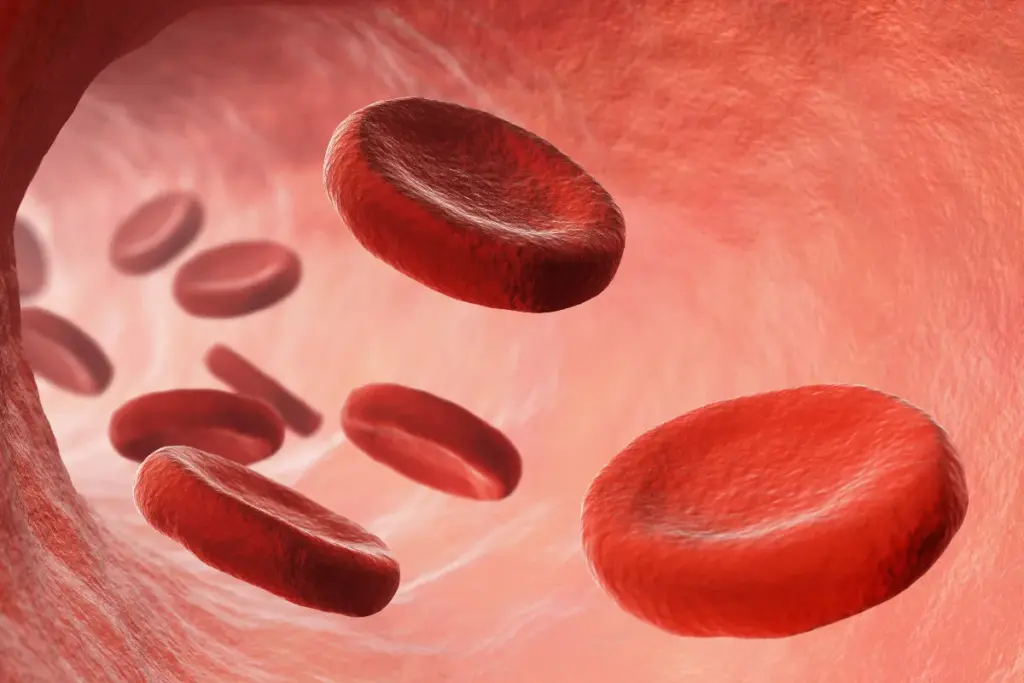
Sepsis often causes a drop in red blood cells.
- Prevention: Recovering infants may need iron supplementation or specific vitamin support to ensure their blood can carry enough oxygen to their growing organs and brain.
While a baby is acutely ill with sepsis, vaccines are typically delayed.
- Strategy: Once stable, it is vital to get back on the standard vaccination schedule. Vaccines protect the “post-septic” baby from other life threatening infections like Haemophilus influenzae and Streptococcus pneumoniae.
Antibiotics kill the “bad” bacteria, but they also clear out the “good” bacteria in the baby’s gut.
- Prevention: Some infants are prescribed specific neonatal probiotics to help rebuild a healthy “microbiome,” which is essential for long-term immune system training and preventing future infections.
Prevention of a second sepsis event depends on the parents’ ability to spot early signs.
The Lesson: We provide parents with a “Discharge Toolkit,” teaching them how to take a rectal temperature and how to recognize “lethargy” versus “normal sleep.” If a baby has had sepsis once, parents must know that any new fever requires immediate hospital evaluation.
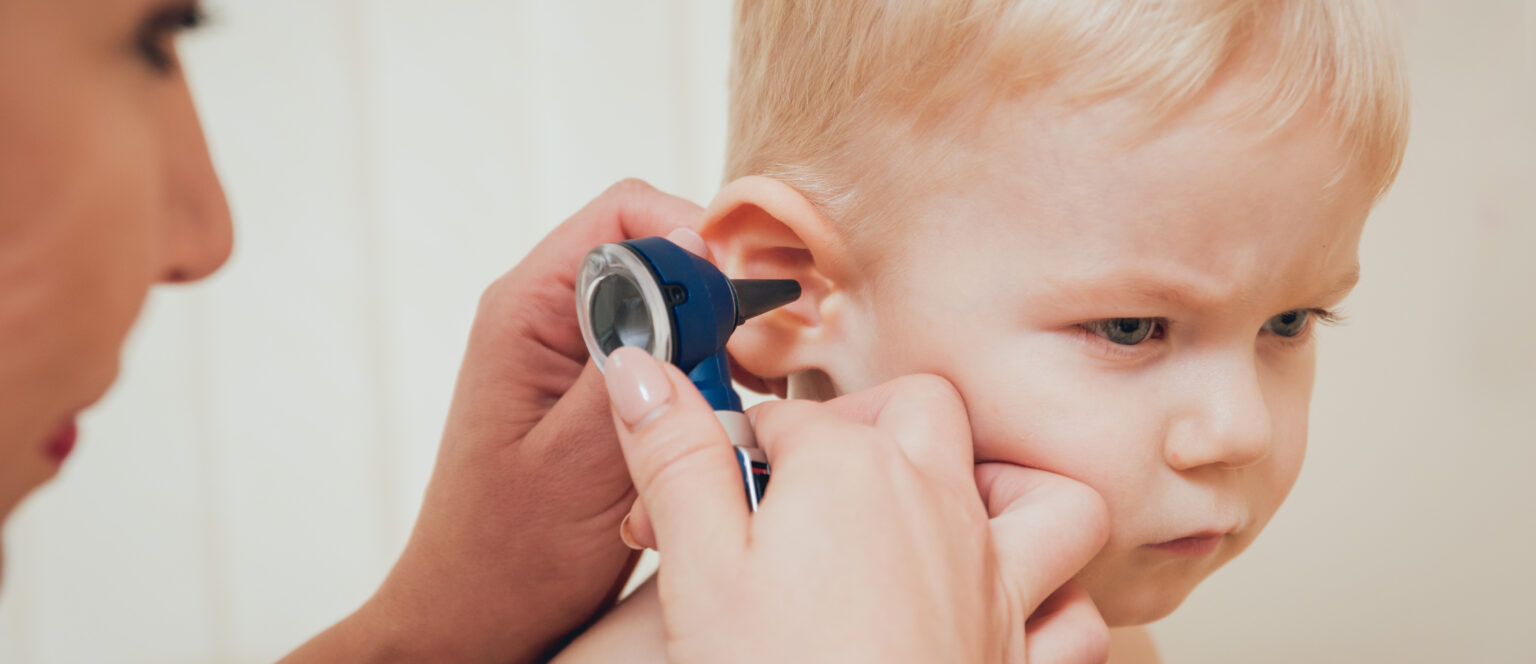
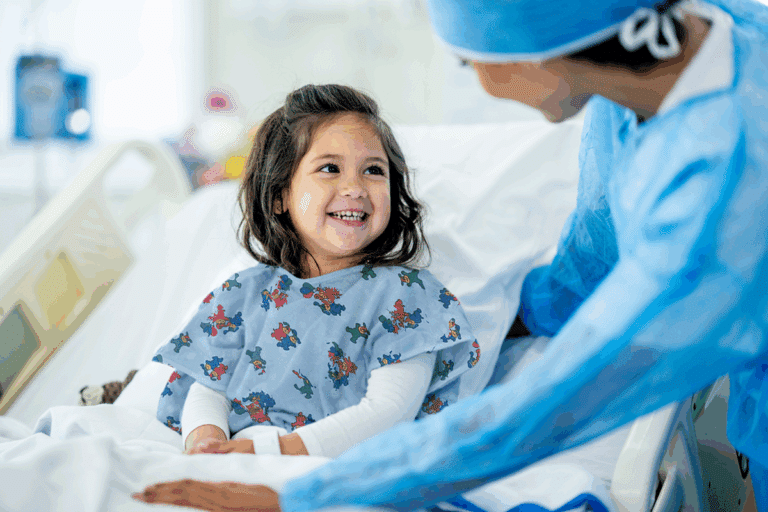
At Liv Hospital, care does not end at discharge. Our Neonatal Follow-up Program bridges the NICU and the pediatrician with on site audiology, pediatric neurology, and nutrition specialists.
Through careful discharge planning and ongoing monitoring, we help ensure every child reaches key developmental milestones and grows into a healthy childhood.