
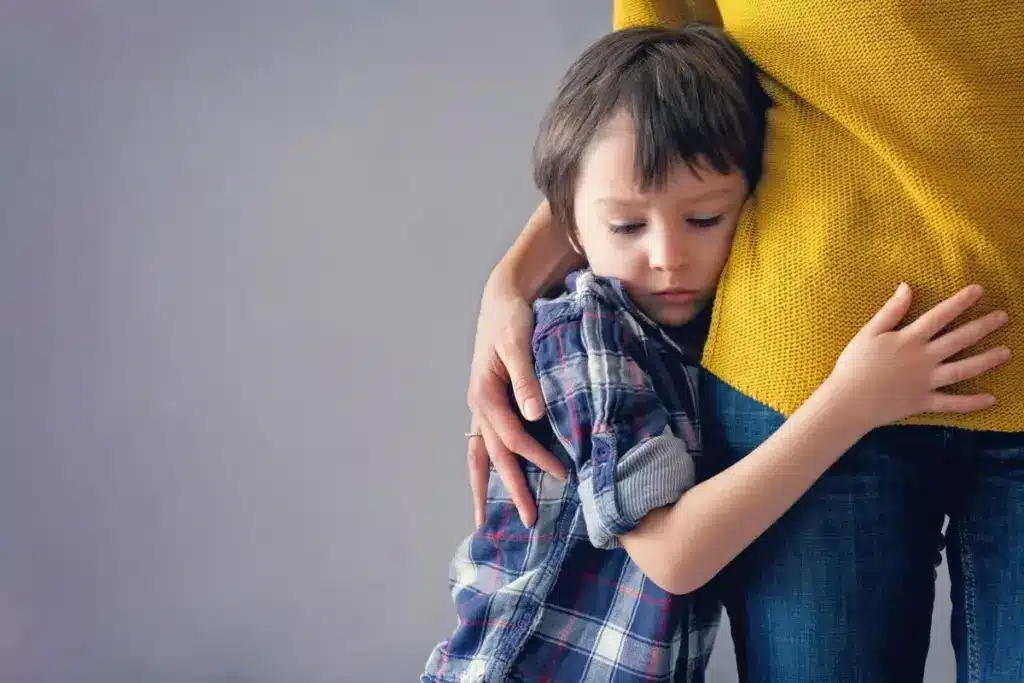
Many kids deal with urinary tract infections and bedwetting. Bladder problems can really worry parents. They affect a child’s comfort and happiness.
Key Takeaways
- Bladder problems are common in children and can cause discomfort and distress.
- Early identification of bladder issues is key for effective management and treatment.
- Symptoms may include bedwetting, daytime incontinence, and painful urination.
Understanding Normal Urination Patterns
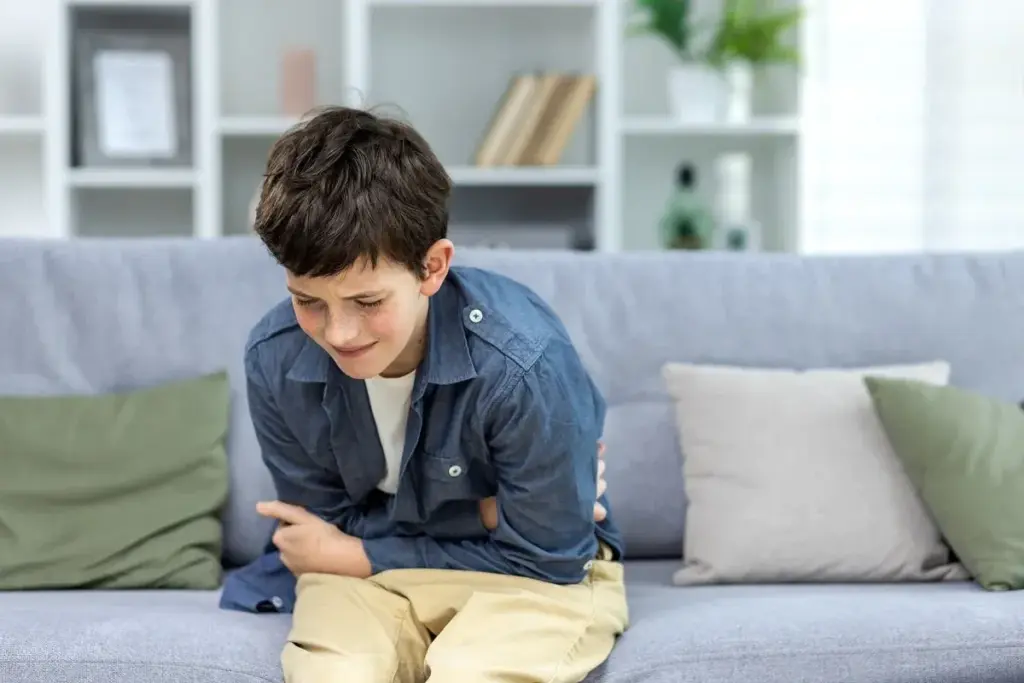
How often and how a child urinates can change with age and how much they drink. Understanding normal urination patterns is essential for parents to identify potential issues promptly.
What is Considered Normal Urination?
Normal urination means a child can control their bladder. This skill usually comes between 2 to 4 years old. How often a child pees changes with age: babies might go every 1-2 hours, while older kids go less often.
Many things can affect how often a child pees, like:
- Fluid intake: Drinking more can mean more trips to the bathroom.
- Diet: Foods and drinks with caffeine can make you pee more.
- Activity level: Being more active can also change how often a child pees.
How Frequently Should a Child Pee?
How often a child pees can really vary. It depends on their age, how much they drink, and their health. Usually, a child pees about 6-7 times in a day. But, this number can change a lot.
- Newborns (0-3 months) might pee up to 20 times a day.
- Infants (3-6 months) pee around 15-20 times daily.
- Older kids usually pee about 6-7 times a day.
Parents should keep an eye on their child’s pee habits. If they notice big changes, it’s time to talk to a doctor.
Signs of Bladder Problems in Children
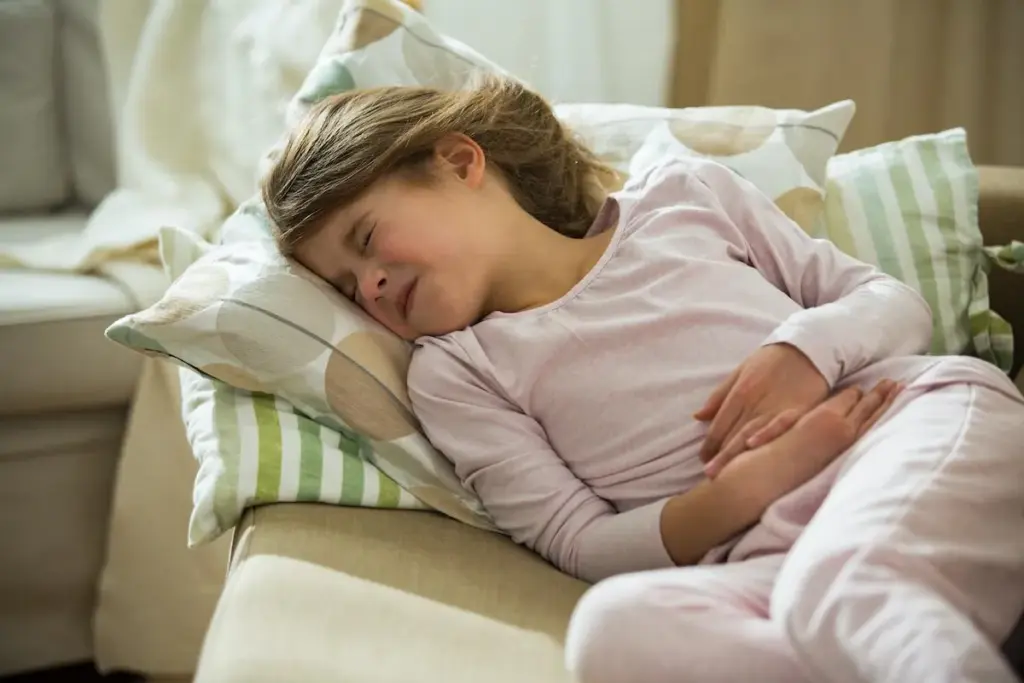
Bladder problems in kids are more common than you might think. Knowing the symptoms is the first step to help. As parents, we worry about our kids’ health, like bladder control issues.
Common Symptoms to Watch For
There are several signs of bladder problems in children. These include:
- Bedwetting: Also known as nocturnal enuresis, bedwetting is a common issue that can be a sign of an underlying bladder problem.
- Daytime Incontinence: Leaking urine during the day can be embarrassing for children and is a significant symptom to watch for.
- Painful Urination: If your child complains of pain or discomfort while urinating, it could indicate a bladder issue or urinary tract infection.
- Urinary Frequency: Needing to urinate more often than usual can be a sign of an overactive bladder.
- Sudden Urge to Pee: A sudden, urgent need to urinate can be a symptom of bladder problems.
These symptoms can really affect a child’s daily life and well-being. It’s important to watch for these signs and talk to a doctor if you see any.
When to Seek Medical Advice
If your child shows any of these symptoms, it’s important to get medical advice. A pediatric urologist can help figure out what’s wrong and suggest treatment. We recommend seeing a doctor if:
- Your child is over 5 years old and keeps having accidents at night.
- There’s a big change in how they urinate or if it hurts.
- Your child seems upset or worried about their bladder.
Getting help early can really help with bladder problems in kids. By knowing the signs and symptoms, you can start taking care of your child’s bladder health.
Factors Affecting Urination Frequency
Urination frequency in kids can be influenced by many things, like diet and how much they drink. As a parent, knowing these factors helps you figure out if your child’s bathroom habits are normal or if there’s something to worry about.
Dietary Influences on Urination
Diet is a big factor in how often kids pee. Some foods and drinks can make them pee more. For example, caffeine in soda, tea, and energy drinks can make them go more often. Foods high in sugar and salt can also make them pee more.
Some kids might pee more often because of foods that are very wet, like watermelon or cucumbers. These foods are good for you, but they can make you need to pee more.
Hydration Levels and Their Impact
How much a kid drinks also affects how often they pee. It’s important to make sure they drink enough water, like when it’s hot or they’re active.
But, if a kid pees a lot at night, it might mean there’s a problem. Drinking too much before bed or a medical issue could be the cause.
Finding the right balance between drinking water and peeing is important. While it’s normal for kids to pee a lot, if it’s too much or happens at night, it could be a sign of a bigger issue.
Learning About Overactive Bladder
It’s important for parents to understand overactive bladder if their child often needs to pee. This condition makes kids feel a strong urge to go, leading to accidents or discomfort.
Symptoms of Overactive Bladder in Kids
Spotting the signs of overactive bladder in kids is key to managing it. Look out for:
- Urgency: A sudden, intense need to pee that can’t be delayed.
- Frequency: Needing to pee very often, more than usual for their age.
- Accidents: Experiencing leakage or wetting accidents, even when they know they need to pee.
These symptoms can really affect a child’s life. They might feel bad about themselves or have trouble joining in with friends. It’s vital for parents to be supportive and understanding as they help their child through this.
Tips for Managing Overactive Bladder
Managing overactive bladder requires making lifestyle changes and sometimes medical help. Here are some tips:
- Timed Voiding: Encourage your child to pee at regular times to avoid accidents.
- Fluid Management: Keep an eye on how much they drink to cut down on how often they pee.
- Pelvic Floor Exercises: Teach your child simple exercises to strengthen their pelvic floor muscles.
By using these strategies, parents can help their kids manage overactive bladder better. Seeing a healthcare provider is also important to find the best treatment for your child.
Understanding Underactive Bladder Conditions
When the bladder muscle doesn’t contract right, it can cause underactive bladder. This condition affects how the bladder works. It can make it hard to pee and lead to urine staying in the bladder too long. This can cause problems if not treated.
Identifying the Signs
The signs of underactive bladder vary. But common ones include:
- Difficulty starting urination
- Straining during urination
- Feeling like the bladder is not fully empty
- Frequent urination with little output
- Urinary tract infections due to incomplete bladder emptying
These symptoms can really affect your daily life. They might even lead to more serious problems if not handled right.
When Is It a Concern?
Underactive bladder is a worry when it messes with your daily life. It can cause urinary tract infections or even harm your kidneys. If you keep seeing signs of underactive bladder, you should talk to a doctor.
Key concerns include:
- Recurring urinary tract infections
- Persistent difficulty urinating
- Significant changes in urination patterns
Seeing a healthcare professional is a good idea if you’re dealing with these issues. Getting help early can manage symptoms and stop bigger problems later.
Bedwetting: A Common Issue
Many parents face the challenge of bedwetting, a condition that can be both distressing and puzzling. Bedwetting, or nocturnal enuresis, is a common issue that affects children worldwide. It causes concern for parents about their child’s health and well-being.
Causes of Bedwetting
Bedwetting can result from a combination of factors, including genetics, bladder size, and hormonal imbalances. Genetics play a significant role; if one or both parents experienced bedwetting as children, their child is more likely to experience it as well.
Other factors that may contribute to bedwetting include:
- Deep sleep patterns
- Constipation
- Urinary tract infections
- Diabetes
- Sleep apnea
Coping Strategies for Parents
Managing bedwetting requires a combination of understanding, patience, and the right strategies. Here are some approaches parents can take:
- Limit fluids before bedtime
- Encourage regular toilet use
- Use protective bedding
- Implement a reward system for dry nights
|
Cause |
Coping Strategy |
|---|---|
|
Genetics |
Understand that it may take longer for the child to outgrow bedwetting |
|
Bladder Size |
Encourage regular toilet use and limit fluids before bed |
|
Hormonal Imbalance |
Consult a healthcare provider for possible medical interventions |
By understanding the causes and implementing effective coping strategies, parents can help their children manage bedwetting. This can reduce its impact on their daily lives.
Diagnostic Procedures for Bladder Issues
To find out why a child has bladder problems, we use many tests. Healthcare providers check how well the bladder works. This helps us find any issues.
Common Tests for Bladder Function
There are several tests to check how well a child’s bladder works. These include:
- Urinalysis: This test looks for infections, blood, or other problems in the urine.
- Bladder Scan: An ultrasound that checks how much urine is left in the bladder.
- Urodynamic Studies: These tests see if the bladder and urethra work right.
These tests help us see how well the bladder works. They also show if there are any problems.
What to Expect During a Consultation
At a consultation, we talk about the child’s health and symptoms. We do a physical check and might do some tests.
Parents should share all about their child’s symptoms and worries. This helps us give the right diagnosis and treatment plan.
“Accurate diagnosis is the first step towards effective treatment. By understanding the underlying cause of the bladder issue, we can tailor our approach to meet the child’s specific needs.”
A pediatric urologist’s perspective
After we find out what’s wrong, we’ll talk about it with you. We’ll explain the treatment options. Our goal is to find the best way to help your child’s bladder health.
Treatment Options for Bladder Problems
Treatment for bladder problems in children can include lifestyle changes, home remedies, and medical treatments. Every child is unique, so what works for one might not work for another. It’s important to work closely with a healthcare provider to find the best treatment.
Lifestyle Changes and Home Remedies
Lifestyle changes and home remedies are often the first step in treating bladder problems in children. Simple changes can make a big difference.
Teaching children to empty their bladder completely and regularly is key. Avoiding caffeine and artificial sweeteners can also help, as they can irritate the bladder and cause peeing frequently.
Keeping a bladder diary and using a timed voiding schedule can also help. These methods can train the bladder and track urination patterns.
Medical Treatments Available
If lifestyle changes and home remedies don’t work, medical treatments may be needed. These can include medications to relax the bladder muscle or behavioral therapy.
Anticholinergics can be prescribed to reduce urgency and frequency. Biofeedback therapy may also be recommended to help children become more aware of their bladder’s signals.
|
Treatment Option |
Description |
Benefits |
|---|---|---|
|
Lifestyle Changes |
Adjusting daily habits and diet |
Non-invasive, promotes overall health |
|
Home Remedies |
Timed voiding, bladder diary |
Easy to implement, low cost |
|
Medical Treatments |
Medications, biofeedback therapy |
Effective for severe cases, can be tailored to the child’s needs |
By combining these treatment options, parents can work with their healthcare provider to find the best approach for their child’s bladder problems.
Supporting Your Child’s Bladder Health
Keeping our children’s bladders healthy is key to their well-being. We can help by teaching them good bathroom habits. Also, regular visits to a pediatric urologist are important.
Developing Good Habits
Teaching kids to go to the bathroom at set times helps a lot. It stops them from having to go too often or not being able to make clear urine.
The Role of Regular Check-Ups
Regular doctor visits are essential for checking bladder health. They help catch problems early. This way, we can keep our child’s bladder healthy and get the right care from a pediatric urologist.
By following these steps, we can help our kids develop good bladder habits. This reduces the chance of bladder issues and helps them stay healthy and active.
FAQ
What are the common signs of bladder problems in children?
Signs include frequent urination, urgency, accidents, bedwetting, and pain while urinating. If you notice these symptoms, see a pediatric urologist.
How often should a child urinate in a day?
Urination frequency changes with age. Kids usually go 6-8 times in 24 hours. Fluid intake, diet, and health can affect this.
Can diet affect my child’s urination frequency?
Yes, diet matters. Drinks with caffeine or sugar can make kids urinate more. A balanced diet and watching fluid intake helps.
What is an overactive bladder, and how is it managed?
An overactive bladder makes kids suddenly need to pee, leading to accidents. Managing it involves lifestyle changes, like timed voiding and bladder training. Sometimes, medical help is needed.
What are the signs of underactive bladder in children?
Signs include infrequent urination, straining, or a weak stream. Untreated, it can cause urinary tract infections.
Why does my child wet the bed, and what can I do?
Bedwetting can be due to genetics, bladder issues, or deep sleep. Use protective underwear and limit fluids before bed. Behavioral and medical treatments can also help.
What diagnostic tests are used to evaluate bladder function?
Tests include uroflowmetry, ultrasound, and urodynamic studies. These help pediatric urologists understand bladder function and find issues.
What treatment options are available for bladder problems in children?
Treatments vary by condition and may include lifestyle changes, home remedies, and medical treatments. Pediatric urologists create a personalized plan with families.
How can I support my child’s bladder health?
Encourage regular voiding and good hygiene. Regular check-ups with a pediatric urologist also support bladder health.
Is it normal for my child to pee every 2 hours?
It’s normal if they drink a lot. But, if it’s urgent or they have accidents, it might be a problem. See a pediatric urologist to find out.
Can holding urine for too long cause problems?
Yes, it can lead to urinary tract infections and bladder damage. Encourage your child to pee when they need to.
How can I help my child stop bedwetting?
Limit fluids before bed, have a consistent routine, and use alarm therapy. Medical treatments might also be suggested by a pediatric urologist.
References
National Center for Biotechnology Information. Evidence-Based Medical Insight. Retrieved from https://pubmed.ncbi.nlm.nih.gov/9244662/



 Departments
 Related Videos
 Our Doctors
 News
News