
Pelvic floor disorders affect millions globally, causing discomfort and disrupting daily life. It’s a condition that impacts not just the quality of life but also the well-being of individuals, making timely diagnosis and treatment critical.
Spot pelvic floor dysfunction symptoms? Urologists can diagnose it. Get best help. Early treatment is vital to stop dangerous incontinence issues.
Urologists play a vital role in addressing pelvic floor problems, including diagnosing conditions that lead to discomfort and pain. The complexity of pelvic floor dysfunction requires a thorough approach. Urologists are at the forefront of providing care.
Understanding the signs of weak pelvic floor in males and the overall symptoms of pelvic floor dysfunction is key to seeking the right medical help. In this article, we will explore how urologists diagnose pelvic floor dysfunction and what it means for those affected.
Key Takeaways
- Urologists are key in diagnosing and treating pelvic floor dysfunction.
- Understanding symptoms is essential for finding the right medical help.
- Pelvic floor disorders can significantly impact one’s quality of life.
- A detailed approach is necessary for diagnosing the condition.
- Timely diagnosis and treatment can greatly improve well-being.
Understanding Pelvic Floor Dysfunction Symptoms

It’s important to know the symptoms of pelvic floor dysfunction early. This helps in getting the right treatment. Pelvic floor dysfunction affects the muscles and nerves in the pelvic area, causing discomfort.
Common Symptoms to Watch For
The symptoms of pelvic floor dysfunction vary. Common symptoms include urinary incontinence, constipation, and pelvic pain. These happen because the muscles and nerves supporting the pelvic organs don’t work right.
Some people might face:
- Urinary frequency or urgency
- Difficulty starting or stopping the flow of urine
- Painful urination
- Constipation or trouble passing stools
- Pain during sexual intercourse
These symptoms can really affect someone’s life. It’s key to see a doctor if they don’t go away.
Physical Manifestations of Dysfunction
The physical signs of pelvic floor dysfunction are clear. Physical signs include weakened pelvic floor muscles, leading to prolapse or displacement of pelvic organs. Some people might feel pain or discomfort in the pelvic area, lower back, or during physical activities.
“Pelvic floor dysfunction is often associated with significant distress and impairment in daily life, highlighting the need for complete care.”
Source: A leading medical journal on urology
Looking closely at these signs helps doctors diagnose the issue more accurately.
|
Symptom |
Description |
|---|---|
|
Urinary Incontinence |
Involuntary leakage of urine |
|
Constipation |
Difficulty passing stools or infrequent bowel movements |
|
Pelvic Pain |
Pain or discomfort in the pelvic region |
Knowing these symptoms and signs helps people know when to get medical help. It also lets doctors give more focused care.
The Role of Urologists in Diagnosis
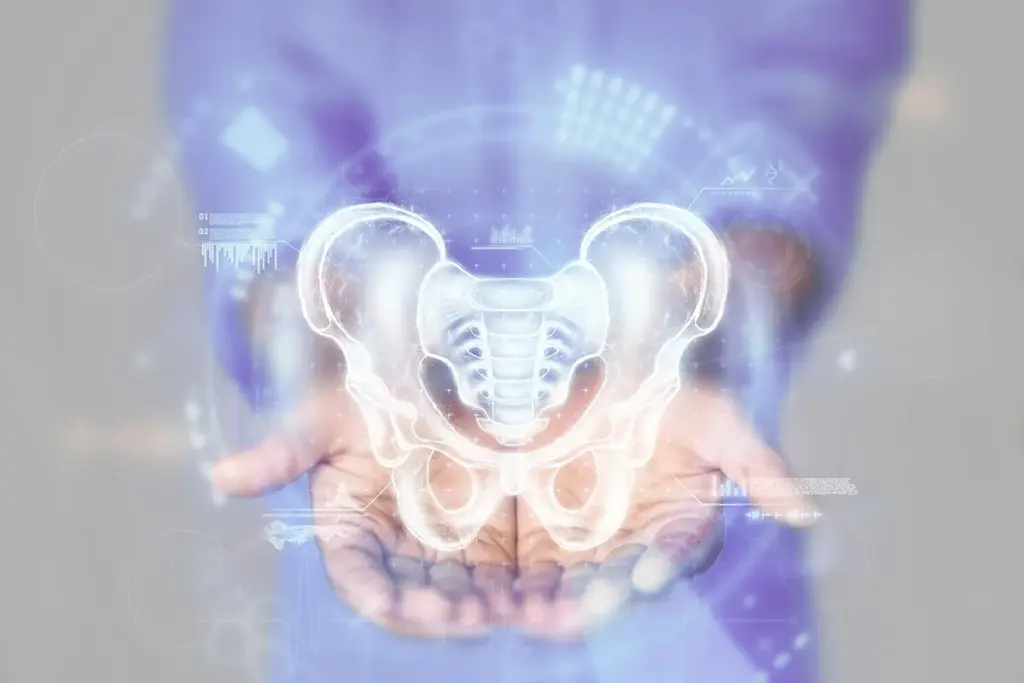
Urologists are key in diagnosing and treating pelvic floor dysfunction. They offer services tailored to each patient’s needs. Their training helps them tackle complex urinary and pelvic floor issues.
Why Urologists are Key Players
Urologists are vital in diagnosing pelvic floor dysfunction. They know a lot about the urinary system and pelvic floor. They can spot symptoms that might look like other urological problems, making sure diagnoses are right.
Pelvic floor dysfunction shows up in different ways, like urinary incontinence and pelvic pain. Urologists are trained to look at these symptoms in detail.
Services Provided by Urologists
Urologists offer many diagnostic services, like physical exams and tests. These help find the cause of symptoms and plan the best treatment.
They use tests like urodynamic tests to check urine flow and pressure. They also use electromyography to see how pelvic floor muscles work.
|
Service |
Description |
|---|---|
|
Physical Examination |
A thorough physical check to see how strong pelvic floor muscles are and if there are any problems. |
|
Urodynamic Tests |
Tests that measure urine flow and pressure to find urinary tract issues. |
|
Electromyography (EMG) |
A test that checks the electrical activity of pelvic floor muscles to find dysfunction. |
“Accurate diagnosis is the cornerstone of effective treatment for pelvic floor dysfunction. Urologists play a vital role in this process, utilizing their expertise to improve patient outcomes.”
A leading urologist’s perspective
Connection Between Pelvic Floor Dysfunction and Urological Issues
It’s important to understand how pelvic floor dysfunction and urological health are connected. Issues like kidney stones can make pelvic floor problems worse.
We’ll look into how these conditions are linked. This includes their common symptoms and treatment options.
Overlapping Symptoms
Pelvic floor dysfunction and urological problems share similar symptoms. This makes it hard to diagnose them.
Common signs include pelvic pain, needing to urinate often, and trouble emptying the bladder.
Pelvic pain from kidney stones can also tighten the pelvic floor muscles. This makes diagnosis even harder.
Shared Treatment Approaches
Even though they’re different, treatments for pelvic floor dysfunction and some urological issues can be similar.
Conservative management strategies like pelvic floor physical therapy, changing your diet, and making lifestyle changes are common.
In some cases, doctors might prescribe medication. This can help with pain or frequent urination.
Diagnostic Methods Employed by Urologists
To find out what’s wrong with the pelvic floor, doctors use a few key steps. They look at the patient’s medical history, do a physical check, and run some tests. This way, they can make a correct diagnosis and start the right treatment.
Medical History Review
First, doctors review the patient’s medical history. They want to know about symptoms, past health issues, and lifestyle. This helps them figure out what might be causing the problem and what tests to run next.
Physical Examination Techniques
Next, doctors do a physical exam. They check how strong and coordinated the pelvic floor muscles are. They also look for any signs of trouble or pain. This might include a digital rectal exam or a pelvic check.
Diagnostic Tests Used
Doctors also use tests to confirm the diagnosis. These tests include:
- Urodynamic studies to check how the bladder works
- Ultrasound to look at the pelvic area
- Electromyography (EMG) to see how muscles work
- Voiding diaries to track how often someone urinates
These tests give doctors important info. They help them plan the best treatment for the patient.
|
Diagnostic Method |
Purpose |
|---|---|
|
Medical History Review |
Identify symptoms and possible causes |
|
Physical Examination |
Check the strength and coordination of pelvic floor muscles |
|
Urodynamic Studies |
Look at how the bladder functions |
|
Ultrasound |
Examine the pelvic area |
|
Electromyography (EMG) |
Check muscle activity |
|
Voiding Diaries |
Track how often someone urinates |
Importance of Accurate Diagnosis
Getting the right diagnosis is key to treating pelvic floor dysfunction well. This condition can show up in many ways, making it hard to figure out. But, finding the right diagnosis is essential for a treatment plan that fits you.
Consequences of Misdiagnosis
When you get the wrong diagnosis, you might get the wrong treatment. This can make things worse and last longer. Misdiagnosis means you might get treatments that don’t fix the real problem.
Common consequences of misdiagnosis include:
- Prolonged symptoms and decreased quality of life
- Increased healthcare costs due to unnecessary treatments
- Potential for worsening the condition or developing new symptoms
Long-term Impacts on Health
If pelvic floor dysfunction isn’t treated right, it can harm your health for a long time. We know that the wrong or late diagnosis can have big effects.
The long-term impacts may include:
|
Impact |
Description |
|---|---|
|
Chronic Pain |
Persistent pain in the pelvic region, lower back, or abdomen |
|
Urinary or Fecal Incontinence |
Involuntary loss of bladder or bowel control, affecting daily life and social interactions |
|
Emotional Distress |
Anxiety, depression, or emotional strain due to chronic symptoms and decreased quality of life |
By stressing the need for accurate diagnosis, we help patients get the right treatment. This improves their life quality a lot.
Treatment Options Available
Treatment for pelvic floor dysfunction includes many options. These range from simple changes to surgery. Each person’s situation is different, so treatments are customized.
Conservative Approaches
First, we try simple treatments. This might mean changing your diet or doing pelvic floor exercises. It’s also important to avoid heavy lifting and straining.
Biofeedback therapy can help you control your pelvic floor muscles. Medications might also be used to manage pain or incontinence.
Surgical Interventions
For severe cases, surgery might be needed. The type of surgery depends on the problem and how bad it is.
Some surgeries include:
- Repairing pelvic organ prolapse
- Using slings for incontinence
- Neuromodulation for urinary issues
Role of Physical Therapy
Physical therapy is key in treating pelvic floor issues. A physical therapist can teach you exercises to strengthen or relax your muscles.
Physical therapy can help in many ways:
|
Benefit |
Description |
|---|---|
|
Improved Muscle Control |
Helps you control your pelvic floor muscles better |
|
Reduced Symptoms |
Less pain, incontinence, or constipation |
|
Enhanced Quality of Life |
Improves your overall well-being and daily life |
Using a mix of treatments can greatly improve symptoms and quality of life for those with pelvic floor dysfunction.
Seeking Specialist Care
Pelvic floor dysfunction can be managed with the right care. But when should you seek it? Knowing when and who to see is key to better health. We’re here to help you find the right care.
When to See an Urologist
See a urologist for symptoms like urinary incontinence, pelvic pain, or trouble emptying your bladder. Urologists treat urinary tract and pelvic floor issues. They’re perfect for these problems.
Don’t wait if symptoms bother your daily life or change your habits. Early help can stop your condition from getting worse. This proactive step can improve your health.
Differences Between Urologists and Other Specialists
Urologists are experts in urinary tract disorders. They get special training for this. This makes them different from other doctors.
While gynecologists focus on women’s health, urologists help both men and women with urinary issues. Other doctors, like gastroenterologists or physical therapists, might help too. But for urinary problems, a urologist is best. We work with others to give you the best care.
Life Style Changes to Manage Symptoms
To manage pelvic floor dysfunction, making lifestyle changes is key. These changes help improve overall health. By adjusting daily habits, symptoms can lessen, and life quality can rise.
Dietary Adjustments
Diet is important for managing pelvic floor dysfunction symptoms. Some foods can irritate the bladder and bowel, making symptoms worse. Keeping a food diary helps track which foods cause problems.
Increasing fiber intake from fruits, veggies, and whole grains helps prevent constipation. This is common in pelvic floor dysfunction.
Avoiding caffeine and spicy foods can reduce bladder irritation. Drinking enough water is also key, but finding the right balance is important to avoid too much urination.
Exercise and Physical Activity
Regular exercise is essential for health and managing symptoms. Pelvic floor exercises, known as Kegels, strengthen muscles that support the bladder, bowel, and uterus. Start with gentle exercises and increase as you get more comfortable and see progress.
Doing low-impact activities like walking, swimming, or yoga can also help. These activities improve muscle tone and reduce symptoms. Avoid high-impact activities that can strain the pelvic floor muscles too much.
Psychological Aspects of Pelvic Floor Dysfunction
Pelvic floor dysfunction affects more than just the body. It also impacts emotional and mental health. Dealing with this condition is tough, both physically and mentally.
People with pelvic floor dysfunction often feel frustrated, anxious, and depressed. The ongoing battle with symptoms like incontinence or pain can really lower their quality of life.
Emotional Impact of Symptoms
The emotional side of pelvic floor dysfunction is very real. Symptoms can make people feel isolated. They might stay away from social events because of fear of leakage or pain.
This condition can also hurt self-esteem and body image. It makes the emotional journey even harder for those affected.
|
Emotional Impact |
Common Experiences |
|---|---|
|
Anxiety |
Fear of leakage, social anxiety |
|
Depression |
Loss of interest in activities, feelings of hopelessness |
|
Frustration |
Anger at the condition, frustration with treatment options |
Importance of Mental Health Support
Mental health support is key for those with pelvic floor dysfunction. This includes counseling, therapy, and joining support groups.
It’s just as vital to tackle the mental health side of pelvic floor dysfunction as it is the physical symptoms. A good care plan should help with mental health too.
Resources and Support Groups
People with pelvic floor dysfunction can find help through national groups and online forums. These resources are key for getting info, advice, and feeling part of a community.
National Organizations Focused on Pelvic Health
Many national groups focus on pelvic health. They offer lots of resources for those with pelvic floor issues. These include educational materials, support groups, and access to experts.
- The National Association for Continence (NAFC): Provides resources on bladder and bowel health, including support groups and educational materials.
- The Pelvic Floor Disorders Alliance (PFDA): Offers info and support for those with pelvic floor disorders, including specialist access and educational events.
- The Interstitial Cystitis Association (ICA): Supports those with interstitial cystitis, a condition linked to pelvic floor issues.
|
Organization |
Focus |
Resources |
|---|---|---|
|
NAFC |
Bladder and Bowel Health |
Support Groups, Educational Materials |
|
PFDA |
Pelvic Floor Disorders |
Specialist Access, Educational Events |
|
ICA |
Interstitial Cystitis |
Support Networks, Educational Resources |
Online Communities and Forums
Online forums and communities let people share their stories, ask questions, and get support from others who get it.
- Pelvic Floor Support Groups on Facebook: Various groups for pelvic floor issues, providing a community and support.
- Reddit Forums: Subreddits like r/PelvicFloorDysfunction and r/InterstitialCystitis are places to talk about experiences and get advice.
- Health Forums: Sites like HealthUnlocked and PatientsLikeMe have communities for many health conditions, including pelvic floor issues.
These resources and support groups are very helpful for those facing pelvic floor challenges. By connecting with others and getting educational materials, people can manage their condition better and live a better life.
Conclusion: Importance of Early Diagnosis and Treatment
Getting a diagnosis early and the right treatment can make a big difference. We’ve seen how urologists are key in finding and treating pelvic floor issues. It’s important to see a specialist if symptoms don’t go away.
Knowing the signs and how pelvic floor problems relate to urology is a big step. Urologists use medical history and physical exams to spot the issue. These steps are vital for a correct diagnosis.
Early diagnosis is very important. It lets people get the right treatment, like physical therapy. This can help avoid long-term health problems.
We want to spread the word about pelvic floor issues. If symptoms last, it’s time to see a doctor. With the right care, people can manage their condition and live better.
FAQ
What is pelvic floor dysfunction?
Pelvic floor dysfunction happens when the muscles and tissues around the pelvic organs get weak or damaged. This can cause symptoms like incontinence, constipation, and pelvic pain.
What are the common symptoms of pelvic floor dysfunction?
Symptoms include urinary incontinence, constipation, painful urination, and pelvic pain. You might also have trouble emptying your bladder or bowel.
Can urologists diagnose pelvic floor dysfunction?
Yes, urologists are key in diagnosing and treating pelvic floor dysfunction. They have the training needed for the urinary tract and pelvic health.
How do urologists diagnose pelvic floor dysfunction?
Urologists use a few methods to diagnose pelvic floor dysfunction. They review your medical history, do physical exams, and use tests like urodynamic studies and imaging.
What are the treatment options for pelvic floor dysfunction?
Treatment options vary. They can range from lifestyle changes and physical therapy to surgery, depending on the condition’s severity and cause.
Can pelvic floor dysfunction be related to urological conditions?
Yes, pelvic floor dysfunction often goes hand in hand with urological conditions. This means you might need a treatment plan that covers both issues.
When should I see a urologist for pelvic floor dysfunction?
See a urologist if you have ongoing symptoms like incontinence, pelvic pain, or trouble with urination or bowel movements.
What lifestyle changes can help manage pelvic floor dysfunction symptoms?
Making dietary changes, like eating more fiber, and doing pelvic floor physical therapy can help. These changes can improve your quality of life.
Are there any emotional or psychological effects of pelvic floor dysfunction?
Yes, pelvic floor dysfunction can affect your mental health. It can lead to anxiety, depression, and lower your quality of life. Getting mental health support is important.
Where can I find resources and support for managing pelvic floor dysfunction?
Look for national organizations focused on pelvic health and online communities. They offer valuable resources, support, and guidance for managing pelvic floor dysfunction.
Can constipation cause pelvic pain?
Yes, constipation can lead to pelvic pain as part of pelvic floor dysfunction. Straining and discomfort in the pelvic area can occur.
How is pelvic floor dysfunction diagnosed in men?
Diagnosing pelvic floor dysfunction in men involves a similar process. It includes medical history, physical examination, and diagnostic tests. The focus is on symptoms like urinary incontinence and pelvic pain.
Can pelvic floor dysfunction cause blood in urine?
Pelvic floor dysfunction itself doesn’t directly cause blood in urine. But, associated urological conditions might. This highlights the need for a thorough urological evaluation.
Reference
National Center for Biotechnology Information. Evidence-Based Medical Insight. Retrieved from https://www.ncbi.nlm.nih.gov/books/NBK559246/[4