
Guide to pelvic floor physical therapy for stress incontinence, focusing on strengthening and technique. Millions of people worldwide deal with stress urinary incontinence. This condition makes everyday life tough and embarrassing. But, there’s a proven way to help. Pelvic floor muscle training is a non-invasive, effective solution.
Healthcare experts now see the value in exercises to strengthen the pelvic floor. These exercises help both women and men with urinary stress incontinence. They make it possible to control the bladder and feel confident again.
Key Takeaways
- Stress urinary incontinence affects millions worldwide, impacting quality of life.
- Pelvic floor muscle training is a recommended treatment for stress incontinence.
- Strengthening the pelvic floor muscles can help regain bladder control.
- Non-invasive and effective, pelvic floor exercises offer a viable alternative to surgery.
- Leading healthcare organizations endorse pelvic floor muscle training.
Understanding Stress Urinary Incontinence
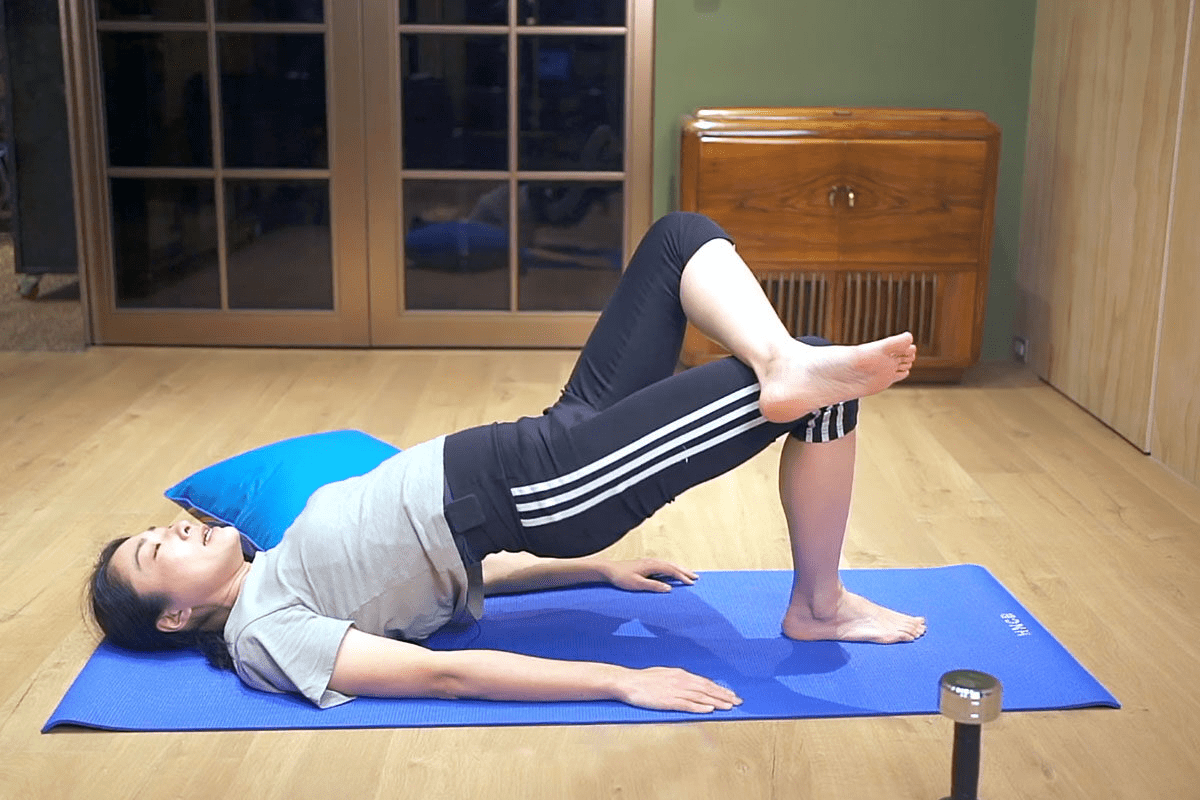
Millions worldwide deal with stress urinary incontinence. It’s when you leak urine without meaning to, often when you exert yourself. This issue affects your life a lot, touching on physical, emotional, and social health.
What Causes Stress Incontinence
Stress urinary incontinence happens when the muscles around your bladder get weak. This can be due to childbirth, aging, and some surgeries. When these muscles are weak, they can’t hold urine, causing leaks when you cough, sneeze, or lift.
Prevalence and Impact on Quality of Life
Stress urinary incontinence affects millions globally. It’s not just about physical discomfort. It also messes with your mind and social life. People with this issue often feel anxious, depressed, and isolated, making their life quality drop a lot.
Risk Factors and Common Triggers
Several things can make you more likely to get stress urinary incontinence. These include gender, age, obesity, and some health issues. Women are more at risk because of pregnancy, childbirth, and menopause. Activities that make your belly press harder, like exercise, coughing, and heavy lifting, can also trigger it. Knowing these risks and triggers helps in finding the right treatment.
Studies show that training your pelvic floor muscles can really help. It can make your bladder control better and cut down on leaks. This shows how important it is to know about stress urinary incontinence, get it checked, and find the right treatment.
The Anatomy of the Pelvic Floor
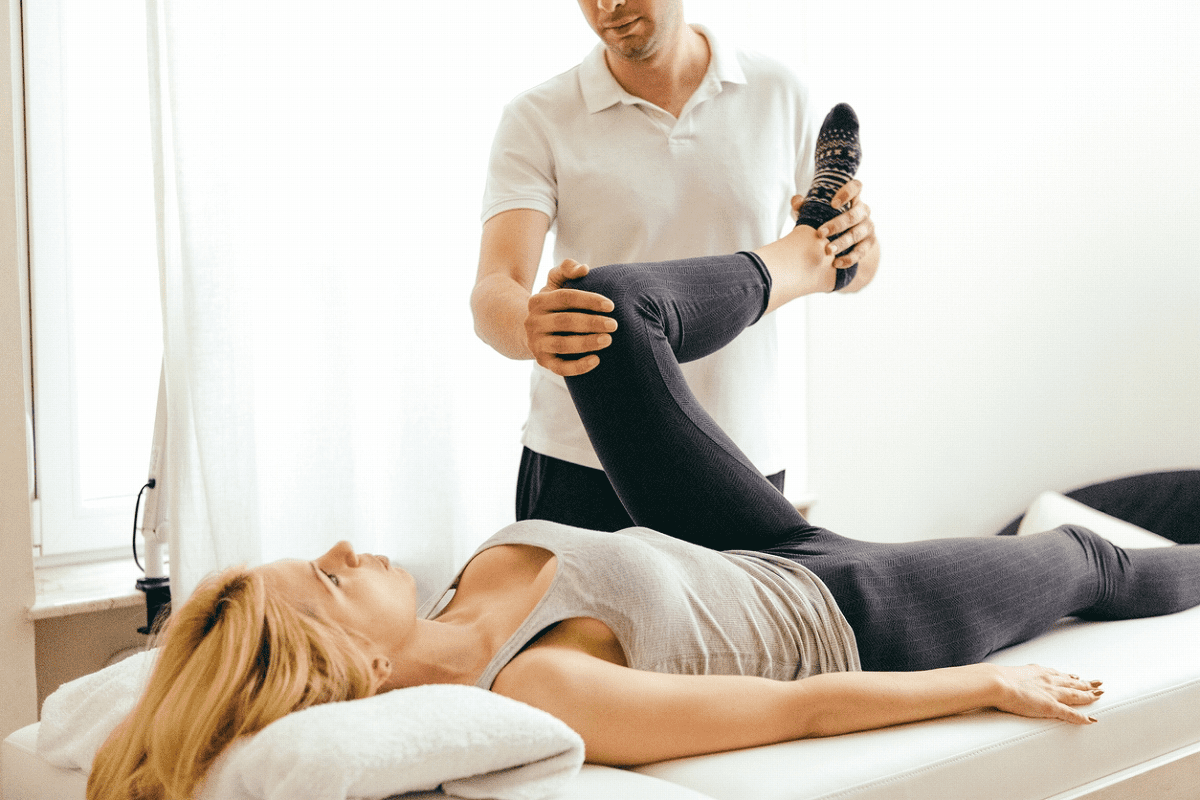
Knowing about the pelvic floor anatomy is key to solving stress urinary incontinence. The pelvic floor is a complex area. It’s vital for keeping urine inside the body.
Levator Ani Muscles: Puborectalis, Pubococcygeus, and Iliococcygeus
The levator ani muscles are a key part of the pelvic floor. They include the puborectalis, pubococcygeus, and iliococcygeus muscles. These muscles work together to support the pelvic organs.
The puborectalis muscle controls the anal sphincter and keeps things contained. The pubococcygeus muscle supports the pelvic organs and helps keep urine in. The iliococcygeus muscle helps support the pelvic floor and keeps the pelvic organs in place.
How the Pelvic Floor Supports Urinary Continence
The pelvic floor muscles, like the levator ani, are key for keeping urine in. They help keep the urethra in place and stop urine from leaking out.
When these muscles are strong, they can keep the urethra in place. This is true even when you’re doing things that put pressure on your belly, like coughing or sneezing.
Common Weakening Factors
Many things can make the pelvic floor muscles weak, leading to incontinence. These include:
- Pregnancy and childbirth
- Aging
- Obesity
- Chronic coughing
- Heavy lifting
Weakening Factor | Impact on Pelvic Floor |
Pregnancy and Childbirth | Stretches and weakens pelvic floor muscles |
Aging | Muscle mass and strength decrease over time |
Obesity | Increased pressure on pelvic floor muscles |
Knowing about these factors can help us find ways to prevent or lessen their impact on the pelvic floor.
Pelvic Floor Physical Therapy for Stress Incontinence
Pelvic floor physical therapy is a top choice for treating stress urinary incontinence. It’s a non-invasive method that strengthens the pelvic floor muscles. These muscles are key to keeping urine in.
Evidence-Based Effectiveness
Many studies show pelvic floor physical therapy works well for stress urinary incontinence. Supervised pelvic floor muscle training is better than doing it alone. This shows the value of getting help from a pro.
The research on pelvic floor physical therapy is strong. It shows this therapy can really help with stress incontinence. It makes life better for those who have it.
Success Rates and Improvement Statistics
Studies say pelvic floor muscle training can cure stress incontinence in 16 to 27 percent of cases. A big number of people see a big drop in symptoms too.
- Improvement rates vary, but many studies show a big drop in incontinence episodes.
- Pelvic floor physical therapy can improve bladder control and reduce stress incontinence symptoms.
- The therapy’s success often comes from its tailored approach and the physical therapists’ skill.
Who Can Benefit from Pelvic Floor Therapy
Pelvic floor physical therapy helps many people with stress urinary incontinence. This includes:
- Women after childbirth or during menopause.
- People with weak pelvic floor muscles because of age or surgery.
- Those who haven’t gotten better with other treatments.
This therapy tackles the root causes of stress incontinence and strengthens the pelvic floor. It’s a good option for those looking to control their bladder and improve pelvic health.
Assessing Your Pelvic Floor Strength
Knowing how strong your pelvic floor muscles are is key to fixing stress incontinence. It helps figure out the best treatment for you. This way, any exercises or therapies will match your needs perfectly.
Self-Assessment Techniques
There are ways to check your pelvic floor strength on your own. One method is the pelvic floor muscle contraction test. Try to stop urine flow while you’re urinating. If it’s easy, your muscles are strong. But, don’t do this test too often to avoid bladder problems.
Another way is to insert a finger into the vagina and squeeze the muscles around it. You should feel them tighten. This shows how strong your pelvic floor is.
When to Seek Professional Evaluation
If you’re not sure about your pelvic floor strength or have ongoing stress incontinence symptoms, get a professional check-up. A healthcare provider, like a pelvic floor physical therapist or urogynecologist, can do a detailed check.
Get a professional evaluation if you leak urine often, have trouble starting or stopping urine flow, or feel pain in your pelvic area. They can give a precise check and suggest the right treatments.
What to Expect During a Professional Assessment
At a professional check-up, you’ll get a full look at your pelvic floor muscles. This might include a physical exam to check muscle strength and coordination. They’ll also ask about your health history, symptoms, and lifestyle.
They might do tests like urodynamic testing to check your bladder. Based on what they find, they’ll create a treatment plan just for you. This could include physical therapy, lifestyle changes, or other treatments that fit your needs.
Essential Kegel Exercises for Beginners
Kegel exercises are a simple way to improve bladder control. They are key for strengthening the pelvic floor, helping those with stress incontinence.
Identifying the Correct Muscles
To start Kegel exercises, find the right muscles. Stop the flow of urine midstream to locate them. Remember, don’t make a habit of stopping urine flow; it’s just for identification.
Another way is to imagine preventing gas from passing. The muscles you use for this are part of your pelvic floor. Once you know these muscles, you can start your Kegel routine.
Proper Technique and Common Mistakes
To do Kegel exercises right, contract your pelvic floor muscles. Hold for five seconds, then release for five seconds. Do this ten to fifteen times, aiming for three sessions a day. Breathe naturally; don’t hold your breath.
A common error is using the wrong muscles. Make sure you’re not using your abs, thighs, or buttocks. Place a hand on your belly; it shouldn’t move when you contract your pelvic floor.
Creating a Progressive Exercise Routine
As you get better, increase the exercise’s intensity. You can hold the contraction longer or do more reps. The goal is to strengthen and build endurance in your pelvic floor.
It’s good to try different positions for Kegel exercises. Do them sitting, standing, and lying down. Be consistent and patient; it may take weeks to see results.
Advanced Pelvic Floor Strengthening Techniques
We can learn more advanced ways to strengthen the pelvic floor muscles. These methods can make your pelvic floor exercises even better.
Incorporating Breathing Techniques
Breathing techniques can boost the power of pelvic floor exercises. Deep breathing relaxes the pelvic floor muscles. This makes it easier to use them during exercises.
To add breathing to your routine, start with deep breathing. Breathe in deeply through your nose, letting your belly rise. Then, breathe out slowly through your mouth, feeling your pelvic floor muscles work.
Using Biofeedback and Electrical Stimulation
Biofeedback and electrical stimulation are advanced ways to strengthen the pelvic floor. Biofeedback uses sensors to show muscle activity in real-time. This helps you control your pelvic floor muscles better.
Electrical stimulation uses a device to send impulses to the pelvic floor muscles. This helps those who find it hard to engage their muscles.
Therapy Type | Description | Benefits |
Biofeedback | Uses sensors to provide real-time information about muscle activity | Improves muscle control, enhances awareness of pelvic floor muscles |
Electrical Stimulation | Sends electrical impulses to cause muscle contractions | Strengthens pelvic floor muscles, improves bladder control |
Functional Exercises in Different Positions
Doing pelvic floor exercises in different positions can make them more effective. Try exercises while standing, sitting, or lying down.
For example, contract your pelvic floor muscles while standing or sitting on a stability ball. This boosts the strength of your pelvic floor muscles.
Yoga and Pilates for Pelvic Floor Health
Yoga and Pilates are great for pelvic floor health. They improve core strength, flexibility, and body awareness. Certain poses engage the pelvic floor muscles, making them stronger.
Try yoga poses like the bridge, squatting, and downward-facing dog. Pilates exercises that focus on the core and pelvic floor are also effective.
Lifestyle Modifications to Support Pelvic Floor Health
Supporting your pelvic floor health requires making lifestyle changes. These include choosing the right foods, staying hydrated, managing your weight, and staying active. These actions can help strengthen your pelvic floor muscles and reduce stress incontinence symptoms.
Dietary Considerations
Eating foods high in fiber can prevent constipation. This is good for your pelvic floor muscles. Include fruits, vegetables, and whole grains in your diet. Health experts say a fiber-rich diet can help avoid constipation and muscle strain.
Also, avoid foods that can irritate your bladder, like caffeine and spicy foods. Opt for easy-to-digest foods instead.
Some dietary recommendations include:
- Increasing intake of fruits and vegetables
- Eating whole grains like brown rice and quinoa
- Avoiding processed foods that can cause constipation
Hydration and Bladder Training
Drinking enough water is key for a healthy bladder. It helps dilute urine and reduces irritation. Bladder training also helps improve control. This means gradually increasing the time between bathroom visits.
Tips for Bladder Training:
- Start by keeping a bladder diary to track your urination patterns
- Gradually increase the time between bathroom visits
- Practice deep breathing exercises to help control the urge to urinate
Weight Management
Keeping a healthy weight is important for your pelvic floor muscles. Extra weight can strain these muscles, leading to weakened support and incontinence risk. A balanced diet and regular exercise can help maintain a healthy weight.
Health professionals say losing weight can reduce urinary incontinence symptoms. So, focus on sustainable weight management.
Physical Activity Recommendations
Regular physical activity supports overall health and strengthens pelvic floor muscles. Walking, swimming, and yoga are good choices. Include exercises like Kegels, which target the core and pelvic floor, in your routine.
By making these lifestyle changes, you can actively support your pelvic floor health. It’s about making lasting changes for better overall well-being.
Tracking Progress and Expected Results
Starting your journey to strengthen your pelvic floor is exciting. It’s key to track your progress. This helps you stay motivated and fine-tune your workout as needed.
Setting Realistic Expectations
Improving pelvic floor strength takes time. Setting realistic expectations keeps you on track. Give yourself at least 4-6 weeks to see big changes.
A study in the Journal of Women’s Health Physical Therapy shows a link. Those who set goals and tracked their progress saw better results. This was compared to those who didn’t.
Timeline for Improvement
How fast you improve varies. Your starting point, how often you exercise, and your health play big roles.
Timeline | Expected Improvement |
1-3 months | Noticeable improvement in pelvic floor strength |
3-6 months | Significant reduction in stress incontinence episodes |
6-12 months | Continued improvement and possible complete symptom resolution |
Methods for Tracking Symptoms
Here are some ways to track your symptoms:
- Keep a bladder diary to log incontinence episodes
- Use a symptom severity scale to rate your symptoms
- Regularly check your pelvic floor strength with Kegel exercises
“Tracking your progress is not just about monitoring improvement; it’s about making informed adjustments to your treatment plan.”
When to Reassess or Modify Your Approach
If you don’t see progress, it’s time to reassess. Talk to your healthcare provider. They can help adjust your routine or suggest new treatments.
By tracking your progress and setting realistic goals, you can make the most of your pelvic floor exercises. This will help you achieve the best results.
Conclusion: Building a Sustainable Pelvic Floor Health Routine
Creating a lasting pelvic floor health routine is key to managing stress urinary incontinence. We’ve looked at ways to strengthen your pelvic floor. This includes pelvic floor physical therapy and making lifestyle changes.
Being consistent is vital for keeping your pelvic floor healthy. Adding sustainable pelvic floor exercises to your daily life can greatly improve your urinary control. Try mixing Kegel exercises with breathing and functional training for a well-rounded routine.
Keeping your pelvic floor healthy takes ongoing work, but it’s worth it. By focusing on your pelvic floor, you can improve your life quality and lower future health risks. Stay dedicated to your routine and adjust it as needed for the best results.
FAQ
What is stress urinary incontinence?
Stress urinary incontinence is when you leak urine when you cough, sneeze, or exert yourself. It happens when the muscles that support your bladder and urethra are weak.
How do pelvic floor exercises help with stress incontinence?
Pelvic floor exercises, like Kegels, strengthen the muscles that hold your bladder and urethra in place. This makes it less likely for you to leak urine.
What are the levator ani muscles, and why are they important?
The levator ani muscles, including the puborectalis, pubococcygeus, and iliococcygeus, are key to keeping your urine in. They support your pelvic organs and help you stay dry.
How can I assess my pelvic floor strength?
You can check your pelvic floor strength by trying to stop urine flow mid-stream. Or, use a pelvic floor assessment tool. But, it’s best to get a professional evaluation for a true measure.
What is pelvic floor physical therapy, and how effective is it?
Pelvic floor physical therapy is a treatment that strengthens your pelvic floor muscles. It’s non-invasive and has been shown to greatly reduce stress urinary incontinence symptoms.
How do I perform Kegel exercises correctly?
To do Kegels right, find the muscles that stop urine flow. Then, contract and release these muscles over and over. Don’t hold your breath or use the wrong muscles.
Can lifestyle modifications help support pelvic floor health?
Yes, living a healthy lifestyle can help your pelvic floor. Stay hydrated, maintain a healthy weight, and practice bladder training to reduce incontinence symptoms.
How long does it take to see results from pelvic floor exercises?
Improvement times vary, but most see better results in 3-6 months with regular practice.
What are some advanced techniques for pelvic floor strengthening?
Advanced methods include using breathing techniques and biofeedback. Electrical stimulation and practicing exercises in different positions are also helpful. Yoga and Pilates can also support pelvic floor health.
How can I track my progress and adjust my exercise routine?
Keep a symptom journal or use a pelvic floor assessment tool to track your progress. Work with a healthcare professional to adjust your routine as needed.
Why is it important to maintain a long-term pelvic floor health routine?
Keeping up a long-term routine is key for ongoing improvement and preventing symptoms from coming back. Consistency is essential for optimal pelvic floor health.
Can pelvic floor exercises help with nocturia?
Yes, exercises can improve bladder control and reduce nocturia symptoms by strengthening the pelvic floor muscles.
Are there any dietary considerations that can support pelvic floor health?
Eating a diet rich in fiber and antioxidants can support pelvic health. Avoiding caffeine and spicy foods may also help manage bladder symptoms.
Reference
National Center for Biotechnology Information. Evidence-Based Medical Guidance. Retrieved from https://www.ncbi.nlm.nih.gov/pmc/articles/PMC10301414/