Last Updated on December 3, 2025 by
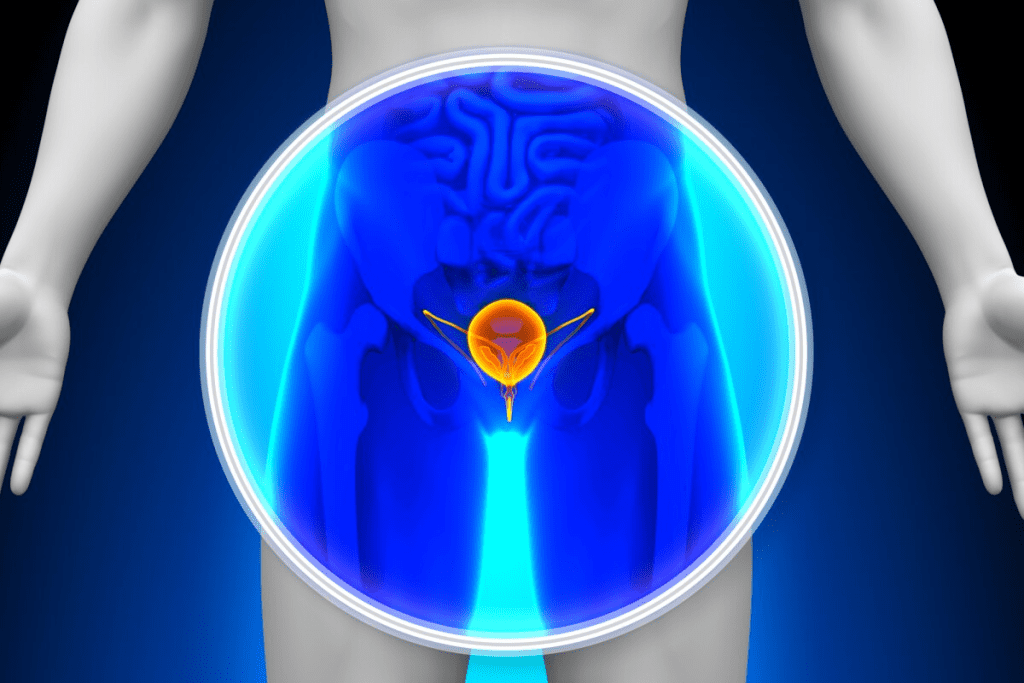
Magnetic Resonance Imaging (MRI) helps doctors see inside the body. Many people wonder if they need a full bladder for an MRI exam. Usually, you don’t need a full bladder for most MRI scans. But if you’re getting a scan of your pelvis or bladder, it might be different.
For a pelvic MRI, a partially full bladder is sometimes suggested. It helps doctors tell the bladder apart from other tissues. But, this can change based on the exam’s needs and the doctor’s choice.
MRI scans are usually safe and don’t hurt. But some people, like pregnant women, might need to be careful or avoid them unless it’s really important.
Key Takeaways
- Most MRI scans do not require a full bladder.
- A partially full bladder may be recommended for pelvic or bladder region imaging.
- MRI scans are generally considered safe and painless.
- Pregnant women should consult their doctor before undergoing an MRI.
- Specific preparation instructions will be provided by the healthcare provider.
Understanding MRI Requirements for Different Body Regions
Knowing MRI protocols for different body parts is key. It helps patients get ready for their exams. This makes the images better and the experience more comfortable.
General MRI Protocols and Bladder Requirements
General MRI protocols change based on the body part. For most non-pelvic MRI exams, you don’t need to fill your bladder. But some pelvic MRI exams, like pelvic MRI with and without contrast, might need a full bladder for the best images.
At times, you might need endo-rectal or endo-vaginal ultrasound gel. This is given through a catheter to make the pelvis MRI images clearer.
Region-Specific MRI Preparation Guidelines
Preparation varies by region for MRI imaging. For pelvic MRI, a full bladder is often needed. This helps see the pelvic organs better. But, brain or spine MRI exams usually don’t need bladder prep.
It’s vital to follow the prep guidelines given by your doctor or the MRI center. This ensures your exam goes smoothly and effectively.
When a Full Bladder is Required for Pelvic MRI
For some pelvic MRI exams, a full bladder is key for clear images. The need for a full bladder varies by exam type.
Types of Pelvic Examinations Requiring Bladder Filling
Some pelvic MRI exams need a full bladder for the best images. This includes uterus MRI and endometriosis MRI. A full bladder helps see the pelvic organs better.
For a uterus MRI, a full bladder makes the uterine structure clearer. For endometriosis MRI, it helps spot implants and adhesions. Patients are told to arrive with a full bladder for these exams.
Optimal Bladder Volume for Imaging Accuracy
Research shows that a 300 ml bladder volume is best for pelvic MRI. This volume is enough to get clear images without discomfort. Getting the right bladder volume is key to accurate images.
If the bladder isn’t full enough, the exam might be delayed. This delay lets the bladder fill more, ensuring top-quality images. These images help doctors diagnose and plan treatments better.
How Bladder Distention Affects Image Quality
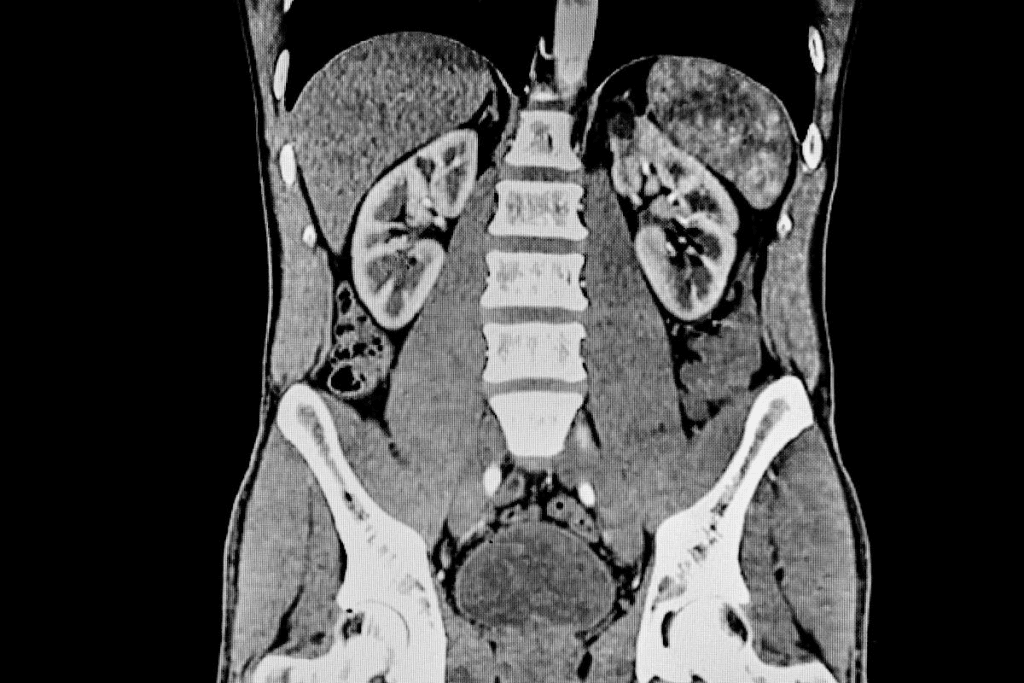
Bladder distention greatly affects MRI image quality. A well-distended bladder reduces motion artifacts and shows pelvic structures clearly. It also moves intestines out of the way for better views.
An underfilled or overfilled bladder can lower image quality. This might lead to wrong diagnoses. So, getting the bladder just right is vital for a successful pelvic MRI.
When to Empty Your Bladder Before an MRI
Some MRI exams need a full bladder, while others require an empty one. The type of MRI you need depends on the area being scanned and the specific imaging protocol.
Non-Pelvic MRI Protocols
For MRI scans not in the pelvic area, you should empty your bladder first. This includes scans for the brain, spine, or limbs. Emptying your bladder makes the scan more comfortable by avoiding discomfort or interruptions.
Non-pelvic MRI scans don’t need a full bladder. For example, a knee or shoulder MRI doesn’t require a full bladder. An empty bladder makes the scan smoother and more comfortable for you.
Patient Comfort Considerations
Patient comfort is key during MRI scans. MRI scans are usually painless, but a full bladder can be uncomfortable, especially if the scan is long. Having an empty bladder reduces discomfort and helps you stay calm and steady, which is important for clear images.
Clear instructions on breathing and staying calm also help. Along with an empty bladder for non-pelvic scans, these steps make your MRI experience better.
Specific Pelvic MRI Types and Their Bladder Requirements
There are different pelvic MRI procedures, each needing a specific bladder level. The exact need depends on the exam type and the pelvic area being studied. Knowing these details is key to the best image quality and accurate diagnosis.
Uterus and Endometriosis MRI Preparation
For MRI exams on the uterus or endometriosis, a moderately full bladder is suggested. This makes it easier to see the uterus and any endometrial implants. Proper bladder filling improves the MRI’s ability to show the pelvic area clearly.
Pelvic MRI with contrast might be needed in some cases. It helps to see endometriosis better or to check uterine issues. Contrast agents make certain areas stand out, helping doctors make a more precise diagnosis.
Pelvic MRI With and Without Contrast
Pelvic MRI exams can be done with or without contrast, depending on the reason for the scan. If contrast is used, patients might need to follow special instructions. Following these guidelines is important for safe and effective contrast use.
- A pelvic MRI without contrast is often used to look at body structures.
- A pelvic MRI with contrast is used to check blood vessels or find lesions.
- Choosing to use contrast depends on the patient’s needs and health.
Female-Specific Pelvic MRI Considerations
For MRI pelvis female exams, there are special things to think about, like reproductive organs. Special methods might be used to check for things like ovarian cysts or uterine fibroids. Keeping the patient comfortable and private is very important during these tests.
Getting the bladder ready properly is essential for these exams. It helps get clear images, which are important for making accurate diagnoses and treatment plans.
Bladder Preparation for Cancer Staging and Specialized Pelvic MRI
Getting your bladder ready is key for cancer staging and diagnosis with a pelvic MRI. The MRI’s accuracy depends a lot on how full the bladder is. This is very important for spotting muscle-invasive bladder cancer.
Muscle-Invasive Bladder Cancer Evaluation
For muscle-invasive bladder cancer, optimal bladder distention is critical. A well-filled bladder helps see the bladder walls and nearby areas better. This makes for more precise checks.
Diagnostic Accuracy Rates with Proper Bladder Preparation
Research shows that with the right bladder prep, doctors can spot muscle-invasive bladder cancer with high accuracy. They can be over 80% sensitive and 90% specific. This shows how important following prep guidelines is for good results.
Protocol Adjustments for Inadequate Bladder Filling
If the bladder isn’t full enough, the MRI plan might need to change. This could mean scanning again after more prep or using different imaging methods. This helps make up for the bladder not being full enough.
The importance of bladder preparation in pelvic MRI exams is huge, mainly for cancer staging and specialized scans. With the right bladder filling, patients get more accurate diagnoses and better treatment plans.
Conclusion: Preparing Appropriately for Your MRI
Getting ready right is key for good MRI results, like for the pelvic or bladder area. Liv Hospital leads by using science and care paths for the best images.
For MRI of the pelvis with contrast, it’s important to follow certain steps. This is also true for finding endometriosis, where people wonder if it will show on an MRI. The answer is yes, with the right prep and advanced imaging.
MRI scans are safe, so you can go back to your usual activities right after. Knowing what’s needed for different MRI types helps patients prepare better. This leads to more accurate diagnoses and better treatment plans.
Liv Hospital is dedicated to top-notch care by using science and care paths. Choosing Liv Hospital for your MRI means you’re in safe hands.
FAQ
Do I need a full bladder for a pelvic MRI?
Yes, a full bladder is often required for a pelvic MRI. It helps to make the pelvic structures clearer.
What is the optimal bladder volume for a pelvic MRI?
The best bladder volume for a pelvic MRI is moderately full. It should not be too full.
Will endometriosis show on an MRI?
Yes, endometriosis can be seen on an MRI. This is true when using contrast agents and the right imaging methods.
Does the whole body go in for a pelvic MRI?
No, only the pelvic area is scanned during a pelvic MRI. The whole body is not included.
Is contrast used for a pelvic MRI?
Yes, contrast agents are used for a pelvic MRI. They help make the images clearer and more accurate.
How does bladder distention affect image quality during a pelvic MRI?
Proper bladder distention improves image quality. It reduces artifacts and makes pelvic structures clearer.
Can I empty my bladder before a non-pelvic MRI?
Yes, you can empty your bladder before a non-pelvic MRI. This makes the scanning process more comfortable.
Are there specific preparation guidelines for a uterine MRI?
Yes, there are specific guidelines for a uterus MRI. These include having a full bladder and following instructions for contrast agents and imaging protocols.
How does proper bladder preparation impact diagnostic accuracy for muscle-invasive bladder cancer?
Proper bladder preparation is key for accurate diagnosis and staging of muscle-invasive bladder cancer. It allows for better visualization of the bladder and surrounding tissues.
References
- Patient preparation and image quality in female pelvic MRI. (2020). Journal of Magnetic Resonance Imaging. Retrieved from https://pubmed.ncbi.nlm.nih.gov/32356160/
- MR imaging of pelvic endometriosis. (2017). PMC “ PubMed Central. Retrieved from https://pmc.ncbi.nlm.nih.gov/articles/PMC5486785/
- Magnetic resonance imaging of pelvic floor dysfunction. (2017). PMC “ PubMed Central. Retrieved from https://pmc.ncbi.nlm.nih.gov/articles/PMC5374191/