

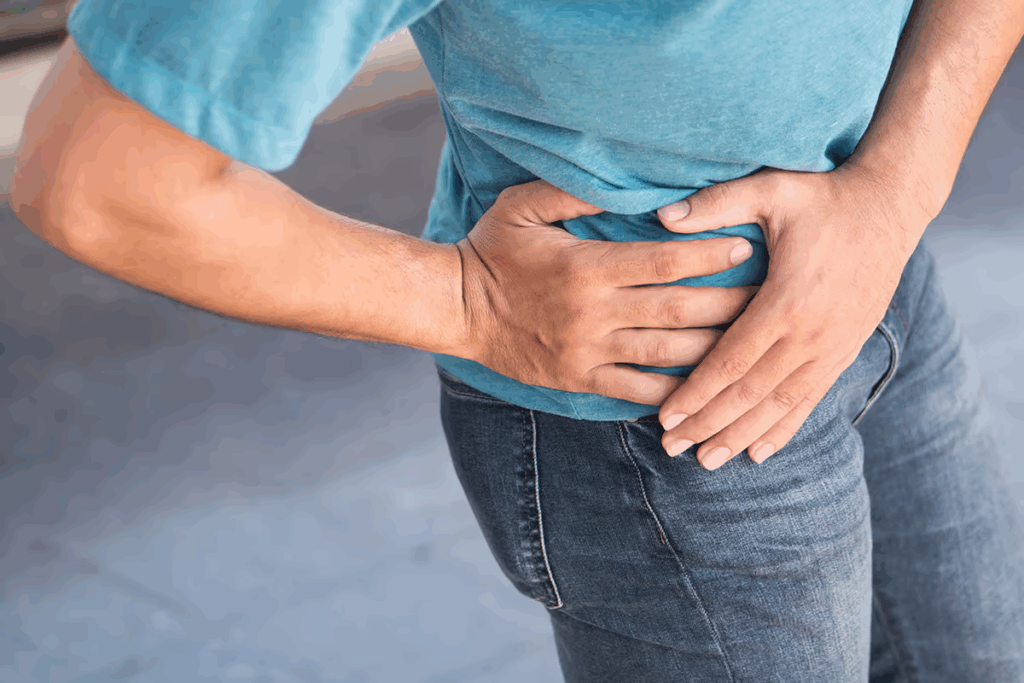
Feeling pain during intimate moments can be really tough and make you feel alone. About 75% of women go through this at some point, according to recent studies. Stop pelvic pain and pain during intercourse. This ultimate guide reveals 7 hidden causes and the best, effective fixes.
At Liv Hospital, we get how dyspareunia affects your life and relationships. We offer a caring approach that combines medical knowledge with empathy. We aim to help you find out why you’re in pain and find the right treatment for you.
Key Takeaways
- Understand the causes of pelvic pain during intercourse
- Discover personalized treatment options
- Learn how to address dyspareunia and improve intimate relationships
- Find compassionate care and trusted medical expertise
- Take the first step towards a pain-free life with Liv Hospital
Understanding Pelvic Pain and Pain During Intercourse
Dyspareunia, or painful intercourse, includes discomforts before, during, or after sex. It can be superficial or deep in the pelvis. Knowing about dyspareunia helps tackle pelvic pain during sex.
What is Dyspareunia?
Dyspareunia is painful sex. It’s not a disease but a symptom of something else. The pain can be sharp or dull, and it can vary in intensity. Physical, psychological, or both can cause dyspareunia.
Prevalence and Impact on Quality of Life
Dyspareunia affects many women at some point. It impacts physical health and emotional well-being. It can cause anxiety and fear, making the problem worse.
It affects relationships and mental health. Women with dyspareunia might avoid sex, leading to relationship issues and feelings of isolation.
The Emotional Toll of Painful Sex
The emotional effects of dyspareunia are significant. The fear of pain can cause fear and anxiety. This fear can make sex unbearable.
To manage dyspareunia, we need to tackle both physical and emotional sides. Understanding causes, getting medical help, and finding ways to reduce pain are key.
Some ways to handle the emotional side include:
- Talking openly with your partner about your feelings.
- Seeking help from sex therapy or counseling.
- Trying relaxation techniques like deep breathing or meditation.
Understanding dyspareunia helps us tackle its challenges. We can work towards finding effective solutions.
Common Causes of Pelvic Pain During Sex

Pelvic pain during sex can come from many sources. This pain, known as dyspareunia, affects many people. It’s important to know what causes it to find relief.
Physical Causes and Anatomical Factors
Physical and anatomical issues are big contributors to pelvic pain. Endometriosis, where uterine lining grows outside, is a common cause. Other factors include vaginal dryness from hormonal changes and issues like a tipped uterus or pelvic adhesions. These can cause pain during or after sex.
Infections and Inflammatory Conditions
Infections and inflammation also lead to pelvic pain. Pelvic Inflammatory Disease (PID) is a major cause. Other infections, like yeast infections or sexually transmitted infections (STIs), can also cause pain. Conditions like interstitial cystitis can make it worse.
Psychological Factors Contributing to Pain
Psychological factors like anxiety, stress, and past trauma also play a role. The fear of pain can make things worse. It’s important to address these to help.
“Pain is a complex interplay of physical and emotional factors, and understanding this is key to effective treatment.”
— Expert in Pain Management
Understanding the causes of pelvic pain during sex is key. It includes physical, infectious, and psychological factors. By looking at all these, we can find better ways to help people.
Identifying Different Types of Pelvic Pain
Pelvic pain during sex can take many forms. Each type has its own causes and effects. Knowing the differences is key to finding relief.
Superficial Pain at Vaginal Entrance
Superficial pain is felt at the vaginal entrance. It’s often sharp. This pain can be due to dryness, infections, or vulva irritation.
Deep Pelvic Pain and Uterine Pain During Intercourse
Deep pelvic pain is felt deeper in the pelvis. It’s linked to issues like endometriosis or pelvic inflammatory disease. This pain can make sex uncomfortable.
Pelvic Pressure During Sex
Some people feel pressure during sex. This pressure is like a heaviness in the pelvic area. It can be caused by pelvic floor problems.
Post-Intercourse Pain and Discomfort
Pain after sex is common. It can be mild or severe. This pain can last for hours or even days.
Type of Pelvic Pain | Common Causes | Characteristics |
Superficial Pain | Vaginal dryness, infections | Sharp pain at vaginal entrance |
Deep Pelvic Pain | Endometriosis, PID | Pain deeper in the pelvis |
Pelvic Pressure | Pelvic floor dysfunction | Feeling of heaviness or discomfort |
Post-Intercourse Pain | Varies | Pain after sex, can last hours or days |
Knowing the type of pelvic pain you have is important. It helps you find the right treatment. By identifying your pain, you can tell your healthcare provider more accurately.
Pelvic Floor Dysfunction and Its Role in Painful Intercourse
Understanding pelvic floor dysfunction is key to treating painful intercourse. This condition causes muscle tension, leading to pain during sex. We will look at how it affects people and the treatments available.
Understanding the Pelvic Floor Muscles
The pelvic floor muscles support the bladder, uterus, and bowel. They help keep these organs in place and work well during activities, including sex. It’s important for these muscles to work right for pain-free sex.
How Muscle Tension Leads to Pain
When these muscles get tense or don’t work right, sex can hurt. This tension can cause vaginismus, where the vaginal muscles tighten up. This makes sex painful or hard to do. Knowing why this happens helps find the right treatment.
“Pelvic floor dysfunction is a treatable condition, and addressing it can significantly improve the quality of life for individuals experiencing painful intercourse.”
Signs of Pelvic Floor Dysfunction
Spotting the signs of pelvic floor dysfunction is the first step to getting help. Look out for:
- Pain during sex
- Pelvic pain or discomfort not related to sex
- Difficulty starting or stopping urine flow
- Constipation or hard bowel movements
Seeing these signs means it’s time to look into pelvic floor therapy for painful intercourse. This might include physical therapy, relaxation methods, and more to ease muscle tension and boost pelvic floor function.
By tackling pelvic floor dysfunction, people can ease their pain and enhance their life quality. Pelvic floor physical therapy at home can help too. It lets people manage their symptoms and take charge of their pelvic health.
Medical Conditions Associated with Pelvic Pain During Sex
Gynecological conditions often cause pelvic pain during sex. Knowing these conditions is key to managing and treating them.
Endometriosis and Its Impact
Endometriosis is when tissue like the uterus lining grows outside the uterus. This leads to pain and discomfort. It can make pain during sex worse, mainly with deep penetration. The pain’s location is a big factor.
Pelvic Inflammatory Disease
Pelvic Inflammatory Disease (PID) is an infection of the female reproductive organs. It’s a major cause of pelvic pain during sex. This is because it can cause inflammation and scarring. PID is often caused by sexually transmitted bacteria.
Interstitial Cystitis and Bladder Pain
Interstitial Cystitis (IC), also known as bladder pain syndrome, causes bladder pressure and pain. It can also cause pelvic pain. This pain can get worse during sex, making it harder for people with IC to feel comfortable.
Other Gynecological Conditions
Other conditions like uterine fibroids, ovarian cysts, and vulvodynia can also cause pelvic pain during sex. Uterine fibroids can cause pain because of their size and location. Ovarian cysts can rupture or twist, causing sudden pain. Vulvodynia is chronic pain in the vulvar area, which can get worse with sex.
People with pelvic pain during sex should see a healthcare provider. They can find out what’s causing the pain and how to treat it. Knowing the cause helps find the right way to manage it.
Hormonal Influences on Vaginal Health and Comfort
Hormonal changes greatly affect vaginal health and comfort during sex. These shifts can alter vaginal lubrication, elasticity, and comfort. This can make sex painful or uncomfortable for some women.
Menopause and Vaginal Dryness
Menopause brings a drop in estrogen, leading to vaginal dryness, or vaginal atrophy. This lack of lubrication can cause discomfort or pain during sex. Estrogen therapy is often suggested to help, improving vaginal health and comfort.
Vaginal dryness can greatly impact a woman’s life, affecting sex and daily comfort. It’s key to address this issue for overall well-being.
Hormonal Contraception Effects
Hormonal contraceptives, like birth control pills and IUDs, can change vaginal health. Some women might notice changes in vaginal lubrication or libido. It’s important to talk to a healthcare provider to find the best option.
Every woman reacts differently to hormonal contraception. So, it’s vital to monitor and adjust contraceptive methods based on individual needs.
Pregnancy and Postpartum Changes
Pregnancy and the postpartum period bring big hormonal changes that affect vaginal health. During pregnancy, more blood flow to the pelvic area can make vaginal lubrication better. But, postpartum hormonal shifts can cause dryness or discomfort. Knowing these changes can help women get through this period more comfortably.
We stress the importance of postpartum care, including handling any vaginal discomfort or pain. Support and guidance during this time can greatly improve a woman’s health and well-being.
When to Seek Medical Help for Pelvic Pain During Intercourse
Pelvic pain during sex can be upsetting. Knowing when to get medical help is important. If you feel pain often or it’s very bad, you should see a doctor.
Warning Signs That Require Immediate Attention
Some symptoms with pelvic pain during sex mean you need to see a doctor right away. These include:
- Abnormal vaginal bleeding: Bleeding after sex, between periods, or heavy menstrual bleeding could indicate an underlying condition that requires medical attention.
- Severe pain: Sudden, sharp, or severe pain during or after intercourse is a red flag that should not be ignored.
- Fever or chills: If you experience fever, chills, or other signs of infection along with pelvic pain, seek medical help promptly.
- Unusual discharge: Foul-smelling or unusual vaginal discharge could be a sign of an infection that needs treatment.
The American College of Obstetricians and Gynecologists says, “Pelvic pain is a common symptom that can have many causes. It’s essential to identify the underlying cause to provide appropriate treatment.”
What to Expect During a Medical Evaluation
When you decide to seek medical help for pelvic pain during intercourse, you can expect a thorough evaluation. This usually includes:
- A detailed medical history to understand your symptoms, menstrual cycle, and any previous surgeries or conditions.
- A physical examination, which may include a pelvic exam to check for any abnormalities or tenderness.
- Diagnostic tests such as ultrasound, laparoscopy, or other imaging studies to identify the cause of your pain.
It’s important to be open and honest about your symptoms during your visit. Share when they started and what makes them better or worse.
Finding the Right Healthcare Provider
Finding a healthcare provider who understands your concerns and is experienced in treating pelvic pain is key. You might want to look for:
- A gynecologist or obstetrician-gynecologist for issues related to reproductive health.
- A urogynecologist or a specialist in pelvic medicine for conditions affecting the pelvic floor.
- A healthcare provider who listens to your concerns and takes the time to understand your symptoms.
Medical Expert, a gynecologist, says, “The key to effective treatment is finding a healthcare provider who can address your specific needs and provide compassionate care.”
Self-Care Strategies to Relieve Pelvic Pain
Pelvic pain during sex can be really tough. But, there are ways to make it better. By trying these self-care tips, you can lessen the pain and feel better overall.
Proper Lubrication Techniques
Using lubricants is a simple way to ease pelvic pain. Proper lubrication reduces friction, making sex more comfortable. Water-based or silicone-based lubricants are best. Avoid oil-based ones as they can harm condoms and cause irritation.
Relaxation Methods Before Intercourse
Relaxation is key to easing pelvic pain. Try deep breathing, progressive muscle relaxation, or meditation to calm your pelvic floor muscles. A warm bath or gentle stretches before sex can also relax your body and reduce tension.
Beneficial Positions to Minimize Pain
Try different sexual positions to find the most comfortable ones. Being on top can be helpful because it lets you control the pace. It’s important to talk to your partner about what feels good and what doesn’t.
Heat and Cold Therapy Applications
Heat or cold on the pelvic area can help with pain. Heat therapy, like a warm heating pad, relaxes muscles and boosts blood flow. Cold therapy can reduce swelling and numb pain. Always use a cloth to protect your skin from burns or frostbite.
Exploring these self-care methods can help you manage pelvic pain during sex. It’s a step towards better well-being.
Pelvic Floor Therapy for Painful Intercourse
Pelvic floor therapy is a key solution for painful intercourse. It targets the muscles and functions that cause pain. This therapy can greatly reduce discomfort during sex.
Professional Pelvic Floor Physical Therapy
Professional pelvic floor physical therapy is very effective. A trained therapist can find and treat tight muscles. They use massage and other techniques to relax muscles and improve blood flow.
This personalized therapy can make a big difference in comfort during sex. A study in the Journal of Women’s Health Physical Therapy showed great results. Women felt less pain and enjoyed a better quality of life.
“Pelvic floor physical therapy is a game-changer for individuals suffering from painful intercourse. It’s a non-invasive, highly effective treatment that addresses the root causes of pain.”
At-Home Pelvic Floor Exercises
At-home exercises are also important. Kegels strengthen the pelvic floor muscles. Regular practice can improve muscle control and reduce pain.
- Start by identifying the correct muscles: those used to stop the flow of urine.
- Contract these muscles for 5-10 seconds, then release for the same duration.
- Repeat this exercise 10-15 times, several times a day.
It’s key to do these exercises right to get the most benefit. Getting help from a healthcare provider or pelvic floor physical therapist can guide you.
Dilator Therapy Techniques
Dilator therapy is another helpful tool. It uses dilators to make vaginal muscles more flexible and less painful. The goal is to make the area less sensitive and more comfortable over time.
Dilator Size | Duration | Frequency |
Small | 5 minutes | Daily |
Medium | 5 minutes | Daily |
Large | 5 minutes | Daily |
It’s important to go at your own pace and use lubrication. Working with a healthcare provider can help create a plan that fits your needs.
Medical Treatments and Interventions
Pelvic pain during sex can be treated in many ways. This includes medicines and other therapies. Finding the right treatment is key to managing pain well.
Medications for Pain Management
There are many medicines for uterine pain during sex. Over-the-counter drugs like ibuprofen work for mild pain. For more severe pain, doctors might prescribe stronger drugs.
It’s important to talk to a doctor about the best medicine and how much to take. They can help avoid unwanted side effects.
Hormone Therapy Options
Hormonal imbalances can cause pelvic pain. Hormone therapy can balance hormones, which helps during menopause or with some birth control.
We talk to our patients about hormone therapy’s benefits and risks. This way, they know all about their options.
Surgical Interventions When Necessary
Surgery might be needed for some pelvic pain causes. For example, surgery for endometriosis can remove painful growths.
We help decide if surgery is right for our patients. We also explain what to expect and how to recover.
Alternative and Complementary Approaches
There are also non-traditional ways to ease pelvic pain. Acupuncture and physical therapy are examples. They can help manage pain.
Using a mix of medical treatments and interventions can help with pelvic pain. We’re here to support our patients every step of the way.
Addressing Psychological Aspects of Painful Intercourse
Understanding the psychological side of painful sex is key to helping those affected. Psychological factors are big in dyspareunia. It’s important to tackle them for effective care.
Breaking the Pain-Fear-Tension Cycle
Pelvic pain during sex can start a cycle of pain, fear, and tension. If someone expects pain, they might tense up, making the pain worse. Breaking this cycle is essential for relief.
Starting with fear, education and reassurance can help. Knowing the causes of pain and the steps to fix it can ease fears and reduce tension.
Communication With Your Partner
Talking openly with your partner is key in managing painful sex. They can offer emotional support and help find solutions together.
Talking about pain, what makes it worse, and what helps can find ways to lessen discomfort. It’s also important for partners to understand the emotional impact of painful sex. Working together to break the pain-fear-tension cycle is vital.
Sex Therapy and Counseling Options
Sex therapy and counseling are great for those with dyspareunia. These help tackle the emotional and psychological sides of painful sex. They offer ways to cope with pain and improve sex life.
- Sex therapists help individuals and couples understand and tackle emotional and psychological factors of painful sex.
- Counseling offers a safe space to talk about feelings and concerns about sexual health.
Mindfulness Techniques for Sexual Comfort
Mindfulness techniques can make sex more comfortable by promoting relaxation and reducing anxiety. Deep breathing, progressive muscle relaxation, and mindfulness meditation help become more aware of body and sensations. This makes sex more enjoyable.
By adding these techniques to their routine, people can manage their pain and enhance their sexual experience.
Conclusion: Creating a Comprehensive Approach to Relieving Pelvic Pain
Dealing with pelvic pain during sex needs a mix of self-care, medical help, and mental support. We’ve looked at what causes this pain, like physical issues, infections, and mental factors. Knowing these causes helps create a good treatment plan.
Pelvic floor therapy is a key treatment for painful sex. It helps relax muscles and makes sex more comfortable. Also, self-care steps like using lubricant, relaxing, and finding the right positions can help a lot.
Medical treatments, like pain meds and hormone therapy, are also important. It’s key to talk to a doctor to find the best treatment. By using all these methods, people can feel a lot better and enjoy sex more.
It’s very important to see a doctor if pelvic pain doesn’t go away or is very bad. With the right care and support, it’s possible to beat pelvic pain and have a happy, healthy sex life.
FAQ
What is dyspareunia?
Dyspareunia is when sex hurts. It can happen for many reasons, like physical or emotional issues.
How common is pelvic pain during sex?
Many women face pelvic pain during sex. It affects their life and relationships a lot.
What are the common causes of pelvic pain during intercourse?
Pain can come from many places. This includes physical issues, infections, and emotional problems.
How does pelvic floor dysfunction contribute to painful sex?
Muscle tension in the pelvic area can cause pain. Signs include pain during sex and trouble with urination or bowel movements.
What role do hormonal changes play in vaginal health and comfort during sex?
Hormonal changes can affect vaginal health. This includes changes during menopause, pregnancy, or with birth control.
When should I seek medical help for pelvic pain during intercourse?
See a doctor if the pain is bad or lasts a long time. Also, if you have heavy bleeding or other symptoms.
What can I expect during a medical evaluation for pelvic pain?
You’ll get a full check-up. This includes talking about your health, a physical exam, and tests to find the cause.
How can pelvic floor therapy help with painful intercourse?
Therapy can help by relaxing muscles. It improves how the pelvic floor works, making sex less painful.
What self-care strategies can help relieve pelvic pain during sex?
Try lubricants, relaxation techniques, and certain sex positions. Heat or cold therapy can also help.
Are there medical treatments available for pelvic pain during intercourse?
Yes, treatments include pain meds, hormone therapy, surgery, and other therapies. It depends on the cause.
How can I address the psychological aspects of painful intercourse?
Break the pain cycle, talk to your partner, and consider therapy. This can help with the emotional side.
Can mindfulness techniques help with sexual comfort?
Yes, they can. Mindfulness reduces anxiety and helps relax, making sex more comfortable.
Why does my pelvis hurt during sex?
Many things can cause pelvic pain during sex. It’s important to see a doctor to find out why.
Does pelvic floor therapy help with painful intercourse?
Yes, it’s a good treatment. It helps by fixing muscle problems in the pelvic area.
What are the signs of pelvic floor dysfunction?
Signs include pain during sex, trouble with urination or bowel movements, and muscle tension.
How can I find the right healthcare provider for pelvic pain?
Look for a doctor with experience in pelvic pain. Ask for a referral from your primary care doctor or a specialist.
References
National Center for Biotechnology Information. Evidence-Based Medical Guidance. Retrieved from https://www.ncbi.nlm.nih.gov/pmc/articles/PMC5530057/

























