Period after ivf egg retrieval, many women wonder when their period will come back. We know this can be a worrying time. It’s important to know what to expect.
Usually, most women get their first period within 7 to 14 days after the procedure. But, the exact time can change. This depends on hormonal changes and your overall health.
At Liv Hospital, we focus on educating and supporting you through your fertility journey. Our team is here to offer top-notch medical care. We do this with kindness and evidence-based practices.
Key Takeaways
- Most women experience their first period within 7-14 days after egg retrieval.
- The timing can vary due to individual hormonal changes.
- Understanding your menstrual cycle after egg retrieval can ease concerns.
- Liv Hospital provides extensive support throughout your fertility treatment.
- Our team is committed to delivering world-class healthcare with compassionate care.
The Egg Retrieval Process and Its Effects on Your Body
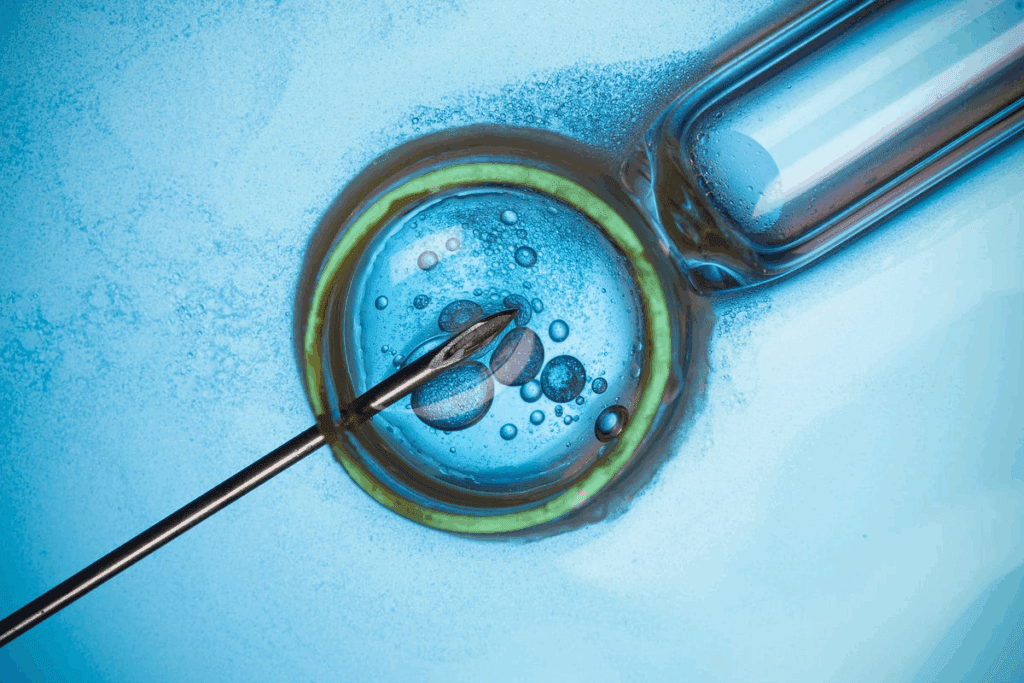
It’s important to know about the egg retrieval process and its effects on your body. This process is key to understanding IVF. It involves stimulating your ovaries to produce many eggs. These eggs are then taken out through a minor surgery.
What Happens During the Retrieval Procedure
Ovarian stimulation medications are used to make your ovaries produce more eggs. This takes about 8-14 days and is watched closely with ultrasound and blood tests. When the eggs are ready, they are taken out under sedation in a short procedure.
This procedure usually lasts 30-60 minutes. Most women can go back to their normal activities a few days later.
How Fertility Medications Alter Your Hormonal Balance
Fertility medications used in IVF can change your hormonal balance a lot. Ovarian stimulation medications make your estrogen levels go up. This can change your menstrual cycle and hormonal balance.
After the egg retrieval, your hormone levels might drop. This can make you feel like you’re going through menopause. These changes can affect your menstrual cycle, making it irregular.
The main effects of fertility medications on hormonal balance are:
- Increased estrogen levels during ovarian stimulation
- Potential drop in hormone levels after egg retrieval
- Changes in menstrual cycle timing and flow
- Possible symptoms similar to menopause due to hormonal fluctuations
These changes are temporary. Your hormonal balance will usually go back to normal after IVF is done. Knowing about these changes can help you prepare for how they might affect your menstrual cycle.
Understanding Your Period After IVF Egg Retrieval
The egg retrieval process is a key part of IVF. It’s important to know how it affects your menstrual cycle. After the procedure, women often look forward to their period. It shows their body is recovering and a new cycle is starting.
The Normal Timeline for Menstruation
Most women get their first period 7 to 14 days after egg retrieval. Some may wait up to three or four weeks. You can usually expect your period 10–14 days after egg retrieval. This marks the end of the last stimulated cycle and the start of a new one.
Factors That Influence When Your Period Returns
Several things can affect when your period comes back after egg retrieval. These include:
- The body’s response to fertility medications
- The success of the embryo transfer (if performed)
- Individual recovery rates
Knowing these factors can help you guess when your menstrual cycle will start again.
Early Bleeding vs. True Menstruation
It’s important to know the difference between early bleeding and true menstruation after egg retrieval. Many women get confused about their menstrual cycle after this procedure.
Spotting Within 5-7 Days Post-Retrieval
Some women might see light vaginal spotting a day or two after egg retrieval. This is usually because of a drop in estrogen and progesterone levels. It’s not the same as menstrual blood.
Early bleeding within five to seven days may occur due to hormonal changes. The body’s reaction to hormone level changes can cause light spotting. This can be scary but is usually not a worry.
How to Distinguish Between Post-Procedure Bleeding and Your Period
Telling early bleeding from true menstruation can be tricky. But, there are some key differences. True menstruation usually happens 7 to 14 days after retrieval and is often heavier.
| Characteristics | Early Bleeding/Spotting | True Menstruation |
|---|---|---|
| Timing | Within 5-7 days post-retrieval | Around 7-14 days post-retrieval |
| Flow | Light spotting | Heavier flow |
| Cause | Hormonal changes post-procedure | Natural menstrual cycle |
Knowing these differences helps women understand their post-egg retrieval recovery better. It also helps them know when their true menstrual period will start.
Hormonal Fluctuations Following Egg Retrieval
Understanding hormonal changes after egg retrieval helps you know when your next period will come. The medications used during ovarian stimulation change your hormone levels. After the egg retrieval, your body starts to get back to normal.
The Estrogen and Progesterone Drop
After egg retrieval, estrogen and progesterone levels drop. This is because the eggs are removed and some fertility medications stop. This drop can cause bleeding, which might seem like a period. But it’s actually a withdrawal bleed from the hormonal change.
The drop in hormone levels is a key part of your recovery. It’s important to know this doesn’t mean your regular cycle is back right away. The timing and how your first period after egg retrieval will be can vary a lot.
How Your Body Reestablishes Hormonal Balance
As your body recovers, it starts to get back to its natural hormone balance. This takes time, and it’s different for everyone. Things like the type and amount of fertility meds, how you react to them, and your health can affect how fast you get back to normal.
Getting back to hormonal balance is key for your regular cycle to come back. You might see changes in your period, like flow or timing. You could also have a heavy period after egg retrieval as your body adjusts.
If you’re wondering when you’ll get your period after egg retrieval, think about these hormonal changes. Some women might have their period later, while others might get it sooner. Knowing about these changes can help you feel less anxious and manage your expectations.
Just be patient and let your body recover and get back to normal. If you’re worried about your menstrual cycle or any part of your recovery, talk to your healthcare provider. They can give you advice tailored to you.
Characteristics of Your First Period After Egg Retrieval
Understanding your first period after egg retrieval can help you prepare. The experience varies, but common patterns exist.
Your first period after egg retrieval might feel different. You might notice heavier or lighter bleeding, cramping, or bloating. It can differ from your usual cycle.
Why First Periods Are Typically Heavier
The first period after egg retrieval is often heavier. This is because the uterine lining builds up during hormone stimulation. It must shed completely, leading to a heavier flow and more cramping.
Managing Increased Cramping and Discomfort
Managing these changes is key for comfort during recovery. Over-the-counter pain relievers can ease cramps. Applying heat therapy to the lower abdomen also helps.
Staying hydrated and eating a healthy diet aids in recovery. Remember, while some discomfort is normal, severe pain or heavy bleeding needs medical attention. Your healthcare provider can offer tailored advice.
Delayed Menstruation: Causes and Concerns
Delayed menstruation after egg retrieval worries many women going through IVF. Most women get their period within two weeks. But, some may wait longer. Knowing why this happens can help ease worries.
Why Some Women Experience Longer Delays
Several things can cause delayed menstruation after egg retrieval. The IVF process is tough on the body and mind, affecting hormones. Also, temporary cysts on the ovaries might form.
These cysts are usually safe but can make menstruation late. Some women might wait up to three or four weeks. This delay is common and doesn’t always mean there’s a problem.
When to Be Patient vs. When to Call Your Doctor
Waiting for your period to come back is normal. But, knowing when to see a doctor is key. If your period is more than three or four weeks late, call your doctor.
It’s important to know when a delay is normal and when it’s not. If you’re feeling really bad or worried, talk to your doctor. They can help and reassure you.
Ovulation After Egg Retrieval: What to Expect
After egg retrieval, it’s important to track ovulation. This helps understand your menstrual cycle’s return to normal. Knowing when ovulation starts again is key for planning future fertility treatments and checking your reproductive health.
When Your Ovaries Resume Normal Function
Your ovaries need time to heal and start working normally again after egg retrieval. Ovulation can start anywhere from a few weeks to a month later. But, this time can differ a lot from person to person.
Factors influencing the resumption of ovulation include:
- The number of eggs retrieved
- The dosage and type of fertility medications used
- Individual differences in ovarian response and recovery
Tracking Ovulation During Recovery
There are several ways to track ovulation during recovery:
- Basal body temperature monitoring
- Ovulation predictor kits (OPKs)
- Fertility apps that track menstrual cycles and predict ovulation
By tracking ovulation, you can understand your body’s healing process. This helps plan for future fertility treatments or family planning.
Usually, the second and later periods return to normal within one to three months after egg retrieval. If you’re waiting to start treatment again or begin a new IVF cycle, your period is a key indicator. It helps track ovulation and hormone levels, giving your healthcare provider important information.
The Second Period and Beyond: Returning to Your Regular Cycle
After egg retrieval, many women wonder when their periods will go back to normal. Knowing when your cycle will return and how treatments might change it helps. It lets you plan for the future and manage your expectations.
Timeline for Menstrual Normalization
Usually, periods get back to normal one to three months after egg retrieval. Most women don’t need treatment during this time. It’s important to be patient and watch how your body reacts.
Things like your health, how many eggs were retrieved, and the fertility meds used can affect when your cycle gets back to normal. Keeping a menstrual calendar can help you track changes. This can show you any patterns or irregularities.
How Subsequent Fertility Treatments May Affect Your Cycle
Future fertility treatments can change your menstrual cycle. They might make your cycle longer or shorter, or affect how much you bleed. It’s a good idea to talk to your doctor about your treatment plans. They can tell you how it might affect your cycle.
Even though most women see their cycles return to normal in a few months, some might take longer. We’re here to support you. We’ll guide you through any challenges you face.
How Embryo Transfer Status Affects Your Period After IVF Egg Retrieval
Knowing how embryo transfer impacts your period after IVF is key. The success or failure of the transfer greatly affects when and how your period comes. This is important for managing your recovery.
Menstruation When No Embryo Is Transferred
If no embryo is transferred, your body usually goes back to its normal cycle about two weeks after egg retrieval. This time can vary, but most women get their period around then.
When no embryo is transferred, your hormone meds stop. This lets your body get back to its natural cycle and hormones.
Period Patterns After Failed Embryo Transfer
If an embryo transfer fails, your period might start a bit later. Usually, it starts about 14 days after the transfer.
Distinguishing Between Period and Early Pregnancy Loss
Telling the difference between a regular period and early pregnancy loss after a failed transfer can be tough. Look for these key differences:
- Timing: Bleeding on the expected period date might be your period. But, bleeding earlier or irregularly could be early pregnancy loss.
- Flow and Cramping: The pain and bleeding intensity can vary. Early pregnancy loss might have heavier or more painful bleeding, but not always.
If you’re unsure about your bleeding, talk to your fertility specialist. They can offer personalized advice.
Conclusion: Navigating Your Post-Retrieval Recovery
Understanding your menstrual cycle after egg retrieval is key for those going through fertility treatments. It’s normal to wonder about your period after this procedure. Most women will get their period within two weeks, unless they are pregnant.
Knowing what to expect during your recovery is important. This includes understanding changes in your menstrual cycle. Being informed helps women manage their recovery and future fertility treatments. If you have questions, always talk to your healthcare provider.
When will you get your period after egg retrieval? The timing varies. But knowing what affects your cycle can help you prepare. We’re here to support you every step of the way, providing the care and guidance you need.
FAQ
When will I get my period after egg retrieval?
Most women get their first period one to two weeks after egg retrieval. But, timing can vary. This depends on how the body reacts to fertility meds and the success of the embryo transfer.
What is the normal timeline for menstruation after egg retrieval?
Women usually get their period 7 to 14 days after egg retrieval. But, some might experience a delay. It’s important to know what affects when menstruation returns.
How do fertility medications affect my menstrual cycle after egg retrieval?
Fertility meds change the body’s hormonal balance, affecting the cycle. The drop in hormones after egg retrieval can cause bleeding. As the body recovers, hormonal balance is restored.
What is the difference between early bleeding and true menstruation after egg retrieval?
Early bleeding or spotting is often due to hormonal changes. True menstruation usually happens 7 to 14 days after. Knowing the difference helps manage expectations.
Why is my first period after egg retrieval heavier than usual?
The first period after egg retrieval can be heavier. This is because of the thickened uterine lining from ovarian stimulation. Managing these changes is key for comfort during recovery.
When should I be concerned about delayed menstruation after egg retrieval?
Most women get their period within two weeks. But, some might experience a delay. Knowing the causes of delayed menstruation helps manage expectations.
How long does it take for my ovaries to resume normal function after egg retrieval?
After egg retrieval, ovaries need time to get back to normal. Tracking ovulation during recovery can give insights into when the cycle will normalize.
How will subsequent fertility treatments affect my menstrual cycle?
Knowing how future fertility treatments might affect your cycle helps manage expectations. Menstrual cycles usually return to normal within a few months after egg retrieval.
Does the status of embryo transfer affect my period after IVF egg retrieval?
Yes, the outcome of embryo transfer affects when and how your period comes after IVF egg retrieval. Understanding this can clarify what to expect.
References
National Center for Biotechnology Information. Menses Return Timeline Post-Egg Retrieval. Retrieved from https://pubmed.ncbi.nlm.nih.gov/30165714/