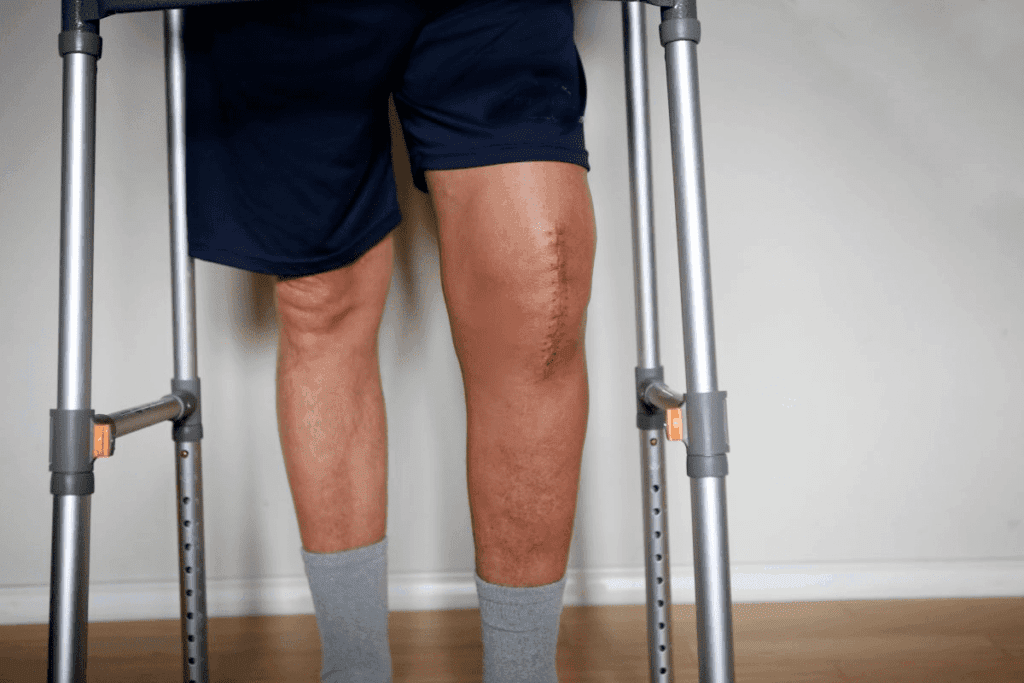
Knee replacement surgery is very common, with nearly 3.5 million expected by 2030. In 2023, over 1.3 million were done in the U.S. If you’ve had or are thinking about knee replacement, knowing the recovery and post-surgery rules is key.
Most people face few lasting limitations and can get back to their activities. At Liv Hospital, we offer top-notch orthopedic care and focus on you. We help you understand the recovery to set the right expectations and get the best results.
Key Takeaways
- Most patients have no permanent limitations after knee replacement surgery.
- Understanding post-surgery guidelines is key for a successful recovery.
- Liv Hospital provides internationally competitive orthopedic care.
- Over 1.3 million knee replacements were done in the U.S. in 2023.
- Knee replacement surgery is expected to rise to 3.5 million procedures by 2030.
Understanding Knee Replacement Surgery
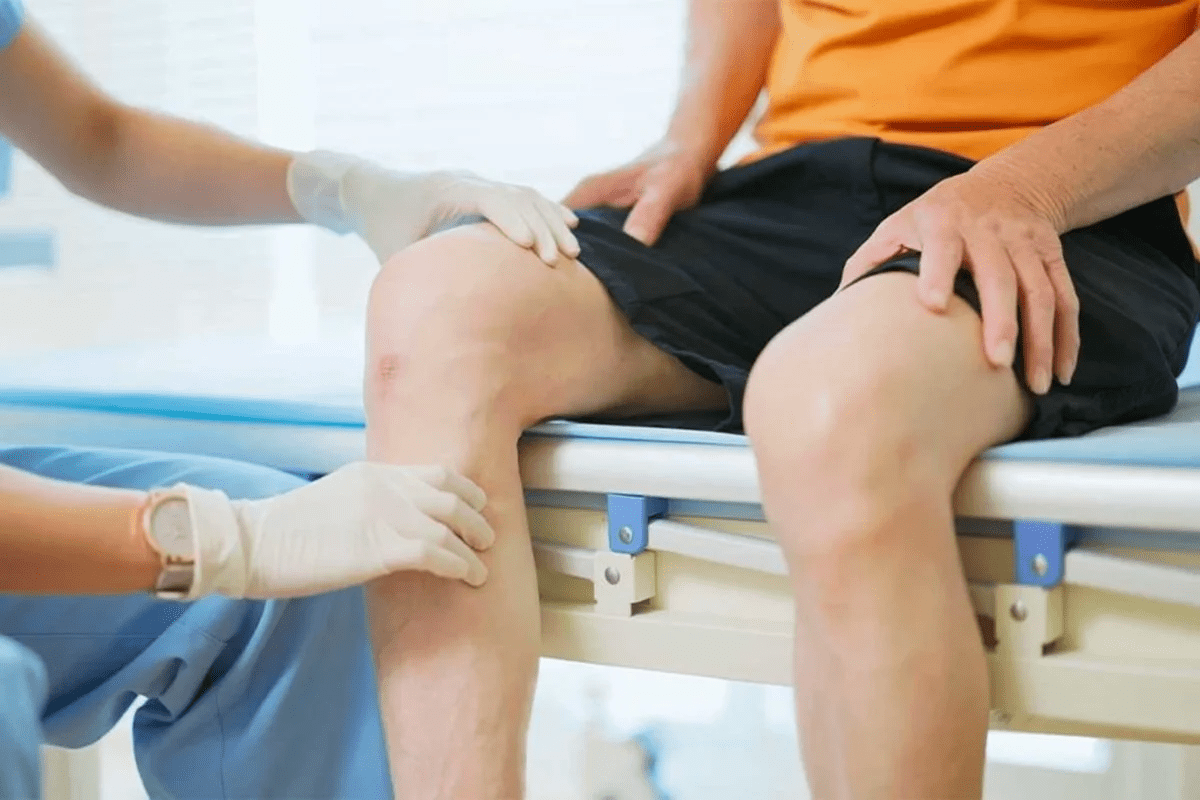
Knee replacement surgery is a hope for those with severe osteoarthritis. It helps them move better and feel less pain. This surgery, or knee arthroplasty, swaps out the bad knee joint for artificial parts.
What Happens During the Procedure
In knee replacement surgery, the bad bone and cartilage are taken out. Then, metal and plastic parts are put in. These parts are made to move like a real knee, helping patients move freely again.
The surgery is done under general or regional anesthesia. This keeps the patient comfortable. It usually takes 1-2 hours to do the surgery.
The Growing Prevalence in the United States
Knee replacement surgery is getting more common in the U.S. This is because more people are living longer and staying active. Over 700,000 knee surgeries are done every year here, and that number is going up.
This shows how important it is to know about knee replacement surgery. Knowing about it helps patients recover better and get the best results.
Permanent Restrictions After Knee Replacement: Fact vs. Fiction
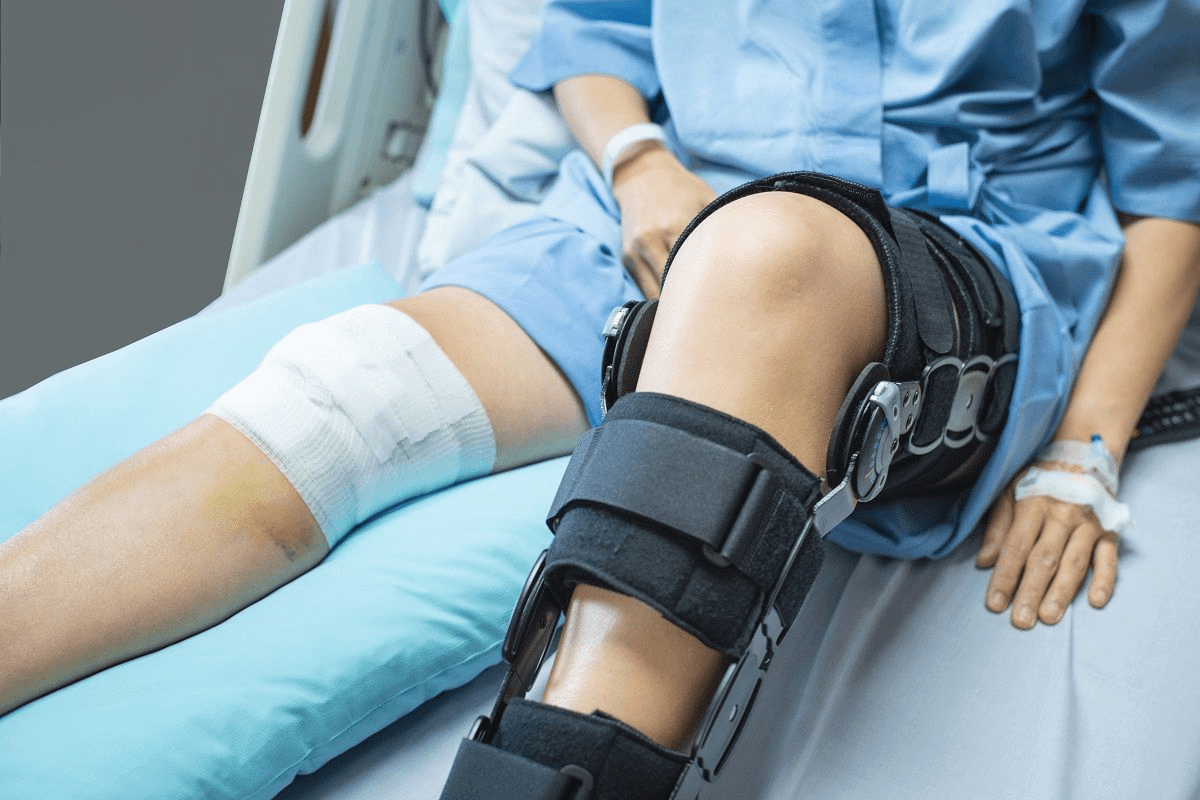
Many people think knee replacement surgery means they’ll never do certain things again. But, the truth is, most people face very few lasting limits after they heal.
Common Misconceptions About Long-Term Limitations
Some think knee replacement makes it hard to do many activities. But, while high-impact sports might be off-limits, many can do their favorite things with a little change.
Others worry they’ll never kneel or bend deeply again. But, research shows it’s not impossible. It really depends on your health, the surgery, and how well you recover.
“The goal of knee replacement surgery is to restore function and alleviate pain, allowing patients to return to their normal activities with minimal limitations.” A renowned orthopedic surgeon
What Research Actually Shows About Permanent Restrictions
Most studies show knee replacement surgery greatly improves life quality. People can usually do their daily tasks without big limits. But, activities like running or jumping can wear out the artificial knee faster.
Activity | Typical Recommendation | Potential Impact |
Low-impact exercises (e.g., cycling, swimming) | Generally recommended | Improves cardiovascular health without excessive strain on the knee |
High-impact activities (e.g., running, jumping) | Often discouraged | May accelerate wear on the artificial knee |
Kneeling and deep bending | Variable; depends on individual and surgical technique | Possible discomfort or difficulty, but not typically prohibited |
Talking to your doctor about your concerns is key. Knowing the truth about knee replacement can help you recover better and stay healthy long-term.
Timeline of Recovery and Temporary Restrictions
Knowing the recovery timeline after knee replacement surgery is key. It helps manage expectations and ensures a smooth recovery. The healing process usually takes 6 months to 1 year. The first 6 weeks are the most critical.
The Critical First 6 Weeks Post-Surgery
The first six weeks after surgery are very important. Patients need to follow their surgeon’s instructions closely. This includes elevating the leg, using ice packs, and eating well. Following these steps is vital for a good recovery.
Months 2-6 After Surgery
As patients move into months 2-6, they can start doing more. But, it’s important to stick to the temporary restrictions after knee replacement. This helps avoid problems. Patients can usually drive and do light activities during this time.
6 Months to 1 Year Post-Surgery
By 6 months to 1 year after surgery, most patients have made a lot of progress. They can start doing more strenuous activities, but some might feel some discomfort. It’s important to keep an eye on how they’re doing and make lifestyle changes as needed.
Recovery Stage | Typical Activities | Restrictions |
0-6 Weeks | Rest, physical therapy, light walking | Avoid heavy lifting, bending, twisting |
2-6 Months | Gradually increase activity, driving, light exercises | Continue avoiding high-impact activities |
6 Months-1 Year | Resume strenuous activities, strengthen knee | Monitor condition, adjust lifestyle |
Throughout the post-surgery recovery, knowing the contraindications for knee replacement surgery is important. Following the surgeon’s advice helps avoid complications.
Necessary Short-Term Limitations After Surgery
Knowing what to avoid after knee replacement surgery is key to a good recovery. Right after surgery, it’s important to stay away from certain activities. This helps the healing process and lowers the chance of problems.
Movement and Weight-Bearing Restrictions
Right after surgery, it’s important to limit how much you move and how much weight you put on your knee. Patients are usually told to avoid heavy activities and not to put too much pressure on the new knee. Using walkers or crutches can help with getting around.
“The first few weeks after knee replacement surgery are very important,” says Medical Expert, an orthopedic surgeon. “Patients need to be careful with their movements to avoid hurting the healing process. By sticking to the recommended rules, patients can greatly lower the risk of problems.”
Activity Modifications During Initial Recovery
Changing how you do things during the early recovery is vital. Patients are often told to stay away from hard activities, not sit for too long, and not kneel or bend deeply. Gentle exercises and stretches that doctors suggest can help keep you flexible and strong without hurting your recovery.
- Avoid high-impact activities such as running or jumping
- Limit extended periods of sitting to prevent stiffness
- Refrain from kneeling or deep bending to avoid putting excessive strain on the knee
- Engage in gentle exercises and stretches as recommended by healthcare providers
By following these short-term rules and making the right changes, patients can have a smoother recovery. This helps them get the best results from their knee replacement surgery.
Managing Specific Activity Restrictions
Recovering from knee replacement surgery means following certain activity rules. These rules help your recovery and make your knee last longer. It’s key to follow them well.
Kneeling After Knee Replacement
Kneeling is a big worry for many after knee surgery. You can kneel again, but when depends on your healing. Most people can kneel between 8 to 12 weeks after surgery.
Your doctor will tell you when it’s okay to kneel. Some might say wait longer if your kneecap was fixed during surgery. When you kneel, use a soft surface and don’t press too hard on your knee.
Deep Bending and Squatting Considerations
Deep bending and squatting need careful thought after knee surgery. You don’t have to avoid them completely. But, bending beyond 90 degrees is not good for your knee.
Squatting is tricky because it involves bending and weight. Squat safely by keeping your back straight and avoiding twists. Your physical therapist can teach you how to squat right.
Extended Sitting and Travel Guidelines
Long car rides or flights can lead to blood clots. To avoid this, get up and move every 30-60 minutes. Drinking plenty of water is also important.
When traveling, wear compression stockings as your doctor suggests. They help keep your blood flowing and lower DVT risk.
Knowing and following these activity rules can greatly improve your recovery. It also helps your knee replacement last longer.
Physical Therapy and Exercise Protocols
After knee replacement surgery, a good physical therapy program is key. It helps you get back to full strength and mobility. We know it’s tough, but with the right help, you can see big improvements in your knee and life quality.
Essential Rehabilitation Exercises
Rehab exercises are very important after knee surgery. They help move your knee better, make the muscles stronger, and improve how your joint works. Some important exercises include:
- Straight leg raises to strengthen the quadriceps muscles
- Knee bends and straightens to improve range of motion
- Wall squats to strengthen the quadriceps and gluteal muscles
- Step-ups to improve strength and balance
It’s important to work with a physical therapist. They can make a plan that fits your needs and goals.
Activities to Avoid During Rehabilitation
While doing exercises is important, there are things you should not do. These include:
- High-impact activities such as running or jumping
- Deep bending or squatting
- Pivoting or twisting on the knee
- Lifting heavy objects
Staying away from these activities can help you recover better and avoid problems.
Working With Your Physical Therapist
Working with a physical therapist is very important. They will help you make a plan, teach you how to do exercises right, and check on your progress. Going to sessions regularly helps catch any issues early.
Exercise | Purpose | Frequency |
Straight leg raises | Strengthen quadriceps | 3 sets of 10 reps, daily |
Knee bends and straightens | Improve range of motion | 3 sets of 10 reps, daily |
Wall squats | Strengthen quadriceps and gluteals | 3 sets of 10 reps, every other day |
By sticking to your physical therapy plan and doing exercises at home, you can improve a lot. We’re here to support you, giving you the help and care you need to reach your goals.
Returning to Work After Knee Replacement
Going back to work after knee replacement is a big step in your recovery. How long it takes to return to work depends on your job, health, and surgery recovery speed.
Timeline for Different Types of Occupations
The kind of job you have affects when you can go back to work. For desk jobs, it’s usually 4 to 6 weeks. But, if your job is physical labor or strenuous activities, it might take 6 to 12 weeks.
Talking to your surgeon about your job can help figure out when you’ll be back at work.
Workplace Accommodations and Modifications
Returning to work might need workplace accommodations or changes. These can include:
- Adjusting your workstation to reduce strain on your knee
- Taking regular breaks to rest and elevate your leg
- Modifying your duties to avoid heavy lifting or bending
- Using assistive devices if necessary
Talking to your employer about what you need can help you go back to work smoothly.
When Additional Recovery Time May Be Needed
At times, you might need additional recovery time. This could be due to:
- Pre-existing health conditions
- Complications during or after surgery
- Demanding physical job requirements
It’s important to listen to your healthcare provider and not rush back to work. This can affect your recovery and the success of your surgery.
Knowing about the recovery process and planning ahead can help a lot. Working with your healthcare team and employer can make your return to work successful.
Sports and Recreational Activities Guidelines
Knowing what sports and activities are okay after knee replacement is key to a good recovery. Patients often wonder which activities are safe and how to adjust their hobbies.
Low-Impact Activities Recommended by Surgeons
Surgeons often suggest low-impact activities after knee replacement. These activities are gentler on the new joint. Here are some examples:
- Walking: It’s great for the heart and strengthens the knee muscles.
- Swimming: It works out the whole body without stressing the knee too much.
- Cycling: Stationary bikes or recumbent bikes help improve knee strength and mobility.
- Golfing: Many can go back to golfing, as it’s a low-impact sport.
One study found that swimming, cycling, and golf are usually safe after knee replacement. This is if the patient has enough strength and can move their knee well.
“The key to returning to sports after knee replacement is a gradual return to activity, starting with low-impact exercises and gradually increasing intensity as the knee allows.”
High-Impact Activities to Avoid or Modify
High-impact activities can be tough on a replaced knee. Activities like jogging, running, or contact sports might need to be avoided or changed to prevent harm.
If you love to run, you might try:
- Cycling or using an elliptical machine as a lower-impact option.
- Brisk walking on a treadmill or outdoors, which can give a similar workout.
Adapting Your Favorite Activities
Many can go back to their favorite activities with some changes. For example, if you enjoy hiking, you might avoid rough terrain or steep hills. If you play tennis, you can play doubles or change your game to ease the impact on your knee.
The most important thing is to listen to your body. Work with your healthcare provider or physical therapist to find a plan that fits your needs and abilities.
Longevity of Knee Implants
Knee implant longevity is key to the success of knee replacement surgery. Patients worry about how long their implants will last. Knowing what affects their lifespan can ease these worries.
Factors Influencing Implant Lifespan
Several factors can affect how long a knee implant lasts. These include:
- Patient Age: Younger patients may outlive their implants, needing revision surgery.
- Activity Level: High-impact activities can shorten the life of knee implants.
- Implant Material: The material used can impact the implant’s durability.
- Surgical Technique: The surgeon’s skill and technique can affect the implant’s lifespan.
- Patient Weight: Excess weight can stress the implant more.
Extending the Life of Your Knee Replacement
While some factors are out of a patient’s control, there are steps to extend a knee replacement’s life:
- Maintain a Healthy Weight: Keeping a healthy weight reduces stress on the implant.
- Avoid High-Impact Activities: Avoiding activities like running or jumping is key.
- Engage in Low-Impact Exercises: Swimming or cycling helps keep joints mobile without stress.
- Follow Post-Surgical Rehabilitation: Following physical therapy ensures the implant is integrated properly.
By following these guidelines, patients can extend their knee replacement’s life.
What to Expect in Terms of Durability
Most modern knee replacements are made to last 15 to 20 years. Advances in technology and surgery improve implant durability.
It’s important for patients to have realistic expectations. Working closely with healthcare providers can help maximize implant lifespan.
Special Considerations for Different Patient Groups
Knee replacement surgery has different needs for various patient groups. The recovery and long-term results can change based on age, health, and other joint replacements. We’ll look at these special needs to help you understand what to expect.
Guidelines for Younger Patients (Under 60)
Younger patients face unique challenges with knee replacement surgery. The main issue is the implant’s longevity due to their active lifestyle and longer life expectancy. This means the artificial joint will wear out faster.
We suggest that younger patients stay healthy and do low-impact activities. Good choices include cycling, swimming, or using an elliptical. It’s also important for them to follow a strict rehabilitation program for the best results.
Recommendations for Elderly Patients (Over 75)
Elderly patients have different needs, often because of other health issues and less physical strength. It’s vital to closely watch their health during recovery.
Elderly patients should work closely with their healthcare team to manage health issues and adjust their rehab program. Making their home safe by removing hazards and installing handrails is also key to prevent falls.
“The key to a successful recovery after knee replacement surgery lies in tailored care and realistic expectations.” – Medical Expert, Orthopedic Surgeon
Patients with Multiple Joint Replacements
Patients with multiple joint replacements need coordinated care. Their recovery is more complex, and the risk of complications is higher.
We recommend that these patients work with a team of healthcare professionals. This team should include orthopedic surgeons, physical therapists, and others. They should create a detailed rehab plan that considers each joint and the patient’s overall health.
Patient Group | Key Considerations | Recommendations |
Younger Patients (<60) | Longevity of implant, activity level | Low-impact activities, rigorous rehabilitation |
Elderly Patients (>75) | Comorbid conditions, physical reserve | Monitor overall health, adjust rehabilitation, home safety measures |
Multiple Joint Replacements | Coordinated care, complexity of recovery | Multidisciplinary team, detailed rehabilitation plan |
Lifestyle Adjustments for Long-Term Success
Knee replacement surgery is just the start. Making lifestyle changes is key to success. Patients must adjust their lifestyle to ensure a good recovery and long-term use of their new knee.
Weight Management Strategies
Keeping a healthy weight is vital after surgery. Too much weight can harm the new joint. A balanced diet and low in processed foods is recommended. Consulting with a nutritionist can help create a meal plan.
Exercise is also important. Swimming, cycling, or using an elliptical machine are good. They help manage weight without stressing the knee.
Activity | Impact on Knee | Recommended Frequency |
Swimming | Low | 3 times a week |
Cycling | Low | 2-3 times a week |
Elliptical Machine | Low | 2-3 times a week |
Home Modifications for Safety and Comfort
Changing your home is important for safety and comfort after surgery. Simple changes can prevent falls and injuries. For example, grab bars in the bathroom and non-slip mats can offer support.
One patient said, “Changing my home was a game-changer. It made me feel safer and more independent.”
“The key to a successful recovery is not just the surgery itself, but how well you adapt your lifestyle and environment to support your new knee.”— Medical Expert, Orthopedic Surgeon
- Remove tripping hazards such as loose rugs
- Improve lighting, specially in hallways and stairways
- Use a shower chair or bench for bathing
Assistive Devices That May Help
Assistive devices can help in recovery and comfort. A walker or cane can reduce knee stress early on.
For daily tasks, reachers and long-handled shoe horns can help. Ergonomic furniture can also support good posture and reduce discomfort.
By making these lifestyle changes, patients can improve their recovery and the life of their new knee. It’s about creating a supportive environment for healing and long-term health.
Conclusion
Managing permanent restrictions after knee replacement is key for a good recovery. Understanding the guidelines and making lifestyle changes helps. This way, patients can enjoy their usual activities again.
Effective management includes following post-surgery rules, doing physical therapy, and changing your lifestyle. Most patients face little to no long-term issues. They can fully recover from their knee replacement.
Knowing about possible complications is important. It helps prevent issues during and after surgery. This way, patients can improve their recovery and make their knee implants last longer.
With the right care and following surgery guidelines, people can recover well. They can regain mobility and enjoy a better quality of life. It’s vital to stick to the recommended steps for the best results from knee replacement surgery.
FAQ
What are the permanent restrictions after knee replacement surgery?
Most patients face minimal long-term limitations. High-impact activities like running or jumping may be discouraged. We recommend discussing specific restrictions with your surgeon.
Can I kneel after total knee replacement?
Kneeling is possible after total knee replacement. It may take some time and practice to become comfortable with it. We advise patients to follow their physical therapist’s guidance on kneeling exercises.
What activities should I avoid after knee replacement surgery?
In the initial recovery phase, avoid heavy lifting, bending, and twisting. Later, high-impact activities like contact sports or running may be discouraged. Your surgeon will provide personalized advice.
How long does it take to recover from knee replacement surgery?
The recovery timeline varies, but most patients can expect significant improvement within 6-12 months. The first 6 weeks are critical, and subsequent months involve gradual progress.
Can I return to work after knee replacement surgery?
Yes, most patients can return to work after knee replacement surgery. The timeline depends on the type of occupation. Desk jobs may be resumed sooner than physically demanding jobs.
Are there any specific exercises I should do after knee replacement surgery?
Yes, essential rehabilitation exercises include straight leg raises, knee bends, and strengthening exercises. Working with a physical therapist will help you develop a personalized exercise plan.
How long do knee implants last?
The lifespan of knee implants varies. Factors like patient age, activity level, and implant quality affect it. On average, modern knee implants can last 15-20 years or more.
Can I participate in sports after knee replacement surgery?
Low-impact activities like cycling, swimming, or golf are generally recommended. High-impact activities may be discouraged or modified to reduce the risk of implant wear.
Are there any special considerations for younger patients undergoing knee replacement surgery?
Younger patients may require more durable implants. They may need to consider future revision surgeries. We recommend discussing these factors with your surgeon.
How can I manage my weight after knee replacement surgery?
Maintaining a healthy weight through a balanced diet and regular exercise can help reduce the strain on your knee replacement. It promotes overall health.
Are there any contraindications for knee replacement surgery?
Certain medical conditions, such as active infections or severe cardiovascular disease, may be contraindications for knee replacement surgery. Your surgeon will assess your individual situation.
Can I travel after knee replacement surgery?
Yes, but it’s essential to follow guidelines for extended sitting and travel. Regular breaks to stretch and move around can help prevent blood clots and stiffness.
How can I modify my home for safety and comfort after knee replacement surgery?
Simple modifications, such as removing tripping hazards, installing handrails, and using assistive devices, can enhance safety and comfort during the recovery period.
References
National Center for Biotechnology Information. Evidence-Based Medical Guidance. Retrieved from https://www.ncbi.nlm.nih.gov/pmc/articles/PMC9290211/