Athletes like Jalen Royals, the Kansas City Chiefs’ rookie wide receiver, face the challenge of knee tendonitis that won’t go away. Royals had to sit out the preseason finale against the Chicago Bears because of this issue. It shows how much it can affect someone’s performance.
Knee tendonitis is a common problem for athletes and people who are active. It can cause chronic pain and make simple tasks hard to do.
Key Takeaways
- Understanding the causes of chronic knee tendonitis is key to managing it.
- Getting the right diagnosis is important for treating knee tendonitis.
- Many things can make knee tendonitis last longer.
- There are ways to make symptoms better.
- Preventing it is important to avoid future problems.
Understanding Knee Tendonitis and Its Persistence
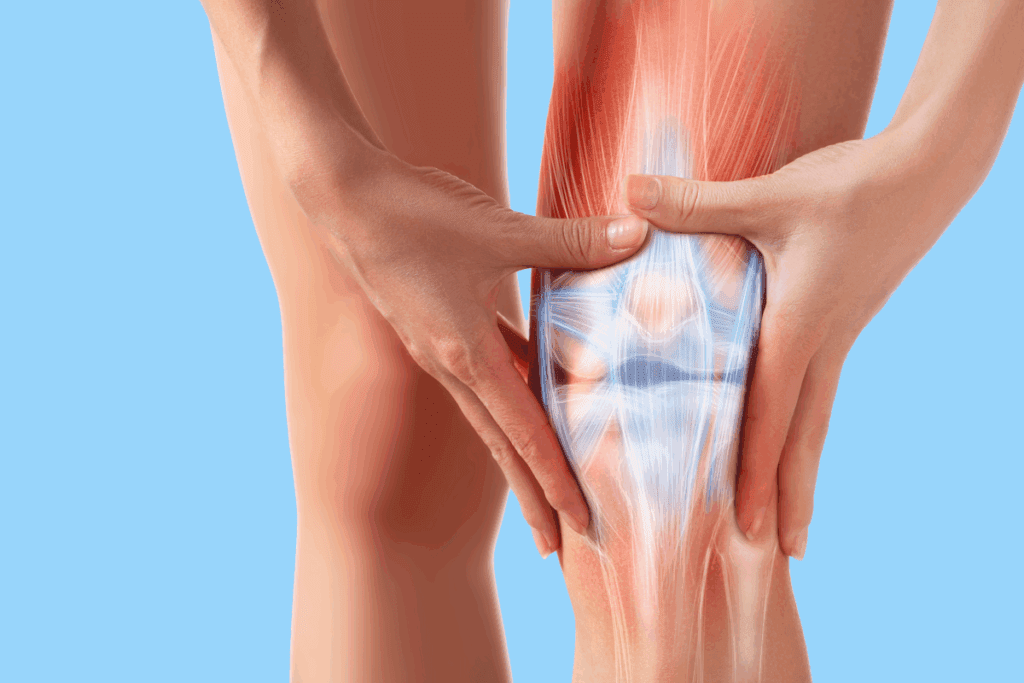
It’s key to know what causes knee tendonitis to treat it well. This condition makes the tendons around the knee inflamed and painful. If not treated, it can really hurt your daily life.
Different Types of Knee Tendonitis
Knee tendonitis can affect different tendons. The most common are patellar tendonitis, or jumper’s knee, and quadriceps tendonitis. Each has its own symptoms and reasons, like repetitive strain and overuse injuries. For example, athletes who jump a lot often get patellar tendonitis.
| Type of Tendonitis | Common Causes | Symptoms |
| Patellar Tendonitis | Jumping sports, repetitive strain | Pain below the kneecap |
| Quadriceps Tendonitis | Overuse, sudden contraction | Pain above the kneecap |
Common Symptoms and Warning Signs
Knee tendonitis shows as pain, stiffness, and tenderness. If not treated, these signs can get worse. It’s important to catch these early to stop the problem from getting worse.
The Transition from Acute to Chronic Tendonitis
Not giving tendonitis enough time to heal can turn it into chronic tendonitis. This leads to ongoing inflammation and damage to the tendon. Things like repetitive strain and how the body moves can make it worse. It’s vital to fix these issues to avoid lasting harm.
For instance, athletes like Christian McCaffrey show how important it is to manage tendonitis. Knowing the causes and acting early can greatly help in recovery.
The Anatomy Behind Knee Tendon Injuries
It’s important to know the anatomy of knee tendon injuries to treat them well and prevent them. The knee has bones, ligaments, tendons, and muscles. They all work together to help us move and carry our body’s weight.
Key Tendons in the Knee Joint
The knee has several key tendons that are vital for its function. The patellar tendon connects the kneecap to the shinbone, helping us straighten our leg. The quadriceps tendon connects the quadriceps muscle to the kneecap. The hamstring tendons connect the hamstring muscles to the leg bones.
These tendons help keep the knee stable and allow us to run, jump, and climb stairs. If any tendon gets hurt, it can cause a lot of pain and make it hard to move.
How Healthy Tendons Function
Healthy tendons are made of strong, fibrous tissue. They help muscles move bones, allowing us to move and keep the joint stable. They also have blood to help them heal when they get hurt.
Tendons get stronger with regular exercise and use. But, not using them enough or using them too much without rest can weaken them and lead to injuries.
The Natural Healing Process of Tendons
The healing of tendons goes through several stages. First, there’s inflammation, which causes swelling, pain, and warmth. Then, the body starts to repair the damaged tissue.
The last stage is remodeling, where the new tissue is shaped to look like the original tendon. But, healing can take a long time and might not fully restore the tendon’s strength. Things like age, diet, and health conditions can affect how well tendons heal.
Common Causes of Persistent Knee Tendonitis
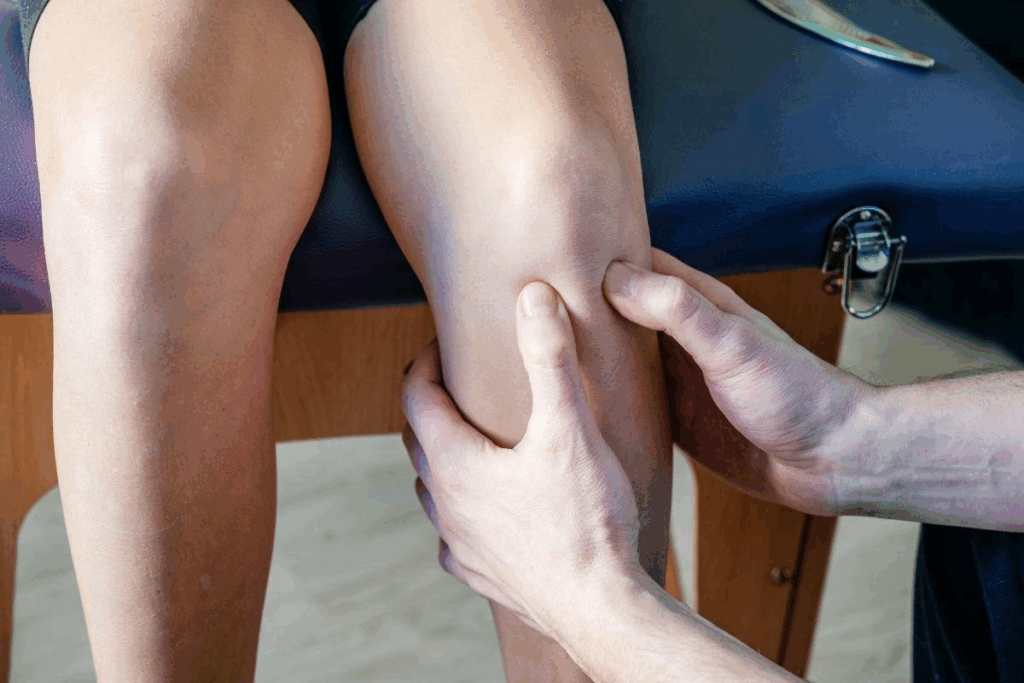
Knowing why knee tendonitis persists is key to treating it. It can become a long-term problem due to several factors. These factors make it hard for tendons to heal.
Repetitive Strain and Overuse Injuries
Repetitive strain and overuse injuries often cause knee tendonitis. Activities like running or jumping can strain the tendons. Overuse injuries happen when the tendon gets too much stress without enough rest, causing inflammation and damage.
For example, athletes like Joe Mixon struggle with lingering injuries. They face challenges in balancing their training and competition. Getting enough rest and recovery is vital to stop tendonitis from becoming a long-term issue.
Biomechanical Issues Contributing to Tendonitis
Biomechanical problems, like bad foot mechanics or muscle imbalances, can lead to knee tendonitis. Abnormal movements can stress the tendons, causing pain and inflammation.
Fixing these biomechanical issues is important. Proper training, the right shoes, and orthotics can help. Correcting muscle imbalances through specific exercises is also key to preventing tendonitis.
Age-Related Factors in Tendon Healing
Age affects how tendons heal. As we get older, tendons lose their elasticity and strength. Tendon healing gets harder with age because of less cell activity and blood flow to the tendons.
It’s important to understand these age-related changes for effective treatment. Older people may need special treatment plans, like modified exercises and more intense therapy.
The Dangers of Delayed Tendonitis Treatment
Delayed tendonitis treatment can lead to longer recovery times and higher injury risks. Knee tendonitis not treated quickly can cause inflammation and degeneration. This makes recovery harder.
Why “Pushing Through Pain” Makes Things Worse
Many athletes, like San Francisco 49ers players, push through pain during training. But this can make tendonitis worse, causing more damage and longer recovery. Ignoring pain can lead to chronic tendonitis.
“The greatest wealth is health.” – Virgil
Doing activities without rest and treatment can cause tendon micro-tears. This creates a cycle of pain and inflammation. It hurts performance and knee health.
How Untreated Tendonitis Progresses
Untreated tendonitis can worsen from mild inflammation to severe tendon degeneration. If not treated, it can lead to:
- Increased pain and stiffness
- Reduced functionality and mobility
- Potential for tendon rupture
This shows why early treatment is key to avoid long-term damage.
The Cycle of Inflammation and Degeneration
The cycle of inflammation and degeneration in untreated tendonitis is complex. First, inflammation happens as a response to injury. But if the tendon doesn’t heal, this inflammation turns chronic, causing tendon tissue degeneration.
| Stage | Characteristics | Consequences if Untreated |
| Acute Inflammation | Pain, swelling, warmth | Chronic inflammation |
| Chronic Inflammation | Persistent pain, limited mobility | Tendon degeneration |
| Tendon Degeneration | Weakened tendon, possible rupture | May need surgery |
Knowing this cycle is key to understanding the dangers of delayed treatment. It shows why seeking medical help is important if symptoms last.
Misdiagnosis: When Your Knee Pain Is Misunderstood
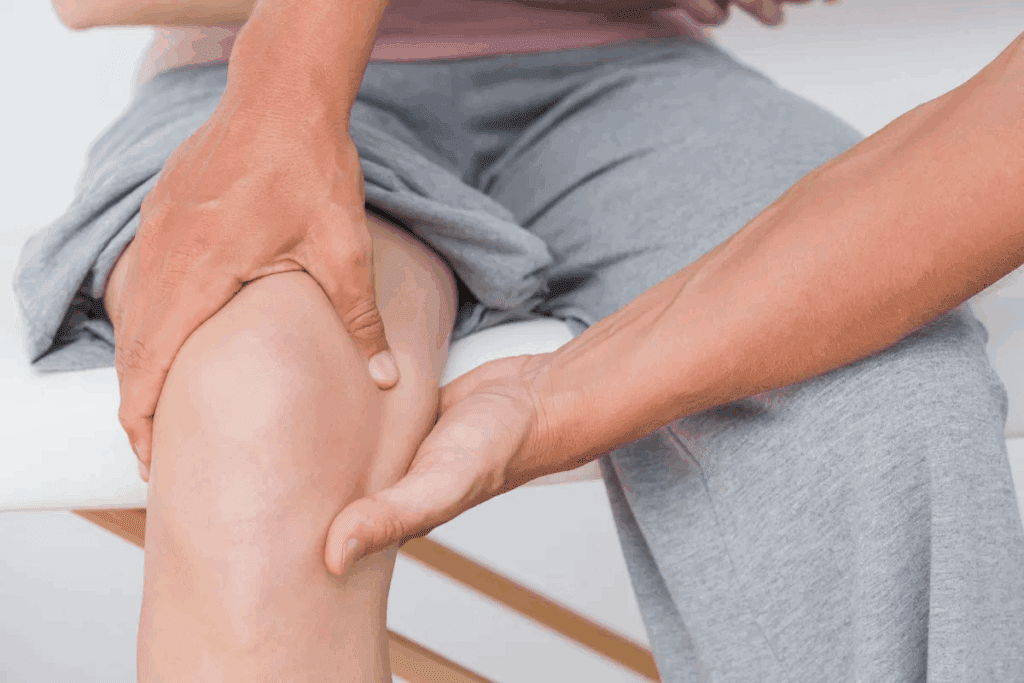
Getting the right diagnosis for knee tendonitis is key to feeling better. If it’s not diagnosed right, you might suffer longer and not get the right treatment. Knee pain can mean many things, making it hard to figure out what’s wrong.
Conditions Commonly Confused with Knee Tendonitis
Knee tendonitis is often mistaken for other knee problems. Common mistakes include thinking it’s osteoarthritis, ligament sprains, or meniscal tears. These issues can cause similar symptoms like pain and swelling, making it important to tell them apart.
A study showed that people with knee pain were often thought to have osteoarthritis when they really had tendonitis. This mistake can lead to the wrong treatment and make recovery take longer.
Diagnostic Tools for Accurate Assessment
Getting a correct diagnosis needs a mix of doctor’s checks and special tests. Tests like MRI and ultrasound help see if tendons are damaged and if there are other issues.
| Diagnostic Tool | Use in Knee Tendonitis Diagnosis | Benefits |
| MRI | Looks at tendon damage and nearby tissues | Shows clear images, checks soft tissues well |
| Ultrasound | Checks tendon shape and finds inflammation | Shows movement, cheaper than MRI |
| X-ray | Checks for bone problems | Fast, easy to find |
The Importance of Second Opinions
Getting a second opinion is very important for conditions like knee tendonitis. A second opinion can offer a new view and more insights, making sure you get the right diagnosis and treatment.
In some cases, a second opinion might mean more tests or a different look at old results. This is really helpful in tricky cases or when treatments don’t work.
Insufficient Rest: A Major Barrier to Recovery
Not getting enough rest is a big problem for people with knee tendonitis. Healing the tendon and the surrounding tissue takes time. It also means getting back to normal activities.
The Science of Tendon Recovery and Rest
Tendon recovery is slow and needs plenty of rest. When a tendon gets hurt, the body sends more blood to it, causing inflammation. Rest is key during this time to let the tendon start fixing itself without more damage.
Science shows that a mix of rest and activity is best for tendons. They need time to mend and rebuild. Not resting enough can make recovery take longer.
Signs You’re Not Giving Your Knee Enough Rest
Knowing when you’re not resting enough is important for your recovery plan. Look out for these signs:
- Persistent or increasing pain
- Swelling that doesn’t subside
- Reduced range of motion
- Instability in the knee joint
If you see these signs, it might mean your knee needs more rest.
Creating an Effective Rest and Activity Schedule
Having a good rest and activity plan is essential for knee tendonitis recovery. It’s about balancing rest with gentle exercises to help the tendon heal without too much stress.
A good plan should include:
- Regular rest periods
- Gentle stretching exercises
- Gradually increasing activity levels
- Strengthening exercises for the surrounding muscles
For example, athletes like Jalen Hurts, who have had knee tendonitis, must manage their training carefully. They need to make sure they get enough rest and recovery.
By understanding the importance of rest and making a balanced recovery plan, people can boost their chances of fully recovering from knee tendonitis.
Incorrect Rehabilitation Approaches for Knee Tendonitis
Many people struggle with knee pain because of wrong rehab methods. It’s important to know the common mistakes and the right ways to heal. This knowledge helps in getting better.
Common Mistakes in Tendonitis Rehabilitation
One big mistake is resting too much without doing exercises. Rest is good, but too much can make your knee stiff. It’s important to do controlled exercises to stay strong.
- Ignoring the importance of progressive loading
- Relying solely on pain medication without addressing underlying causes
- Returning to activity too quickly without adequate rehabilitation
Sports medicine experts say rehab should make the tendon stronger. It should help it handle stress better.
“The goal of rehabilitation is not just to alleviate pain but to restore function and prevent recurrence.”
Evidence-Based Rehabilitation Protocols
Good rehab for knee tendonitis uses many steps. These include:
| Rehabilitation Component | Description | Benefits |
| Progressive Loading Exercises | Gradually increasing exercise intensity to strengthen tendons | Enhances tendon strength and resilience |
| Flexibility and Mobility Training | Exercises aimed at improving range of motion | Reduces stiffness and improves function |
| Strengthening Surrounding Muscles | Targeted exercises to strengthen muscles around the knee | Provides additional support to the knee joint |
Progressive Loading: The Key to Tendon Healing
Progressive loading is key in rehab. It means slowly adding more weight to exercises. This makes the tendon stronger. It helps the tendon heal and recover better.
Knowing and using the right rehab methods helps beat knee tendonitis. This way, people can recover well.
Muscle Imbalances and Weak Support Structures
Muscle imbalances around the knee can harm tendon health, causing tendonitis. When muscles around the knee are not balanced, it puts uneven stress on tendons. This can make inflammation and pain worse.
How Muscle Weakness Affects Tendon Health
Muscle weakness, like in the quadriceps and hamstrings, can mess up knee joint mechanics. This weakness makes tendons take on too much stress, leading to inflammation and damage. Strengthening these muscles is key to reducing tendon strain and aiding recovery.
Lukas Van Ness, the Green Bay Packers’ edge rusher, is working to improve his team’s defense. His efforts to strengthen muscles to support tendons are something everyone can learn from, even if their situation is different.
Identifying Your Specific Muscle Imbalances
Finding muscle imbalances needs a detailed look at knee muscle strength and flexibility. A healthcare pro can do tests to spot imbalances. Signs include knee pain on one side, uneven muscle growth, and flexibility differences between legs.
| Muscle Group | Common Imbalances | Effects on Tendons |
| Quadriceps | Overstrength, leading to hamstring weakness | Increased stress on hamstring tendons |
| Hamstrings | Weakness relative to quadriceps | Poor knee flexion mechanics, tendon strain |
Targeted Strengthening Exercises for Knee Support
Exercises aimed at muscle imbalances can help support knee tendons. Squats, lunges, and leg press can strengthen the quadriceps and hamstrings. Start with low-intensity exercises and slowly increase intensity to avoid injury.
- Squats: Strengthens quadriceps and hamstrings
- Lunges: Targets quadriceps, hamstrings, and gluteals
- Leg Press: Strengthens quadriceps and hamstrings with less stress on the knee joint
“The key to recovery from knee tendonitis lies in addressing the underlying muscle imbalances and strengthening the support structures around the knee.”
An Orthopedic Specialist
Lifestyle Factors Affecting Tendon Healing
Lifestyle choices greatly impact how well tendons heal. Tendons are key parts of our muscles and bones. They need the right environment to get better from injuries or swelling.
This means more than just doctor visits or therapy. It’s also about living in a way that helps healing.
Nutrition and Hydration for Tendon Health
Eating a balanced diet is essential for tendon health. Foods rich in vitamin C, zinc, and omega-3 fatty acids help a lot. Vitamin C, for example, is important for making collagen, a big part of tendons.
Foods like citrus fruits, nuts, and fatty fish are great for tendons. They support the healing process.
Drinking enough water is also key. It keeps tendons flexible and strong. As “proper hydration is the foundation of overall musculoskeletal health”, drinking water all day is important, more so after working out.
Sleep Quality and Recovery Processes
Sleep is vital for tendon recovery. It’s when the body fixes and grows back damaged tissues. Not getting enough sleep slows down this process.
It’s important to get 7-9 hours of quality sleep each night. This helps tendons heal better.
“Sleep is the golden chain that ties health and our bodies together.” – Thomas Dekker
Stress Management for Optimal Healing
Too much stress can hurt tendon healing. It makes inflammation worse and makes it harder for the body to fix tissues. Doing things that reduce stress, like meditation or yoga, can help.
Managing stress well makes it easier for tendons to heal. It creates a better environment for recovery.
In summary, things like what we eat, drink, sleep, and how we handle stress are all important for tendon healing. By paying attention to these, we can improve our recovery and overall health.
Footwear and Equipment: Overlooked Contributors to Knee Problems
Wearing the wrong shoes can make knee tendonitis worse. It’s important to understand how our footwear affects our knees.
How Improper Footwear Affects Knee Tendons
Bad shoes can change how we walk, putting more stress on our knees. Improper footwear can cause tendonitis to get worse. Shoes that are too old or don’t support the arch can put extra pressure on the knee.
Also, different activities need different shoes. Runners need shoes that absorb shock and offer stability. People in high-intensity sports need shoes with extra support.
Selecting the Right Shoes for Your Activity Level
Choosing the right shoes is key. Think about the activity, support needed, and where you’ll be doing it. Supportive shoes help keep your knees aligned and reduce strain. For activities that are hard on your joints, look for shoes with lots of cushioning and stability.
- Assess your activity level and type.
- Consider the terrain and conditions.
- Look for shoes with appropriate support and cushioning.
Supportive Equipment and Braces for Tendonitis
Along with the right shoes, supportive equipment and braces for tendonitis are important. Knee braces offer extra support and stability. They help keep the knee in the right position, which can prevent more injuries.
When picking a brace, think about how bad the tendonitis is, what you’ll be doing, and how much support you need. Talking to a doctor can help you choose the right brace and how to use it right.
By fixing footwear and equipment problems, we can help manage and recover from knee tendonitis. Making smart choices about what we wear can support our knee health and overall well-being.
Advanced Treatment Options for Stubborn Knee Tendonitis
If regular treatments don’t help with knee tendonitis, it’s time to look at more advanced options. These can offer relief and help the knee heal. A mix of therapies might be needed, depending on the person’s situation.
Physical Therapy Approaches and Techniques
Physical therapy is key in treating knee tendonitis. It includes:
- Progressive loading exercises to strengthen the tendons
- Eccentric training to improve tendon function
- Manual therapy to enhance blood flow and reduce pain
These methods can greatly help symptoms and aid in recovery. For example, a physical therapist might use exercises and manual therapy to meet a patient’s needs. This is true for someone like Jaire Alexander, the Baltimore Ravens player with knee problems.
Medication and Anti-Inflammatory Treatments
Sometimes, medication is needed to control pain and swelling from knee tendonitis. Common choices include:
| Treatment | Description | Benefits |
| NSAIDs | Nonsteroidal anti-inflammatory drugs | Reduce pain and inflammation |
| Corticosteroid injections | Injected into the affected area | Provide short-term pain relief |
Regenerative Medicine Options
Regenerative medicine offers new hope for tendonitis by boosting the body’s healing. Treatments like platelet-rich plasma (PRP) therapy use the patient’s own blood to help repair tendons.
When Surgery Might Be Necessary
In severe cases, surgery might be the only option. This can range from small procedures to bigger surgeries, based on the damage.
Surgery is usually for serious tendon ruptures or when other treatments don’t work. Always talk to a healthcare expert before deciding on surgery. They can help figure out the best plan for your situation.
When to Seek Specialized Medical Help
Knowing when to get medical help for knee tendonitis is key to recovery. First, you might try rest, ice, and pain relievers. But sometimes, you need a doctor to avoid more harm and help you heal.
Red Flags That Require Immediate Attention
Some symptoms mean you need to see a doctor right away. These red flags include:
- Severe pain that stops you from doing daily things or keeps you awake at night
- Swelling or redness around the knee that gets worse
- Feeling like your knee is unstable or might collapse
- Knee deformity or big bruises
- Not getting better with simple treatments
Finding the Right Specialist for Knee Tendonitis
If you see any red flags, finding the right specialist is important. You might start with:
- An orthopedic specialist for bone and muscle issues
- A sports medicine doctor for athletes or active people
- A physical medicine and rehabilitation (PM&R) doctor for full recovery plans
Make sure your specialist knows about knee tendonitis and has the latest treatment methods.
Questions to Ask Your Healthcare Provider
When you see a doctor, having questions ready helps you understand your condition. Ask:
- What caused my knee tendonitis?
- What treatments work best for me?
- Are there lifestyle changes that can help my recovery?
- What risks or complications could the treatments have?
- How can I stop knee tendonitis from happening again?
Getting the right medical help and being proactive can help you manage knee tendonitis. This way, you can get back to your usual activities.
Conclusion: Creating a Long-Term Strategy for Knee Health
Creating a long-term plan for knee health is key to managing knee tendonitis. Knowing the causes, symptoms, and treatments helps people take action. This way, they can keep their knees healthy and avoid injuries.
A good plan includes proper rehab, lifestyle changes, and regular doctor visits. For example, the Kansas City Chiefs are dealing with injuries. This shows how important a long-term knee health plan is, even for those who are very active.
Using proven rehab methods, staying healthy, and choosing the right shoes and gear helps. This approach lowers the chance of getting knee tendonitis again. A solid long-term plan ensures knees work well and reduces injury risks.
FAQ
What are the common symptoms of knee tendonitis?
Symptoms include knee pain and stiffness, often after activity or at night. You might also notice swelling and tenderness around the tendon.
How does knee tendonitis become chronic?
If not treated, tendonitis can turn chronic. Issues like repetitive strain and biomechanical problems play a big role.
What are the consequences of untreated tendonitis?
Untreated tendonitis can cause more pain and swelling. It may also damage the tendon more severely. This can start a cycle of inflammation and degeneration.
How can I ensure accurate diagnosis of knee tendonitis?
Accurate diagnosis needs a physical exam, medical history, and tests like ultrasound or MRI. Getting a second opinion is also wise.
What is the role of rest in recovering from tendonitis?
Rest is key for tendon healing. Without enough rest, recovery can be slow and take longer.
What are the common mistakes in tendonitis rehabilitation?
Mistakes include rushing back to activity too soon and not strengthening properly. Ignoring biomechanical issues is another error. Using evidence-based rehab can avoid these mistakes.
How do muscle imbalances affect tendon health?
Muscle imbalances can stress tendons, leading to tendonitis. Strengthening specific muscles can help support the knee better.
What lifestyle factors impact tendon healing?
Nutrition, hydration, sleep, and stress management all affect tendon healing. Good nutrition and hydration help tendons. Adequate sleep and stress control aid in recovery.
How can improper footwear affect knee tendons?
Wrong shoes can stress knee tendons. Choosing the right shoes and using supports can help manage tendonitis.
What are the advanced treatment options for stubborn knee tendonitis?
Advanced treatments include physical therapy, medication, and regenerative medicine. Sometimes, surgery is needed.
When should I seek specialized medical help for knee tendonitis?
See a specialist for severe pain, swelling, or if symptoms don’t improve. Sudden severe pain or instability need immediate care.
How can I create a long-term strategy for knee health?
A long-term plan includes proper rehab, lifestyle changes, and prevention. Regular exercise, right shoes, and biomechanical fixes are key.
What are the benefits of progressive loading in tendon healing?
Progressive loading helps heal tendons by gradually increasing stress. It’s a key part of effective rehab.
Reference
- MedlinePlus: