At Liv Hospital, we blend innovation with patient trust. Knowing pet ct versus ct scan is key. CT scans show detailed body structures, while PET CT scans reveal cellular activity, detecting cancer earlier and monitoring treatment better. This helps patients make smarter health choices.
We’ll look at the differences between PET CT scans and CT scans in cancer diagnosis. We’ll see how they work together to help patients.
Key Takeaways
- PET CT scans and CT scans differ fundamentally in technique and diagnostic capability for cancer.
- PET scans detect metabolic changes at the cellular level, while CT scans reveal structural changes.
- Cancer cells have a higher metabolic rate, making them visible on PET scans.
- CT scans are useful for pinpointing the location of masses and tumors.
- Understanding the differences between these scans is key for patients seeking advanced medical treatments.
Understanding Medical Imaging in Cancer Diagnosis
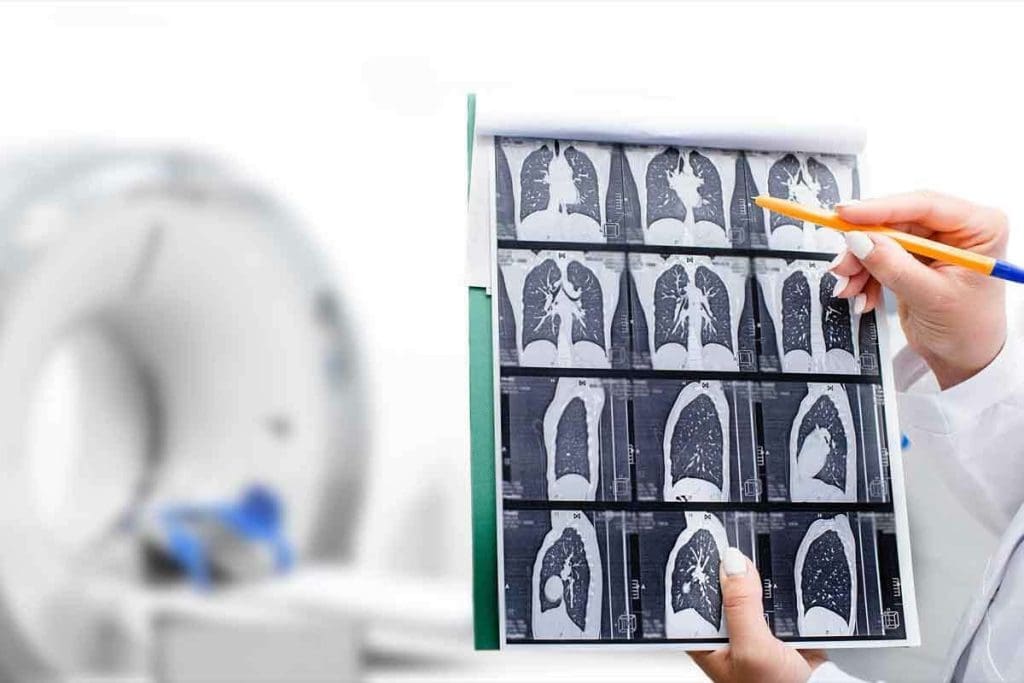
Medical imaging technologies like CT and PET scans have changed how we fight cancer. They help doctors see inside the body and plan treatments better. This is key in finding and treating cancer.
CT scans show the body’s structures in detail. PET scans show how tissues work. This helps doctors understand cancer better.
The Role of Advanced Imaging in Modern Oncology
Advanced imaging is vital in fighting cancer today. It helps find cancer early, know how far it has spread, and plan treatments. CT scans show the body’s structures well. PET scans show how tissues work, which is important for knowing how aggressive cancer is.
Using both CT and PET scans together makes the diagnosis more accurate. For example, PET scans can show changes before CT scans can.
| Imaging Modality | Primary Use in Cancer Diagnosis | Key Benefits |
| CT Scan | Anatomical imaging, tumor sizing | Detailed structural information, quick and widely available |
| PET Scan | Metabolic imaging, assessing cancer activity | Provides functional information on tissue metabolism, sensitive to early changes in cancer activity |
Evolution of Cancer Detection Technologies
Technologies for finding cancer have improved a lot. CT scanners now see more clearly and faster. PET scanners can spot smaller tumors and stage cancer more accurately.
Comparing CTVs and PET scans for cancer shows they work together. CT scans give detailed pictures, while PET scans show how tissues work. Together, they help doctors diagnose better.
With new technology, we’re seeing more PET/CT scanners. They combine the best of both worlds in one scan.
How CT Scans Work in Cancer Detection
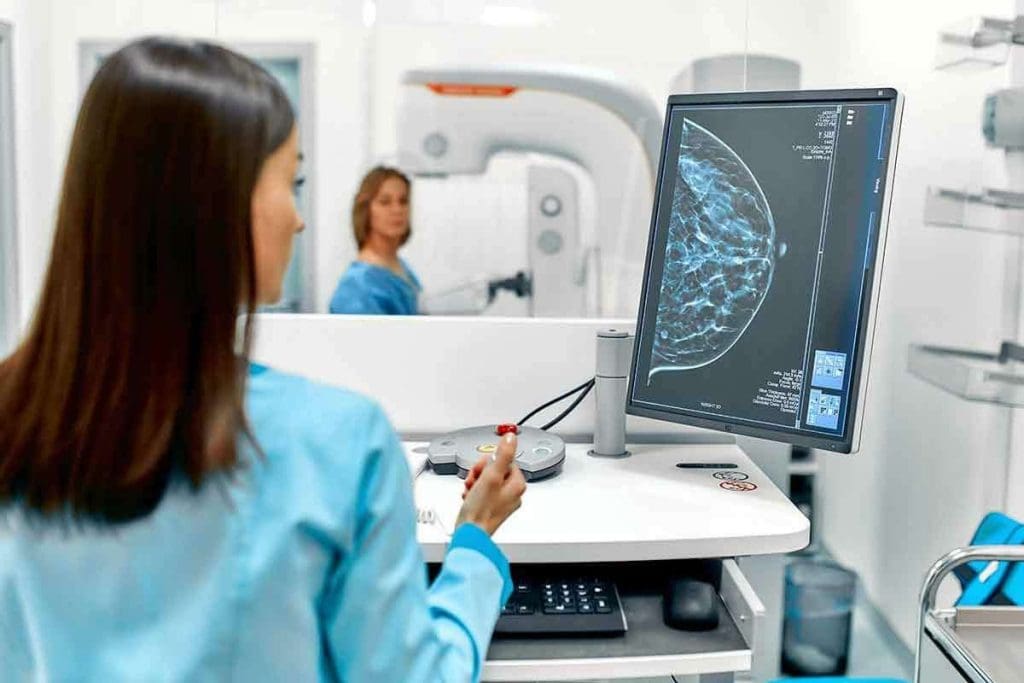
CT scans are key in finding cancer by showing detailed images of the inside organs and tissues. They help spot tumors and see how far cancer has spread.
The Technology Behind Computed Tomography
CT scans use X-rays to make images of your body inside parts. You lie on a table that moves through a scanner. This makes detailed pictures of your body, helping find tumors.
The scanner’s X-ray tube moves around you, taking pictures. These pictures show how different tissues absorb X-rays. CT scans are very clear and detailed, making them great for finding cancer.
What CT Scans Can Reveal About Cancer
CT scans show a lot about cancer, like tumor size, location, and spread. They’re good for finding cancers in the lungs, liver, and lymph nodes. They help doctors know the cancer stage and plan treatment.
- Identify the primary tumor site.
- Determine the extent of tumor spread
- Guide biopsies and other interventional procedures
When comparing CT scans vs PET scans for cancer, CT scans show body structure. PET scans show metabolic activity. Both are important for cancer diagnosis.
Limitations of CT Scans in Early Cancer Detection
CT scans are great, but they can miss early cancers. Small tumors or those in hard-to-see places might not show up. They also can’t always tell if a spot is cancer or not.
At times, a CT scan or a PET scan for cancer is used together. PET scans show where cancer is active. This helps doctors understand the disease better.
Knowing what CT scans can’t do helps doctors decide when more tests or other scans are needed.
The Science of PET Scans for Cancer Diagnosis
PET scans are a big step forward in finding cancer. They show how cells work, not just their shape. This is different from other scans that look at structure.
We use PET scans to see how cancer cells work. We inject a special sugar into the blood. Cancer cells eat more of this sugar, making them easy to spot.
Positron Emission Tomography Explained
Positron Emission Tomography (PET) is a way to see the body’s activity. It uses a special sugar that lights up cancer cells. The scanner picks up this light, making detailed pictures.
The steps are simple:
- The patient gets a special sugar.
- This sugar goes to cancer cells.
- The scanner finds the sugar’s light.
- It makes pictures of where the sugar is.
How Radioactive Tracers Map Cancer Activity
The special sugar in PET scans is called Fluorodeoxyglucose (FDG). Cancer cells eat more of it because they grow fast. The PET scan finds this sugar, showing where cancer is.
Metabolic Imaging Advantages for Cancer Detection
PET scans are great because they find cancer early. They show activity that other scans miss. This is key to finding cancers that are hard to see.
| Imaging Technique | Cancer Detection Basis | Early Detection Capability |
| PET Scan | Metabolic Activity | High |
| CT Scan | Structural Changes | Moderate |
A top oncologist says, “PET scans have changed how we fight cancer. They give us vital info for treatment.” This shows how important PET scans are in cancer care.
In short, PET scans are a powerful tool in cancer diagnosis. They give us a unique look at cancer cells. By understanding PET scans, we can see their big role in cancer treatment.
PET CT Versus CT Scan: Key Differences
It’s important to know the difference between PET CT and CT scans for cancer diagnosis and treatment. We’ll look at how they differ in technology, what they can diagnose, and when they’re recommended.
Technological Integration in PET CT
PET CT scans combine Positron Emission Tomography (PET) and Computed Tomography (CT) in one scan. This technological integration lets us see both the metabolic activity of PET and the detailed images of CT. This gives a better view of the disease.
The PET part uses a radioactive tracer that shows up in active areas like cancer cells. The CT scan shows the structure. Together, PET CT scans give a more accurate diagnosis and help see how far cancer has spread.
Diagnostic Capabilities Compared
Let’s compare what PET CT and CT scans can do. CT scans are great for detailed images of the body’s structure. But they might miss early signs of cancer.
PET CT scans, though, can spot cancer early by showing where cells are active. They’re good for finding cancer early, seeing how far it’s spread, and checking if treatment is working.
- CT scans are best for looking at structural changes and planning biopsies.
- PET CT scans are better for finding active areas and spotting cancer in other parts of the body.
When Each Scan Type Is Recommended
Choosing between PET CT and CT scans depends on the patient’s needs. CT scans are good for first checks, watching structural changes, and planning procedures.
PET CT scans are best for cancer staging, checking how treatment is going, and finding cancer that has come back. They’re key when cancer might have spread or when checking treatment progress.
Knowing the differences helps doctors choose the right scan for each patient. This ensures the best care for everyone.
Accuracy in Cancer Staging and Diagnosis
Getting the right cancer stage is key to choosing the best treatment. We use top-notch imaging to get accurate diagnoses and stages. This helps doctors decide on the best course of action.
How PET CT Improves Diagnostic Precision
PET CT scans mix PET’s functional info with CT’s anatomical details. This gives a full view of cancerous tissues. It improves diagnostic precision by showing where tumors are and how active they are.
PET CT is great at telling apart cancerous and non-cancerous lesions. This reduces the chance of wrong diagnoses. It also helps doctors plan better treatments by showing how far cancer has spread.
CT Scan Limitations in Cancer Staging
CT scans are good for seeing body structures, but have limits in cancer staging. They show tumor size and location but not metabolic activity. They also can’t always tell cancerous from non-cancerous tissues.
This can cause inaccurate staging or miss a small cancer spread. So, using only CT scans might not be enough for full cancer staging.
Research-Backed Diagnostic Accuracy Rates
Many studies show that ET CT scans are better than CT scans alone for cancer diagnosis. They have higher sensitivity and specificity in finding and staging cancers.
A study comparing PET CT and CT scans found that PET CT was more accurate. It gave better staging info, which changed treatment plans. This research highlights the need for PET CT in cancer diagnosis and staging.
Using PET CT can lead to better patient outcomes. It helps in making more accurate diagnoses and treatment plans.
Detecting Early-Stage Cancer: Capabilities Compared
It’s key to know how PET and CT scans work for early cancer detection. They help find cancer at its earliest stages. The main difference is how they spot cancer changes.
Why Metabolic Changes Precede Structural Changes
Changes in how cells use energy happen before they grow into tumors. PET scans are great at catching these early signs. They can spot active cancer before it’s visible on other scans.
PET scans use special tracers to show where cancer is active. This helps find small tumors or issues that other tests might miss. Finding cancer early is very important for treatment.
Early Detection Success Rates
PET scans are very good at finding cancer early. They can spot cancer before it grows much. This means doctors can start treatment sooner.
Here’s a look at how PET and CT scans compare in finding cancer early:
| Imaging Modality | Early Detection Success Rate | Typical Cancer Types Detected Early |
| PET Scan | 85-90% | Lymphoma, Melanoma, Lung Cancer |
| CT Scan | 70-75% | Lung Cancer, Liver Cancer, Colon Cancer |
Case Studies in Early Cancer Detection
Many studies show that PET scans are great for finding cancer early. For example, a patient with lymphoma had cancer activity seen on a PET scan but not on a CT scan.
These examples show why picking the right scan is important. CT scans show the body’s structure, while PET scans reveal how cells are working. Together, they help doctors diagnose cancer better.
Metastasis Detection and Cancer Spread Assessment
Knowing how cancer spreads is key to good treatment plans. PET CT scans are important in this area. They help find where cancer has spread.
PET CT scans have changed how we fight cancer. They show where cancer is spreading. This is because they mix PET’s function info with CT’s body details.
How PET CT Excels in Finding Distant Metastases
PET CT scans are great at finding cancer in distant places. They spot areas where cancer is very active. This is important for seeing if cancer has spread to lymph nodes, bones, or other organs.
Key advantages of PET CT in metastasis detection include:
- High sensitivity for detecting metabolically active cancer cells
- Improved accuracy in staging cancer
- Enhanced visualization of cancer spread to distant sites
Limitations of CT Scans in Metastasis Detection
CT scans show body details well but miss early cancer signs. This can lead to wrong cancer stages. It might change how we treat cancer.
| Imaging Modality | Metastasis Detection Capability | Key Features |
| PET CT | High sensitivity for detecting distant metastases | Combines functional and anatomical information |
| CT Scan | Limited to anatomical information | May miss early metabolic changes |
Impact on Cancer Treatment Planning
Finding where cancer has spread is critical for treatment. PET CT scans help doctors see how far cancer has gone. This helps decide on surgery, chemo, or radiation.
PET CT scans give a clear view of cancer spread. This leads to better treatment plans. It helps patients live better and longer.
Monitoring Cancer Treatment Response
It’s key to check how cancer treatment is going. This helps us decide if we should keep or change the treatment. We use PET CT scans to see how well the treatment is working. This gives us important info on treatment success.
Evaluating Treatment Effectiveness with PET CT
PET CT scans are great for checking if cancer treatments are working. They mix metabolic info from the PET scan with CT scan details. This gives doctors a full view of treatment success. It helps us tweak treatment plans for better patient outcomes.
A PET CT scan can show if a tumor is active or if it’s shrinking. This info lets us quickly change treatment plans. It ensures patients get the best care.
Limitations of CT Scans in Treatment Monitoring
CT scans are good for seeing tumor size and location. But they have limits in tracking treatment success. They show tumor size and location, but not always how well the treatment is working. Sometimes, tumors don’t shrink right away or look bigger due to inflammation.
Timing of Scans During Cancer Treatment
The timing of PET CT scans is very important. We do these scans at set times to check treatment success. The exact timing depends on the cancer type, treatment, and patient response.
For example, a PET CT scan might be done after a few rounds of chemo. If the treatment works, we can keep monitoring and adjust the plan as needed.
Radiation Exposure and Patient Experience
When we talk about PET CT and CT scans for cancer, we must look at more than just their ability to diagnose. We also need to think about how safe and comfortable they are for patients. Knowing this helps us make better choices about imaging for cancer.
Radiation Levels: A Comparative Analysis
Both PET CT and CT scans use radiation, but in different ways. CT scans use X-rays to show body details. While a single CT scan’s radiation is low, many scans can add up.
PET CT scans mix PET’s function info with CT’s body details. The PET part uses a small radioactive tracer that quickly decays. Yet, a PET CT scan has more radiation than a CT scan alone.
Key differences in radiation exposure include:
- The PET part in PET CT scans adds to the total radiation dose.
- CT scans alone have less radiation than PET CT scans.
- The total radiation from many scans is important for long-term safety.
Duration and Post-Procedure Considerations
Scanning time and what happens after differ between PET CT and CT scans. CT scans are quicker, done in minutes, and need little care after. PET CT scans take longer because the PET tracer needs time to build up.
After a PET CT scan, patients might drink lots of water to clear the tracer. Both scans are usually okay, but knowing these differences helps with patient comfort and expectations.
Patient Preparation and Comfort
Getting ready for a PET CT or CT scan is different. For PET CT, patients might need to fast and avoid hard activities. For both, staying very quiet during the scan is key, which can be hard for some.
Patient comfort factors include:
- Following pre-scan instructions well.
- Telling the healthcare team about any discomfort or worry.
- Knowing the scan’s length and what it’s like.
Thinking about these points helps doctors make patients more comfortable. This makes cancer diagnosis and treatment planning better.
Guiding Personalized Cancer Treatment Strategies
Advanced imaging technologies are changing cancer treatment. They help create personalized plans for each patient. Using PET CT scans in cancer care has made treatments more precise.
Advanced Imaging Informs Treatment Decisions
Advanced imaging is key in making treatment choices. It shows where the cancer is, how big it is, and how active it is. By mixing CT’s body details with PET’s metabolic data, doctors get a full picture. This helps in accurate cancer staging and finding the best treatments.
PET CT’s Role in Precision Medicine
PET CT scans lead in precision medicine for cancer. They give detailed metabolic info, helping doctors choose targeted therapies. This approach makes treatments fit each patient’s cancer better.
PET CT also helps track how treatments work. It shows if a treatment is effective, allowing for quick changes if needed.
Recent Research on Imaging-Guided Therapies
New studies highlight imaging-guided therapies’ importance in cancer care. PET CT scans improve treatment results by guiding precise therapies.
| Imaging Modality | Role in Cancer Treatment | Benefits |
| PET CT | Guides personalized treatment strategies | More accurate staging, targeted therapies |
| CT Scan | Provides anatomical information | Detailed structural data, widely available |
As research grows, imaging’s role in cancer treatment will expand. It will offer new ways to improve patient care. By using different imaging types, doctors can create more effective, personalized plans.
Conclusion: Making Informed Decisions About Cancer Imaging
Knowing the difference between PET CT and CT scans helps patients make better choices. The right choice between PET CT and CT scans depends on the cancer type and what doctors need to see. This is important for your care.
Each scan has its own benefits. PET scans are great for seeing how cancer cells work. CT scans, on the other hand, show the body’s structure in detail.
Understanding these differences helps patients make informed decisions. The best scan for you depends on your specific needs. Being well-informed leads to better choices.
Choosing the right imaging tests, like PET CT and CT scans, is key in cancer care. We aim to provide top-notch healthcare and support for international patients.
FAQ
What is the main difference between a PET CT scan and a CT scan for cancer diagnosis?
CT scans show detailed body images. PET CT scans add metabolic activity to these images. This gives a clearer view of cancer.
How do CT scans work in detecting cancer?
CT scans use X-rays to show body details. They help find tumors. But, they might miss early cancer or tumor activity.
What are the advantages of PET scans in cancer diagnosis?
PET scans use tracers to show cancer activity. They spot changes before tumors grow. This helps find cancer early and see how it spreads.
When is a PET CT scan recommended over a CT scan?
Use PET CT scans for cancer staging and tracking. They show cancer activity and spread better. This helps plan treatment.
How does PET CT improve diagnostic precision in cancer staging?
PET CT combines body and metabolic info. This gives a precise cancer spread view. It’s key for accurate staging.
What are the limitations of CT scans in detecting early-stage cancer?
CT scans miss early cancer or small tumors. They look for structural changes. PET scans find metabolic changes first, spotting cancer early.
How do PET CT scans detect metastasis?
PET CT scans find distant metastases by showing metabolic activity. This means cancer has spread.
Can PET CT scans monitor cancer treatment response?
Yes, PET CT scans check treatment success. They see metabolic activity changes. This helps adjust treatment plans.
What are the differences in radiation exposure between PET CT and CT scans?
PET CT scans have more radiation. They combine a CT scan and tracer radiation. This is more than a CT scan alone.
How does advanced imaging guide personalized cancer treatment strategies?
Advanced imaging, like PET CT, helps plan treatments. It gives accurate info. This lets doctors tailor treatments to each patient.
What is the role of PET CT in precision medicine?
PET CT is key in precision medicine. It gives detailed cancer info. This helps doctors create personalized treatments.
Reference:
- Bashir, U., Aboagye, E. O., & Choi, H. (2015). PET/MRI in oncological imaging: State of the art. British Journal of Radiology, 88(1050), 20150424.https://pmc.ncbi.nlm.nih.gov/articles/PMC4665605/