
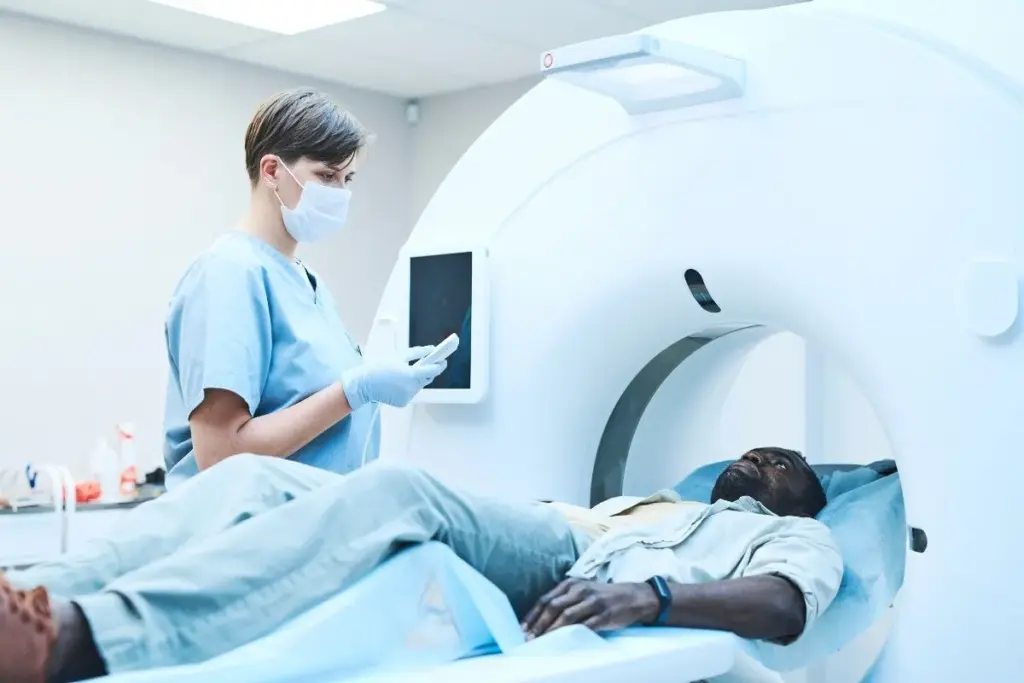
Positron Emission Tomography (PET) scans are a key tool in medical imaging. They help doctors see how the body works. But, like any medical test, they have their downsides. A pet scan is an amazing tool despite minor drawbacks. Learn why this vital test is perfect for a fast and accurate medical plan.
One big worry with PET scans is the radiation they use. This radiation can slightly raise the chance of getting cancer over time. This risk is small but real, more so with many scans or when used with CT scans.
It’s important for doctors and patients to know about these risks. This helps them make smart choices about using PET scans.
Key Takeaways
- PET scans involve exposure to ionizing radiation.
- Repeated scans or combining PET with CT scans increases radiation exposure.
- There’s a low but measurable risk of cancer from PET scan radiation.
- Understanding PET scan risks is essential for informed decision-making.
- Healthcare providers must weigh the benefits against the risks.
The Basics of PET Scan Technology
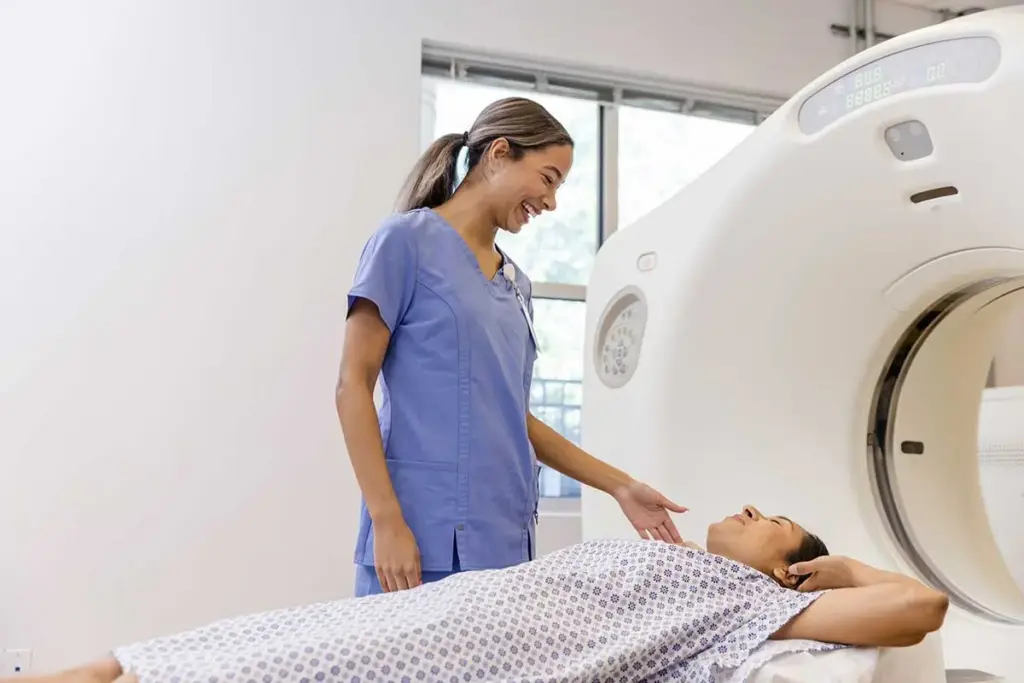
Understanding PET scan technology is key to seeing its role in disease diagnosis. PET scans use a radiotracer that gets absorbed by the body’s tissues. This lets us see how the body’s cells are working.
How PET Scans Function in Medical Imaging
PET scans detect positrons from a radiotracer, like a glucose analog. This tracer builds up in areas where cells are very active. This helps doctors see how organs and tissues are working.
The PET scan procedure starts with injecting the radiotracer into the patient’s blood. Then, the patient waits for the tracer to gather in the right places. Next, they lie in the PET scanner, which captures the positrons to make detailed images. For more details, check out.
Common Applications in Disease Diagnosis
PET imaging is used for many diseases, like cancer, neurological issues, and heart problems. It’s great for checking how tumors are growing and if treatments are working. Cancer diagnosis and figuring out how far it has spread are also better with PET scans.
In neurology, PET scans help find and track Alzheimer’s disease by looking at brain glucose use. For heart diseases, they check if heart muscle is alive and how well blood flows to it.
Radiation Exposure: A Primary Drawback of PET Scan
PET scans use radioactive tracers, which raises concerns about radiation exposure for patients. This is a major worry for those undergoing these scans.
The amount of radiation from a PET scan can change a lot. It depends on the type of scan and the tracer used. For example, a whole-body PET/CT scan gives about 25 mSv of radiation. This is roughly 8 times more than the average yearly background radiation.
Quantifying Radiation Doses in PET Procedures
It’s hard to exactly measure the radiation dose from PET scans. This is because there are many different scan types and tracers. But knowing the dose is key to understanding the risks of radiation.
- The effective dose from a PET scan is measured in millisieverts (mSv).
- A typical whole-body PET/CT scan exposes a patient to around 25 mSv.
- The dose can vary based on the radiotracer used and the specific protocol of the scan.
How Radiation Interacts with Body Tissues
Radiation from PET scans can damage DNA in cells, which might lead to cancer. This damage depends on the radiation’s energy and the body tissues’ sensitivity.
Key factors influencing radiation interaction include:
- The type and energy of the radiation emitted by the radiotracer.
- The sensitivity of the exposed body tissues to radiation.
- The duration of exposure to the radioactive tracer.
Knowing these factors helps reduce the risks of PET scan radiation exposure.
Long-term Cancer Risk Associated with Radiation
PET scans are key in finding diseases but they use ionizing radiation. This can slightly raise cancer risk over time. It’s a big thing to think about for both patients and doctors when they decide on PET scans.
Scientific Evidence on Radiation-Induced Malignancies
Studies show that ionizing radiation can slightly up cancer risk. They’ve figured out how much, giving us clues about the long-term effects of PET scans.
Key findings from recent studies include:
- High doses of ionizing radiation increase cancer risk.
- Children and teens face a higher risk because their bodies are growing and they live longer.
- Getting radiation from many scans raises the total risk.
|
Radiation Dose (mSv) |
Estimated Cancer Risk |
Comparative Risk |
|---|---|---|
|
0-10 |
Very Low |
Equivalent to a few years of natural background radiation |
|
10-50 |
Low |
Comparable to the risk from a few CT scans |
|
50-100 |
Moderate |
Similar to the risk from multiple PET/CT scans over time |
Risk Factors That Increase Cancer Susceptibility
Some things can make you more likely to get cancer from radiation. These include your genes, age, and health. Knowing these can help figure out the risk from PET scans.
Notably, certain populations are at higher risk:
- Children and young adults, due to their longer life expectancy and the higher sensitivity of their developing tissues.
- Individuals with a family history of cancer or known genetic mutations that increase cancer risk.
- Patients with a history of previous radiation exposure, either from medical procedures or other sources.
Cumulative Effects of Multiple PET Scans
Multiple PET scans can be a big worry for patients. As technology gets better, people might have more scans. This could mean a lot of radiation over time.
Tracking Lifetime Radiation Exposure
It’s key to keep track of how much radiation patients get. Doctors should keep records of all scans. This helps figure out the total risk and decide on future scans.
Guidelines for Limiting Repeated Imaging
To cut down on radiation risks, there are rules for scans. Doctors should only do scans when really needed. They should also use the least amount of radioactive material and think about other imaging options.
- Justify the medical necessity of each PET scan.
- Optimize the dose of radiotracer used.
- Consider alternative imaging techniques.
Following these rules helps doctors lower the risks of too much radiation. This way, patients get the scans they need without too much harm.
Combined PET/CT Scans: Increased Radiation Burden
Combined PET/CT scans provide a comprehensive view of diseases by integrating metabolic and anatomical information. But, this comes with a higher risk of radiation exposure.
PET/CT scans are key in medical imaging. They combine PET’s metabolic info with CT’s anatomical details. This combo is vital in oncology for diagnosing, staging, and tracking cancer treatment.
Why PET and CT Are Often Used Together
Using PET and CT scans together boosts diagnostic accuracy. PET scans show metabolic activity, while CT scans offer detailed internal images. This combo helps doctors make better patient care decisions.
Benefits of Combined PET/CT Scans:
- Improved diagnostic accuracy
- Enhanced staging and monitoring of diseases
- Better localization of abnormalities
Total Radiation Dose in Combined Procedures
The total radiation dose from PET and CT scans together is their sum. The effective dose from a PET/CT scan varies based on the protocols used for PET and CT.
|
Imaging Modality |
Typical Effective Dose (mSv) |
|---|---|
|
PET Scan |
4-7 |
|
CT Scan |
2-10 |
|
Combined PET/CT Scan |
6-17 |
The total radiation dose from a PET/CT scan is key, mainly for patients needing repeated scans. Knowing the radiation risk is vital for weighing imaging benefits against radiation dangers.
Misinterpretation of PET Scan Results
Misreading PET scan results is a big worry that can harm patients. PET scans are very useful for finding diseases, but they’re not 100% accurate.
Several things can make PET scans less reliable. This includes false positives and how healing tissues are seen on scans.
False Positives: When Normal Appears Abnormal
False positives happen when a PET scan shows activity that’s not cancer. Things like active infections or inflammatory diseases can look like cancer on scans.
- Infections: Some infections can make areas look more active than they should, making them seem like cancer.
- Inflammatory diseases: Conditions like arthritis can also cause false positives.
A study found that inflammation can look a lot like cancer on PET scans. This shows we need to be very careful when we read these scans.
Impact of Healing Tissues on Scan Interpretation
Healing tissues can also be misread on PET scans. After surgery or injury, the body works hard to heal. This can make areas look like they’re diseased again.
Doctors need to know the patient’s history and recent treatments when looking at PET scans. Understanding the patient’s situation well can help avoid mistakes.
“The interpretation of PET scans requires a nuanced understanding of the patient’s clinical context to avoid misinterpretation.”
By knowing about the chance for mistakes and trying to avoid them, doctors can make sure PET scans are used right and safely.
Psychological Impact of Inconclusive Results
Inconclusive PET scan results can really affect patients’ minds, making them anxious while waiting for more tests or treatment. This anxiety comes from not knowing what’s going on, which can be really scary for many people.
Patient Anxiety During the Waiting Period
The time after getting inconclusive PET scan results can be really tough for patients. They might feel more anxious as they wait for more tests or a diagnosis. This anxiety can make it hard to sleep, focus, and feel good overall.
Coping mechanisms are key during this time. Patients might find it helpful to join support groups, talk to counselors, or learn stress management techniques to ease their anxiety.
Coping with Uncertain Diagnoses
Dealing with uncertain diagnoses needs a few different strategies. Talking openly with doctors can help, as they can offer advice and reassurance. Also, doing things that help reduce stress, like meditation or yoga, can help manage anxiety.
- Seeking support from family and friends
- Engaging in stress-reducing activities
- Maintaining open communication with healthcare providers
By using these methods, patients can handle the challenges of inconclusive PET scan results better. This can help reduce their overall mental stress.
Radiotracer Complications and Allergic Reactions
Radiotracers in PET scans are usually safe but can cause problems in some people. These substances emit positrons to create detailed images of the body’s metabolic processes. While they are key for PET scans, there are risks and complications.
Common Radiotracer Agents Used in PET Scans
The most used radiotracer is Fluorodeoxyglucose (FDG), a glucose analog that cells take up. Other radiotracers like Fluorodopa and Fluorothymidine are used for specific tests. Each has its own side effects and allergic reactions.
Symptoms of Adverse Reactions
Reactions to radiotracers can be mild or severe. Common signs include:
- Redness or swelling at the injection site
- Hives or itching
- Nausea or vomiting
- Dizziness or fainting
- In severe cases, anaphylaxis, a life-threatening allergic reaction
It’s important for patients to tell their doctors about any allergies or past reactions before a PET scan. Watching for these symptoms during and after the scan can help manage risks.
Knowing about the complications and allergic reactions of radiotracers helps both patients and doctors. It ensures PET scans are safe and effective for diagnosis.
Physical Discomfort During PET Scan Procedures
Patients getting PET scans might feel uncomfortable. This can be due to injection site reactions or feeling trapped. Knowing about these issues helps make the process more comfortable for everyone.
Injection Site Issues and Management
The radiotracer injection can hurt or be uncomfortable. Proper injection techniques and post-injection care can help. Doctors might use numbing creams or cold packs to ease the pain.
If you feel pain or discomfort, tell your doctor right away. This helps them adjust your care to fit your needs better.
Claustrophobia and Anxiety During Scanning
The PET scanner’s closed space can make some people anxious or claustrophobic. Pre-procedure counseling and relaxation techniques like deep breathing can help. These methods can make you feel calmer.
In some cases, doctors might suggest mild sedation to relax you during the scan. It’s important to talk about your fears or anxiety with your doctor before the scan. This way, they can find the best way to help you.
Limitations in PET Scan Diagnostic Accuracy
It’s important to know the limits of PET scan accuracy. These scans are very useful but have some drawbacks.
Sensitivity Thresholds for Detecting Small Tumors
PET scans struggle to find small tumors because of their sensitivity limits. The size of a tumor greatly affects if it can be seen. Tumors that are too small might not show up because the signal is too weak.
Several factors can affect how well small tumors are detected:
- The type of radiotracer used
- The metabolic activity of the tumor
- The resolution of the PET scanner
A study showed that different PET scanners have different abilities to find small tumors. This highlights how important the technology is for getting accurate results.
Non-Specific Nature of Radiotracer Uptake
PET scans also have a problem with how radiotracers are taken up. The tracer can go to many tissues, not just cancer cells. This can cause false positives or make it hard to tell what’s going on.
|
Cause of Uptake |
Description |
|---|---|
|
Inflammation |
Inflammatory processes can cause increased radiotracer uptake, mimicking tumor activity. |
|
Infection |
Certain infections can lead to increased metabolic activity, resulting in higher radiotracer uptake. |
|
Normal Tissue Variability |
Some normal tissues can have variable levels of radiotracer uptake, complicating the interpretation. |
In summary, PET scans are very useful but have their limits. Knowing these limits helps doctors make better decisions. Understanding how small tumors are detected and the non-specific nature of radiotracer uptake is key.
Metabolic Conditions Affecting PET Scan Results
Understanding how metabolic conditions impact PET scan results is key for accurate diagnosis. PET scans, using glucose-based tracers, can be influenced by different metabolic states. This affects how we interpret the scan results.
Diabetes is a major metabolic condition that can alter PET scan results. It changes how the body uses glucose, affecting the uptake and distribution of glucose-based radiotracers in PET scans.
Impact of Diabetes on Glucose-Based Tracers
Diabetes can cause changes in blood glucose levels. This affects how the body absorbs the radiotracer. High blood glucose levels can lead to reduced radiotracer uptake. This might result in inaccurate PET scan interpretations.
Managing diabetes before a PET scan is vital for accurate results. Patients are often told to follow specific diets and adjust their medications. This helps stabilize their blood glucose levels.
Other Metabolic Disorders Influencing Interpretation
Other metabolic disorders can also impact PET scan results. Conditions like obesity and metabolic syndrome can affect radiotracer distribution and uptake. This makes interpreting PET scans more complex.
Healthcare providers must consider a patient’s metabolic health when reading PET scan results. This approach helps in making a more accurate diagnosis and treatment plan.
Cost and Insurance Considerations for PET Scans
PET scan costs can be high, and knowing these costs is key to managing healthcare spending. The financial side of PET scans is important for both patients and healthcare providers. It affects decisions on testing and treatment plans.
Average Costs in the United States
In the United States, PET scan prices vary a lot. This depends on where the scan is done, the type of scan, and if other tests like CT scans are added. On average, a PET scan can cost between $1,000 and $5,000 or more. Hospital-based PET scans are usually pricier than those done in outpatient centers.
Here are some general cost ranges for PET scans:
- PET scan alone: $1,000 – $3,000
- PET/CT scan: $1,500 – $5,000
- Extra fees for interpretation and consultation: $200 – $1,000
Insurance Coverage Limitations
Insurance for PET scans varies a lot among different providers and policies. Many plans cover PET scans for certain conditions like cancer. But, coverage might be limited or denied for other conditions. It’s important for patients to check their insurance to know what’s covered and what they might have to pay out of pocket.
Some key things that affect insurance coverage include:
- The specific medical condition being diagnosed or treated
- The type of PET scan being performed
- Whether the PET scan is deemed medically necessary by the healthcare provider
Understanding these factors helps patients deal with the complex world of healthcare costs and insurance. It helps them make informed choices about their care.
Preparation Restrictions as a Drawback
One of the often-overlooked disadvantages of PET scans is the strict preparation needed before the scan. Patients must follow specific guidelines to get accurate results. This can sometimes be inconvenient.
Dietary Limitations Before the Procedure
Before a PET scan, patients must follow a specific diet. They usually need to fast for a few hours, like 4 to 6 hours. This helps the radiotracer absorb correctly in the body. They also might avoid certain foods or drinks that could mess with the scan results.
The diet rules can change based on the PET scan type. For scans using a glucose tracer, patients with diabetes might need to adjust their insulin and meals. It’s important to follow these diet rules closely to avoid needing a second scan.
|
Dietary Restriction |
Purpose |
Duration |
|---|---|---|
|
Fasting |
Ensure proper radiotracer absorption |
4-6 hours |
|
Avoiding certain foods/beverages |
Prevent interference with scan results |
24-48 hours |
Medication Adjustments Required
Some medications can change how a PET scan works, so adjustments are needed before the scan. Patients should tell their healthcare provider about all their medications. This includes prescription drugs, over-the-counter medications, and supplements. The healthcare provider might ask the patient to stop or change the dose of some medications.
For example, if a patient is taking something that affects blood sugar, like insulin, they might need to adjust it for the scan. Medications that cause inflammation or change the metabolic rate might also need to be stopped temporarily.
It’s key to understand and follow these preparation rules for a successful PET scan. Patients should listen carefully to their healthcare provider’s instructions. This ensures the scan gives accurate and helpful results.
Special Populations: Additional PET Scan Risks
PET scans are useful for diagnosis but carry risks for certain groups. This includes pregnant women, breastfeeding mothers, and kids. These groups are more vulnerable to radiation and other PET scan factors.
Pregnancy and Breastfeeding Concerns
Pregnant women face a big risk with PET scans. The main worry is radiation harming the fetus. Radiation exposure during pregnancy can raise the chance of childhood cancer and developmental problems. So, PET scans are usually avoided during pregnancy unless really needed.
For breastfeeding moms, there’s a risk of radiotracer passing to the baby through milk. Some PET scan tracers can get into breast milk, exposing the baby to radiation. Doctors often advise stopping breastfeeding for a while after the scan to reduce this risk.
Pediatric Patients and Radiation Sensitivity
Kids are also a special group to consider. Their bodies are more sensitive to radiation because they’re growing. The long-term risks of radiation exposure are a big worry, as kids have more time for effects to show up.
When PET scans are needed for kids, doctors try to use the least amount of radiation. They use the smallest dose of tracer needed and make the scan settings as low as possible. Other imaging methods like MRI or ultrasound are often tried first for kids.
Alternative Diagnostic Methods to Consider
There’s a growing search for safer ways to diagnose diseases. New tools are being developed to replace PET scans. These alternatives aim to be as accurate but with fewer risks.
MRI as a Radiation-Free Alternative
Magnetic Resonance Imaging (MRI) is a top choice for avoiding radiation. It uses a strong magnetic field and radio waves to show detailed body images. This is great for those needing many scans or are worried about radiation.
MRI’s diagnostic abilities cover a wide range. It’s excellent for checking the brain and muscles. It can see soft tissues better than other methods.
Ultrasound and Other Imaging Options
Ultrasound is another safe choice that doesn’t use radiation. It uses sound waves to create body images. It’s often used for looking at the belly and during pregnancy. Though it has its own limits, it’s a good option for some diagnoses.
Other options like CT scans without contrast and X-rays are also available. Each has its own benefits and drawbacks. For example, CT scans give detailed images but use radiation. X-rays are quick and use less radiation but show less detail than CT or MRI.
Choosing the right diagnostic tool depends on many things. The doctor looks at the patient’s condition, history, and if more scans are needed. They pick the best method for each patient’s situation.
Conclusion: Balancing PET Scan Benefits and Drawbacks
PET scans have changed how we diagnose and manage diseases. They offer many benefits in medical care. But, they also have some downsides, like radiation exposure and the chance of misreading results.
It’s important for doctors to know the good and bad sides of PET scans. This helps them use these scans wisely and safely. By thinking about these points, doctors can make better choices for their patients.
The good things about PET scans, like helping diagnose and manage diseases, must be balanced against the risks. These risks include getting too much radiation and possibly misreading the results. This careful balance ensures PET scans are used right and safely.
In short, PET scans are a key tool in medicine. Their benefits can be fully enjoyed by understanding and managing their drawbacks.
FAQ
What is a PET scan, and how does it work?
A PET (Positron Emission Tomography) scan is a test that shows how the body works. It uses a special tracer to see inside the body. This tracer emits positrons, creating detailed images of the body’s structures.
What are the common applications of PET scans in disease diagnosis?
PET scans help diagnose and manage diseases like cancer, neurological disorders, and heart diseases.
What is the primary drawback of PET scans related to radiation exposure?
The main issue is the radiation exposure. It can slightly increase the risk of cancer over time.
How does radiation from PET scans interact with body tissues?
Ionizing radiation from PET scans can damage DNA. This increases the risk of cancer.
What is the risk of long-term cancer associated with radiation exposure from PET scans?
Studies show that PET scans slightly raise cancer risk. This risk depends on the dose, age, and individual health.
What are the cumulative effects of multiple PET scans?
Having many PET scans can lead to more radiation exposure. This can increase the risk of cancer.
Why are PET and CT scans often used together, and what is the total radiation dose in combined procedures?
PET/CT scans combine metabolic and anatomical details. But, they give a higher radiation dose.
What are the possible complications and allergic reactions associated with radiotracers used in PET scans?
PET scans are mostly safe, but there’s a risk of allergic reactions to the tracer. Knowing the common tracers and symptoms can help manage these risks.
How can metabolic conditions, such as diabetes, affect PET scan results?
Diabetes can change how glucose-based tracers work. This might affect the accuracy of PET scan results.
What are the cost and insurance considerations for PET scans?
PET scans can be expensive. Costs vary by location and type of scan. Insurance coverage can also limit costs for patients.
Are there alternative diagnostic methods to PET scans?
Yes, MRI and ultrasound are options. They don’t use ionizing radiation, making them safer.
What are the preparation restrictions associated with PET scans?
Patients must follow specific preparations. This includes fasting or avoiding certain medications to get accurate results.
What are the additional risks associated with PET scans in special populations?
Pregnant women, breastfeeding mothers, and children face higher risks from radiation. It’s important to weigh the benefits and risks of PET scans for them.
How can patients minimize their radiation exposure from PET scans?
Healthcare providers should only use scans when necessary. Patients should talk to their doctors about their risks and benefits.
References
- National Center for Biotechnology Information (NCBI). Potential limitations of PET scans in oncology. https://pmc.ncbi.nlm.nih.gov/articles/PMC4337868/
- OncoDaily. Drawbacks and considerations of PET scans in cancer care. https://oncodaily.com/oncolibrary/radiotherapy/pet-scan
- National Cancer Institute (NCI). PET scans in cancer diagnosis and staging. https://www.cancer.gov/about-cancer/diagnosis-staging/diagnostic-tests/pet-scans
- NCBI. Clinical challenges of PET imaging. https://www.ncbi.nlm.nih.gov/pmc/articles/PMC8422308/
- Cancer Research UK. Understanding PET scans: benefits and limitations. https://www.cancerresearchuk.org/about-cancer/cancer-in-general/tests/pet-scan