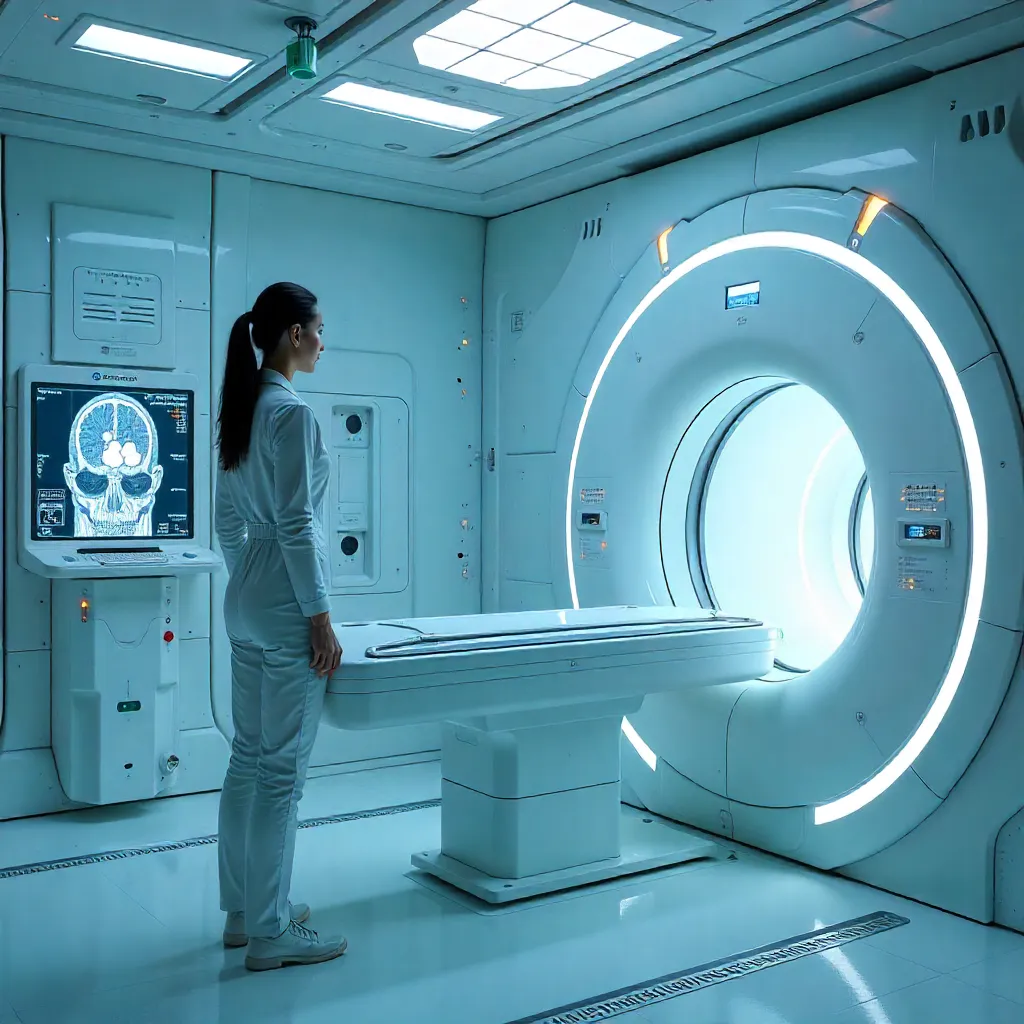
A PET (Positron Emission Tomography) scan is a key medical tool. It shows how body tissues work. We use it to find and track diseases like cancer.
A PET scan usually looks at areas from the mid-thigh to the base of the skull. This is enough for many health checks. But, newer PET scanners can see the whole body. This gives a full view of how the body works.
It’s important to know what PET scans can do. This helps doctors and patients get ready for the test. It also helps them understand the results.
Key Takeaways
- PET scans provide insights into the metabolic activity of body tissues.
- Typically, PET scans cover areas from the mid-thigh to the base of the skull.
- Advanced PET scanners can image the entire body.
- PET scans are used to diagnose and monitor various medical conditions, including cancer.
- Understanding PET scan capabilities is important for healthcare providers and patients.
What is a PET scan?
A PET scan, or Positron Emission Tomography, is a cutting-edge medical imaging method. It shows how active the body’s tissues and organs are. This tool is key for checking health issues, like cancer, heart problems, and brain diseases.
Definition and Basic Principles
PET scans use tiny amounts of radioactive tracers, or radiotracers, injected into the body. These tracers go to areas that are very active, like growing tumors. The PET scanner picks up these signals, making detailed pictures of what’s inside us.
The National Center for Biotechnology Information says PET scans help doctors see how tissues work. This helps in finding and treating diseases.
Diseased tissues usually work differently than healthy ones. For example, cancer cells use more energy, making them show up on PET scans.
The Role of Radiotracers
Radiotracers are the heart of PET scans. They are made to find specific activities in the body, like how it uses glucose. The most used one is Fluorodeoxyglucose (FDG), which finds areas that use a lot of glucose, like tumors.
With radiotracers, PET scans can show how active the body is. This helps doctors diagnose and keep track of many conditions, from cancer to brain disorders.
How PET scan technology works
PET scan technology lets us see how the body works at a metabolic level. This is key for finding and treating diseases, like cancer.
Positron Emission Tomography Process
The PET scan uses positron emission tomography. A tiny amount of radioactive tracer is given to the patient. This tracer goes to areas that are very active, like cancer cells.
The tracer sends out positrons, which meet electrons and create gamma rays. The PET scanner catches these rays, making detailed images of the body’s activity.
Detection of Metabolic Activity
PET scans are better than CT scans because they show metabolic activity. This means they can spot diseases early, even before they cause structural changes.
When we look at pet scan vs ct scan, PET scans give us important functional info. This helps in diagnosing and planning treatments. The tomography in PET scans gives us a special view of the body’s metabolic state.
Advanced total-body PET scanners can scan the whole body at once. This makes diagnosis better and is more comfortable for patients. It’s a big leap in medical imaging.
Standard PET scan coverage areas
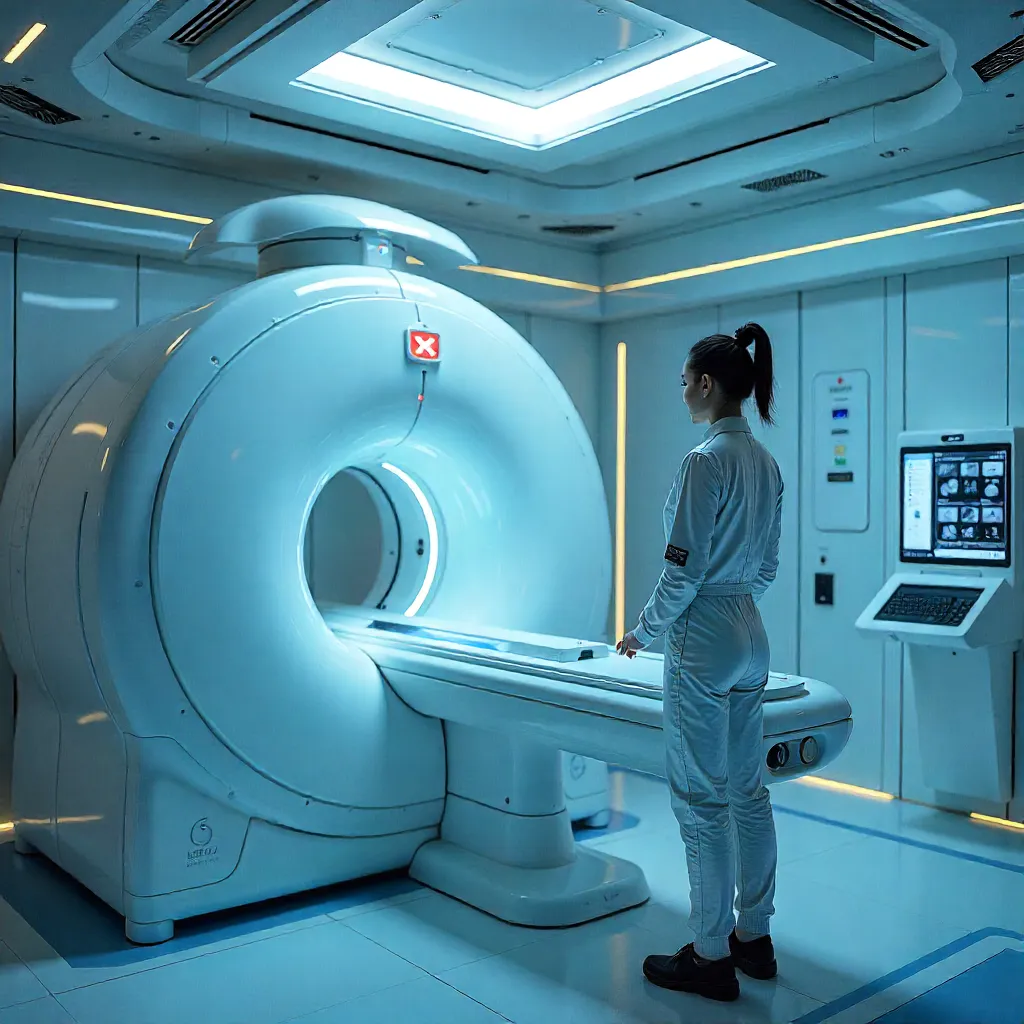
The typical PET scan covers from mid-thigh to the base of the skull. This range is key for making diagnoses. It’s a common practice in medicine.
Mid-Thigh to Base of Skull Protocol
The Mid-Thigh to Base of Skull protocol is standard for PET scans. It lets us see important areas like:
- The abdominal organs, such as the liver and pancreas
- The pelvic region, including the reproductive organs
- The thoracic cavity, containing the heart and lungs
- The neck and lower parts of the brain
This range helps doctors check for many health issues, from cancer to brain problems.
Clinical Significance of This Range
The Mid-Thigh to Base of Skull protocol is very useful. It captures data on the body’s main systems. It’s great for:
- Finding and checking cancer
- Seeing if disease has spread
- Looking at how tumors work
- Tracking how treatments work
Using this protocol helps us understand the body better. It leads to better diagnoses and treatment plans.
Advanced total-body PET scanners
Advanced total-body PET scanners have changed how doctors diagnose diseases. They can scan the whole body at once. This is a big deal in oncology, where checking for cancer spread is key.
Head-to-Toe Imaging Capabilities
These scanners can see the whole body at once. This is great for finding and checking cancer. It also helps with other health issues.
Scanning the whole body at once is a big plus. It means doctors get a clearer picture of diseases. It also makes patients happier by needing fewer scans and saving money.
Technological Advancements in Scanner Design
These scanners are the result of big tech leaps. They have better detectors, new algorithms, and improved image processing.
Key technological advancements include:
- Increased detector sensitivity, allowing for better image quality and reduced scan times
- Advanced reconstruction algorithms that improve image resolution and accuracy
- Enhanced image processing techniques that facilitate more precise quantification of metabolic activity
These tech boosts have made PET scans better. They help in research and everyday medicine. As PET/CT tech keeps getting better, we’ll see even more improvements.
Brain coverage in PET scans
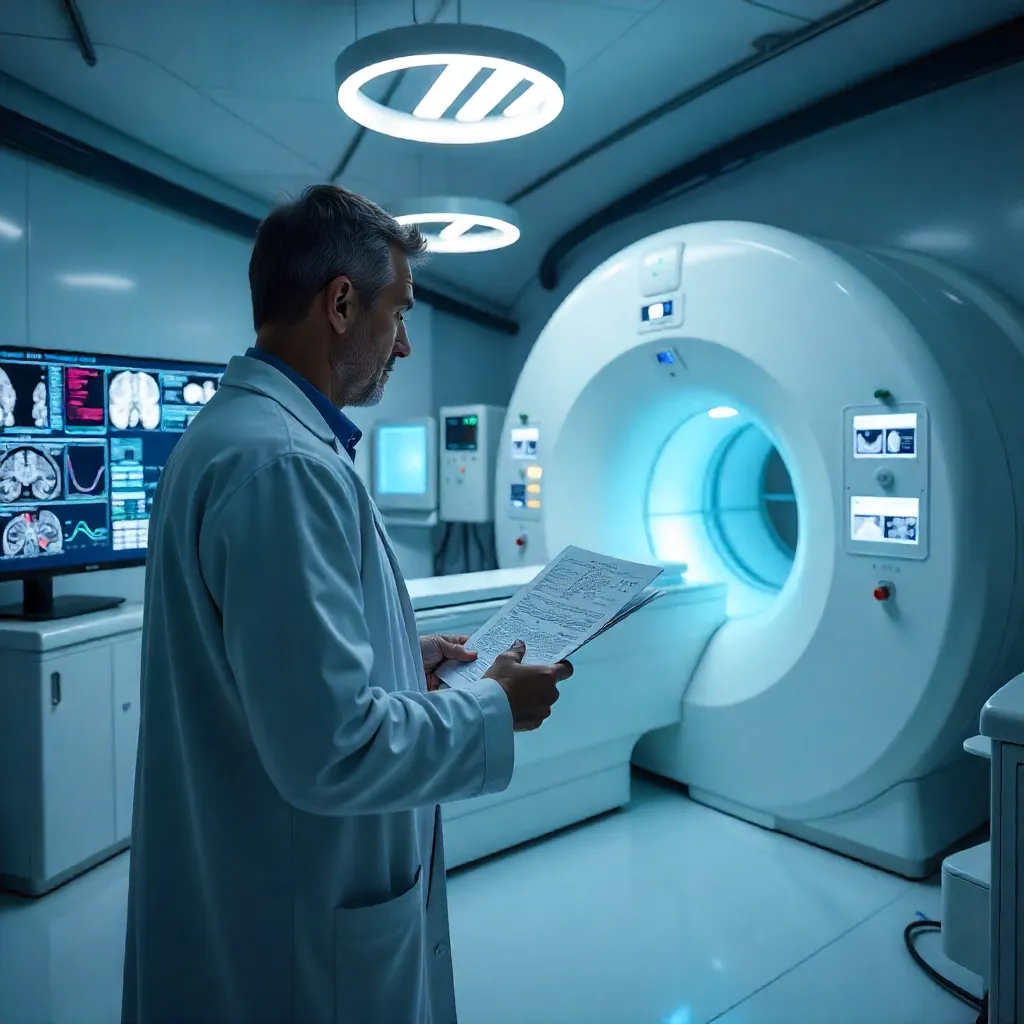
Brain imaging with PET scans is key for diagnosing and treating neurological issues. We use positron emission tomography (PET) to look at the brain’s metabolic activity. This helps us spot different neurological disorders.
Neurological Applications
PET scans are very useful in neurology. They help us see how the brain works and its structure. We use PET scans to:
- Diagnose and keep track of neurodegenerative diseases like Alzheimer’s and Parkinson’s.
- Check brain injuries and disorders, including stroke and traumatic brain injury.
- Look at the metabolic activity of brain tumors.
Detection of Brain Tumors and Disorders
PET scans are key in finding brain tumors and other disorders. They show areas of abnormal metabolic activity. This helps us:
- Find out if there’s a brain tumor and how big it is.
- Tell the difference between tumor recurrence and radiation necrosis.
- See if treatment for brain tumors and other neurological conditions is working.
The use of PET scans in neurology has greatly improved how we diagnose and plan treatments. As we keep improving PET scan technology, we’ll get even more detailed brain images.
Cardiac and thoracic coverage
We use PET scans to check how well the heart works and find problems in the chest. This tool is key in heart and lung health, showing how these tissues use energy.
Heart Function Evaluation
PET scans are great for checking the heart, mainly for those with heart disease or failure. They look at how well the heart gets blood and if it’s working right. This helps doctors choose the best treatment.
They help find spots where blood flow is low, helping decide if surgery is needed. They also check if treatments are working.
|
Cardiac Condition |
PET Scan Application |
Clinical Benefit |
|---|---|---|
|
Coronary Artery Disease |
Myocardial Perfusion Imaging |
Assesses blood flow to the heart muscle |
|
Heart Failure |
Viability Assessment |
Determines viable heart tissue for possible recovery |
Pulmonary Nodule Assessment
PET scans also check on lung nodules, which are often seen on chest X-rays. They tell if these nodules are likely to be cancer by looking at their energy use.
Compared to CT scans, PET scans are better at finding cancer because they show where energy is high. This is very helpful in planning lung cancer treatment.
Knowing how long a PET scan takes is important for getting ready. A PET scan usually takes 30 to 60 minutes, depending on what’s being scanned.
In summary, PET scans are very important for heart and lung health. They give doctors the info they need to make good treatment plans. Their ability to see how tissues use energy is a big help in fighting heart and lung diseases.
Abdominal organs visualized in PET scans
PET scans are key in checking the health of abdominal organs. They help us understand the condition of the liver, pancreas, and the digestive system.
PET scans show how active cells are. This is great for spotting problems like tumors or inflammation in these organs.
Liver and Pancreatic Imaging
The liver and pancreas are important for our body’s functions. PET scans help find issues like cancer or problems with how they work.
In the liver, PET scans can spot cancer that has spread or started there. For the pancreas, they’re key in finding and understanding pancreatic cancer.
Gastrointestinal Tract Assessment
PET scans also check the digestive system, from the esophagus to the colon. They’re useful for finding cancers and seeing how treatments are working.
They show where cells are more active, which can mean tumors or other issues. This info is vital for figuring out cancer stages and treatment plans.
Skeletal system visualization
Visualization of the skeletal system is a key use of PET scans, mainly in oncology for spotting bone metastasis. PET scans give a full view of the skeletal system. This helps doctors check bone health and find any issues.
Bone Metastasis Detection
Bone metastasis is a big problem in cancers like breast, prostate, and lung. PET scans are very good at finding bone metastasis. They spot lesions that other scans might miss.
The use of positron-emitting radiotracers lets doctors see metabolic changes in bone. This helps in early diagnosis and planning treatment.
|
Cancer Type |
Frequency of Bone Metastasis |
PET Scan Detection Rate |
|---|---|---|
|
Breast Cancer |
65-75% |
90% |
|
Prostate Cancer |
70-80% |
85% |
|
Lung Cancer |
30-40% |
80% |
Joint and Bone Marrow Evaluation
PET scans are also great for checking joints and bone marrow. They show metabolic activity. This helps doctors see how much inflammation or bone marrow involvement there is.
This info is key for diagnosing and treating conditions like osteomyelitis and some arthritis.
PET scans give detailed images of the skeletal system. This helps doctors make better decisions for patient care. The ability to see metabolic changes in bone makes PET scans a vital tool for managing skeletal disorders.
Lymphatic system imaging with PET scans
PET scans are key in checking the lymphatic system, like looking at lymph nodes and finding lymphoma. The lymphatic system fights off infections and diseases. PET scans give detailed metabolic info, making them vital for diagnosing and treating lymphatic issues.
Lymph Node Assessment
Lymph nodes are small, bean-shaped parts of the lymphatic system. They filter lymph fluid and catch pathogens. PET scans are great at checking lymph nodes, showing abnormal activity that might mean cancer or infection. This helps doctors see if cancer has spread to these areas, which is important for treatment planning.
Detection of Lymphoma
Lymphoma starts in the lymphatic system and is a cancer. PET scans are very helpful in finding and managing lymphoma. They show how far the disease has spread and if treatment is working. This lets doctors track changes in lymphomas and make better treatment plans.
We use PET scans a lot in diagnosing and treating lymphoma. The info from these scans helps us create treatment plans that fit each patient’s needs.
Technical specifications of PET scan coverage
To understand PET scans, we need to look at their technical details. Knowing these specs helps us see how PET scans give us deep insights into the body’s metabolic activities.
Axial Coverage Measurements
The axial coverage of a PET scanner shows how long it can image in one go. Modern scanners can cover up to 30 cm or more. This is key because it tells us how many times we need to scan different parts of the body.
Key factors influenced by axial coverage include:
- Scanning time: Larger coverage means fewer scans, making it faster.
- Image quality: Better scanners with more coverage give clearer images by reducing movement effects.
Bed Positions and Scanning Time
The number of bed positions needed for a PET scan depends on the scanner’s coverage and the body area scanned. For example, a scanner with more coverage can scan more in one go, needing fewer positions.
Scanning time is calculated based on:
- The number of bed positions needed.
- The time at each position, which changes with the protocol and the tracer’s type.
Knowing these specs is key to making PET scans better. It helps get accurate diagnoses faster, without keeping patients in the scanner too long.
As we dive deeper into PET scans, it’s clear their tech specs are critical. They’re essential for their use in many medical fields.
Clinical applications of whole-body PET imaging
Whole-body PET imaging gives a full view of cancer growth. It helps doctors plan treatments better. This method has changed how we fight cancer by showing how far it has spread.
Comprehensive Assessment of Metastatic Disease
Whole-body PET imaging is key for checking cancer spread. It scans the whole body to find cancer in different places. This is vital for knowing how to treat it.
It’s very useful for cancers that spread fast, like melanoma and lung cancer. It shows how far cancer has gone. This helps doctors make better treatment plans.
Evaluation of Systemic Disorders
Whole-body PET imaging is also great for checking other diseases. It looks at inflammation, infections, and more. It gives a full picture of the body, helping diagnose complex conditions.
For example, it’s useful in finding large vessel vasculitis. It shows how bad the inflammation is. This helps doctors decide on treatments and check how the disease is doing.
In short, whole-body PET imaging is a key tool in medicine. It helps in fighting cancer and understanding other diseases. Its ability to see the whole body is very important for modern medicine.
PET scan sensitivity in oncology
PET scans are key in finding and treating cancer. They help spot cancerous tissues accurately. This is vital for planning treatment.
Detection Rates for Various Cancer Types
PET scans are great at finding different cancers like lymphoma, melanoma, and colorectal cancer. They show more about tumor activity than pet scan vs ct scan comparisons often do.
pet ct combines PET’s metabolic info with CT’s body details. This mix boosts how well we can spot and understand cancer.
Case Studies: Improved Detection of Lesions
Many studies show PET scans find lesions better. For example, they spot lymphoma sites that other scans miss.
Using PET scans in cancer care means we can stage cancer more accurately. This leads to better treatment plans. PET scans are a big help in managing cancer patients.
With pet ct, we offer complete care. From first diagnosis to ongoing treatment, we’re with our patients every step of the way.
Patient preparation and experience during a PET scan
Getting ready for a PET scan is key for good results and a smooth experience. We know it’s a big deal, and we’re here to help every step of the way.
Pre-Scan Requirements
Before a PET scan, there are important steps to take. These ensure the scan is safe and works well. Here’s what you need to do:
- Fasting Requirements: You’ll need to fast for 4 to 6 hours before the scan. This helps the radiotracer work right.
- Medication and Dietary Restrictions: Some meds and foods might need to be skipped. This stops them from messing with the scan.
- Comfort and Clothing: Wear comfy clothes and avoid metal. It can mess with the scan.
Tell your doctor about any health issues, allergies, or past reactions to contrast agents. This helps make the scan just right for you.
What to Expect During the Procedure
During the PET scan, you’ll lie on a table that slides into the scanner. It’s painless and easy. Here’s what happens:
- The radiotracer is given through an arm vein.
- After a short wait, you’ll get on the scanning table.
- The scan takes 30 to 60 minutes, depending on what’s being scanned.
Here’s a quick guide to the PET scan process:
|
Procedure Step |
Description |
Duration |
|---|---|---|
|
Preparation |
Fasting, medication review, and dressing |
Variable |
|
Radiotracer Administration |
Injection of the radiotracer |
A few minutes |
|
Uptake Period |
Waiting for the radiotracer to be absorbed |
30-60 minutes |
|
Scanning |
The PET scan procedure |
30-60 minutes |
Knowing what happens during a PET scan can help you feel less anxious. If you have questions, talk to your doctor.
Limitations and challenges of PET scan body coverage
It’s important to know the limits of PET scan body coverage for good diagnosis and treatment plans. PET scans give detailed images, but there are challenges healthcare providers face.
Anatomical Constraints
PET scans have limits due to the body’s shape. For example, the brain and some organs work hard, which can make images tricky to read.
|
Anatomical Region |
Challenge |
Impact on PET Scan |
|---|---|---|
|
Brain |
High metabolic activity |
Variable image interpretation |
|
Abdomen |
Movement and bowel activity |
Potential for artifacts |
|
Bone Marrow |
Variable tracer uptake |
Affects detection of lesions |
Experts say, “The human body’s complexity is a challenge for PET scans. They need advanced tech to get accurate results.”
“PET imaging is not without its limitations, particular in areas with complex anatomy or high physiological activity.”
Patient-Specific Factors
Each patient’s situation affects PET scan results. Things like size, how mobile they are, and health conditions can change how well the scan works.
- Patient size and mobility
- Presence of medical implants or devices
- Claustrophobia or anxiety during the scan
To tackle these issues, doctors use special plans and methods. For example, they might adjust the scan settings for bigger patients or use special tracers for specific diseases to get better images.
In summary, PET scans are very useful, but knowing their limits is key for the best care. By facing and solving these challenges, we can make PET scans more accurate and helpful.
Conclusion: The evolving landscape of PET scan coverage
PET scan technology has grown a lot, covering more areas of the body. It now looks at everything from the brain to the bones. This helps doctors understand many health issues better.
New advancements in PET scans are on the horizon. Total-body PET scanners and better radiotracers are coming. These will make PET scans even more precise, helping doctors make better diagnoses and track treatments.
The future of PET scans is bright. Scientists are working hard to make them even better. Soon, PET scans will be key in healthcare, helping doctors diagnose and treat diseases more effectively.
FAQ
What is a PET scan?
A PET scan is a way to see how body tissues work. It helps doctors find and manage different health issues.
How does a PET scan work?
PET scans use special tracers to see where the body is most active. This helps find things like tumors.
What areas of the body does a standard PET scan typically cover?
A standard PET scan looks at the body from the mid-thigh to the skull base. Newer scanners can look at the whole body.
What are the benefits of whole-body PET imaging?
Whole-body PET imaging checks for disease spread and systemic disorders. It gives a full picture of the disease.
How long does a PET scan take?
The time for a PET scan varies. It depends on how much of the body is scanned and the scanner used.
What are the pre-scan requirements for a PET scan?
Before a PET scan, patients must fast and avoid exercise. They may need to arrive early for preparation.
What can patients expect during a PET scan procedure?
During the scan, patients lie on a table. The scanner takes images of metabolic activity. It’s painless and non-invasive.
How sensitive are PET scans in detecting cancer?
PET scans are very good at finding cancer. How well they work depends on the cancer type and tracer used.
What are the limitations of PET scan body coverage?
Body shape and patient factors can limit PET scan accuracy. Good preparation and scanner settings are key.
What is the difference between a PET scan and a CT scan?
PET scans show metabolic activity, while CT scans show body structure. Together, they give a full view of disease.
Are PET scans used for brain imaging?
Yes, PET scans are used for brain imaging. They help find brain tumors and other disorders by showing metabolic activity.
Can PET scans be used for cardiac and thoracic imaging?
Yes, PET scans check heart function and lung nodules. They help diagnose and manage heart and lung conditions.
References
U.S. National Library of Medicine. (n.d.). PET scanning. In StatPearls. Retrieved from https://www.ncbi.nlm.nih.gov/books/NBK559089/