
A positron emission tomography (PET) scan is a powerful tool. It shows how active your body’s cells are.
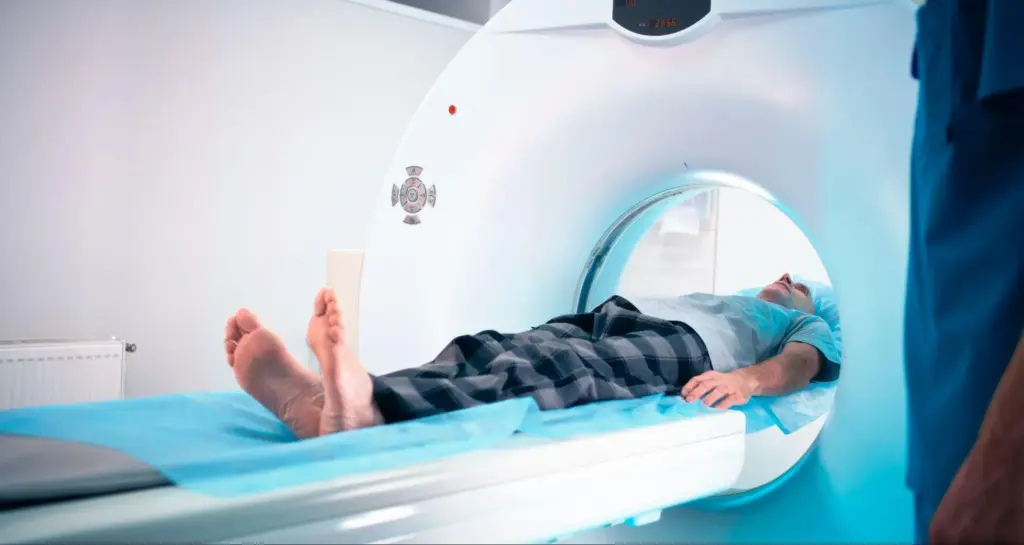
It’s not just for finding cancer. PET scans help with many health issues. They check for tumors, diseases that spread, heart problems, and brain disorders.
They show where cells are acting strangely. This helps doctors understand your health better. They can then plan the best treatment for you.
Key Takeaways
- A PET scan is a diagnostic tool that reveals abnormal metabolic activity within the body.
- Beyond cancer detection, PET scans help diagnose cardiac and neurological conditions.
- PET scans provide insights into metastatic disease and malignant tumors.
- This diagnostic tool enables healthcare professionals to develop targeted treatment plans.
- PET scans are used across various medical fields for diverse applications.
The Fundamentals of PET Scan Technology
PET scan technology is based on the science of positron emission. It helps doctors see how cells in the body work. This is key for finding and treating diseases like cancer and heart problems.
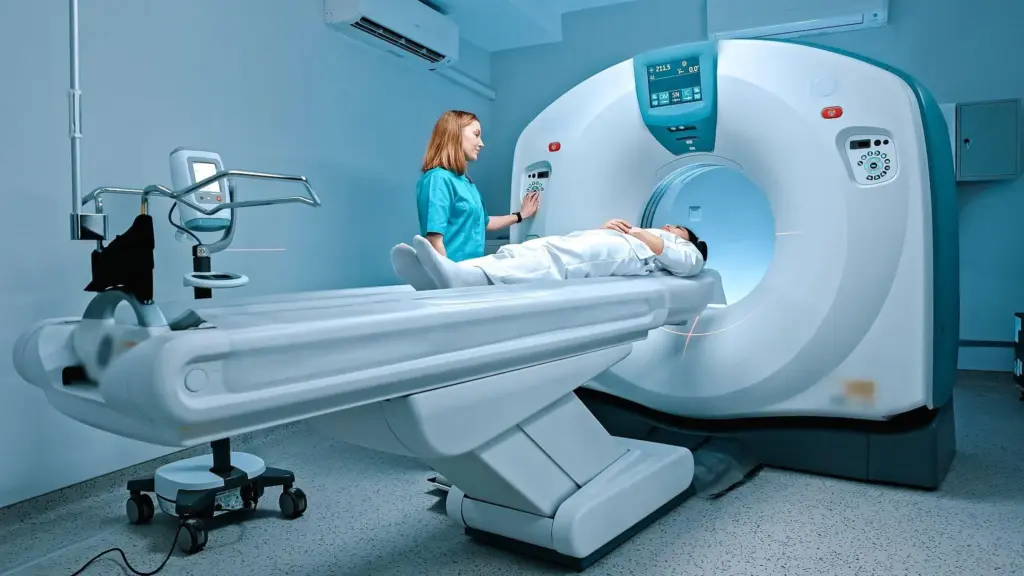
The Science Behind Positron Emission Tomography
PET scans use a special tracer that lights up where cells are very active. When this tracer breaks down, it sends out signals. These signals are caught by the PET scanner, making detailed pictures of the body’s activity.
For more on how PET scans work, check out the National Center for Biotechnology Information.
How Metabolic Activity Creates Imaging Results
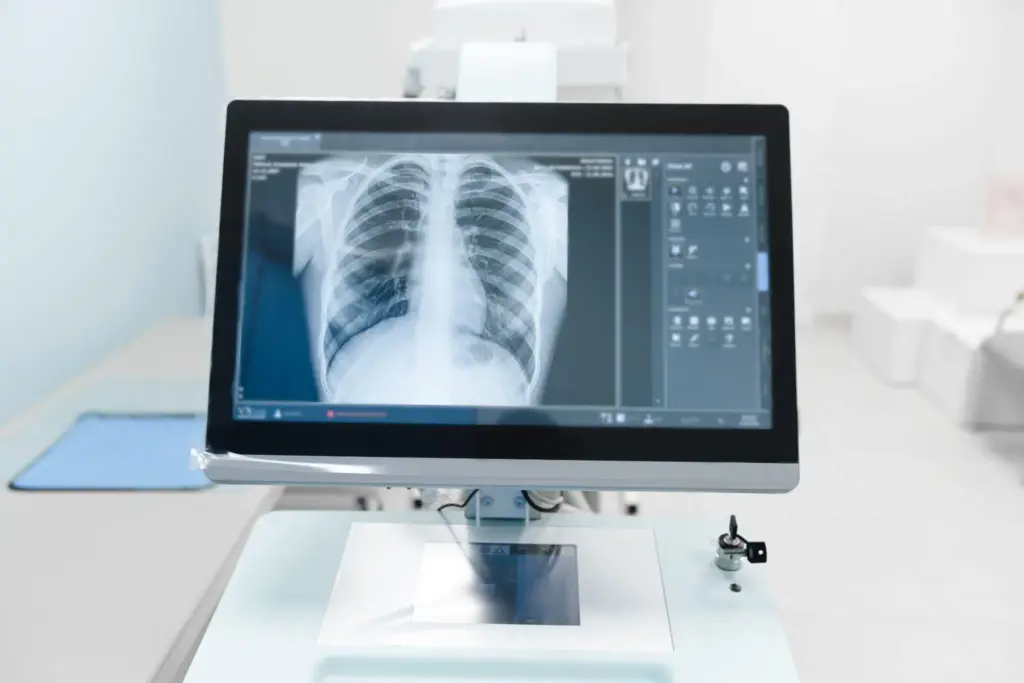
PET scans look at how cells use glucose. Cancer cells use more glucose than healthy cells. This makes them show up clearly on PET scans.
This helps doctors find and track diseases. It’s a big help in diagnosing and treating many health issues.
|
Aspect |
Description |
|---|---|
|
Radioactive Tracer |
Accumulates in areas of high metabolic activity |
|
Positron Emission |
Occurs when the tracer decays |
|
Gamma Ray Detection |
Creates detailed images of metabolic processes |
|
Metabolic Activity |
Primarily related to glucose metabolism |
Understanding PET scan technology shows us how it helps doctors. It’s a powerful tool for diagnosing and treating diseases.
What Happens During a PET Scan Procedure
Before your PET scan, it’s important to know what to expect. We’ll walk you through each step to make sure everything goes smoothly.
Patient Preparation Requirements
To get accurate results, you need to prepare before your PET scan. Here’s what we recommend:
<SEP-14240_image_4>
- Fast for 4-6 hours to get clear glucose metabolism readings.
- Don’t do strenuous exercise for a day or two before to avoid muscle uptake.
- Tell your doctor about any medications, allergies, or health conditions that might affect the scan.
- Wear loose, comfy clothes and avoid jewelry or metal items.
Also, arrive on time and be ready to spend a few hours at the scanning facility.
The Scanning Process Step-by-Step
Here’s what happens during a PET scan:
- You’ll get a small dose of radioactive tracer that goes to active areas.
- Wait 30-60 minutes, then lie down on a scanning table.
- The PET scanner will slowly scan your body, capturing images of the tracer.
- The scan takes 30 to 60 minutes, depending on the area scanned.
Duration and Post-Scan Protocol
The whole PET scan process takes a few hours. After it’s done, you can usually go back to your normal activities. Just remember:
- Drink lots of water to flush out the tracer.
- Follow any post-scan care instructions from your healthcare team.
Knowing what to expect during a PET scan can help reduce anxiety. Our team is here to answer any questions and support you every step of the way.
Cancer Detection: Primary Function of PET Scans
PET scans are key in finding cancer. They show where cancer is and how far it has spread. This helps doctors make treatment plans.
<SEP-14240_image_5>
Identifying Malignant Tumors
PET scans are great at finding cancer because they spot cancer cells’ high glucose use. They can find cancer early, even when other tests can’t.
Using PET scans in cancer care has changed the game. They help doctors understand how active tumors are. This info is key for planning the best treatment.
Metastatic Disease Assessment
Checking for metastatic disease is vital in cancer staging. PET scans can find metastases in 46% of cases. Finding metastases helps decide treatment and outlook.
PET scans help doctors stage cancer accurately. This is important for choosing the right treatment. Treatments can include surgery, chemo, or radiation.
Polymetastatic Disease
About 24% of cancer patients have polymetastatic disease. PET scans are great at finding this. They spot many tumors in one scan.
|
Imaging Modality |
Detection Rate for Metastatic Disease |
Advantages |
|---|---|---|
|
PET Scan |
46% |
High sensitivity for detecting metabolic activity in tumors |
|
CT Scan |
30% |
Provides detailed anatomical information |
|
MRI |
25% |
Excellent soft tissue contrast, useful for specific tumor types |
Knowing how different tests work is key in cancer care. PET scans are special for finding metastases. This is important for patient care and treatment success.
Accuracy of PET Scan in Cancer Staging
PET scans have changed how we stage cancer. They give us accurate info to help decide treatment. Knowing how far cancer has spread is key to making good treatment plans.
Lymphoma Staging Precision
<SEP-14240_image_6>
PET scans are very good at staging lymphoma. They help find where cancer has spread that other tests might miss. This is important for managing lymphoma.
Using PET scans for lymphoma staging has led to better patient results. It’s because we can stage cancer more accurately and treat it better.
Lung Cancer Assessment
<SEP-14240_image_7>
PET scans are also valuable for lung cancer, mainly for checking lymph nodes. They can spot lymph node metastases 71% of the time. This makes them key in the staging process.
Knowing how far lung cancer has spread is vital. It helps doctors choose the best treatment, like surgery or medicine.
|
Cancer Type |
PET Scan Sensitivity |
Clinical Impact |
|---|---|---|
|
Lymphoma |
High |
Improved staging and treatment planning |
|
Lung Cancer |
71% for lymph nodes |
Accurate assessment of disease spread |
PET scans help doctors make better treatment plans. This leads to better results for patients.
Cardiovascular Conditions Revealed by PET Imaging
PET imaging is now key for checking heart health. It shows how the heart works in ways we couldn’t see before. This helps doctors find and treat heart diseases better.
Cardiac Perfusion Deficits
<SEP-14240_image_8>
PET scans are great for checking blood flow to the heart. This is important for spotting problems like ischemia or infarction.
Key aspects of cardiac perfusion assessment with PET include:
- Identifying regions of reduced blood flow
- Evaluating the severity of ischemia
- Guiding revascularization decisions
PET scans can spot these issues early. This can lead to better care and outcomes for patients.
Coronary Artery Disease Assessment
PET imaging is also key for checking coronary artery disease (CAD). CAD happens when arteries get narrow or blocked by plaque.
The benefits of PET in CAD assessment include:
- Accurate detection of significant CAD
- Evaluation of myocardial viability
- Guidance for therapeutic decision-making
PET scans give detailed info on blood flow and heart function. This helps doctors create better treatment plans for CAD patients.
In conclusion, PET imaging is a powerful tool for heart health. It helps diagnose and manage heart conditions by checking blood flow and artery disease. It’s a vital part of modern cardiology.
Neurological Disorders Detected Through PET Scans
PET scans are key in diagnosing and managing neurological disorders. They show how the brain works. This helps us understand and treat complex brain issues better.
Alzheimer’s Disease and Dementia Biomarkers
Alzheimer’s disease affects memory and thinking. PET scans find signs of Alzheimer’s early. FDG-PET scans check how the brain uses glucose, which is often low in Alzheimer’s patients.
PET scans look at brain activity. Low glucose use can mean Alzheimer’s. This info helps doctors plan treatments.
|
Biomarker |
Description |
Clinical Significance |
|---|---|---|
|
FDG Uptake |
Glucose metabolism in the brain |
Reduced uptake indicates Alzheimer’s |
|
Amyloid Plaques |
Protein deposits in the brain |
Presence correlates with Alzheimer’s progression |
Epilepsy Focus Localization
Epilepsy causes seizures. PET scans find where seizures start. FDG-PET spots unusual brain activity.
PET scans show low glucose use during seizures. This helps plan surgery and manage epilepsy.
Parkinson’s Disease and Movement Disorders
Parkinson’s disease affects movement. PET scans diagnose and track Parkinson’s. They check dopamine levels and brain activity.
Dopamine transporter imaging with PET scans helps tell Parkinson’s apart from other disorders. This is key for the right treatment.
PET scans are essential in diagnosing neurological disorders. They show the importance of this technology in medicine. As neurology advances, PET scans will keep being a key tool for brain disorder diagnosis and treatment.
Inflammatory and Infectious Conditions
PET scans have changed how we diagnose inflammatory and infectious conditions. They help doctors see how bad these conditions are. This lets them treat patients quickly and well.
Identifying Active Infections
PET scans are great at finding active infections. They show where the body is working too hard. This is key for spotting things like abscesses, bone infections, and problems with prosthetics.
Autoimmune and Inflammatory Disorders
PET scans also help with autoimmune and inflammatory diseases. They can check on conditions like rheumatoid arthritis, sarcoidosis, and vasculitis. This lets doctors see how much inflammation there is and if treatments are working.
|
Condition |
PET Scan Findings |
Clinical Utility |
|---|---|---|
|
Osteomyelitis |
Increased uptake in bone |
Diagnosing bone infection |
|
Rheumatoid Arthritis |
Increased uptake in joints |
Assessing disease activity |
|
Sarcoidosis |
Increased uptake in affected organs |
Evaluating disease extent |
Using PET scans, doctors can get important information about these conditions. This helps them make accurate diagnoses and manage treatments better.
Evaluating Solitary Pulmonary Nodules
PET scans are key in checking solitary pulmonary nodules (SPNs). They help doctors decide what to do next. SPNs are often found by chance during chest scans for other reasons.
When an SPN is found, doctors face a big challenge. They must figure out if it’s a harmless growth or cancer.
Differentiating Benign from Malignant Nodules
It’s very important to tell if a nodule is harmless or cancerous. PET scans use fluorodeoxyglucose (FDG) to see how active the nodule is. Cancerous nodules usually show more FDG activity because they use more energy.
Doctors use the Standardized Uptake Value (SUV) to measure FDG activity. If the SUV is high, it might mean the nodule is cancerous. But, this is not always certain and must be looked at with other signs and symptoms.
Diagnostic Accuracy
PET scans are very good at figuring out if SPNs are cancerous. They have a high accuracy rate, with a likelihood ratio of 7.11 for cancer. This means a positive PET scan strongly suggests the nodule is cancerous.
Knowing this helps doctors make important decisions. They might choose to do a biopsy, surgery, or just watch the nodule closely.
Research shows PET scans are very sensitive and specific for cancer in SPNs. The exact numbers can change based on the study and criteria. But, PET imaging is now a vital part of managing SPNs.
Interpreting PET Scan Results
When we look at PET scan results, we check SUV values and uptake patterns. These help us spot health problems. We’ll show you how to understand these results and what they mean for your health.
Understanding SUV Values and Uptake Patterns
SUV stands for Standardized Uptake Value. It shows how much a tracer is taken up in a certain area. Higher SUV values mean more activity, which might point to cancer. But, we must look at the whole picture to make sure.
Uptake patterns show where the tracer goes in the body. Even uptake is usually normal. But, uneven uptake might mean something’s not right. We look at these patterns to tell if something is cancer or not.
|
SUV Value Range |
Interpretation |
Clinical Significance |
|---|---|---|
|
0-2.5 |
Typically benign |
Low likelihood of malignancy |
|
2.5-4.0 |
Indetereminate |
Further evaluation required |
|
>4.0 |
Highly suggestive of malignancy |
High likelihood of cancer |
Common Findings and Their Clinical Significance
PET scans can show many things, from normal activity to cancer. Increased uptake in lymph nodes can mean infection, inflammation, or cancer. We use the patient’s history, symptoms, and other tests to understand these findings.
- Increased brain uptake might mean Alzheimer’s or epilepsy.
- Heart uptake could point to heart disease.
- Uneven uptake elsewhere might show tumors or inflammation.
Understanding SUV values and uptake patterns helps doctors make better decisions. They can decide if more tests are needed or what treatment to use.
Limitations and False Positives in PET Imaging
PET scans are a powerful tool for diagnosis, but they have their limits. It’s important to know these limits to accurately read PET scan results.
Physiological Uptake Patterns
One big challenge with PET scans is telling the difference between normal and abnormal activity. Normal activity, or physiological uptake, happens in certain tissues and organs. For example, the brain’s high glucose metabolism can sometimes be mistaken for disease if not understood in context.
Other areas with normal activity include:
- The heart, which shows activity if the patient hasn’t eaten before the scan
- The liver and spleen, due to their roles in metabolism and filtering
- The intestines, where activity can change due to inflammation or recent eating
- Brown adipose tissue, which is more active in cold environments or in certain metabolic conditions
Non-Malignant Conditions That Mimic Cancer
Some non-cancerous conditions can look like cancer on PET scans, leading to false positives. These include:
- Inflammatory processes, like infections or autoimmune diseases
- Granulomatous diseases, such as sarcoidosis, which can cause increased uptake
- Changes after surgery or radiation, leading to inflammation and increased activity
- Fractures or bone injuries, which show increased uptake as they heal
To correctly understand PET scans, it’s key to look at the patient’s history, symptoms, and other test results. Knowing these details helps tell true positives from false positives.
|
Condition |
PET Scan Characteristics |
Clinical Context |
|---|---|---|
|
Inflammatory Processes |
Increased uptake in areas of inflammation |
Recent infection, autoimmune disease |
|
Granulomatous Diseases |
Focal areas of increased uptake |
Sarcoidosis, tuberculosis |
|
Post-Surgical Changes |
Increased uptake at surgical sites |
Recent surgery |
|
Fractures |
Increased uptake in bone |
Recent trauma |
Knowing the limits and false positives of PET scans helps doctors make better decisions for patient care.
PET Scan vs. CT Scan vs. MRI: Comparative Analysis
PET scans, CT scans, and MRI are three different ways to see inside the body. Each has its own good points and not-so-good points. Knowing the differences helps pick the best tool for different health issues.
Unique Advantages of Each Imaging Modality
PET scans show how active the body’s cells are. They’re great for finding cancer and checking how well treatments work. CT scans give clear pictures of the body’s structure. They’re good for spotting injuries, tumors, and blood vessel problems. MRI shows soft tissues in detail without harmful radiation. It’s best for looking at the brain, spine, and muscles.
Choosing the right scan depends on what you’re looking for. For example, PET scans are key in cancer care to see how far cancer has spread. CT scans are handy in emergencies to quickly spot injuries or bleeding inside. MRI is great for soft tissue injuries or brain and spine issues.
When Hybrid Imaging Provides Better Results
Hybrid scans like PET/CT and PET/MRI mix the best of different scans. PET/CT combines PET’s metabolic info with CT’s detailed images. This helps in cancer staging and treatment tracking. PET/MRI adds MRI’s soft tissue clarity to PET’s metabolic insights. It’s perfect for some brain and cancer studies.
Hybrid scans offer both function and anatomy in one go. This is super helpful in tricky cases where finding the exact spot of a problem is key. For example, in cancer, they help find the main tumor, check lymph nodes, and spot distant cancer. This is vital for accurate diagnosis and treatment plans.
Cost and Accessibility of PET Scan Services
For many patients, the cost and accessibility of PET scans are big concerns. These scans are a valuable diagnostic tool. But, it’s important to understand the financial and logistical sides before getting one.
Insurance Coverage and Out-of-Pocket Expenses
The cost of a PET scan can change a lot. It depends on where you are, the type of facility, and what the scan needs. Insurance coverage is key in figuring out what you’ll have to pay out of pocket. Most insurance plans cover PET scans for some medical conditions, but how much they cover can vary.
- Medicare and Medicaid coverage varies by state and specific plan.
- Private insurance companies often have different policies regarding PET scan coverage.
- Some plans may require pre-approval or have specific criteria for coverage.
Patients should talk to their insurance providers. This way, they can understand their coverage and what they might have to pay. This includes deductibles, copays, and coinsurance.
Availability and Referral Requirements
Where you live affects how easy it is to get a PET scan. Big cities usually have more options, while rural areas might have fewer. Referral requirements are also important; most PET scans need a doctor’s referral.
- Patients should check with local healthcare facilities to see if they offer PET scans.
- A referral from a primary care physician or specialist is usually needed.
- Some facilities may offer PET scans as part of a clinical trial or research study.
Knowing these details can help patients better understand the process. It ensures they get the diagnostic care they need.
Future Developments in PET Scan Technology
The future of PET scan technology is exciting. We’re seeing big changes in tracer development and artificial intelligence. These advancements will help us diagnose and treat diseases better.
Advancements in Tracer Technology
New tracers are being developed for PET scans. These tracers target specific biological processes. This means we can image conditions more accurately.
For example, researchers are making tracers to find cancer early. This could lead to better treatment plans. PET scan technology is getting better, helping doctors make better decisions for patients.
New tracers are key to using PET scans more. They help us diagnose better and improve patient care.”
Artificial Intelligence in Image Interpretation
AI is also changing PET scans. It helps analyze images fast and accurately. This makes it easier for doctors to spot important details.
- AI helps doctors make more accurate diagnoses.
- It finds small changes in images that might be missed.
- It makes doctors’ work easier, so they can focus on patients.
PET scan technology will keep improving medical care. With more research, we’ll see even more uses for PET scans in the future.
Conclusion
PET scans are key in medical diagnosis, giving a peek into the body’s metabolic activity. They help doctors spot and manage many health issues. This includes cancer, heart disease, and brain disorders.
PET scans are very useful because they show how tissues work. This info is vital for doctors. As medical imaging gets better, PET scans will help even more. They will lead to better care and results for patients.
In short, PET scans are a game-changer in medicine. They help doctors find and treat health problems better. This leads to better care and outcomes for patients.
FAQ
What is a PET scan, and how does it work?
A PET scan is a test that uses a special tracer to see how cells in the body work. It detects energy when the tracer decays. This helps doctors find abnormal cell changes.
What are the typical uses of a PET scan?
PET scans help diagnose and manage many health issues. These include cancer, heart disease, brain disorders, and infections.
How do I prepare for a PET scan?
To prepare for a PET scan, you might need to fast and avoid exercise. Tell your doctor about any medicines or health issues you have.
How long does a PET scan take?
A PET scan can take anywhere from 30 minutes to several hours. This depends on the type of scan and what’s needed.
What is the difference between a PET scan and a CT scan or MRI?
PET scans look at how cells work, while CT and MRI scans show body structures. Doctors often use PET scans with CT or MRI for a full view.
Are PET scans safe?
PET scans are mostly safe but involve some radiation. The benefits usually outweigh the risks, and doctors try to keep radiation low.
How are PET scan results interpreted?
Doctors look at how the tracer is taken up and its SUV value to understand PET scan results. They also consider your medical history and other tests.
Can PET scans produce false positives?
Yes, PET scans can show false positives. This can happen due to normal body functions or non-cancerous conditions. Doctors take these into account when reading results.
How much does a PET scan cost, and is it covered by insurance?
PET scan costs vary by location and what’s needed. Many insurances cover PET scans, but costs and what’s covered can differ. Always check with your insurance.
What are the future developments in PET scan technology?
New tracers and AI in image reading are improving PET scans. These advancements aim to make PET scans more accurate and useful for diagnosing and managing diseases.
What is the role of PET scans in cancer diagnosis and staging?
PET scans are key in finding and staging cancer. They help spot tumors, check for spread, and track disease. This helps doctors plan treatment and monitor progress.
Can PET scans be used to diagnose neurological disorders?
Yes, PET scans help diagnose and manage brain disorders like Alzheimer’s, epilepsy, and Parkinson’s. They find biomarkers and track disease.
References
• JAMA Network Open. JAMA Network Open article 2828651. https://jamanetwork.com/journals/jamanetworkopen/fullarticle/2828651
• PMC. PMC12231898. https://pmc.ncbi.nlm.nih.gov/articles/PMC12231898/
• NCBI Bookshelf. NBK559089. https://www.ncbi.nlm.nih.gov/books/NBK559089/
• OncoDaily / ONCOLibrary. PET Scan. https://oncodaily.com/oncolibrary/radiotherapy/pet-scan
• National Cancer Institute (NCI). PET‑scan fact sheet. https://www.cancer.gov/about-cancer/diagnosis-staging/diagnosis/pet-scan-fact-sheet