
We’re always looking for better ways to diagnose and treat fibromyalgia. This condition is not well understood. New medical imaging tools offer hope. A positron emission tomography (PET) scan shows detailed images of organs and tissues in action.
A PET scan can’t directly say if someone has fibromyalgia. But, studies show it can spot big changes in the brain of those with it. It uses a special chemical and a device to find diseased cells. This means it can show where health problems might be.
Understanding these changes is key to better diagnosis and care. We’re getting closer to really understanding fibromyalgia. Technology is helping us improve how we help patients.
Key Takeaways
- Fibromyalgia diagnosis is hard because it’s complex.
- PET scans show brain changes in fibromyalgia patients.
- New imaging tools offer hope for better fibromyalgia management.
- PET scan insights could lead to more personalized care for patients.
- More research is needed to improve fibromyalgia diagnosis and treatment.
What Is Fibromyalgia and Why Is It Difficult to Diagnose?
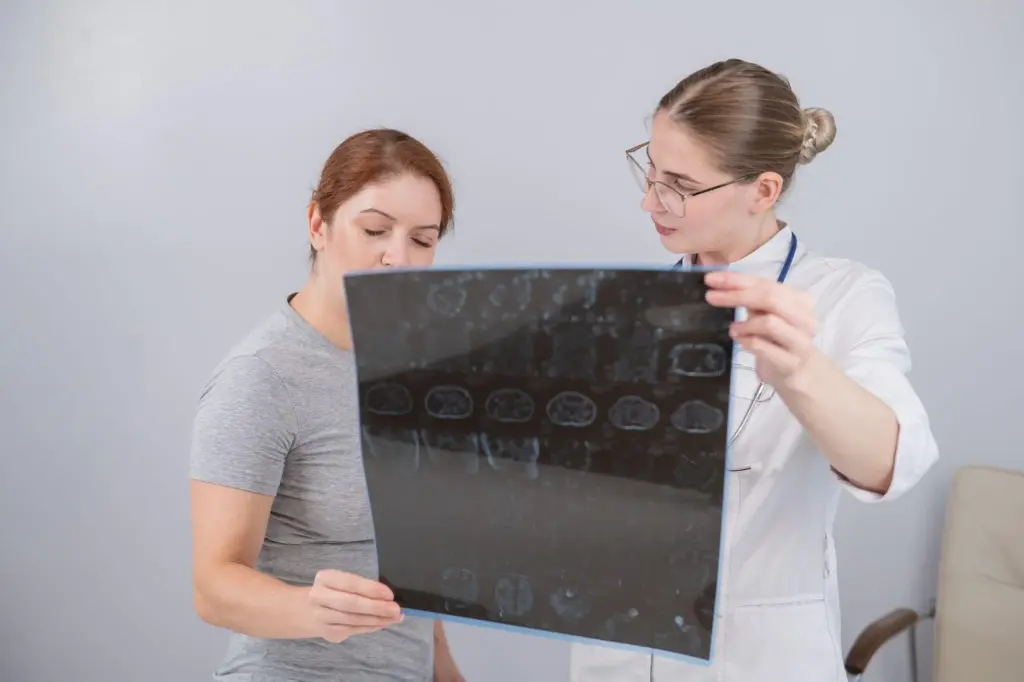
Fibromyalgia is a chronic condition that causes widespread pain and fatigue. It’s hard to diagnose because of its complex nature. We will look into what makes it so challenging.
Definition and Prevalence of Fibromyalgia
Fibromyalgia is a chronic disorder that affects millions worldwide. It causes widespread musculoskeletal pain, fatigue, sleep, memory, and mood issues. The exact prevalence is difficult to determine because of different diagnostic criteria. It’s estimated to affect up to 4 million adults in the United States.
Common Symptoms and Diagnostic Challenges
The symptoms of fibromyalgia include chronic pain, fatigue, cognitive difficulties, and mood disorders. Diagnosing fibromyalgia is challenging because its symptoms are similar to other conditions. There is no specific test for it.
“The lack of a clear biomarker for fibromyalgia makes it a diagnosis of exclusion,” says a leading researcher in the field.
The complexity of fibromyalgia symptoms and the lack of clear diagnostic biomarkers make it hard to diagnose. PET scans have emerged as a tool to understand the neurobiological basis of fibromyalgia. They offer insights into its underlying mechanisms.
Understanding PET Scan Technology
PET scans use a radioactive tracer to show how organs work in real-time. This makes them a key tool for diagnosing complex conditions.
How Positron Emission Tomography Works
PET scans detect energy from a radioactive tracer injected into the body. This tracer goes to areas with high activity, like cancer cells or inflamed tissues. The PET scan machine then captures this energy, creating detailed images of the body’s inside.
Types of Radiotracers Used in Neurological Imaging
There are many radiotracers for PET imaging, each for different biological processes. For the brain, Fluorodeoxyglucose (FDG) checks glucose levels. Other tracers, like translocator protein (TSPO), find neuroinflammation.
Differences Between PET and Other Imaging Techniques
PET scans are different from CT and MRI scans. While CT and MRI show body structure, PET scans show tissue activity. This makes PET scans great for finding and managing cancer and neurological issues.
The Neurobiological Basis of Fibromyalgia
Fibromyalgia is a complex condition with widespread musculoskeletal pain. It’s important to understand its neurobiological basis for effective treatments. We’ll look at how the brain processes pain and the neurochemical changes linked to chronic pain.
Pain Processing Pathways in the Brain
The brain’s pain pathways are key in fibromyalgia. Research shows that fibromyalgia patients have different brain activity patterns. This can make them more sensitive to pain.
PET scans have given us insights into fibromyalgia’s neurobiology. They show changes in brain activity, like in the thalamus and insula. These areas are important for pain processing.
Neurochemical Abnormalities in Chronic Pain
Neurochemical imbalances play a big role in fibromyalgia’s chronic pain. Problems with neurotransmitters like serotonin and dopamine can affect how we feel pain. This can lead to the condition’s symptoms.
A study found that fibromyalgia patients have different neurotransmitter levels. These levels match their pain levels. This suggests that treatments targeting these imbalances could help.
“The neurobiological basis of fibromyalgia involves complex interactions between pain processing pathways and neurochemical abnormalities, showing us where to aim treatments.”
A Neurologist
|
Brain Region |
Function |
Abnormality in Fibromyalgia |
|---|---|---|
|
Thalamus |
Pain signal processing |
Altered glucose metabolism |
|
Insula |
Pain perception |
Increased activity |
|
Anterior Cingulate Cortex |
Emotional processing of pain |
Enhanced connectivity |
Understanding these mechanisms is key to treating fibromyalgia. By focusing on specific pain processing and neurochemical issues, doctors can provide better care. This approach aims to offer more personalized and effective treatments.
How PET Scans Reveal Brain Changes in Fibromyalgia
PET scans are key in finding the brain changes linked to fibromyalgia. They use advanced technology to understand how the condition affects brain function.
Neuroinflammation Patterns
PET scans can spot unusual neuroinflammation in fibromyalgia patients. Research shows increased TSPO binding, which means glial activation. This is a sign of neuroinflammation.
Altered Glucose Metabolism in Key Brain Regions
PET scans also show changes in glucose metabolism in pain areas of the brain. These changes can make pain feel stronger, a big symptom of fibromyalgia. We’re learning how these changes cause chronic pain in fibromyalgia patients.
Translocator Protein (TSPO) Binding as a Biomarker
TSPO binding might be a biomarker for neuroinflammation in fibromyalgia. PET scans show more TSPO binding in fibromyalgia, pointing to neuroinflammation’s role. This is key for finding new treatments.
By studying brain changes with PET scans, we learn more about fibromyalgia. This knowledge helps in finding better ways to diagnose and treat it. As research grows, PET scans will play a bigger part in managing fibromyalgia.
Key Brain Regions Affected in Fibromyalgia
Fibromyalgia changes how the brain handles pain. Studies have found specific brain areas that are affected in people with this condition.
Thalamus and Pain Signal Processing
The thalamus is like a messenger for pain signals. In fibromyalgia, it’s thought to make pain feel stronger. This could be why people with fibromyalgia feel pain more intensely.
Insula and Pain Perception
The insula helps us feel pain and emotions. Research shows it’s too active in fibromyalgia patients. This makes them more sensitive to pain. PET scans can show this increased activity.
Anterior Cingulate Cortex Function
The anterior cingulate cortex (ACC) is also affected in fibromyalgia. It helps with mistakes, conflicts, and motivation. Problems here might add to the pain experience in fibromyalgia.
To sum up, fibromyalgia changes important brain areas like the thalamus, insula, and ACC. Knowing this helps in finding better treatments and tests, like PET scans.
Combining PET Scans with MRI for Enhanced Diagnosis
Researchers are now using PET scans and MRI together to understand fibromyalgia better. This method gives a full view of the brain’s function and structure. It helps in diagnosing the condition more accurately.
Benefits of Multimodal Imaging Approaches
Using PET scans and MRI together has many advantages. PET scans show how active brain areas are, while MRI gives clear images of the brain’s structure. This combination helps doctors link changes in brain function to physical changes, leading to better diagnoses.
Case Studies and Research Findings
Studies have shown the value of combining PET scans and MRI in fibromyalgia research. For example, research found that some brain areas have different glucose levels in fibromyalgia patients. This helps researchers understand the condition’s neurobiological roots.
Practical Applications in Clinical Settings
In clinical settings, using both PET scans and MRI can improve diagnosis and treatment planning. It gives doctors a detailed look at the brain’s function and structure. As research confirms its benefits, this method may become key in managing fibromyalgia.
Landmark Research Studies on PET Imaging in Fibromyalgia
Research studies using PET imaging have greatly improved our understanding of fibromyalgia. They have helped us see how the condition affects the brain.
The 20-Patient Study: Methodology and Findings
A study with 20 patients and 16 controls used PET imaging to look at neuroinflammation in fibromyalgia. It found more neuroinflammation in those with fibromyalgia than in controls. The team used a special tracer to spot these patterns, giving us new insights.
Statistical Significance and Reproducibility
The 20-patient study’s results were very clear, showing a big difference in PET scans between fibromyalgia patients and controls. The study’s findings were also consistent, making them reliable. This is key for using PET imaging as a trusted tool for diagnosing fibromyalgia.
Implications for Diagnostic Criteria
These studies have big implications for how we diagnose fibromyalgia. They help us understand the brain changes and inflammation linked to the condition. This knowledge will help doctors create better diagnostic tests. The cost and availability of PET scans, including pet scan cost, will also be important.
As we learn more about fibromyalgia with PET imaging and other tools, we’re getting closer to better treatments. Combining research studies with clinical practice is key to this progress.
“The use of PET imaging in fibromyalgia research has opened new avenues for understanding this complex condition, potentially leading to better diagnostic and therapeutic strategies.”
This shows why we need to keep researching and investing in PET imaging technology for managing fibromyalgia.
Identifying Fibromyalgia Subgroups Through PET Scan Results
Recent studies have shown that PET scans can help identify distinct subgroups within the fibromyalgia patient population. This breakthrough is key for developing more effective treatment strategies.
Different Neuroinflammation Patterns Among Patients
Research has revealed that fibromyalgia patients show different neuroinflammation patterns. These can be detected using PET scans. These variations in neuroinflammation may explain the diverse range of symptoms patients experience.
Correlation Between Imaging Findings and Symptom Profiles
By correlating PET scan findings with symptom profiles, clinicians can better understand a patient’s condition. This understanding enables healthcare providers to tailor treatments to individual patient needs. This could lead to more effective management of fibromyalgia symptoms.
Implications for Personalized Treatment
The identification of fibromyalgia subgroups through PET scan results has significant implications for personalized treatment approaches. By understanding the specific neuroinflammation patterns and symptom profiles of each subgroup, clinicians can develop targeted treatment plans. These plans address the unique needs of each patient.
The Complete PET Scan Procedure for Patients
The PET scan procedure is a key test for those suspected of having fibromyalgia. Knowing what to expect can make the experience less stressful and smoother.
Preparation Requirements and Restrictions
Before a PET scan, patients must follow certain steps. Preparation is essential for getting accurate results. This includes not eating for a while and avoiding certain medicines or substances.
What to Expect During the Scan
During the scan, patients lie on a table that moves into the scanner. The scan itself is usually painless and lasts from 30 minutes to several hours. It’s important to stay very quiet to get clear images.
Post-Scan Care and Follow-up
After the scan, patients can usually go back to their normal activities. They should watch for any bad reactions to the tracer used in the scan. They will have follow-up meetings to talk about the results and any treatment plans.
PET Scan Machines and Equipment Used in Fibromyalgia Research
PET scan machines, including those with MRI systems, are changing fibromyalgia research. They help researchers understand the brain’s role in fibromyalgia better.
Advanced PET Scanner Technology
New PET scanner tech has made images clearer and more detailed. This is key for spotting small brain activity changes linked to fibromyalgia. Advanced PET scanners can find neuroinflammation and changes in brain sugar use more accurately.
Hybrid PET-MRI Systems
Hybrid PET-MRI systems mix PET’s brain activity views with MRI’s detailed body images. They’re mainly for cancer but also help in fibromyalgia research. They offer deep insights into brain structure and function.
Resolution and Sensitivity Considerations
The quality of PET scan images is vital in fibromyalgia studies. Better resolution lets researchers see smaller brain details. Higher sensitivity helps spot tiny changes in brain chemicals. Here’s a comparison of different PET scan machines:
|
PET Scan Machine |
Resolution |
Sensitivity |
|---|---|---|
|
Machine A |
High |
Very High |
|
Machine B |
Medium |
High |
|
Machine C |
Low |
Medium |
Cost, Insurance Coverage, and Accessibility of PET Scans
For those with fibromyalgia, knowing the cost and insurance for PET scans is key. The cost of a PET scan can be high. Several things affect the total cost.
Average Costs of Neurological PET Imaging
The price of a PET scan changes based on location, technology, and where it’s done. On average, it can cost between $1,000 to $3,000 or more per scan.
Insurance Coverage for Fibromyalgia-Related Imaging
Insurance for PET scans for fibromyalgia diagnosis varies. It’s important for patients to check with their insurance to know what’s covered and what they’ll have to pay out of pocket.
Finding Specialized Imaging Centers
Patients can find specialized imaging centers by asking their healthcare provider or looking online for accredited ones. It’s important to make sure the center is accredited and has experience with PET scans for fibromyalgia.
Conclusion: The Future of PET Scanning in Fibromyalgia Management
PET scanning is becoming more important in managing fibromyalgia. It helps find different types of fibromyalgia, leading to better treatments. PET scans show how the brain changes in fibromyalgia, helping doctors create personalized plans.
The role of PET scanning in fibromyalgia is set to grow. It will help in diagnosing, tracking treatments, and studying the condition. As technology improves, we’ll see better ways to diagnose and treat fibromyalgia.
Research and PET imaging are getting better, helping us understand fibromyalgia better. This will lead to better treatments and a better life for those with fibromyalgia.
FAQ
What is a PET scan, and how does it work?
A PET (Positron Emission Tomography) scan is a way to see how tissues work. It uses a tiny bit of radioactive tracer. This tracer is injected into the body and absorbed by cells.
The PET scanner catches the radiation from the tracer. This shows how active the cells are. It helps doctors see what’s going on inside the body.
Can a PET scan directly diagnose fibromyalgia?
No, a PET scan can’t directly say you have fibromyalgia. But, it can show changes in the brain. These changes might be linked to fibromyalgia.
What are the common symptoms of fibromyalgia?
Fibromyalgia symptoms include muscle pain all over, feeling very tired, trouble sleeping, and brain fog. These symptoms make it hard to figure out if someone has fibromyalgia.
How does PET scan technology differ from other imaging techniques like CT and MRI scans?
PET scans show how tissues work, unlike CT and MRI scans which show structure. PET scans are great for seeing brain activity and inflammation.
What is the role of radiotracers in PET scans?
Radiotracers are special chemicals in PET scans. They help see how tissues work. Different ones can show different things, like how cells use sugar or inflammation.
How do PET scans reveal brain changes in fibromyalgia?
PET scans can show brain changes in fibromyalgia. They look at how cells use sugar, inflammation, and other signs. This helps understand the condition better.
What are the key brain regions affected in fibromyalgia?
In fibromyalgia, important brain areas get affected. These include the thalamus, insula, and anterior cingulate cortex. They help with pain and other brain functions.
What are the benefits of combining PET scans with MRI?
Using PET scans with MRI gives a better look at fibromyalgia. It shows both brain structure and function. This helps doctors understand the condition more fully.
How can PET scan results be used to identify fibromyalgia subgroups?
PET scan results can help find different types of fibromyalgia. They look at inflammation and other signs. This helps doctors tailor treatments for each patient.
What is the complete PET scan procedure for patients?
The PET scan process starts with getting ready, like not eating before. Then, a radiotracer is injected, and the scan is done. After, patients need to follow care instructions.
How much does a PET scan cost, and is it covered by insurance?
PET scan costs vary by location and type. Insurance coverage also changes. Patients should check with their insurance to see if it covers fibromyalgia scans.
What is the future of PET scanning in fibromyalgia management?
The future of PET scans in fibromyalgia looks good. Research is ongoing to improve diagnosis and treatment. As research grows, PET scans will likely become more important in managing fibromyalgia.
References
- Nature: https://www.nature.com/articles/s41598-024-74418-0
- Fibromyalgia News Today: https://fibromyalgianewstoday.com/2018/10/11/brain-inflammation-imaged-first-time-fibromyalgia-patients-study/
- PMC: https://pmc.ncbi.nlm.nih.gov/articles/PMC12194720/
- PubMed: https://pubmed.ncbi.nlm.nih.gov/40565912/
- ScienceDaily: https://www.sciencedaily.com/releases/2018/09/180910111631.htm