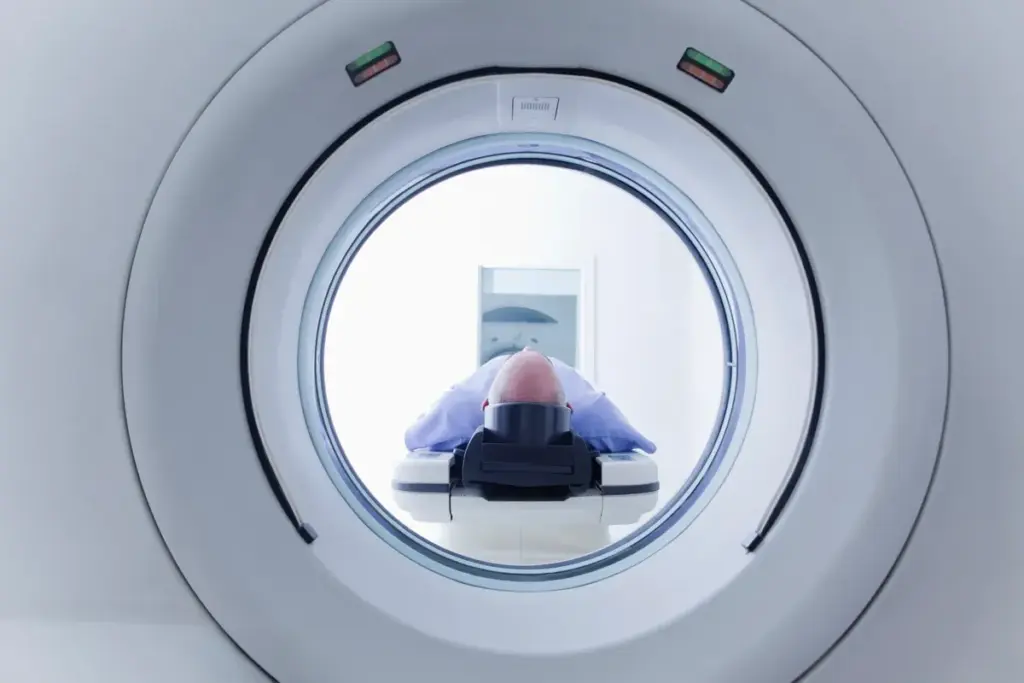
Positron Emission Tomography (PET) has significantly transformed cancer diagnosis. This tool is great for finding and managing different cancers. It works well for tumors that are very active.
PET scans can spot tumors in the lung, breast, colon, lymphoma, melanoma, and some head and neck cancers. New tech in PET scans has made finding cancer better. Studies show PET/CT scans can find up to 93% of cancers in people who don’t show symptoms.
Places like livhospital.com are using PET scans to help patients more. They follow strict rules and work together to get better results. This helps doctors make better plans to fight cancer.
Key Takeaways
- PET scans are key in fighting cancer by finding and managing it.
- They work best for tumors that are very active.
- New tech has made finding cancer much better.
- PET/CT scans can find up to 93% of cancers.
- Hospitals are using strict rules to help patients more.
The Fundamentals of PET Scan Technology
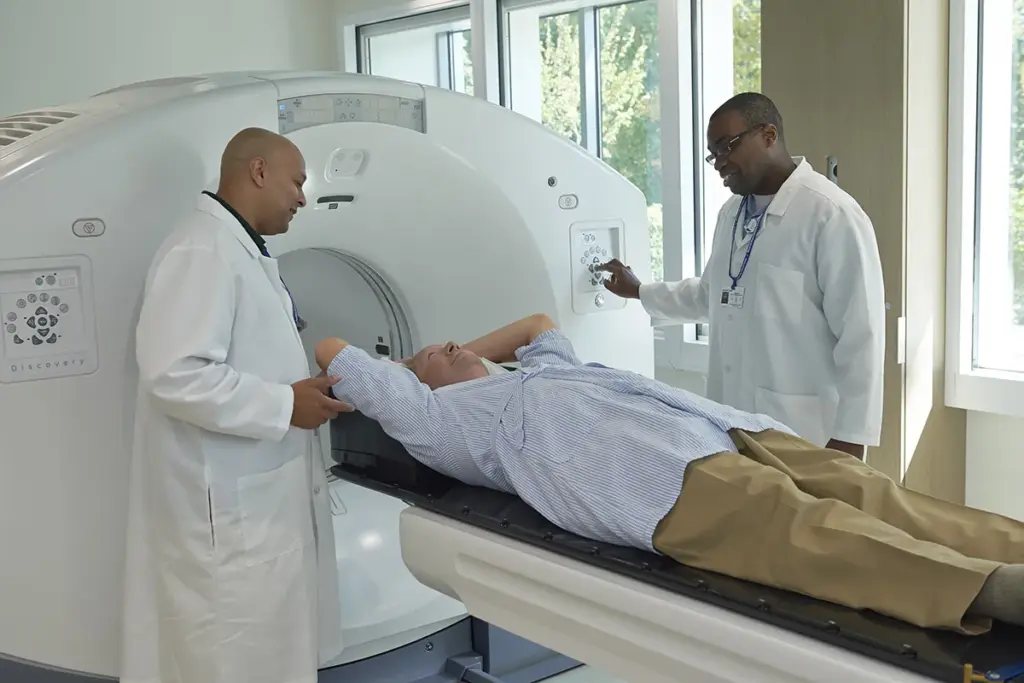
PET scan technology is at the core of nuclear medicine. It’s a key tool for diagnosing and managing cancers. PET scans use small amounts of radioactive tracers to show how active cells are in the body. This gives doctors valuable insights into diseases like cancer.
What is a Positron Emission Tomography Scan?
A PET scan is a special imaging test. It shows how well your tissues and organs work. It uses a radioactive drug to highlight activity.
PET scans are often used for cancer diagnosis and management. They help spot cancerous tissues by showing their metabolic activity.
PET scans involve the use of a tracer that is injected into the body. This tracer goes to areas with high activity, like cancer cells. It allows for detailed images of the body’s inner workings.
Basic Principles of Nuclear Medicine Imaging
Nuclear medicine imaging, like PET scans, uses small amounts of radioactive materials. It helps diagnose and treat diseases, including many cancers.
“The development of new tracers and technologies continues to enhance the capabilities of PET scans in oncology.”
The most used tracer in PET scans is FDG (Fluorodeoxyglucose). It’s a glucose analog that cells take up based on their metabolic rate. Cancer cells, with their high metabolic rates, take up more FDG. This makes them visible on PET scan images.
How PET Scans Work in Cancer Detection
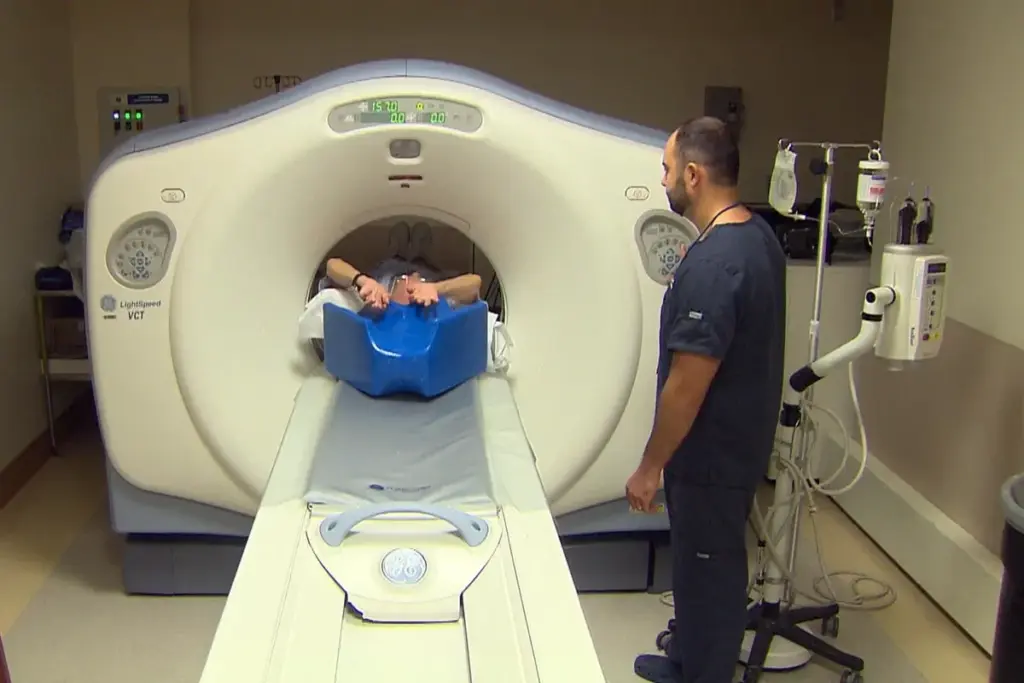
PET scans can spot cancer because they show how cells work. Cancer cells use more energy than normal cells. This makes them stand out on PET scans.
Metabolic Activity and Cancer Cell Identification
Cancer cells burn glucose faster than normal cells. This lets PET scans find cancer by showing where glucose is used a lot. They use a special tracer, Fluorodeoxyglucose (FDG), to do this.
Here’s what helps PET scans find cancer cells:
- High glucose use in cancer cells
- FDG builds up in active areas
- PET scans show where this happens
The Role of FDG (Fluorodeoxyglucose) in Imaging
FDG acts like glucose and gets taken up by cells. Cancer cells, being more active, take up more FDG. This makes them show up on PET scans.
This helps doctors:
- Find main tumors
- Spot cancer that has spread
- See how well treatments are working
Other tracers, like PSMA-targeted agents, are used for certain cancers. For example, PYLARIFY is great for finding prostate cancer.
PET scans have changed how we fight cancer. They help find cancer early and treat it right away. Knowing how PET scans work and the role of tracers like FDG helps doctors do a better job.
The Complete PET Scan Procedure for Oncology Patients
A PET scan is a detailed imaging method that checks cancer cells’ activity in the body. It’s key for cancer patients. It helps see how far cancer has spread, check if treatment is working, and spot cancer coming back.
Pre-Scan Preparation Requirements
Before a PET scan, cancer patients need to prepare carefully. Fasting for several hours is often needed. This helps lower blood sugar, which can mess with the scan’s accuracy.
They should also avoid strenuous exercise and some medicines. These can change the scan’s results.
The Scanning Process Step-by-Step
The PET scan process starts with lying on a table that slides into a scanner. The scan lasts about 30 minutes to an hour. The scanner catches the radiation from the tracer, showing the body’s metabolic activity.
Patients must stay very quiet and might need to hold their breath. This helps get clear images.
Post-Scan Recovery and Results Timeline
After the scan, patients can usually go back to their normal day right away. The tracer leaves the body in a few hours.
The scan results come in a few days. But this time can change based on the facility and patient needs. The doctor will talk about the results and what’s next in treatment.
Lung Cancer Detection Using PET Scan Imaging
PET scans are key in finding lung cancer early. Lung cancer is a big killer worldwide. Finding it early can save lives.
PET scans are important for lung cancer diagnosis. They show how active cancer cells are. Cancer cells use more energy than normal cells.
Non-Small Cell Lung Cancer: 76% Staging Accuracy
Most lung cancers are non-small cell lung cancer (NSCLC). PET scans are very accurate in staging NSCLC, with a 76% accuracy rate. This helps doctors know how far the cancer has spread.
Accurate staging is key for choosing the right treatment. This could be surgery, chemo, or radiation. PET scans help find the best treatment for each patient.
Small Cell Lung Cancer Visibility Factors
Small cell lung cancer (SCLC) is aggressive and spreads fast. PET scans can spot SCLC because it uses a lot of energy. How well SCLC shows up on PET scans depends on its energy use and if it has dead cells.
PET scans are great for checking how far SCLC has spread and if treatment is working. They help doctors make better decisions for SCLC patients.
Breast Cancer Visualization on PET Scans
PET scans have changed how we detect and treat breast cancer. They are not used for the first diagnosis but are key for seeing how far the disease has spread. They also help track how well treatments are working.
Primary Breast Cancer Detection Capabilities
PET scans can spot primary breast cancer by showing where cells are most active. FDG (Fluorodeoxyglucose), a special tracer, lights up cancer cells. This makes them stand out during the scan.
This is very helpful for tumors that are hard to see with regular images. The ability of PET scans to find primary breast cancer depends on the tumor’s size and type. Scientists are working to make PET scans even better at catching cancer early.
Metastatic Disease Assessment
PET scans are great for checking if cancer has spread. They show where cancer has gone in the body. This helps doctors plan the best treatment, like surgery, chemo, or radiation.
Metastatic breast cancer is tough to handle, but PET scans help a lot. They give doctors a clear picture of how far the cancer has spread. This leads to treatments that are more tailored and effective, helping patients more.
As research goes on, PET scans will play an even bigger part in fighting breast cancer. New tracers and methods are being tested. They promise to make diagnosing and treating breast cancer even better in the future.
Colorectal Cancer and PET Scan Effectiveness
PET scans are key in fighting colorectal cancer. They help doctors find and track the disease. This is important for spotting when cancer comes back and seeing if treatments are working.
Primary Tumor Identification Rates
PET scans are great at finding the main tumor in colorectal cancer. They work well when other tests can’t. This is because cancer cells in the tumor are very active and take up the PET scan’s tracer.
Key benefits of PET scans in primary tumor identification include:
- High sensitivity for detecting metabolically active tumors
- Ability to assess the extent of disease spread
- Guiding biopsy decisions and treatment planning
Recurrence Monitoring After Treatment
PET scans are also top-notch for watching for cancer return after treatment. They’re super good at finding cancer again, even when other signs are unclear. This is because they can spot changes in the body before they show up in other ways.
The effectiveness of PET scans in recurrence monitoring can be attributed to several factors:
- The ability to detect metabolic changes indicative of recurrence before anatomical changes are apparent
- High accuracy in distinguishing between scar tissue and recurrent tumor
- Guiding clinical decision-making regarding the need for additional treatment
Using PET scans helps doctors manage colorectal cancer better. This leads to better care and outcomes for patients. It’s all about catching cancer early and making smart treatment choices.
Lymphoma Diagnosis and Staging with PET Scans
PET scans are key in diagnosing and staging lymphoma. Lymphoma is a cancer that starts in lymphocytes. It’s mainly divided into Hodgkin and non-Hodgkin lymphoma. Knowing the type and stage is vital for treatment and predicting how well a patient will do.
PET scans are great for managing lymphoma. They show how active cancer cells are. This is important because cancer cells use more energy than normal cells.
High Metabolic Activity Visibility in Hodgkin Lymphoma
Hodgkin lymphoma has cells called Reed-Sternberg that use a lot of energy. PET scans can spot these cells because they take up more glucose. This helps doctors see how far the disease has spread.
PET scans are very good at finding Hodgkin lymphoma. They help doctors know how much cancer is there and how well treatment is working. This helps decide what to do next.
Detection Patterns in Non-Hodgkin Lymphoma
Non-Hodgkin lymphoma is more varied than Hodgkin. It can have different energy levels. Some types are easy to see with PET scans, but others might be harder.
Even with challenges, PET scans are essential for non-Hodgkin lymphoma. They give important information on how much cancer is there. This helps doctors make better decisions.
In summary, PET scans are very important for diagnosing and staging lymphoma. They help doctors understand how active the cancer is. This helps tailor treatments to each patient, leading to better results.
Melanoma Detection Capabilities of PET Scans
PET scans are key in finding and understanding melanoma, a serious skin cancer. They can spot both the main cancer and any spread. This makes them very important in fighting cancer.
Primary vs. Metastatic Melanoma Visualization
Seeing primary melanoma and its spread is vital for treatment. PET scans use FDG (Fluorodeoxyglucose) to find active cancer cells. This helps find cancer that has spread to other parts of the body.
A study showed PET scans are great at finding cancer spread. This helps doctors plan the best treatment.
|
Melanoma Type |
PET Scan Detection Rate |
Clinical Utility |
|---|---|---|
|
Primary Melanoma |
80% |
Initial staging and treatment planning |
|
Metastatic Melanoma |
90% |
Assessment of disease spread and monitoring response to treatment |
Sentinel Node Identification Benefits
Finding the sentinel node is a big step in melanoma care. It’s the first lymph node cancer cells reach. PET scans help find this node, guiding treatment choices.
Identifying the sentinel node helps stage cancer more accurately. It can also avoid unnecessary surgery, reducing risks.
Head and Neck Cancers on PET Scan Images
Head and neck cancers need precise diagnostic tools. PET scans are key in managing them. They provide vital information for staging, treatment planning, and monitoring.
Primary Tumor Characterization
PET scans are key in characterizing primary tumors in the head and neck. They assess the tumor’s metabolic activity, which shows its aggressiveness. The use of FDG (Fluorodeoxyglucose) helps visualize tumors based on their glucose metabolism.
Characterizing primary tumors involves looking at their size, location, and metabolic activity. This info is essential for planning surgery or radiation therapy. Accurate tumor characterization helps healthcare providers tailor treatment plans.
|
Tumor Characteristic |
Importance in Treatment Planning |
|---|---|
|
Size |
Determines the extent of surgery or radiation required |
|
Location |
Affects the surgical approach or radiation field |
|
Metabolic Activity |
Influences the choice of treatment and prognosis |
Lymph Node Involvement Assessment
Assessing lymph node involvement is key in staging head and neck cancers. PET scans are great at spotting metabolically active lymph nodes, which may be involved in cancer. This info is vital for understanding disease spread and planning treatment.
Assessing lymph node involvement means checking for cancer cells in lymph nodes. PET scans spot nodes with high metabolic activity, which may indicate cancer. This helps decide on neck dissection or radiation therapy.
Post-Treatment Surveillance Protocols
After treatment, PET scans are vital for surveillance in head and neck cancers. They detect metabolic changes that may signal recurrence before anatomical changes appear. Regular PET scans help catch recurrence early.
Post-treatment surveillance uses PET scans at set intervals after treatment. This is key for catching recurrence or metastasis early, when they’re easier to manage.
- PET scans are used for initial staging and treatment planning.
- They help in assessing response to treatment.
- Regular PET scans are part of post-treatment surveillance.
Cervical Cancer Recurrence Identification
PET scans are very good at finding cervical cancer that comes back. They are great for spotting recurrence in patients with signs or rising tumor markers.
80-100% Sensitivity in Post-Treatment Monitoring
PET scans can spot cervical cancer recurrence with 80-100% accuracy. This means most cases of recurrence are caught early. Early detection is key for effective treatment.
PET scans work well because they can see changes in cancer cells. They find recurrence before big changes show up in the body.
Key benefits of PET scans in cervical cancer recurrence detection include:
- High sensitivity for detecting recurrence
- Early detection of metabolic changes
- Improved accuracy compared to conventional imaging methods in many cases
Comparison with Conventional Imaging Methods
PET scans are better than CT and MRI for finding cervical cancer recurrence. CT and MRI show body structure, but PET scans show how tissues work.
This shows PET scans are a key part of diagnosis. They work best when used with other imaging methods. This way, doctors get a full picture of the disease.
- PET scans provide metabolic information that can precede anatomical changes.
- Conventional imaging methods offer detailed anatomical information.
- Combining PET scans with other modalities enhances diagnostic accuracy.
In summary, PET scans are essential for finding cervical cancer recurrence. They offer detailed metabolic information that helps with diagnosis.
Prostate Cancer and Specialized PET Scan Approaches
New PET scan technologies have changed how we find prostate cancer, even when it comes back. Prostate cancer is a big problem for men, and finding it early is key to treating it well.
Limitations of Standard FDG-PET Imaging
Standard FDG-PET scans don’t always find prostate cancer. This is because prostate cancer cells don’t always use a lot of glucose. So, we need better ways to find it.
FDG-PET scans can miss some prostate cancers because they don’t take up much glucose. This makes finding prostate cancer harder. So, we’re looking for new ways to spot it.
PSMA-PET: Improving Detection in Recurrence
PSMA-PET is a big step forward in finding prostate cancer that comes back. PSMA is a protein that prostate cancer cells make a lot of. This makes PSMA-PET very good at finding these cells.
PSMA-PET helps find prostate cancer early, which can lead to better treatment. It’s better than old ways of looking for cancer because it can find it even when PSA levels are low.
Key benefits of PSMA-PET include:
- High sensitivity and specificity for detecting prostate cancer recurrence
- Ability to detect recurrence at low PSA levels
- Improved accuracy compared to conventional imaging methods
As we learn more, PSMA-PET will likely play an even bigger role in fighting prostate cancer. It could lead to more tailored treatments for each patient.
Neuroendocrine Tumors and Gallium-68 PET Imaging
Gallium-68 DOTATATE PET scans are key in diagnosing and planning treatment for neuroendocrine tumors.
Neuroendocrine tumors (NETs) come from neuroendocrine cells all over the body. These cells can turn into tumors in places like the pancreas, small intestine, and lung. Thanks to Gallium-68 PET imaging, diagnosing and treating NETs has gotten much better.
Gallium-68 DOTATATE: Specialized Tracer Benefits
Gallium-68 DOTATATE is a special tracer for PET scans. It’s great for finding neuroendocrine tumors because it sticks to them well. The benefits include:
- High sensitivity for detecting primary and metastatic NETs
- Improved accuracy in staging and restaging
- Guidance for surgical and radiotherapeutic interventions
- Monitoring of treatment response
Gallium-68 DOTATATE PET scans have changed how we manage neuroendocrine tumors. They give us detailed info on where and how big the tumors are.
Detection Rates Compared to Conventional Imaging
Research shows Gallium-68 DOTATATE PET scans beat traditional imaging for finding NETs. They find more tumors, even the small ones in hard-to-reach spots.
|
Imaging Modality |
Detection Rate |
|---|---|
|
Gallium-68 DOTATATE PET |
80-90% |
|
Conventional Imaging (CT/MRI) |
50-70% |
With Gallium-68 DOTATATE PET scans, doctors can stage tumors more accurately. This leads to better treatment plans for patients.
PET Scan Limitations in Cancer Detection
PET scans are useful but have their limits in finding cancer. Knowing these limits is key for correct diagnosis and treatment.
Cancer Types with Low Metabolic Activity
PET scans work by spotting high metabolic activity in cancer. But, some cancers don’t show up well because they don’t take up much glucose. This includes some prostate and breast cancers.
“The sensitivity of PET scans can be limited in tumors with low metabolic rates,” experts say. This shows we need other imaging methods too.
False Positive Scenarios: Inflammation and Infection
PET scans can sometimes mistake inflammation or infection for cancer. This can cause worry and extra tests. Things like granulomatous diseases or abscesses can lead to false positives.
Doctors must look at the whole picture when reading PET scans. This helps avoid false positives.
Patient-Related Factors Affecting Scan Quality
Many things about the patient can affect PET scan results. Diabetes can change how glucose is used, for example. Also, moving during the scan can blur the images.
Getting ready for the scan is important. Patients often have to fast and their blood sugar is checked.
In summary, PET scans are great for finding cancer, but we must know their limits. This helps us make better diagnoses and treatments.
Hybrid Imaging: PET/CT and PET/MRI in Oncology
In oncology, hybrid imaging like PET/CT and PET/MRI is key for precise diagnosis and treatment planning. These advanced techniques mix PET’s functional info with CT or MRI’s detailed anatomy. This gives a deeper look into cancer biology.
Hybrid imaging shows its worth with high detection rates and positive predictive values. It combines different imaging types to give a clearer view of tumor extent and metastatic disease.
93% Detection Rate of Proven Malignancies
Studies show PET/CT’s high detection rate of proven malignancies. It’s a valuable tool in cancer diagnosis. The mix of PET and CT offers both metabolic and anatomical info, boosting cancer detection’s sensitivity and specificity.
85% Positive Predictive Value in Suspected Cancer
In suspected cancer cases, hybrid imaging has an 85% positive predictive value. This shows its reliability in spotting malignant conditions. It’s key for making treatment decisions and deciding on further tests.
Hybrid imaging in oncology marks a big step forward in cancer diagnosis and management. It uses the best of different imaging types. This helps clinicians make more accurate and detailed assessments, leading to better patient outcomes.
Emerging Innovations in PET Scan Cancer Detection
The future of cancer detection is changing with new PET scan technology. These updates will make cancer diagnosis more accurate and effective.
Next-Generation Radioactive Tracers
New radioactive tracers are being developed. They are more specific to certain cancer cells. This makes PET scans better at finding cancer.
For example, is good at finding neuroendocrine tumors. It shows how these tracers are improving.
Creating these tracers is a complex task. Scientists are working on tracers that target cancer biomarkers. This will lead to more accurate imaging and diagnosis.
Key benefits of next-generation tracers include:
- Improved detection rates for specific cancer types
- Enhanced specificity, reducing false positives
- Better characterization of tumor biology
Artificial Intelligence Integration in Image Analysis
Artificial intelligence (AI) is being used in PET scan image analysis. AI helps radiologists by pointing out important areas and analyzing tumors. It can even predict patient outcomes.
AI can process a lot of data fast and accurately. This makes interpreting PET scans quicker and more accurate. Studies show AI-assisted analysis leads to better results.
Improved Sensitivity and Specificity Research
Research is ongoing to make PET scans better at finding cancer. This includes new tracers and better scanner technology. It also involves improving how images are made.
By making PET scans more sensitive and specific, doctors can find cancer early. They can also see how well treatments are working. This leads to better treatment plans and outcomes for patients.
Some key research areas include:
- Creating tracers that stick to cancer cells better
- Improving scanner hardware for clearer images
- Developing new ways to make images with less noise
Conclusion
PET scans have changed how we find and manage cancer. They show where cancer cells are active, helping doctors catch it early. This makes it easier to know how far the cancer has spread and if treatments are working.
PET scans work for many types of cancer. They help doctors understand lung, breast, and other cancers better. As science moves forward, PET scans will play an even bigger role in fighting cancer.
New technologies like better tracers and AI are making PET scans even more useful. These updates will help doctors find cancer more accurately. This means better care for patients and treatments that fit their needs better.
As technology keeps improving, PET scans will become even more important in cancer care. They are key in the fight against cancer, helping doctors save lives.
FAQ
What is a PET scan, and how does it work in cancer detection?
A PET scan uses a radioactive tracer to find cancer cells. It detects the radiation from the tracer. This helps spot tumors because cancer cells use more glucose.
What types of cancer can be detected using a PET scan?
PET scans can find many cancers. This includes lung, breast, and colorectal cancers. They also work for lymphoma, melanoma, and some head and neck cancers.
How is a PET scan performed, and what are the preparation requirements?
To get a PET scan, you lie on a table that moves through a scanner. You need to fast for hours before. Also, avoid hard activities beforehand.
What is the role of FDG (Fluorodeoxyglucose) in PET scan imaging?
FDG is a glucose-like substance. It helps show cancer cells because they use more glucose than normal cells.
Can PET scans detect cancer recurrence, and how accurate are they?
Yes, PET scans can find cancer that comes back. They’re good for patients with rising tumor markers. But, their accuracy depends on the cancer type.
What are the limitations of PET scans in cancer detection?
PET scans can’t find all cancers. They might show false positives from inflammation or infection. Also, scan quality can be affected by patient factors.
How do PET scans compare to other imaging modalities like CT and MRI?
PET scans work better when combined with CT and MRI. This gives more detailed information. It helps find and predict cancer better.
What are the emerging innovations in PET scan technology?
New tracers and artificial intelligence are changing PET scans. For example, PSMA-targeted agents for prostate cancer. These advancements will improve cancer detection.
How long does a PET scan take, and what is the typical cost?
A PET scan can take 30 minutes to several hours. The cost varies by location and scan type.
What are the benefits of using PET/CT scans in oncology?
PET/CT scans are very effective. They can find up to 93% of cancers in people without symptoms. They have a positive predictive value of 85% for suspected cancer.
References
- National Center for Biotechnology Information (NCBI). PET imaging in oncology: detection and applications. https://pmc.ncbi.nlm.nih.gov/articles/PMC6984113/