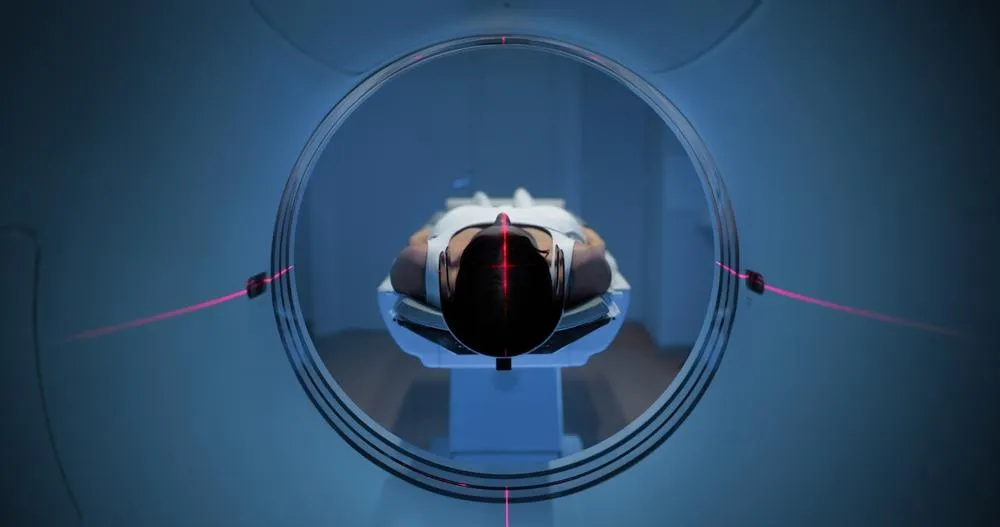
Cancer cells show up on a positron emission tomography (PET) scan because they use more energy. This technology uses special tracers to find these cells. It spots areas where more of these tracers are taken in.
Cancer cells use more energy than normal cells, making them easy to spot on PET scans. This technology aids doctors in early cancer detection and provides a clear mapping of the disease. Studies have shown that FDG-PET/CT scans are great at finding cancer cells. This leads to better care for patients.
Key Takeaways
- Cancer cells appear as areas of increased uptake on PET scans due to their accelerated metabolism.
- PET scans enable early detection and precise disease mapping.
- Advanced imaging technology improves patient outcomes.
- FDG-PET/CT scans are effective in detecting cancer cells.
- PET scans highlight areas of increased uptake of radioactive tracers.
The Science Behind PET Scan Technology
PET scans use nuclear medicine to see how cells in the body work. They are key in finding and tracking cancer.
Basic Principles of Nuclear Medicine Imaging
Nuclear medicine uses tiny amounts of radioactive materials. It helps diagnose and treat diseases like cancer and heart issues.
“Nuclear medicine shows how the body works, not just its shape,” experts say. This is why it’s great for finding cancer, which changes how cells use energy.
How Positron Emission Tomography Works
PET scans find pairs of gamma rays from a special molecule inside the body. This molecule is linked to a radioactive tracer.
PET scans are good at finding cancer because they spot areas where cells use a lot of sugar. Cancer cells use more sugar than normal cells, a fact known as the Warburg effect.
Evolution of PET Scanning Technology
PET scanning has gotten better over time. New materials, computer programs, and hybrid systems like PET/CT have improved it. These changes make PET scans more accurate and useful in fighting cancer.
Combining PET with other imaging methods gives doctors more information at once. This makes diagnosing diseases faster and helps patients more.
Understanding Cancer Cell Metabolism
It’s key to know how cancer cells change their metabolism to spot tumors with PET scans. Cancer cells have different metabolic patterns than healthy cells. This difference is vital for diagnosing and treating cancer.
The Warburg Effect: Why Cancer Cells Consume More Glucose
Cancer cells use more glucose than normal cells, a fact known as the Warburg effect. They prefer glycolysis, even with oxygen, which boosts glucose uptake.
The Warburg effect is a key reason PET scans can find cancer cells. Cancer cells take up more of the radioactive glucose tracer. This makes them stand out from healthy cells.
Metabolic Differences Between Cancer and Normal Cells
Cancer cells don’t just use more glucose. They also change how they metabolize lipids and amino acids. These changes can help diagnose cancer.
These metabolic shifts are not random. They’re often caused by specific genetic mutations in cancer cells. Knowing these changes can help predict how aggressive the cancer is and how it might respond to treatment.
How Metabolic Changes Create Visibility on Imaging
The metabolic changes in cancer cells, like increased glucose uptake, help PET scans spot tumors. PET scans show areas of high metabolic activity. This helps identify cancerous tissues and separate them from healthy ones.
Seeing cancer cells through their metabolic profile has changed how we diagnose and stage cancer. It leads to more accurate and tailored treatment plans.
What is a PET Scan and How It Detects Cancer
A PET scan is a high-tech tool that finds cancer by showing how cells work differently. It’s very important in fighting cancer.
Definition and Basic Functionality
A PET scan uses a special sugar molecule to find cancer. Cancer cells use more sugar than normal cells. This makes them show up on PET scans.
To do a PET scan, a tiny bit of radioactive sugar is given to the patient. This sugar goes to areas where cells are very active, like cancer. The PET scanner picks up signals from this sugar, making detailed pictures of the body’s activity.
The Role of PET Scans in Cancer Detection
PET scans are key in finding cancer, seeing how far it has spread, and checking if treatments work. They’re great at spotting cancer cells that other scans might miss.
- Detecting cancer at an early stage
- Identifying the spread of cancer to lymph nodes or other parts of the body
- Monitoring the response of cancer to treatment
- Detecting cancer recurrence
Advantages Over Conventional Imaging Methods
PET scans have big advantages over CT scans and MRI. While CT and MRI show body parts well, PET scans show how tissues work.
Some key benefits include:
- Early Detection: PET scans can spot cancer early by showing metabolic changes.
- Metabolic Information: They give important info on tumor activity, helping judge cancer’s severity.
- Treatment Monitoring: PET scans are great at checking how cancer responds to treatment.
Comparing PET scans to CT scans, PET scans give a unique look at tissue metabolism. This metabolic info is key in managing cancer well.
Radiotracers Used in PET Scans
Radiotracers are key in PET scan technology. They help find different cancers. These compounds go to areas with lots of activity, like cancer cells, making them show up on scans.
Fluorodeoxyglucose (FDG): The Primary Cancer Tracer
Fluorodeoxyglucose (FDG) is the top choice for PET scans in cancer. It’s like sugar that cancer cells grab more of because they’re busier. This makes cancer cells show up clearly on scans.
- FDG works well for finding cancers that use a lot of sugar.
- It’s great for spotting and checking how far cancer has spread, in cancers like lymphoma and melanoma.
- It helps see how cancer is growing and how well treatments are working.
Other Specialized Radiotracers for Specific Cancers
While FDG is good for many cancers, other tracers target specific cancers. For example:
- Fluorothymidine (FLT) shows how fast cells are growing, helping figure out how aggressive a tumor is.
- Fluorodihydrotestosterone (FDHT) helps find prostate cancer because it sticks to androgen receptors.
- Carbon-11 choline and Fluorocholine are used to spot when prostate cancer comes back.
These special tracers make PET scans even better. They help doctors diagnose and plan treatments more accurately for cancer patients.
How Radiotracers Target Cancer Cells
Radiotracers are made to find cancer cells by their activity or receptors. They stick to or get taken in by cancer cells. This makes them visible on PET scans, helping doctors find and track cancer better.
The creation and use of many radiotracers have made PET scans much better for finding cancer. They are a strong tool in the battle against cancer.
The Complete PET Scan Procedure
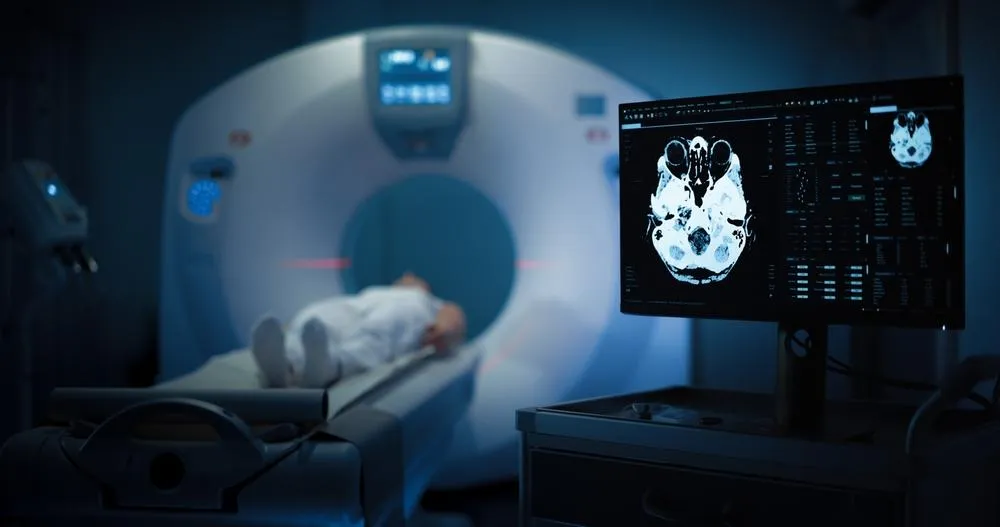
The PET scan procedure has several steps. These include preparation, radiotracer injection, and scanning. Knowing each step helps patients understand what to expect and how to prepare.
Patient Preparation Requirements
Before a PET scan, patients must follow certain guidelines. Fasting for a certain period is often needed to lower blood sugar. This helps the radiotracer work better. Patients should also avoid strenuous exercise and wear clothes without metal.
Here’s a detailed list of what patients need to do:
- Avoid food and drink for 4-6 hours before the scan
- Limit sugar intake for 24 hours before the scan
- Tell the doctor about any medications, allergies, or medical conditions
- Arrive early to complete paperwork
Radiotracer Injection and Uptake Period
After preparation, patients get an injection of the radiotracer, usually Fluorodeoxyglucose (FDG). This substance goes to areas with high activity, like cancer cells. The body absorbs the radiotracer during this time.
Patients are asked to rest quietly. This helps avoid movement and false positives.
|
Activity |
Recommended Action |
|---|---|
|
Eating/Drinking |
Avoid for 4-6 hours before scan |
|
Exercise |
Avoid strenuous exercise before scan |
|
Clothing |
Wear comfortable, metal-free clothing |
The Scanning Process
The scanning part involves lying on a table that slides into a large scanner. The machine captures signals from the radiotracer. This creates detailed images of the body’s activity.
The scanning takes about 30-60 minutes. Patients must stay very quiet to get clear images. The PET scan is painless, and patients can usually go back to normal activities right after.
Visual Characteristics of Cancer on PET Scans
Understanding how cancer shows up on PET scans is key for accurate diagnosis and treatment planning. PET scans show the metabolic activity of cancer cells. This is vital for spotting and staging cancer.
How Malignant Lesions Appear
Malignant lesions show up as bright spots on PET scans because of their high metabolic rate. This is seen as fluorodeoxyglucose (FDG) uptake. The brightness can change based on the cancer’s type and how aggressive it is.
For instance, aggressive tumors tend to have higher FDG uptake compared to less aggressive ones. The look of malignant lesions on PET scans can also change based on the tumor’s size, location, and the tissue around it.
Standardized Uptake Values (SUV) Explained
The Standardized Uptake Value (SUV) measures FDG uptake in tissues. It helps tell if a lesion is malignant or benign. A higher SUV usually means a tumor is more likely to be cancerous, but some benign conditions can also have high SUV values.
- SUV is calculated by measuring the activity in the region of interest (ROI) and normalizing it to the injected dose and patient body weight.
- An SUV threshold is often used to help differentiate between benign and malignant lesions, though this threshold can vary depending on the institution and specific clinical context.
Differentiating Between Cancer and Inflammatory Conditions
One challenge in reading PET scans is telling cancer apart from inflammation, as both can show increased FDG uptake. It often takes clinical correlation and extra imaging to make a correct diagnosis.
Some key factors that help tell cancer from inflammation include:
- The pattern of FDG uptake: Cancer tends to have a more focal uptake, while inflammation can be more diffuse.
- Clinical history: Patients with a history of cancer are more likely to have malignant lesions.
- Additional imaging: Correlation with CT or MRI can provide more anatomical information to help differentiate between the two.
Examples of Different Cancer Types on PET Images
Different cancers can look different on PET scans. For example:
- Lung cancer often appears as a hypermetabolic lesion in the lung.
- Lymphoma can present with multiple areas of increased FDG uptake in lymph nodes throughout the body.
- Breast cancer may show as a focal area of increased uptake in the breast tissue.
These examples show how different cancers can look on PET scans. This highlights the need for careful interpretation by experienced radiologists.
PET/CT Fusion: Combining Anatomical and Metabolic Imaging
PET and CT imaging together make cancer detection better. This mix of scans shows both the body’s structure and its metabolic activity. It gives a clearer picture of the disease.
Benefits of Hybrid Imaging Technology
PET/CT fusion has many advantages. It helps pinpoint where cancer cells are by showing metabolic activity. This makes doctors more confident in their diagnoses.
The main perks of PET/CT fusion are:
- Improved diagnostic accuracy
- Enhanced lesion localization
- Better differentiation between malignant and benign processes
- More accurate staging of cancer
How PET/CT Improves Cancer Detection Accuracy
PET and CT scans together make finding cancer more accurate. They show both the body’s structure and its metabolic activity. This is great for spotting small or hard-to-find tumors.
|
Imaging Modality |
Information Provided |
Clinical Utility |
|---|---|---|
|
PET |
Metabolic activity |
Identifies areas of high glucose uptake, indicative of malignancy |
|
CT |
Anatomical detail |
Provides precise location and size of lesions |
|
PET/CT Fusion |
Combined metabolic and anatomical information |
Enhances diagnostic accuracy and confidence |
Reading and Interpreting Fusion Images
Reading PET/CT fusion images needs a deep understanding of both PET and CT. Radiologists must match metabolic activity on PET with anatomical details on CT. This helps in accurately diagnosing and staging cancer.
Key considerations when interpreting PET/CT fusion images include:
- Correlation of PET and CT findings
- Assessment of lesion size and location
- Evaluation of metabolic activity in the context of anatomical information
Clinical Applications of PET Scans in Oncology
PET scans have changed oncology a lot. They are key for finding and tracking cancer. They give important info on how cancer cells work, helping doctors at every step.
Initial Cancer Diagnosis and Staging
PET scans are very important at the start of cancer care. They find the main tumor and see how far it has spread. They also spot cancer in other parts of the body.
This info is key for knowing how serious the cancer is. It helps doctors decide the best treatment.
- Knowing the cancer stage helps pick the right treatment.
- PET scans find tumors that don’t show up on regular scans.
Treatment Response Monitoring
Watching how well treatment works is another big use of PET scans. They check if the cancer is getting smaller by looking at how it’s working.
- PET scans can spot when treatment is working early, before changes show up on other scans.
- This lets doctors change treatment plans if needed.
Recurrence Detection
PET scans are also great for finding cancer that comes back. They find areas where cancer is active again, even if other scans don’t show anything.
Finding cancer early can really help patients.
Radiation Therapy Planning
In planning radiation therapy, PET scans give important info. They show how active the tumor is and how big it is. This helps doctors plan the best treatment, making sure the tumor gets the right dose without harming healthy tissue.
Using PET scans in planning radiation therapy makes treatment more precise. This can lead to better results for patients.
Detection Rates and Accuracy of PET Scans
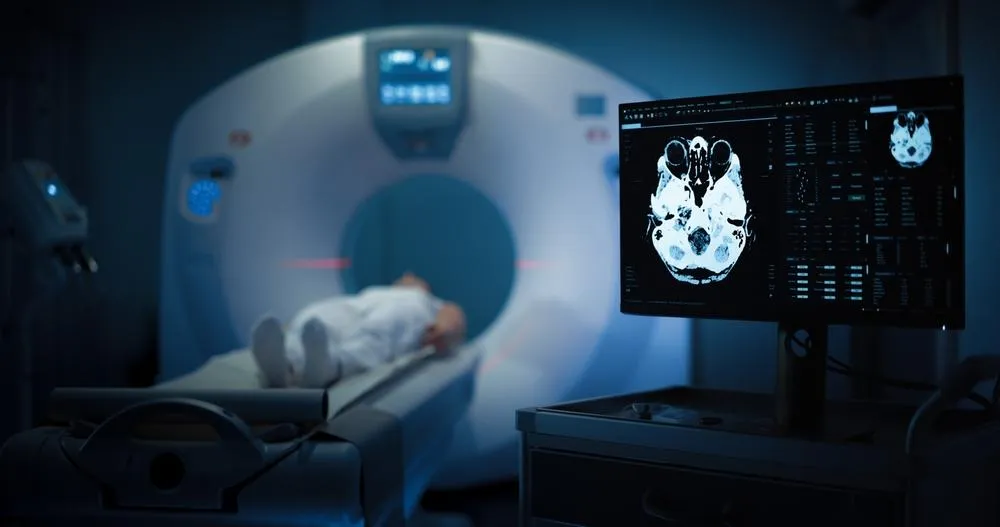
PET scans have changed how we find cancer, with high accuracy. They are key in cancer care, helping doctors diagnose, stage, and track treatment.
93.3% Detection Rate in Asymptomatic Individuals
PET scans can find cancer in people who don’t show symptoms with great accuracy. A 93.3% detection rate has been found in some groups. This shows PET scans’ power in catching cancer early.
Early detection is linked to better treatment results. PET scans can spot cancer early, which can save lives.
96.4% Sensitivity for Lymph Node Metastasis
PET scans are also very good at finding cancer in lymph nodes. With a 96.4% sensitivity, they help doctors know how far cancer has spread. This is key for planning treatment.
This accuracy is important for deciding on treatment. It helps doctors choose between surgery, chemo, or radiation.
Positive Predictive Values Across Different Cancer Risk Profiles
The positive predictive value (PPV) of PET scans changes based on cancer risk. In high-risk groups, PET scans are more likely to be right. This means they are more likely to show cancer correctly.
Knowing the PPV helps doctors understand PET scan results better. This makes it easier to decide on next steps or treatment.
Factors Affecting Detection Accuracy
Even though PET scans are very accurate, some things can affect their results. These include the type of cancer, the tumor’s size and location, and the patient’s health.
Some cancers might not show up as well on PET scans, leading to false negatives. Infections or inflammation can also cause false positives because they make cells active.
Doctors can use this knowledge to better understand PET scan results. They consider the patient’s overall health when making decisions.
Interpreting PET Scan Results
Understanding PET scan results is key in finding and treating cancer. It needs a deep grasp of PET scan tech, cancer biology, and the patient’s health situation.
How Radiologists Read PET Images
Radiologists look at PET images to see where cancer might be. High uptake means high activity, often found in cancer. They search for “hot spots” and how intense they are.
They also consider the patient’s history and other tests. Radiologists use SUVs to measure how much tracer is taken up in different spots.
Common Patterns of Cancer Distribution
Cancer shows up differently on PET scans. It can be focal, in one spot, or diffuse, spread out. Knowing these patterns helps doctors diagnose and plan treatment.
The Multidisciplinary Approach to Result Interpretation
Many experts work together to understand PET scan results. This team includes radiologists, oncologists, and surgeons. They use all the information to make a correct diagnosis and treatment plan.
Communicating Results to Patients
Telling patients about their PET scan results is very important. Doctors should explain it clearly and kindly. Good communication helps patients feel less worried and more in control.
Comparing PET Scans to Other Cancer Imaging Techniques
In oncology, tools like PET scans, CT scans, and MRI are key for diagnosis and planning. Each has its own strengths for different cancer needs.
PET vs. CT Scans
PET and CT scans are vital in cancer imaging but for different reasons. CT scans show detailed body structures. PET scans, on the other hand, reveal how tissues work by showing metabolic activity.
PET scans are great for finding cancer because they spot tissues with high activity. This is before big changes in body structure happen. This is why PET scans are good for early cancer detection and seeing how it spreads.
PET vs. MRI
MRI gives detailed images of soft tissues. It’s different from PET scans, which focus on cell activity. MRI is better at showing body structures, while PET scans look at how cells work.
Using PET and MRI together gives a full picture of cancer. For brain cancer, for example, it helps see both the tumor’s shape and its activity. This helps doctors make better plans for treatment.
When PET Scans Are Preferred Over Other Modalities
PET scans are chosen for many reasons, like seeing how cells work. They’re better than CT scans or MRI for checking cancer spread. They’re also good for seeing how well cancer treatment is working.
“The use of PET scans has revolutionized the field of oncology by providing a window into the metabolic activity of tumors, allowing for earlier detection and more precise monitoring of treatment response.”Oncologist
In summary, PET scans have special benefits for cancer diagnosis, like seeing how cells work. Knowing what each imaging tool does best helps doctors choose the best one for each case.
Latest Advancements in PET Scan Technology
PET scan technology has seen big improvements in recent years. These changes help detect and diagnose cancer more accurately. Now, PET scans can show clearer images, scan faster, and work better in fighting cancer.
High-Definition PET Scanners
High-definition PET scanners are a big step up in imaging. They give clearer images, making it easier to spot tumors and cancer spread. This helps doctors stage cancer better and see how treatments are working.
Key Features of High-Definition PET Scanners:
- Enhanced spatial resolution
- Improved detection of small lesions
- Better differentiation between cancerous and non-cancerous tissues
Improvements in Detection Sensitivity
New PET scan tech has made detecting cancer better. Modern scanners can spot smaller tumors and find cancer early. This is key for planning treatments and improving patient results.
|
Feature |
Traditional PET |
Advanced PET |
|---|---|---|
|
Spatial Resolution |
4-5 mm |
2-3 mm |
|
Sensitivity |
80-90% |
95-98% |
|
Scanning Time |
30-60 minutes |
15-30 minutes |
Reduced Radiation Exposure Innovations
Another big change is less radiation from PET scans. New scanners and methods use less radiotracers but keep image quality high. This is great for kids and people who need many scans.
Next-Generation PET/CT Systems
Next-gen PET/CT systems mix PET’s metabolic info with CT’s body details. These systems give a full view, making diagnosis and treatment planning better. They use the latest software and hardware to improve.
Benefits of Next-Generation PET/CT Systems:
- Improved diagnostic accuracy
- Enhanced patient care through more precise staging and treatment monitoring
- Increased efficiency in clinical workflows
Limitations and Challenges of PET Scanning
PET scans have changed how we detect cancer. But, they have their own set of challenges. It’s important for doctors and patients to know these to make better choices.
Technical Limitations
PET scanning technology has made big strides. Yet, it faces some technical hurdles. One big issue is the scanner’s resolution. It can spot lesions as small as 4-5 mm, but misses smaller ones.
The accuracy also depends on the radiotracer used and when the scan is done after injection.
Technical Challenges in PET Scanning
|
Challenge |
Description |
Impact |
|---|---|---|
|
Resolution Limitation |
Current PET scanners can miss lesions smaller than 4-5 mm. |
Potential for understaging or missing small tumors. |
|
Radiotracer Quality |
The type and quality of radiotracer affect scan accuracy. |
Variability in diagnostic accuracy. |
|
Scan Timing |
Timing of scan after radiotracer injection impacts results. |
Inaccurate SUV measurements if not standardized. |
Patient-Related Challenges
Things about the patient can affect PET scan results. For example, moving during the scan can blur images. Also, blood sugar levels can change how FDG, a common tracer, is taken up. This can lead to false negatives in diabetics or those with high blood sugar.
A study in shows how important patient prep is for good scan results.
Interpretation Difficulties
Reading PET scans needs special skills. It’s hard to tell if something is cancer or not, as some infections can look like cancer. Also, some cancers don’t show up well because they don’t use much energy.
Cost and Accessibility Barriers
PET scans are pricey and not everywhere. The cost, plus the need for special gear and trained people, makes them hard to get in many places, mainly in poor areas.
In summary, PET scans are key in fighting cancer, but knowing their limits is key. By tackling these issues, doctors can use PET scans better for patients.
Future Directions in PET Imaging for Cancer
PET imaging is getting better for finding and treating cancer. New tech and understanding cancer better are driving this progress.
Emerging Radiotracer Development
New radiotracers are key in cancer research. Fluorodeoxyglucose (FDG) is common, but new ones target cancer’s unique ways. This makes finding and tracking cancer more precise.
For example, Fluciclatide goes after integrins, which help tumors grow blood vessels. This can lead to better cancer detection and treatment tracking.
|
Radiotracer |
Target |
Application |
|---|---|---|
|
FDG |
Glucose metabolism |
General cancer detection |
|
Fluciclatide |
Integrins |
Tumor angiogenesis |
|
Fluorothymidine (FLT) |
Cell proliferation |
Assessing tumor aggressiveness |
Artificial Intelligence in PET Image Interpretation
Artificial intelligence (AI) is changing how we read PET images. AI can spot patterns and give detailed insights that humans might miss.
AI makes reading images faster and more accurate. It also helps standardize how images are read across different places.
Personalized Medicine Applications
PET imaging is key in personalized medicine. It gives detailed info on tumors, helping tailor treatments for each patient.
For instance, PET scans can show who might benefit from certain treatments. This is based on the tumor’s metabolic traits.
Integration with Other Diagnostic Technologies
The future of PET imaging is combining it with other tech. Mixing PET with MRI or CT scans gives a full view of tumors.
This combo improves how well we can diagnose and plan treatments. It makes cancer care more precise and effective.
Conclusion
PET scans have changed how we find and manage cancer. They help doctors diagnose and plan treatment. This is because they can spot cancer cells clearly.
The tech behind PET scans is complex but important. It uses special tracers to find cancer. This makes it easier to treat the disease.
With PET/CT scans, finding cancer is even better. This tech combines images to show cancer more clearly. It’s a big step forward in fighting cancer.
The future of PET scans is bright. New tracers and AI will make them even more useful. As we focus on treating each person differently, PET scans will be key.
FAQ
What is a PET scan, and how does it work?
A PET (Positron Emission Tomography) scan is a way to see how the body works. It uses a special kind of dye that lights up on a scan. This helps doctors find cancer because cancer cells use more of this dye.
How do cancer cells show up on a PET scan?
Cancer cells show up because they use more of the dye than normal cells do. This makes them stand out on the scan. It’s like a light that helps doctors find them.
What is the role of FDG in PET scans for cancer?
FDG is the main dye used in PET scans for cancer. It lights up in cells that use a lot of sugar, like cancer cells. This helps doctors see where the cancer is.
How long does a PET scan take?
A PET scan usually takes about 30 minutes to an hour. But getting ready and waiting for the dye to work can add more time.
What are the benefits of PET/CT fusion imaging?
PET/CT fusion imaging combines two scans. It shows where the cancer is and how big it is. This makes it easier for doctors to plan treatment.
How are PET scan results interpreted?
Doctors look at the scan to see where the dye is most active. This tells them if there’s cancer or not. They work with other doctors to make sure they’re right.
What are the limitations of PET scans?
PET scans have some limits. They might not always show everything clearly. Things like how much sugar you have in your blood can affect the scan. Also, they can be expensive and not everyone has access to them.
How do PET scans compare to other imaging modalities like CT and MRI?
PET scans show how cells are working, while CT and MRI show what the body looks like. PET scans are great for finding cancer and seeing how well treatment is working.
What advancements are being made in PET scan technology?
New PET scanners are being made that can see more clearly. They also use less radiation and work better with other scans. This makes PET scans even more useful for doctors.
What is the future of PET imaging in cancer management?
The future of PET imaging looks bright. New dyes and technology will help doctors find cancer better. They might even use computers to help read the scans. This could lead to better treatments for cancer.
Are PET scans used for conditions other than cancer?
Yes, PET scans are used for many things, not just cancer. They can help with brain problems and heart disease too. Different dyes are used for each condition.
References
- PubMed Central (PMC). PET imaging in cancer diagnosis and detection. Available at: https://pmc.ncbi.nlm.nih.gov/articles/PMC6984113/
- Frontiers in Nuclear Medicine. Advances in PET imaging for oncology. 2023. Available at: https://www.frontiersin.org/journals/nuclear-medicine/articles/10.3389/fnume.2023.1184448/full
- Great Lakes Medical Imaging (GLMI). The role of PET/CT scans in cancer diagnosis and treatment. Available at: https://www.glmi.com/blog/the-role-of-pet-ct-scans-in-cancer-diagnosis-and-treatment
- National Cancer Institute (NCI). PET imaging detects breast cancer spread. 2023. Available at: https://www.cancer.gov/news-events/cancer-currents-blog/2023/pet-imaging-breast-cancer-spread
- PubMed Central (PMC). Cancer cell activity in PET imaging. Available at: https://www.ncbi.nlm.nih.gov/pmc/articles/PMC10310144/