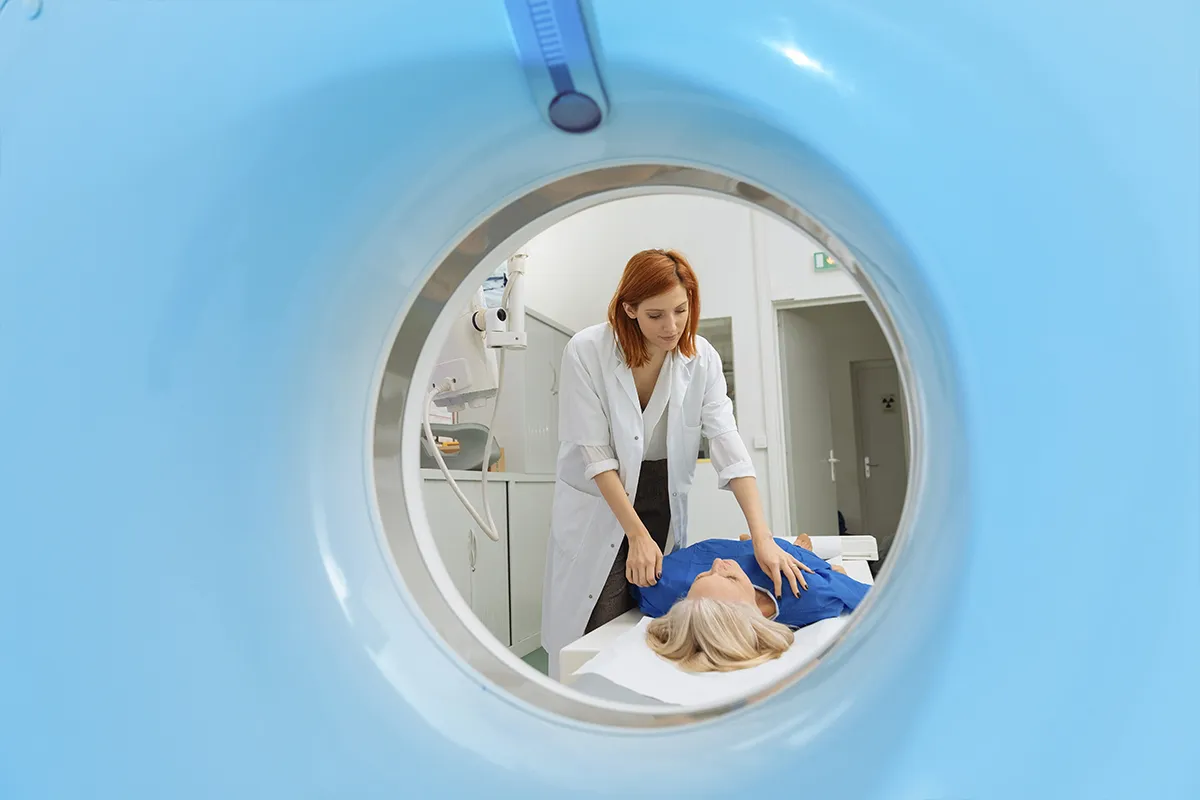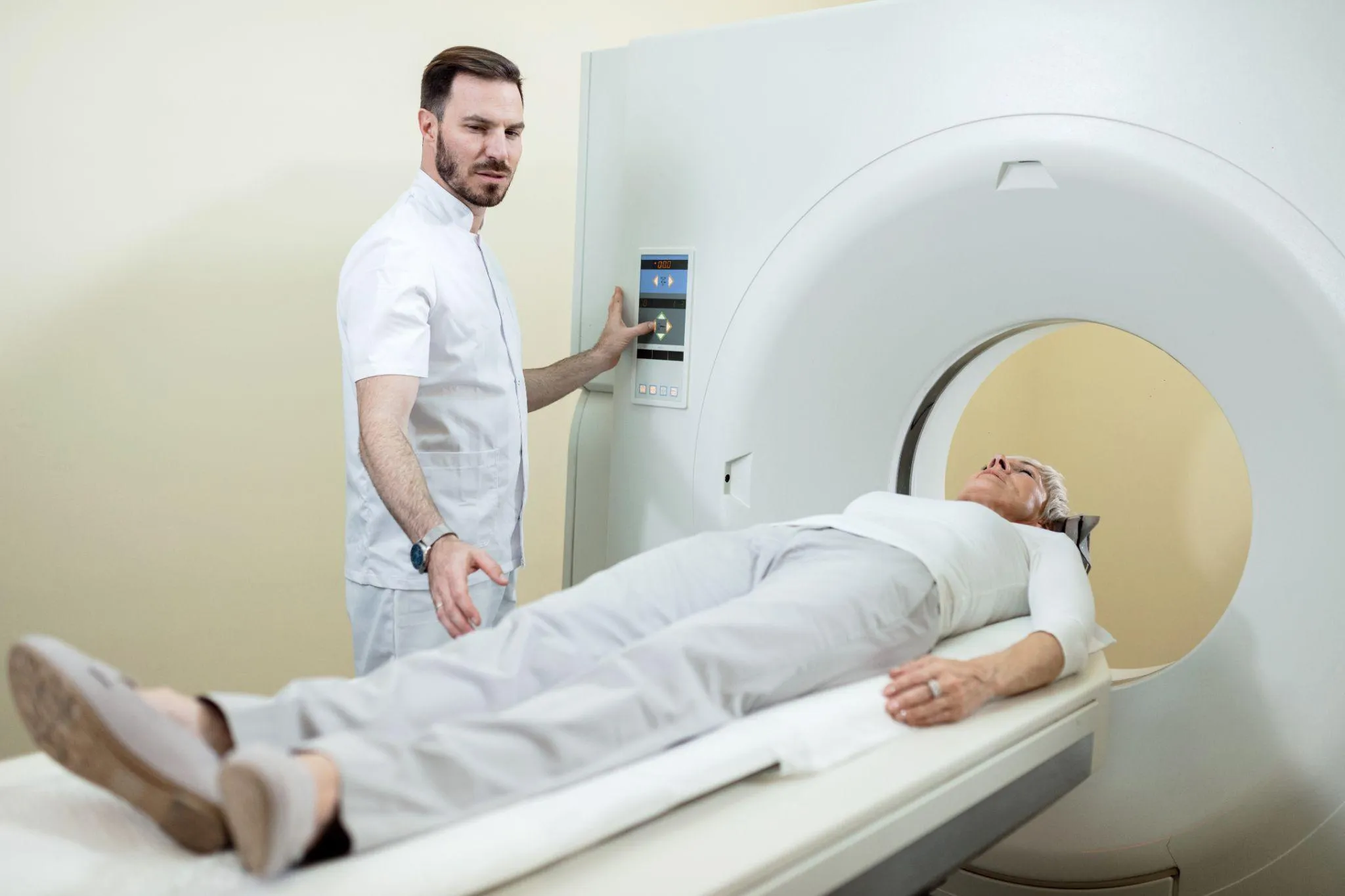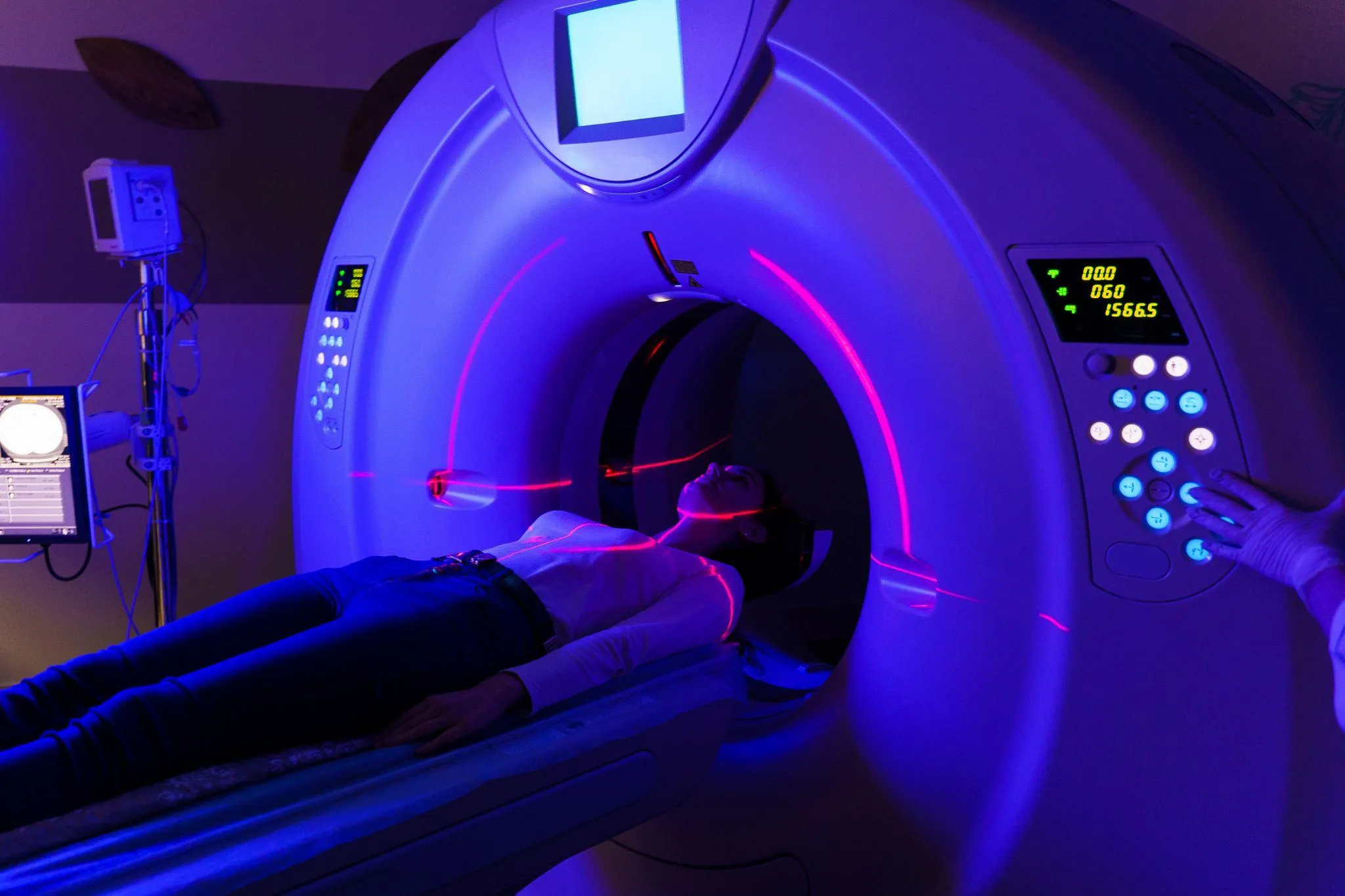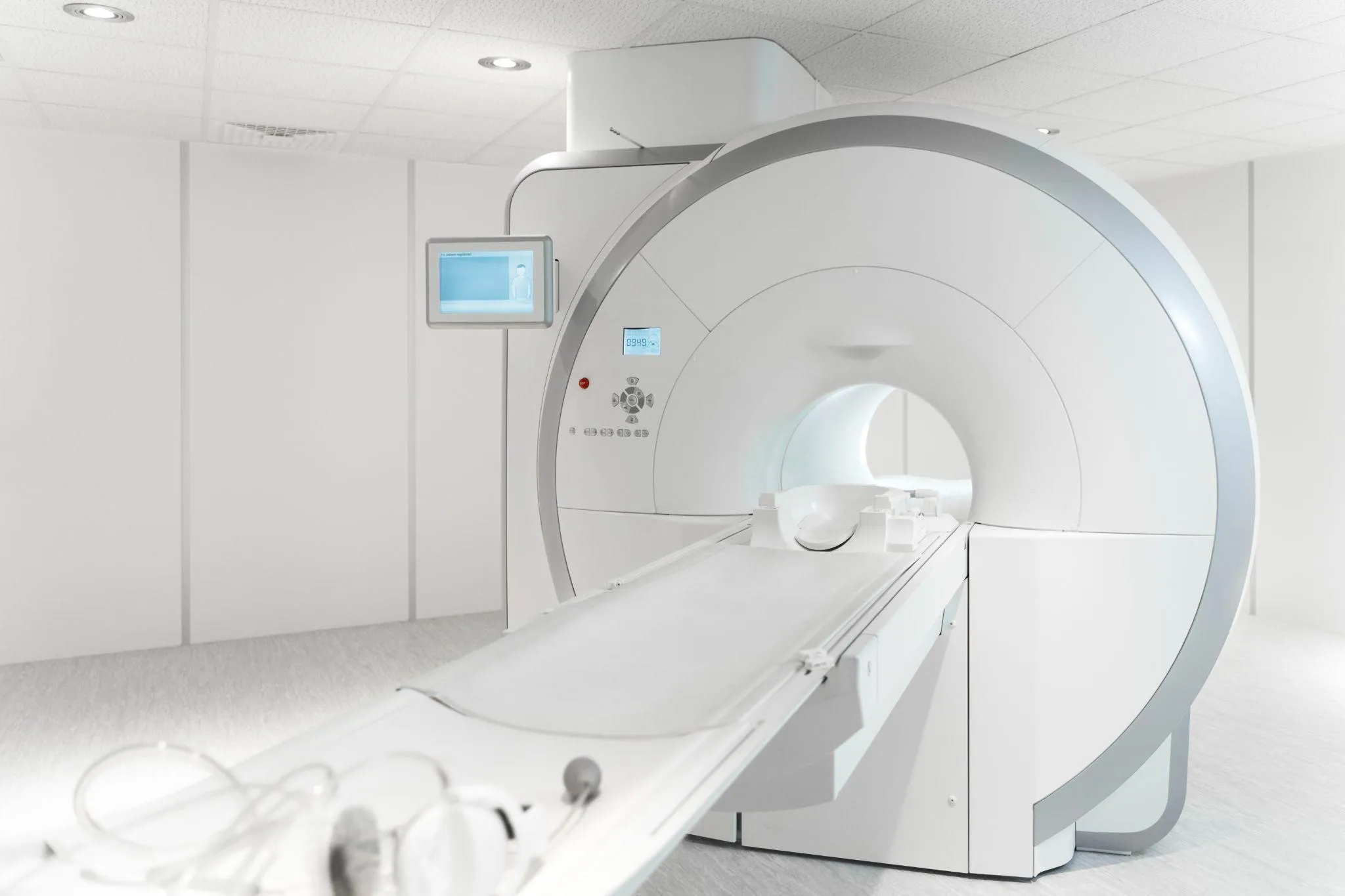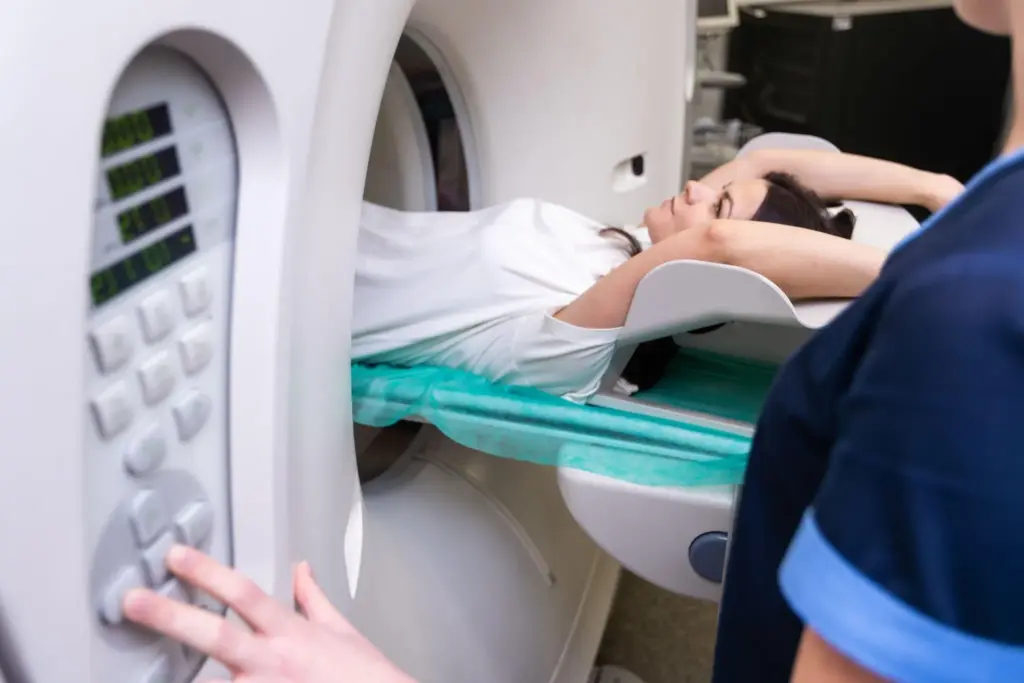
Getting a positron emission tomography (PET) scan can be scary, not knowing what to expect. At Liv Hospital, we offer top-notch healthcare and support for patients from abroad. Your pet scan and breathing are simple to manage. Follow our amazing and vital tips for a perfect, fast, and stress-free experience.
Many patients worry if they can breathe freely during a PET scan. The answer is yes, in most cases. You can breathe normally because you need to keep breathing for the scan to work.
Key Takeaways
- PET scans usually let you breathe normally during the test.
- You must keep breathing for the scan to get good images.
- Liv Hospital gives full support to international patients getting PET scans.
- Understanding PET scans can alleviate patient concerns and improve their comfort.
- Positron emission tomography is a key medical imaging tool.
Understanding PET Scan Technology
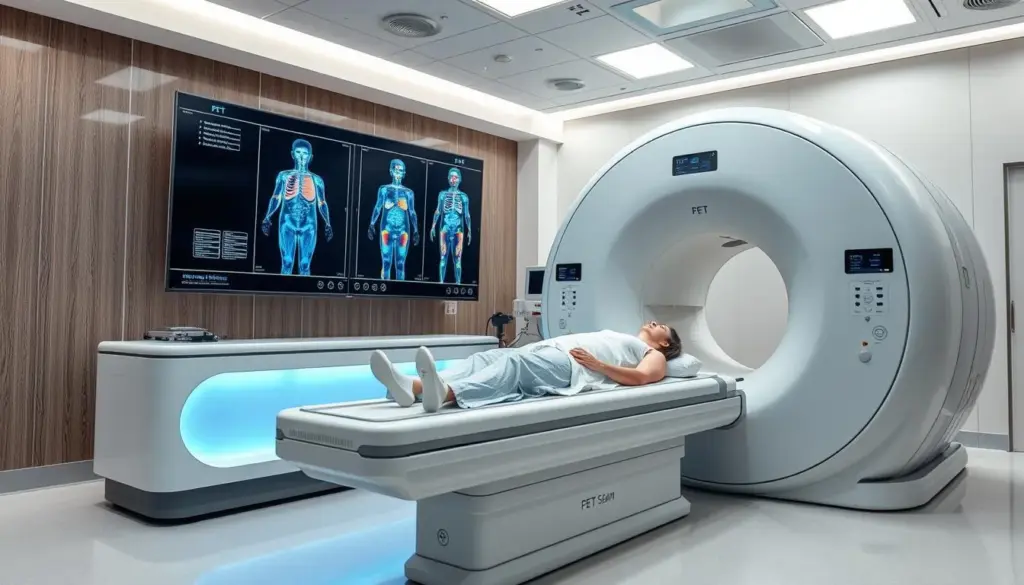
Positron Emission Tomography (PET) is a cutting-edge medical imaging method. It has changed how we diagnose and track diseases like cancer and neurological disorders. PET scans show how the body’s cells work, giving us important insights.
What is Positron Emission Tomography?
Positron Emission Tomography (PET) uses tiny amounts of radioactive tracers. These tracers help us see inside the body. Unlike other imaging, PET scans show how active the body’s tissues are, not just their shape.
First, a radioactive tracer is given to the patient. It goes to areas where cells are growing fast, like in cancer. Then, it decays and sends out gamma rays. These rays are caught by the PET scanner.
How PET Scanners Work
They have a ring of detectors around the patient. When two gamma rays meet, it shows where they came from. This helps make detailed images of the body’s activity.
The scanner’s data is turned into images by computers. These images show where the tracer is in the body. They help us find where things are not working right.
The Role of Radioactive Tracers
Radioactive tracers are key in PET scans. The most used one is Fluorodeoxyglucose (FDG). It shows where cells are using a lot of sugar. Other tracers check different things, like how much oxygen cells use.
Which tracer we use depends on what we’re looking for. Other tracers help with brain or heart issues.
|
Tracer |
Application |
Biological Process |
|---|---|---|
|
FDG (Fluorodeoxyglucose) |
Cancer staging, treatment monitoring |
Glucose metabolism |
|
FMISO (Fluoromisonidazole) |
Hypoxia imaging |
Oxygen consumption |
|
Methionine |
Brain tumor imaging |
Protein synthesis |
As we keep improving nuclear medicine, we’ll find new ways to diagnose and treat diseases. This will help us better understand and manage complex health issues.
The Purpose and Applications of PET Scans
PET scan technology shines a light on how our bodies work. It’s key in finding and treating many health issues. It gives insights that other tests can’t.
Cancer Detection and Staging
PET scans are mainly used to find and check cancer. They spot cancer by showing where cells are most active. This helps doctors plan the best treatment.
FDG-PET scans are often used to see how tumors work. They help find cancer and check if treatments are working.
Neurological Disorders
PET scans are also great for brain health. They help find problems like Alzheimer’s and Parkinson’s. They show how the brain is working.
They measure how much glucose the brain uses. This helps doctors understand and treat brain diseases better.
Cardiovascular Disease Assessment
PET scans help with heart health too. They show how well the heart works and find problems like heart disease. This helps doctors choose the right treatment.
Research Applications
PET scans are also used in research. They help scientists study diseases and find new treatments. They check if treatments work well.
For example, they help understand how diseases progress. They also help create treatments that fit each person’s needs.
In short, PET scans are very useful in medicine and research. They help find and treat cancer, brain, and heart problems. Their detailed information makes them essential in radiology services.
Preparing for Your PET Scan
A successful PET scan starts with proper preparation. This includes dietary restrictions and more. To ensure a smooth and successful procedure, we advise patients to follow specific guidelines.
Dietary Restrictions
Before your PET scan, it’s important to follow dietary instructions from your healthcare team. Patients usually need to fast for a few hours before the scan. Water is usually okay, but avoid sugary foods and drinks.
They can affect the radioactive tracer’s distribution.
Here’s a summary of typical dietary restrictions:
|
Dietary Item |
Allowed |
Not Allowed |
|---|---|---|
|
Food and Drinks |
Water |
Sugary foods, caffeinated beverages |
|
Fasting Period |
Typically 4-6 hours |
Eating during the fasting period |
Medication Considerations
Tell your healthcare provider about all medications you’re taking. Some medications may need to be adjusted or stopped before the PET scan. This ensures accurate results.
What to Wear and Bring
On the day of your PET scan, wear comfortable clothes without metal parts. Bring any relevant medical records, insurance cards, and a list of your medications to your appointment.
Discussing Medical History
Talk about your medical history with your healthcare provider before the PET scan. This includes any previous scans, allergies, and medical conditions. Being open about your medical history helps ensure your safety and the success of the procedure.
By following these guidelines, you can help ensure that your PET scan is conducted safely and effectively. This provides the best possible diagnostic images for your healthcare team.
The PET Scan Procedure: Step by Step
Our team at Liv Hospital makes sure your PET scan is comfortable and stress-free. We know medical imaging can be scary. So, we guide you through every step.
Arrival and Registration
First, you’ll start with registration. Our staff will help you with the paperwork and prep. Make sure to arrive on time and have all needed documents ready.
Tracer Administration
Next, you’ll get a radioactive tracer. This tracer is key for the scan, highlighting areas in your body. Our team will make sure it’s given safely and right.
Uptake Period
After getting the tracer, there’s a waiting period. The tracer moves through your body, building up in the scanned areas. You’ll wait in a comfy spot until it’s time to scan.
The Scanning Process
When the waiting is over, you’ll go to the scanning room. You’ll need to stay very quiet on the table. The PET scanner will move around you, taking images. Our team will be there to help and answer any questions.
The PET scan process is designed to be quick and comfy. Our team is ready to answer any questions, making your experience positive from start to finish.
|
Procedure Step |
Description |
Duration |
|---|---|---|
|
Arrival and Registration |
Initial paperwork and preparation |
15-30 minutes |
|
Tracer Administration |
Receiving the radioactive tracer |
5-10 minutes |
|
Uptake Period |
Waiting for the tracer to circulate |
30-60 minutes |
|
The Scanning Process |
Actual PET scan imaging |
15-30 minutes |
Knowing what happens during your PET scan can help ease your worries. At Liv Hospital, we’re all about giving you top-notch care during your diagnostic journey.
Breathing Protocols During Standard PET Scans
Patients often ask about breathing during a PET scan. We ask patients to breathe normally and continuously. This ensures the images are clear and show the body’s metabolic activity well.
Normal Breathing Requirements
Normal breathing means patients should breathe naturally. They should not hold their breath or take deep breaths. This keeps the tracer evenly distributed in the body, leading to accurate images.
Why Continuous Breathing is Important
Continuous breathing is key for a PET scan. It helps the tracer spread evenly in the body. This results in clear and accurate images, helping doctors make precise diagnoses.
Duration of Image Acquisition
The time needed for a PET scan varies. It can take from 30 minutes to several hours, depending on the procedure and body area scanned.
|
Body Region |
Typical Scan Duration |
|---|---|
|
Brain |
30-45 minutes |
|
Chest and Abdomen |
45-60 minutes |
|
Whole Body |
1-2 hours |
Patients must stay calm and breathe normally during the scan. Our team will help guide you through the process and explain what to expect.
PET Scan and Breath-Hold Techniques
For certain PET scans, brief breath-holds can greatly improve image quality. We use top-notch imaging technology to give our patients the best diagnoses.
When Breath-Holds Are Requested
Breath-hold techniques are used in some PET scans to cut down on motion artifacts. This is key for scans of the chest or upper abdomen. Breathing can mess with image clarity in these areas.
Typical Duration of Breath-Holds
The time for breath-holds in PET scans varies by procedure. Usually, patients hold their breath for 10 to 30 seconds. Our team makes sure patients are comfortable and know what’s happening.
|
Procedure Type |
Typical Breath-Hold Duration |
Benefits |
|---|---|---|
|
Chest PET Scan |
15-20 seconds |
Improved image clarity |
|
Abdominal PET Scan |
10-15 seconds |
Reduced motion artifacts |
Communication During the Procedure
Clear communication is key during PET scans with breath-hold techniques. Our radiology team will walk patients through it. They explain each step and make sure patients are at ease.
We give clear instructions on when to hold their breath and when to breathe. This way, we get high-quality images for accurate diagnoses and treatment plans.
Deep-Inspiration Breath-Hold Methods
Deep-Inspiration Breath-Hold (DIBH) methods have changed PET scanning. They make images clearer and align PET and CT data better. We teach patients how to do DIBH correctly.
Benefits for Image Quality
DIBH in PET scans has many benefits. It helps reduce motion issues and makes scans more accurate. Holding breath for 20–30 seconds is key for better alignment.
Key advantages of DIBH include:
- Improved image clarity
- Reduced motion artifacts
- Enhanced accuracy of PET and CT data alignment
Implementation in Clinical Practice
We use DIBH in our PET scans to get better results. It’s great for scans where clear images are very important.
Our approach to DIBH involves:
- Patient training and preparation
- Careful monitoring during the scan
- Adjustments as necessary to ensure patient comfort and compliance
Patient Training for DIBH
Teaching patients how to do DIBH is key. We give them clear instructions and practice with them. This helps them understand why it’s important and how to do it right.
By using DIBH and other advanced scanning, we get top-notch results. These results help us care for our patients better.
Breathing Considerations for Different Body Regions
The way we breathe during a PET scan changes based on the body part being scanned. Each area has its own needs to get clear, useful images for doctors.
Chest and Lung Imaging
For chest and lung scans, breathing is key to getting good images. We ask patients to hold their breath or breathe in a certain way to avoid blurry pictures.
For lung scans, patients take a deep breath and hold it for a few seconds. The exact time depends on the patient’s health and the scan’s needs.
Abdominal Scanning
Abdominal scans might ask for shallow breathing or brief breath-holds. This reduces blurry images from breathing.
We also use respiratory gating. This syncs the scan with the patient’s breathing. It helps get clearer images of the stomach area.
Brain and Head/Neck Protocols
Brain and head/neck scans usually don’t need strict breathing rules. Patients are told to breathe normally and stay calm during the scan.
We stress the importance of not moving the head. We give clear instructions and support to help patients stay steady.
Whole-Body Imaging
Whole-body scans usually ask patients to breathe as they normally would. These scans take longer, so we make sure patients are comfortable and can follow the breathing instructions.
We might use respiratory gating or motion correction algorithms to improve the images.
|
Body Region |
Breathing Protocol |
Purpose |
|---|---|---|
|
Chest and Lung |
Breath-hold technique |
Minimize motion artifacts |
|
Abdominal |
Gentle breathing or brief breath-holds |
Reduce motion artifacts |
|
Brain and Head/Neck |
Normal breathing |
Minimize head movement |
|
Whole-Body |
Normal breathing |
Ensure patient comfort during longer scan times |
Special Considerations for Patients with Breathing Difficulties
We know breathing problems can make PET scans harder. For those with breathing issues, we take extra steps to keep them safe and comfortable.
Accommodations for COPD and Asthma
Patients with COPD or asthma might need special help during a PET scan. Our radiology team is skilled in these cases. They adjust the scan as needed for the patient’s health.
Alternatives to Breath-Hold Techniques
Some patients can’t hold their breath because of their breathing issues. We use other methods that let them breathe easily during the scan.
Communication with Your Healthcare Team
Talking openly with your healthcare team is key if you have breathing problems. Tell us about your condition and any worries you have. This helps us give you the best care and adjust the scan as needed.
We also offer full support for patients getting PET scans. We aim to make the experience as smooth as possible. Our radiology team is ready to handle any challenges that come up.
Combined PET/CT Scans and Breathing Protocols
Combined PET/CT scans need precise breathing protocols. This is key to aligning images correctly. It helps doctors see the body’s internal structures clearly.
Alignment Challenges
Aligning PET and CT images is a big challenge. Breathing can cause these images to get out of sync. Respiratory motion can significantly impact image quality, making breathing protocols very important.
Respiratory Gating Techniques
To solve the breathing issue, we use respiratory gating techniques. These techniques match PET data with the patient’s breathing. Research on shows this improves PET/CT scan accuracy.
Optimizing Image Quality
Improving image quality in PET/CT scans is key. It involves solving alignment problems and making sure images are top-notch. By optimizing image quality, we can give more accurate diagnoses and better treatment plans.
Our team is dedicated to top-notch diagnostic imaging. We use the latest diagnostic imaging technology to ensure our patients get the best care.
Advancements in PET Scan Technology for Respiratory Motion
PET scan technology is getting better fast. New methods are being created to handle the problem of breathing motion. These advancements help us get clearer images and make more accurate diagnoses.
4D PET Imaging
4D PET imaging is a big step forward. It takes pictures over time to show how things move. This helps us see organs and tissues better when they move with breathing.
“4D PET imaging represents a significant step forward in our ability to accurately diagnose and treat conditions affected by respiratory motion.”PET Imaging Specialist
By adding time as the fourth dimension, 4D PET imaging gives us a deeper look at the body’s moving parts.
|
Technique |
Description |
Benefits |
|---|---|---|
|
4D PET Imaging |
Captures images over time to account for movement |
Better visualization of moving organs and tissues |
|
Motion Correction Algorithms |
Software-based corrections for motion artifacts |
Improved image quality and diagnostic accuracy |
Motion Correction Algorithms
Motion correction algorithms are also key. These software tools fix motion problems, making images clearer and diagnoses more accurate.
These algorithms are getting better, leading to more precise fixes and better care for patients.
Future Developments
We’re expecting even more progress in PET scan tech, focusing on breathing motion. New methods will likely improve image quality and shorten scan times.
- Advancements in detector technology
- Integration of AI for predictive modeling
- Improved patient comfort and compliance
As these technologies improve, we’ll see even more precise diagnoses and treatments for patients getting PET scans.
What to Expect After Your PET Scan
After your PET scan, our team is ready to answer any questions. We know getting a diagnostic imaging test can be stressful. We’re here to support you every step of the way.
Immediate Post-Scan Period
You can usually go back to your normal activities right after the scan. The tracer used in the scan is removed from your body in a few hours.
Here’s what you can expect during the immediate post-scan period:
- You’ll be watched for a short time to make sure you’re okay.
- Our team will tell you how to stay hydrated to get rid of the tracer.
- You might be asked to stay away from pregnant women and young kids for a bit.
Radiation Safety Considerations
The PET scan uses a small amount of radiation. But don’t worry, it’s safe. We’re very careful about radiation safety.
|
Radiation Safety Tips |
Description |
|---|---|
|
Hydration |
Drink lots of water to get rid of the tracer. |
|
Close Contact |
Stay away from people who are extra sensitive for a few hours. |
|
Urination |
Going to the bathroom often helps get rid of the tracer. |
When to Expect Results
How long it takes to get your PET scan results can vary. It depends on the scan’s complexity and how long it takes for your doctor to review it.
Typically, you can expect the following timeline:
- Results are usually ready in a few hours to a few days.
- Your doctor will talk to you about the results and what to do next.
- If you were sent for a scan by a doctor, they’ll get a detailed report.
We’re committed to making your diagnostic imaging experience smooth. If you have more questions or need help, please contact our team.
Common Questions About Breathing During PET Scans
Many patients wonder about breathing during PET scans. We aim to clear up these worries to make your experience better. You might be thinking about how to breathe, what to do if you can’t hold your breath, and how breathing affects your scan results.
Can I Take Deep Breaths During the Scan?
But, some scans need special breathing rules. For example, chest or lung scans might ask you to hold your breath briefly. We’ll tell you exactly how to breathe for your scan.
What Happens If I Can’t Hold My Breath?
If holding your breath is hard, tell the medical team before the scan. They can adjust the scan or offer help. For instance, people with lung issues like COPD or asthma might need special care.
Some important tips to remember:
- Tell your healthcare provider about any lung problems before the scan.
- Share any breathing worries with the medical staff.
- Always follow the technologist’s breathing instructions.
Will Breathing Affect My Results?
Breathing can affect your PET scan results, mainly if you can’t follow the breathing rules or have lung issues. But, our skilled team works hard to reduce these effects. We aim to make your scan as accurate as possible.
By knowing the breathing rules and sharing any concerns, you can help make your PET scan a success. This ensures your scan gives you accurate results.
Conclusion
At Liv Hospital, we’ve looked into breathing during PET scans. This includes breathing protocols and special care for those with breathing issues. We’ve shown how important it is to know about PET scan technology and its use in medical imaging.
We aim to offer top-notch healthcare services, helping our international patients with PET scans. Knowing what’s needed for breathing during scans helps patients prepare better. This ensures the best image quality and accurate results.
Our imaging technology, like PET scans, gives precise and reliable results. It helps in diagnosing and treating many health problems. We work hard to keep our healthcare services at the highest level, giving our patients the best care.
FAQ
What is a PET scan and how does it work?
A PET (Positron Emission Tomography) scan shows how active the body’s cells are. It uses special tracers that light up where cells are most active. This helps doctors see and check on different health issues.
Can I breathe normally during a PET scan?
Yes, you can breathe as you normally do during most PET scans. But sometimes, you might need to hold your breath briefly. This helps get clearer images.
What are the applications of PET scans in medical diagnosis?
PET scans help find and check many health problems. They are used for cancer, brain issues, heart disease, and research. They show how active the body’s cells are, helping doctors make accurate diagnoses.
How do I prepare for a PET scan?
To get ready for a PET scan, follow some simple steps. Stick to a special diet, tell your doctor about any medicines, wear comfy clothes, and bring your medical records. This helps the scan go smoothly.
What happens during the PET scan procedure?
During a PET scan, you’ll first register and then get a special tracer. You’ll then lie down and stay very quiet for about 30 to 60 minutes. This lets the scan capture detailed images.
Are there any special considerations for patients with breathing difficulties?
Yes, if you have breathing problems, like COPD or asthma, we’ll make special plans. Our team will adjust the scan to make sure you’re comfortable and safe.
How do advancements in PET scan technology improve image quality?
New tech in PET scans, like 4D imaging and motion correction, helps manage breathing. This leads to clearer images and more accurate diagnoses.
What can I expect after my PET scan?
After your PET scan, you can go back to your usual activities unless told not to. Our team will give you advice on staying safe from radiation and when to expect your results.
Will breathing affect my PET scan results?
Breathing plans can change based on what part of the body is being scanned. Our team will adjust the breathing instructions to get the best results for you.
Can I take deep breaths during the PET scan?
In some cases, you might be asked to hold your breath or take deep breaths. This helps get better images. Our team will guide you through the process to keep you comfortable and informed.
What is Deep-Inspiration Breath-Hold (DIBH) method?
Deep-Inspiration Breath-Hold (DIBH) is a method to improve image quality. It ensures the PET and CT images match up perfectly. Patients learn how to do it, and it’s used when needed.
References
AuntMinnie.com: https://www.auntminnie.com/clinical-news/molecular-imaging/article/15602405/patients-can-take-a-breather-during-pet-ct-liver-procedures
National Center for Biotechnology Information (NCBI): https://www.ncbi.nlm.nih.gov/pmc/articles/PMC7014163/