
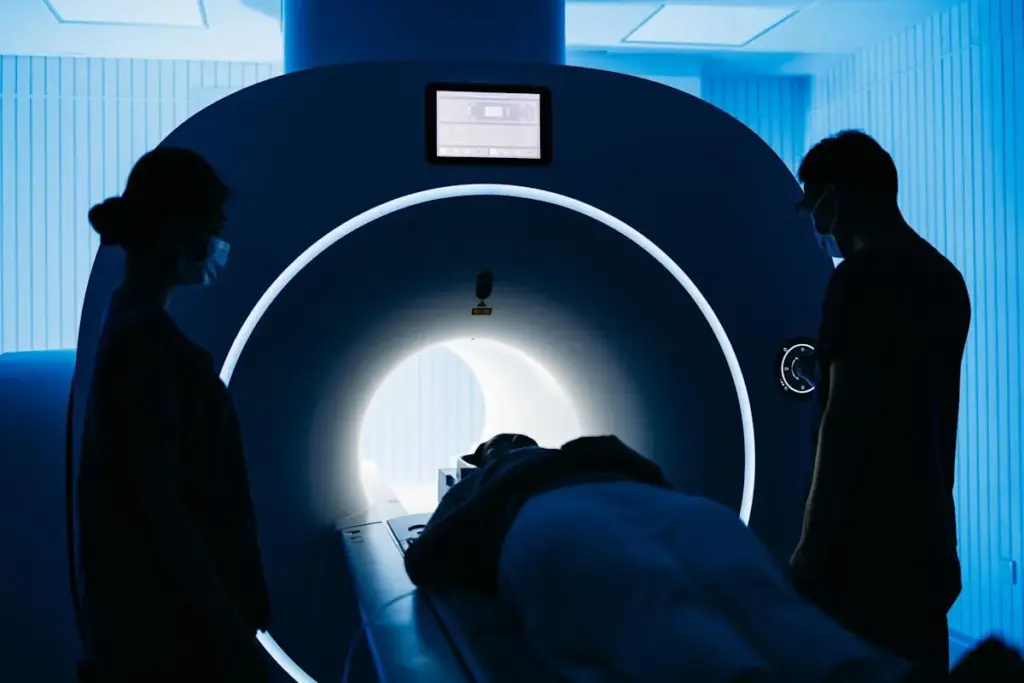
Getting ready for a Positron Emission Tomography (PET) scan is key for good results. A PET scan is a nuclear medicine imaging method. It helps doctors find and track health issues, like cancer.
To make sure the PET scan works well and is safe, you need to follow certain rules before going. Knowing these helps you get ready right. This leads to clearer images for doctors to use.
Key Takeaways
- Proper preparation is vital for accurate PET scan results.
- A PET scan is used for diagnosing and monitoring various health conditions.
- Following diet and activity restrictions is important before a PET scan.
- Understanding PET scan requirements ensures patient safety.
- A PET scan is a type of nuclear medicine imaging.
Understanding PET Scans
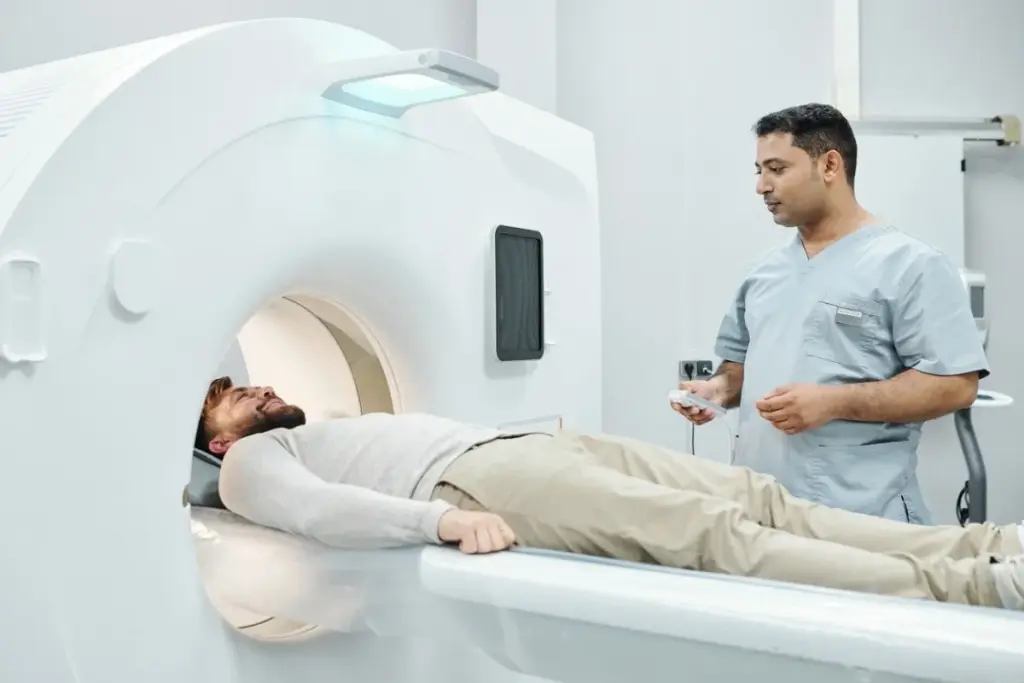
Learning about PET scans is key for those going through this test. PET scans use a small amount of radioactive tracer. This helps in finding different medical issues.
Definition and Purpose of PET Scans
A PET scan is a special imaging test. It uses a radiotracer to see how body tissues and organs work. It mainly helps in finding and managing diseases like cancer, brain problems, and heart issues. For more info, check out OncoDaily’s PET Scan Library.
How PET Scans Work
Getting a PET scan starts with a radiotracer injection into your blood. This tracer goes to active areas, like growing cancer cells. Then, the PET scan machine picks up signals from the tracer. It makes detailed pictures of your body’s inside.
|
Step |
Description |
|---|---|
|
1 |
Injection of radiotracer |
|
2 |
Uptake period |
|
3 |
PET scan imaging |
The images show how active your body’s parts are. This helps doctors diagnose and treat many health issues.
The Importance of Proper Preparation
To get reliable PET scan results, thorough preparation is key. It’s important for getting accurate PET scan results. This affects the quality and reliability of the diagnostic data.
Why Preparation Matters for Accurate Results
Preparation for a PET scan is vital. It ensures the diagnostic tool gives accurate and reliable information. Accurate PET scan results depend on many factors. These include dietary restrictions, managing medications, and avoiding certain activities before the scan.
By following the recommended preparation guidelines, patients help healthcare professionals get high-quality images. These images lead to more accurate diagnoses.
The healthcare technology used in PET scans is advanced. But its effectiveness relies on proper preparation. This includes specific fasting protocols, managing blood glucose levels, and avoiding strenuous exercise. Proper preparation minimizes factors that could interfere with the scan’s accuracy.
Consequences of Improper Preparation
Improper preparation for a PET scan can lead to inaccurate or inconclusive results. If a patient doesn’t follow the preparation instructions, it may cause the need for more scans. This can lead to delayed diagnosis or inappropriate treatment plans.
Consuming certain foods or beverages before a PET scan can affect the radiotracer uptake. This results in suboptimal image quality.
Understanding the importance of proper PET scan preparation helps patients take an active role in their diagnostic care. By following the recommended preparation guidelines, patients contribute to the diagnostic process. This ensures healthcare providers have the accurate information needed to make informed decisions about their care.
General Fasting Requirements
Fasting is a key part of getting ready for a PET scan. It’s important for the scan to work well. This helps doctors make accurate diagnoses.
Standard 4-6 Hour Fasting Protocol
Patients usually fast for 4-6 hours before a PET scan. This standard fasting protocol lowers glucose levels in the body. It’s important for the radiotracer to work right.
During fasting, patients can drink water. But, they should not eat food or drinks with calories or sugar.
Water Consumption Guidelines
Water consumption is okay during fasting. Drinking water is good, but follow your healthcare provider’s advice. They say to drink plain water and avoid flavored or carbonated drinks.
Don’t drink too much water right before the scan. It can make you uncomfortable during the procedure.
It’s very important to listen to your healthcare provider or the PET scan facility about fasting and water. Following their advice helps make sure your PET scan goes well. And it ensures the results are accurate.
Dietary Restrictions Before a PET Scan
Knowing what to eat before a PET scan is key for getting good results. The food and drinks you have can change how clear the images are.
Foods to Avoid 24 Hours Before
Stay away from certain foods 24 hours before your PET scan. High-carb and sugary foods can mess with the scan’s accuracy. They can change blood sugar levels and how the radiotracer works.
- Sugary drinks and foods high in sugar
- Refined carbohydrates like white bread and pasta
- High-carb fruits like bananas and grapes
Recommended Diet Prior to Scan
Eat a low-carb, high-fat diet before your scan. This can make the scan more accurate. Drinking water is good, but avoid sugary or caffeinated drinks.
|
Food Type |
Recommended |
Avoid |
|---|---|---|
|
Carbohydrates |
Low-carb vegetables |
Sugary foods, refined carbs |
|
Protein |
Lean meats, fish | |
|
Fats |
Healthy fats like avocado, nuts |
Following these diet tips can help make your PET scan results more accurate. This is important for a good diagnosis and treatment plan.
Physical Activity Guidelines
Before a PET scan, it’s important to follow certain physical activity guidelines. This ensures the scan results are accurate. Physical activity can change how the radiotracer is distributed in the body.
Avoiding Strenuous Exercise
It’s best to avoid strenuous exercise for at least 24 hours before a PET scan. Such exercise can change blood flow and glucose use. This might affect how the radiotracer is taken up, impacting the scan’s accuracy.
Medical experts say avoiding strenuous exercise before a PET scan is key. Keeping your pre-scan routine consistent is vital for accurate results.
Acceptable Activity Levels
While you should avoid strenuous exercise, light to moderate activity is okay. This includes short walks, light stretching, or everyday activities that don’t strain you too much. It’s important to stick to your usual routine.
|
Activity Level |
Examples |
Recommendation |
|---|---|---|
|
Strenuous |
Vigorous running, intense cycling, heavy weightlifting |
Avoid 24 hours before PET scan |
|
Light to Moderate |
Short walks, light stretching, daily activities |
Generally acceptable, maintain normal routine |
For advice specific to your situation and PET scan type, talk to your healthcare provider. They can offer personalized guidance on physical activity before your scan.
Medication Management
Proper medication management is key before a PET scan for accurate results. Some meds can change how the scan works. It’s important for patients, like those with diabetes, to know how to handle their meds.
Medications to Continue
Most meds can stay the same before a PET scan. But, tell your doctor about all meds, including prescriptions and supplements. Some meds might not change the scan results, but check with your doctor. Diabetic patients need to keep their blood sugar meds going, but might need to adjust them for the scan.
Medications to Temporarily Discontinue
Some meds need to stop before a PET scan. For example, some diabetes meds, like metformin, might need to pause. Always follow your doctor’s advice on changing your meds. This helps avoid messing up the scan while keeping you safe and on track with treatment.
Managing meds before a PET scan is tricky. It’s about getting the scan right and keeping the patient healthy. This is even more true for diabetic patients, who must watch their blood sugar closely before the scan.
Clothing and Accessories for Your Appointment
Your clothes for the PET scan are very important. They help make sure the scan goes well and is accurate. Wear clothes that are comfortable and don’t have metal in them to avoid any problems during the scan.
Recommended Attire
For your PET scan, pick loose, comfy clothes without metal parts. Choose clothes made from natural fibers like cotton or wool. These are less likely to cause discomfort during the scan. Don’t wear clothes with metal clasps or any other metal accessories.
Jewelry and Metal Objects Restrictions
It’s very important to take off all jewelry and metal objects before your PET scan. This includes necklaces, earrings, watches, and any other items that could mess with the scan. Leave all metal objects at home or remove them before the scan to get the best results.
|
Item |
Recommended Action |
|---|---|
|
Clothing with metal parts |
Remove or change |
|
Jewelry |
Remove |
|
Watches |
Remove |
Special Preparation for Diabetic Patients
Managing diabetes is key when getting a PET scan. It affects how accurate the scan is. Diabetic patients must take special steps to control their blood sugar before the scan.
Blood Glucose Management
Keeping blood sugar in check is vital for diabetic patients before a PET scan. High glucose levels can make the scan less accurate, leading to wrong results. Patients should watch their blood sugar closely before the scan and adjust their diet and meds as needed.
It’s wise for diabetic patients to talk to their healthcare provider about managing their blood sugar before the PET scan. They might need to change their diet, check their sugar more often, or adjust their meds.
Medication Adjustments for Diabetics
Diabetic patients might need to change their meds before a PET scan. Some meds, like those with glucose, can mess with the scan’s accuracy. They should tell their healthcare provider about all their meds, including insulin and oral diabetes meds.
The healthcare provider might suggest stopping certain meds or changing the dose to get accurate scan results. It’s important for patients to follow these instructions to avoid problems.
PET Scan and Blood Glucose Control
Keeping blood glucose levels in check is key for getting accurate PET scan results. Blood glucose control is vital for the reliability of PET scan diagnostic information.
Optimal Glucose Ranges for Accurate Results
For a PET scan to work well, blood glucose levels need to be in a certain range. Optimal glucose ranges depend on the PET scan type and the person’s health. Usually, a fasting glucose level between 70 mg/dL and 150 mg/dL is best for most scans. This range helps get clear and accurate images.
- Fasting glucose levels should be between 70 mg/dL and 150 mg/dL.
- Diabetic patients should work closely with their healthcare provider to manage their glucose levels.
- Monitoring glucose levels before the scan can help in adjusting any necessary medications or dietary plans.
Impact of Elevated Glucose on Scan Quality
High blood glucose levels can hurt the quality of PET scan images. High glucose levels can make the radiotracer uptake lower. This results in images that are not as clear or detailed as needed for accurate diagnosis. This is a big concern for diabetic patients, who may need to take extra steps to manage their blood glucose levels before a PET scan.
To lessen the impact of high glucose on scan quality, patients should follow their healthcare provider’s pre-scan prep instructions carefully. This may include dietary restrictions, medication adjustments, and blood glucose level monitoring.
Preparation Variations by Scan Type
PET scan preparation varies by scan type. Different scans, like brain, cardiac, and oncology scans, need specific steps. These steps help get accurate and reliable results.
Brain PET Scan Preparation
For brain PET scans, avoid caffeine and certain meds. They might mess with the scan’s results. Also, try to arrive calm and relaxed to reduce anxiety.
Cardiac PET Scan Preparation
Cardiac PET scans need fasting for 4-6 hours before. Also, skip caffeine and meds that affect heart rate. Wear loose, comfy clothes.
Oncology PET Scan Preparation
Oncology PET scans for cancer detection might require fasting for 4-6 hours. Avoid hard exercise 24 hours before. Drink lots of water and follow your doctor’s diet advice.
Knowing your PET scan’s specific prep is key for quality images and accurate diagnoses. By following the right steps, you ensure a good PET scan experience.
Common Preparation Mistakes to Avoid
To get accurate PET scan results, it’s important to know and avoid common mistakes. Proper preparation is key for high-quality images. These images help doctors diagnose and plan treatments.
Understanding these mistakes helps patients prepare better. This ensures a smooth and effective scanning process.
Dietary Compliance Errors
Dietary compliance is a big part of PET scan prep. Eating foods or drinks not allowed can mess up the scan’s accuracy. Patients should follow the dietary guidelines given by their healthcare provider. This means avoiding foods high in sugar and carbs, and caffeinated drinks, for the time before the scan.
Not following dietary rules can lead to wrong results. This might mean needing to do the scan again.
Medication and Hydration Mistakes
Managing medications and staying hydrated are also key for PET scan prep. Patients must tell their healthcare provider about all medications they take. Some might need to be changed or stopped before the scan.
Also, staying hydrated is important. But, patients should only drink what their healthcare provider tells them to. This avoids any problems.
Knowing these common mistakes helps patients prepare better. This ensures their PET scan results are accurate and reliable.
Communicating with Your Healthcare Provider
Talking well with your healthcare team is key before a PET scan. It’s not just about following orders. It’s about having a real conversation to make sure you’re ready for the scan.
Questions to Ask Before Your PET Scan
Before your PET scan, ask your healthcare provider important questions. You might want to know about pre-scan dietary restrictions or medications to avoid. You’ll also want to know what to expect during the scan.
Some good questions are: “What foods or drinks should I avoid before the scan?” or “How will my medical history affect the scan?”
Reporting Relevant Medical History
Telling your healthcare provider about your medical history is very important. This includes any allergies or previous reactions to contrast agents. Your current health status is also important.
Sharing your medical history helps your healthcare team make the PET scan right for you. This way, you get the most accurate results.
Day-of-Scan Protocol
On the day of your PET scan, it’s important to follow the day-of-scan protocol. This helps make the process smooth and efficient. It prepares you for the scan and ensures accurate imaging.
Arrival Time and Check-in Process
Arrive at least 15 minutes before your PET scan. At the reception desk, you’ll need to show your ID and any paperwork. Being on time is key to avoid delays or rescheduling.
Final Preparations Before Imaging
Before the scan, you’ll need to do some final steps. This includes changing into a hospital gown and removing jewelry or metal objects. Also, use the restroom. This is a good time to ask any last-minute questions.
Key Takeaways: Arrive on time, complete the check-in process, and follow the final preparations for a smooth PET scan experience.
The Radiotracer Injection and Scanning Process
Before you get a PET scan, it’s important to know about the radiotracer injection. This step is key for the scan’s success.
What to Expect During Injection
When you get the radiotracer injection, you might feel a tiny pinch. The needle goes into your vein. The injection itself is quick and doesn’t hurt much.
Key aspects to note during injection:
- The radiotracer is given through an IV line.
- You might need to stay very quiet during the injection.
- Some places might watch your heart rate and blood pressure.
The Uptake Period
After the injection, your body starts to absorb the radiotracer. How long this takes can vary based on the PET scan type.
The uptake period is very important. It lets the radiotracer build up in the right places. This makes the scan’s images accurate.
The Scanning Experience
After the uptake period, you’ll go to the scanning room. The PET scanner looks like a big, doughnut-shaped machine. It moves around you as it takes pictures.
|
Aspect |
Description |
|---|---|
|
Scan Duration |
Typically ranges from 30 to 60 minutes. |
|
Noise Level |
The scanner may produce a humming or whirring noise. |
|
Patient Experience |
You’ll need to stay very quiet and might have to hold your breath sometimes. |
Recent Advancements in PET Scan Protocols
Recent updates in PET scan protocols have greatly boosted diagnostic accuracy. These changes focus on making PET scan results better and more reliable. This is key for diagnosing patients and planning their treatments.
The improvement of Standardized Uptake Value (SUV) is a major area of focus. SUV optimization means better ways to measure how much radiotracers are taken up by the body. This leads to more accurate readings and clearer differences between different tissues and conditions.
Standardized Uptake Value (SUV) Optimization
SUV optimization is now a vital part of PET scan protocols. It helps healthcare providers make better decisions for patient care. They can now better track tumor activity, metabolic changes, and how well treatments are working.
International Protocol Standardization
International standardization of PET scan protocols is another big step forward. It makes it easier to compare and understand scan results from different places. This standardization helps with big studies, improves research teamwork, and boosts patient care overall.
Conclusion
Getting ready for a PET scan is key to getting good results. This means following certain rules about what to eat and taking your meds as told. It also means following specific steps for the type of PET scan you’re having.
By doing these things, you help make sure your scan is accurate. This lets doctors make better choices for your health.
New ways to do PET scans are making them even better. For example, there’s now a standard way to measure how active cells are. This helps doctors spot and track diseases like cancer and brain problems more clearly.
In short, being well-prepared is vital for a good PET scan. Knowing what to do before your scan helps doctors get accurate info. This leads to better health care for you.
FAQ
What is a PET scan, and how does it work?
A PET (Positron Emission Tomography) scan is a way to see inside the body. It uses a special tracer that is injected into the body. This tracer is then picked up by cells, and the PET scanner makes detailed images.
Why is preparation important for a PET scan?
Getting ready for a PET scan is key for good results. It makes sure the tracer works right and the images are clear. If you don’t prepare well, the results might not be accurate.
What are the general fasting requirements for a PET scan?
Usually, you need to fast for 4-6 hours before a PET scan. But, always follow what your doctor or the imaging center tells you.
Are there any dietary restrictions before a PET scan?
Yes, you might need to avoid certain foods and drinks 24 hours before. Stick to a balanced diet and skip sugary or high-carb foods. Your doctor will give you specific advice on what to eat.
Can I continue taking my medications before a PET scan?
It’s important to talk to your doctor about your medicines before the scan. Some you can keep taking, but others might need to stop. People with diabetes might need to change their insulin or medicine.
What should I wear to a PET scan appointment?
Wear comfy, loose clothes without metal. Take off any jewelry, glasses, or metal items that could get in the way.
Are there any special preparations required for diabetic patients?
Yes, people with diabetes need to manage their blood sugar and medicine before the scan. It’s vital to follow your doctor’s instructions to get accurate results.
How does blood glucose control affect PET scan results?
High blood sugar can mess up the quality of the scan images. Keeping your blood sugar in check is important for clear results.
What are the variations in preparation based on the type of PET scan?
Preparation can change based on the type of scan, like brain or heart scans. Your doctor will tell you what you need to do based on your scan type.
What are some common preparation mistakes to avoid?
Don’t mess up by not following diet or medicine rules, or by not drinking enough water. Also, make sure to follow your doctor’s specific instructions.
Why is it essential to communicate with my healthcare provider before a PET scan?
Talking to your doctor before the scan is important. It makes sure you’re ready and they know about your health history. It’s also a chance to ask questions and clear up any worries.
What happens on the day of the PET scan?
On the day of the scan, arrive on time and go through the check-in. You’ll get final instructions and the tracer will be given to you. The scan itself usually takes 30-60 minutes.
What can I expect during the radiotracer injection and scanning process?
When you get the injection, you might feel a little pinch. The waiting time is 30-60 minutes, and you need to stay very quiet. The scan itself is painless and takes about 30-60 minutes.
Are there any recent advancements in PET scan protocols?
Yes, there have been new improvements like SUV optimization and international standards. These aim to make PET scan results more accurate and consistent.
References
- PMC (NCBI). [Article in PMC]. Retrieved from https://pmc.ncbi.nlm.nih.gov/articles/PMC4315529/