
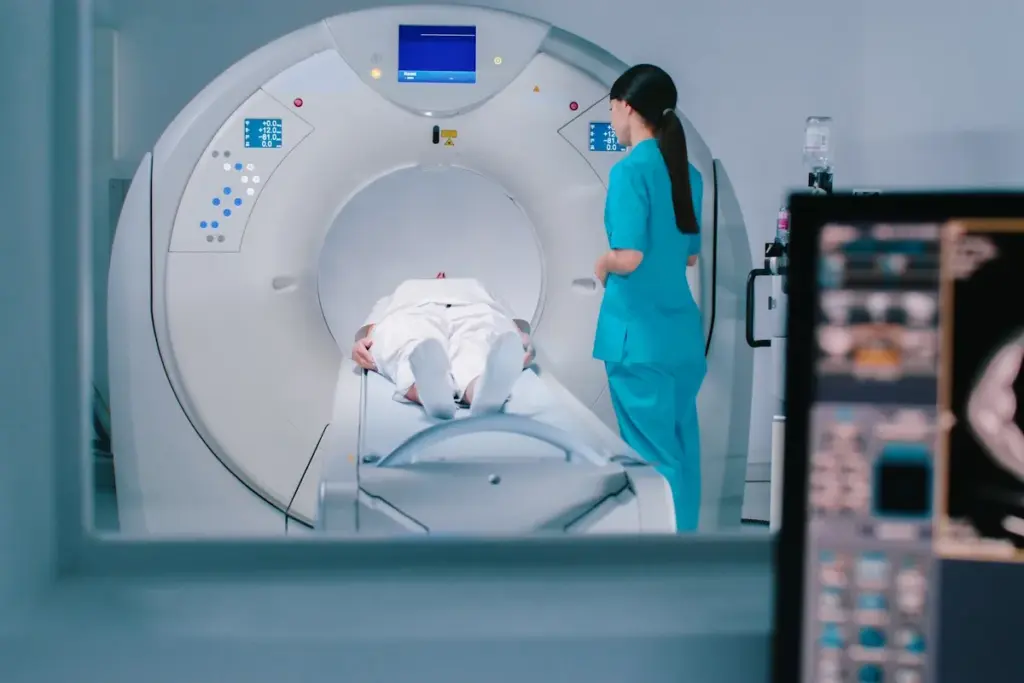
Getting ready for a PET radiology scan means knowing what to do before it. This includes walking and other exercises.
Usually, light physical activity like walking is okay before a PET scan. But, it’s important to stay away from strenuous exercise for a while before. This helps get the best results from the scan.
It’s key to follow the rules for PET scan preparation to avoid any issues. Places like Liv Hospital have strict rules to make sure the scan works well.
Key Takeaways
- Light walking is generally allowed before a PET scan.
- Strenuous exercise should be avoided 24 to 72 hours prior to the scan.
- Proper preparation is vital for accurate PET scan results.
- Institutions follow strict protocols to optimize scan outcomes.
- Following pre-scan guidelines is essential to avoid delays.
What Is a PET Scan and How Does It Work
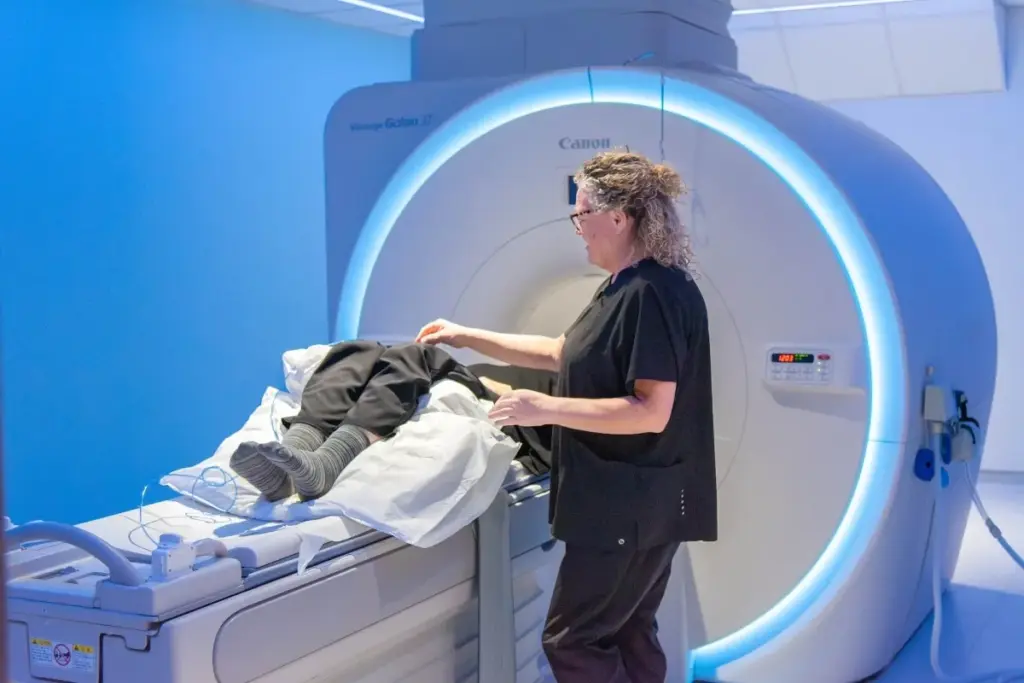
Positron Emission Tomography, or PET, is a cutting-edge medical imaging method. It shows how the body’s cells work. This tool is key for spotting and treating diseases like cancer, brain issues, and heart problems.
The Science Behind Positron Emission Tomography
PET scans find out how active the body’s tissues are. They use a tiny bit of a radioactive tracer, like FDG, which is attached to glucose. This tracer goes to cells that are very active, like in tumors.
The PET scanner picks up the signals from the tracer. It makes detailed pictures of the body’s inside and how active it is.
How Radioactive Tracers Function in the Body
The tracer in PET scans acts like the body’s natural sugars, like glucose. It goes to areas where cells are very active. There, it gives off positrons that meet electrons, making gamma rays.
The PET scanner catches these rays. It uses this info to make detailed, 3D images. These images help doctors diagnose and keep track of health issues.
PET scans have changed how we diagnose diseases. They give deep insights into the body’s functions. This helps doctors make better choices for their patients.
The Importance of Proper PET Scan Preparation
Getting ready for a PET scan is key to getting good results. Liv Hospital has strict rules to make sure scans are as accurate as they can be. This helps doctors give patients the best care possible.
Why Preparation Protocols Exist
There are rules for PET scans to make them consistent and precise. These rules help the scan work its best. They make sure the images are clear, helping doctors find and treat health issues.
Consequences of Improper Preparation
If you don’t prepare right, your PET scan might not be accurate. This could mean you get a wrong diagnosis or need more tests. It’s costly and stressful for patients.
Here’s a table showing important PET scan prep and what happens if you skip it:
|
Preparation Aspect |
Guideline |
Consequence of Non-Compliance |
|---|---|---|
|
Diet |
Fasting or specific dietary restrictions |
Inaccurate tracer uptake |
|
Physical Activity |
Avoiding strenuous exercise |
Altered tracer distribution |
|
Medication |
Adjusting or stopping certain medications |
Interference with scan results |
Following these prep rules helps make sure your PET scan is accurate. This leads to better diagnosis and treatment plans.
Walking Before a PET Scan: The General Guidelines
Many patients ask if they can walk before a PET scan. The answer depends on several factors. Walking is a common activity, but its effect on a PET scan varies.
Light Walking vs. Strenuous Exercise
Light walking is usually okay before a PET scan. But, strenuous exercise should be avoided. This is because hard exercise can change how the radioactive tracer moves in the body. This could make the scan results less accurate.
Timeframes for Activity Restrictions
It’s best to avoid hard exercise for 24 to 72 hours before a PET scan. This lets the body’s metabolic processes return to normal. The exact time may change based on what your doctor says.
|
Activity Level |
Recommended Timeframe Before PET Scan |
|---|---|
|
Light Walking |
Generally acceptable; no specific restrictions |
|
Strenuous Exercise |
Avoid for 24 to 72 hours |
Knowing these guidelines is key to getting accurate PET scan results. Always listen to your doctor’s advice. They know what’s best for you.
By following these rules, you help make sure your PET scan is accurate. It’s about finding the right balance between staying active and getting ready for the scan.
How Physical Activity Affects PET Scan Results
It’s important to know how physical activity impacts PET scan results. This is because intense exercise can change where the tracer goes in the scan. This might make the results not as accurate.
Before a PET scan, it’s key to avoid hard exercise. This is because it makes muscles take up more of the FDG tracer. This can hide real problems like tumors or make it hard to read the scan.
Muscle Uptake of FDG Tracer
The FDG tracer goes to cells that use a lot of glucose, like cancer cells and muscles. When you exercise, your muscles use more glucose. This means they take up more FDG, which can hide other tissues, like tumors.
Potential for False Positives and Negatives
Physical activity can cause both false positives and negatives in PET scans. For example, it can make muscles look like they have problems. On the other hand, it might hide tumors by making muscles look more active.
To avoid these issues, patients are told not to do hard exercise before a PET scan. Knowing how exercise affects PET scans helps patients prepare better. This ensures their tests are more accurate and reliable.
The 24-72 Hour Window: Critical Preparation Period
Getting ready 24-72 hours before a PET scan is key for getting accurate results. During this time, patients must follow certain rules. This helps to avoid things that could mess up the scan’s data.
Activity Guidelines by Timeframe
In the 24-72 hour window before the PET scan, knowing how activities affect results is important. Strenuous exercise should be skipped as it can change where the radioactive tracer goes. For example, hard workouts can make muscles take up more of the tracer. This might hide or look like real problems.
Doctors say it’s important to avoid hard activities. They cause inflammation and change how glucose is used. This makes it harder for the PET scan to show clear images.
The Journal of Nuclear Medicine
Why This Window Matters for Accuracy
The 24-72 hour window is key because it helps reduce things that could mess up the scan. By sticking to the activity guidelines and other prep steps, patients help make sure their PET scan is accurate. This is important for making a good diagnosis.
Following these rules is more than just skipping certain activities. It’s about making sure the PET scan can give the best possible diagnosis. So, patients should really listen to their healthcare provider’s instructions to get the most out of their PET scan.
Types of Exercise to Avoid Before Your PET Scan
Before getting a PET scan, it’s important to know which exercises to skip. Physical activity can change how the radioactive tracer moves in your body. This might make the scan results not accurate.
High-Impact Activities
High-impact activities put a lot of stress on your body. Examples include:
- Running or jogging
- High-intensity interval training (HIIT)
- Lifting heavy weights
- Participating in contact sports
These activities can make muscles take up more of the FDG tracer. This might hide or look like disease. It’s best to avoid these for at least 24 hours before your PET scan.
Moderate Exercise Considerations
Moderate exercise is a bit of a tricky area. It includes:
- Brisk walking
- Cycling at a leisurely pace
- Light swimming
- Yoga or Pilates
The effect of these activities can differ from person to person. It’s smart to talk to your doctor about them before your PET scan.
In summary, being careful with your exercise before a PET scan is key. Stay away from high-impact activities and check with your doctor about moderate ones. This helps make sure your PET scan shows your health accurately.
Special Considerations for Patients with Mobility Issues
People with mobility issues need to think about a few things before a PET scan. Their mobility can change how they prepare, which might affect the scan’s results.
When Regular Walking Is Strenuous
For some, walking can be hard work, due to health issues. It’s key to know that hard activities can mess with the scan’s tracer. This might make the scan’s results not accurate.
Key considerations for patients with mobility issues include:
- Avoiding strenuous activities, including walking, if it causes significant discomfort or pain.
- Understanding that even mild exercise can affect PET scan results.
- Discussing your mobility issues with your healthcare provider to get personalized advice.
Communicating with Your Healthcare Provider
It’s important for those with mobility issues to talk openly with their doctors. They can give advice that fits your needs, helping you prepare right for the scan.
By talking with your healthcare team, you can avoid problems. This way, your PET scan results will be as good as they can be.
Diet and Fasting Requirements for PET Scans
To get the best PET scan results, patients need to follow certain diet rules. A PET scan is a tool used to diagnose diseases. It works best when the body is prepared just right.
There are specific diet rules for a PET scan. These rules help make sure the scan is as accurate as it can be. Food restrictions are a big part of this.
Food Restrictions Before the Procedure
Before a PET scan, patients usually need to fast for a few hours. This time can be between 4 to 6 hours. They can drink water but must not eat or drink anything else.
It’s also good to stay away from sugary foods and drinks for 24 hours before. This is because they can mess with the scan’s results. Foods to avoid include:
- Sugary snacks
- Fruit juices and other sweetened beverages
- High-carbohydrate foods
Hydration Guidelines
Drinking enough water is key before, during, and after the scan. Patients should drink lots of water. This helps get rid of the radioactive tracer from their body.
|
Hydration Guidelines |
Timing |
|---|---|
|
Drink water |
Before, during, and after the scan |
|
Avoid sugary drinks |
At least 24 hours before the scan |
By sticking to these diet and hydration tips, patients can make sure their PET scan is as accurate as it can be.
Medication Management Before a PET Scan
Managing your medications before a PET scan is key. It helps get accurate results and makes the process smoother.
Which Medications to Continue or Pause
Talk to your healthcare provider about your meds before the scan. Some you should keep taking, while others might need to stop or change. Tell your doctor about all your prescription drugs, over-the-counter items, and supplements. This includes vitamins and herbal products, as they can affect the scan or the tracer used.
Some meds might change how the tracer spreads, which could alter the scan’s findings. Your doctor will tell you which meds to keep taking or stop and when to do it.
Insulin and Diabetes Management
For diabetics, managing insulin and blood sugar is very important before a PET scan. Follow your healthcare provider’s advice on insulin doses on the scan day. They usually guide you on adjusting your insulin to keep your blood sugar in a good range during the scan.
Good diabetes care before the scan is vital for accurate results. Your healthcare team might give more advice on fasting, diet, and medication changes. This ensures your safety and the success of the scan.
The Complete PET Scan Procedure: What to Expect
The PET scan procedure has several steps, from getting ready to after the scan. Knowing these steps can make patients feel more at ease and ready for their scan.
Before You Arrive
Before your PET scan, there are a few things to do. These steps help make the procedure smooth:
- Follow the dietary restrictions your healthcare provider gives you
- Avoid hard exercise as advised
- Tell your healthcare provider about any medicines you’re taking
- Get there 15-30 minutes early to fill out any needed paperwork
During the Scan
During the PET scan, you’ll lie on a table that slides into a big scanner. The scan is usually painless and lasts about 30 minutes to an hour. It’s important to stay very quiet during the scan to get clear images.
Key parts of the scan include:
- Getting an injection of a radioactive tracer that builds up in active body areas
- The scanning part, which finds the tracer and shows the body’s metabolic processes
Post-Scan Protocol
After the scan, you can usually go back to your normal activities unless your healthcare provider says not to. Drinking lots of water helps get rid of the radioactive tracer from your body.
Some things you might be told to do after the scan include:
- Watch for any bad reactions, but they’re rare
- Follow up with your healthcare provider to talk about your scan results
Understanding the PET scan procedure helps patients prepare better. This makes the whole process less scary and more straightforward.
PET Scan Applications in Cancer Detection and Monitoring
PET scans have greatly improved cancer detection and monitoring. They offer a unique view into the body’s cells. In oncology, PET scans provide detailed insights into metabolic activities. This helps identify cancer cells and track how well they respond to treatment.
How PET Scans Identify Cancerous Cells
PET scans spot cancerous cells by tracking metabolic activity. Cancer cells use more glucose than normal cells. The scan uses a radioactive tracer, like FDG, to find these active areas.
Importance of Accurate Results for Treatment Planning
Getting accurate PET scan results is key for treatment planning. They help doctors pinpoint tumor locations, sizes, and activity. This information guides targeted treatments and helps adjust plans as needed.
The main benefits of PET scans in cancer care are:
- Early Detection: PET scans can catch cancer early, boosting treatment success.
- Accurate Staging: They accurately stage cancer, which is essential for the right treatment plan.
- Monitoring Treatment Response: PET scans check how cancer responds to treatment, allowing for timely changes.
PET scans give vital info on cancer cell activity. This enhances cancer detection and monitoring. It leads to more effective treatments.
Common Reasons for PET Scan Repeats and How to Avoid Them
Many times, PET scans need to be done again because of mistakes in preparation. It’s important to prepare well to get the right results. Knowing what mistakes to avoid can help everyone involved.
Statistical Insights on Repeat Scans
Research shows that up to 20% of PET scans are repeated because of bad preparation. This is often because of not following the right diet or exercising too much. Following the pre-scan rules can help avoid extra scans.
|
Reason for Repeat |
Percentage |
|---|---|
|
Physical Activity Errors |
12% |
|
Diet-Related Errors |
8% |
Preparation Errors That Lead to Inaccurate Results
Not preparing correctly can mess up PET scan results. Mistakes include too much exercise, eating the wrong foods, or not fasting. If patients know and follow the prep rules, they can avoid extra scans.
Understanding FDG PET Scan Technology
FDG PET scans use Fluorodeoxyglucose (FDG) to see how active cells are in the body. This tracer acts like glucose but doesn’t get used up by cells. This makes it great for spotting changes in glucose use, like in cancer.
How FDG Mimics Glucose
FDG looks a lot like glucose, so cells take it in the same way. But unlike glucose, FDG doesn’t get broken down inside cells. This is why it’s so good at showing where glucose is being used, like in tumors.
Why Exercise Affects FDG Distribution
When you exercise, your muscles take up more glucose. This changes where FDG goes in your body. So, if you’ve worked out recently, it might mess up what the PET scan shows.
|
Factor |
Effect on FDG PET Scan |
|---|---|
|
Exercise |
Increased glucose uptake in muscles, potentially altering FDG distribution |
|
Glucose Levels |
High glucose levels can compete with FDG uptake, affecting scan sensitivity |
A study found that exercise can change what PET scans show. This shows why it’s important to follow the same steps before every scan.
Exercise and FDG PET Scan Accuracy
To sum up, knowing how FDG PET scans work is key. It’s about how FDG acts like glucose and how exercise changes its use in the body. This helps doctors get the most accurate results from scans.
PET Scan vs. Other Imaging Techniques
Medical imaging has grown a lot, leading to many tools for diagnosing. It’s important to know how each tool works. This helps doctors make the right diagnosis and treatment plans.
Tools like PET scans, CT scans, and MRI are used for different things. The right tool depends on the health issue being looked at.
PET Scan vs. CT Scan
PET and CT scans are both useful for doctors. A CT scan uses X-rays to show the body’s inside. It helps find structural problems.
A PET scan, on the other hand, looks at how active the body’s cells are. It uses a special tracer to find areas of high or low activity. This can help find diseases like cancer.
CT scans are great for seeing the body’s structure. But PET scans are better for checking how well tissues and organs work.
PET Scan vs. MRI
MRI is another tool that shows the body’s inside without harmful radiation. It uses magnetic fields and radio waves to make images. MRI is good for seeing soft tissues and understanding both structure and function.
PET scans show how active the body’s cells are. MRI, on the other hand, is better at showing the body’s structure.
When PET-CT Combination Is Recommended
PET-CT combines the best of both worlds. It uses PET for metabolic info and CT for anatomy. This makes it better for diagnosing.
PET-CT is best for checking cancer, seeing how treatments work, and finding cancer again. It gives a full picture of the disease by combining PET’s metabolic info with CT’s detailed images.
|
Imaging Modality |
Primary Use |
Key Benefits |
|---|---|---|
|
PET Scan |
Assessing metabolic activity |
Highlights areas of high or low metabolic activity |
|
CT Scan |
Identifying structural abnormalities |
Provides detailed anatomical information |
|
MRI |
Soft tissue imaging and functional assessment |
Detailed images without ionizing radiation |
|
PET-CT |
Cancer staging, treatment monitoring, and recurrence detection |
Combines metabolic and anatomical information |
Medical Standards and Protocols in US Healthcare Facilities
In the US, top medical places have set strict rules for PET scans. These rules are key to making sure PET scan results are right and trustworthy. For example, Liv Hospital follows strict standards to get the best from PET scans.
Guidelines from Leading American Medical Institutions
Big medical centers in the US, like those approved by the American College of Radiology, follow strict rules. These rules cover getting ready for the scan, using special tracers, and how to take the images.
How Protocols Have Evolved
PET scan rules have changed a lot over time. New tech and understanding how tracers work have led to better scans. Now, we use hybrid imaging like PET-CT. It mixes functional and anatomical info for better diagnosis.
These changes show a big push to help patients by getting better at diagnosing and treating them.
Conclusion: Balancing Daily Activity with PET Scan Requirements
Getting ready for a PET scan means thinking about your daily activities. This is because walking and other exercises can affect the scan’s results. This is because muscles take up the FDG tracer.
To get the best results from your PET scan, listen to your healthcare provider. They will tell you what activities to avoid and what to eat or not eat before the scan.
Knowing how to prepare for a PET scan is important. It helps make sure the scan gives accurate information. Talking to your healthcare team is key to getting it right.
It’s important to find a balance between your daily life and the PET scan. By following the right steps and talking to your healthcare team, you can help get the best results. This is important for making accurate diagnoses and effective treatments.
FAQ
What is a PET scan and how does it work?
A PET scan is a medical test that uses a special tracer to see how the body works. It injects a tiny amount of radioactive material, like FDG, into the body. This material is then absorbed by cells.
The PET scan machine picks up the radiation from the tracer. It creates detailed images of the body’s inside parts.
Can I walk before a PET scan?
Yes, you can walk lightly before a PET scan. But, you should avoid hard exercise for 24 to 72 hours before. Always follow the advice from your healthcare provider or the place where you’ll have the scan.
How does physical activity affect PET scan results?
Physical activity can mess up PET scan results. It can make muscles take up the FDG tracer. This might lead to wrong results. So, it’s best to avoid hard exercise before the scan.
What are the diet and fasting requirements for a PET scan?
You might need to fast before a PET scan. You might also have to eat a special diet to not eat too much sugar. You’ll get instructions on how to stay hydrated too.
Can I take my medications before a PET scan?
Always talk to your healthcare provider about your medicines before a PET scan. Some medicines might need to be kept up or stopped. You might need special care with insulin and diabetes.
What happens during a PET scan procedure?
During a PET scan, you’ll get a radioactive tracer injected. Then, you’ll lie on a table that moves into the PET scan machine. The machine will make detailed images of your body’s inside parts.
How long does a PET scan take?
A PET scan usually takes about 30 minutes to an hour. You might need more time for getting ready and after the scan.
What are PET scans used for in cancer detection and monitoring?
PET scans help find cancer cells, check how well treatment is working, and spot cancer coming back. Getting accurate results is key for planning treatment and caring for patients.
How does FDG PET scan technology work?
FDG PET scan technology uses FDG, a sugar-like substance, to see how the body works. Exercise can change where FDG goes, which might affect the scan’s accuracy.
What is the difference between a PET scan and other imaging techniques like CT or MRI?
PET scans show how the body’s cells work, while CT and MRI scans show the body’s structure. Sometimes, a PET-CT scan is used to get both kinds of information.
References
- BrownHealth. Preparing Your PET/CT Exam: How to Prepare Your PET/CT Scan – General Directions. Retrieved from https://www.brownhealth.org/centers-services/pet-ct/preparing-your-petct-exam/how-prepare-your-petct-scan-general-directions