
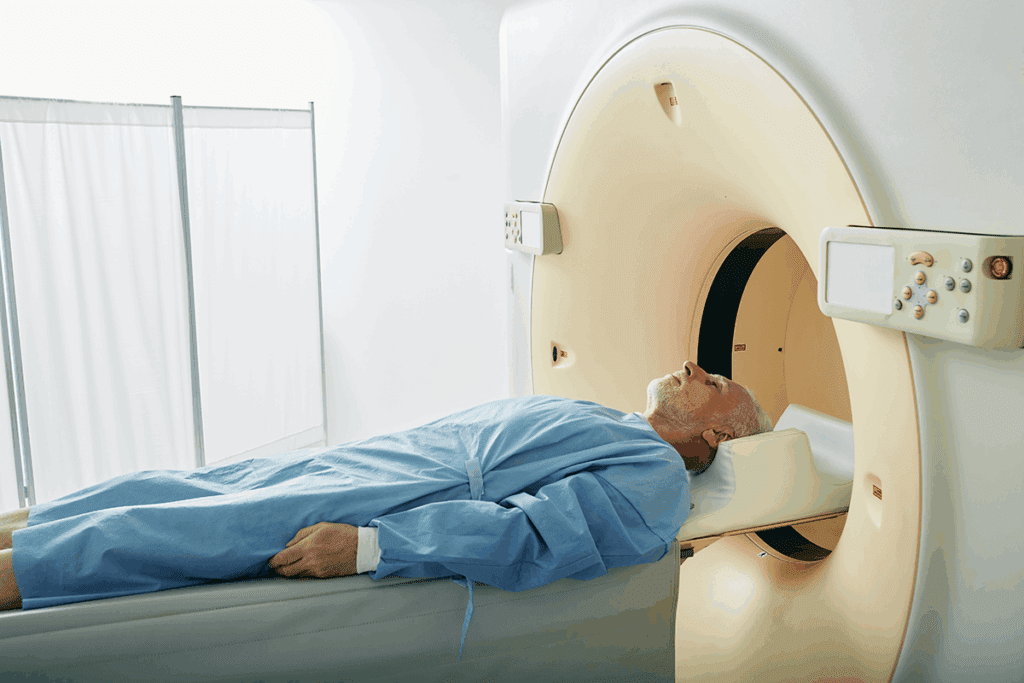
Nearly 1.9 million new cancer cases are diagnosed in the United States each year. A lot of these people get PET scans to help diagnose and track their treatment.
FDG, or Fluorodeoxyglucose, is a special glucose molecule with a radioactive tracer. It’s used in PET scans to spot cancerous tissues. The way cancer cells take up FDG helps doctors see how far the disease has spread and how aggressive it is.
Knowing about FDG uptake is key for making the right cancer diagnosis and treatment plans. It’s a big part of how doctors fight cancer today.
Key Takeaways
- FDG is used in PET scans to diagnose and monitor cancer treatment.
- The uptake of FDG by cancer cells indicates the disease’s spread and aggressiveness.
- Understanding FDG uptake is critical for accurate cancer diagnosis and treatment planning.
- PET scans with FDG help in assessing the effectiveness of cancer treatment.
- FDG PET scans are a vital tool in modern oncology for managing cancer.
Understanding FDG: The Key Component in PET Scanning
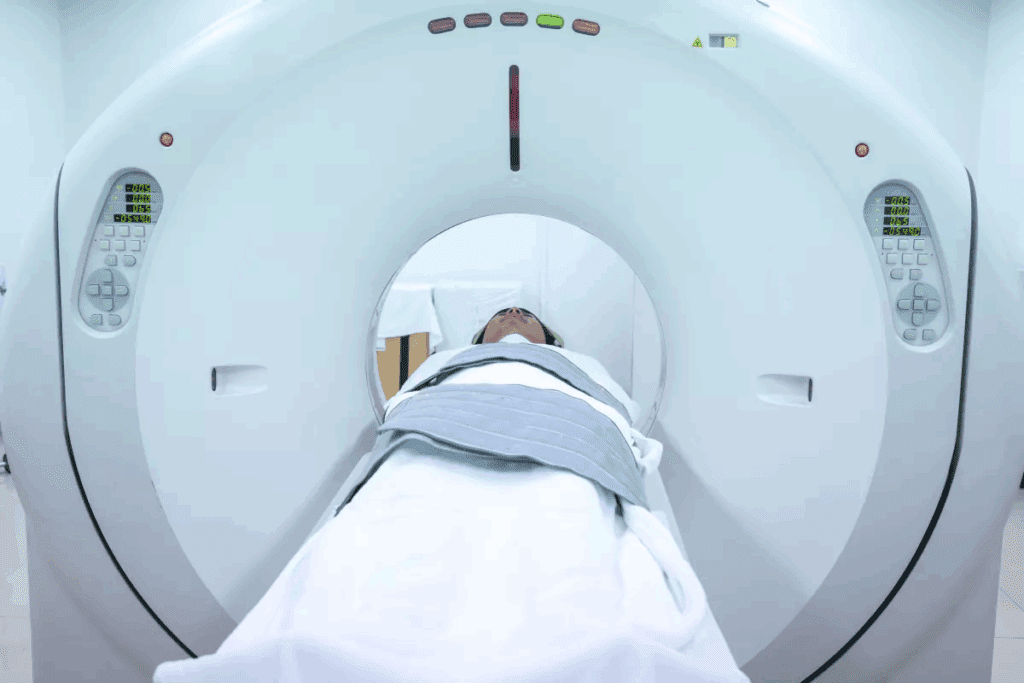
In cancer imaging, Fluorodeoxyglucose (FDG) is a key tracer in PET scans. It shows how active cells are in the body. FDG PET scans are vital in oncology for diagnosing, staging, and tracking cancer treatment.
The Chemistry of Fluorodeoxyglucose (FDG)
Fluorodeoxyglucose (FDG) is a glucose-like substance that cancer cells take up. The chemistry of FDG lets it be seen by PET scans. It has a fluorine-18 isotope that makes it detectable.
The FDG medical abbreviation is used in PET imaging. Its structure is close to glucose, allowing cells to use it. But it’s not fully broken down, so it stays in cells.
How FDG Mimics Glucose in the Body
FDG acts like glucose by entering cells through glucose transporters. Inside, it gets phosphorylated by hexokinase, an enzyme found in many cancers. This traps FDG, showing how cells use glucose.
Fluoro deoxy glucose is taken up more by cancer cells because they need more glucose. This helps doctors spot cancer by looking at FDG uptake. It’s key for making accurate diagnoses and treatment plans.
The Science Behind PET Scan Cancer Detection
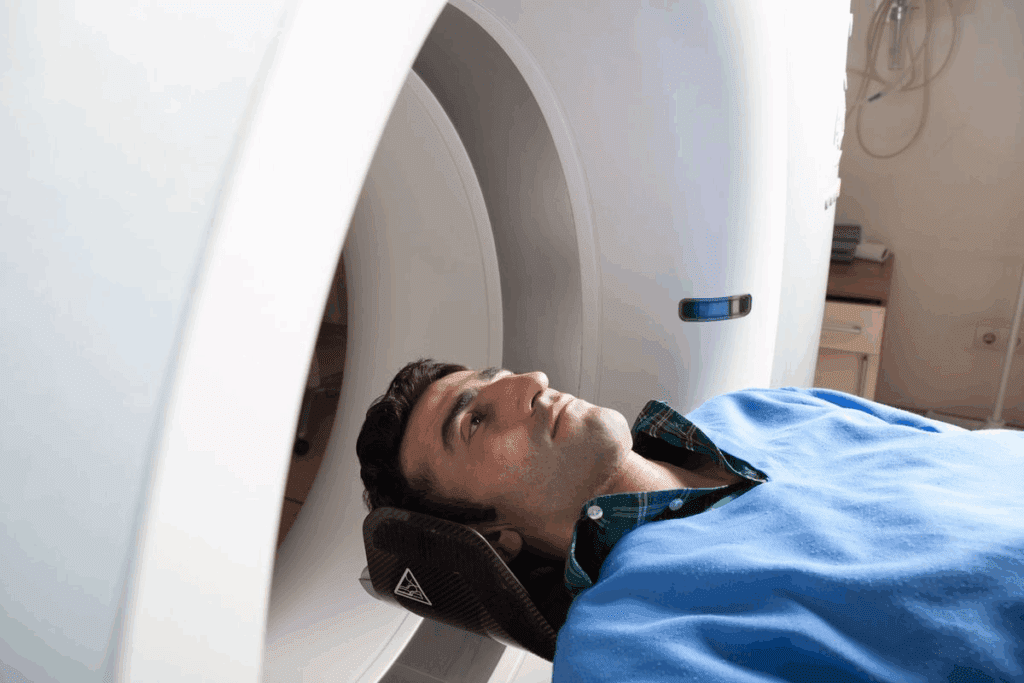
PET scan cancer detection uses a radioactive tracer called Fluorodeoxyglucose (FDG). It spots tumors by noticing how cancer cells use energy differently than normal cells.
Principles of Positron Emission Tomography
Positron Emission Tomography (PET) is a high-tech way to see what’s happening inside the body. It uses a special tracer, like 18F-FDG, to find areas with lots of activity, like tumors. The PET scanner then makes detailed pictures of these areas.
PET works by tracking the tracer’s positrons. When these positrons meet electrons, they create gamma rays. These rays help the scanner make clear images of where the tracer is.
Why Cancer Cells Absorb More FDG
Cancer cells need more energy than normal cells, so they take up more FDG. This is because cancer cells use glucose for energy, and FDG acts like glucose. So, cancer cells show up more on a PET scan, helping doctors find tumors.
- Cancer cells have higher glucose metabolism.
- FDG is taken up by cells with high glucose demand.
- Increased FDG uptake indicates cancerous activity.
The Role of 18F Isotope in FDG Imaging
The 18F isotope is key to FDG, the tracer in PET scans. It has the right half-life for the scan, keeping radiation low. Its energy is perfect for PET scanners, making it great for FDG imaging.
Using 18F-FDG in PET scans has changed cancer imaging. It gives doctors important info for diagnosing, planning treatment, and checking how well treatment is working.
How FDG-PET Scans Work in Clinical Practice
FDG-PET scans are key in fighting cancer. They show how active tumors are, helping doctors choose the best treatment.
Patient Preparation for FDG-PET Scans
Patients must prepare before an FDG-PET scan. They need to fast for hours to keep blood sugar low. This helps FDG reach tumors better.
They should also avoid hard exercise and drink lots of water. This ensures FDG spreads evenly in the body.
The Scanning Process Step by Step
The scanning starts with a small FDG injection. Patients wait about an hour for it to spread. They must stay calm and quiet.
Then, they lie down on a table. The PET scanner finds the FDG’s gamma rays. This whole process takes about 30 minutes to an hour.
What Happens to FDG in Your Body During a Scan
FDG spreads through the blood during the scan. Cancer cells, being more active, grab more FDG. This makes them show up on the scan.
The PET scanner spots these high FDG areas. This helps doctors see where cancer is and how far it’s spread. It’s key for diagnosing, treating, and checking if cancer comes back.
A leading oncologist, says, “FDG-PET scans have changed how we fight cancer. Seeing tumors’ activity helps us treat better.”
Interpreting FDG Uptake in Cancer Diagnosis
Understanding FDG uptake is key for accurate cancer diagnosis with PET scans. It shows how much fluorodeoxyglucose cells in the body absorb. This is a sign of metabolic activity.
Understanding SUV (Standardized Uptake Value)
The Standardized Uptake Value (SUV) measures FDG uptake in PET scans. It shows how active tissues are metabolically. Higher SUV values often mean more aggressive cancer.
SUV is found by comparing the activity in a specific area to the body’s average activity. This gives a semi-quantitative look at FDG uptake.
What “FDG-Avid” Means in Diagnostic Reports
“FDG-avid” describes tissues or lesions with high FDG uptake in reports. This usually means high metabolic activity, which can be cancerous.
But, FDG-avidity isn’t just for cancer. Inflammation can also show high FDG uptake. So, it’s important to look at the whole clinical picture.
Differentiating Between Normal and Abnormal FDG Activity
Telling normal from abnormal FDG activity is vital for correct diagnosis. Normal FDG uptake happens in organs like the brain, heart, and urinary tract.
Abnormal FDG uptake is found by comparing SUV values to normal activity. The pattern of uptake, like focal or diffuse, helps tell if it’s benign or malignant.
The Critical Role of PET Scan Cancer Imaging
PET scans are key in finding and managing cancer early. They use Fluorodeoxyglucose (FDG) to spot cancer cells by their activity.
Early Detection Capabilities
PET scans are great at catching cancer early. This is very important for treatment to work well. They can see tumors that other scans can’t.
Accuracy Rates for Different Cancer Types
PET scans work differently for each cancer type. For example, they’re very good at finding lung cancer and lymphoma. Here are some cancers where PET scans are very accurate:
- Lung Cancer
- Lymphoma
- Colorectal Cancer
Limitations in Cancer Diagnosis
Even though PET scans are very useful, they have some downsides. Things like false positives and scan quality can impact how accurate they are. It’s important to know these when looking at PET scan results.
Knowing what PET scans can and can’t do is key. It helps them be used right in diagnosing and managing cancer.
FDG-PET in Cancer Staging and Progression Assessment
FDG-PET has changed how we stage cancer. It gives detailed metabolic info. This helps doctors see how far cancer has spread and plan treatments.
Determining Cancer Spread with FDG Uptake Patterns
FDG-PET scans are great for spotting cancer spread. They show where glucose is used a lot. Cancer cells use more glucose than normal cells, making them stand out.
Impact on TNM Staging Systems
FDG-PET scans change how we use the TNM staging system. The TNM system looks at the tumor size, nearby lymph nodes, and if cancer has spread. FDG-PET helps get these details right, leading to better treatment plans.
| Cancer Stage | TNM Classification | FDG-PET Findings |
| Stage I | T1, N0, M0 | Low FDG uptake, localized tumor |
| Stage III | T3, N1, M0 | High FDG uptake, lymph node involvement |
| Stage IV | Any T, Any N, M1 | High FDG uptake, distant metastases |
FDG-PET scans are key in cancer staging and treatment planning. They help doctors see how cancer has spread and how active tumors are. This leads to better, more tailored treatments for patients.
How FDG Uptake Guides Treatment Decisions
FDG uptake is key in guiding cancer treatment. It gives detailed metabolic info about tumors. This info helps doctors tailor treatments to each patient’s needs.
FDG-PET scans have changed oncology. They help doctors understand tumor metabolism. This knowledge guides treatment choices.
Directing Radiation Therapy Planning
FDG uptake is vital for radiation therapy planning. It helps pinpoint high metabolic areas in tumors. This precision allows for more targeted radiation.
It also helps in defining tumor boundaries. This is key for effective radiation therapy. It can lead to better outcomes and fewer side effects.
Influencing Surgical Approaches Based on FDG Activity
The level of FDG activity affects surgical plans. Surgeons use FDG-PET scans to plan surgeries. They look for tumor spread and distant metastases.
Understanding tumor metabolism helps surgeons. They can decide if neoadjuvant therapy is needed. This can improve surgical results.
Evaluating Treatment Response and Therapy Modifications
FDG-PET scans help evaluate treatment success. They show changes in FDG uptake over time. This helps doctors adjust treatments as needed.
A drop in FDG uptake means treatment is working. But, an increase or stable high uptake might mean a change is needed.
PET-CT: The Combined Approach to Cancer Imaging
PET-CT is a key tool in cancer imaging. It mixes PET’s functional data with CT’s detailed images. This combo helps doctors see cancer better.
How PET and CT Work Together
PET and CT together give a full view of cancer in the body. PET scans use a radioactive tracer, like Fluorodeoxyglucose (FDG), to spot active areas. CT scans show the body’s structure. So, PET-CT shows where cancer is and how active it is.
This method makes diagnosis more accurate. It also helps plan treatments. For example, FDG PET-CT finds tumors, spots spread, and checks treatment success.
Advantages of Hybrid FDG PET-CT Imaging
Using hybrid PET-CT boosts confidence in diagnosis. It also helps stage cancer better and check treatment results. This mix of data helps doctors make better choices for patients.
- Enhanced diagnostic accuracy
- Better localization of tumors
- Improved staging and restaging
- More effective treatment planning
FDG PET-CT is vital in today’s oncology. It gives a detailed look at cancer and guides treatment plans.
FDG-PET Applications in Specific Cancer Types
FDG-PET scans have changed how we fight cancer. They give us key info for many types of cancer. This tool is now a must-have for diagnosing, staging, and tracking treatment.
Lung Cancer and FDG Uptake Patterns
In lung cancer, FDG-PET scans are key. They show how active tumors are. High FDG uptake means the tumor might be more aggressive.
The scan helps find the main tumor, check lymph nodes, and spot distant metastases. This info is essential for planning treatment.
Lymphoma Evaluation with FDG-PET
FDG-PET is great for lymphoma because lymphoma cells are very active. It shows how far the disease has spread, checks how well treatment is working, and spots relapse early. FDG-PET/CT is now the top choice for staging lymphoma, giving both metabolic and anatomical details.
Colorectal Cancer Assessment
For colorectal cancer, FDG-PET scans find where the disease has come back, check how well treatment is working, and spot metastases. It’s very helpful for patients with rising tumor markers and unclear findings on regular scans.
Breast Cancer Applications
In breast cancer, FDG-PET scans help see how far the disease has spread, mainly in advanced or metastatic cases. It also checks how well treatment is working and finds recurrence. But, it’s not as good for very early-stage breast cancer because it misses small tumors.
| Cancer Type | FDG-PET Application | Benefits |
| Lung Cancer | Assessing tumor metabolic activity, staging | Accurate staging, guides treatment planning |
| Lymphoma | Evaluating disease extent, treatment response | Early detection of relapse, guides therapy |
| Colorectal Cancer | Detecting recurrence, assessing treatment response | Identifies metastases, guides surgical planning |
| Breast Cancer | Assessing disease extent, treatment response | Evaluates metastatic disease, monitors therapy |
Comparing FDG-PET to Other Cancer Imaging Techniques
FDG-PET is a key tool in fighting cancer. But how does it stack up against other imaging methods? When doctors diagnose and plan treatment, they often pick from various options. Each has its own benefits and drawbacks.
FDG-PET vs. MRI for Cancer Detection
MRI and FDG-PET are used in different ways for cancer imaging. MRI gives detailed pictures of soft tissues. On the other hand, FDG-PET shows how active tumors are. Sometimes, using both MRI and FDG-PET together gives a clearer picture.
- MRI Advantages: High-resolution images of soft tissues.
- FDG-PET Advantages: Shows metabolic activity of tumors.
FDG-PET vs. CT Scans: Strengths and Limitations
CT scans are fast and give detailed images. They’re great for first checks and guiding biopsies. But, they might miss metabolic changes that FDG-PET can spot. FDG-PET is better at finding cancer in lymph nodes or other places.
- CT Scan Strengths: Quick, available, and good for anatomy.
- FDG-PET Strengths: Finds metabolic activity and cancer spread well.
When to Use FDG-PET vs. Other Modalities
Choosing between FDG-PET and other imaging depends on the situation. For example, FDG-PET is best for lymphoma or finding cancer again. MRI is better for brain or soft tissue tumors.
- Use FDG-PET for cancers with high metabolic activity.
- Choose MRI for detailed soft tissue anatomy.
- Consider CT scans for initial assessments or when quick results are needed.
Clinical Significance of FDG Avidity in Cancer
FDG avidity in cancer diagnosis and treatment is very important. It shows how cancer cells take up fluorodeoxyglucose (FDG), a glucose analog used in PET scans.
What High FDG Uptake Tells Oncologists
High FDG uptake means the tumor is aggressive and has a high metabolic rate. This is key for oncologists. It helps them understand the cancer’s severity and plan the best treatment.
Tumors with high FDG uptake are usually more malignant. They might need more aggressive treatment.
Low FDG Avidity Cancers and Their Management
Cancers with low FDG avidity are a different challenge. These tumors are less active metabolically. They are harder to detect by FDG-PET scans.
Managing these cancers might involve other imaging techniques or biopsy. This is to accurately diagnose and stage the disease.
Changes in FDG Uptake During Treatment
Watching how FDG uptake changes during treatment is very useful. A decrease in uptake means the cancer is responding well to treatment. An increase or no change might mean the cancer is not responding.
In conclusion, understanding FDG avidity is key for managing cancer. It helps in making treatment decisions, assessing treatment response, and gives prognostic information.
Patient Experience: What to Expect During an FDG-PET Scan
The FDG-PET scan is a key tool for diagnosing cancer. Knowing what to expect can make it less scary for patients. It’s important to understand the process to feel more prepared.
Before the Scan: Preparation Guidelines
Getting ready for the FDG-PET scan is important. Patients usually need to fast for a few hours before. They should only drink water and avoid exercise and tight clothes. It’s also vital to tell your doctor about any medications, allergies, or health issues to ensure safety.
During the Scan: The Procedure Experience
During the scan, you’ll lie on a table that moves into a PET scanner. The whole process is painless and takes about 30 to 60 minutes. You’ll need to stay very quiet and might be asked to hold your breath briefly. The scan shows how active your body’s cells are, helping doctors see if cancer has spread.
After the Scan: Recovery and Results
After the scan, you can usually go back to your normal day. The results are checked by a radiologist and then shared with your healthcare team. It might take a few days to get the results. You’ll need to talk to your doctor about what they mean for your care.
Radiation Exposure and Safety Considerations
FDG-PET scans are key in cancer treatment planning. They help see how cancer spreads and how well treatments work. But, they also mean some radiation exposure.
Understanding Radiation Doses in FDG-PET Scans
FDG-PET scans give off 7 to 14 millisieverts (mSv) of radiation. This depends on the dose given and the scan type. For comparison, a chest CT scan is about 7 mSv. Knowing these doses helps weigh the risks and benefits for patients.
Risk-Benefit Analysis for Cancer Patients
For cancer patients, the good from FDG-PET scans usually outweighs the radiation risks. These scans help doctors make better treatment plans. Each patient’s situation is unique, so a careful risk-benefit check is done.
Safety Protocols and Precautions
To cut down on radiation, several steps are taken. These include using the least amount of FDG needed and making sure scans are done right. Also, patients are well-hydrated and empty their bladders after the scan. Pregnant or breastfeeding women get extra care to avoid radiation exposure.
| Precaution | Purpose |
| Using the lowest necessary dose of FDG | Minimize radiation exposure |
| Optimizing scan protocols | Reduce unnecessary radiation dose |
| Proper hydration and bladder emptying | Reduce radiation exposure to the bladder |
Cost and Insurance Coverage for FDG-PET Scans
Understanding the cost of FDG-PET scans is key for those facing cancer. The cost of pet scan can be high. Knowing what to expect can ease some of the financial stress of cancer care.
Average Costs in the United States
The pet scan cost in the United States varies a lot. It depends on location, facility, and if it’s part of a PET-CT scan. Costs usually range from $1,000 to $3,000 or more per scan.
| Setting | Average Cost Range |
| Hospital | $1,500 – $3,500 |
| Outpatient Facility | $1,000 – $3,000 |
| PET-CT Scan | $2,000 – $4,000 |
Insurance Coverage Guidelines for Cancer-Related Scans
Most insurance plans cover FDG-PET scans for cancer diagnosis and staging. But, the insurance coverage pet scan can differ. It’s vital for patients to check their insurance policies. This way, they can understand what is covered and what they might have to pay out-of-pocket.
Conclusion: The Vital Role of FDG-PET in Modern Cancer Care
FDG-PET scans have changed how we diagnose and treat cancer. They help doctors understand cancer better. This leads to better care for patients.
FDG uptake shows how cancer spreads and how well treatments work. This info is key for custom cancer care. As tech gets better, so does our understanding of cancer.
The future of fighting cancer depends on better FDG-PET tech. With it, doctors can help patients more and improve their lives.
FAQ
What is FDG and how is it used in PET scans?
FDG, or Fluorodeoxyglucose, is a glucose molecule with a radioactive tag. It’s used in PET scans to spot areas with high glucose use. This is common in cancer cells.
How does FDG work in cancer detection?
Cancer cells use more glucose than normal cells. When FDG is injected, it’s taken up by cells based on their glucose use. So, cancer cells show up more on a PET scan.
What is the role of the 18F isotope in FDG imaging?
The 18F isotope is a radioactive fluorine atom attached to glucose to make FDG. It emits positrons, which the PET scanner detects. This lets us see where FDG is taken up in the body.
How is FDG-PET used in cancer staging?
FDG-PET helps find out how far cancer has spread by showing where FDG is taken up. This info is key for accurate staging and helps decide treatment.
What is SUV, and how is it used in interpreting FDG-PET scans?
SUV, or Standardized Uptake Value, measures FDG uptake in the body. It helps quantify how much FDG is taken up. This helps tell if a lesion is benign or malignant.
What does “FDG-avid” mean in diagnostic reports?
“FDG-avid” means tissues or lesions take up a lot of FDG, showing high metabolic activity. In cancer diagnosis, this usually means the lesion is malignant.
How does FDG-PET compare to other cancer imaging techniques like MRI and CT scans?
FDG-PET shows how cells use glucose, while MRI and CT scans show anatomy. FDG-PET is great for finding active cancer cells, even before they change anatomy.
What are the advantages of hybrid FDG PET-CT imaging?
Hybrid FDG PET-CT combines PET’s metabolic info with CT’s anatomy. This gives a detailed view of FDG-avid lesions and a full picture of cancer extent.
How is FDG uptake used to guide treatment decisions in cancer?
FDG uptake levels and patterns help decide on treatments like radiation therapy. They also help check treatment success and look for remaining disease after treatment.
What are the limitations of FDG-PET in cancer diagnosis?
FDG-PET is very useful but has limits. It can be affected by blood sugar levels. Some cancers may not show up on FDG-PET. Also, inflammation and infection can cause false positives.
How much does an FDG-PET scan cost, and is it covered by insurance?
An FDG-PET scan costs several thousand dollars. Many insurance plans cover it for cancer diagnosis and staging. But, coverage depends on the situation and insurance provider.
What should I expect during an FDG-PET scan?
Before the scan, you’ll fast and avoid hard activities. During it, you’ll lie on a table that slides into the PET scanner. The scan is painless but might be uncomfortable from lying for a long time.
Are there any safety concerns associated with FDG-PET scans?
The main safety worry is radiation exposure. But, the dose is safe, and the scan’s benefits usually outweigh the risks, mainly for cancer diagnosis and treatment.
Reference
- Mosmann, M. P., Pires, A., & Almeida, O. M. (2016). Solitary pulmonary nodule and 18F-FDG PET/CT. Part 2: Diagnostic performance, SUV thresholds, and pitfalls. Radiologia Brasileira, 49(4), 240–247. https://www.ncbi.nlm.nih.gov/pmc/articles/PMC4851481/