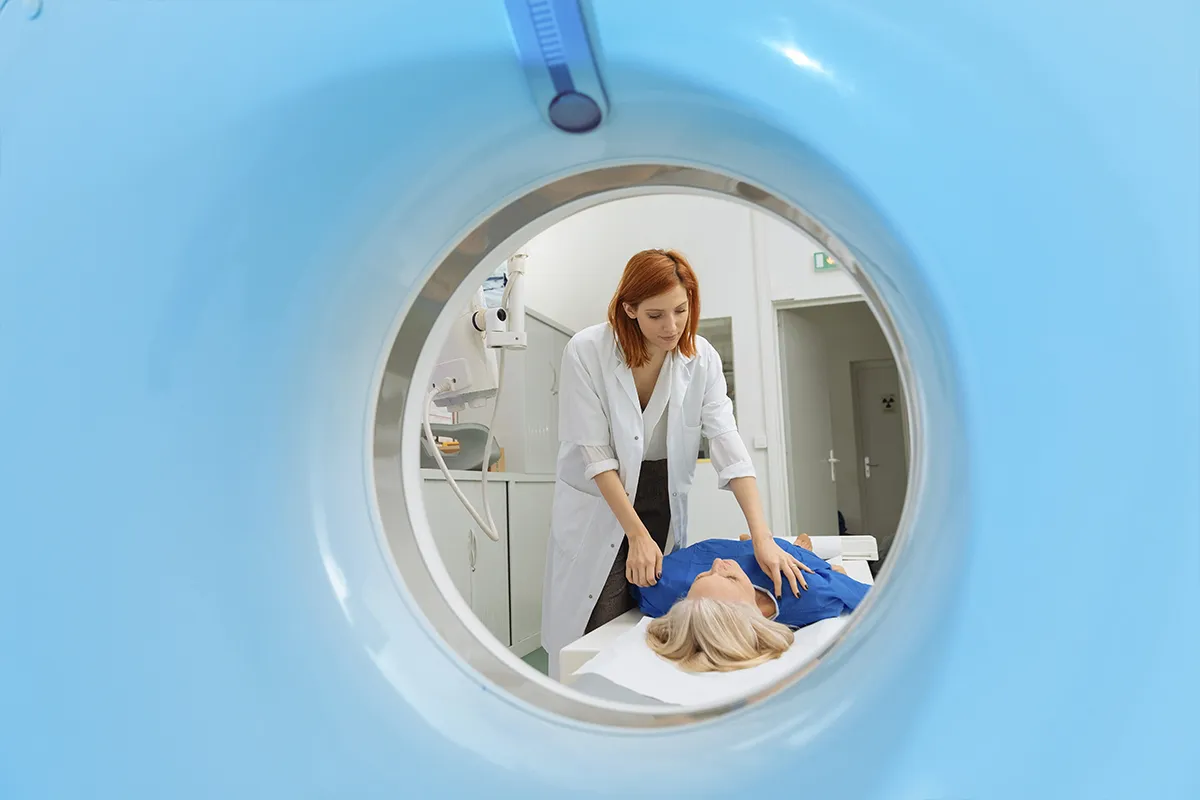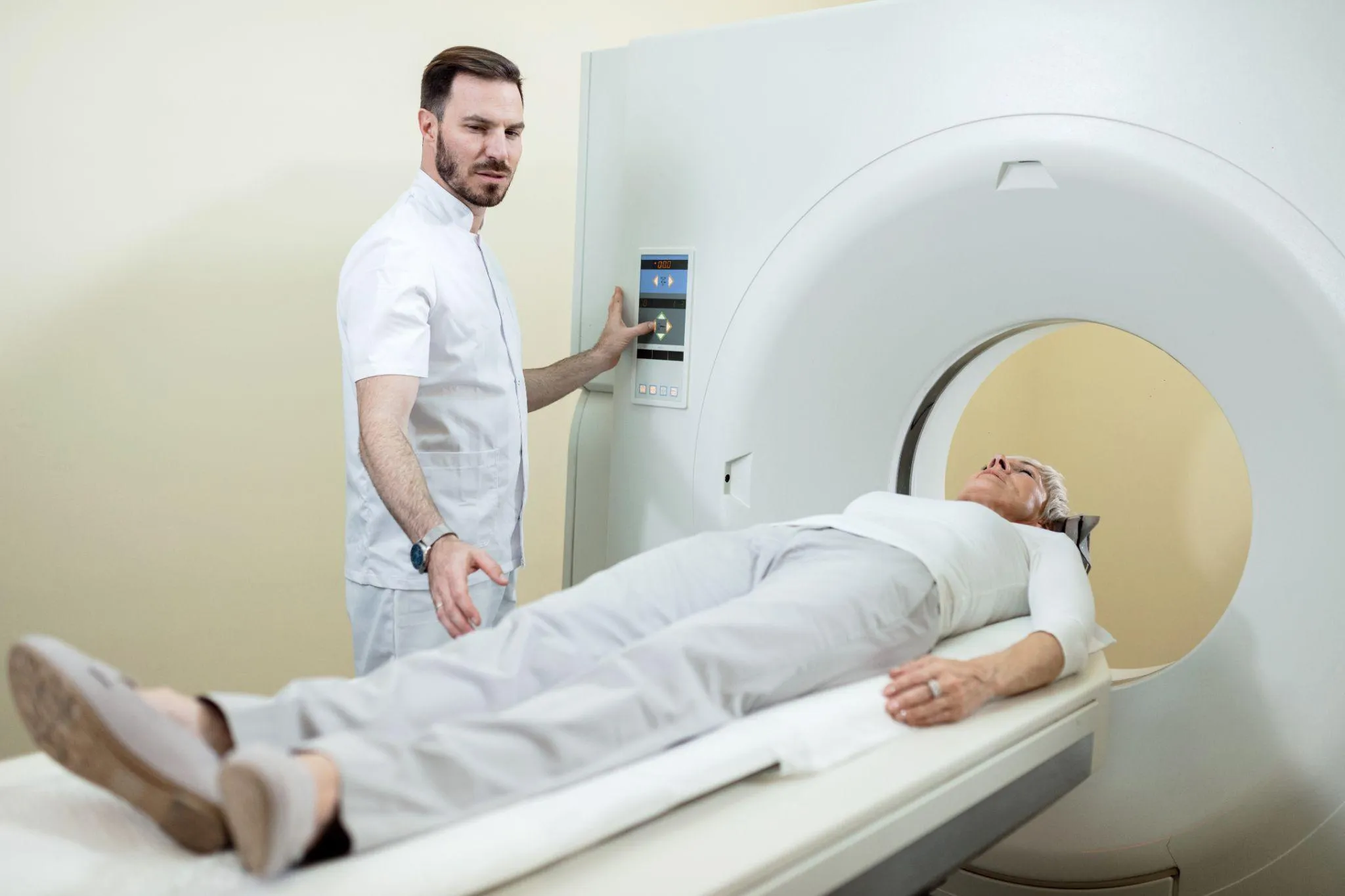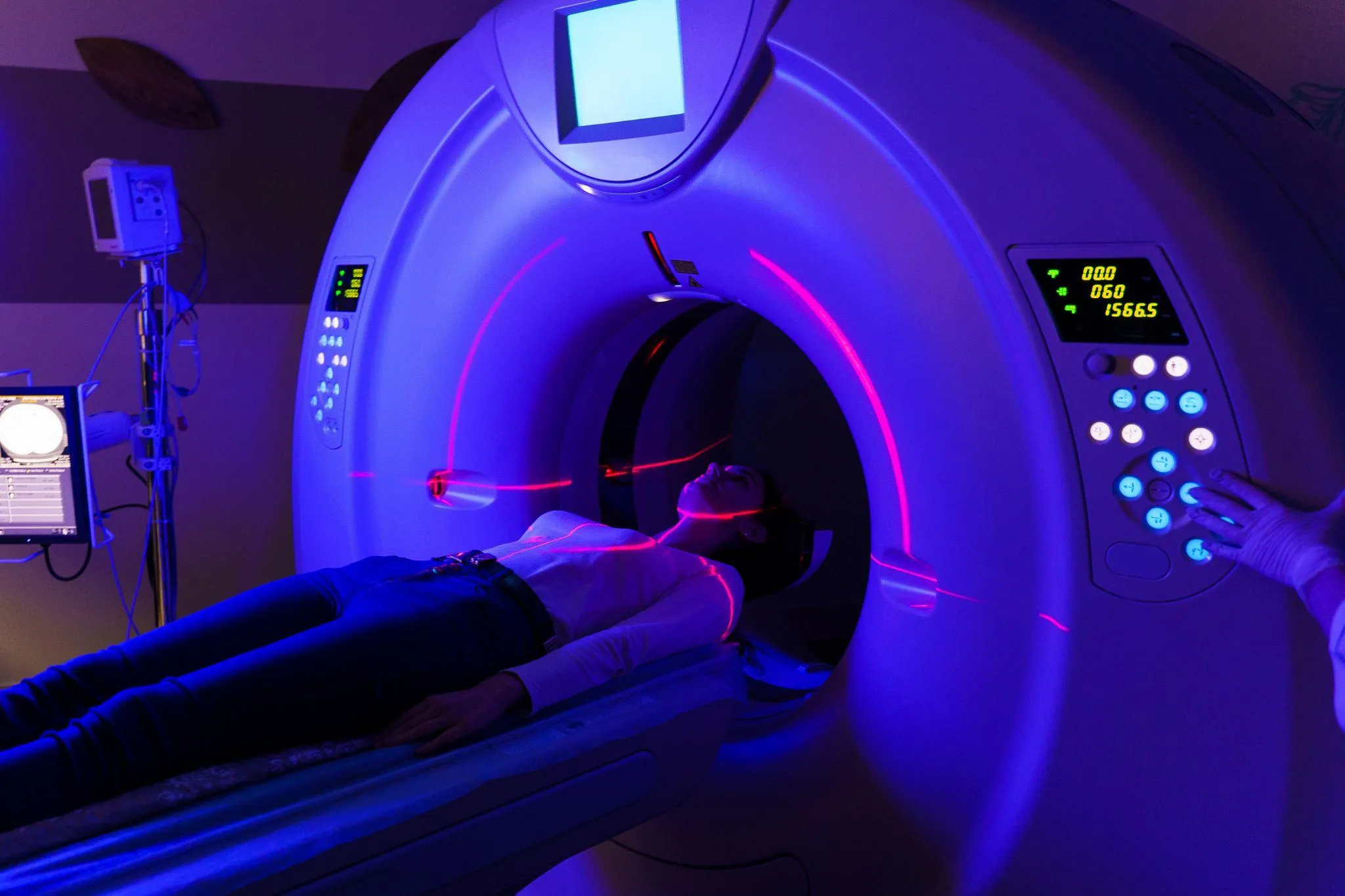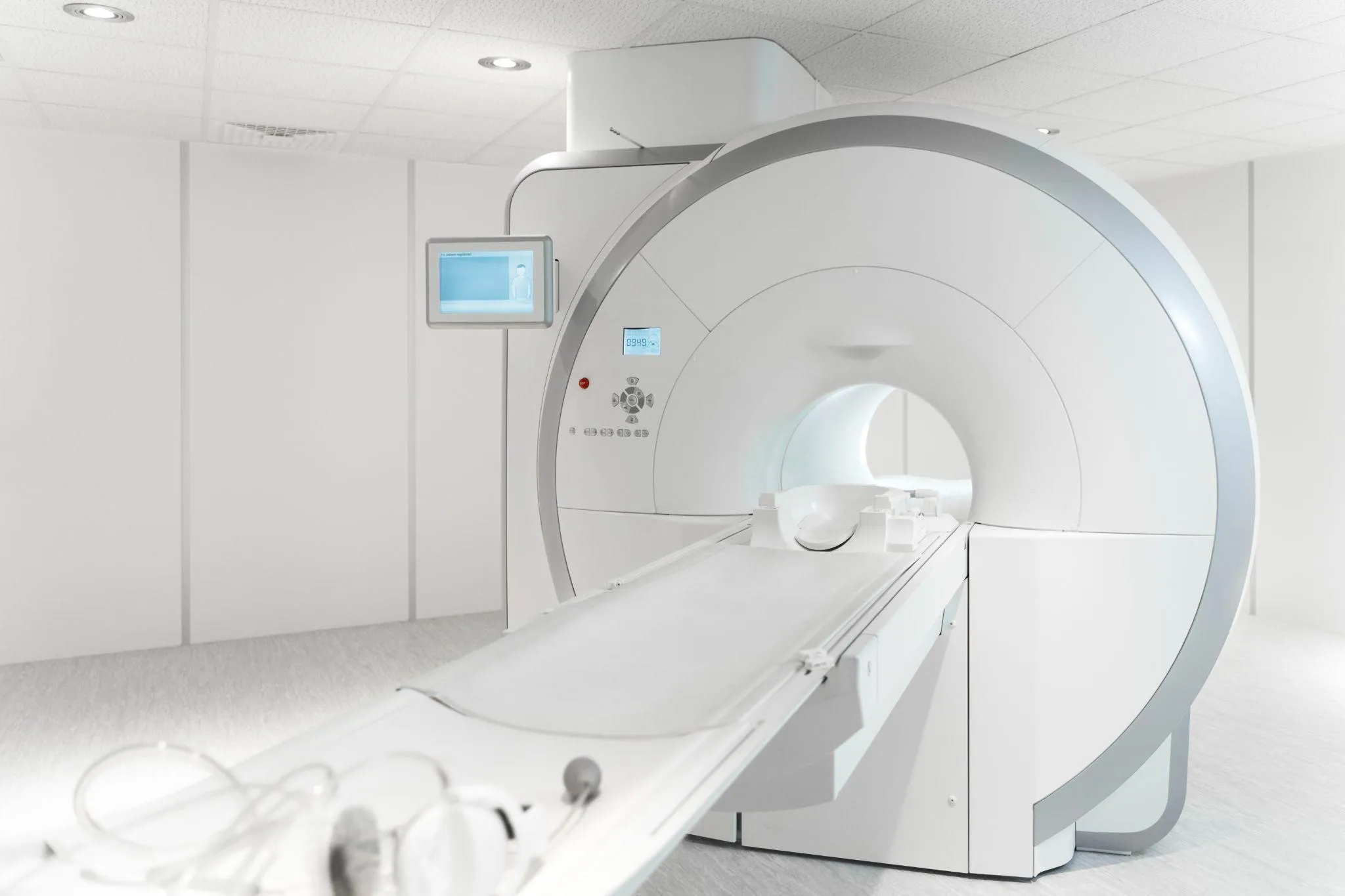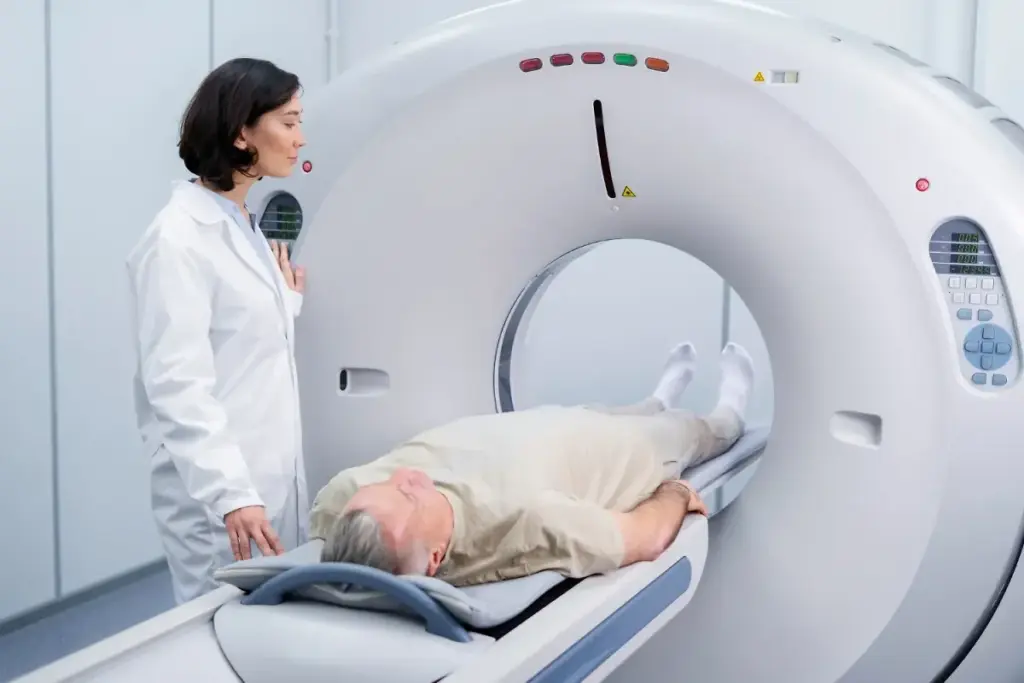
Many Medicare beneficiaries wonder if they can get PET scans covered. These scans are key for finding cancers, heart issues, and brain problems.
Medicare Part B does cover PET scans for those who need them. This is when a doctor orders the scan and it’s really needed.This coverage is very important. It helps patients get the right diagnosis and treatment.
Key Takeaways
- Medicare covers medically necessary PET scans.
- Coverage is mainly for cancer, heart issues, and brain problems.
- Medicare Part B pays for outpatient PET scans if a doctor orders them.
- PET scans are a key tool for finding health issues.
- Coverage ensures patients get the right diagnosis and treatment.
What Are PET Scans and How Do They Work?
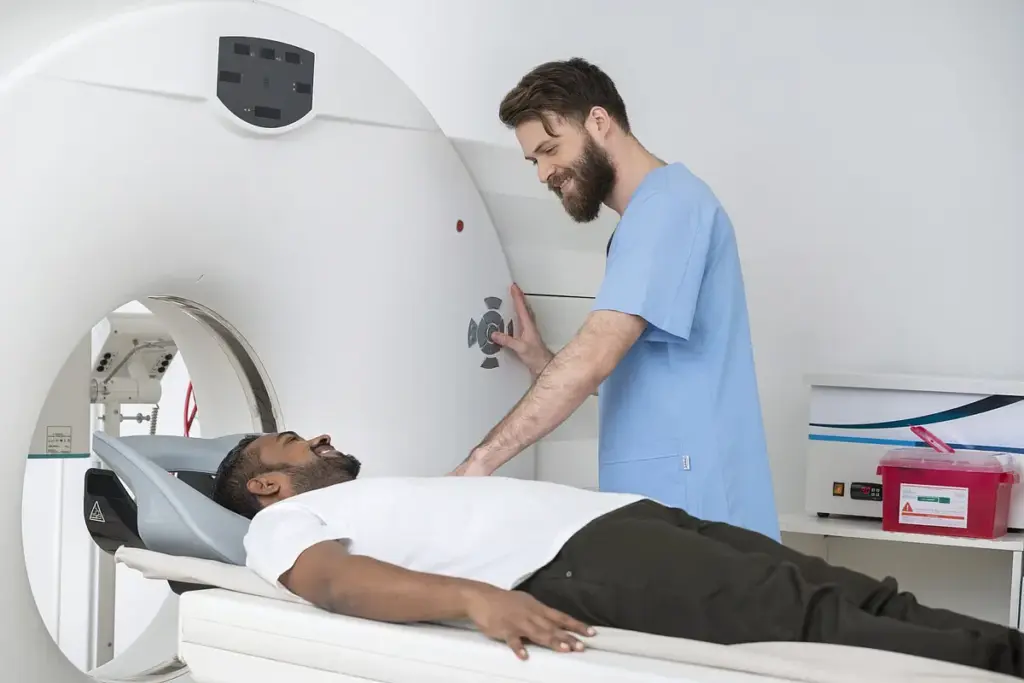
PET scans help doctors see inside the body with advanced technology. They show how well tissues and organs work. This is done by using a small amount of radioactive tracer that lights up active areas.
Definition and Technology Behind PET Scans
PET scans use positron emission tomography to show body details. A radioactive sugar solution is injected, which goes to active areas like cancer cells. The scanner picks up signals from this tracer, showing how tissues and organs are doing.
The tech behind PET scans is complex, using computers and detectors to catch signals. This gives detailed images that help doctors diagnose.
What Does PET Scan Stand For?
PET stands for Positron Emission Tomography. “Positron Emission” is when the tracer sends out positrons. “Tomography” means imaging by sections. So, PET scans show the body’s metabolic activity in sections.
“PET scans have become an indispensable tool in oncology, cardiology, and neurology, providing insights that other imaging modalities cannot.”
The Diagnostic Value of PET Imaging
PET imaging is valuable for diagnosing because it shows how the body’s tissues and organs work. It can spot changes in metabolic activity. This is key for diagnosing and tracking diseases like cancer, heart disease, and brain disorders.
PET scans combine functional and anatomical info. This helps doctors make better diagnoses and treatment plans.
Differences Between PET Scans and Other Imaging Tests
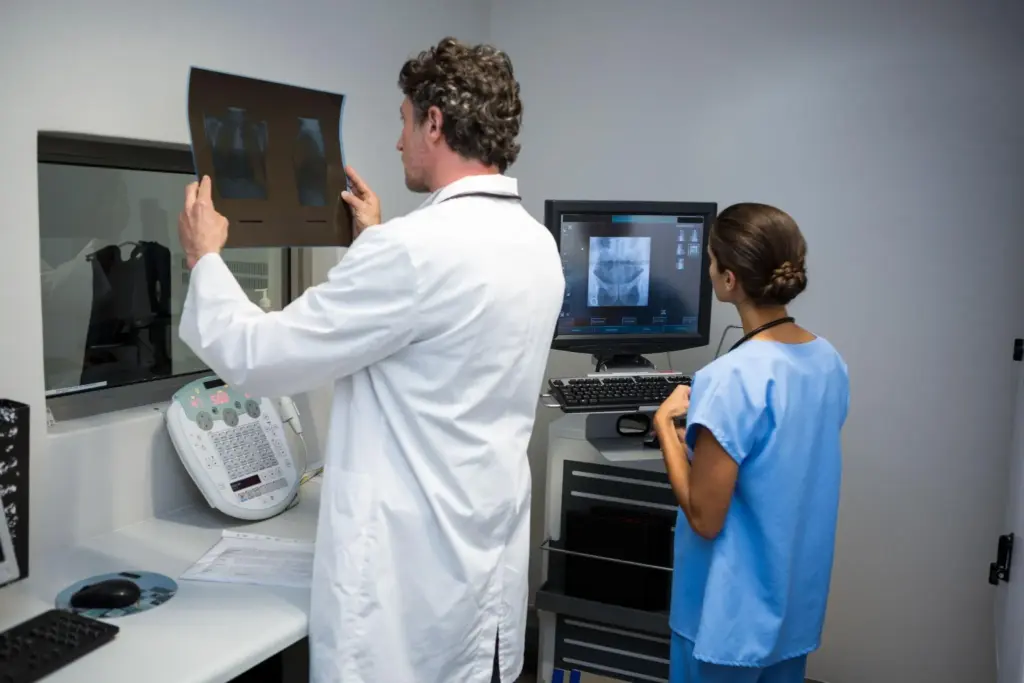
It’s important to know how PET scans differ from other imaging tests. These tests help doctors see inside the body. They are key in modern medicine.
PET Scans vs. CT Scans
PET and CT scans are used for different things. PET scans look at how cells work, which helps find cancer and other issues. CT scans show the body’s structure, helping spot problems.
The main difference between CT and PET scans is their use. CT scans are for looking at body parts. PET scans check how cells function. This makes PET scans great for checking on cancer and brain health.
PET Scans vs. MRI Scans
MRI scans also show body parts in detail, like CT scans. But they use magnetic fields and radio waves, not X-rays. MRI is best for soft tissues like the brain and joints.
PET scans look at how cells work, while MRI shows body parts in detail. The choice between them depends on what the doctor needs to see. MRI is good for brain images, and PET for tumor activity.
Combined PET-CT Scanning Technology
PET-CT scans combine PET and CT technology. They offer detailed images of how the body works. This is a big step forward in imaging.
These scans are very useful in cancer care. They help find tumors and see how active they are. The pet ct scan cost is more than for just PET or CT scans. But, the extra detail is worth it.
In short, knowing the differences between PET scans and other tests is key. Using different imaging methods together helps doctors understand patients better. This leads to better care and treatment plans.
Medical Conditions Diagnosed Using PET Scans
PET scans are key in modern medicine. They help doctors find and track many health issues. This section will look at the medical conditions PET scans can diagnose.
Cancer Detection and Staging
PET scans are a big help in fighting cancer. They show how far cancer has spread, which helps doctors plan treatment. The American Cancer Society says PET scans are great for finding cancer in other parts of the body.
The cost of a PET scan for cancer can change. But, Medicare helps make it more affordable. Knowing about pet scan charges and cost of pet scan helps patients manage their health costs.
|
Cancer Type |
Use of PET Scan |
Benefits |
|---|---|---|
|
Lymphoma |
Staging and monitoring treatment response |
Accurate assessment of disease spread and response to therapy |
|
Lung Cancer |
Diagnosis and staging |
Helps in identifying the extent of cancer spread |
|
Breast Cancer |
Assessing cancer spread to lymph nodes or other parts of the body |
Assists in planning appropriate treatment |
Cardiovascular Disease Assessment
PET scans check on heart health by looking at blood flow and heart tissue. This info is key for treating heart disease. A study in the Journal of Nuclear Cardiology found PET scans are very good at spotting heart disease.
Knowing the how much is a pet scan for heart health can help patients plan for costs.
“PET scans provide valuable information about the heart’s function and blood flow, helping doctors make informed decisions about patient care.”
— Journal of Nuclear Cardiology
Neurological Disorder Diagnosis
PET scans are also important for diagnosing brain diseases like Alzheimer’s. They show how the brain works and where it might not be right. The Alzheimer’s Association says PET scans can spot Alzheimer’s by showing brain activity patterns.
PET scans are vital in neurology. They give insights that other tests can’t, helping doctors understand brain diseases better.
Medicare Coverage Basics for Diagnostic Imaging
To understand healthcare, knowing Medicare basics is key, mainly for imaging tests. Medicare has several parts, each covering different healthcare needs.
Overview of Medicare Parts A, B, C, and D
Medicare Part A pays for hospital stays, skilled nursing, and some home care. Part B covers outpatient services, like PET scans, if they’re needed. Medicare Advantage (Part C) is a private option with extra benefits. Part D handles prescription drugs.
Medical Necessity Requirements
For Medicare to cover imaging tests, they must be medically necessary. This means a doctor must order them to diagnose or treat a condition. Medicare has rules to check if a test is needed.
Prior Authorization and Referral Process
Some imaging tests need prior authorization from Medicare. This means the doctor must show why the test is needed. Some tests also need a referral from a primary doctor to a specialist.
Knowing these basics helps patients and doctors deal with Medicare better. It ensures that needed imaging tests are covered.
- Medicare Part B covers outpatient diagnostic imaging services.
- Medical necessity is a key factor in determining coverage.
- Prior authorization may be required for certain services.
When Does Medicare Cover PET Scans?
PET scans are a valuable tool for doctors. But, Medicare only covers them for certain reasons. They are covered when they are medically necessary for specific conditions.
Qualifying Medical Conditions
Medicare pays for PET scans in several cases. These include:
- Cancer diagnosis and staging
- Cardiovascular disease assessment
- Neurological disorder diagnosis, such as Alzheimer’s disease
For cancer, Medicare covers PET scans for diagnosis, checking treatment, and finding recurrence. Recent changes have added more types of cancer to the list.
Documentation Requirements
To get Medicare to cover PET scans, you need the right paperwork. This includes:
- A doctor’s order or referral
- Medical records showing why the PET scan is needed
- Proof of the patient’s medical condition
Having all the right documents is key to avoid Medicare saying no.
Coverage Limitations and Frequency Restrictions
Medicare has rules for PET scan coverage. These rules are:
- How many PET scans are covered in a certain time
- Rules based on the type of PET scan and the condition being checked
- Each PET scan must be medically necessary
Knowing these rules helps patients and doctors deal with Medicare better.
PET Scan Cost Under Medicare
Knowing the costs of PET scans is key for patients dealing with Medicare. The price of a PET scan can greatly affect the total cost of diagnosis and treatment.
National Average Costs for PET Scans
The average cost for a PET scan in an outpatient setting is about $920. But, costs can change based on several things, like where you are and the facility type.
Recent data shows PET scan prices can be between $800 and over $1,500. This depends on the details of the scan and the facility.
Cost Variations by Facility Type
The facility type can greatly affect the cost of a PET scan. For example, hospital outpatient departments usually charge more than independent imaging centers.
It’s important for patients to talk to their healthcare provider and Medicare. They need to understand the possible costs and coverage.
Understanding Medicare’s Payment Structure
Medicare’s payment for PET scans includes the Part B deductible and coinsurance. For 2025, the Part B deductible is $257. Patients pay 20% of the Medicare-approved amount for the scan.
To learn more about PET scan costs under Medicare, visit this resource. It offers detailed information on PET scan costs under Medicare.
By understanding these costs, patients can better manage PET scan expenses. This helps them make informed choices about their care.
Medicare Part A Coverage for Inpatient PET Scans
It’s important for patients and healthcare providers to know about Medicare Part A’s coverage for inpatient PET scans. Medicare Part A covers inpatient hospital stays. This includes diagnostic tests and procedures like PET scans, if they are medically necessary.
Hospital Inpatient Coverage Details
When a patient is admitted to the hospital, Medicare Part A covers their care. This includes PET scans if they are needed for diagnosis or monitoring. This coverage is key for serious health conditions.
Key aspects of hospital inpatient coverage under Medicare Part A include:
- Coverage for inpatient hospital stays
- Inclusion of diagnostic tests like PET scans
- Requirement for medical necessity
$1,676 Deductible Explained
Medicare Part A has a deductible of $1,676 for inpatient hospital stays. This deductible covers the costs of inpatient care, including PET scans, at the start of the stay.
|
Benefit Period |
Deductible |
Coinsurance |
|---|---|---|
|
First 60 days |
$1,676 |
$0 |
|
61-90 days |
$0 |
$419/day |
Skilled Nursing Facility Considerations
After a hospital stay, if a patient needs care in a skilled nursing facility (SNF), Medicare Part A might cover it. PET scans during SNF stays are also covered if they are medically necessary.
In summary, Medicare Part A covers inpatient PET scans during hospital and skilled nursing facility stays. Knowing the deductible and coinsurance helps manage healthcare costs.
Medicare Part B Coverage for Outpatient PET Scans
Knowing about Medicare Part B is key to managing costs for outpatient PET scans. It covers many medical services and supplies not included in Medicare Part A. This includes diagnostic tests like PET scans.
Outpatient Coverage Specifics
Medicare Part B covers outpatient PET scans if they are medically necessary. This includes scans for cancer, neurological issues, and heart disease.
- PET scans must be ordered by a healthcare provider enrolled in Medicare.
- The scan must be performed at a facility that accepts Medicare assignment.
2025 Part B Deductible ($257) and 20% Coinsurance
In 2025, you’ll pay a Part B deductible of $257. After that, you’ll pay 20% of the Medicare-approved amount for the PET scan. The rest, 80%, is covered by Medicare Part B.
For instance, if a PET scan costs $1,000, you’ll pay $200 (20% of $1,000). Medicare will cover $800.
CPT Code 78815 and Billing Procedures
The CPT code for a PET scan is 78815. Providers use this code when billing Medicare. It’s important to make sure your provider uses the correct code to avoid billing problems.
- Ensure your provider is enrolled in Medicare.
- Confirm the PET scan is medically necessary and properly documented.
- Check that the facility accepts Medicare assignment.
By understanding Medicare Part B coverage for outpatient PET scans, you can better manage your healthcare costs. This ensures you get the diagnostic care you need.
PET Scans for Cancer Diagnosis and Monitoring
PET scans play a big role in cancer care. They help doctors diagnose cancer accurately and track how well treatments work. They also help find cancer early.
Initial Diagnosis Coverage Guidelines
Medicare covers PET scans for cancer diagnosis under certain rules. The scan must be needed for diagnosis. The patient must also meet specific criteria.
PET scans are used for many cancers, like lymphoma and lung cancer. To get covered, the doctor must explain why the scan is needed.
Treatment Response Monitoring
PET scans help track how well cancer treatments are working. They show changes in tumor activity. This helps doctors adjust treatments as needed.
“PET scans provide critical information about the metabolic activity of tumors, allowing for more informed treatment decisions.”
Dr. Jane Smith, Oncologist
Recent Coverage Expansions for Solid Tumors
Medicare now covers more types of solid tumors with PET scans. This change shows how useful PET scans are in cancer care.
|
Cancer Type |
Coverage Status |
|---|---|
|
Lung Cancer |
Covered |
|
Breast Cancer |
Covered under certain conditions |
|
Melanoma |
Covered |
These changes highlight the key role of PET scans in cancer treatment. They help doctors plan treatments more accurately.
PET Scans for Cardiac and Neurological Conditions
PET scans are key in diagnosing and tracking heart and brain issues. Medicare’s coverage of these scans is vital for patients needing accurate imaging.
Covered Heart Conditions
Medicare pays for PET scans for heart problems like coronary artery disease and heart failure. These scans check if heart tissue is working and help decide treatment.
- Coronary artery disease diagnosis and monitoring
- Heart failure assessment
- Myocardial viability assessment
Beta-Amyloid PET Scans for Alzheimer’s
Beta-amyloid PET scans help find and track Alzheimer’s disease. Recent changes in Medicare have made these scans more available to those who need them.
These scans are useful for:
- Finding Alzheimer’s early
- Tracking how the disease grows
- Helping choose treatments
Local Medicare Administrative Contractor Approvals
Getting PET scans covered also depends on local Medicare Administrative Contractors (MACs). These groups decide if a PET scan is needed for a specific condition.
Patients and doctors should talk to their MAC. This helps understand what’s covered and what’s needed for PET scans locally.
Medicare Advantage (Part C) and PET Scan Coverage
Medicare Advantage, or Medicare Part C, offers health plans that cover PET scans. But, it’s different from Original Medicare. Knowing these differences is key for those needing PET scans for diagnosis.
Differences in Coverage
Medicare Advantage plans must offer the same basic services as Original Medicare, including PET scans. But, the details like copays, deductibles, and if you need approval first can change a lot between plans.
Key differences include:
- Network restrictions that may limit the choice of healthcare providers
- Potential cost advantages through lower premiums or additional benefits
- Prior authorization requirements that may affect access to PET scans
Potential Cost Advantages
Some Medicare Advantage plans might save you money on PET scans. They could have lower copays or coinsurance than Original Medicare. Some plans also offer extra benefits to cut down healthcare costs.
It’s important for beneficiaries to check their Medicare Advantage plan details. This way, they can see the possible cost savings and any limits.
Network Restrictions and Prior Authorization
Medicare Advantage plans often have rules about who you can see for care, including PET scans. You might need approval before getting these tests. This can affect when and if you can get them.
Beneficiaries should know about these rules. This ensures they get the PET scan coverage they need from their Medicare Advantage plan.
Supplemental Insurance and Reducing PET Scan Costs
Supplemental insurance, like Medigap, helps cover PET scan costs not covered by Original Medicare. This can greatly reduce the financial stress on Medicare users.
How Medigap Policies Help with Costs
Medigap policies fill gaps in Original Medicare coverage. This includes deductibles, copayments, and coinsurance. For PET scans, it means a big part of the costs are covered.
For example, if a PET scan costs $1,000 and Medicare pays 80%, the beneficiary pays $200. A Medigap policy can cover this $200. This way, the beneficiary’s costs are much lower.
Comparing Plan Options for Imaging Coverage
Choosing the right Medigap plan is key. Plans are standardized and labeled with letters (e.g., Plan A, Plan F, Plan G). Each plan offers different coverage levels.
|
Plan |
Basic Benefits |
Additional Benefits |
|---|---|---|
|
Plan A |
Medicare Part A coinsurance |
None |
|
Plan F |
Medicare Part A coinsurance, Part B coinsurance |
Foreign travel emergency, Part A deductible |
|
Plan G |
Medicare Part A coinsurance, Part B coinsurance |
Foreign travel emergency, Part A deductible, Part B excess charge |
Strategies to Minimize Out-of-Pocket Expenses
To cut costs, choose a Medigap plan that covers the most expenses. Also, make sure the PET scan is done by a Medicare-approved provider. This can help lower costs.
It’s also wise to review your plan every year. Costs and coverage can change, so it’s important to stay updated.
Conclusion
Medicare coverage for PET scans is key for diagnosing and managing diseases like cancer and heart issues. Medicare pays for PET scans that are medically needed. Knowing this can help patients choose their healthcare options wisely.
The cost of PET scans under Medicare changes based on where you get the scan and your coverage. Medicare Part A covers scans done in the hospital. Medicare Part B covers scans done outside the hospital. Having Medigap insurance can also lower what you pay for PET scans.
Understanding Medicare’s PET scan coverage helps patients make smart choices about their health care. It’s important to check your coverage and talk to your doctor about any questions. This way, you can get the best care possible.
FAQ
What does PET scan stand for?
PET scan stands for Positron Emission Tomography scan. It’s a test that uses a radioactive tracer to see how the body works.
Does Medicare cover PET scans for cancer diagnosis?
Yes, Medicare covers PET scans for cancer when they’re needed. This includes the first diagnosis, checking how treatment is working, and finding if cancer comes back.
What is the difference between a PET scan and a CT scan?
A PET scan looks at how active the body’s cells are. A CT scan shows detailed pictures of the body’s structure. PET-CT scans use both to give a clearer picture.
How much does a PET scan cost with Medicare?
The cost of a PET scan with Medicare changes based on where you get it and where you are. On average, Medicare pays between $1,000 and $1,500.
What is the CPT code for a PET scan?
The CPT code for a PET scan is 78815. It’s used for billing under Medicare Part B.
Does Medicare cover PET scans for Alzheimer’s diagnosis?
Yes, Medicare covers beta-amyloid PET scans for Alzheimer’s under certain conditions. This needs approval from local Medicare Administrative Contractors.
Can I use Medicare Advantage for PET scan coverage?
Yes, Medicare Advantage plans (Part C) cover PET scans. But, the details, costs, and network rules can differ from Original Medicare.
How can I minimize out-of-pocket expenses for PET scans?
You can buy Medigap policies to help with Original Medicare. Also, look at different plans to find the best for imaging. Using in-network providers can lower costs too.
Are there any coverage limitations or frequency restrictions for PET scans under Medicare?
Yes, Medicare has rules for PET scans. These depend on the medical condition and specific situations. You might need prior approval.
What are the medical necessity requirements for PET scan coverage under Medicare?
Medicare needs a doctor’s order and proof that the scan is needed. This ensures it’s vital for diagnosing or managing a condition.
References:
Whole-Body versus Routine Skull Base to Mid-Thigh ^18F-FDG PET/CT in Patients with Malignant Melanoma (discussing inclusion of brain in PET scans)
https://pmc.ncbi.nlm.nih.gov/articles/PMC7451172/