
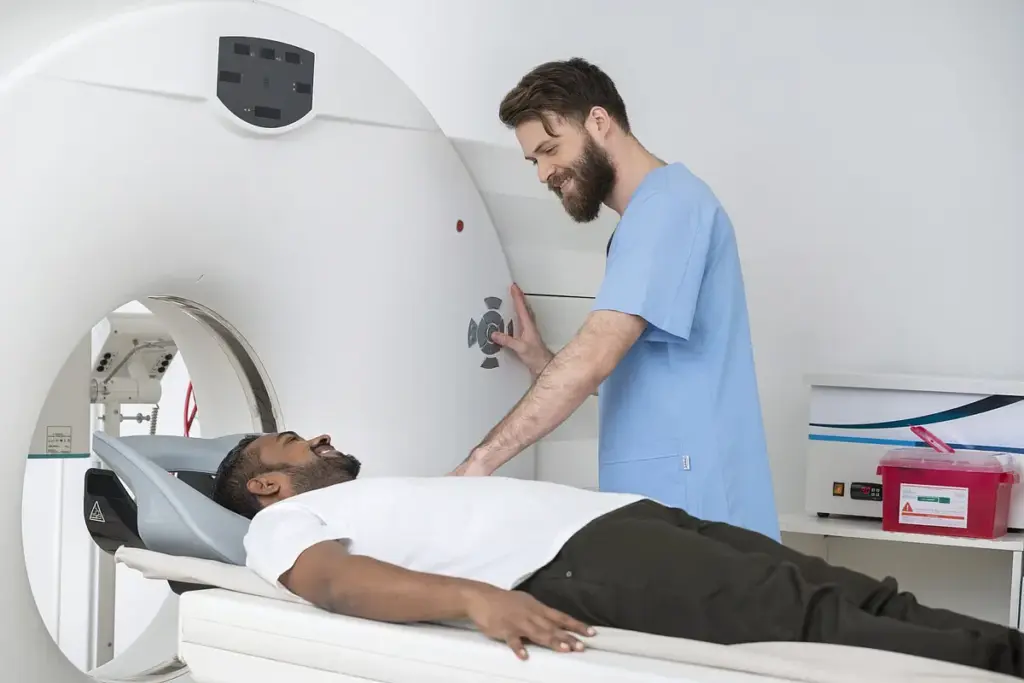
Many patients feel unwell or anxious after a positron emission tomography (PET) scan. They worry about the safety and side effects of this test.
The experience can be unsettling. It’s normal to wonder if the PET scan causes your discomfort. Recent studies have looked into the risks and side effects of this procedure.
In this article, we’ll look into why you might feel sick after a PET scan. We’ll also share tips to help you feel better. This way, you can make better choices about your health.
Key Takeaways
- Understand the possible side effects of a PET scan
- Learn about the safety steps during the procedure
- Discover ways to ease discomfort after the scan
- Get the latest on PET scan safety research
- Make informed choices about your health
What Happens During a PET Scan Procedure
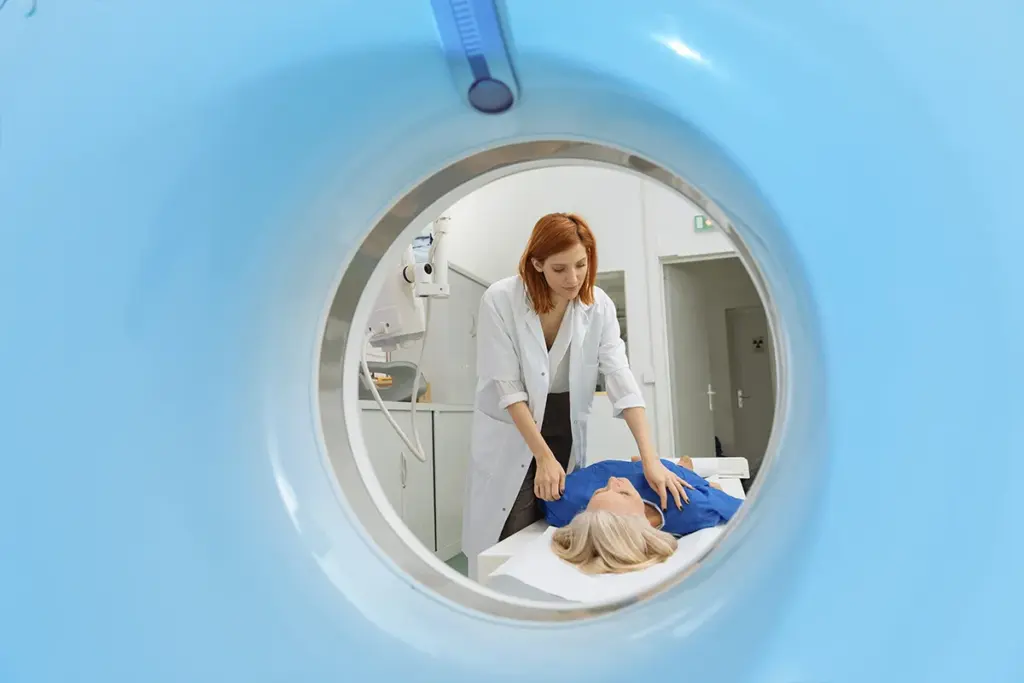
A PET scan is a detailed medical imaging method. It gives doctors insights into the body’s inner workings. This tool is used to check for health issues like cancer, brain problems, and heart diseases without surgery.
The Science Behind Positron Emission Tomography
PET scans use a tiny amount of radioactive tracer. This tracer goes to areas with lots of activity, like growing tumors. The PET scanner picks up signals from the tracer, showing detailed images of the body’s inner workings.
Step-by-Step Breakdown of the Scanning Process
The PET scan process has several steps:
- Preparation: Patients often fast for a few hours before. They might also need to stop certain medications or activities.
- Tracer Injection: A small amount of radioactive tracer is injected into a vein, usually in the arm.
- Waiting Period: After the injection, there’s a waiting period (usually 30-60 minutes) for the tracer to spread throughout the body.
- Scanning: The patient lies on a table that slides into the PET scanner. The scan itself typically takes between 30 to 60 minutes.
- Image Reconstruction: The data collected during the scan is turned into detailed images for doctors to analyze.
How Long Does a Typical PET Scan Take?
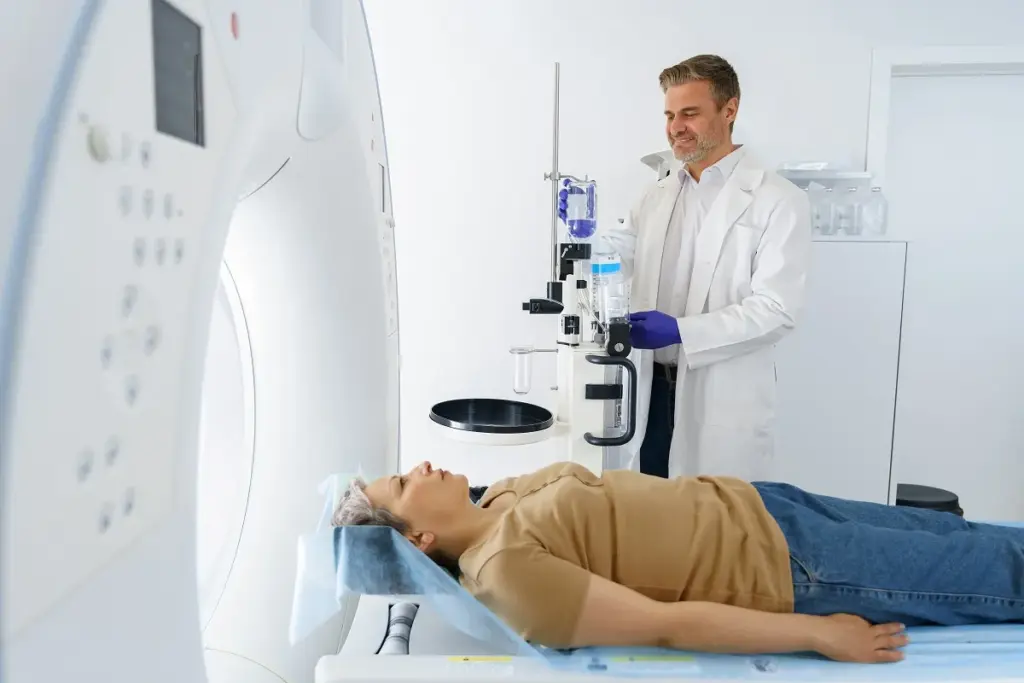
A PET scan usually takes about 2 to 3 hours. This includes getting ready, waiting after the tracer injection, and the scan itself. The actual scan time is usually 30 to 60 minutes, depending on the scan’s needs and technology.
Common Uses of PET Scans in Modern Medicine
PET scans have changed medicine a lot. They are used for many things like finding and checking cancer, looking at the brain, heart health, and research. They are very good at what they do.
Diagnosing and Staging Cancer
PET scans are key in fighting cancer. They show how active tumors are. This helps doctors know how serious the cancer is and plan the best treatment.
PET scans for cancer are very important. They are used a lot for cancers like lymphoma and colon cancer.
Neurological Applications
PET scans are also important for the brain. They help find and manage diseases like Alzheimer’s, Parkinson’s, and epilepsy. They look at how the brain works.
This helps doctors understand how these diseases get worse and if treatments are working.
Cardiac Assessment Capabilities
In the heart, PET scans check how well the heart works. They help find problems with the heart’s blood vessels. This helps doctors decide the best treatment for heart issues.
Research Applications
PET scans are also used in research. They help scientists study diseases and find new treatments. They are very useful in research.
This helps us learn more about different diseases.
|
Application |
Description |
Benefits |
|---|---|---|
|
Cancer Diagnosis |
Identifies metabolic activity of tumors |
Accurate staging, treatment planning |
|
Neurological Disorders |
Assesses brain activity |
Diagnoses conditions like Alzheimer’s and Parkinson’s |
|
Cardiac Health |
Evaluates heart function |
Diagnoses coronary artery disease, assesses myocardial viability |
|
Research |
Studies disease mechanisms, treatment responses |
Advances disease understanding, treatment development |
Radioactive Tracers: The Core of PET Scan Technology
PET scans use radioactive tracers to show how the body works. These tracers help doctors see what’s happening inside us. They are key to making detailed images and finding problems.
Types of Radiotracers Commonly Used
Many types of radiotracers are used in PET scans. Each one is made to find something specific in the body. The most used is FDG (fluorodeoxyglucose). It finds areas where cells are very active, like in cancer.
Other tracers look for different things, like how much oxygen cells use or how fast they grow. The right tracer depends on what the doctor wants to find out.
How FDG (Fluorodeoxyglucose) Works in Your Body
FDG acts like glucose in cells. It gets trapped inside cells because it can’t be used further. This makes it stay in cells longer than glucose.
Cells that are very active, like cancer cells, take up more FDG. This makes them show up on a PET scan.
“The use of FDG in PET scans has revolutionized the field of oncology, enabling precise monitoring of cancer treatment response and detection of recurrence.”
Expert Opinion
Radioactive Half-Life and Bodily Elimination
Tracers in PET scans break down fast and leave the body quickly. For example, FDG’s half-life is about 110 minutes.
As it breaks down, it gives off positrons that the scanner catches. The body gets rid of it through urine and feces. Drinking lots of water after the scan helps get rid of it faster.
Using radioactive materials might seem scary. But the amounts used are safe and just enough to work well. This balance helps doctors see what they need to without harming us.
Normal Physical Reactions to a PET Scan
Understanding normal physical reactions to a PET scan can help ease worries and make the experience smoother. Patients may feel different sensations during a PET scan. Some are normal, while others might need medical attention.
Expected Sensations During the Procedure
You might feel a slight pinch when the radiotracer is injected into your vein. Some people might taste something metallic in their mouth because of the tracer. You could also feel a bit uncomfortable or anxious while lying on the scanning table.
Common Immediate Post-Scan Experiences
Most people can go back to their usual activities after a PET scan. But, some might feel tired or a bit dizzy. You might also feel thirsty or hungry because you had to fast before the scan.
Drinking lots of water is important after a PET scan. It helps get rid of the radiotracer from your body.
Distinguishing Normal Reactions from Concerning Symptoms
Most reactions to a PET scan are mild and short-lived. But, some signs need medical attention. Severe allergic reactions, like trouble breathing, a fast heartbeat, or swelling, are serious. If you have these symptoms, get help right away.
Other signs that need a doctor’s call include ongoing nausea, vomiting, or fever. It’s always safer to be cautious with your health.
Why Nausea and Vomiting May Occur After PET Scans
Nausea and vomiting can happen after a PET scan. These symptoms can be upsetting. It’s important to know why they happen.
Reaction to the Radiotracer Injection
The radiotracer used in PET scans can cause side effects. Common side effects include nausea and vomiting. But these are rare. The radiotracer, like FDG, is usually safe, but reactions can vary.
Effects of Required Fasting and Blood Sugar Changes
Fasting before a PET scan can make blood sugar levels drop. This can cause nausea. Patients are told to fast before the scan. Drinking water and following diet advice can help.
Anxiety and Stress-Related Gastrointestinal Symptoms
Stress from the PET scan can also cause nausea and vomiting. The stress response can upset the stomach. This makes symptoms worse.
To understand why nausea and vomiting happen after PET scans, consider this:
- The body’s reaction to the radiotracer, though rare, can include stomach problems.
- Fasting can lead to low blood sugar, causing nausea.
- Stress and anxiety from the scan can make stomach issues worse.
“Proper preparation and post-scan care can significantly reduce the risk of adverse reactions.”
Headaches, Dizziness, and Fatigue Following a PET Scan
PET scans are usually safe, but some people might feel headaches, dizziness, and fatigue after. These symptoms can worry you, but knowing why they happen can help ease your mind.
Physiological Causes of Post-Scan Headaches
Headaches after a PET scan can come from a few reasons. The radioactive tracer, though safe, might cause a reaction leading to headaches. Also, fasting before the scan can make you dehydrated and low on blood sugar, both of which can cause headaches.
Stress or anxiety from the scan can also make headaches worse for some people.
Understanding Vertigo and Lightheadedness After Imaging
Dizziness or feeling lightheaded after a PET scan can be scary. It might happen because you were lying down for a long time, which can change your blood pressure or circulation. Some people might also have a vasovagal response, which is a sudden drop in heart rate and blood pressure, causing dizziness.
Why Energy Levels May Drop Significantly
Fatigue is common after a PET scan. Getting ready for and going through the scan can be hard on your body and mind. The radioactive tracer can also make you feel tired for a while.
To understand better how PET scans affect symptoms, let’s look at some key points:
|
Symptom |
Possible Causes |
Mitigating Factors |
|---|---|---|
|
Headaches |
Reaction to tracer injection, fasting, stress/anxiety |
Hydration, rest, over-the-counter pain relievers |
|
Dizziness/Lightheadedness |
Prolonged positioning, vasovagal response |
Gradual position changes, hydration |
|
Fatigue |
Physical/emotional strain, tracer effects |
Rest, nutrition, hydration |
Knowing why these symptoms happen and taking steps to manage them can help you feel better after a PET scan.
Allergic and Adverse Reactions to PET Scan Components
Allergic and adverse reactions to PET scans are rare but possible. It’s important to know about them before getting a PET scan. The scan uses technology and radioactive tracers, which can cause reactions in some people.
Identifying True Allergic Responses
True allergic reactions to PET scan parts are immune-mediated responses. They can be mild or severe. Symptoms include hives, itching, swelling, stomach cramps, and diarrhea. In serious cases, anaphylaxis can happen.
Healthcare providers must tell the difference between true allergies and other issues. Both need medical attention.
Common Allergens in the PET Scan Process
The most common allergens in PET scans are the radioactive tracers. Some people are allergic to these tracers, like fluorodeoxyglucose (FDG). Other materials used during the scan can also cause reactions.
Emergency Treatment Protocols for Severe Reactions
For severe allergic reactions, like anaphylaxis, emergency treatment protocols kick in. This includes epinephrine, antihistamines, and corticosteroids. Patients also get oxygen and intravenous fluids.
Medical staff are trained to quickly spot and treat severe reactions. This ensures patient safety during PET scans.
Knowing about the risks of allergic and adverse reactions to PET scan parts is key. Patients and healthcare providers must be aware. This way, PET scans can be done safely.
PET Scan vs CT Scan: Comparing Technologies and Side Effects
PET scans and CT scans are key tools in medicine. They help doctors diagnose and track diseases. But they work in different ways and give unique insights.
Fundamental differences between scanning methods
CT scans use X-rays to show body parts in detail. PET scans, on the other hand, use a radioactive tracer to find active areas like cancer cells. A study in the National Center for Biotechnology Information shows PET scans are great for seeing how the body works.
PET scans are better at spotting metabolic changes. This makes them perfect for finding cancer, brain issues, and heart problems. CT scans, though, are better at showing the body’s structure.
Radiation exposure comparison
Both PET and CT scans use radiation, but in different ways. CT scans use X-rays, while PET scans use a radioactive tracer. The tracer’s radiation is short-lived and low.
Even though both use radiation, PET scans might have a lower dose than CT scans. This depends on the specific scan and how it’s done.
Unique side effects profile of each technology
Each scan has its own side effects. CT scans can cause allergic reactions or kidney problems. PET scans might cause rare reactions, like nausea or headaches.
“The choice of imaging modality should be based on the specific clinical question, patient factors, and the unique advantages of each technology.”
Combined PET-CT scans and cumulative effects
PET-CT scans combine the best of both worlds. They offer detailed images of both function and structure. But, they also mean more radiation and possible side effects.
When we use PET-CT scans, we need to think about the total radiation. But, the benefits of seeing everything in one go are often worth it, like in cancer care.
In summary, knowing the differences between PET and CT scans is key. By understanding their unique features, radiation, and side effects, we can make better choices in medical imaging.
Special Considerations for PET Scans for Cancer Patients
Cancer patients need special care when they get PET scans. This ensures the scans are accurate and safe. The unique needs of cancer diagnosis and treatment call for a personalized approach to PET scanning.
How cancer-specific tracers differ
Cancer-specific tracers are made to find certain cancer cells. FDG (fluorodeoxyglucose) is the most used, as cancer cells use more glucose. But, other tracers like Fluorothymidine (FLT) and Choline are used for specific cancers. They help see how cells grow and make membranes.
Interaction with chemotherapy and radiation treatments
It’s important to know how PET scans work with cancer treatments. Chemotherapy can change how tracers are taken up, affecting scan results. Radiation therapy might cause inflammation, looking like cancer on a PET scan. It’s key to understand these effects for accurate scan results.
Multiple scan effects for ongoing cancer monitoring
Cancer patients often have many PET scans. This can increase radiation exposure. But, the benefits of these scans in tracking treatment usually outweigh the risks. To reduce exposure, doctors use the least amount of tracer needed and optimize scan settings.
By taking these factors into account, doctors can make PET scans more effective for cancer patients. This helps in getting accurate results and planning better treatments.
Risk Factors That May Increase Post-PET Scan Symptoms
Some patient characteristics and medical conditions can make side effects after a PET scan worse. It’s key for doctors to know these risk factors. This way, they can give better care and reduce discomfort.
Pre-existing Medical Conditions That Heighten Sensitivity
Medical conditions before a PET scan can change how a patient reacts. For example, diabetes, kidney disease, and allergies can make things harder.
- Diabetes: Patients with diabetes need special care, because their blood sugar meds can affect the scan.
- Kidney Disease: Patients with kidney disease might face more side effects because their kidneys help get rid of the tracer.
- Allergies: If a patient is allergic to the tracer or other scan parts, they could have an allergic reaction.
Medication Interactions With Radiotracers
Some meds can mess with PET scan results or how a patient feels during the scan.
- Metformin: Metformin, a diabetes drug, can change what some PET scans show.
- Blood Thinners: Patients on blood thinners might need to change their dose before the scan to avoid bleeding.
Age, Weight, and Physical Condition Considerations
A patient’s age, weight, and health can also affect how they do with a PET scan.
- Age: Older people might get side effects more easily because of less health reserve and more health problems.
- Weight: The tracer dose might need to be changed based on the patient’s weight for safety and effectiveness.
- Physical Condition: Patients who are not very healthy or are frail might need more care and watching during and after the scan.
Previous Adverse Reactions to Medical Imaging
Having had bad reactions to medical imaging before is a big risk factor to think about.
Patients who have had bad reactions before should tell their doctor. This helps the doctor decide if it’s safe for them to have another PET scan.
Managing Post-PET Scan Discomfort Effectively
Managing discomfort after a PET scan involves self-care, staying hydrated, and sometimes, using over-the-counter remedies. PET scans are usually well-tolerated. But, some people might feel side effects from the tracer, the scan itself, or fasting.
Immediate Self-Care Strategies
Here are some self-care steps to ease discomfort after a PET scan:
- Rest: Let your body rest to recover.
- Comfortable Clothing: Wear loose, comfy clothes to ease body stress.
- Relaxation Techniques: Try deep breathing, meditation, or calming music to relax.
Hydration and Nutrition Recommendations
Drinking enough water and eating well are key to recovering from a PET scan:
- Drink Plenty of Water: Drink 8-10 glasses of water in 24 hours to flush out the tracer.
- Nourishing Foods: Eat a balanced diet with fruits, veggies, whole grains, and lean proteins to aid recovery.
- Avoid Irritants: For a few hours, skip caffeine, spicy foods, and heavy meals to avoid stomach upset.
Medical experts say, “Drinking enough water and eating well can greatly reduce post-PET scan discomfort.”
“Staying hydrated is one of the simplest and most effective ways to minimize possible side effects after a PET scan.”
Medical Expert
Over-the-Counter Remedies That May Provide Relief
For discomfort after a PET scan, some over-the-counter remedies can help:
- Anti-nausea Medication: If you’re feeling sick, anti-nausea meds might help. But, talk to your doctor first.
- Pain Relievers: For headaches or pains, you can try over-the-counter pain meds. But, always check with your doctor first.
It’s important to follow the recommended doses and talk to your doctor before taking any medication. This ensures your safety and the remedy’s effectiveness.
When to Seek Medical Attention After Your PET Scan
If you’ve had a PET scan, knowing when to seek medical help is key. PET scans are usually safe, but it’s good to know when to act. This ensures your safety and well-being.
Warning Signs Requiring Emergency Care
Some symptoms after a PET scan might mean you need urgent medical help. These include:
- Severe Allergic Reactions: Trouble breathing, a fast heartbeat, or swelling in your face, lips, tongue, or throat.
- Cardiovascular Issues: Chest pain, feeling very dizzy, or fainting.
- Neurological Symptoms: A sudden, severe headache, confusion, or weakness in your body.
If you see any of these signs, get emergency care right away.
Symptoms That Should Be Reported to Your Doctor
Some symptoms might not be emergencies but should be told to your doctor. These include:
- Persistent nausea or vomiting
- Increased pain or discomfort at the injection site
- Fatigue that lasts longer than expected
- Any other unusual symptoms that worry you
Your doctor can help manage these symptoms and decide if more action is needed.
Follow-up Recommendations and Documentation
After your PET scan, it’s important to follow up. We suggest:
- Keeping a record of any symptoms you have, including how bad they are and how long they last.
- Scheduling a follow-up with your doctor to go over your PET scan results and plan next steps.
- Asking questions about your care and any worries you have.
Being proactive and informed helps you get the best care after your PET scan.
Preparing for a PET Scan to Minimize Side Effects
Learning how to prepare for a PET scan can lower the chance of bad reactions. The right preparation makes the scan better and makes you more comfortable.
Optimal Dietary Preparations
Your diet is key when getting ready for a PET scan. This is because glucose and other substances can mess with the scan’s results. Fasting for 4-6 hours before the scan is usually advised to help the radiotracer spread right.
Try to avoid foods and drinks with lots of sugar before the scan. Also, drinking lots of water is good, unless your doctor tells you not to.
|
Dietary Recommendation |
Pre-Scan Guidance |
|---|---|
|
Fasting |
4-6 hours before the scan |
|
Sugar Intake |
Avoid high-sugar foods and drinks |
|
Hydration |
Drink plenty of water |
Medication Adjustments and Considerations
Some medicines can mess with the PET scan or react with the tracer. Tell your doctor about all the medicines you’re taking, including supplements and vitamins.
“Patients should disclose any medications, including over-the-counter drugs and herbal supplements, to their healthcare provider before undergoing a PET scan.”
Your doctor might ask you to change your medicine schedule or stop taking some before the scan. It’s very important to follow these directions to make sure the scan works right and you’re safe.
Mental Preparation and Anxiety Reduction Techniques
Getting mentally ready for a PET scan is as important as getting physically ready. Deep breathing, meditation, or listening to calm music can help lower anxiety.
Knowing what to expect during the scan can also help. Remember, the scan is usually painless, and you can talk to the technologist during it. This can help calm your worries.
By using these preparation tips, you can greatly reduce side effects and have a good PET scan experience.
Conclusion: Balancing the Benefits and Side Effects of PET Scans
PET scans are a key tool in medicine today. They help find and track diseases like cancer and neurological issues. They also check the heart’s health. But, it’s important to know the downsides, like feeling sick, headaches, and allergies.
Even though PET scans are mostly safe, they’re sometimes used too much. For example, a study found that many lung and esophageal cancer patients got PET scans too soon. This shows we need to use them wisely, following guidelines from groups like the American Society of Clinical Oncology (ASCO). For more on when to use PET scans, check out Cancer Today.
Healthcare teams can make PET scans safer and more effective. They can do this by knowing the risks and how to lessen them. As technology gets better, PET scans will keep being a big help in treating patients.
FAQ
What is a PET scan and how does it work?
A PET (Positron Emission Tomography) scan is a medical test. It uses a radioactive tracer to see how the body works. A small amount of radioactive material is injected into the body. The PET scanner then picks up signals from this material, showing detailed images of the body’s inside.
How long does a PET scan procedure typically take?
A PET scan usually takes about 30 minutes to several hours. This includes getting ready and the actual scan. The scan itself takes around 15-30 minutes.
What are the common side effects of a PET scan?
Common side effects include nausea, vomiting, headaches, dizziness, and feeling tired. These symptoms are usually mild and go away quickly.
Why do some people experience nausea and vomiting after a PET scan?
Nausea and vomiting can happen due to the radiotracer, fasting, or stress. The reaction to the injection, fasting, or stress can cause these symptoms.
How can I minimize the risk of side effects after a PET scan?
To reduce side effects, drink plenty of water and eat a balanced meal after. Try to relax and follow your healthcare provider’s advice on preparation and aftercare.
What is the difference between a PET scan and a CT scan?
PET scans look at cell activity, while CT scans show body structure. PET scans use a tracer, and CT scans use X-rays. The choice depends on what you need to diagnose.
Can I undergo a PET scan if I have a pre-existing medical condition?
Whether you can have a PET scan depends on your condition and the scan’s needs. Always tell your healthcare provider about any health issues.
How should I prepare for a PET scan to minimize potentially side effects?
Preparation may include fasting or avoiding certain foods. Your healthcare provider will advise on medications and relaxation techniques to reduce anxiety.
When should I seek medical attention after a PET scan?
See a doctor if you have severe pain, trouble breathing, or a bad allergic reaction. Always follow up with your healthcare provider as advised.
Are there any long-term risks associated with PET scans?
PET scans use short-lived radioactive tracers, which are generally safe. But, long-term radiation exposure is a concern. Talk to your healthcare provider about this.
Reference
A PET-avid lesion will become blurred if affected by respiratory motion, an effect similar to that created when a person moves in a photograph.https://pmc.ncbi.nlm.nih.gov/articles/PMC3266588/