Getting a positron emission tomography (PET) scan is a key step in finding and treating health issues. It’s natural to feel unsure about the total time needed for the scan.
A PET scan usually takes 2 to 3 hours. This includes getting ready, getting the tracer, and the scan itself. For example, Chase Gorder’s fight against cancer showed how vital this scan is.
Top hospitals worldwide have made PET scans quicker and more comfortable. They also give accurate results. We’ll look into what happens during a PET scan and what you can expect.
Key Takeaways
- The total duration of a PET scan is typically between 2 to 3 hours.
- Advances in imaging technology have improved the PET scan process.
- PET scans play a critical role in diagnosing and treating medical conditions.
- Leading international hospitals offer high-quality PET scan services.
- Patients can expect a comfortable experience during the PET scan process.
What Is a PET Scan and How Does It Work
A PET scan, or Positron Emission Tomography scan, is a cutting-edge medical imaging method. It shows how the body’s cells work. We use PET scans to find and treat diseases like cancer, brain disorders, and heart problems.
Definition and Basic Principles
A PET scan uses a tiny amount of radioactive tracer. This tracer goes to areas where cells are very active, like in growing tumors. The PET scanner picks up signals from the tracer, making detailed pictures of the body’s inner workings.
PET scans work because sick tissues don’t use energy the same way healthy ones do. They show where disease is and how well treatments are working.
Key benefits of PET scans include:
- Early detection of disease
- Accurate diagnosis and staging
- Monitoring treatment response
- Guiding surgical and radiation therapy plans
Comparison with Other Imaging Techniques
PET scans are different from CT and MRI scans because they show how tissues work. CT and MRI scans give detailed pictures of the body’s shape. But PET scans show how the body’s tissues and organs function.
For example, a PET scan can spot cancer early, before it changes the body’s shape. This means doctors can start treatment sooner.
Here are some main differences between PET scans and other imaging methods:
- PET scans show how cells work, while CT and MRI scans focus on body shape.
- PET scans are great for finding and managing cancer, brain issues, and heart disease.
- The radioactive tracers in PET scans let us see how the body works at a molecular level.
The Complete PET Scan Timeline: From Arrival to Departure
Knowing the PET scan timeline is key for patients to get ready for their visit. When you arrive, the whole process usually takes 2 to 3 hours. This time includes several steps, each with its own time.
Overview of the 2-3 Hour Total Duration
A PET scan appointment usually lasts between 2 to 3 hours. This time covers preparation, the scan itself, and any post-scan steps. Remember, the scan is just one part of the whole process.
When you arrive at the scanning facility, you’ll start with a wait. This wait can be 15 to 30 minutes. It depends on the facility’s schedule and your appointment time.
Breakdown of Each Phase and Time Requirements
Let’s look at the PET scan process in its main parts and how long each takes.
- Check-in and Preparation: 15-30 minutes
- Radioactive Tracer Injection: 5-10 minutes
- Uptake Period: 30-60 minutes
- PET Scan Imaging: 10-45 minutes
- Post-Scan Procedures: 15-30 minutes
As shown above, each step adds to the total time of your PET scan. The uptake period, when the tracer is absorbed, is usually the longest. It can last from 30 to 60 minutes.
Understanding the PET scan process helps patients plan their day better. It also reduces anxiety about the procedure. Even though the total time is 2-3 hours, the actual scan time is much shorter. It ranges from 10 to 45 minutes.
Pre-Scan Preparation: What to Do Before Your Appointment
To have a smooth PET scan, follow certain steps before your visit. Proper preparation is key for accurate results and safety.
Dietary Restrictions and Fasting Requirements
Following dietary rules is important for PET scan prep. Patients usually need to fast for 4 to 6 hours before the scan. This ensures the tracer works right in your body.
We also suggest avoiding sugary foods and drinks for 24 hours before. They can mess with how the tracer is absorbed.
Drink lots of water before the scan. But, skip caffeinated drinks for 24 hours. Caffeine can change your heart rate and scan results.
Medication Adjustments and Considerations
Tell us about all your medications before the scan. Some can affect the results. We might adjust your doses or stop some meds. Following our advice on meds is vital for accurate scans.
Also, share any allergies or sensitivities to meds. This helps us prepare for your safety during the scan.
Clothing and Comfort Recommendations
Wear comfy, loose clothes on scan day. Steer clear of clothes with metal, like zippers or buckles. They can mess with the scan. You might need to change into a hospital gown.
Leave valuable items like jewelry or glasses at home. This avoids any scan issues.
By following these steps, you’ll have a great PET scan experience. If you’re unsure about anything, just ask us for help.
Arrival and Check-in Process at the PET Scan Facility
When you arrive for your PET scan, you’ll start with a simple check-in. This step is key to gather all needed info and get ready for the scan.
Initial Paperwork and Screening Procedures
First, you’ll go to the registration area to fill out paperwork. You’ll need to show ID, insurance details, and any medical history. Our team is ready to help with these forms and answer your questions.
Next, you’ll do a quick screening. This might include a medical questionnaire to check if you’re fit for the scan. Our medical team will look at your health and any meds you’re taking to keep you safe.
Medical History Review and Consent Forms
Our medical staff will then review your medical history in depth. This is important to make sure the scan is safe and works well. You’ll also sign consent forms to show you know what the procedure involves and any risks.
Here’s what we usually need during check-in:
|
Information Required |
Purpose |
|---|---|
|
Medical History |
To identify any conditions that may affect the scan or its interpretation |
|
Current Medications |
To check for any possible interactions with the radioactive tracer |
|
Insurance and Identification |
For administrative purposes and to ensure accurate billing |
We aim to make this process easy and quick. We want you to feel comfortable and ready for your PET scan. If you have any worries or questions, our staff is here to help.
The Radioactive Tracer Injection: Process and Wait Time
The PET scan uses a radioactive tracer to see how the body works. This tracer is a tiny bit of a radioactive substance. It helps highlight important areas during the scan.
Types of Tracers Used for Different Conditions
Different tracers are used for different health issues. Fluorodeoxyglucose (FDG) is the most common. It shows how cells use glucose. Other tracers target cancer or check the heart.
|
Tracer |
Application |
|---|---|
|
Fluorodeoxyglucose (FDG) |
Cancer detection, infection, and inflammation |
|
Rubidium-82 |
Cardiac perfusion studies |
|
Oxygen-15 Water |
Cerebral blood flow studies |
The Injection Procedure and Initial Reactions
The tracer is injected into a vein in the arm. The process is quick and might feel a bit uncomfortable. Some people might taste something metallic or feel warm.
Initial Reactions: Rarely, some might have an allergic reaction. This could be a rash, itching, or trouble breathing. Our team is ready to help with any issues.
Safety Considerations During Injection
Safety is key when giving the tracer. The dose is set to be enough for the scan but not too much. Patients are watched for any bad reactions.
We make sure patients are safe. We check the dose and use shields to protect others from radiation.
Understanding the 30-60 Minute Uptake Period
The uptake period is between 30 to 60 minutes after the tracer injection. It’s a key time before the PET scan. This time lets the tracer spread and build up in the body’s areas of interest.
Why This Waiting Time is Necessary
This waiting time lets the body absorb the tracer. Different tracers work in different ways. But they all aim to find areas with high activity, like growing cancer cells.
During this time, the tracer moves through the blood to all parts of the body. The speed of uptake depends on the tracer and the condition being checked. For example, PET/CT scans use tracers like FDG, which goes to cells based on their glucose use.
What Happens in Your Body During This Phase
The tracer shows where the body is most active. Cancer cells, for instance, use more of it because they’re more active. This helps PET scans spot tumors and other issues.
The body processes the tracer in several ways. It absorbs, spreads, breaks down, and gets rid of it. How well it does this affects where the tracer builds up.
Activities Permitted During the Waiting Period
Patients usually wait quietly during this time. What you can do depends on the place’s rules. But often, you can:
- Stay calm and avoid hard activities to keep the tracer where it is.
- Drink water to stay hydrated.
- Avoid talking a lot or chewing gum, as it can mess with the tracer.
- Read or relax quietly.
It’s important to listen to the healthcare team’s advice for the best scan results.
|
Activity |
Permitted During Uptake Period |
|---|---|
|
Drinking Water |
Yes |
|
Strenuous Exercise |
No |
|
Reading or Relaxing |
Yes |
|
Excessive Talking |
No |
How Long Does the Actual PET Scan Imaging Take
After the tracer is absorbed, the PET scan imaging starts. It usually lasts between 10 to 45 minutes. This time can change based on several factors, which we will look into.
Standard Scanning Times
The time for a PET scan can be from 10 to 45 minutes. Most scans fall in this range. But, the exact time depends on the scan’s needs and the technology used.
We use top-notch PET scanners. They make scans faster without losing image quality. Many scans are done in 20-30 minutes thanks to these scanners.
Positioning and Preparation on the Scanner
Before starting, patients lie down on the scanner table. It’s a comfy, cushioned surface that slides into the scanner. The technologist makes sure the patient is in the right spot.
To keep the scan steady, patients might get special devices or be asked to stay very quiet. They are given clear instructions to stay comfortable and follow directions.
Factors That Can Extend or Reduce Imaging Time
Several things can change how long a PET scan takes:
- Technology Used: Newer scanners are often faster than older ones.
- Area Being Scanned: Smaller areas, like the brain, might be quicker than bigger ones, like the whole body.
- Patient Condition: Patients who can’t stay very quiet or have health issues might need longer scans.
- Type of Tracer Used: Different tracers take different times to work, which can change the scan’s length.
|
Factor |
Impact on Scan Time |
|---|---|
|
Advanced Scanner Technology |
Reduces scan time |
|
Smaller Scan Area |
Generally shorter scan times |
|
Patient Mobility Issues |
May extend scan time |
|
Type of Tracer Used |
Can affect uptake time, indirectly influencing scan duration |
Knowing these factors helps us make the PET scan imaging better for each patient. We aim to get the best results in the shortest time possible.
PET Scan Duration for Different Body Regions
Knowing how long PET scans take for different body parts helps patients get ready. The time needed for a PET scan changes based on the body area, the technology used, and the patient’s health.
Brain PET Scan Timing Specifics
A brain PET scan usually takes less time than scans for bigger areas. It can last from 10 to 30 minutes. The exact time might change based on the scan protocol and the PET scanner’s technology.
Key factors influencing brain PET scan duration:
- The type of tracer used
- The patient’s condition and ability to remain steady
- The scanner’s resolution and speed
Chest and Lung Scan Duration
PET scans for the chest and lungs take longer than brain scans. They can last from 20 to 45 minutes. The exact time depends on the size of the area scanned and if it’s combined with other imaging like CT.
For lung cancer staging, the scan might focus on the chest. This could make the scan time longer to get all the needed data.
Full-Body PET Scan Time Requirements
Full-body PET scans, used for cancer staging or finding metastasis, take the longest. They can last from 30 minutes to over an hour. The exact time depends on the scanner’s technology and the patient’s health.
|
Body Region |
Typical Scan Duration |
|---|---|
|
Brain |
10-30 minutes |
|
Chest/Lungs |
20-45 minutes |
|
Full Body |
30-60+ minutes |
It’s important for patients to talk to their healthcare provider about their specific situation. This will give a more accurate estimate of their PET scan time.
Special Types of PET Scans and Their Timeframes
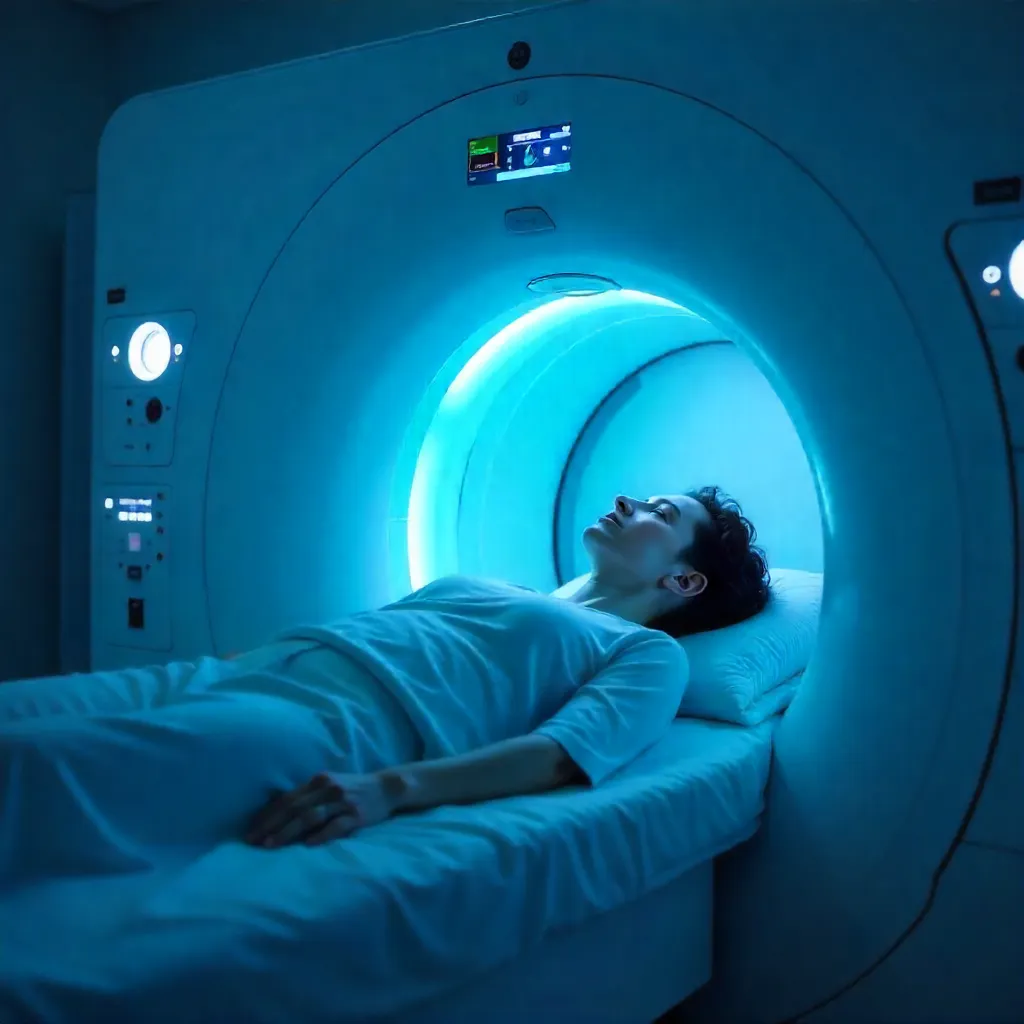
PET scan technology has grown, leading to special scans for health issues. These scans give detailed info for certain medical conditions. They help doctors diagnose and plan treatments better.
Cardiac PET Scan Duration
Cardiac PET scans check heart function and find coronary artery disease. The scan itself takes 30 to 60 minutes. But, getting ready and waiting can add 2-3 hours to your visit.
Key aspects of cardiac PET scans include:
- Assessment of myocardial perfusion
- Evaluation of viability of heart tissue
- Measurement of coronary blood flow
Neurological PET Scan Timing
Neurological PET scans help diagnose and manage diseases like Alzheimer’s and brain tumors. These scans usually take 10 to 30 minutes.
The uptake period for neurological PET scans can vary depending on the tracer used and the specific condition being investigated.
Cancer-Specific PET Scan Protocols
Cancer-specific PET scans are used for staging and tracking treatment. Their time varies based on the cancer type and scan extent. A standard cancer PET scan can last from 30 minutes to several hours, depending on the whole-body scan.
Factors influencing the duration include:
- The need for additional imaging sequences
- The complexity of the cancer being evaluated
- The requirement for PET/CT or PET/MRI combination scans
In conclusion, the time for special PET scans can differ. Knowing the specific needs and times for cardiac, neurological, and cancer scans helps patients prepare and understand what to expect.
Advanced PET Scan Technology and Reduced Scan Times
Advanced PET scan technology is changing how we do diagnostic imaging. It now takes less time to scan. Modern PET scanners use new tech that makes images better and scans faster.
Latest Developments in Scanner Efficiency
New PET scanner designs aim to detect more and scan quicker. Digital PET scanners are a big step up. They are more sensitive and scan faster than old systems.
These new scanners use better materials and algorithms. This means they can make high-quality images in just 12 minutes for a whole-body scan.
How Modern Machines Achieve 12-Minute Scans
Scanners can now scan fast thanks to better hardware and software. Modern PET scanners have:
- Advanced detector technology that increases sensitivity
- Improved reconstruction algorithms that enhance image quality
- Higher count rates that allow for faster data acquisition
These improvements let scanners scan faster without losing image quality. For example, studies show digital PET scanners can scan up to 50% faster than old ones.
Future Trends in PET Scanning Speed
PET tech is getting even better, leading to faster scans and better diagnosis. We might see:
|
Trend |
Description |
Potential Impact |
|---|---|---|
|
AI-Enhanced Reconstruction |
Using artificial intelligence to improve image reconstruction |
Faster scan times and improved image quality |
|
Total-Body PET Scanners |
Scanners that image the entire body in a single scan |
Comprehensive assessment in a single scan |
|
Advanced Motion Correction |
Techniques to reduce motion artifacts |
Improved image clarity for patients with difficulty remaining |
These new developments will make PET scans even better. They will help both patients and healthcare providers.
PET/CT and PET/MRI Combination Scans: Duration Differences
PET scans with CT or MRI give a detailed look at the body’s inside. This helps doctors make better diagnoses and care plans. It’s all about seeing the body’s inner workings clearly.
Impact on Total Scan Time
Adding PET with CT or MRI changes how long scans take. A PET/CT scan is usually faster than a PET/MRI scan. This is because CT scans are quicker than MRI scans.
A PET/CT scan might take 30 minutes to an hour. On the other hand, a PET/MRI scan can take 60 to 90 minutes. This is because MRI scans are more detailed.
PET/CT Procedure Length and Process
A PET/CT scan has two parts: the PET scan and the CT scan. The PET scan uses a tracer to show where the body is active. The CT scan gives detailed X-ray images.
The scan starts with the tracer injection. Then, there’s a wait for the tracer to spread. The actual scan is quick, taking 10-30 minutes. From start to finish, it takes about 2-3 hours.
PET/MRI Duration Considerations
PET/MRI scans mix PET’s metabolic info with MRI’s soft tissue detail. The MRI part takes longer because it needs more sequences. This makes the whole scan longer than a PET/CT scan.
The scan itself can last 60 to 90 minutes. Adding the prep and tracer uptake time, the visit can be longer. It’s all about being patient and understanding the process.
In summary, PET/CT and PET/MRI scans have their own benefits. But, they take different amounts of time. Knowing this helps manage patient expectations and improve diagnostic work.
Post-Scan Procedures and Recovery Time
After a PET scan, patients go through several steps to ensure their safety and comfort. We know you might have questions and worries about what happens next. This is normal.
Immediate After-Scan Monitoring
Right after the PET scan, patients are watched closely. This lets our team check for any quick reactions to the tracer. It’s rare, but we’re always ready to act.
Radiation Clearance Period
The body gets rid of the tracer used in the PET scan over time. The radiation clearance period depends on the tracer type and your body’s needs. Usually, most of it is gone in 24 to 48 hours.
Drinking lots of water helps clear the tracer faster. It’s a simple way to help your body.
When You Can Resume Normal Activities
Most people can go back to their usual activities soon after the scan. But, it’s best to stay away from pregnant women and young kids for a few hours. This is because of the small amount of radiation.
Here’s what you can expect during recovery:
|
Timeframe |
Activity Level |
Precautions |
|---|---|---|
|
0-2 hours |
Resume normal activities gradually |
Avoid close contact with pregnant women and children |
|
2-24 hours |
Continue normal activities |
Stay hydrated to help clear the tracer |
|
24-48 hours |
Full recovery, tracer significantly cleared |
No further precautions needed |
We’re here to take care of you from start to finish, including after the scan. If you have any worries or questions, please talk to your healthcare provider.
PET Scan Duration for Special Populations
PET scans for special groups need careful planning for accurate results and comfort. This includes kids, the elderly, and those with mobility or anxiety issues. Each group has its own challenges that require special approaches to PET scanning.
Pediatric PET Scan Timing Considerations
When scanning kids, we must think about their age, size, and ability to stay calm. Pediatric PET scans often need adjusted protocols to lower radiation and keep the child comfortable. This might include sedation or distraction to help them stay calm.
|
Age Group |
Typical Scan Duration |
Special Considerations |
|---|---|---|
|
0-5 years |
20-30 minutes |
Sedation often required |
|
6-12 years |
30-45 minutes |
May require distraction techniques |
|
13+ years |
45-60 minutes |
Similar to adult protocols |
Elderly Patient Accommodations and Timing
Elderly patients face unique challenges for PET scans. Comorbidities and mobility issues can make the scan longer. We offer extra support and adjust the scan as needed to help.
- Adjusting scan times to accommodate patient comfort
- Providing additional support for mobility issues
- Coordinating with caregivers for assistance
Patients with Mobility or Anxiety Issues
We have special strategies for patients with mobility or anxiety issues. This includes using open or upright scanners for those with claustrophobia. We also give extra time for them to get used to the scanning process.
By understanding and meeting the unique needs of special populations, we can make PET scans better. This ensures high-quality results and keeps patients comfortable and safe.
Planning Your Day Around a PET Scan Appointment
When you schedule a PET scan, planning your day is key for a smooth experience. A PET scan is a big event. Being ready can lower stress and make things go more smoothly.
Transportation Considerations
Transportation is a big thing to think about for your PET scan day. You’ll get a radioactive tracer, so driving yourself is not a good idea. It’s best to have a friend or family member drive you, or use a service.
Tips for Transportation:
- Arrange for a ride to and from the appointment
- Consider using a transportation service if you can’t find someone to drive you
- Avoid public transportation if possible
Work and Activity Scheduling
Think about your work and plans for the day of your PET scan. The scan takes a few hours, and you’ll need time to rest after. Clear your schedule for the day to avoid stress.
|
Activity |
Recommended Time |
Notes |
|---|---|---|
|
Arrival and Check-in |
30 minutes before appointment |
Be prepared to fill out paperwork and provide medical history |
|
PET Scan Procedure |
2-3 hours |
This includes preparation, tracer uptake, and scanning time |
|
Recovery |
Variable |
Some patients may need to rest after the procedure |
Post-Scan Restrictions
After your PET scan, there are some things to remember. You might be told to:
- Avoid close contact with pregnant women and young children for a few hours
- Drink plenty of fluids to help flush out the radioactive tracer
- Avoid strenuous activities for the rest of the day
By planning your day and knowing what to do after your PET scan, you can have a stress-free experience. If you have any questions, talk to your healthcare provider.
How Leading Medical Centers Optimize PET Scan Efficiency
Top medical centers are making PET scans faster and better with new tech and better ways of doing things. This helps them give better care and better results. Let’s see how they’re making PET scans more efficient.
Streamlined Protocols at Advanced Facilities
Top hospitals keep updating their ways to make PET scans quick and good. “We’ve made a process that cuts down wait times for patients,” says a top radiologist. They use:
- Pre-scan steps that save time
- Smart scheduling to cut down wait times
- New imaging tech for faster scans
Case Study: Liv Hospital’s Approach to PET Scanning
Liv Hospital is a great example of making PET scans better. They use the latest tech and improve their scanning ways. They’ve cut the average PET scan time by 30%.
“By using the latest PET scanning tech, we’ve made scans faster and improved patient experience.” – Liv Hospital Administrator
Questions to Ask Your Provider About Scan Duration
When you’re getting ready for a PET scan, ask the right questions. Ask about:
- The whole time the PET scan will take
- Any special steps you need to take before
- The tech they use and how it affects time
By asking these, you’ll know what to expect and can plan your day. Hospitals like Liv Hospital aim to give fast and effective care. They want to make sure patients get the best results.
Conclusion: Key Takeaways About PET Scan Duration
Knowing how long a PET scan takes is key for patients to plan their day. We’ve looked at the steps in a PET scan, from getting ready to after the scan.
A PET scan usually takes 2 to 3 hours. This includes the time it takes for the radioactive tracer to work and the actual scan. The type of scan, the body part scanned, and the technology used can change the time needed.
Important points from our talk are the need for pre-scan prep, the role of the radioactive tracer, and scan time differences. New PET scan tech has made scans faster, making them more comfortable and efficient for patients.
Patients can prepare better for a PET scan by knowing what to expect. This can lower anxiety and make the experience smoother. As medical tech gets better, we’ll see even faster PET scans and better care for patients.
FAQ
How long does a PET scan typically take?
A PET scan usually takes 2 to 3 hours from start to finish. The actual scan time is between 10 to 45 minutes.
What is the purpose of the 30-60 minute waiting period after tracer injection?
The waiting time lets the tracer mix with your body’s tissues. This ensures the best possible images.
How do I prepare for a PET scan?
To get ready for a PET scan, follow any food rules. Also, manage your medicines as told and wear comfy clothes.
What happens during the PET scan imaging process?
During the scan, you’ll lie on a bed. The machine will then take pictures of where the tracer is in your body.
How long does a PET/CT scan take compared to a standard PET scan?
A PET/CT scan takes longer than a standard PET scan. This is because it uses both PET and CT technologies together.
Are there any special considerations for pediatric or elderly patients undergoing a PET scan?
Yes, kids and older adults might need special care. This could include different tracer doses or extra help during the scan.
Can I resume normal activities immediately after a PET scan?
Usually, you can go back to normal after a PET scan. But, it’s best to listen to what your doctor says.
How do leading medical centers optimize PET scan efficiency?
Top hospitals, like Liv Hospital, make PET scans faster. They use the latest tech and have skilled teams.
What are the benefits of PET/MRI combination scans?
PET/MRI scans are better for diagnosing. They mix PET’s function info with MRI’s detailed images.
How can I plan my day around a PET scan appointment?
Plan your day by thinking about how to get there, work, and what to do after. Remember the total time of the scan.
What should I ask my healthcare provider about PET scan duration?
Ask your doctor about how long the scan will take. Also, ask about what to do before and any special things for your case.
References
- Advocate Health. (n.d.). PET-CT imaging / radiology services. Retrieved from https://www.advocatehealth.com/health-services/radiology-imaging/pet-ct