
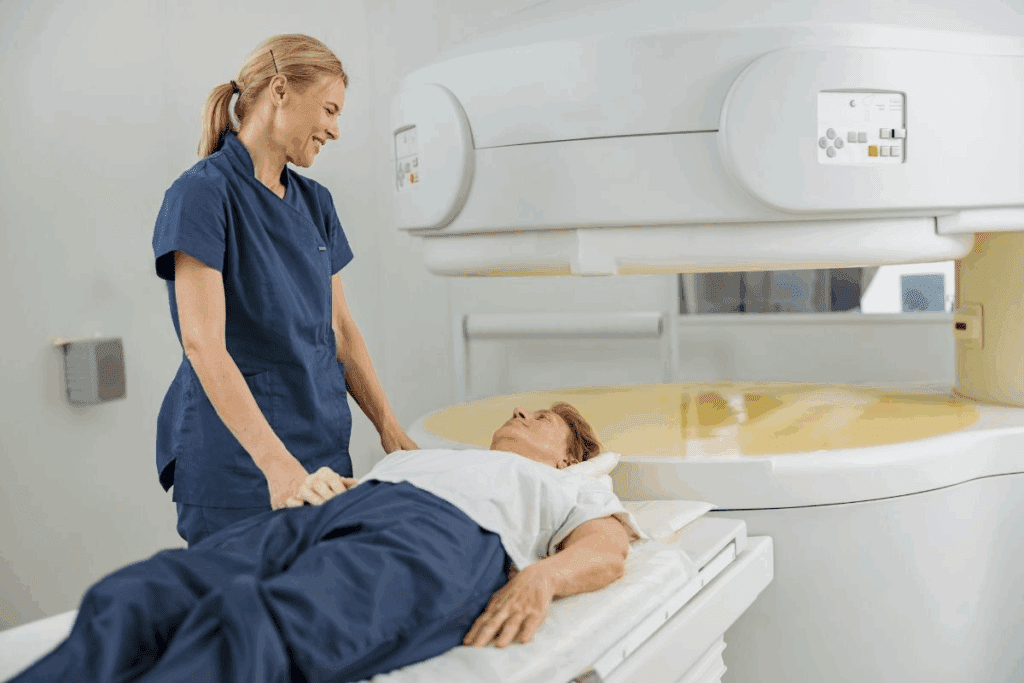
Nearly 1.9 million Americans are diagnosed with cancer each year. Knowing the stage of the disease is key for effective treatment. A PET scan is a vital tool in oncology, helping doctors understand how far cancer has spread.
A PET scan, or Positron Emission Tomography, gives both metabolic and anatomical info. This helps healthcare pros see how severe the disease is. By looking at thepet scan for cancer, doctors can find the main tumor, spot metastasis, and plan the best treatment.
Key Takeaways
- A PET scan is a key tool for figuring out cancer’s stage.
- It shows both metabolic and anatomical details.
- PET scans help doctors find the main tumor and detect metastasis.
- Based on PET scan results, doctors can plan effective treatments.
- PET scans are essential in diagnosing and staging cancer.
Understanding PET Scans: Definition and Basic Principles
A PET scan is a high-tech imaging test used to diagnose and manage health issues, like cancer. PET stands for Positron Emission Tomography. It uses a small amount of radioactive tracer to see how the body works.
What is a PET scan?
A PET scan is a nuclear medicine imaging test. It shows detailed information about the body’s internal structures and functions. Unlike other tests, PET scans focus on how cells work, making them great for finding cancer.
The process starts with injecting a radioactive tracer, like Fluorodeoxyglucose (FDG), into the blood. Cancer cells, with their high metabolic rates, take up more of this tracer. This makes them visible on PET scan images.
Key aspects of PET scans include:
- Use of radioactive tracers to visualize metabolic processes
- Ability to detect cancerous tissues based on metabolic activity
- Detailed imaging of the body’s internal structures and functions
How PET scans differ from other imaging techniques
PET scans are different from CT and MRI scans. While CT and MRI show the body’s anatomy, PET scans look at how tissues work.
This unique ability makes PET scans very useful for:
- Detecting cancer early
- Seeing how cancer spreads (metastasis)
- Checking if cancer treatment is working
By combining metabolic info with anatomical data, doctors get a better understanding of a patient’s health. This leads to more accurate diagnoses and effective treatments.
The Science Behind PET Scan for Cancer
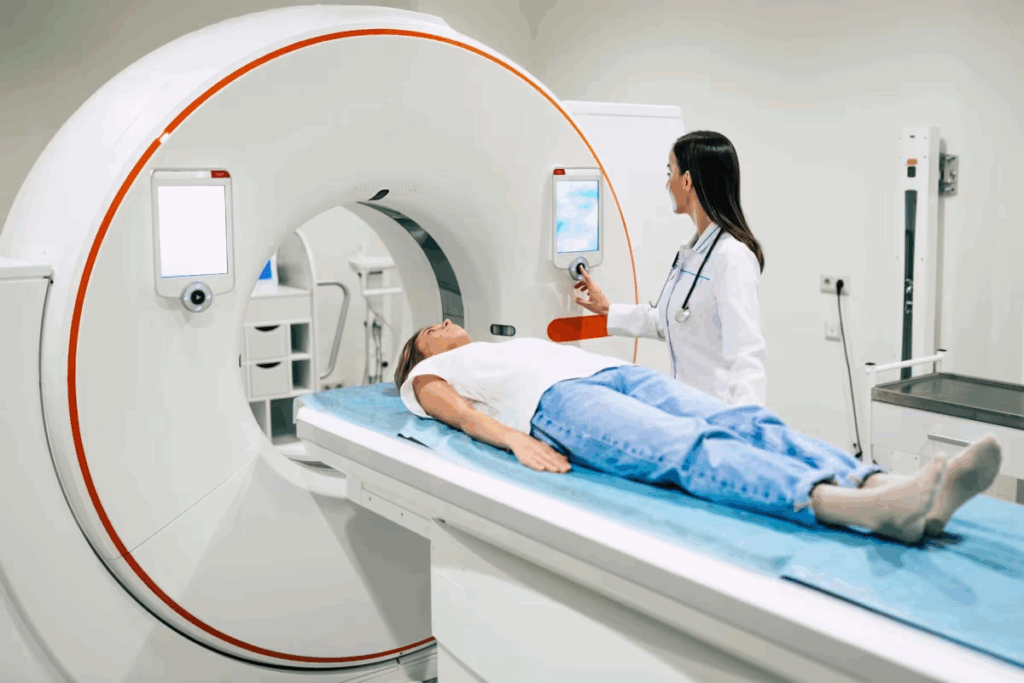
PET scans for cancer use radioactive tracers to spot changes in cell activity. They are great for finding tumors because they show how active they are. This helps doctors figure out what kind of cancer it is, how far it has spread, and how to treat it.
How radioactive tracers work
Radioactive tracers are special substances that give off radiation. This radiation is picked up by the PET scanner to show where the body is most active. They are usually linked to something like glucose that cells take in.
When these tracers build up in certain spots, it means those areas are very active. This is often a sign of cancer.
The most used tracer is Fluorodeoxyglucose (FDG). It’s a glucose molecule with a radioactive tag. Cancer cells use more glucose than normal cells, so they show up more on PET scans.
FDG and glucose metabolism in cancer cells
Cancer cells use glucose differently than normal cells. They take in more glucose and make energy through glycolysis, even with oxygen around. This is why FDG-PET scans can spot cancer by showing where glucose is being used a lot.
| Characteristics | Cancer Cells | Normal Cells |
| Glucose Uptake | High | Low |
| Metabolic Rate | High | Variable |
| FDG Accumulation | High | Low |
Knowing how FDG works in PET scans is key to understanding cancer. It helps doctors find tumors, see how big they are, and check if treatments are working.
The Role of PET Scans in Cancer Diagnosis
PET scans are key in fighting cancer. They help doctors find the best treatment. By showing how cancer cells work, PET scans help diagnose and stage cancers.
Initial Cancer Detection Capabilities
PET scans spot cancer by finding high activity in cells. This is true for many cancers. FDG-PET scans, which use a special sugar, are often used for this.
Limitations in Early-Stage Detection
PET scans are great, but they’re not perfect. They work best on bigger tumors with high activity. Small tumors or those with low activity might not show up. Also, sometimes they miss cancer that’s there.
Types of Cancer Best Detected by PET
PET scans are good at finding lymphoma, melanoma, and some lung cancers. These cancers are active, making them easier to see. This helps doctors plan better treatments.
In short, PET scans are vital in cancer diagnosis. They help detect and stage cancer. While they have some flaws, their detailed insights are essential for treatment planning.
PET Scans and Cancer Staging: What They Reveal
PET scans are key in cancer staging. They give detailed metabolic info about tumors. This info is vital for knowing how far cancer has spread, which helps decide treatment.
Cancer staging looks at tumor size, lymph node involvement, and metastasis. PET scans help by showing high metabolic activity, which means cancerous tissues.
Contribution to the TNM Staging System
The TNM staging system is used to describe cancer spread. PET scans add metabolic info to the anatomical details from other scans.
Key contributions of PET scans to TNM staging:
- Accurate assessment of tumor size and extent
- Identification of lymph node involvement
- Detection of distant metastasis
Detecting Metastasis and Distant Spread
PET scans are key in finding metastasis. They spot areas of high metabolic activity, showing cancer spread to other parts of the body. This is vital for accurate staging and treatment planning.
For instance, in lung cancer, PET scans can find metastasis in the liver, bones, or brain. This changes the treatment plan.
Case Examples of Staging with PET
Many case studies show PET scans’ value in cancer staging. For example, a lymphoma patient gets a PET scan to see how far the disease has spread. This helps the oncologist choose the right treatment.
| Cancer Type | Role of PET Scan | Impact on Staging |
| Lymphoma | Assesses disease extent and guides treatment | Accurate staging for targeted therapy |
| Lung Cancer | Identifies primary tumor and metastasis | Changes treatment plan based on accurate staging |
| Breast Cancer | Evaluates extent of disease and response to treatment | Improves staging accuracy for surgical planning |
The PET-CT Combination: Enhanced Staging Accuracy
Using PET and CT scans together is a powerful way to diagnose cancer. This method gives doctors both metabolic and anatomical details. It helps them understand how far the cancer has spread.
Benefits of Combined Imaging
The PET-CT combo has many benefits for cancer diagnosis and treatment. Some key advantages are:
- Improved Diagnostic Accuracy: This combo improves cancer staging accuracy by combining metabolic and anatomical data.
- Enhanced Tumor Localization: It helps find tumors more precisely, making treatment planning better.
- Better Assessment of Treatment Response: It accurately checks how well treatments work by showing both function and anatomy.
Improved Anatomical and Metabolic Information
PET and CT scans together give a detailed look at tumors. PET scans show how active cancer cells are. CT scans give detailed images of the body. Together, they help find the tumor’s size, location, and if it has spread.
Impact on Treatment Planning
PET-CT scans greatly improve treatment planning. They give doctors precise info about the tumor. This leads to:
- Personalized Treatment Plans: Plans can be made just for the patient, based on their cancer’s specifics.
- More Accurate Radiation Therapy: Tumors can be targeted more precisely, protecting healthy tissues.
- Improved Surgical Planning: Surgeons can plan better with detailed images from PET-CT scans.
In summary, PET-CT scans are a key tool in cancer management. They improve staging accuracy and guide treatment choices.
Advanced PET Scan Technologies for Cancer
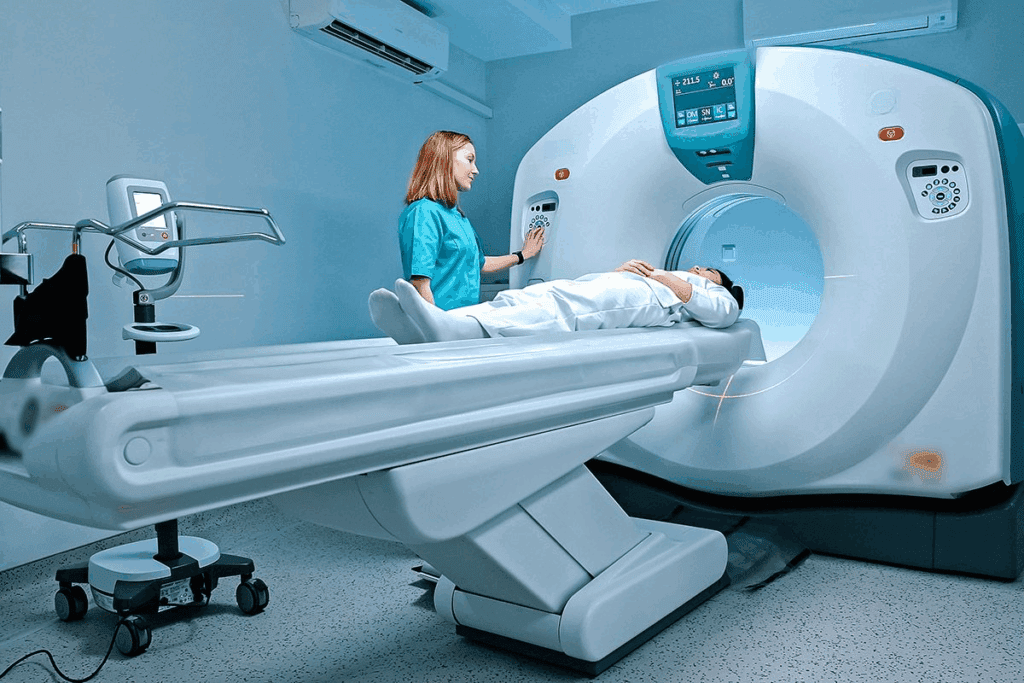
The field of oncology is seeing big changes in PET scan technology. These changes help doctors diagnose and track cancer better. New tracers, targeted imaging, and better PET tech are driving these improvements.
New Radioactive Tracers Beyond FDG
Even though Fluorodeoxyglucose (FDG) is widely used, scientists are making new tracers. These new tracers target specific cancer cells or metabolic processes. For example:
- Fluorothymidine (FLT): FLT helps see how fast cells are growing. It’s great for figuring out how aggressive tumors are.
- Fluoromisonidazole (FMISO): FMISO spots areas in tumors that are low on oxygen. This is key for planning radiation therapy.
- PSMA-targeted tracers: For prostate cancer, 68Ga-PSMA-11 is very good at finding cancer that has spread.
Targeted PET Imaging for Specific Cancers
Targeted PET imaging uses tracers that stick to specific receptors in certain cancers. This makes PET scans more accurate for diagnosing and tracking different cancers. For instance:
- HER2-targeted imaging: In breast cancer, tracers for the HER2 receptor help check if the tumor has HER2.
- Somatostatin receptor imaging: For neuroendocrine tumors, 68Ga-DOTATOC binds to somatostatin receptors. It helps in diagnosis and treatment planning.
Future Developments in PET Technology
The future of PET technology looks bright. We can expect better image quality, sensitivity, and accuracy. Some trends include:
- Total-body PET scanners: These scanners cover more of the body. They might make scans faster and more sensitive.
- Hybrid imaging techniques: Mixing PET with MRI or CT gives a full view of tumors. It shows both their structure and metabolism.
- Artificial intelligence in PET imaging: AI can improve image quality, cut down on noise, and make diagnoses more accurate.
These new developments in PET technology will make PET imaging even more important in fighting cancer. They promise better diagnosis, staging, and treatment tracking.
Preparing for Your PET Scan: Before the Procedure
Before your PET scan, knowing what to do is key. It helps get clear images and a correct diagnosis. Follow these steps to prepare well.
Dietary Restrictions and Preparation Guidelines
Following dietary rules is a big part of getting ready for a PET scan. You’ll need to fast for 4-6 hours before the scan. Also, skip sugary foods and drinks to ensure the tracer works right.
For better results, try a low-carbohydrate diet a day or two before. Drinking lots of water is also important to stay hydrated.
| Dietary Item | Recommendation |
| Sugary foods and drinks | Avoid for at least 24 hours |
| Caffeine | Avoid on the day of the scan |
| Water | Drink plenty to stay hydrated |
Medication Considerations
Tell your doctor about all medications you’re taking. Some might need to be changed or stopped before the scan. This includes:
- Diabetes medications
- Certain antidepressants
- Some antibiotics
What to Bring and Wear
Wear comfy clothes and avoid metal items like jewelry on the day of the scan. You’ll need to remove any metal before scanning.
Bring your medical records, insurance cards, and a list of your meds to the scan site. Arrive 15-30 minutes early for your appointment.
By following these tips, your PET scan will go smoothly. This ensures the best possible results for your health.
What to Expect During a PET Scan for Cancer
A PET scan is a key tool for cancer patients. Knowing what to expect can make the process easier. This advanced imaging helps doctors diagnose and stage cancer. It also checks if treatments are working.
Step-by-Step Process
The PET scan process has several steps:
- First, you’ll change into a comfortable gown and remove any metal objects.
- A small IV line will be inserted into your arm or hand for the radioactive tracer.
- Then, you’ll wait about an hour for the tracer to be absorbed by your body.
- Next, you’ll lie on a table that slides into a large PET scanner. You’ll need to stay very quiet and might be asked to hold your breath.
- The scan itself takes between 30 to 60 minutes.
How Long Does a PET Scan Take?
The whole PET scan process takes several hours. But the actual scanning time is usually 30 to 60 minutes. The type of scan and the imaging center’s protocols can affect the total time.
Comfort and Positioning During the Scan
You’ll be given a blanket or gown for comfort. The table is designed to be comfortable, and you’ll be positioned for the best images. It’s important to stay very quiet during the scan for clear images.
Managing Anxiety During the Procedure
Feeling anxious before or during a PET scan is normal. Techniques like deep breathing, listening to music, or having someone with you can help. If your anxiety is severe, talk to your healthcare provider. They may offer additional support or medication.
| Aspect of PET Scan | Description |
| Preparation Time | About 1 hour for tracer absorption |
| Scanning Time | 30 to 60 minutes |
| Comfort Measures | Blanket or gown, comfortable positioning |
| Anxiety Management | Deep breathing, music, support person |
Understanding the PET scan process can help reduce anxiety. It makes the experience more manageable. If you have concerns or questions, always talk to your healthcare provider.
After Your PET Scan: Recovery and Precautions
After a PET scan, knowing how to recover and what precautions to take is key. A PET scan uses a radioactive tracer. This can affect you after the scan.
Immediate Post-Scan Guidelines
Right after your PET scan, you might need to:
- Drink lots of water to get rid of the radioactive tracer.
- Stay away from pregnant women and young kids for a few hours.
- Go back to eating normally unless your doctor says not to.
Following these steps helps keep you and others safe.
Radiation Exposure Concerns
The tracer in PET scans does emit radiation. But, the amount is usually safe, and it goes away fast.
“The radiation from a PET scan is low and short-lived. But, it’s key to follow the post-scan advice to keep others safe.”
When to Resume Normal Activities
You can usually go back to your normal routine right after the scan. But, it’s wise to:
- Not do too much for the rest of the day.
- Rest if you’re feeling tired or not well.
Follow-Up Recommendations
Your doctor will want to see you after the scan to talk about your results. Make sure to:
- Keep this appointment to learn about your diagnosis and treatment.
- Ask any questions you have about your results or what’s next.
Seeing your doctor after the scan is a big part of your care.
Understanding PET Scan Results: Interpretation Process
Understanding PET scan results is key for cancer patients. It helps decide the best treatment. Radiologists use PET images and SUVs to make these decisions.
How Radiologists Analyze PET Images
Radiologists look at PET images for high activity. This shows cancerous tissues. They check the body’s different parts for patterns and intensity.
- They assess the size, shape, and intensity of tumors.
- They compare current PET scans with previous ones to monitor changes.
Standardized Uptake Values (SUVs) Explained
SUVs are important in PET scans. They show how much tracer a tumor takes up compared to the body.
Key aspects of SUVs include:
- The higher the SUV, the more active the tumor is.
- SUVs help tell if a lesion is cancerous.
- Changes in SUV show how treatment is working.
Timeline for Receiving Results
How long it takes to get PET scan results varies. Usually, it’s a few days to a week.
Several things affect this time:
- The scan’s complexity.
- The radiology department’s workload.
Discussing Results with Your Oncologist
After getting your PET scan results, talk to your oncologist. They can explain what the results mean for your treatment.
Prepare for your discussion by:
- Writing down questions about your results.
- Bringing a friend or family member for support.
- Requesting a copy of your PET scan results for your records.
Limitations of PET Scans in Cancer Staging
PET scans are useful but have some big limitations. These can affect how well they stage cancer. It’s important for doctors and patients to know about these issues to make good choices.
False Positives and False Negatives
PET scans can sometimes show cancer where there isn’t any. This is called a false positive. It happens when the scan picks up inflammation or infection instead of cancer. On the other hand, false negatives happen when the scan misses cancer. This can be because the cancer is small or doesn’t use much sugar.
- False positives can cause a lot of worry and extra tests.
- False negatives can mean cancer is found too late.
Types of Cancer Less Effectively Detected
PET scans work better for some cancers than others. For example, they might not find cancers that don’t use much sugar. This includes some prostate cancers and neuroendocrine tumors.
Impact of Blood Sugar Levels on Results
High blood sugar can mess with PET scan results. High glucose levels can make it harder for cancer cells to take in FDG. This can lead to false negatives.
Size Limitations for Tumor Detection
The size of a tumor also matters. Small tumors might not show up on PET scans. This is because they might not be different enough from the surrounding tissue.
In short, PET scans are very helpful in cancer staging. But, knowing their limits is key to understanding the results. This helps doctors and patients work together better on treatment plans.
PET Scan Costs and Insurance Coverage
PET scans are a valuable tool for diagnosing diseases. But, their cost can be high without insurance. It’s important for patients to know about the financial side of PET scans, mainly for those with cancer.
Average Costs in the United States
In the United States, PET scan costs vary. This depends on where you are, the facility, and if it’s a PET-CT scan. On average, a PET scan can cost between $1,000 and $5,000 or more.
| Procedure | Average Cost | Range |
| PET Scan | $3,000 | $1,000 – $5,000 |
| PET-CT Scan | $4,000 | $2,000 – $6,000 |
Insurance Coverage Considerations
Most insurance plans cover PET scans for cancer. But, how much they cover can differ. It’s key to know what your insurance says about PET scans.
- Check if your insurance needs pre-authorization for PET scans.
- Know the costs you’ll have to pay, like deductibles and co-pays.
- See if your insurance covers PET scans for certain cancers.
Questions to Ask Your Insurance Provider
When asking about PET scan insurance, consider these questions:
- What are the specific requirements for PET scan coverage?
- Are there any out-of-network benefits for PET scans?
- How do I get pre-authorization for a PET scan?
Financial Assistance Options
For those struggling financially, there are help options:
- Patient assistance programs from pharmaceutical companies.
- Non-profit groups that help with cancer costs.
- Government programs like Medicaid or Medicare for those who qualify.
Conclusion: The Value of PET Scans in Cancer Management
PET scans are key in fighting cancer. They help doctors find cancer cells and see how active they are. This lets them know how far the cancer has spread.
PET scans are great for spotting cancer early. They show the difference between cancer cells and healthy cells. This helps doctors find where cancer has spread and if treatments are working.
Using PET scans has made cancer care better. They help doctors plan the best treatment for each patient. This leads to better care and outcomes for patients.
PET scans will keep being important in cancer treatment. They give detailed info on how cancer cells work. This makes them a vital tool in fighting cancer, showing their value in modern medicine.
FAQ
What is a PET scan, and how is it used in cancer diagnosis?
A PET scan uses a radioactive tracer to see how the body works. It helps find cancer, see how far it has spread, and check if treatments are working.
How long does a PET scan take?
A PET scan usually takes about 30 minutes to an hour. But getting ready and waiting can add several hours to the total time.
What is the difference between a PET scan and a CT scan?
A PET scan looks at how active cells are. A CT scan shows the body’s structure. Together, PET-CT scans give a full view of the body’s activity and structure.
How does a PET scan detect cancer?
A PET scan uses a tracer that cancer cells take up because they use more glucose. This shows where cancer is in the body.
Can a PET scan detect all types of cancer?
Yes, PET scans work well for many cancers. But, they might not find all cancers, depending on the type and how it works.
How do PET scans contribute to cancer staging?
PET scans help figure out how far cancer has spread. This info is key for cancer staging, using the TNM system.
What are the benefits of combining PET and CT scans?
Combining PET and CT scans gives a full picture of cancer. This helps doctors plan treatments better and get a more accurate cancer stage.
Are there any dietary restrictions before a PET scan?
Yes, you might need to fast and follow a special diet before a PET scan. This helps get the best results.
How long does it take to get PET scan results?
It usually takes a few days to a week to get PET scan results. This can vary.
Are PET scans safe?
PET scans use a small amount of radiation. They are safe when used right. Talk to your doctor if you have concerns.
How much does a PET scan cost?
The cost of a PET scan varies. It depends on where you are, your insurance, and the facility. Check with your insurance for details.
Can I resume normal activities after a PET scan?
Yes, you can usually go back to normal activities after a PET scan. But, you might need to take some steps to protect others from radiation.
How are PET scan results interpreted?
Radiologists look at PET scan images and write a report. They talk about standardized uptake values (SUVs) in the results.
What are the limitations of PET scans in cancer staging?
PET scans might not always be right. They can miss some cancers or show false positives. They work best for larger tumors.
Reference
- De Groot, E., Verwer, E. E., Hoekstra, O. S. (2023). Staging and restaging with FDG-PET/CT in oncology practice. Journal of Nuclear Medicine, 64(Supplement 1), 11S–20S. https://pubmed.ncbi.nlm.nih.gov/39384589/



 Departments
 Related Videos
 Our Doctors
 News
News