For those with cancer, knowing how far it has spread is key. Positron Emission Tomography (PET) is a top tool for finding out.
A PET scan is a high-tech way to see if cancer has moved. A pet scan is powerful for seeing if cancer has spread. Use this amazing and vital tool for a perfect and fast health assessment.
The PET scans work differently for each cancer and scanner. Yet, they are a big help in managing cancer. They give doctors the details they need to plan the best treatment.
Key Takeaways
- PET scans are a key tool for finding out if cancer has spread.
- The accuracy of PET scans changes with cancer type and technology.
- Knowing the cancer’s stage is key for good treatment plans.
- PET scans offer deep insights into cancer spread.
- Positron Emission Tomography is a powerful imaging method.
What Cancer Patients Need to Know About PET Scans
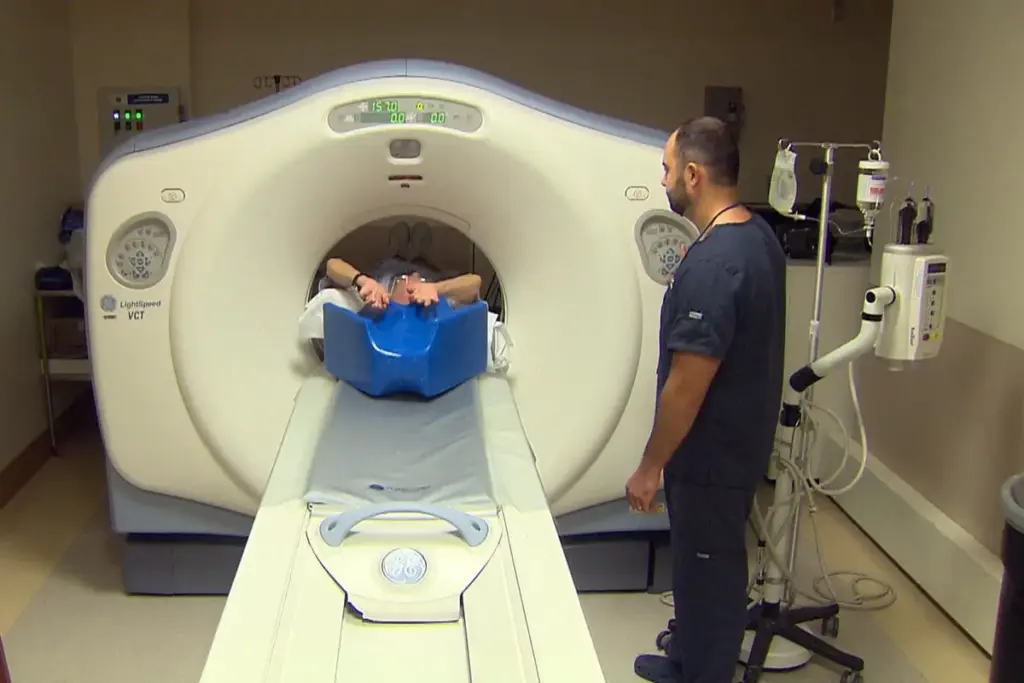
PET scans are key in fighting cancer. They give doctors vital info for planning treatments. These scans show how far cancer has spread, which helps choose the best treatment.
The role of imaging in cancer staging
Imaging is vital in cancer staging. It helps doctors see how far cancer has spread. PET scans are great for this, showing how active cancer cells are. New digital PET/CT scanners make staging even more accurate, helping plan treatments better.
PET scans offer many benefits in cancer staging:
- They’re very good at finding where cancer has spread.
- They show how active tumors are.
- They’re more accurate than old imaging methods.
Why detecting metastasis matters for treatment
Finding where cancer has spread is key for treatment. When cancer spreads, treatment plans often change. PET scan results help doctors tailor treatments to each patient’s needs.
For instance, PSMA PET is 18% more accurate than mpMRI in finding prostate cancer. This accuracy is vital for making the right treatment choices.
When doctors recommend PET scans
Doctors suggest PET scans for many reasons. They’re used for initial staging, checking how treatments work, and finding cancer that might come back. The choice to use a PET scan depends on the patient’s situation and cancer type.
PET scans are often recommended in these situations:
- For initial cancer staging to see how far it has spread.
- To check how well treatments are working.
- To find cancer that might come back after treatment.
Knowing when and why PET scans are used helps patients understand their role in care. It helps them make informed decisions about their treatment.
The Science Behind PET Scan Technology
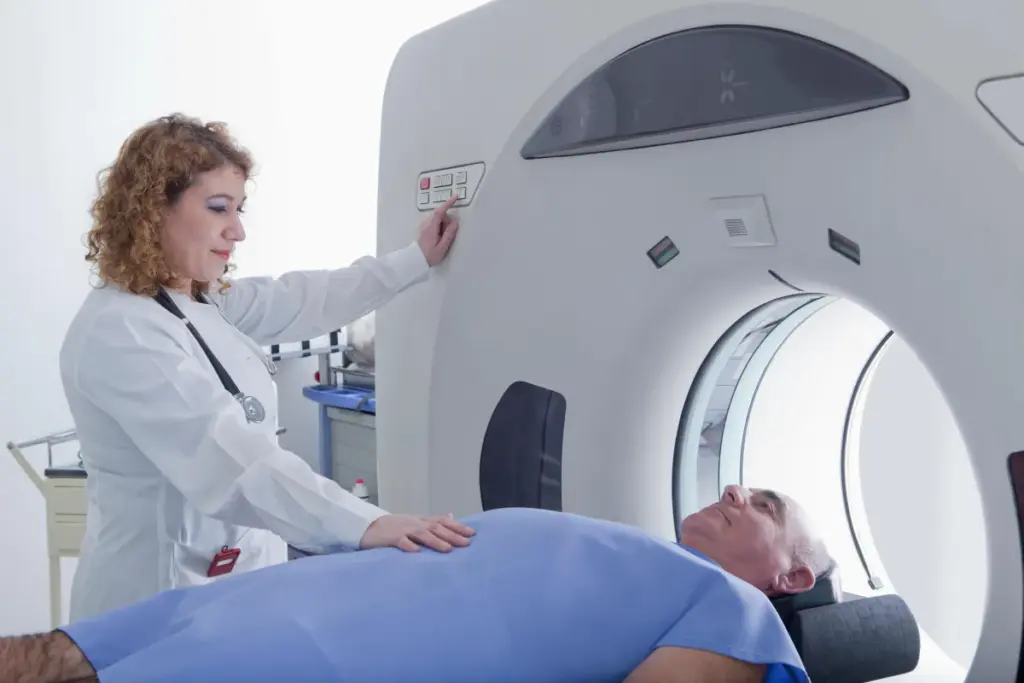
PET scan technology detects changes in the body’s metabolism. This is key for spotting cancer cells. It uses a special imaging method to see how cells work in the body.
Principles of Positron Emission Tomography
PET scans find pairs of gamma rays from a special tracer in the body. This tracer is attached to a molecule that cells can use. When it finds active areas, like cancer, the scanner makes detailed images.
The process starts with a radiotracer injection, often linked to glucose. Cancer cells, being more active, grab more glucose and tracer. This leads to gamma rays that the scanner picks up.
How Radiotracers Highlight Cancer Cells
Radiotracers go to areas with high activity. Cancer cells, being more active, take up more of the tracer. This makes them show up clearly on scans.
The top tracer, Fluorodeoxyglucose (FDG), is a glucose molecule with a radioactive tag. FDG-PET scans spot many cancers by showing where glucose is used more.
Metabolic Activity Visualization
PET scans show how active cells are. They spot cancer early, even before it changes the body much. This is key for catching cancer early and checking if treatments work.
They also check if cancer has spread. This helps doctors plan the best treatment and know how serious the cancer is.
PET Scan Accuracy in Detecting Cancer Spread
Knowing how accurate PET scans are is key for treating cancer. They help doctors see how cancer cells work. This lets them spot where cancer has spread better.
Understanding Sensitivity and Specificity Rates
PET scans are judged by sensitivity and specificity. Sensitivity is how well they find cancer. Specificity is how well they don’t find cancer when it’s not there. Studies show PET/CT scans are very good at both.
A study found digital PET/CT scans are even better. They can spot cancer more clearly because of their advanced tech.
Digital vs. Conventional PET/CT Systems
Digital PET/CT systems are a big step up from old ones. They mix PET’s function info with CT’s body details. This gives a clearer picture of cancer spread.
|
Feature |
Digital PET/CT |
Conventional PET/CT |
|---|---|---|
|
Sensitivity |
Higher |
Lower |
|
Specificity |
Higher |
Lower |
|
Resolution |
Better |
Good |
Factors That Influence Detection Accuracy
Many things can affect how well PET scans work. The cancer type, how big and where the metastases are, and the scan tech all matter. Small metastases can be harder to find.
How the patient gets ready for the scan also plays a part. Following instructions well is important for getting good results.
Detection Capabilities for Different Cancer Types
PET scans are very good at finding cancer spread in many types of cancer. This part will look at how well PET scans work for different cancers. It will show their accuracy and how well they can spot cancer.
Head and Neck Cancer Detection
PET scans are very sensitive, with a 96.4% rate for finding cancer spread in the head and neck area. This is key for planning treatment. The high sensitivity of PET scans in head and neck cancer helps doctors find where cancer has spread. This lets them plan better treatments.
Breast Cancer Bone Metastases Detection
In breast cancer, PET scans are 93.8% accurate in spotting bone metastases. This is important for tracking how the disease is growing and if treatments are working. The ability to accurately detect bone metastases helps doctors adjust treatment plans for better results.
Endometrial Cancer Lymph Node Detection
PET scans are 97.8% accurate in finding lymph node metastases in endometrial cancer. This high accuracy is critical for planning surgery and knowing how far the disease has spread. The precise detection of lymph node involvement lets doctors tailor treatments to each patient’s needs.
Other Common Cancer Metastasis Patterns
PET scans are also good at finding cancer spread in other cancers. They can spot areas of high activity, which helps find cancer in different parts of the body. As research goes on, PET scans will likely play an even bigger role in cancer care.
It’s important for doctors and patients to know how well PET scans work for different cancers. By using PET scans, doctors can better diagnose and treat cancer.
Limitations of PET Scans in Finding Small Metastases
PET scans are very useful but have limits when finding small metastases. It’s important for doctors and patients to know these limits. This helps in making better choices about cancer treatment.
Size Thresholds for Reliable Detection
PET scans work best for finding metastases that are 8-10 mm or bigger. Smaller lesions might not show up as clearly.
Detection capabilities based on lesion size:
|
Lesion Size (mm) |
Detection Rate (%) |
|---|---|
|
<5 |
Low |
|
5-8 |
Moderate |
|
>8 |
High |
Why Very Small Lesions May Be Missed
Small lesions can be hard to spot because of the PET scanner’s limits. Also, if cancer cells don’t use much glucose, they might not show up well on PET scans.
Cancer Types with Challenging Detection Profiles
Some cancers are harder to find with PET scans because of how they work. For example, cancers that don’t take up much glucose are tricky to spot.
Examples of challenging cancer types include:
- Mucinous tumors
- Certain types of lymphoma
- Cancers with low metabolic activity
Knowing these challenges helps in understanding PET scan results. It also guides further tests or treatments.
The Complete PET Scan Procedure Explained
Learning about the PET scan procedure can help reduce anxiety for those with cancer. A PET scan is a detailed tool that helps doctors see how cancer has spread in the body. It involves several steps, from getting ready to the actual scan and what happens next.
Before Your Appointment: Preparation Requirements
Getting ready for a PET scan is important. Patients usually need to fast for 4-6 hours before the scan. This can change based on what their doctor says. It’s also good to avoid hard exercise for a day or two before to keep the results clear.
Medication and Dietary Restrictions
Tell your doctor about any medicines you’re taking. Some might need to stop or change before the scan. Also, follow any special diet rules given to you. This helps make sure the scan works right.
During the Scan: What to Expect
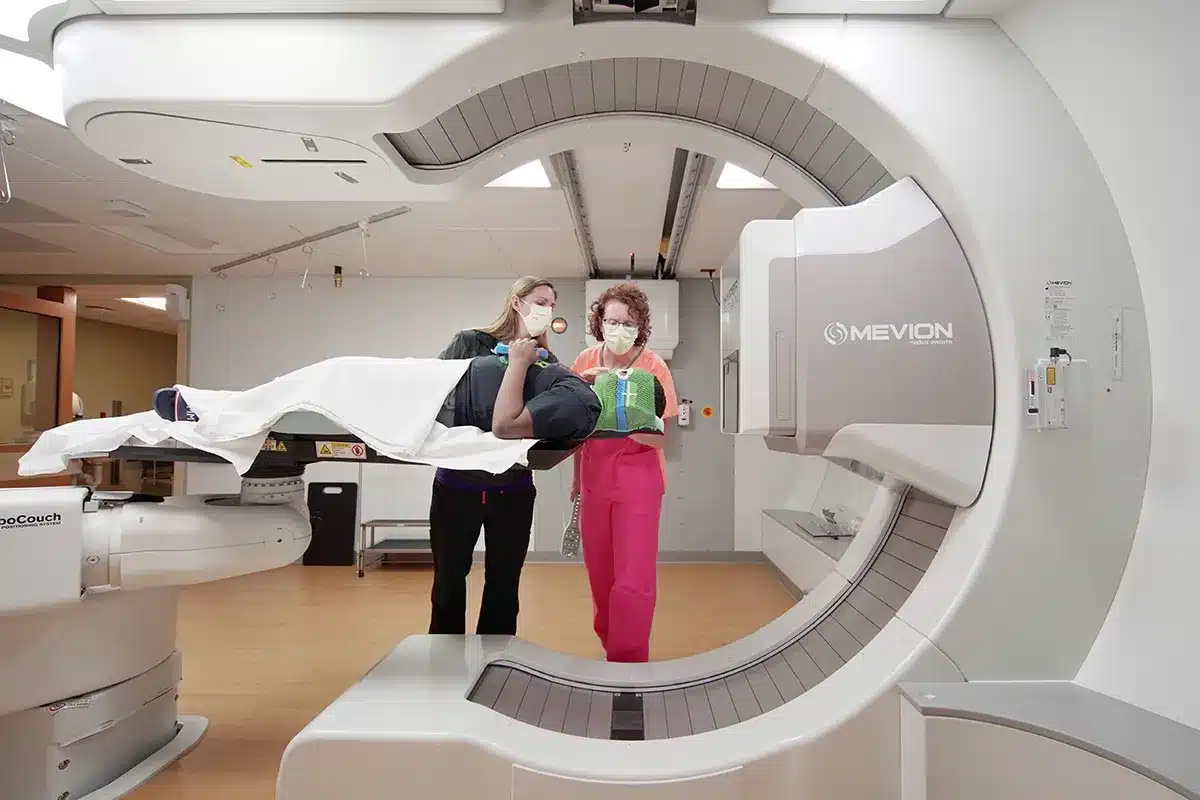
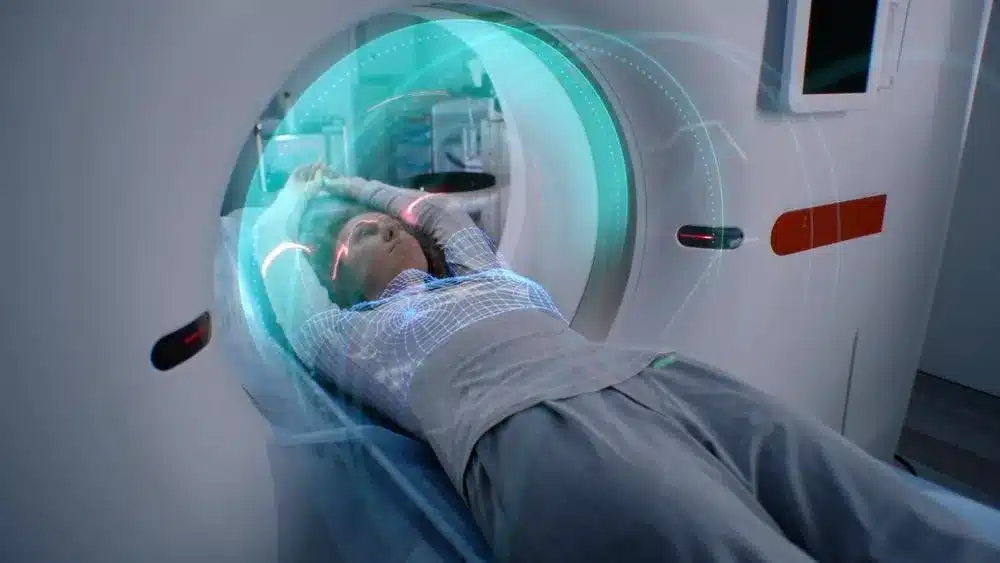
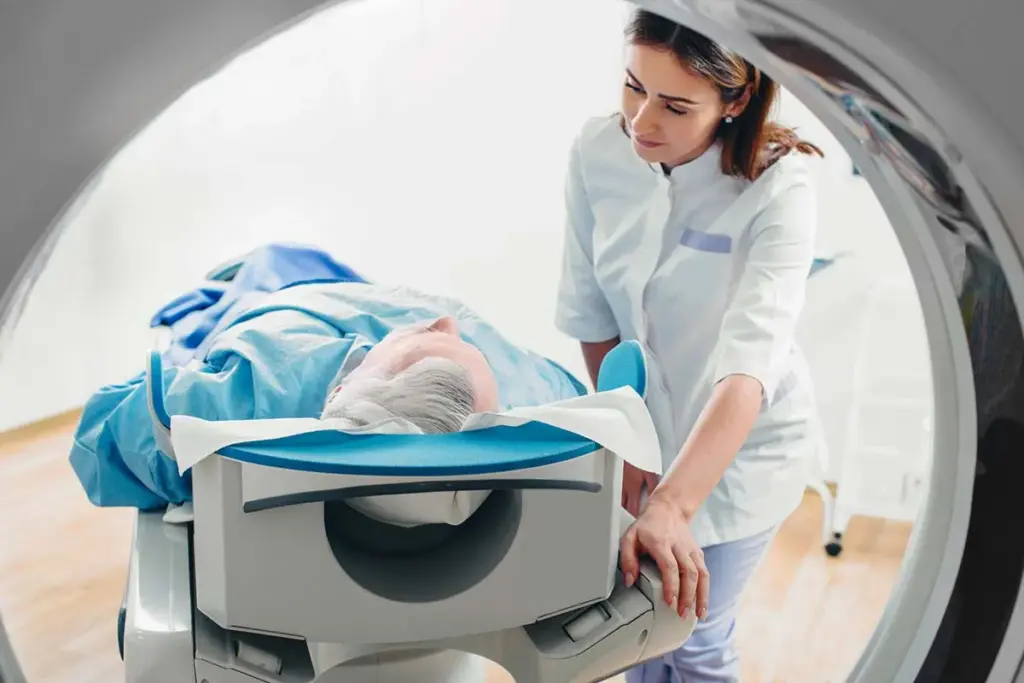
On the day of the scan, you’ll wear a comfy gown and take off any jewelry or metal. You’ll lie on a table that moves into a big PET scanner. The scan itself is painless, but you might feel a bit uncomfortable because you have to stay very quiet and calm for a while.
The scan takes about 30 minutes to an hour. You’ll be alone in the room but watched by the medical team. The PET scanner looks at how cells work, helping find where cancer might be.
After the Procedure: Recovery and Follow-up
After the scan, you can go back to your usual activities right away. There’s no special recovery needed because it’s not invasive. But, drinking lots of water helps get rid of the special dye used in the scan.
Follow-up and Results
The radiologist looks at the scan images, and you’ll get the results in a few days. You should talk to your doctor about what the scan shows and what to do next.
PET/CT Combination: Why Two Scans Are Better Than One
Healthcare providers use PET and CT scans together to better understand cancer. This method gives a detailed view of cancer that one scan alone can’t. It’s a key tool in fighting cancer, showing the disease’s full picture.
How CT Enhances PET Scan Accuracy
CT scans show the body’s structure, helping find tumors and where they might spread. When paired with PET scans, which show how cells work, the results are more accurate. The CT scan helps pinpoint where PET scans show activity, making diagnoses more reliable.
CT and PET scans together also improve image quality. This is because they adjust for body tissue density. This leads to clearer images and better diagnostic results.
Anatomical and Functional Imaging Integration
PET/CT scans combine two imaging types. PET scans show where cancer cells are active, while CT scans show where they are. This lets doctors see how far cancer has spread and how active it is.
This combined scan helps doctors understand cancer better. It’s key for making treatment plans. The PET/CT scan helps find the main tumor, stage cancer, and check how well treatments work.
Improved Localization of Cancer Spread
PET/CT scans are great at showing where cancer has spread. They mix PET’s functional info with CT’s anatomical details. This helps doctors accurately find and measure metastases.
This precise location helps in targeted treatments. Knowing where tumors are and how active they are lets doctors plan treatments better. This way, treatments can be more effective and safer for healthy tissues.
Comparing PET Scans to Other Cancer Imaging Methods
Different imaging techniques are key in cancer diagnosis. Knowing their differences helps in planning treatments. Doctors often pick between PET scans, CT scans, and MRI for diagnosing and staging cancer.
PET vs. CT for Metastasis Detection
PET and CT scans are used in cancer staging but for different reasons. CT scans show detailed body structures. PET scans reveal how tissues work.
PET/CT Combination: Using both PET and CT in one scan improves accuracy. It combines detailed body images with metabolic activity insights. Studies show PET/CT is better than CT alone in finding cancer spread.
|
Imaging Modality |
Sensitivity |
Specificity |
|---|---|---|
|
PET/CT |
85-95% |
90-98% |
|
CT Alone |
60-80% |
80-90% |
PET vs. MRI: Strengths and Limitations
MRI offers detailed images of soft tissues. PET is better for finding cancer spread in the whole body at once.
MRI Advantages: MRI is best for the brain, spine, and liver. It gives clearer images than PET or CT.
When Other Imaging Techniques Are Preferred
The right imaging choice depends on the cancer type and stage. MRI is good for soft tissue tumors. CT is better for lung nodules.
- PET scans are best for finding lymph nodes and distant cancer.
- CT scans are used for initial staging and checking treatment results.
- MRI is used for detailed body region checks.
Knowing each imaging technique’s strengths and weaknesses is key for accurate diagnosis and treatment planning.
Understanding Your PET Scan Results
Understanding PET scan results is key for both patients and doctors. PET scans show how cancer cells work. This helps doctors see if cancer has spread and if treatments are working.
How Radiologists Interpret PET Images
Radiologists look at PET images for signs of cancer. They check for areas where the tracer is taken up more. This means cancer might be there.
Key factors in PET image interpretation include:
- Intensity of radiotracer uptake
- Pattern of uptake (focal or diffuse)
- Location and distribution of uptake
- Comparison with other imaging modalities like CT or MRI
Standard Uptake Values (SUV) Explained
Standard Uptake Values (SUV) measure how much tracer is taken up. Higher SUV values mean cancer cells are more active.
SUV is calculated by measuring the activity in a region of interest (ROI) and normalizing it to the injected dose and patient body weight. This helps track changes over time or with treatment.
Timeframe for Receiving and Discussing Results
How long it takes to get PET scan results varies. It usually takes a few days, but urgent cases might get results faster.
Talking about results with a doctor is very important. Patients should ask about SUV values, how far cancer has spread, and what it means for treatment.
Latest Advances in PET Scan Technology
The latest in PET scan tech is changing how we fight cancer. New tools are making cancer diagnosis and treatment more accurate and effective.
Digital PET/CT Scanners and Improved Detection
Digital PET/CT scanners are a big step forward. They mix PET’s functional info with CT’s body details. This gives a clearer picture of cancer spread.
The digital tech boosts sensitivity and detail. It helps spot small tumors and early cancer spread.
Key benefits of digital PET/CT scanners include:
- Enhanced image quality
- Increased detection sensitivity
- Better quantification of cancer activity
- Improved patient outcomes through more accurate staging
New Radiotracers for Specific Cancer Types
New radiotracers are making PET scans better at finding different cancers. These tracers aim at specific cancer cells or how they work. This makes diagnosis and treatment tracking more precise.
Examples of new radiotracers include:
- PSMA-targeting tracers for prostate cancer
- Fluorothymidine (FLT) for assessing cell proliferation
- New glucose analogs for improved detection of various cancers
Future Developments in Cancer Imaging
PET tech is getting even better, with more precise radiotracers and better image tech. We might see PET scans work with MRI and better algorithms for images.
Research in PET scans is promising for better cancer care. As these techs spread, they’ll be key in fighting cancer.
Cost and Insurance Coverage for PET Scans in the US
When thinking about a PET scan, knowing the costs and insurance coverage is key. PET scans are vital for cancer care, but their price can affect treatment plans.
Average Costs for Cancer Staging Scans
PET scan prices in the US vary a lot. They can cost between $1,000 and $5,000 or more. This depends on the place, facility, and scan type.
For cancer staging, PET scans are often paired with other scans. This can change the total cost.
Several things affect the price:
- The type of PET scan (e.g., with or without CT or MRI)
- The facility’s pricing (hospital vs. outpatient imaging center)
- Geographic location
Insurance Approval Requirements
Insurance for PET scans varies by plan and situation. To get coverage, patients must:
- Have a doctor’s order or referral
- Meet specific diagnostic criteria
- Use an in-network provider
Potential Risks and Side Effects of PET Scans
PET scans are used to manage cancer but come with risks. These include radiation exposure and allergic reactions. It’s important for patients and doctors to know about these risks.
Radiation Exposure Considerations
PET scans use a small amount of radiation from a tracer. The amount is safe, like other medical scans. But, it’s key to think about the benefits and risks, mainly for those needing many scans.
Radiation Exposure Comparison
|
Imaging Procedure |
Average Radiation Dose (mSv) |
|---|---|
|
PET Scan |
7-10 |
|
CT Scan (Abdomen/Pelvis) |
10-20 |
|
Chest X-ray |
0.1 |
Allergic Reactions and Complications
Some people might have allergic reactions to the PET scan tracer. These can be mild, like hives, or severe but rare. People with diabetes or kidney disease should talk to their doctor before a scan.
Common Allergic Reactions:
- Hives
- Itching
- Nausea
- Dizziness
Special Precautions for Certain Patients
Some groups need extra care before a PET scan. Pregnant or breastfeeding women should talk to their doctor about risks. People with diabetes might need to adjust their meds or fasting before the scan.
Knowing the risks and taking steps can help patients safely get the most from PET scans.
Conclusion: The Value of PET Scans in Cancer Management
PET scans have changed how we diagnose and treat cancer. They give us key details about cancer’s spread. This helps doctors plan better treatments and check how well patients are doing.
PET scans are highly effective for early cancer detection. This is key for choosing the right treatment. They show where cancer is active, helping doctors spot cancer cells and avoid mistakes.
Using PET scans in cancer care has made a big difference. As we keep improving cancer treatment, PET scans will keep being a big help. They guide doctors and improve care for patients.
FAQ
What is a PET scan and how does it work?
A PET (Positron Emission Tomography) scan is a test that uses a special tracer. It shows how active cells are in the body. This helps find cancer cells and see how far they’ve spread.
How accurate are PET scans in detecting cancer spread?
PET scans can be quite accurate, but it depends on the cancer type and the scanner technology. Newer digital PET/CT scanners are more precise than older systems.
What is the difference between a PET scan and a CT scan?
A PET scan looks at how cells work, while a CT scan shows body structures. Using both together (PET/CT) makes finding cancer more accurate.
How long does a PET scan procedure take?
The PET scan itself takes about 30 minutes to an hour. But getting ready and recovering can add more time.
What are the possible risks and side effects of PET scans?
PET scans use radiation, which is a small risk. Some people might have allergic reactions to the tracer. Those with diabetes or kidney issues need extra care.
What are the benefits of using PET scans in cancer management?
PET scans help stage cancer, plan treatments, and check how well treatments work. This improves patient care.
Can PET scans detect all types of cancer?
PET scans work well for many cancers. But, they’re not perfect for all. Some cancers are harder to spot because they don’t show up much on scans.
How do radiologists interpret PET scan images?
Radiologists look at PET images to see how much tracer is taken up. They use numbers like Standard Uptake Values (SUV) to find areas of concern.
What are the latest advances in PET scan technology?
New tech includes digital PET/CT scanners for better images. There are also new tracers for different cancers.
References
- Frontiers in Nuclear Medicine. PET imaging in oncology: detecting metastasis. https://www.frontiersin.org/journals/nuclear-medicine/articles/10.3389/fnume.2023.1184448/full
- The Oncologist. PET scans in cancer staging and detection of metastases. https://academic.oup.com/oncolo/article/28/8/e600/7111307
- American Journal of Roentgenology (AJR). Role of PET in evaluating cancer spread. https://ajronline.org/doi/10.2214/AJR.07.3372
- PubMed. Accuracy of PET scans for detecting metastatic cancer. https://pubmed.ncbi.nlm.nih.gov/30142439/
- Cancer Research Canada. What is a PET scan and how does it help diagnose cancer? https://news.cancer.ca/blogs/research/what-is-a-pet-scan-and-how-does-it-help-diagnose-cancer