
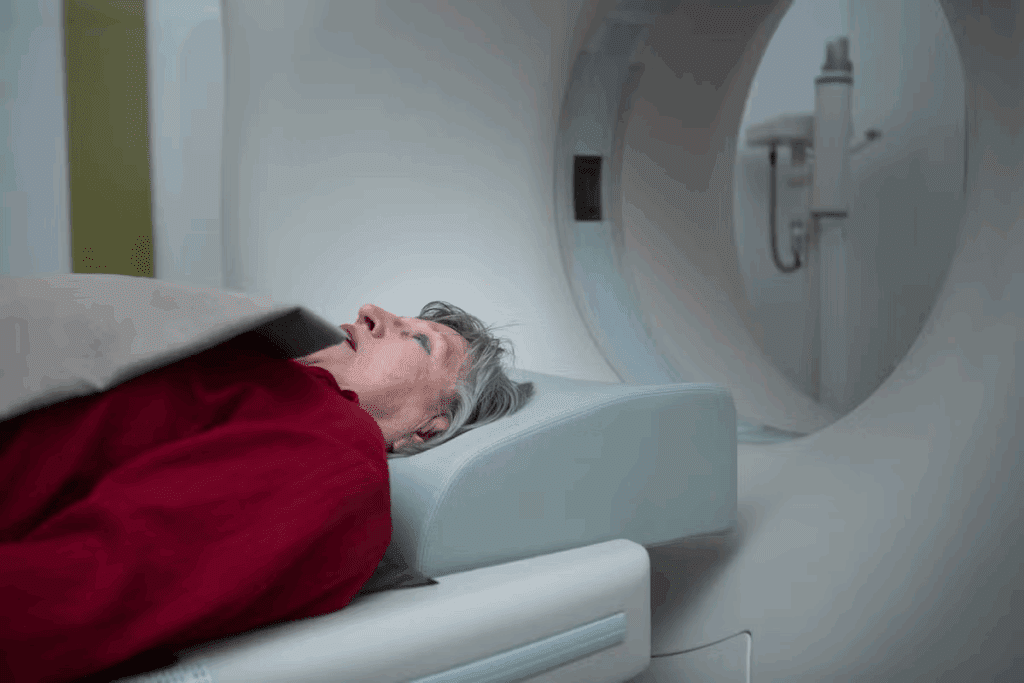
Did you know some meds can mess with a PET scan’s accuracy? Proper PET scan prep is key for getting good and reliable results. When getting ready for a PET imaging test, knowing which meds to skip is vital.
Some medications can change where the tracer goes, making results inaccurate. As part of your PET scan prep, your doctor might tell you to stop taking certain meds before the scan. Knowing which ones to avoid helps make sure your PET scan is accurate and effective.
Knowing which ones to avoid helps make sure your PET scan is accurate and safe.
Key Takeaways
- Certain medications can affect PET scan accuracy.
- Proper preparation is key for reliable results.
- Some medications can alter tracer distribution.
- Healthcare providers may instruct patients to stop taking certain medications.
- Understanding medications to avoid can ensure accurate results.
Understanding PET Scans and Why Medication Restrictions Matter
To get the most out of a PET scan, it’s key to know how it works and why some meds are off-limits before it. A PET scan is a high-tech test that helps doctors spot and manage health issues, like cancer.
What is a PET scan and how does it work?
A PET scan uses a tiny bit of radioactive sugar to see how active cells are in the body. The sugar goes to cells that are really active, like cancer cells. This lets doctors see inside the body and check for cancer, see how treatments are working, and look at brain disorders.
How medications can affect radiotracer uptake
Some meds can mess with how the sugar is taken up, which can change what the PET scan shows. For example, some meds can change how sugar is used or where the sugar goes in the body. It’s really important to figure out and adjust these meds before the PET scan to get good results.
- Medicines that change sugar levels, like insulin and some diabetes meds, can affect how the sugar is taken up.
- Some heart meds can change blood flow, which might change where the sugar goes.
The importance of following medication guidelines
It’s very important to follow the rules about meds before a PET scan. Patients usually need to change or stop some meds to avoid messing up the scan. By following these rules, the PET scan can show a clear picture of the body’s activity.
Knowing how PET scans work and why some meds are not allowed helps patients get ready for their test. This leads to better diagnosis and treatment plans.
Essential PET Scan Prep Guidelines for Medications
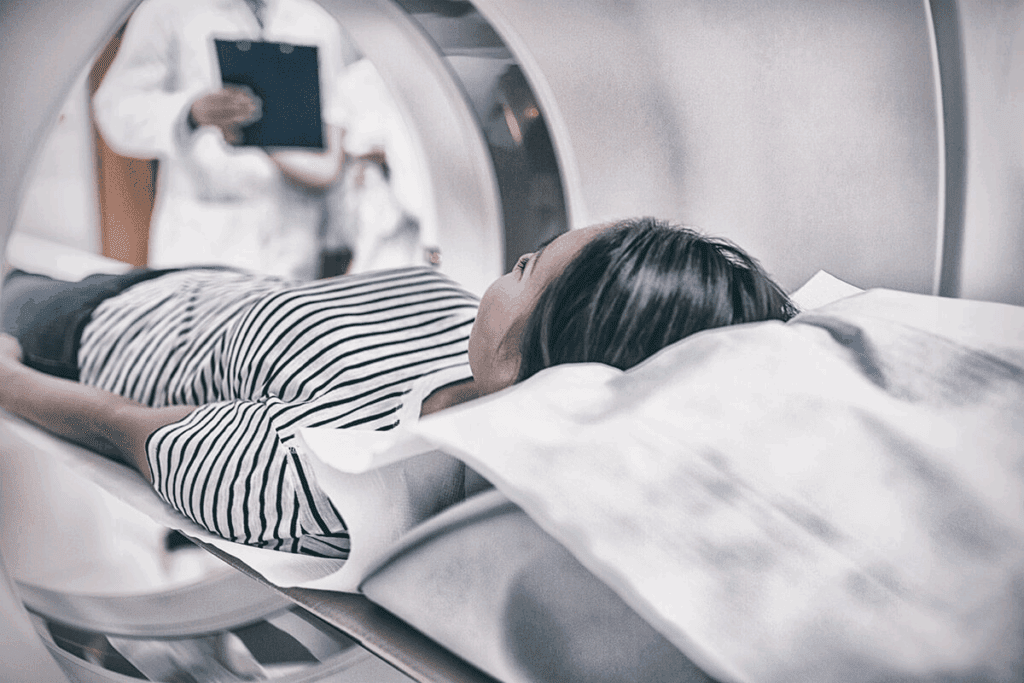
Knowing how to handle your meds before a PET scan is key for clear results. The right prep can greatly improve scan image quality.
Timeline for Medication Adjustments
The time to adjust meds before a PET scan varies. It depends on the medication and your doctor’s advice. Some meds might need changing a few days ahead.
For instance, diabetes meds might need adjusting 24 to 48 hours before. This ensures the scan captures glucose metabolism correctly. Always follow your doctor’s specific advice.
Creating a Medication List for Your Doctor
Making a detailed list of your meds is a must for PET scan prep. Include all prescription and over-the-counter drugs, vitamins, and supplements.
Here’s a simple way to organize your list:
| Medication Name | Dosage | Frequency |
| Metformin | 500mg | Twice daily |
| Aspirin | 81mg | Once daily |
| Multivitamin | 1 tablet | Once daily |
Questions to Ask Your Healthcare Provider
Talking openly with your doctor about your meds and the PET scan is important. Here are some questions to ask:
- Which medications should I avoid or adjust before the PET scan?
- How long before the scan should I stop taking these medications?
- Are there any specific instructions for taking my medications on the day before or the day of the scan?
- How will my medication regimen be adjusted after the scan?
By following these guidelines and talking clearly with your doctor, you can ensure a safe and effective PET scan.
Diabetes Medications: Special Considerations for PET Scans
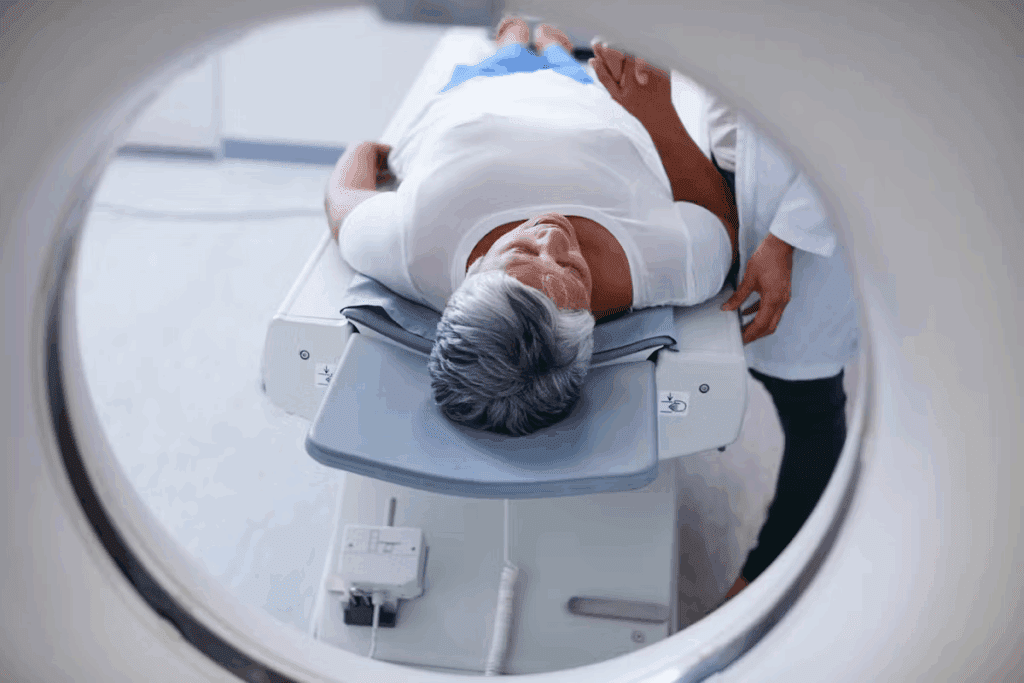
PET scans need special care for people taking diabetes meds like insulin and oral hypoglycemics. It’s key to manage these meds before the scan to get accurate results and keep patients safe.
Insulin Management Before Your Scan
Managing insulin is vital before a PET scan. You might need to change your insulin dose to avoid problems. Always follow your doctor’s specific instructions about insulin on the scan day.
A study in the Journal of Nuclear Medicine shows that managing insulin well before a PET scan is important.
“Adjusting insulin doses before a PET scan can help minimize the risk of hypoglycemia and ensure that the scan is conducted safely and effectively.”
– Journal of Nuclear Medicine
Oral Hypoglycemic Medications to Avoid
Oral hypoglycemic meds are also important to consider before a PET scan. Some might need to be stopped or changed to avoid scan problems. Tell your doctor about all your meds.
- Sulfonylureas (e.g., glyburide, glipizide)
- Meglitinides (e.g., repaglinide, nateglinide)
These meds can raise the risk of low blood sugar when fasting is needed for the scan.
Metformin and Other Biguanides: Specific Guidelines
Metformin is a common diabetes drug. It usually doesn’t affect PET scans, but patients on metformin might have special rules for the scan.
| Medication | Guideline |
| Metformin | May need to be withheld for 48 hours after the scan if contrast dye is used |
| Insulin | Dosage adjustment or skipping on the day of the scan |
By knowing and following these rules, people with diabetes can have a safe and good PET scan. Always talk to your doctor about managing your diabetes meds before a PET scan.
Over-the-Counter Pain Medications to Avoid
Getting ready for a PET scan is more than just not eating. It also means being careful with the medicines you take, like pain relievers. Some over-the-counter pain medicines can change how PET scans work. It’s important to know which ones to skip.
NSAIDs and Their Impact on PET Scan Results
NSAIDs are used to help with pain. But they can mess with PET scans, which use a special sugar called FDG. This can make the scan results less accurate.
Research shows that NSAIDs might change how the body uses sugar. This could affect how FDG is taken up. It’s key to tell your doctor if you’re taking NSAIDs.
Acetaminophen Considerations
Acetaminophen is another common pain reliever. It doesn’t seem to directly affect FDG uptake. But, it’s always best to check with your doctor before a PET scan.
Alternative Pain Management Strategies
If you can’t take certain pain medicines before a PET scan, look into other ways to manage pain. You might try relaxation techniques, physical therapy, or even acupuncture.
| Medication Type | Potential Impact on PET Scan | Recommendation |
| NSAIDs | May affect FDG uptake | Consult healthcare provider about temporary discontinuation |
| Acetaminophen | Limited direct impact | Inform healthcare provider; generally considered safe |
Knowing how over-the-counter pain medicines affect PET scans is key for getting accurate results. By talking to your doctor and following their advice, you can make sure you’re ready for your PET scan.
Prescription Pain Medications and PET Scan Interactions
When you’re getting ready for a PET scan, knowing how pain meds can affect it is key. Some meds can change how the scan works, which might mess up the results.
Opioid Medications
Opioids help with pain but can mess with PET scans. They can change how the scan picks up certain signals. This might make the scan less accurate.
Table: Effects of Opioid Medications on PET Scan Results
| Opioid Medication | Potential Effect on PET Scan | Recommended Action |
| Morphine | Altered glucose metabolism | Consult doctor about temporary discontinuation |
| Oxycodone | Possible changes in FDG uptake | Discuss with healthcare provider |
| Fentanyl | May affect scan results | Follow doctor’s instructions |
Muscle Relaxants
Muscle relaxants can also mess with PET scans. Their effect is not as well-known as opioids. But, telling your doctor about them is important.
Corticosteroids for Pain Management
Corticosteroids are used for pain, mainly for inflammation. They can change how the body uses glucose, affecting the scan. Talk to your doctor about them before your PET scan.
Knowing how pain meds and PET scans interact helps patients get better results. This makes treatment planning more effective.
Cardiovascular Medications: Possible Interferences
It’s important to know how heart medications might affect PET scans. These drugs help manage heart issues but can sometimes mess with scan results.
Beta-blockers and Calcium Channel Blockers
Beta-blockers and calcium channel blockers help control high blood pressure and heart conditions. Beta-blockers slow the heart rate and reduce its strength. Calcium channel blockers relax blood vessels. These drugs can change how the heart takes in the PET scan’s radiotracer, affecting the scan’s accuracy. Talk to your doctor about when to take these before your scan.
ACE Inhibitors and ARBs
ACE inhibitors and ARBs treat high blood pressure and heart failure. They make blood vessels relax, helping the heart pump better. They might not directly mess with PET scan results but could affect blood flow and pressure. Tell your doctor if you change your medication.
Diuretics and Water Pills
Diuretics, or water pills, reduce body fluid by increasing urine. They’re used for high blood pressure and swelling. They don’t usually mess with PET scans, but too much can cause dehydration. Follow your doctor’s advice on diuretics before your scan.
Anticoagulants and Blood Thinners
Anticoagulants and blood thinners prevent blood clots. Medicines like warfarin, apixaban, and rivaroxaban are common. They don’t usually affect PET scans but tell the imaging center about them. They might impact how the scan is set up, like inserting IV lines.
In summary, managing heart medications before a PET scan is key. Knowing how these drugs might interfere helps get the best scan results.
Psychiatric Medications That May Affect PET Scan Results
When you’re getting ready for a PET scan, knowing how psychiatric meds work is key. These include antidepressants and antipsychotics. They help manage mental health but can change how PET scans turn out.
Antidepressants: SSRIs, SNRIs, and Tricyclics
Antidepressants are a big deal in mental health care. SSRIs and SNRIs play with serotonin levels in the brain. This can mess with PET scan results. Tricyclic antidepressants, an older type, affect many neurotransmitters, which can also impact scans.
These meds can change PET scans in different ways. For example, SSRIs might make it harder for certain radiotracers to show up in the brain. This could lead to wrong interpretations of the scan. It’s important to tell your doctor about your antidepressants before the scan.
Antipsychotics and Mood Stabilizers
Antipsychotics treat schizophrenia and bipolar disorder. They mess with dopamine in the brain, which can change where radiotracers go in PET scans. Mood stabilizers, like lithium, can also affect PET scans by changing how neurotransmitters work and brain activity.
| Medication Class | Potential Effect on PET Scan | Recommended Action |
| SSRIs | May reduce radiotracer uptake | Inform healthcare provider |
| Antipsychotics | Can alter dopamine pathway activity | Discuss with doctor |
| Mood Stabilizers (e.g., Lithium) | May affect neurotransmitter systems | Check with doctor about timing |
Benzodiazepines and Anti-Anxiety Medications
Benzodiazepines are for anxiety and sleep issues. They boost GABA, which can change brain activity seen in PET scans. Talk to your doctor about benzodiazepines and other anti-anxiety meds to know how they might affect your scan.
Knowing how psychiatric meds can affect PET scans helps patients and doctors. Together, they can make sure the scan is as accurate as possible.
Respiratory and Allergy Medications: Guidelines for PET Scans
When you’re getting ready for a PET scan, think about how your medications might impact it. Respiratory and allergy meds can change how your scan turns out. So, it’s key to follow certain rules.
Inhalers and Bronchodilators
Inhalers and bronchodilators help with breathing issues like asthma and COPD. Keep using them as your doctor says unless they tell you to stop. Some inhalers, like those with corticosteroids, might need to be changed or stopped before your scan.
Write down your inhalers and how much you take. Talk to your doctor about them. They can tell you if you should keep taking them, change your dose, or stop before the scan.
Antihistamines and Decongestants
Antihistamines and decongestants help with allergies. They’re usually safe but can mess with your PET scan results. Tell your doctor about any antihistamines or decongestants you’re on.
In some cases, your doctor might ask you to stop these meds before your scan. How long depends on the medicine and your health.
| Medication Type | Potential Action | Timing |
| Short-acting antihistamines | Stop 24-48 hours before scan | As advised by healthcare provider |
| Long-acting antihistamines | Stop 3-5 days before scan | As advised by healthcare provider |
| Decongestants | Stop 24 hours before scan | As advised by healthcare provider |
Leukotriene Modifiers
Leukotriene modifiers help with asthma and allergies. There’s not much research on how they affect PET scans. But, it’s important to tell your doctor about all your meds.
Your doctor might decide to keep you on these meds or stop them before your scan. This depends on your health and the scan’s purpose.
By following these guidelines, you help make sure your PET scan is accurate. This gives your healthcare team the info they need to care for you well.
Hormonal Medications and Their Impact on Imaging
It’s important to know how hormonal meds affect PET scans for accurate results. These meds are used for many issues, like thyroid problems and menopause symptoms. They can change how the body uses energy, which might change PET scan results.
Thyroid Medications
Thyroid meds, like levothyroxine, help with hypothyroidism. Studies show that thyroid hormones can change how the body uses glucose. People taking these meds should tell their doctors, as it might change how the scan is done.
A study in the Journal of Nuclear Medicine showed thyroid hormones can change FDG uptake in some tissues. Here’s a table about how thyroid meds might affect PET scans.
| Thyroid Medication | Potential Effect on PET Scan |
| Levothyroxine (T4) | May increase glucose metabolism |
| Liothyronine (T3) | Can enhance FDG uptake in certain tissues |
Hormone Replacement Therapy
Hormone replacement therapy (HRT) helps with menopause symptoms. It can include estrogen alone or estrogen and progesterone together. Even though HRT’s effect on PET scans is not fully understood, it’s important for patients to share their HRT plans.
Birth Control and Reproductive Hormones
Birth control pills and IUDs contain hormones that can change how the body uses energy. While research is ongoing, it’s best for patients on birth control to tell their doctors before a PET scan.
Knowing how hormonal meds affect PET scans helps doctors make better choices for patients. It’s key for patients to follow their doctor’s advice for the best results.
Supplements, Vitamins, and Herbal Remedies to Avoid
Getting ready for a PET scan is more than just not eating. You also need to watch what supplements you take. Some can mess with your PET scan results.
Common Supplements That Affect Glucose Metabolism
Some supplements can really mess with how your body uses glucose. This is important for PET scans that track glucose. For example:
- Alpha-lipoic acid: This antioxidant can change how cells take in glucose.
- Cinnamon: It might lower your blood sugar levels, according to some studies.
- Ginseng: It has effects that can lower blood sugar.
Herbal Products With Potencial Interactions
Herbal remedies can also mess with PET scans. This is true for those that change how your body uses energy or takes in the tracer. Here are some examples:
| Herbal Product | Potential Effect |
| St. John’s Wort | It might make enzymes that change how drugs are broken down. |
| Ginkgo Biloba | It can change blood flow, which might affect where the tracer goes. |
| Licorice Root | It might change your blood pressure and how your body balances salts. |
Vitamins and Minerals That May Interfere With Imaging
Vitamins and minerals are good for you, but some can mess with PET scan results. It’s important to know about:
- Biotin: Taking too much can mess with some lab tests.
- Vitamin C: It might mess with how some tracers are taken in.
- Iron supplements: They could affect where some tracers go.
Talk to your doctor about any supplements, vitamins, or herbal remedies before your PET scan. They can give you advice based on your health and the scan you’re having.
Cancer Treatment Medications and PET Scan Preparation
It’s important to know how cancer treatments and PET scans work together. Patients with cancer often get treatments like chemotherapy, immunotherapy, and targeted therapy. These treatments can change how PET scans show cancer.
Chemotherapy Timing Considerations
Chemotherapy is a common treatment for cancer. It can affect what PET scans show. It’s key to plan when to have a PET scan during chemotherapy.
Some say wait a bit after chemotherapy before getting a PET scan. This helps avoid mistakes in the scan results.
Immunotherapy Medications
Immunotherapy boosts the body’s fight against cancer. But, it can change what PET scans show. Tell your doctor about any immunotherapy you’re taking.
Immunotherapy can cause inflammation or changes in how the body uses sugar. This might look like cancer on a PET scan. Your doctor might change when you have the scan or how they read the results.
Targeted Therapy Agents
Targeted therapy aims at specific cancer cells or proteins. It’s more precise than traditional chemotherapy. But, it can also affect PET scan results. The impact depends on how the therapy works.
For example, some targeted therapies can change how tumors use energy. Talk to your doctor about your therapy to understand its effect on PET scans.
Supportive Care Medications
Medicines for side effects of cancer treatment can also change PET scan results. For example, some help make blood cells or manage pain. These can change how the body uses energy.
| Medication Type | Potential Effect on PET Scan | Recommendation |
| Chemotherapy | May cause artifacts or alter metabolic activity | Schedule PET scan according to chemotherapy cycle |
| Immunotherapy | Can cause inflammation or changes in glucose metabolism | Inform healthcare provider; adjust PET scan timing or interpretation |
| Targeted Therapy | May cause changes in tumor metabolism | Discuss regimen with healthcare provider to understand the impact |
| Supportive Care | Can alter metabolic activity | Inform healthcare provider about all supportive care medications |
Knowing how different treatments affect PET scans helps patients and doctors. They can plan PET scans better. This ensures accurate information for cancer treatment.
What To Do If You’ve Taken Restricted Medications
Knowing what to do if you’ve taken restricted medications is key for a good PET scan. If you’ve accidentally taken medications not allowed before your scan, there are steps to take. These steps can help avoid problems.
Immediate Steps to Take
If you’ve taken restricted medications, stay calm and call your imaging center right away. Tell them about the medications you’ve taken, including how much and when. This info is important for figuring out what to do next.
Also, tell your healthcare provider about the situation. They can give more advice and might change your medication schedule or the PET scan plan.
Communication with Your Imaging Center
Talking clearly with your imaging center is very important. They might ask for more details about your medication, like its name, dosage, and how often you take it. Be ready to give this info to help them understand the situation.
It’s also key to ask about their specific rules for when patients have taken restricted medications. Some centers have special steps or rules for these cases.
Potential Adjustments to Scan Protocols
The imaging center might change the PET scan plan if you’ve taken certain medications. This could mean using a different amount of radiotracer or scanning in a different way. Sometimes, they might decide to go ahead with the scan as planned if the medication won’t affect the results too much.
The choice to change the scan plan depends on the medication and when you took it. Your healthcare team will talk to you about the options and why they made their choice.
Rescheduling Guidelines
In some cases, you might need to reschedule your PET scan. This usually happens if the medication you took could really mess up the scan results. The imaging center will tell you when it’s safe to reschedule, usually after the medication is out of your system.
When you reschedule, make sure to follow the new instructions carefully. It’s important to understand any changes to your medication or other things you need to do before the scan.
By following these guidelines and keeping in touch with your imaging center, you can make sure your PET scan goes well, even if you’ve taken restricted medications.
The Day Before Your PET Scan: Medication Management
Getting ready for your PET scan means managing your meds the day before. This is key for getting clear results. It helps your healthcare team get the most from the scan.
Last 24-hour Medication Schedule
In the 24 hours before your PET scan, stick to a special medication plan. You might need to change or stop some meds to avoid messing up the scan. Your doctor will tell you which ones to take or skip.
- Check with your doctor about any medication changes.
- Keep track of when you last took each medication.
- Know which meds are okay to keep taking and which to stop.
Evening Medication Guidelines
The night before your PET scan, follow your doctor’s exact instructions on meds. Some might need food, while others should be skipped.
Key Considerations:
- Take your meds as your doctor says.
- Don’t eat or drink anything except water a few hours before bed, as told.
- Have your meds list and dosages ready for the scan.
Documentation to Prepare
To make the PET scan day smoother, get your documents ready early. You’ll need:
- A list of your current meds, including how much and how often.
- Any important medical records or test results.
- Your doctor’s contact info, in case the imaging center needs to call them.
By managing your meds the day before and having your documents ready, you help make your PET scan a success. It ensures the scan goes smoothly and gives your healthcare team the best results.
Morning of Your PET Scan: Final Medication Instructions
The morning of your PET scan is a time for careful planning. You need to follow your healthcare provider’s instructions about your medications. This is to get the best results from the scan.
Which Medications Can Be Taken With Water
On the morning of your PET scan, you can take some medications with water. These include:
- Medications for chronic conditions such as hypertension or heart disease, unless instructed not to.
- Thyroid medications, as they are usually essential and don’t interfere with the PET scan.
But, always check with your healthcare provider or the imaging center about your specific medications.
Which Medications Must Be Completely Avoided
Some medications should be avoided on the morning of your PET scan. This is to prevent any interference with the imaging results. These include:
- Certain diabetes medications, as they can affect glucose metabolism.
- Some over-the-counter supplements or vitamins that could impact the scan’s accuracy.
Your healthcare provider will give you a detailed list of medications to avoid.
What to Bring to Your Appointment
On the day of your PET scan, remember to bring:
- A list of all your current medications, including dosages and frequencies.
- Any relevant medical records or previous imaging results.
- Comfortable clothing and any necessary identification or insurance information.
Arriving prepared will help ensure a smooth PET scan. It also helps your healthcare team have all the information they need.
After Your PET Scan: Safely Resuming Medications
After a PET scan, it’s important to know when to start taking your medications again. You need to watch for any side effects. This careful approach helps keep you healthy and ensures the scan results are accurate.
When to Restart Regular Medications
The time to start taking your medications again can differ. It depends on the medication, the scan’s purpose, and your health. Your doctor will tell you exactly when to start again.
It’s very important to follow these instructions to avoid any problems or interactions with other treatments.
Potential Side Effects to Watch For
When you start taking your medications again, watch your body for any side effects. Some medications can react differently after a PET scan.
- Be aware of any allergic reactions or unusual symptoms.
- Monitor your blood sugar levels if you’re diabetic and on medication.
- Report any changes in your condition to your healthcare provider.
Follow-up with Healthcare Providers
It’s important to have follow-up appointments with your healthcare providers after a PET scan. These visits help your doctors check the scan results and adjust your treatment plan if needed. They also address any concerns about your medications.
“Regular follow-up care is essential for managing your health effectively after a PET scan,” says a leading oncologist. “It ensures that any issues are identified and addressed promptly.”
Medication Adjustments Based on Scan Results
The PET scan results might mean you need to change your medication. Your healthcare provider will look at the results and decide if any changes are needed.
These changes could be in dosage, switching medications, or stopping some altogether. Making these adjustments carefully is key to getting the best results.
Understanding how to safely start medications again after a PET scan helps you manage your health better. It ensures you get the best care based on your scan results.
Conclusion
Getting ready for a PET scan and managing your meds is key. Some medicines can mess with the scan’s results. Knowing which ones to skip and how to handle them helps get the best scan info for doctors.
Preparation for a PET scan is more than just avoiding some meds. It’s about managing your meds well. This means adjusting doses, stopping some meds temporarily, and telling your doctor about all your meds. By doing these things, you help make sure your scan is accurate and useful for your treatment.
In short, managing your meds is super important for a good PET scan. By carefully managing your meds and following the tips in this article, you help get accurate scan results. This lets doctors make better choices for your care, leading to better health.
FAQ
What medications should I avoid before a PET scan?
Avoid certain medications before a PET scan. This includes diabetes meds, over-the-counter pain meds, and prescription pain meds. Also, avoid cardiovascular meds, psychiatric meds, and some supplements and herbal remedies.
Can I take my diabetes medications before a PET scan?
Diabetes medications like insulin and oral hypoglycemic meds might need adjustment or avoidance before a PET scan. Always check with your healthcare provider for specific advice.
How do over-the-counter pain medications affect PET scan results?
Over-the-counter pain meds, like NSAIDs and acetaminophen, can affect PET scan results. It’s best to avoid them before a PET scan. But, always check with your healthcare provider for specific guidance.
Can I take prescription pain medications before a PET scan?
Prescription pain meds, such as opioids and corticosteroids, can impact PET scan results. Talk to your healthcare provider about managing pain meds before your PET scan.
How do cardiovascular medications impact PET scan results?
Cardiovascular meds, like beta-blockers, ACE inhibitors, and diuretics, can affect PET scan results. Always consult with your healthcare provider for guidance on managing these meds before a PET scan.
Can I take psychiatric medications before a PET scan?
Psychiatric meds, such as antidepressants and antipsychotics, can affect PET scan results. Always talk to your healthcare provider about managing these meds before your PET scan.
Are there any supplements or herbal remedies I should avoid before a PET scan?
Yes, some supplements and herbal remedies can impact PET scan results. Avoid those that affect glucose metabolism before a PET scan. Always check with your healthcare provider for specific guidance.
How do cancer treatment medications affect PET scan results?
Cancer treatment meds, like chemotherapy and immunotherapy, can impact PET scan results. Always consult with your healthcare provider for guidance on managing these meds before a PET scan.
What should I do if I’ve taken restricted medications before a PET scan?
If you’ve taken restricted meds before a PET scan, tell your imaging center and healthcare provider. They might adjust the scan or reschedule it.
Can I drink water before a PET scan?
Yes, drinking water before a PET scan is usually recommended to stay hydrated. But, always check with your healthcare provider for specific guidance.
What should I bring to my PET scan appointment?
Bring any relevant medical records, a list of your medications, and any necessary documentation to your PET scan appointment.
When can I resume my regular medications after a PET scan?
Always consult with your healthcare provider about resuming regular medications after a PET scan. They may advise waiting a certain period or monitoring for side effects.
Reference
- Boellaard, R., Delgado-Bolton, R., Oyen, W. J. G., Giammarile, F., Tatsch, K., Eschner, W., Verzijlbergen, F. J., Barrington, S. F., Pike, L. C., Weber, W. A., Stroobants, S., Delbeke, D., Donohoe, K. J., Holbrook, S., Graham, M. M., Testanera, G., Hoekstra, O. S., Zijlstra, J., Visser, E., … Krause, B. J. (2015). FDG PET/CT: EANM procedure guidelines for tumour imaging: version 2.0. European Journal of Nuclear Medicine and Molecular Imaging, 42(2), 328–354. https://pubmed.ncbi.nlm.nih.gov/25452219/



 Departments
 Related Videos
 Our Doctors
 News
News