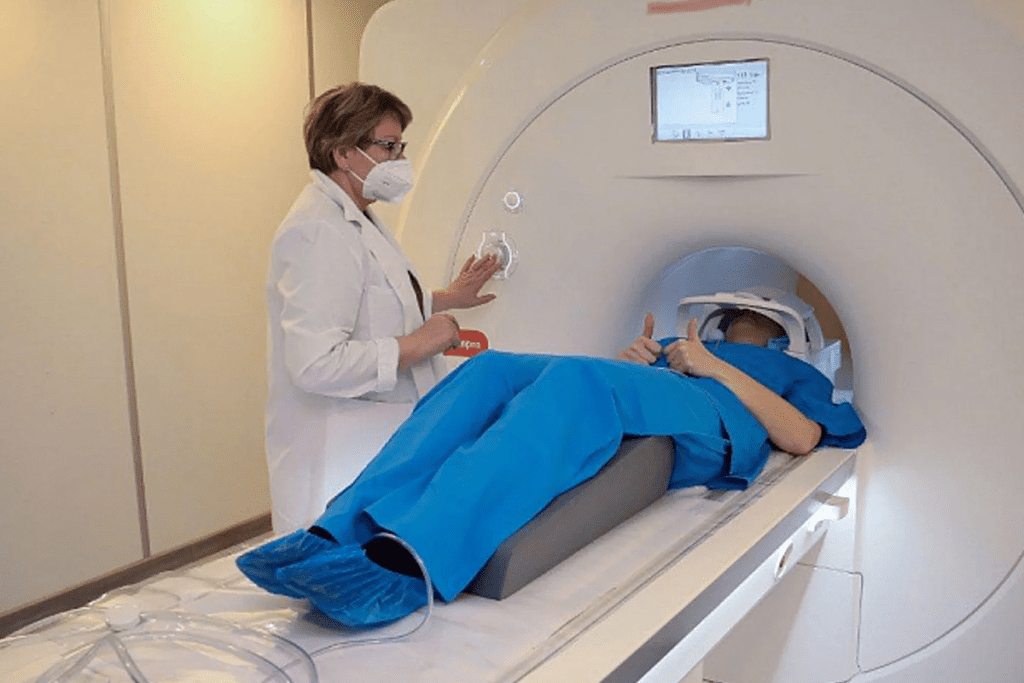
Did you know a positron emission tomography (PET) scan is key for doctors? It helps find and manage diseases like cancer and brain issues. Proper PET scan preparation is essential for obtaining accurate results.Getting ready for a PET scan means following certain steps. This includes eating right, adjusting your medications, and listening to your doctor’s advice. Understanding the details of PET scan preparation can also make you feel less stressed.By carefully following the PET scan instructions, you not only support your doctors in getting the best results but also ensure they can make the right decisions for your health
Key Takeaways
- Understand the importance of preparation for a PET scan.
- Follow specific dietary restrictions and medication adjustments.
- Adhere to the instructions provided by your healthcare provider.
- Proper preparation ensures accurate scan results.
- Reducing anxiety through knowledge and preparation.
Understanding PET Scans: Basic Principles and Uses
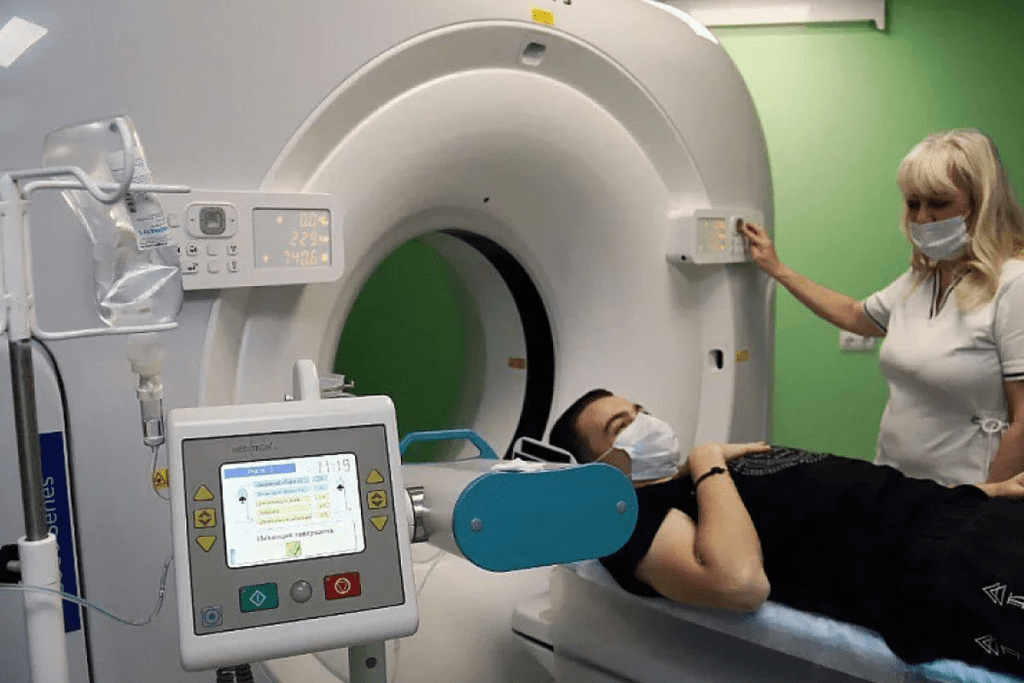
A PET scan is a cutting-edge medical imaging method. It helps doctors diagnose and manage health issues. It uses a radioactive drug, called a tracer, to show how active cells are in the body.
How PET Scans Work
PET scans detect energy from the tracer as it builds up in the body. The tracer is a sugar molecule with a radioactive atom. It’s taken up by cells, and the PET scanner catches the radiation it gives off. This creates detailed images of the body’s inner workings.
The process involves several key steps:
- The patient is injected with the tracer, which then accumulates in the body’s cells.
- The PET scanner detects the radiation emitted by the tracer.
- The scanner creates detailed images of the body’s metabolic activity.
Common Medical Conditions Diagnosed with PET Scans
PET scans are used for many medical conditions, including:
- Cancer: They help find cancer, check if treatment is working, and spot when it comes back.
- Neurological Disorders: They diagnose conditions like Alzheimer’s, Parkinson’s, and epilepsy.
- Cardiovascular Disease: They check blood flow to the heart muscle, helping find coronary artery disease.
Knowing how PET scans work and what they’re used for helps patients prepare. It also shows the important role they play in diagnosis.
The Importance of Proper PET Scan Preparation
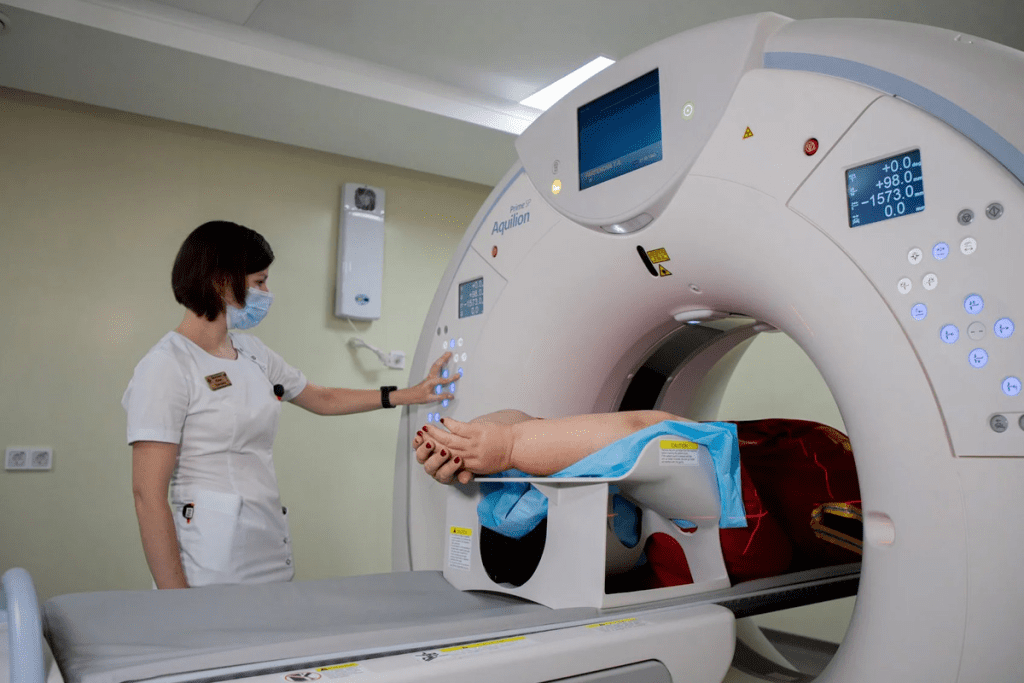
Getting ready for a PET scan is key to its success. A well-prepared patient helps get better scan results. This means following certain steps and guidelines to make sure the scan works well.
Why Preparation Matters for Accurate Results
Preparation helps the tracer in the scan work better. Following a fasting diet, avoiding certain foods, and skipping some medications are important. They help the tracer be absorbed right, leading to clearer images and more accurate diagnoses.
For example, eating a low-carb diet before the scan helps. It lowers glucose levels in the body. This is very important for cancer diagnosis PET scans. High glucose levels can mess up the tracer’s absorption, making results less accurate.
| Preparation Step | Purpose | Impact on Results |
| Fasting | Reduces glucose levels | Improves tracer uptake |
| Dietary Restrictions | Optimizes tracer absorption | Enhances image clarity |
| Avoiding Certain Medications | Prevents interference with tracer | Increases diagnostic accuracy |
Consequences of Improper Preparation
Not preparing well for a PET scan can cause big problems. Results might not be accurate or clear. This could mean getting a wrong diagnosis or needing more tests. Both can be expensive and stressful for patients.
For instance, not fasting can lead to poor tracer uptake. This makes it hard for doctors to make accurate diagnoses. Also, not skipping certain medications or foods can mess up the scan’s results. This could lead to wrong conclusions.
By knowing how important proper PET scan preparation is, patients can help get better results. Following the right guidelines ensures the scan is done right. This leads to accurate diagnoses and better treatment plans.
PET Scan Preparation Timeline: What to Do When
A PET scan preparation timeline is key for patients. It helps them get ready for the scan. This preparation is vital for getting accurate results.
48-24 Hours Before Your Scan
Start a low-carb diet 48-24 hours before, as your doctor advises. This diet makes sure the PET scan images are clear.
- Avoid high-carb foods and sugary drinks.
- Eat more protein and vegetables.
- Drink lots of water to stay hydrated.
Also, check your medication list with your doctor. They can tell you which meds might affect the scan.
| Food Type | Recommended | Avoid |
| Carbohydrates | Low-carb vegetables | Bread, pasta, sugary snacks |
| Protein | Lean meats, fish, eggs | |
| Beverages | Water, unsweetened tea | Sugary drinks, soda |
The Day Before Your Scan
Continue with the low-carb diet and drink plenty of water the day before. Make sure to follow any fasting instructions from your healthcare provider.
Always ask your doctor if you have any questions about preparation.
- Confirm fasting start time.
- Review food lists again.
The Morning of Your Scan
Follow your doctor’s fasting instructions in the morning. Wear clothes without metal and avoid using certain products.
Arrive 15-30 minutes early to fill out paperwork.
- Bring needed documents or scan results.
- Be ready to talk about your preparation.
By sticking to this timeline, your scan will go smoothly. And you’ll get accurate results.
Fasting Requirements for PET Scans
It’s important for patients to know the fasting rules for PET scans. Fasting is key to getting accurate scan results.
Standard Fasting Instructions
Patients usually need to fast for 4 to 6 hours before a PET scan. This means no food or drink (except water). The exact time might change based on the doctor’s orders.
Following these rules is vital for getting precise scan results. Eating or drinking something other than water can mess up the scan.
Exceptions to Fasting Rules
Not everyone has to fast the same way for PET scans. For example, diabetic patients might need a different fasting plan. It’s important to talk to your doctor about your health and any worries you have.
In some cases, you might be able to have certain liquids or take medicine with a little water. But always do this with your doctor’s okay to keep the scan results good.
By following the fasting rules, patients help make sure their PET scan is done right. This gives doctors the info they need to help you.
Dietary Restrictions: Following a Low-Carb Diet Before Your PET Scan
To get the most out of your PET scan, it’s key to follow a low-carb diet before it. This diet is important for accurate scan results.
Foods to Avoid Before a PET Scan
Some foods can mess with your PET scan results. They can change blood sugar and insulin levels. Avoid or limit:
- Sugary foods and drinks: Candy, cakes, and sweetened beverages can cause a spike in blood sugar.
- High-carb foods: Bread, pasta, and rice can impact the body’s insulin response.
- Fruit and fruit juices: While generally healthy, fruits are high in natural sugars and should be consumed in moderation.
Recommended Foods for the 24 Hours Prior
In the 24 hours before your PET scan, eat:
- Protein-rich foods: Meat, poultry, fish, and eggs are excellent choices.
- Low-carb vegetables: Leafy greens, broccoli, and cauliflower are good options.
- Healthy fats: Nuts, seeds, avocados, and olive oil are recommended.
It’s also important to stay hydrated. But, make sure to follow your healthcare provider’s hydration guidelines.
By following these dietary guidelines, you help make your PET scan results as accurate as possible. This gives your healthcare team the info they need to care for you well.
Hydration Guidelines for PET Scan Preparation
Hydration is key for a good PET scan. It helps the tracer spread evenly in the body. This makes sure the scan images are clear and precise.
Importance of Proper Hydration
Drinking enough water before a PET scan is very important. It helps the tracer move around the body. This ensures it reaches all the right spots for scanning.
Also, water helps get rid of the tracer after the scan. This can lower the chance of side effects. Doctors say, “Drinking enough water is vital for a good PET scan. It makes the images better and keeps the patient comfortable.”
Benefits of Proper Hydration:
- Enhanced image quality due to optimal tracer distribution
- Faster elimination of the tracer from the body
- Reduced risk of possible side effects
Water Intake Recommendations
People are told to drink lots of water before their PET scan. The exact amount depends on their health and the doctor’s advice. Usually, drinking 8-10 glasses of water in 24 hours is suggested.
It’s very important to follow your doctor’s hydration advice. They might have special rules for your health and scan type.
In summary, staying hydrated is a big part of getting ready for a PET scan. By knowing how important water is and drinking enough, patients help make their scan safe and effective. This leads to better diagnostic results.
Physical Activity Restrictions Before Your PET Scan
Before a PET scan, it’s key to know how exercise affects it. Exercise can change where the tracer goes, which might mess up the scan’s results.
Why Exercise Should Be Avoided
Exercise can make blood flow more in some body parts. This might change where the tracer goes. This could make the scan results inaccurate or misleading, needing more scans or delaying diagnosis.
For example, if you’re getting a PET scan for cancer, exercising beforehand might make the tracer go to muscles instead of the tumor. This makes finding cancer harder.
Timing of Activity Restrictions
How long you should avoid exercise varies. Your doctor or the PET scan place will tell you. Usually, it’s at least 24 hours before the scan.
Following these rules is key for accurate scan results. If you’re not sure what counts as strenuous exercise, talk to your doctor or the PET scan place for advice.
In short, avoiding exercise before a PET scan is vital for accurate results. By sticking to the recommended activity limits, you help your healthcare team get the right info for your care.
Medication Management for PET Scan Preparation
PET scan preparation is more than just what you eat. It also means managing your medications. Some drugs can change how your PET scan works, so it’s key to know which ones might mess with the results.
Medications That May Interfere with PET Scans
Some drugs can change where the tracer goes in your body. This can make your PET scan results not accurate. For example, metformin, a common diabetes drug, can mess with the tracer’s uptake. Always tell your doctor about all the meds you’re taking, including:
- Diabetes medications, such as metformin
- Certain antibiotics and antivirals
- Medications that affect blood sugar levels
Not just prescription meds can mess with your scan. Some over-the-counter drugs and supplements can too.
Consulting with Your Doctor About Medication Adjustments
Before your PET scan, talk to your doctor about your meds. They might need to change your dosage or stop some meds to get accurate results. Here’s what to do:
- Make a list of all your current medications, including dosages and frequencies.
- Discuss your PET scan preparation with your doctor, highlighting any concerns about your medications.
- Follow your doctor’s instructions regarding any adjustments to your medication schedule.
By working with your healthcare provider, you can manage your meds right before your PET scan. This helps get more accurate and reliable results.
Special PET Scan Preparation for Diabetic Patients
Diabetic patients need special care before a PET scan. This is to get accurate results. Keeping blood sugar stable is key, as changes can mess with the tracer used in scans.
Blood Sugar Control Before the Scan
Keeping blood sugar in check is vital before a PET scan. High blood sugar levels can mess with the tracer, leading to wrong scan results. Diabetic patients should work with their healthcare team to control their blood sugar before the scan.
It’s wise for diabetic patients to check their blood glucose levels often before the scan. They should adjust their diet or meds as needed to keep blood sugar stable.
Metformin and Other Diabetes Medications: Special Considerations
Some diabetes meds, like metformin, might need to be changed or stopped before a PET scan. This is because some meds can affect scan results or cause bad side effects.
Patients should talk to their doctor about their meds before the scan. It’s important to list all meds, including how much, to help doctors make the right choices.
By managing blood sugar and adjusting meds, diabetic patients can help make their PET scan a success.
Comprehensive PET Scan Preparation Checklist
Getting ready for a PET scan is key to a good experience. A detailed checklist helps you prepare well. This ensures accurate results and a smooth process.
One Week Before Your Scan
Begin by reading your healthcare provider’s instructions. Learn about diet rules, medication, and other needs.
- Review and understand your PET scan instructions
- Begin adjusting your diet according to the guidelines provided
- Inform your doctor about any medications you are currently taking
24 Hours Before Your Scan
Follow the guidelines closely for the 24 hours before your scan.
- Avoid consuming high-sugar or high-carb foods and drinks
- Stay hydrated by drinking plenty of water
- Limit or avoid strenuous physical activities
Day of Your PET Scan
On the day of your scan, make sure to follow the last steps for a successful procedure.
- Arrive at least 15-30 minutes before your scheduled appointment time
- Wear comfortable, metal-free clothing
- Bring any required documents or identification
Here’s a table to help you remember the preparation timeline:
| Time Before Scan | Preparation Steps |
| 1 Week | Review instructions, start dietary adjustments |
| 24 Hours | Avoid high-sugar/high-carb foods, stay hydrated, limit strenuous activities |
| Day of Scan | Arrive early, wear metal-free clothing, bring required documents |
By using this detailed checklist, you’ll be ready for your PET scan. This makes your experience successful and stress-free.
Personal Care Products and PET Scan Preparation
Getting ready for a PET scan is more than just about what you eat. What you use on your skin matters too. Some products can mess with the scan’s results, so it’s important to know what’s okay and what’s not.
Restrictions on Lotions, Deodorants, and Cosmetics
Before your PET scan, stay away from certain personal care items. Lotions, deodorants, and cosmetics with metals can mess up the scan.
- Deodorants: Many have aluminum, which can show up on PET scans. It’s best to skip deodorant on the day of the scan.
- Lotions and Creams: Some can leave marks on your skin that might affect the scan. Try to avoid using them on the day of the scan.
- Cosmetics: Products with talc or powders can cause problems. It’s wise to use less or avoid them before the scan.
Recommended Personal Care Routine Before the Scan
To make sure your PET scan goes smoothly, follow these tips for your personal care:
| Product | Recommendation |
| Deodorant | Avoid on the day of the scan |
| Lotions/Creams | Minimize use on the day of the scan |
| Cosmetics | Avoid powders and metal-containing products |
By following these tips, you can help make your PET scan a success.
“Proper preparation is key to a successful PET scan. By understanding the role of personal care products, patients can contribute to the accuracy of their scan results.”
Clothing Guidelines for Your PET Scan Appointment
The clothes you pick for your PET scan can really affect the scan’s quality. It’s key to wear something comfy and right for a PET scan.
Metal-Free Clothing Requirements
For a PET scan, your clothes must not have metal. Stay away from clothes with metal parts like zippers or buttons. Metal can mess up the scan, leading to bad images or extra scans. Go for clothes without metal fastenings or wear a gown from the imaging place.
What to Wear to Your Appointment
Think about these tips when picking out clothes for your PET scan:
- Choose loose, comfy clothes that let you move freely.
- Steer clear of clothes with metal, as we talked about before.
- Wear clothes that are easy to take off, in case you need to change into a gown.
- Wear layers, as the room’s temperature might change.
Being comfy is important during your PET scan. You’ll need to stay very quiet for a bit. Wearing the right clothes can help you relax and make the scan easier.
By sticking to these clothing tips, you can make sure your PET scan goes well. And the images will be top-notch.
Special Considerations for Specific Patient Groups
Some patients need special care before a PET scan. This includes pregnant women, breastfeeding moms, and kids. Each group has unique needs to keep them safe and get accurate scan results.
Pregnancy and PET Scan Preparation
Pregnant women should talk to their doctor before a PET scan. The scan might pose risks to the baby. Doctors usually only do the scan if it’s really needed and other tests won’t work.
- Risk Assessment: Doctors will weigh the risks and benefits. They look at how far along the pregnancy is and the type of scan.
- Dose Minimization: They try to use the least amount of radioactive tracer. This helps lower the baby’s exposure.
Breastfeeding Patients and PET Scans
Breastfeeding moms need to talk to their doctor about PET scans. The main worry is the radioactive tracer getting into the baby through breast milk.
Precautions:
- Some places suggest pumping and storing milk before the scan. This is for use later when the tracer is gone.
- Doctors might tell moms to stop breastfeeding for a few hours to a couple of days.
Pediatric PET Scan Preparation
Kids need special attention for PET scans because of their size and sensitivity. Preparing them involves careful planning to make sure the scan is safe and works well.
Key Considerations:
- Adjusting the tracer dose based on the child’s weight.
- Keeping the child calm and steady during the scan. This might mean sedation or using distractions.
- Helping the child and their family understand the procedure to reduce stress.
What to Expect During the PET Scan Procedure
Before your PET scan, it’s good to know what to expect. A PET scan is a detailed imaging method used for diagnosing and managing health issues. Knowing the steps involved can make the experience less scary.
Arrival and Check-in Process
Arrive at least 30 minutes before your PET scan. This gives time for check-in and paperwork. The radiology staff will welcome you and guide you through the process.
Be ready to show your ID, insurance, and medical records. Arriving early makes check-in smooth and avoids delays.
Tracer Injection and Uptake Period
A small amount of radioactive tracer will be injected into your arm. This tracer is a glucose-like substance that goes to active areas. You’ll wait about 60 minutes for it to spread.
During this uptake period, stay quiet and calm. This helps the tracer spread evenly. The wait time can change based on your scan type and condition. Always follow the staff’s instructions for the best results.
The Scanning Process
After waiting, you’ll lie on a scanning table. The PET scanner, a large doughnut-shaped machine, will move around you. The scan takes 30 to 60 minutes, depending on the area.
The scanning is painless and safe. You might hear the machine working, but it’s normal. The technologist will talk to you from a control room, making sure you’re comfortable.
Conclusion: Ensuring a Successful PET Scan Experience
A successful PET scan depends on good preparation. Knowing what to do and following the guidelines helps get accurate results. It also makes the scanning process smoother.
Good preparation means following dietary rules, managing medications, and making lifestyle changes. By doing this, patients help their doctors get the best information.
To have a good PET scan, follow your healthcare team’s instructions carefully. This includes eating low-carb foods, managing your meds, and avoiding certain products before the scan.
Proper preparation for your PET scan is key. It ensures your results are accurate and reliable. This helps your healthcare team make the best decisions for your care.
FAQ
What is the purpose of fasting before a PET scan?
Fasting before a PET scan helps the tracer work right. This ensures the images are accurate. Patients usually fast for a few hours before the scan.
What are the dietary restrictions before a PET scan?
Eat low-carb foods for 24 hours before the scan. Avoid sugary and high-carb foods, and caffeine too.
Can I drink water before a PET scan?
Yes, drinking water is key. It helps the tracer spread evenly in your body.
Should I avoid exercise before a PET scan?
Yes, avoid hard exercise before the scan. It can mess with the tracer’s spread. The exact time to stop depends on your doctor’s advice.
Can I take my medications as usual before a PET scan?
Always check with your doctor about your meds before the scan. Some might need to be changed or stopped.
Are there special considerations for diabetic patients preparing for a PET scan?
Yes, diabetics need to control their blood sugar and adjust meds, like metformin, as told by their doctor.
What personal care products should I avoid using before a PET scan?
Avoid lotions, deodorants, and some cosmetics on the scan day. They can mess with the imaging.
What should I wear to my PET scan appointment?
Wear clothes without metal. Avoid jewelry or clothes with metal parts to prevent scan issues.
Are there any special considerations for pregnant or breastfeeding patients undergoing a PET scan?
Tell your doctor if you’re pregnant or breastfeeding. They’ll adjust the scan to be safe for you.
What can I expect during the PET scan procedure?
You’ll get a tracer injection and wait for it to absorb. Then, you’ll lie on a table for the scan.
How long does it take to prepare for a PET scan?
Prep time varies, from days to a week, based on your doctor’s instructions.
What is the PET scan preparation checklist?
The checklist includes eating low-carb, fasting, staying hydrated, managing meds, and avoiding certain products and activities.
References
- Surasi, D. S., Bhambhvani, P., Baldwin, J. A., Almodovar, S. E., & O’Malley, J. P. (2014). ¹â¸F‘FDG PET and PET/CT patient preparation: A review of the literature. Journal of Nuclear Medicine Technology, 42(1), 5“13. https://tech.snmjournals.org/content/42/1/5
- “Procedure Guideline for Tumor Imaging with ¹â¸F-FDG PET/CT 1.0. (2006). Journal of Nuclear Medicine, 47(5), 885“895. https://jnm.snmjournals.org/content/47/5/885
- “SNMMI Procedure Standard / EANM Practice Guideline for Brain [ ¹â¸F]FDG PET Imaging, Version 2.0. (2024). Journal of Nuclear Medicine. https://jnm.snmjournals.org/content/early/2024/10/17/jnumed.124.268754