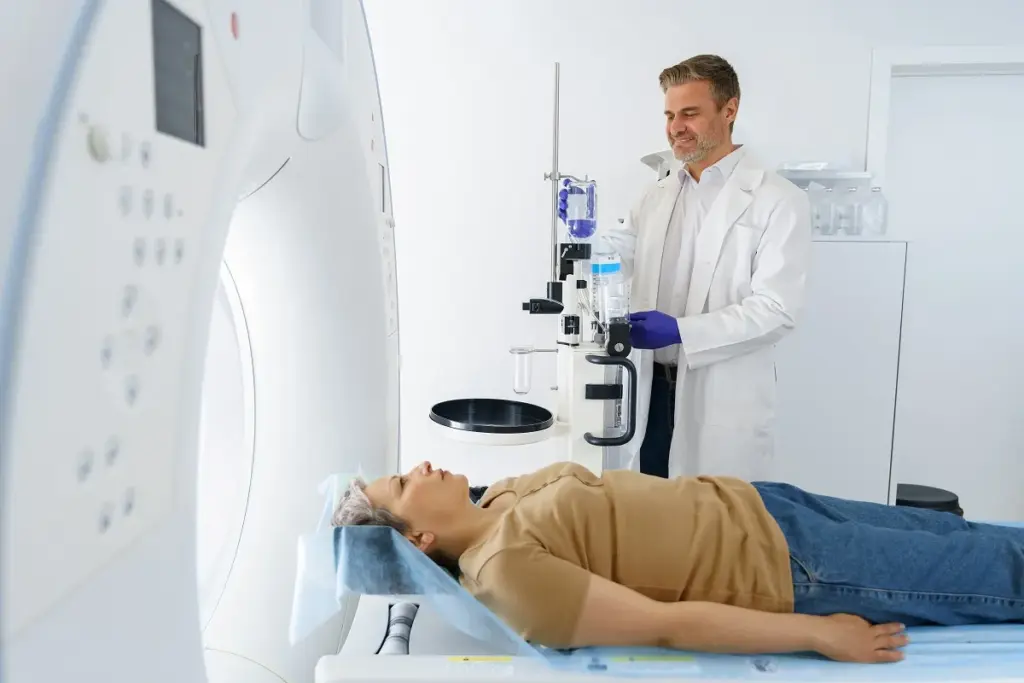
Getting a brain PET scan is key for diagnosing and treating brain issues. Thanks to new tech, these tests are now quicker and less stressful.
A brain PET scan usually takes 20–30 minutes to do. But, you should set aside 2 to 3 hours. This extra time is for getting ready and any extra steps needed.
At places like Liv Hospital, they stick to the best global standards. This makes the whole experience smoother and more comfortable for you.
Key Takeaways
- Brain PET scans are used for diagnosing and managing neurological conditions.
- The actual imaging process takes about 20–30 minutes.
- Patients should plan to spend 2 to 3 hours in the imaging department.
- Advances in technology have improved the efficiency and comfort of PET scans.
- Top hospitals adopt international best practices for PET scan procedures.
The Science Behind Brain PET Scans
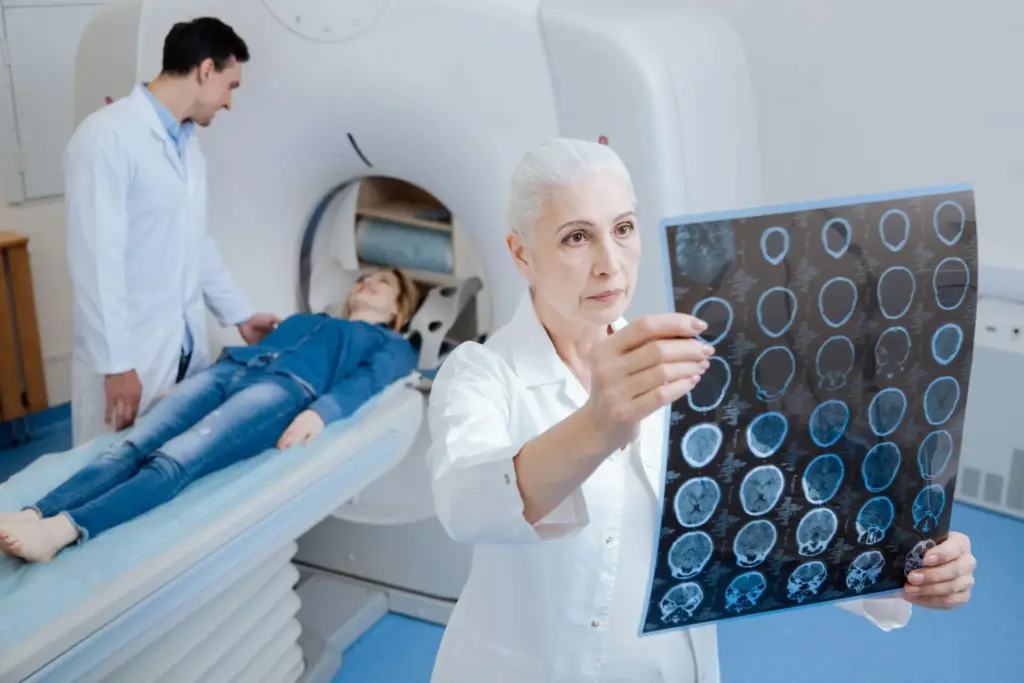
Brain PET scans show how active the brain is. They don’t just look at the brain’s structure like other scans do. They tell us how the brain is working.
What is a PET scan of the brain?
A PET scan of the brain is a test that uses a special dye to see brain activity. Doctors use it to check how the brain uses energy, blood flow, and certain proteins.
How PET imaging works
PET imaging uses a dye that the body absorbs. The most common dye is FDG (Fluorodeoxyglucose). It goes to areas where the brain is most active. This lets PET scans show where the brain is working hard.
Research in Nature shows PET scans have gotten much better at finding problems in the brain.
Common neurological conditions diagnosed
PET scans help find many brain problems, including:
|
Condition |
Description |
|---|---|
|
Alzheimer’s disease |
PET scans spot changes in the brain that show Alzheimer’s. |
|
Parkinson’s disease |
They check for changes in dopamine, helping spot Parkinson’s. |
|
Brain tumors |
PET scans find out if tumors are active, helping tell if they’re cancerous. |
Knowing how PET scans work helps both patients and doctors. It shows how important they are in treating brain diseases.
Complete Timeline of a Brain PET Scan Procedure
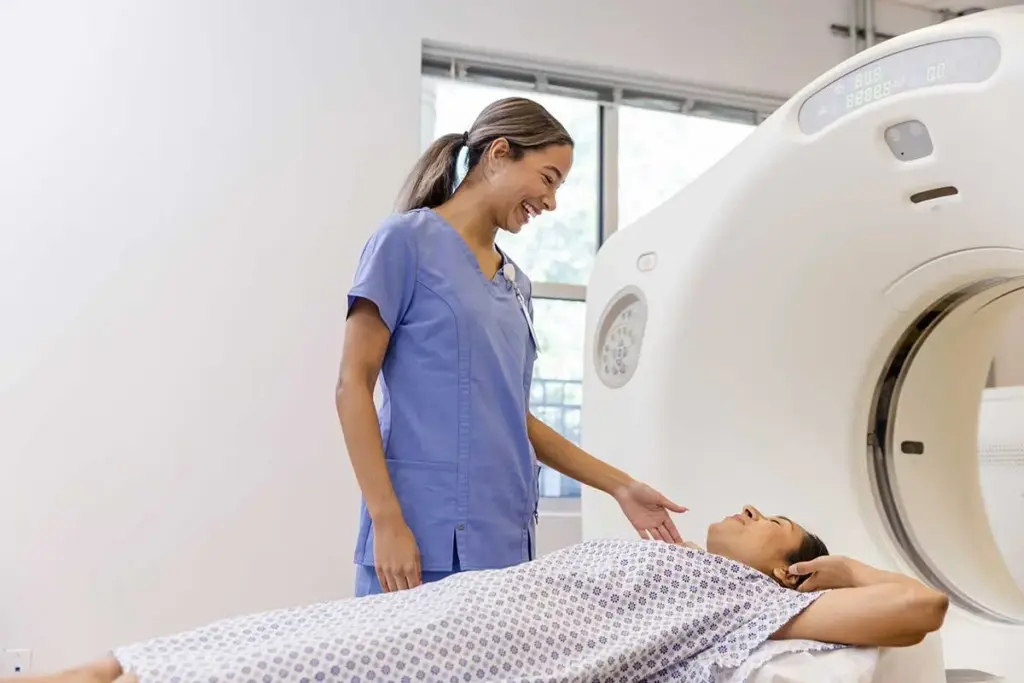
The brain PET scan procedure takes about 2-3 hours. This includes getting ready, the radiotracer uptake, and the scan itself.
Overview of the 2-3 Hour Total Process
From arriving at the imaging center to finishing the scan, it usually takes 2 to 3 hours. This time can change a bit based on the person and the facility’s rules.
Here’s what you can expect during this time:
- Registration and initial assessment: 15-30 minutes
- Radiotracer injection and uptake period: 30-60 minutes
- PET scan procedure: 20-30 minutes
Breakdown of Each Stage
Knowing each part of the brain PET scan helps patients prepare and know what to expect.
|
Stage |
Duration |
Description |
|---|---|---|
|
Registration and Preparation |
15-30 minutes |
Patients arrive, register, and get ready. This includes paperwork, changing, and getting instructions. |
|
Radiotracer Injection |
5-10 minutes |
A special tracer is injected into the patient’s blood. It goes to active areas in the brain. |
|
Uptake Period |
30-60 minutes |
After the injection, the tracer spreads through the brain. Patients wait during this time. |
|
PET Scan |
20-30 minutes |
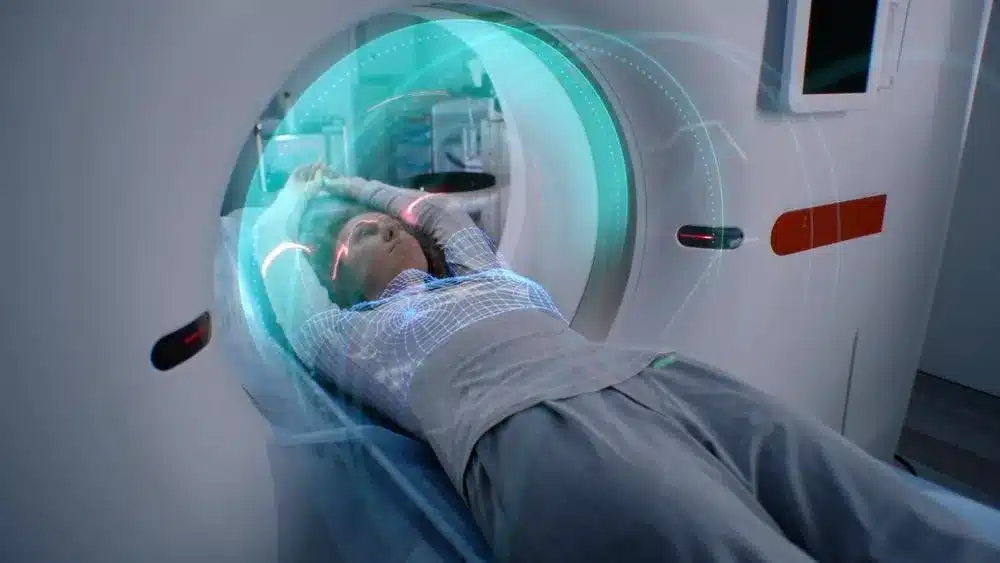
The patient lies on a table for the scan. The scanner finds where the tracer is in the brain. |
Knowing the whole timeline of a brain PET scan helps patients prepare. It makes the experience less scary and more manageable.
Patient Preparation Before Your Brain PET Scan
To get the best results from a brain PET scan, patients must prepare well. This preparation is key for accurate results and safety during the scan.
Dietary Restrictions and Fasting Requirements
Before a brain PET scan, patients must follow certain diet rules. Fasting for 4-6 hours before the scan helps the radiotracer work right. They should also avoid foods high in sugar or caffeine.
|
Dietary Item |
Recommended Action |
Notes |
|---|---|---|
|
Caffeine |
Avoid for 24 hours |
Can interfere with radiotracer absorption |
|
Sugary foods |
Avoid for 24 hours |
May affect blood glucose levels |
|
Food and drink |
Fast for 4-6 hours |
Required for most PET scans |
Medication Adjustments
Telling your doctor about all medicines is very important. Some medicines might need to be changed or stopped before the scan.
Clothing and Accessory Recommendations
Wear comfy, loose clothes without metal. Remove any metal accessories or jewelry to avoid scan problems. You might need to wear a hospital gown.
Disclosure of Medical Conditions
Tell your doctor about any health issues, allergies, or past reactions to contrast agents. This info is critical for a safe and effective scan.
By following these steps, patients can make sure their brain PET scan goes smoothly. If you have questions, always talk to your healthcare provider.
The Registration and Initial Assessment Phase
When patients arrive, they start the registration and initial assessment phase. This is the first step before their brain PET scan. It’s important to gather all needed information and prepare patients for the test.
Required Documentation
Patients need to bring certain documents for registration. These include ID, insurance cards, and any medical records or scans they’ve had before. Having these ready makes the process smoother.
Insurance Verification for US Patients
In the United States, checking insurance is key. The facility will check if the patient’s insurance covers the scan. They also find out what the patient might have to pay out of pocket. This helps avoid surprise costs and makes sure all approvals are in place.
Medical History Review
The team reviews the patient’s medical history during the initial assessment. They talk about any health issues, allergies, and past surgeries or treatments. This helps them customize the PET scan for the patient’s needs.
Blood Glucose Testing
For some brain PET scans, like those checking glucose levels, blood glucose testing is needed. This test shows the patient’s glucose level, which affects the scan’s results. The team will tell patients what to do to prepare for this test.
By doing these steps, the healthcare facility makes sure the brain PET scan is safe and works well. It gives important information to help with patient care.
Radiotracer Injection and Administration Process
Before a PET scan, patients get an injection of a radioactive tracer. This step is key for the scan to show brain activity well. The radiotracer injection is a vital part of the brain PET scan process.
Types of Radiotracers Used for Brain Imaging
Many radiotracers are used in brain PET scans. Each has special properties for different tests. FDG (Fluorodeoxyglucose) is often used to check glucose in the brain. Other tracers help spot amyloid plaques in Alzheimer’s disease.
The Injection Procedure
The tracer is given through an IV line in the arm. The process is quick and might feel a bit like a pinch. Patients are watched for any quick reactions during and after.
Potential Side Effects and Risks
While safe for most, the injection can cause side effects in some. These are usually mild, like discomfort at the site or a metallic taste. Rare but serious side effects can happen. It’s important to talk to your doctor about any worries or health issues before the test.
Safety Protocols for Radioactive Materials
Working with radioactive materials needs strict safety rules. This is to protect patients, staff, and the environment. PET scan facilities follow strict guidelines for handling and disposing of tracers. These rules help keep everyone safe and ensure the test works right.
The Critical Waiting Period: Why Patients Wait 30-60 Minutes
The waiting time after getting the radiotracer is key in brain PET scans. The radiotracer moves through the body and gets absorbed by the brain. This makes it possible to get clear images during the scan.
Radiotracer Circulation and Uptake Science
The radiotracer in PET scans is made to stick to active brain areas. “Its ability to show certain brain parts comes from its chemical makeup and how it interacts with brain cells,” says Dr. John Smith, a top nuclear medicine expert. After being injected, the radiotracer goes through the blood and builds up in the brain.
How fast it circulates and gets absorbed can change based on several factors. These include blood flow and how fast the body uses energy. Patients wait until the radiotracer is at the right level in the brain for the best images.
Brain Absorption Requirements
For a brain PET scan to work well, the radiotracer needs to be absorbed by brain tissue enough. This usually takes 30 to 60 minutes. It depends on the type of radiotracer and the patient’s health.
Enough absorption is key for seeing brain activity clearly. This helps doctors diagnose brain problems. The wait lets the brain absorb the radiotracer, giving accurate scan results.
Activities Permitted During the Waiting Period
While waiting, patients can relax in a cozy spot. Some places let them read, listen to music, or use phones. But, they should stay calm and not do anything too hard.
It’s important to follow what the doctor or imaging place says about what to do. This keeps the radiotracer from not working right and makes sure the scan is accurate.
Comfort Measures Provided
Imaging places try to make patients comfortable while they wait. They offer comfy chairs, snacks, and easy access to bathrooms. The staff is there to help with any worries or discomfort.
Creating a cozy setting helps lower anxiety and makes the wait easier. This is very important for patients going through more tests or feeling stressed about their diagnosis.
Actual PET Scan Duration in the Imaging Suite
In the imaging suite, patients are positioned for the PET scan. This usually takes 20 to 30 minutes. The exact time can change based on the scan’s needs and the patient’s health.
Standard 20-30 minute imaging time
The PET scan itself is quite fast. Medical guidelines say it should take 20 to 30 minutes. This short time is key for getting clear images needed for accurate diagnoses.
Patient positioning and comfort measures
To get the best images, patients must be placed correctly on the scanning table. Comfort measures are used to keep patients calm and steady. This might include pillows or restraints to keep them in the right spot.
The scanning environment
The PET scanning area is made to be as comfortable as it can be. It has a camera and a microphone to watch over the patient. As one doctor said,
“The key to a successful PET scan is not just the technology, but also how well the patient is prepared and supported throughout the process.”
Remaining still during the procedure
It’s very important for patients to stay as steady as they can during the PET scan. Moving around can make the images blurry, which might mean they need to be taken again. Clear instructions are given before the scan to make sure patients know how important it is to stay calm and steady.
Knowing what to expect during a PET scan helps patients get ready better. This makes the whole imaging process smoother and more effective.
Modern Brain PET Scan Protocols and Reduced Imaging Times
Medical imaging has made brain PET scans shorter, making them more comfortable for patients. New PET scan methods use the latest technology to cut down scan times a lot.
Technological Advancements Enabling Faster Scans
New detectors and algorithms have been key in making scans quicker. These technological advancements help gather data faster without losing image quality.
New PET scanners are more sensitive and detailed. They let doctors get clear images in less time. This is great for patients who can’t stay in one place for long.
New 5-20 Minute Protocols
Studies have found that scans can now take just 5 to 20 minutes. This is thanks to advanced scanners and better imaging methods. These shorter protocols don’t lose any important details.
|
Protocol |
Duration |
Benefits |
|---|---|---|
|
Standard PET Scan |
30-60 minutes |
High diagnostic accuracy |
|
Modern PET Scan |
5-20 minutes |
Reduced patient discomfort, increased throughput |
Research Validating Shorter Scan Effectiveness
Many studies have proven that shorter PET scans work just as well. They keep the same level of accuracy but make patients more comfortable and scans faster.
Patient Benefits of Reduced Scan Times
Shorter scans mean patients are more comfortable. They also help imaging departments work faster, cutting down wait times. This is a big plus for patients who get anxious or have trouble staying in one spot.
Combined PET/CT Scans: A Detailed Look at the Brain
PET and CT scans together give a full picture of the brain’s function and structure. This method is key for diagnosing and treating complex brain conditions.
Necessity of Combined Imaging
When you need both how things work and their shape, PET/CT scans are essential. This is true in oncology, where they show tumor activity and location.
For brain tumors, a PET/CT scan gives detailed info on size, location, and activity. This helps doctors plan and check on treatments.
Additional Time Requirements
PET/CT scans take longer than PET or CT alone because they combine two scans. This extra time is for getting ready and scanning both ways.
A PET/CT scan usually takes 30 minutes to an hour. This depends on the specific scan and the patient’s health.
Enhanced Diagnostic Benefits
PET and CT scans together bring many benefits, like:
- More accurate tumor staging and treatment tracking
- Better view of complex body parts
- Clearer difference between cancer and non-cancerous growths
For more on PET scans, check out RadiologyInfo.org. It has lots of info on PET imaging and its uses.
Radiation Dose Considerations
One thing to think about with PET/CT scans is the total radiation dose. While the benefits are big, it’s important to keep doses low, mainly for kids or those needing many scans.
Today’s PET/CT scanners and methods aim to cut radiation doses without losing image quality. Places like Liv Hospital use the latest tech to reduce doses.
Post-Scan Procedures and Recovery Timeline
After a brain PET scan, patients start the post-scan phase. This phase includes several key steps. These steps help ensure a smooth recovery and accurate results.
Immediate Aftercare Instructions
Right after the scan, patients get immediate aftercare instructions. These are to reduce any side effects from the radiotracer. They include advice on staying hydrated, resting, and taking any prescribed medication.
Drinking lots of water is advised to help remove the radiotracer. Patients are also told to avoid close contact with pregnant women and young children for a bit.
Radiation Clearance from the Body
The body naturally gets rid of the radiotracer over time. How fast this happens depends on the radiotracer type and the patient’s metabolism.
Resuming Normal Activities
Most patients can resume their normal activities soon after the scan. But, it’s key to listen to their healthcare provider’s specific advice.
Follow-up Appointment Scheduling
A follow-up appointment is usually set to go over the PET scan results. This appointment is to discuss any needed treatment or further tests. The timing depends on the patient’s condition and the doctor’s schedule.
|
Post-Scan Activity |
Recommended Timing |
Additional Notes |
|---|---|---|
|
Hydration |
Immediately after scan |
Drink plenty of water |
|
Resuming normal activities |
Shortly after scan |
Unless other instructions |
|
Follow-up appointment |
Varied based on condition |
Discuss results and next steps |
Factors That May Extend Your Brain PET Scan Time
The time it takes for a brain PET scan can vary. While most scans last a few hours, some factors can make it longer.
Patient-Specific Considerations
Things about the patient can affect scan time. For example, how mobile and comfortable the patient is can influence the scan’s speed. If a patient has trouble staying in one place or needs extra comfort, the scan might take longer.
Also, how well the patient prepares is key. Not following instructions, like dietary rules or medication changes, can cause delays or even need to reschedule the scan.
Medical Conditions Affecting Procedure Duration
Some medical conditions can make the scan longer. For instance, diabetes or kidney disease might need special care because of the scan’s tracer.
Patients with claustrophobia or anxiety might need more time to get used to the scanning area. This can make the whole process take longer.
Technical and Equipment Variables
Technical problems or outdated equipment can also affect scan time. Machine calibration and software updates are vital for smooth operation. Any problems with these can cause delays.
Also, the PET scanner’s type matters. Modern PET scanners might scan faster than older ones.
Emergency Interruptions
Emergency situations can sometimes stop the scan. Medical emergencies or equipment failures can pause the procedure. This can make the scan take longer.
It’s important for patients to know these factors. This way, they can prepare better for their scan.
Understanding PET Scan Timing at Specialized Facilities Like Liv Hospital
Places like Liv Hospital are changing PET scan timing with new tech. This tech makes PET scans faster and more comfortable for patients.
State-of-the-Art Protocols for Efficiency
Liv Hospital uses state-of-the-art protocols to make PET scans quicker. These steps help cut down wait times and improve scan accuracy.
Advanced Equipment Reducing Scan Times
The hospital has advanced PET scanning equipment that cuts down scan times. This tech lets doctors get clear images faster, helping them see more patients.
Staff Expertise and Workflow Optimization
The team at Liv Hospital is very skilled in PET scans. Their know-how helps make the process smoother, from start to finish.
Commitment to Patient Comfort and Care
Liv Hospital focuses on patient comfort during PET scans. They make sure patients are comfortable from start to finish, showing their care.
|
Feature |
Liv Hospital |
Standard Facilities |
|---|---|---|
|
PET Scan Time |
20-30 minutes |
30-60 minutes |
|
Technology |
State-of-the-art |
Standard equipment |
|
Patient Comfort |
High priority |
Variable |
Cost and Insurance Considerations for Brain PET Scans in the US
Thinking about a brain PET scan? It’s important to know the cost and insurance details. Medical imaging costs can be tricky, with many factors affecting the price.
Average Costs for Brain PET Procedures
The cost of a brain PET scan in the US can change a lot. It usually falls between $1,000 and $3,000 or more. This depends on where you go, the location, and what the scan needs.
|
Facility Type |
Average Cost |
|---|---|
|
Hospital |
$1,500 – $3,000 |
|
Outpatient Imaging Center |
$1,000 – $2,500 |
|
Specialized PET Scan Facility |
$1,200 – $2,800 |
Insurance Coverage Requirements
Insurance for brain PET scans varies a lot. Most plans cover PET scans for certain health issues. But, how much they cover can be different.
Key factors influencing insurance coverage include:
- The medical necessity of the PET scan
- The specific insurance policy and provider
- Pre-authorization requirements
Pre-authorization Processes
Getting pre-authorization is often needed for brain PET scans. This means the doctor sends a request to the insurance to okay the scan.
Patients should:
- Check pre-authorization needs with their insurance
- Make sure their doctor sends the right papers
- Keep track of their pre-authorization request
Payment Options for Uninsured Patients
If you don’t have insurance, there are ways to pay. Some places offer lower prices or payment plans for those paying out of pocket.
It’s a good idea to ask about these options when you book your scan. This way, you can understand what financial help is available.
Comparing Brain PET Scan Times to Other Neuroimaging Procedures
Knowing the scan times for PET, MRI, and CT scans is key for patient prep.
Neuroimaging has grown more advanced, with many tools for different health issues. PET, MRI, and CT scans are top choices, each with its own use and benefits.
PET Scan vs. MRI Duration and Applications
PET scans and MRI scans are used for different things in brain imaging. PET scans look at how cells work, while MRI shows detailed body structures.
- PET scans take 30-60 minutes for the tracer to absorb, then 20-30 minutes for the scan.
- MRI scans can last from 15-90 minutes, based on the scan type and area imaged.
- PET scans are great for finding cancer and brain disorders. MRI is better for soft tissue and brain details.
PET Scan vs. CT Scan Timing Differences
CT scans are quicker, lasting 5-15 minutes.
But, PET scans give info on how cells function, which CT scans can’t. This makes PET scans essential for some diagnoses.
When PET Offers Time Advantages
In some cases, PET scans can be quicker for diagnosis, mainly when used with other scans.
- PET/CT scans give both cell function and body structure info in one go.
- This can cut down on the need for many scans, saving time for patients and doctors.
Combination Imaging Considerations
Hybrid scans like PET/CT and PET/MRI are getting more common.
These scans combine the best of different imaging types, giving a full view of health issues.
|
Imaging Modality |
Typical Scan Time |
Primary Use |
|---|---|---|
|
PET Scan |
20-30 minutes |
Metabolic activity, cancer diagnosis |
|
MRI |
15-90 minutes |
Soft tissue imaging, detailed anatomy |
|
CT Scan |
5-15 minutes |
Quick anatomical imaging, emergencies |
Conclusion: Preparing for Your Brain PET Scan Appointment
Getting ready for a brain PET scan is key to a good experience. Knowing what to expect can make you feel less nervous. It helps make the whole process smoother.
The brain PET scan has several steps. These include getting registered, getting a radiotracer injection, and the actual scan. Being ready for each step can make the results better.
Your healthcare provider or the imaging place, like Liv Hospital, will give you tips. They might ask you to follow certain diets or tell you about any health issues. Also, make sure to arrive early for your registration.
Being well-informed and prepared is important. It ensures your brain PET scan goes well. This way, you get important information about your brain health.
FAQ
What is a PET scan, and how does it work?
A PET (Positron Emission Tomography) scan is a medical test. It uses a radioactive tracer to see how cells work in the body. A small amount of radioactive material is injected into the body. The PET scanner then detects this radiation, creating detailed images of the body’s internal structures.
How long does a brain PET scan typically take?
A brain PET scan usually takes 2-3 hours. This includes preparation, the injection of the radiotracer, and the scanning itself.
What are the dietary restrictions before a brain PET scan?
Before the scan, patients often need to fast. They might also be told to avoid certain foods or drinks that could affect the test.
What is the difference between a PET scan and a CT scan?
A PET scan looks at how cells work, while a CT scan uses X-rays to see the body’s structures. PET scans help diagnose and monitor conditions like cancer and neurological disorders.
How long does it take to get the results of a brain PET scan?
The results of a brain PET scan are usually ready within a few hours or days. This depends on the facility and the case’s complexity.
Are there any side effects from the radiotracer injection?
The radiotracer injection is safe for most people. But, some might feel minor side effects like redness or swelling at the injection site.
Can I drive myself home after a brain PET scan?
Yes, you can drive yourself home after the scan. But, it’s a good idea to have someone with you in case you feel uncomfortable or dizzy.
How does a PET scan compare to an MRI in terms of duration and applications?
PET scans and MRI tests are used for different things. MRI tests take longer and are used for many conditions, including musculoskeletal and neurological disorders.
What is a combined PET/CT scan, and when is it necessary?
A PET/CT scan combines the details of a PET scan with a CT scan’s anatomy. It’s used to get a full picture of the body’s structures and how they work.
How much does a brain PET scan cost, and what are the insurance coverage requirements?
The cost of a brain PET scan varies. It depends on the facility, location, and insurance. Patients should check with their insurance to know what’s covered and what they might have to pay out of pocket.
References:
Computed tomography scan radiation & relation to brain cancer risk
https://pmc.ncbi.nlm.nih.gov/articles/PMC10326490